Tenant Rights For Eviction
Description



Get your form ready online
Our built-in tools help you complete, sign, share, and store your documents in one place.
Make edits, fill in missing information, and update formatting in US Legal Forms—just like you would in MS Word.
Download a copy, print it, send it by email, or mail it via USPS—whatever works best for your next step.
Sign and collect signatures with our SignNow integration. Send to multiple recipients, set reminders, and more. Go Premium to unlock E-Sign.
If this form requires notarization, complete it online through a secure video call—no need to meet a notary in person or wait for an appointment.
We protect your documents and personal data by following strict security and privacy standards.

Make edits, fill in missing information, and update formatting in US Legal Forms—just like you would in MS Word.

Download a copy, print it, send it by email, or mail it via USPS—whatever works best for your next step.

Sign and collect signatures with our SignNow integration. Send to multiple recipients, set reminders, and more. Go Premium to unlock E-Sign.

If this form requires notarization, complete it online through a secure video call—no need to meet a notary in person or wait for an appointment.

We protect your documents and personal data by following strict security and privacy standards.
Looking for another form?




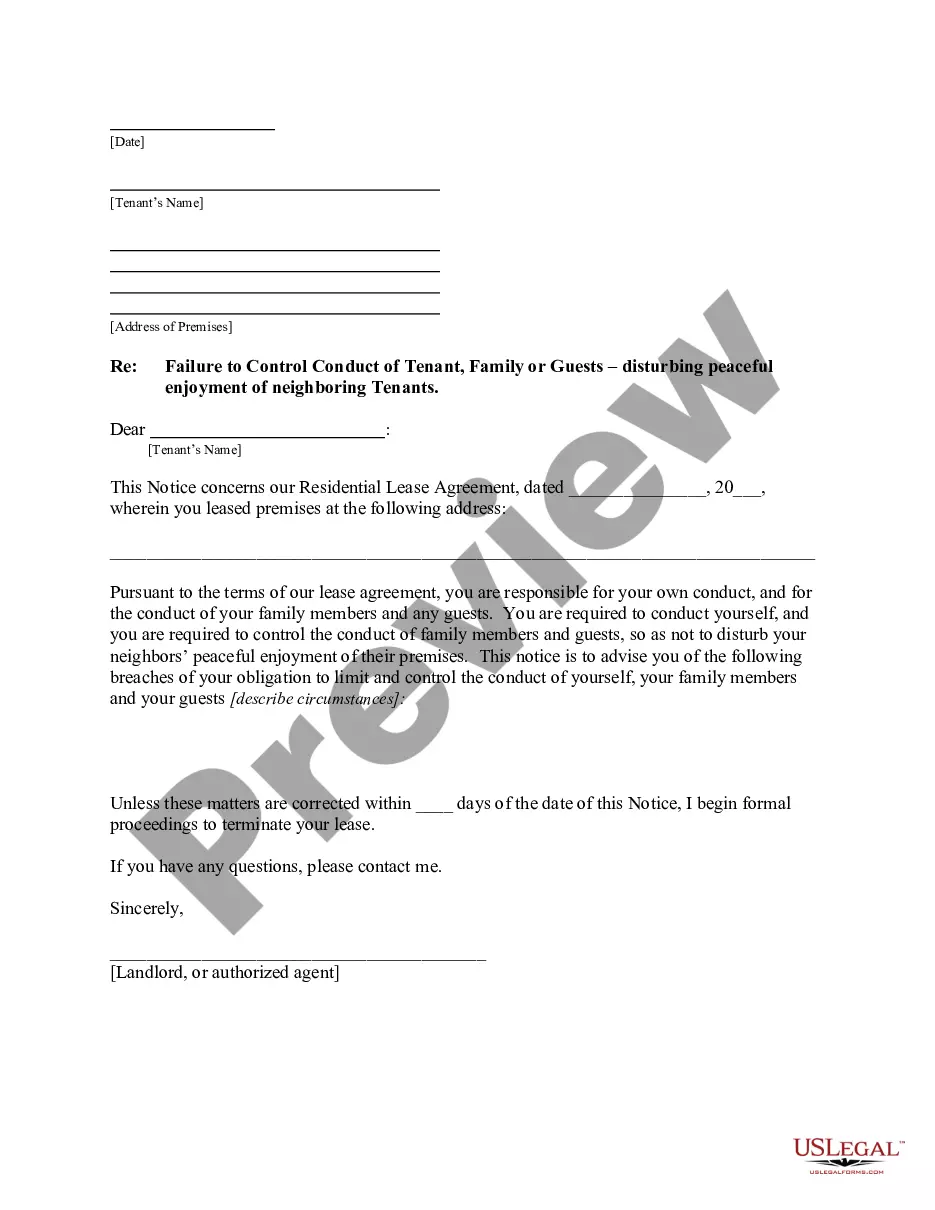
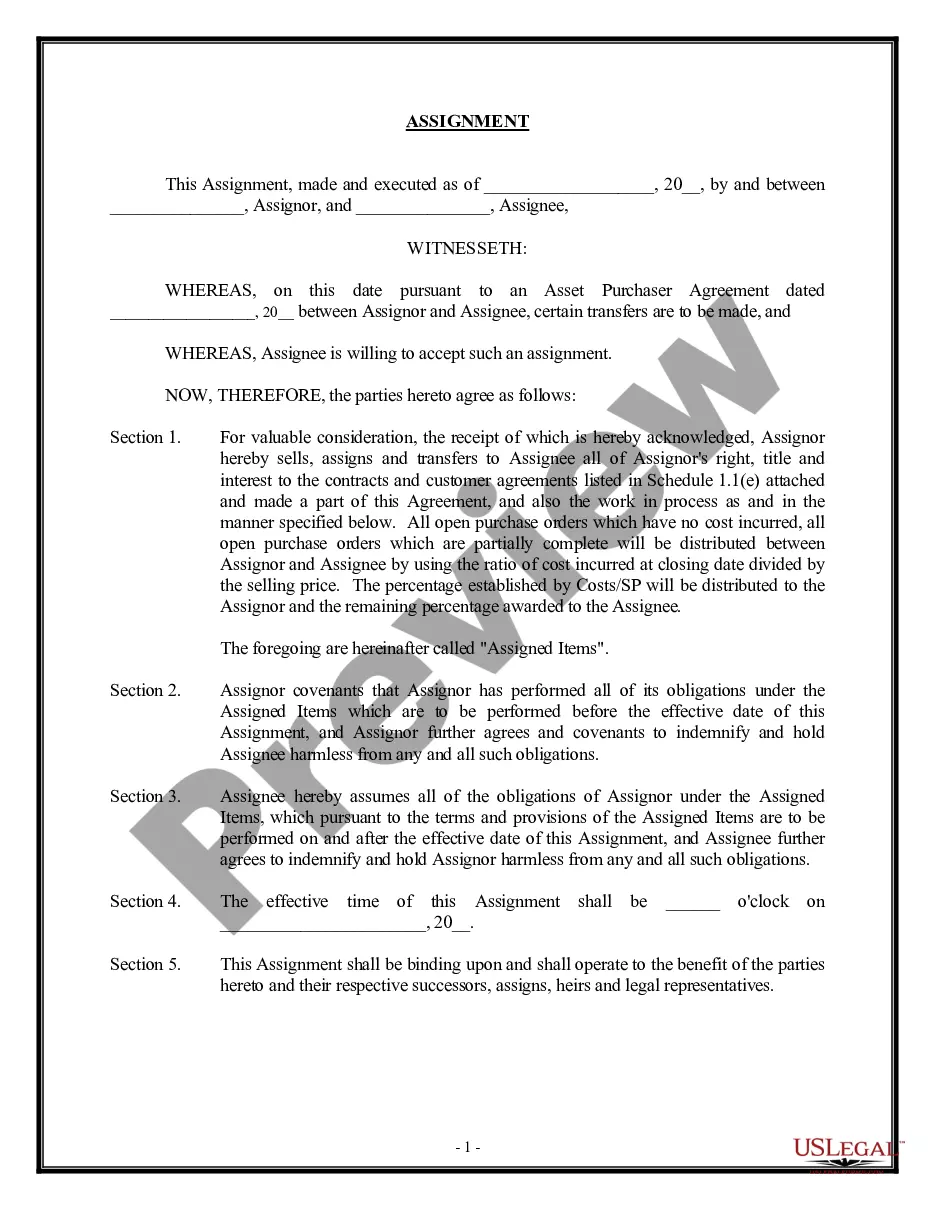



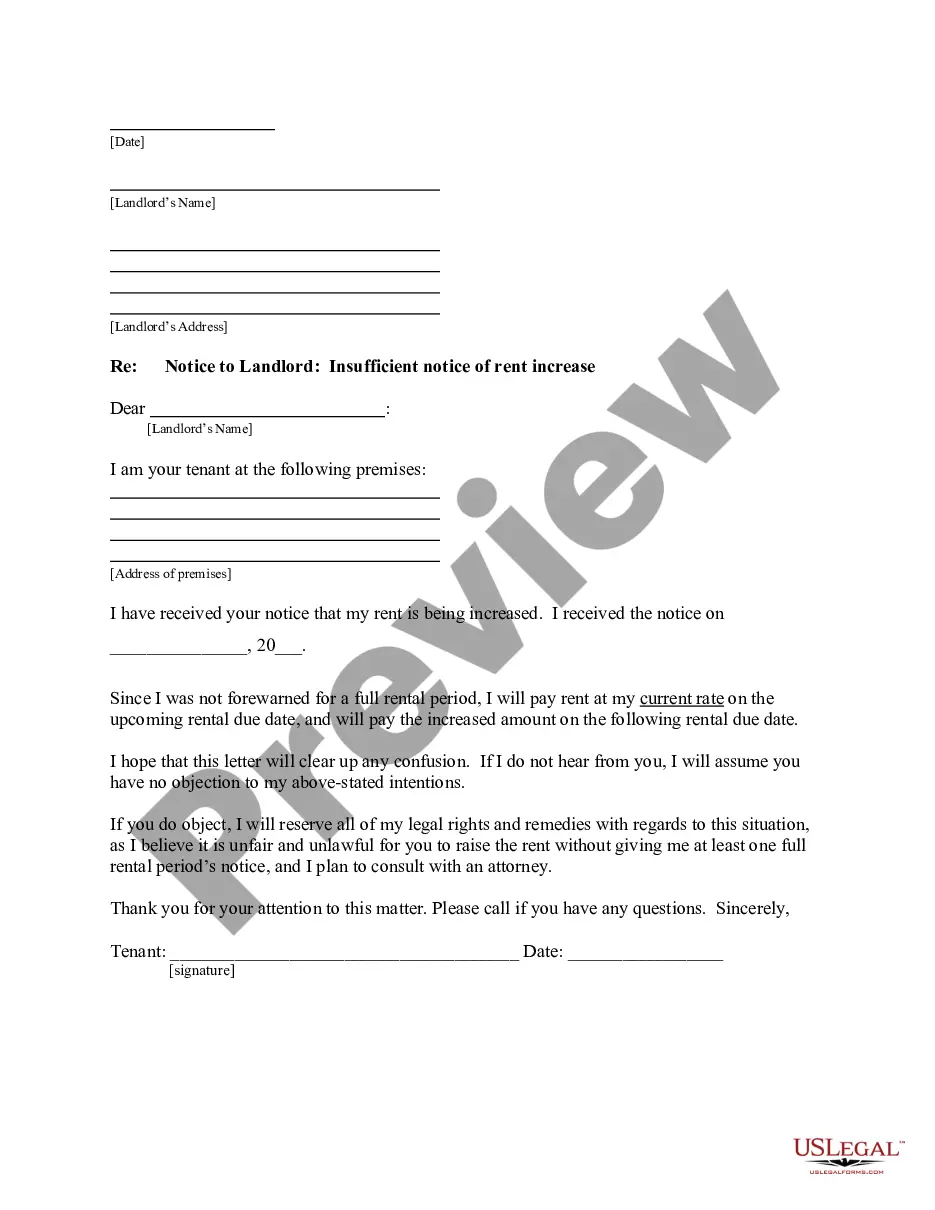
How to fill out Florida Letter From Tenant To Landlord About Insufficient Notice Of Rent Increase?
- Log in to your US Legal Forms account if you are an existing user and ensure your subscription is active. Click the Download button to save the needed form template on your device.
- If you're a new user, begin by browsing through the Preview mode and form descriptions to find a template that aligns with your needs and complies with local laws.
- If you find any discrepancies or need a different form, utilize the Search tab to locate an appropriate template.
- Once you've selected a form, click on the Buy Now button to choose your desired subscription plan and register your account.
- Complete your purchase using a credit card or PayPal for instant access to the library's resources.
- Finally, download your selected form onto your device and locate it anytime in the My Forms section of your profile.
Utilizing US Legal Forms not only simplifies the process of obtaining legal documents but also ensures that you have access to an extensive library of resources tailored to your needs.
Take control of your legal situation today! Visit US Legal Forms to access a wealth of documents and expert assistance, ensuring your rights are upheld.
Form popularity
FAQ
Eviction laws in Texas require landlords to provide a valid reason, such as non-payment or lease violation, before initiating the eviction process. Landlords must follow a specific notice procedure and file an eviction lawsuit if the issue is not resolved. Knowing your tenant rights for eviction can empower you to respond appropriately and protect yourself during the process.
After an eviction judgment in Texas, you generally have 5 days to move out. If you do not vacate within this timeframe, a constable may return to enforce the eviction. Understanding your tenant rights for eviction is critical during this process, as it can help you seek remedies or additional time if necessary.
In Texas, there is no specific 30-day eviction law. Instead, landlords must provide a notice period that can vary based on the reason for eviction. For non-payment of rent, landlords often require a 3-day notice. It's important to understand tenant rights for eviction in Texas to navigate this process effectively.
Being evicted in Maryland can take anywhere from a few weeks to several months, depending on the situation. After an eviction notice, the landlord must file in court, which sets the timeline. Familiarizing yourself with your tenant rights for eviction will help you respond appropriately. Staying proactive can support your case and potentially shorten the process.
The soonest you can evict a tenant in Maryland depends on the circumstances surrounding the eviction. For non-payment of rent, the process can begin after 30 days of non-payment. Understanding your tenant rights for eviction is crucial as it outlines the proper procedures. Ensure the landlord adheres to all legal requirements to prevent disputes.
In Maryland, you can be late on rent for a brief period, but it’s essential to communicate with your landlord. Generally, if rent is due and unpaid after several days, it may initiate the eviction process. Be aware of your tenant rights for eviction, as they offer protections. Trying to negotiate a payment plan can also prevent complications.
The eviction process in Maryland can take several weeks to a few months, depending on various factors. Landlords must follow a legal procedure, which includes providing notice and filing in court. Understanding your tenant rights for eviction can help you better navigate each step. Stay informed about the timeline to prepare and take necessary actions.
To stop an eviction in Maryland, you must first understand your tenant rights for eviction. You can respond to the eviction notice within the timeframe specified. Gathering documentation such as payment records and any communication with your landlord can strengthen your case. If necessary, consult legal assistance or use platforms like US Legal Forms to navigate the process effectively.
The timeline for eviction in Vermont varies based on the circumstances and whether the tenant contests the eviction. Typically, the process can take several weeks to a few months, depending on court schedules and compliance with legal procedures. Knowledge of tenant rights for eviction can help tenants navigate this process more effectively and respond appropriately.
In Vermont, tenants are generally required to provide a written notice of at least 30 days before terminating a month-to-month lease. This notice requirement ensures both parties have adequate time to prepare for the change. Understanding tenant rights for eviction can clarify the expectations and help maintain a positive landlord-tenant relationship.