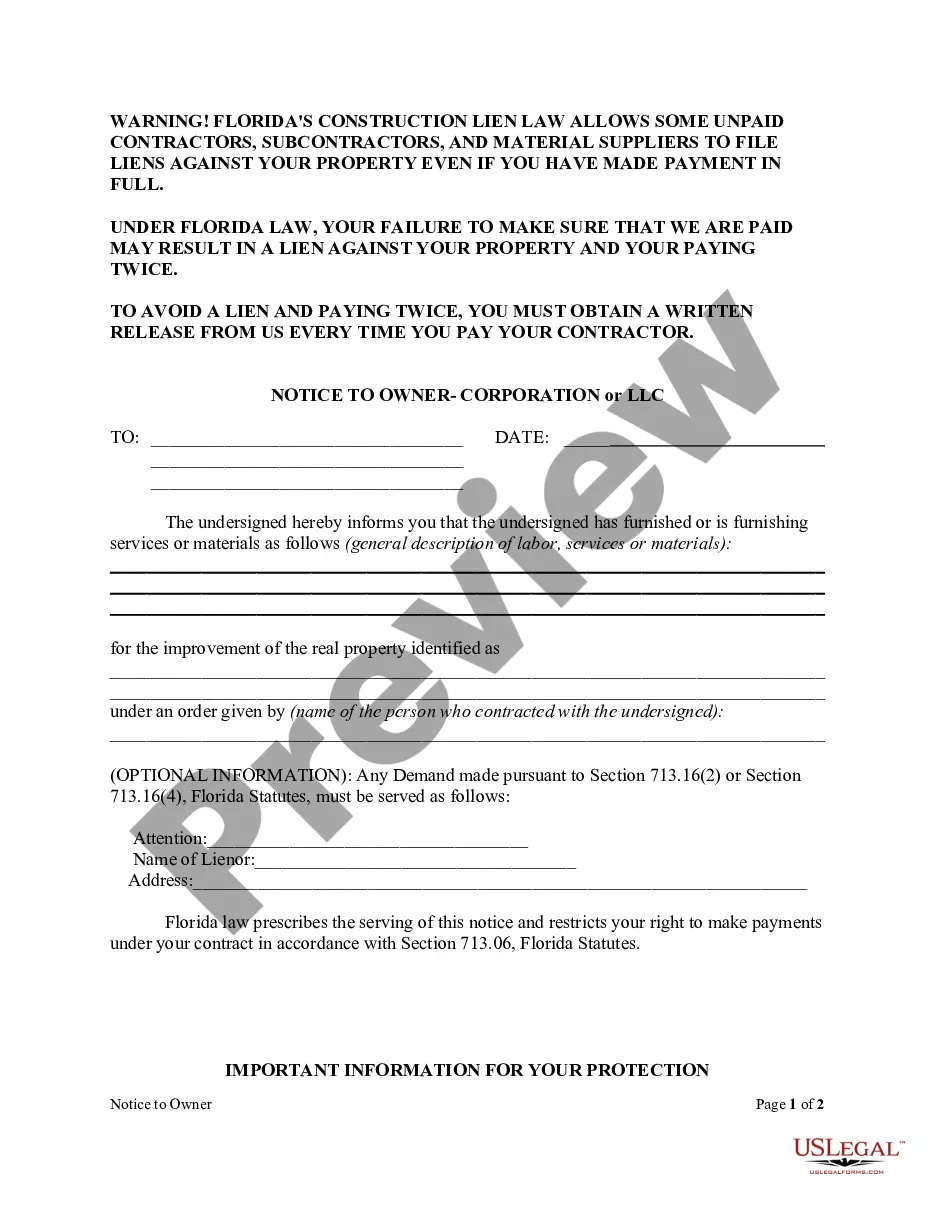
Notice Owner Florida Lien For Theft
Description
Get your form ready online
Our built-in tools help you complete, sign, share, and store your documents in one place.
Make edits, fill in missing information, and update formatting in US Legal Forms—just like you would in MS Word.
Download a copy, print it, send it by email, or mail it via USPS—whatever works best for your next step.
Sign and collect signatures with our SignNow integration. Send to multiple recipients, set reminders, and more. Go Premium to unlock E-Sign.
If this form requires notarization, complete it online through a secure video call—no need to meet a notary in person or wait for an appointment.
We protect your documents and personal data by following strict security and privacy standards.

Make edits, fill in missing information, and update formatting in US Legal Forms—just like you would in MS Word.

Download a copy, print it, send it by email, or mail it via USPS—whatever works best for your next step.

Sign and collect signatures with our SignNow integration. Send to multiple recipients, set reminders, and more. Go Premium to unlock E-Sign.

If this form requires notarization, complete it online through a secure video call—no need to meet a notary in person or wait for an appointment.

We protect your documents and personal data by following strict security and privacy standards.
Looking for another form?

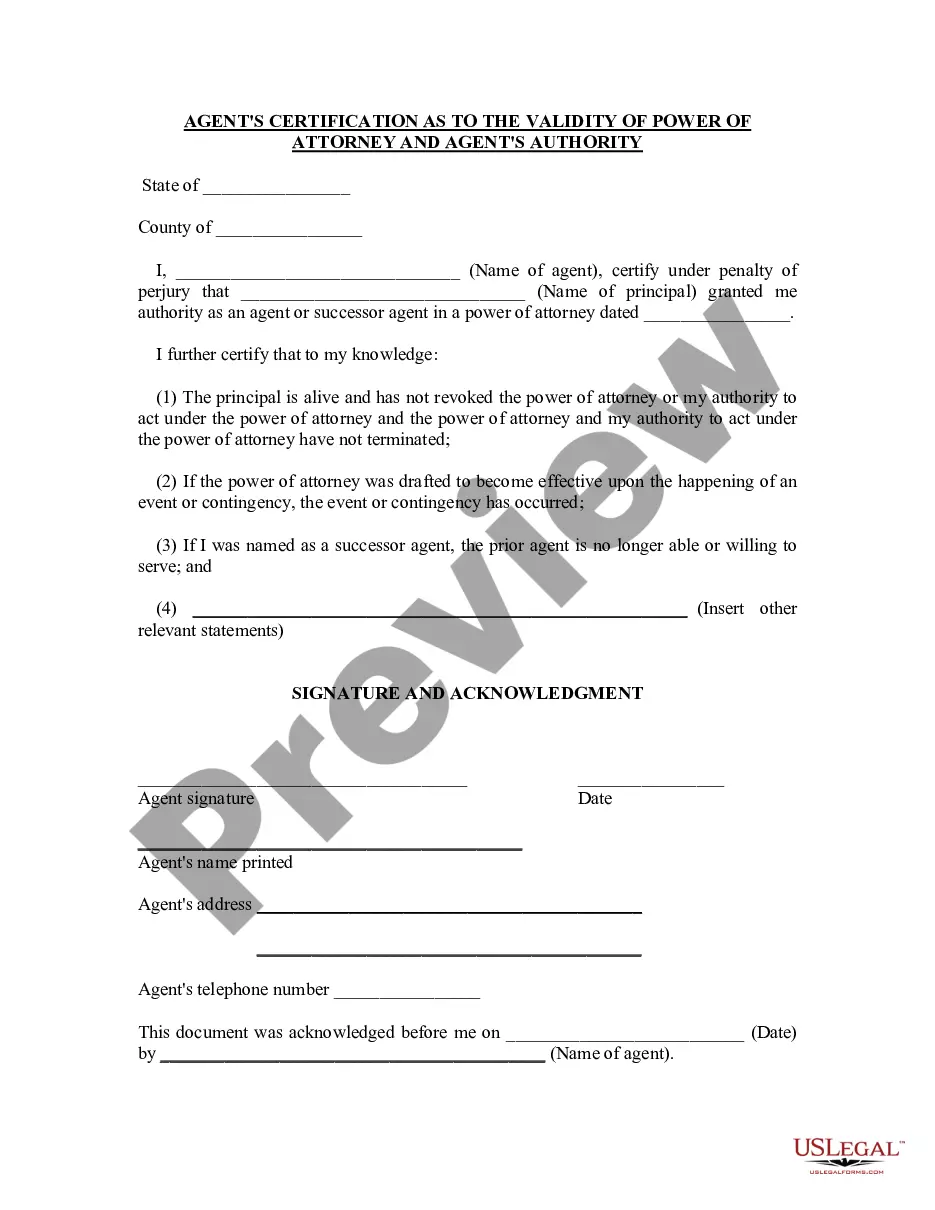
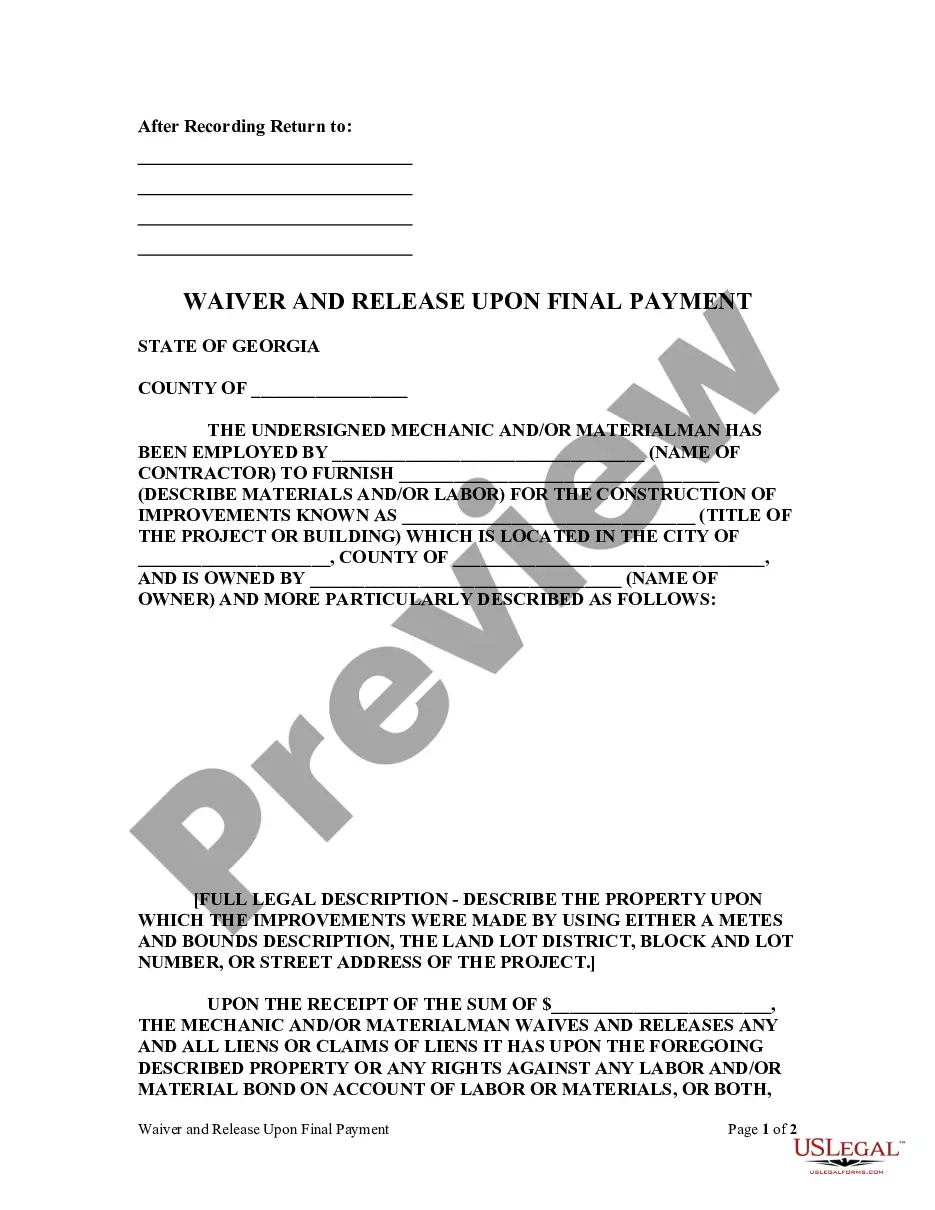

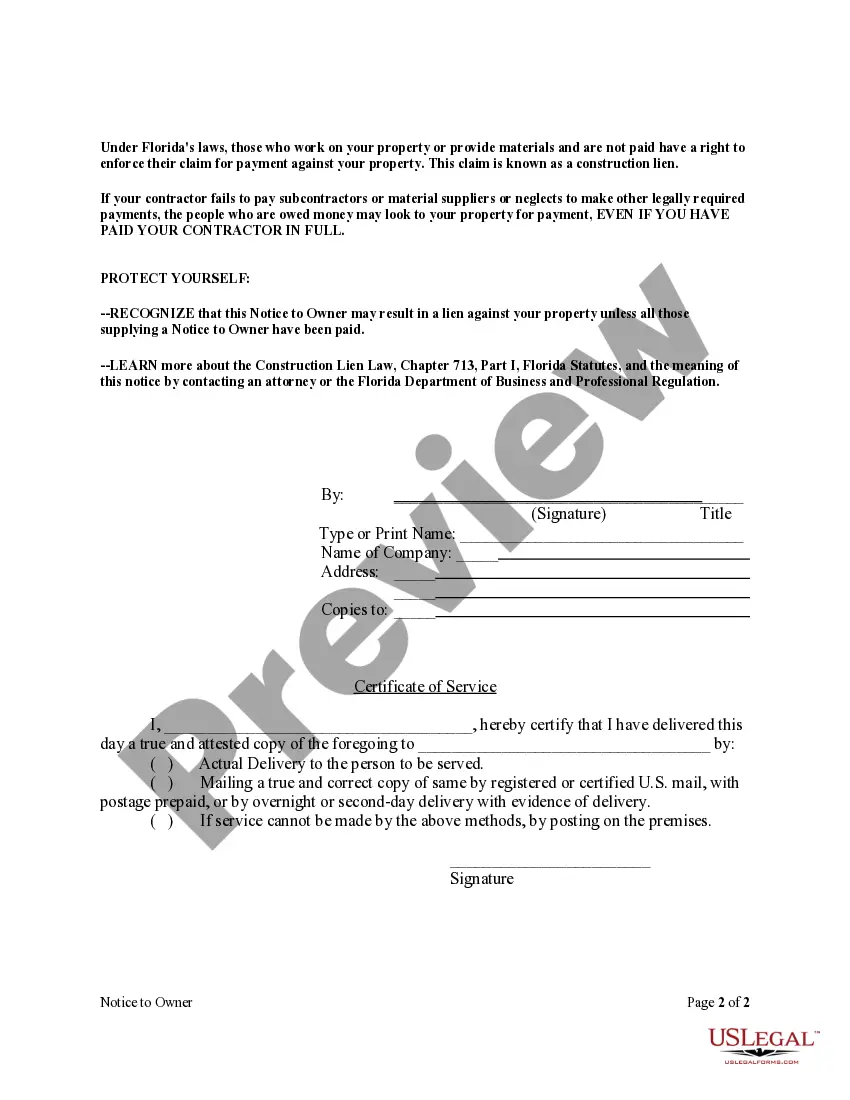
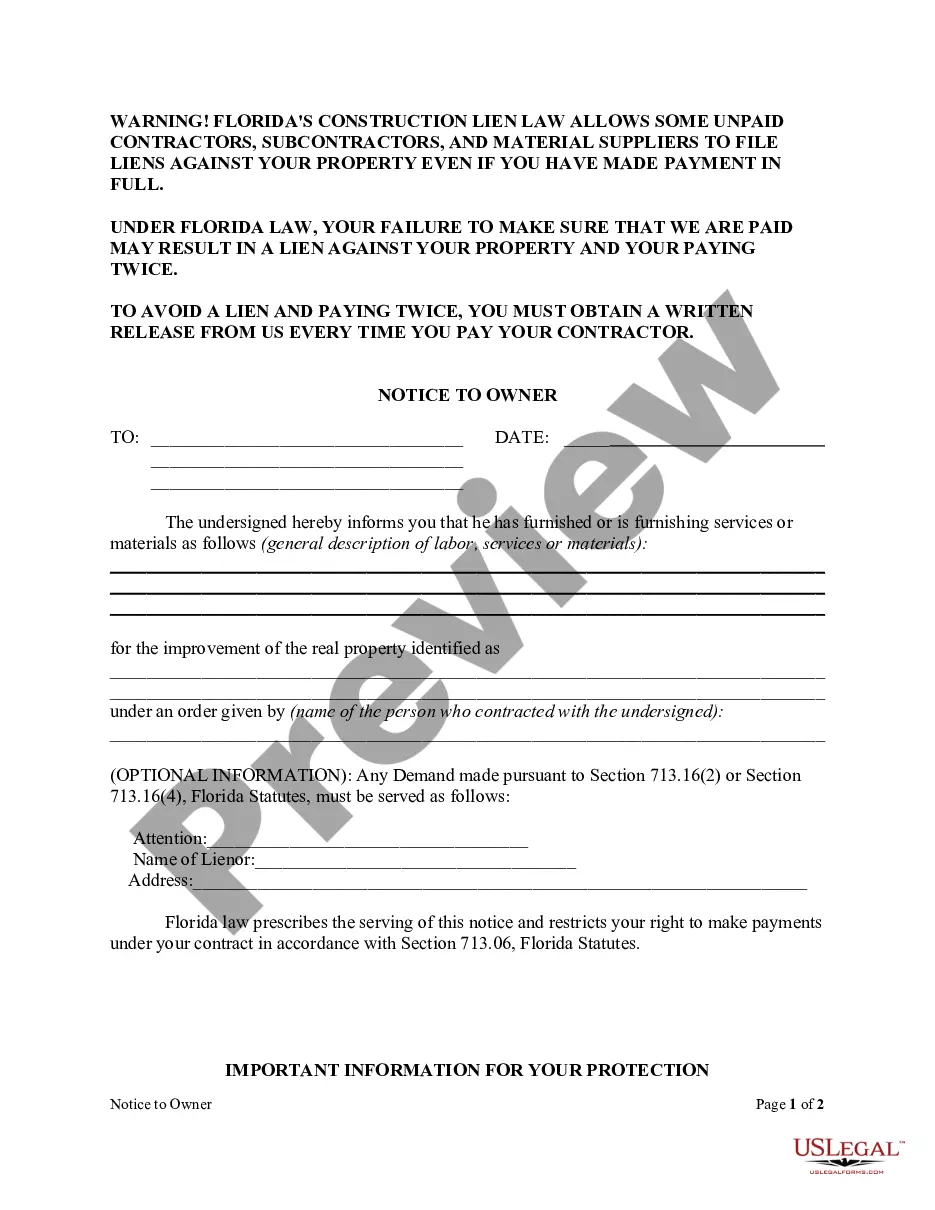
How to fill out Florida Notice To Owner Form - Construction - Mechanic Liens - Corporation?
- Log into your US Legal Forms account. If you don’t have one, create your account to access a plethora of legal forms.
- Browse the extensive online library and enter relevant keywords to find the Notice Owner Florida Lien for theft template. Review the preview to ensure it fits your requirements.
- Select your desired template. If you need a different form, use the search functionality to explore other available options in the library.
- Choose a subscription plan that suits your needs and click 'Buy Now' to proceed. You will need to register for an account if you haven't already.
- Complete your purchase. Enter your payment information via credit card or PayPal to finalize your subscription.
- Download the form to your device. You can access it later via the 'My Forms' section in your profile.
By following these steps, you can efficiently obtain the necessary forms to protect your legal interests. US Legal Forms ensures that users can quickly access top-quality legal documents.
Start your journey with US Legal Forms today for a seamless legal experience and ensure your documents are completed correctly. Don't wait—get started now!
Form popularity
FAQ
Yes, a Notice to Owner is required in Florida for contractors, subcontractors, and suppliers who wish to protect their lien rights. Failing to send this notice may jeopardize your ability to file a lien against a property for unpaid work. Therefore, it is a crucial step in the lien process, ensuring you are covered under Florida lien laws.
Writing a Notice to Owner in Florida requires including specific details such as the property address, a description of the services provided, and the amount owed. Ensure that you use clear language to avoid misunderstandings. Utilizing services like USLegalForms can provide you with ready-made templates that make the writing process easier and compliant with legal standards.
Filling out a lien affidavit involves specifying the amount due, describing the property, and providing pertinent details about the contract. It's important to ensure all information is accurate, as mistakes may lead to complications. Using USLegalForms can help streamline this process, as they offer forms and instructions tailored to Florida's requirements.
To send a Notice to Owner in Florida, you must prepare the notice and deliver it to the property owner. Typically, this is done through certified mail to ensure there is proof of delivery. Platforms like USLegalForms can simplify this process, providing templates and guidance to ensure your notice complies with Florida laws.
In Florida, a contractor typically cannot file a lien without first sending a Notice to Owner. This notice is essential for informing property owners of the contractor's involvement in a project. Without it, the contractor may lose their right to lien on the property for unpaid services or materials, which makes adhering to this requirement vital.
The notice of commencement is a document filed in Florida to indicate the start of a construction project, whereas a Notice to Owner alerts property owners and other interested parties of a potential lien. Essentially, the notice of commencement kicks off the project, while the Notice to Owner plays a crucial role in protecting the rights of contractors and suppliers. Understanding these differences is vital for anyone involved in construction or renovation.
No, a Notice to Owner is distinct from a notice of commencement. The Notice to Owner informs property owners about the work being done, while the notice of commencement is filed to officially start a construction project. Both documents play essential roles in establishing rights and responsibilities, including your notice owner florida lien for theft.
Yes, you can file a Notice to Owner after work is complete in Florida, though it should ideally be done before the work starts. Filing it after completion may limit your options for claiming a lien. Even so, highlighting your notice owner florida lien for theft will help keep your rights intact for potential payment disputes.
In Florida, a Notice to Owner does not need to be notarized. The legal requirements for this document focus more on providing the correct information rather than formal notarization. However, including a signed statement can add credibility to your notice owner florida lien for theft.
To send a notice to owner in Florida, start by preparing the document with relevant details, such as the property description and the nature of the work performed. You can deliver it directly via certified mail or through personal service. Remember to keep a copy for your records, as it strengthens your position regarding any potential notice owner florida lien for theft.