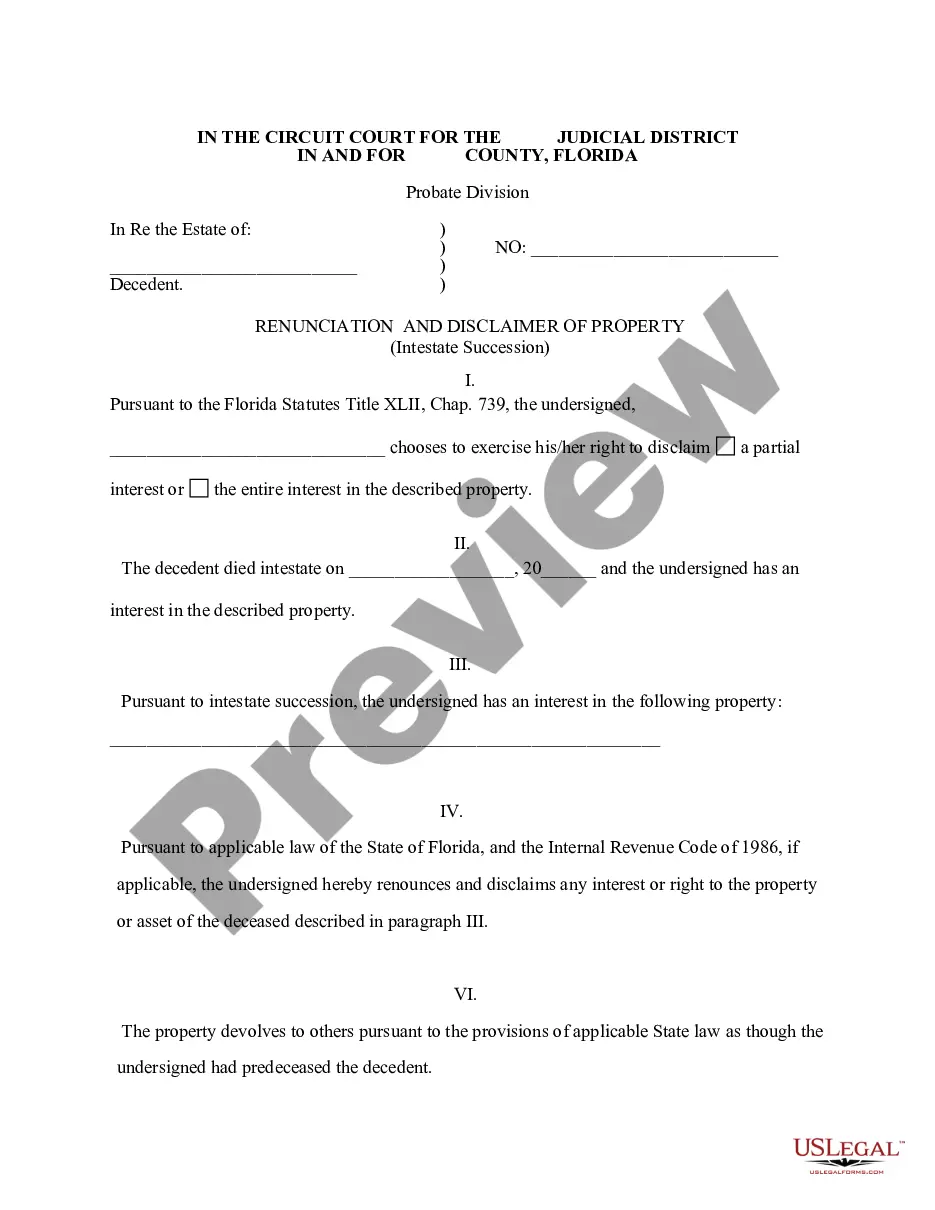
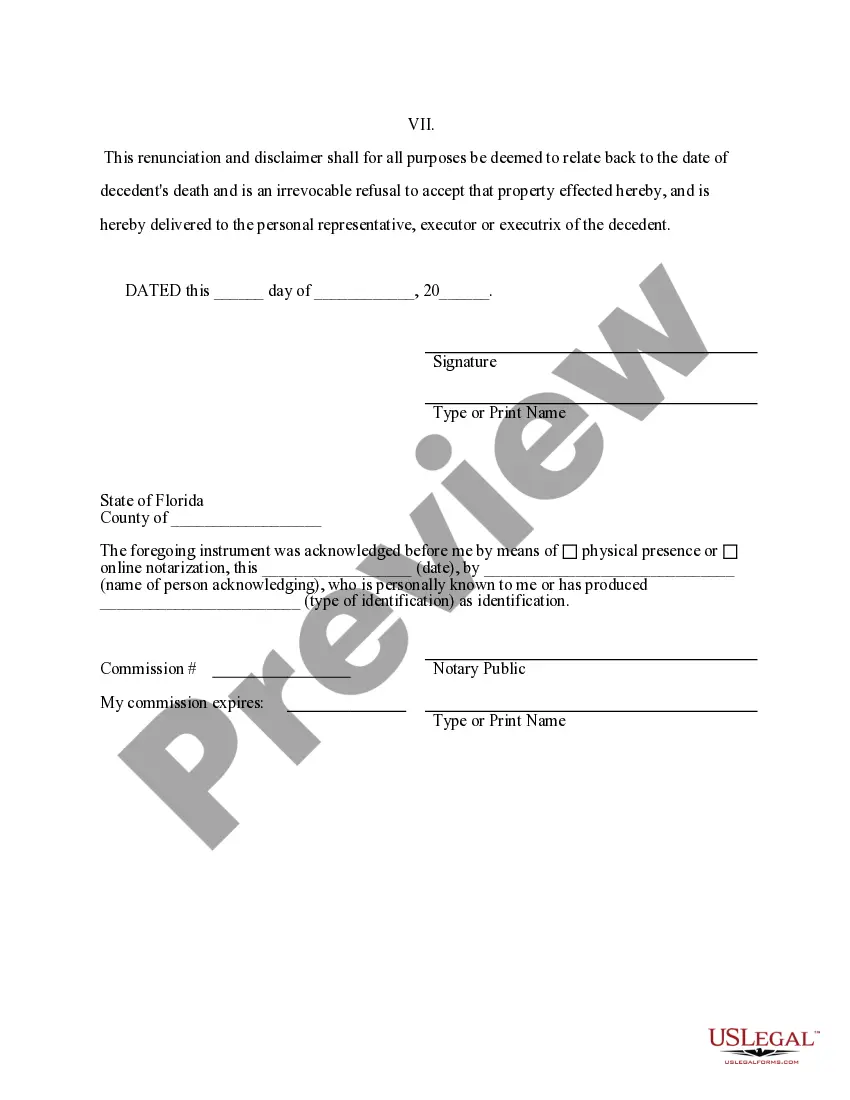
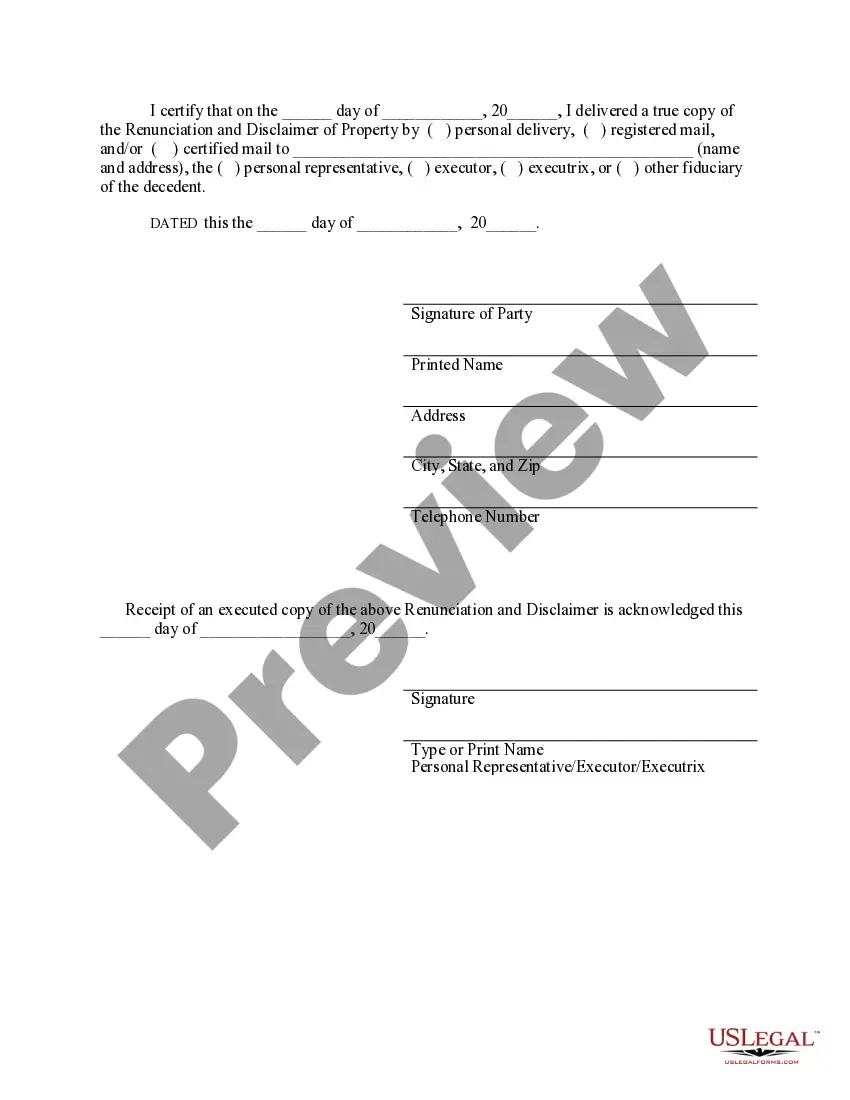
Florida Intestate Probate Forms
Description
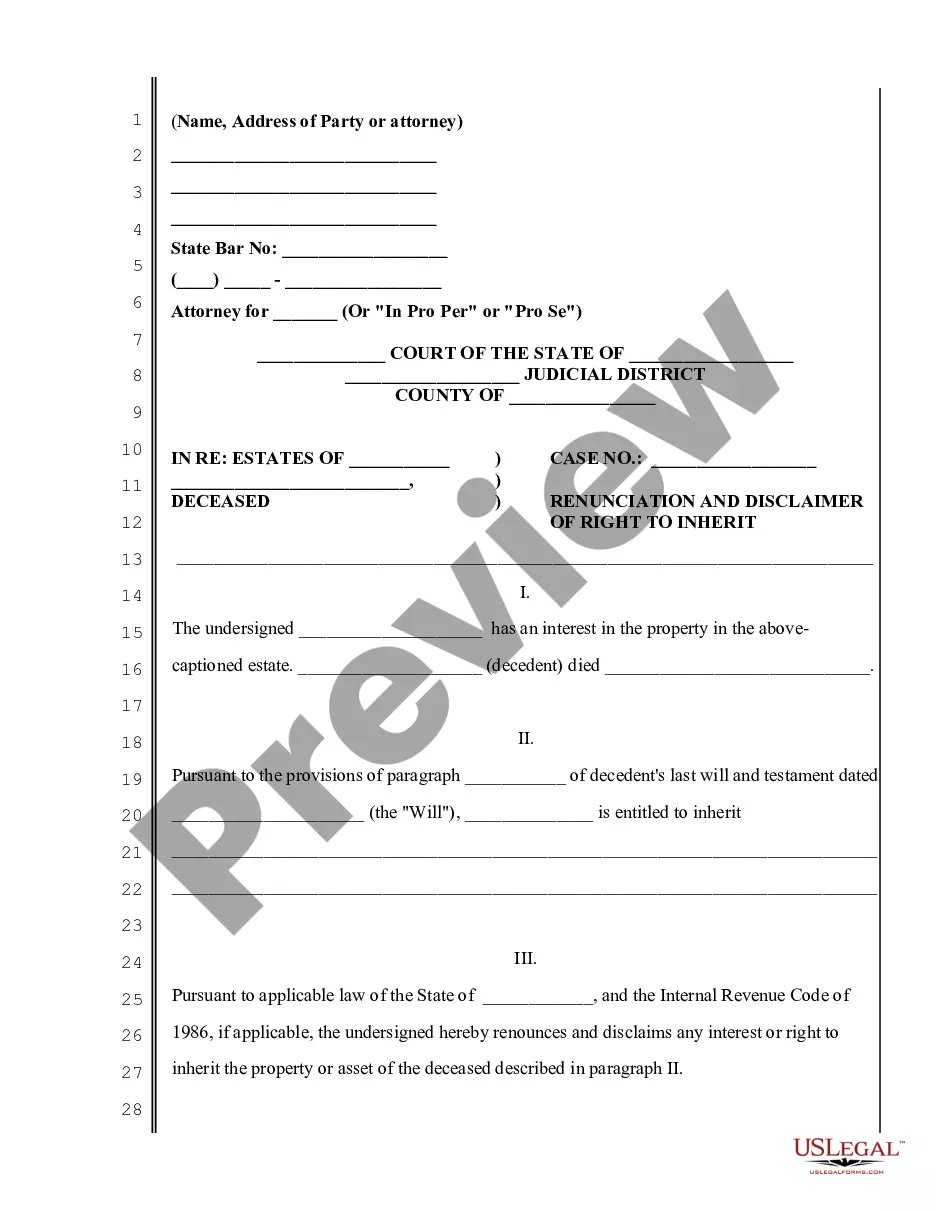
Get your form ready online
Our built-in tools help you complete, sign, share, and store your documents in one place.
Make edits, fill in missing information, and update formatting in US Legal Forms—just like you would in MS Word.
Download a copy, print it, send it by email, or mail it via USPS—whatever works best for your next step.
Sign and collect signatures with our SignNow integration. Send to multiple recipients, set reminders, and more. Go Premium to unlock E-Sign.
If this form requires notarization, complete it online through a secure video call—no need to meet a notary in person or wait for an appointment.
We protect your documents and personal data by following strict security and privacy standards.

Make edits, fill in missing information, and update formatting in US Legal Forms—just like you would in MS Word.

Download a copy, print it, send it by email, or mail it via USPS—whatever works best for your next step.

Sign and collect signatures with our SignNow integration. Send to multiple recipients, set reminders, and more. Go Premium to unlock E-Sign.

If this form requires notarization, complete it online through a secure video call—no need to meet a notary in person or wait for an appointment.

We protect your documents and personal data by following strict security and privacy standards.
Looking for another form?








Form popularity
FAQ
Filling out an affidavit of heirs in Florida requires you to identify all heirs associated with the deceased, along with their respective relationships. It's crucial to provide accurate information to avoid potential disputes later on. For ease and accuracy, consider using Florida intestate probate forms available on uslegalforms. These templates guide you through the process, ensuring compliance with Florida law and securing the best possible outcome.
The average time for probate in Florida usually ranges from six months to over a year. Several factors affect this duration, such as the size of the estate and any disputes among heirs. Properly completing Florida intestate probate forms can streamline the process and prevent unnecessary hold-ups. Familiarizing yourself with this aspect can lead to a more efficient experience.
Probate in Florida without a will can take several months to over a year, depending on the complexity of the estate. The absence of a will can complicate the process, as the court must appoint an administrator to manage the estate. Timely filing of the necessary Florida intestate probate forms may speed up the process. It's essential to follow the legal guidelines to avoid unnecessary delays.
If no probate is filed in Florida, the deceased's assets may not be distributed according to their wishes. Instead, state intestacy laws will determine how the assets are divided among surviving family members. This can lead to disputes and delays in accessing funds. Using Florida intestate probate forms can help ensure a structured process for settling the deceased's estate.
To probate an estate without a will in Florida, you will need to file a petition for intestate probate in the local court. This includes completing and submitting the relevant Florida intestate probate forms. The court will then appoint a personal representative to oversee the distribution of assets as dictated by state laws. It can be beneficial to find a trusted service to assist you with this process, ensuring everything is completed correctly.
In Florida, there is no minimum value for an estate to undergo probate. However, estates valued over $75,000 generally are subject to standard probate procedures, while smaller estates may qualify for a simpler process. Florida intestate probate forms come into play if the estate owner passed without a will, making it vital to understand the financial thresholds you may encounter. It's always wise to consult a legal expert if you have concerns about the estate's value.
In Florida, you can access probate records through the local county clerk's office where the probate case was filed. Most counties also offer online databases for easier access to these records. Utilizing Florida intestate probate forms can aid in understanding the required documentation for managing these records. If you're seeking specific information, don't hesitate to reach out to local court personnel for assistance.
When there is no will in Florida, the probate process is known as intestate probate. The state will appoint a personal representative to manage the estate according to the laws of intestacy. Florida intestate probate forms help streamline this process, ensuring that assets are distributed according to state guidelines. It's essential to understand that this process may extend longer than probate with a will.
Essential documents needed for probate in Florida include the death certificate, a list of assets, and financial documents of the deceased. If you are going through intestate probate, having the correct Florida intestate probate forms is crucial. These forms will guide you through disclosing all necessary information to the court.
Intestate probate in Florida can take between six to twelve months. Factors such as the complexity of the estate and any disputes among heirs can influence the duration. By ensuring you have accurate Florida intestate probate forms and following proper procedures, you can help speed up this timeline.
