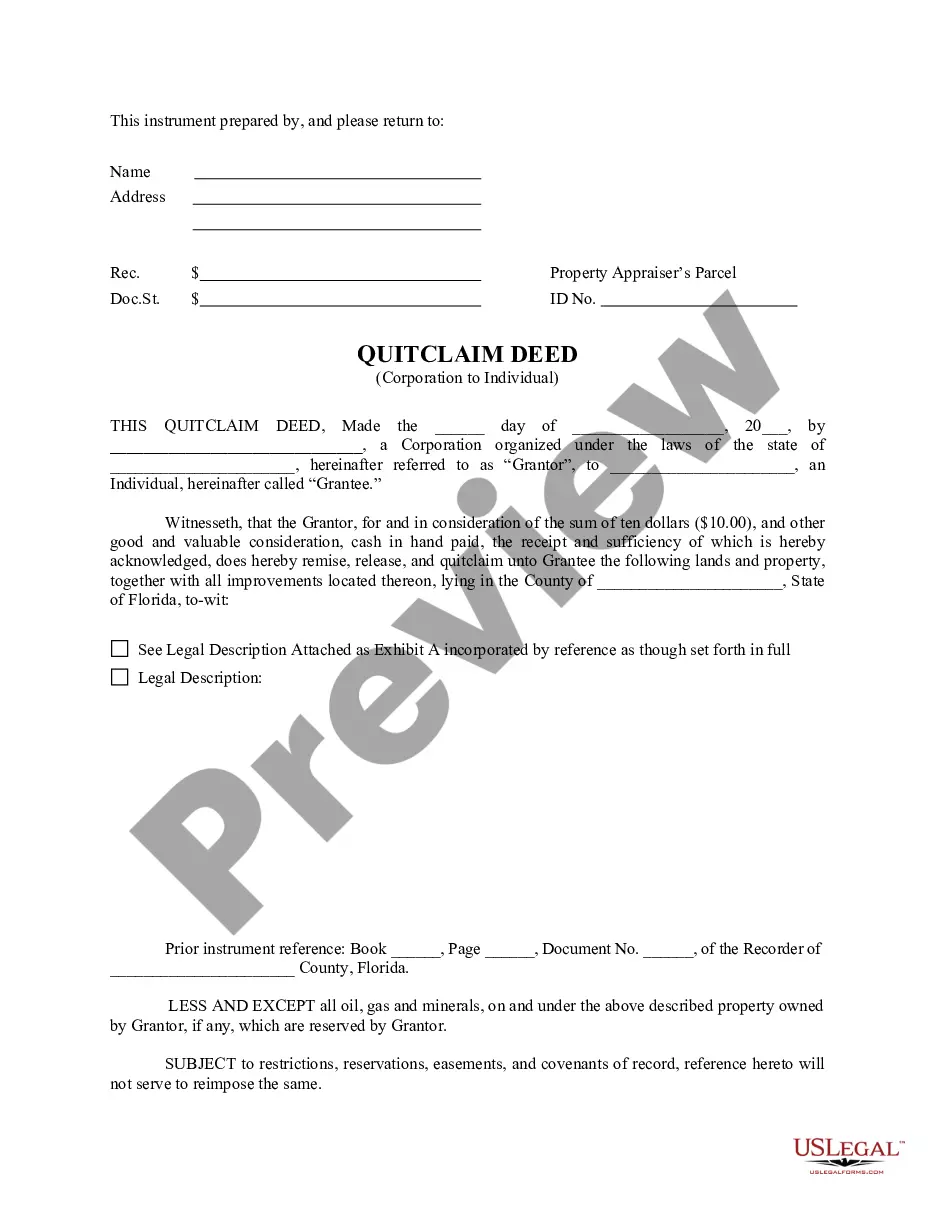
Editable Quit Claim Deed For Florida
Description

Get your form ready online
Our built-in tools help you complete, sign, share, and store your documents in one place.
Make edits, fill in missing information, and update formatting in US Legal Forms—just like you would in MS Word.
Download a copy, print it, send it by email, or mail it via USPS—whatever works best for your next step.
Sign and collect signatures with our SignNow integration. Send to multiple recipients, set reminders, and more. Go Premium to unlock E-Sign.
If this form requires notarization, complete it online through a secure video call—no need to meet a notary in person or wait for an appointment.
We protect your documents and personal data by following strict security and privacy standards.

Make edits, fill in missing information, and update formatting in US Legal Forms—just like you would in MS Word.

Download a copy, print it, send it by email, or mail it via USPS—whatever works best for your next step.

Sign and collect signatures with our SignNow integration. Send to multiple recipients, set reminders, and more. Go Premium to unlock E-Sign.

If this form requires notarization, complete it online through a secure video call—no need to meet a notary in person or wait for an appointment.

We protect your documents and personal data by following strict security and privacy standards.
Looking for another form?


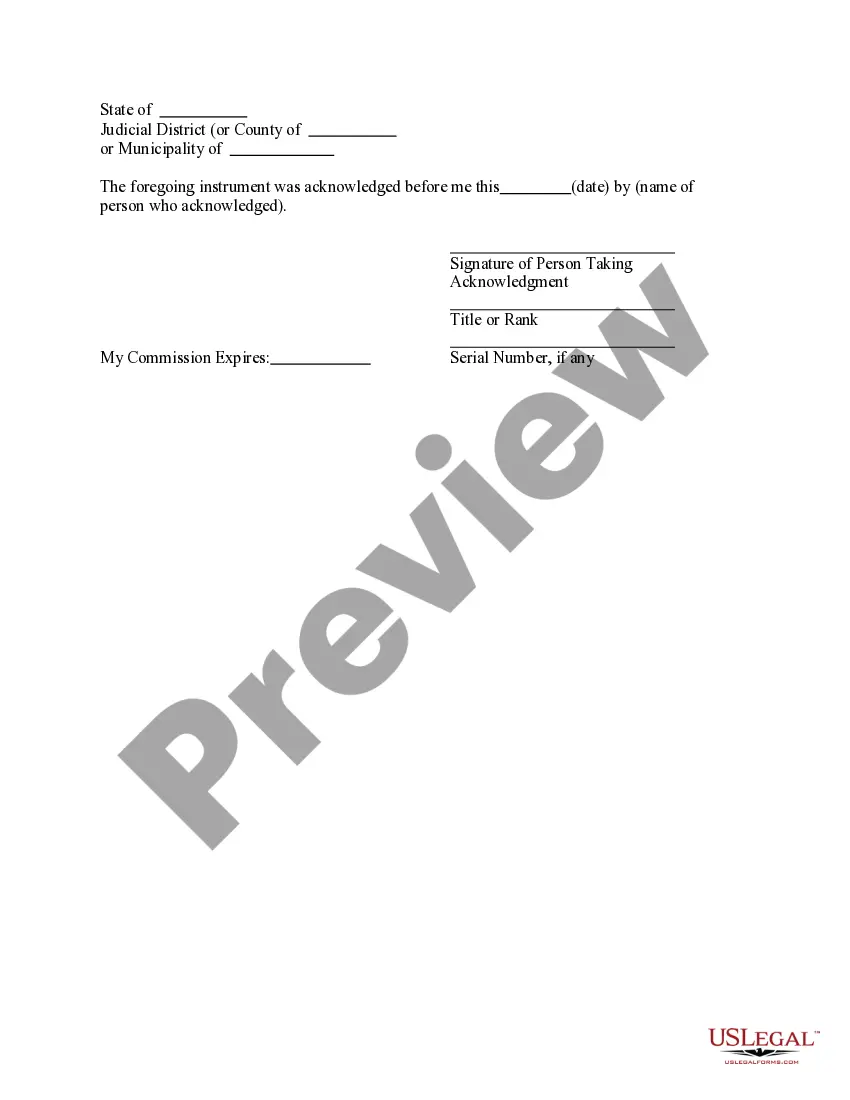






How to fill out Florida Quitclaim Deed From Corporation To Individual?
Managing legal documents can be perplexing, even for the most seasoned professionals.
When you are seeking an Editable Quit Claim Deed for Florida and lack the time to find the correct and up-to-date version, the process can be challenging.
Access a valuable repository of articles, guides, and materials related to your needs and circumstances.
Conserve time and effort searching for the documents you require, and use US Legal Forms' sophisticated search and Review feature to find Editable Quit Claim Deed for Florida and download it.
Ensure that the template is accepted in your state or county. Select Buy Now when you are prepared. Choose a monthly subscription option. Select the format you prefer, and Download, fill out, sign, print, and send your document. Take advantage of the US Legal Forms online catalog, supported by 25 years of experience and reliability. Streamline your daily document management process today with ease and user-friendliness.
- If you have a subscription, Log In to your US Legal Forms account, locate the form, and download it.
- Check your My documents section to view the documents you have previously saved and manage your folders as needed.
- If you are new to US Legal Forms, create a free account and gain unrestricted access to all features of the library.
- Here are the steps to follow after accessing the form you desire.
- Confirm it is the correct form by previewing it and reading its description.
- Utilize state- or county-specific legal and business documents.
- US Legal Forms caters to all your needs, from personal to business paperwork, in a single location.
- Employ cutting-edge tools to complete and organize your Editable Quit Claim Deed for Florida.
Form popularity
FAQ
Yes, you can fill out a quit claim deed yourself, especially if you use an Editable quit claim deed for Florida. This option provides a straightforward way to transfer property ownership without hiring a lawyer. Just ensure you follow the legal requirements specific to Florida, such as including all necessary details and signatures. For added convenience, consider using USLegalForms; their platform offers user-friendly templates that guide you through the process smoothly.
Filling out an editable quit claim deed for Florida involves several key steps. First, ensure you have the property details, including the legal description and the names of the parties involved. Next, accurately complete the form using clear and precise information. To make the process easier, consider using platforms like US Legal Forms, where you can find user-friendly templates and guidance specifically designed for Florida's requirements.
While it is not necessary to hire a lawyer for a quitclaim deed in Florida, having legal advice can be beneficial. Many people choose to use an editable quit claim deed for Florida to handle the paperwork themselves. This option allows for autonomy while still ensuring that all essential elements are included. If you feel unsure at any point, consulting a legal professional can provide peace of mind.
Absolutely, you can prepare your own quit claim deed in Florida. With the right tools, such as an editable quit claim deed for Florida, you can create a document that accurately reflects your intentions. This gives you flexibility, especially if you want to ensure all necessary information is properly included. However, it’s always wise to double-check that your deed meets all Florida legal requirements.
Yes, you can file your own quit claim deed in Florida. It's important to ensure that you follow the proper filing procedures to make sure your deed is legally valid. You can use an editable quit claim deed for Florida, which allows you to customize the document to fit your needs. Just remember that proper filing at your county's Clerk of Court office is essential to complete the process successfully.
A quit claim deed should be filed with the clerk of court in the county where the property is located. This will involve taking the deed to the clerk's office and paying the required filing fee (typically about $10 for a one-page quit claim deed).
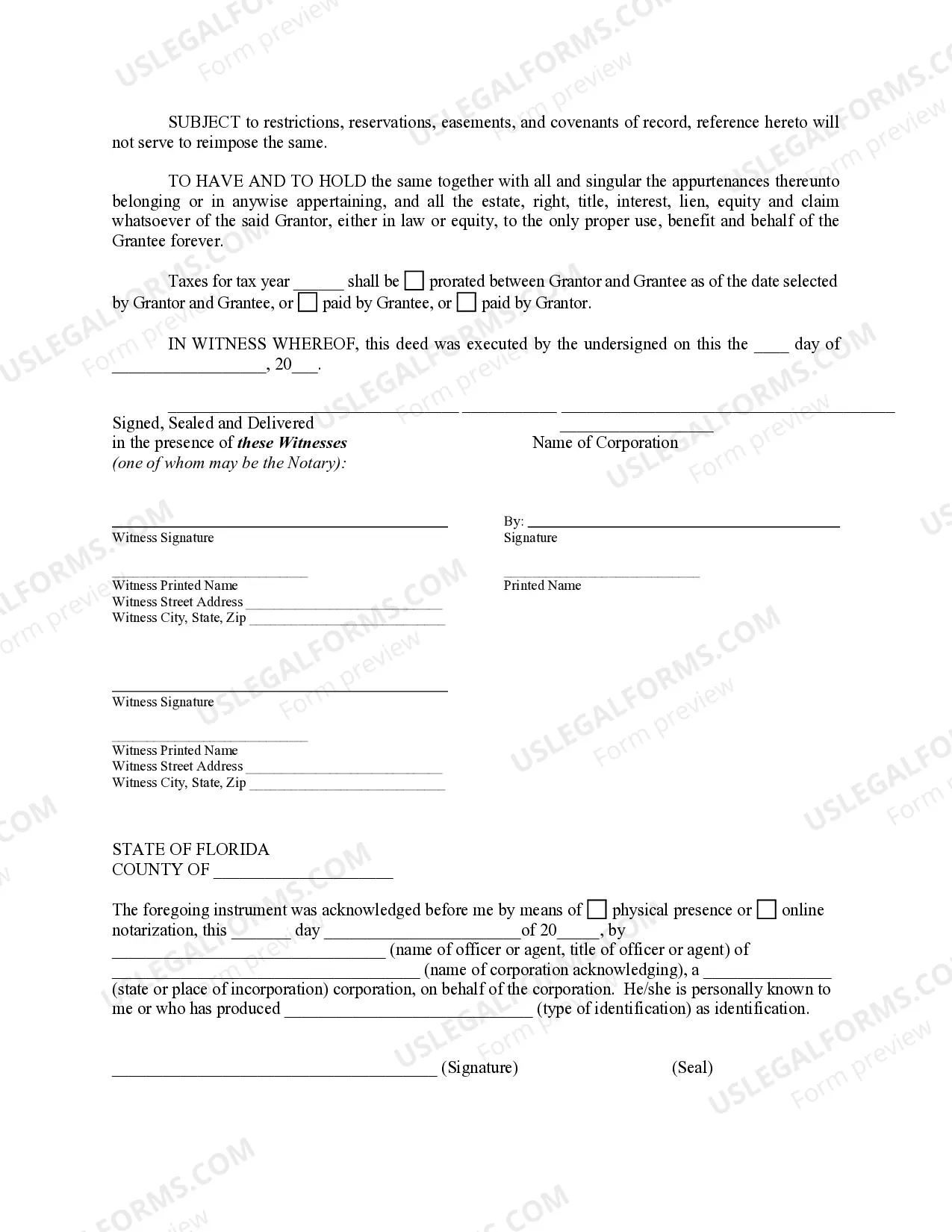
A Florida quitclaim deed is a legal document transferring title (i.e., ownership) from one person or entity to another. The person transferring the title of the property is called the grantor, and the one receiving it is known as the grantee. Grantors cannot usually transfer more than they have with a quitclaim deed.
While the act of recording a quitclaim deed makes the transfer official in public records, Florida law does not mandate such recordation for the deed's validity. However, the state does emphasize the importance of recording the transfer of ownership interest in public records to maintain an accurate chain of title.
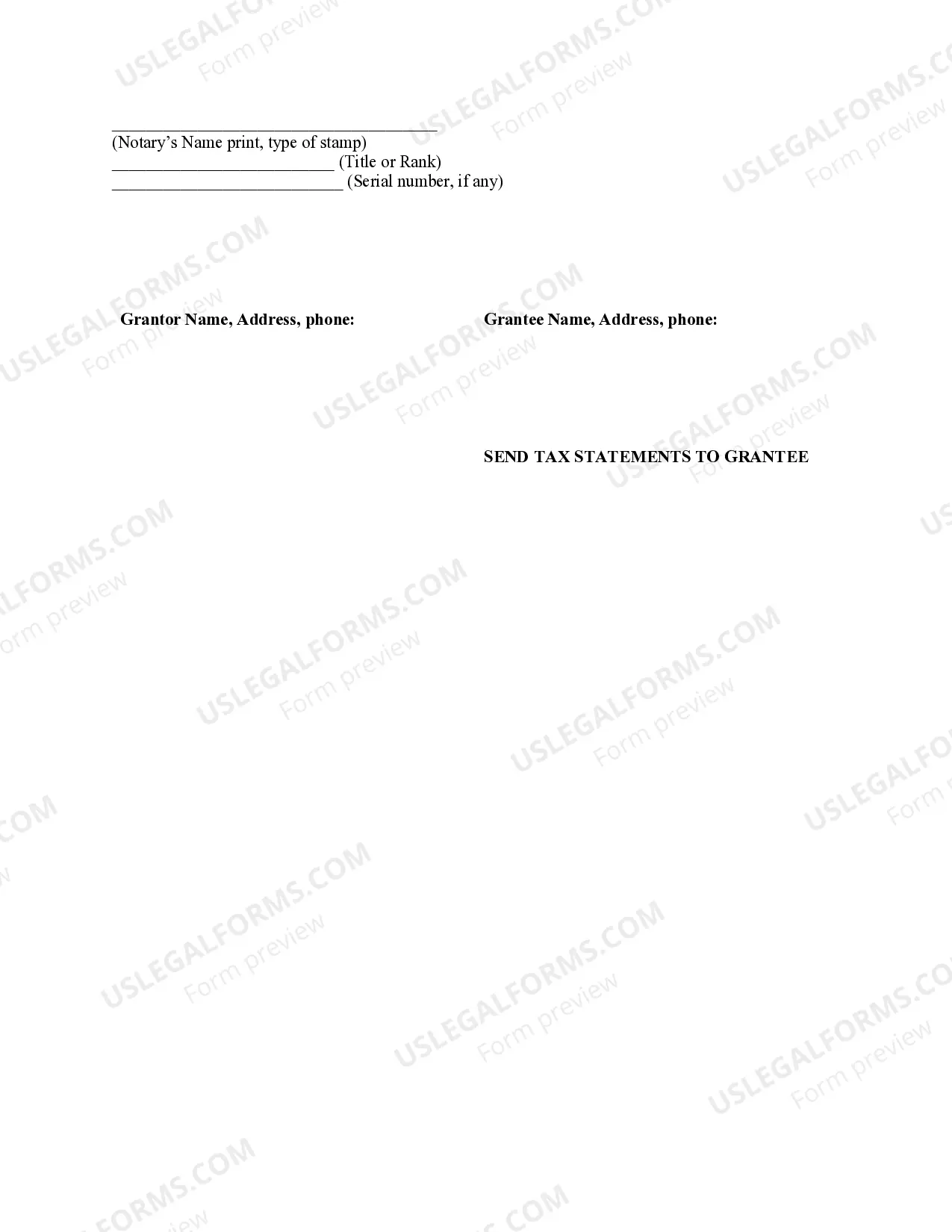
Ing to Florida Statute 695.26, a quitclaim deed must contain these certain elements: Name and address of person preparing the deed. Grantor's name and address. Grantee's name and address. Signatures of the grantors. Two witnesses for each signature/ Notary acknowledgment with signature.