Work For Employee
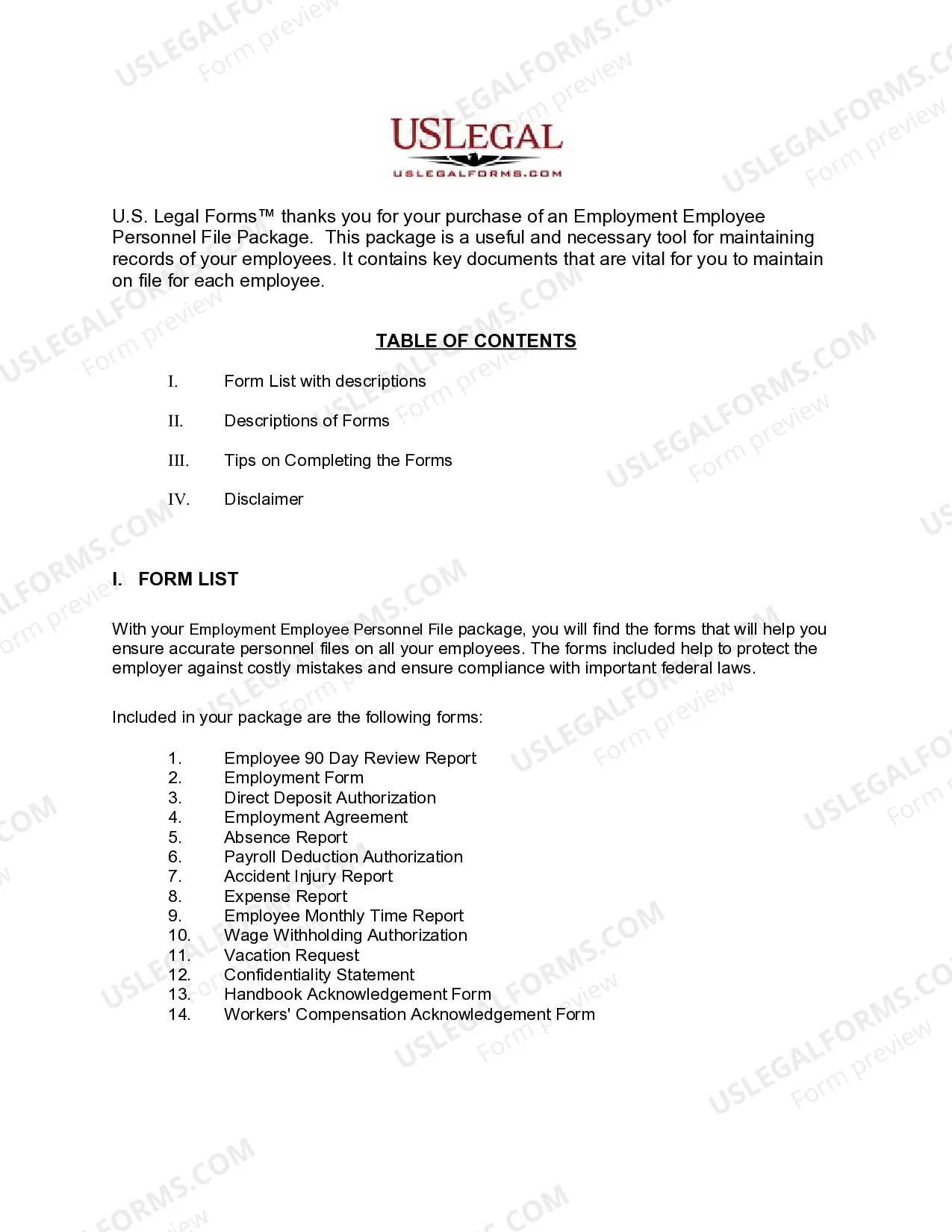
Description
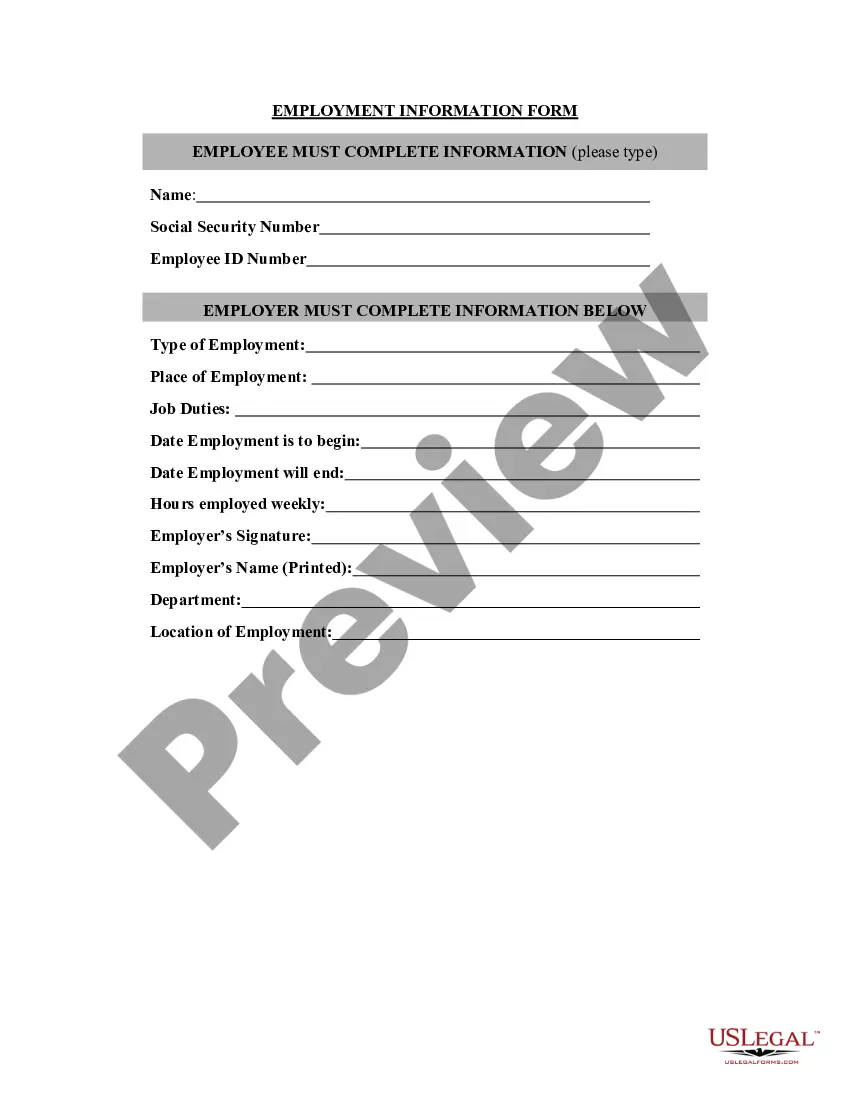
Get your form ready online
Our built-in tools help you complete, sign, share, and store your documents in one place.
Make edits, fill in missing information, and update formatting in US Legal Forms—just like you would in MS Word.
Download a copy, print it, send it by email, or mail it via USPS—whatever works best for your next step.
Sign and collect signatures with our SignNow integration. Send to multiple recipients, set reminders, and more. Go Premium to unlock E-Sign.
If this form requires notarization, complete it online through a secure video call—no need to meet a notary in person or wait for an appointment.
We protect your documents and personal data by following strict security and privacy standards.

Make edits, fill in missing information, and update formatting in US Legal Forms—just like you would in MS Word.

Download a copy, print it, send it by email, or mail it via USPS—whatever works best for your next step.

Sign and collect signatures with our SignNow integration. Send to multiple recipients, set reminders, and more. Go Premium to unlock E-Sign.

If this form requires notarization, complete it online through a secure video call—no need to meet a notary in person or wait for an appointment.

We protect your documents and personal data by following strict security and privacy standards.
Looking for another form?
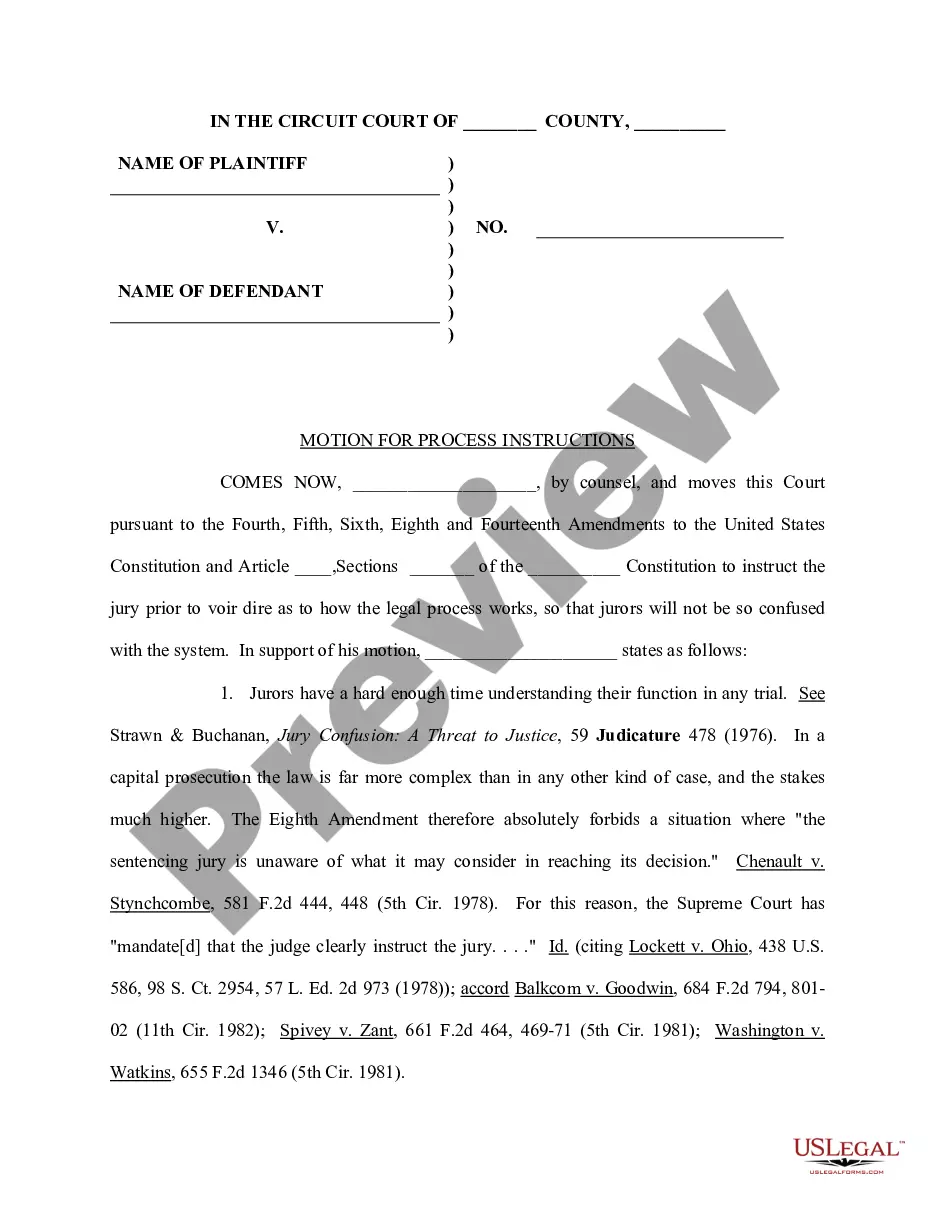


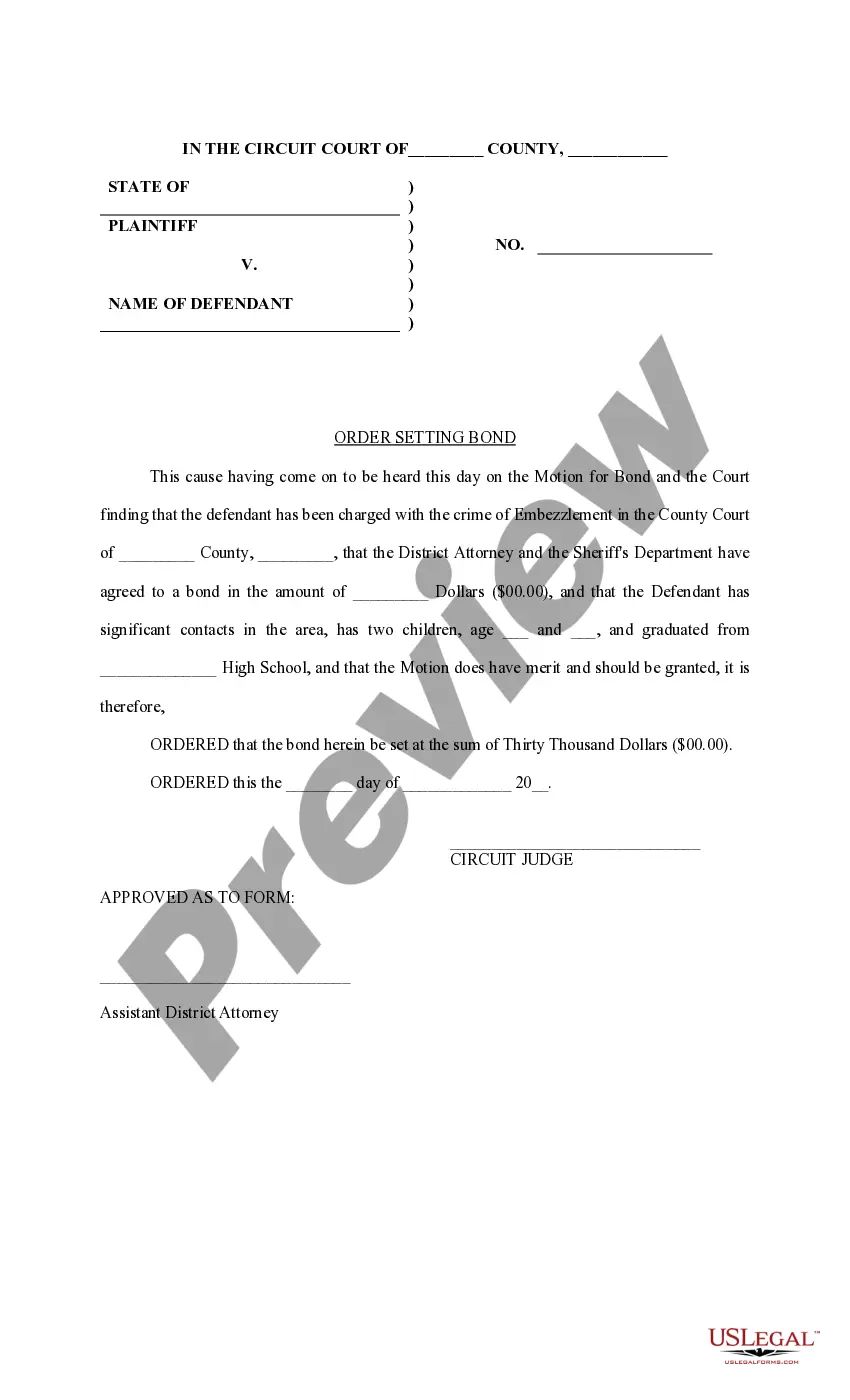
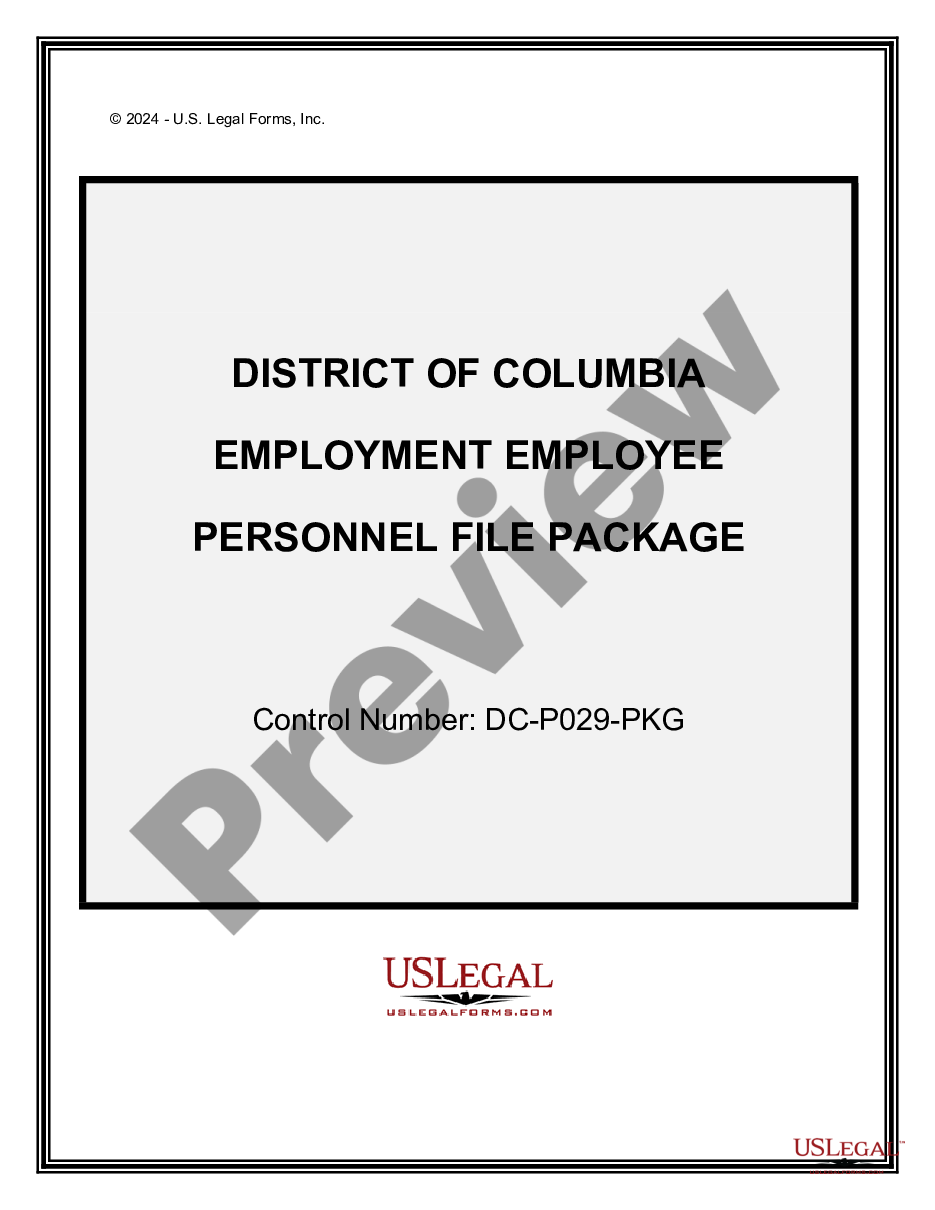
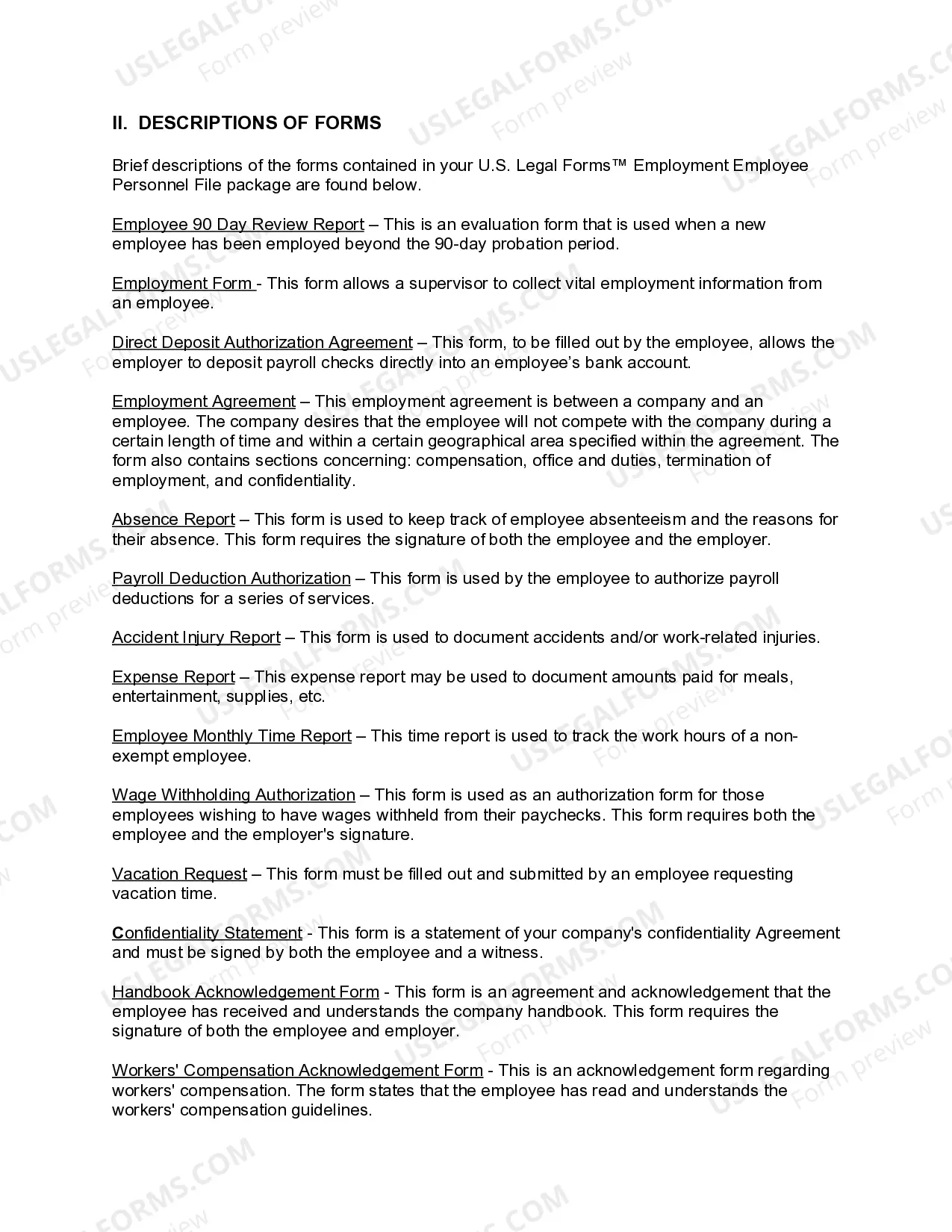
How to fill out District Of Columbia Employment Employee Personnel File Package?
- If you are a returning user, log in to your account and select the form you require by clicking the Download button. Confirm that your subscription is active; if not, renew it as per your chosen plan.
- For new users, begin by exploring the Preview mode and form descriptions to ensure you select the correct template that aligns with your local jurisdiction.
- If your chosen form needs adjustments or is not suitable, utilize the Search tab to look for alternatives that meet your requirements.
- Proceed to purchase the document by clicking the Buy Now button and choose the subscription plan that fits your needs. You'll need to create an account for access.
- Complete your purchase by entering your credit card information or using your PayPal account to finalize the subscription.
- Download your selected form and save it on your device. You can also revisit it anytime through the My Forms section in your profile.
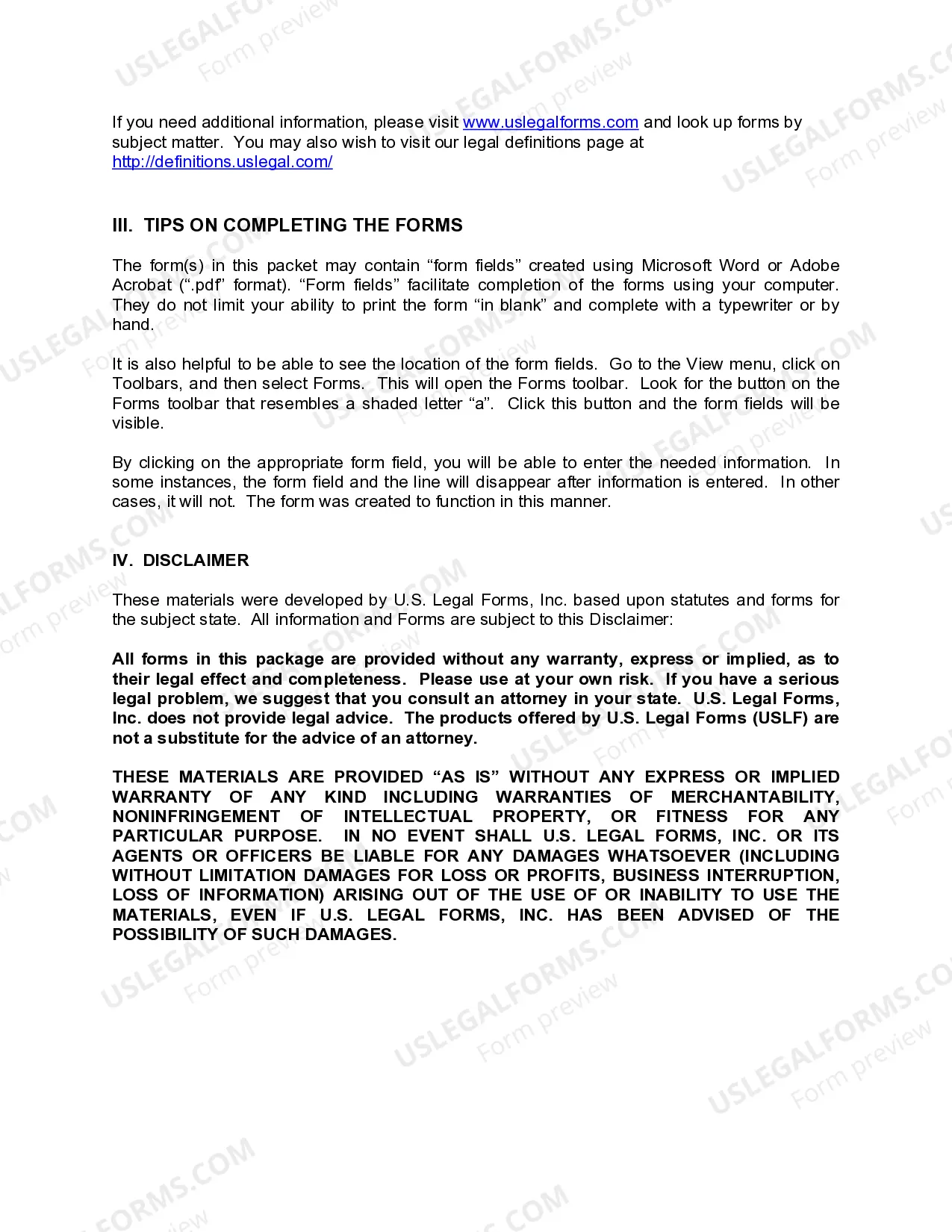
Utilizing US Legal Forms not only simplifies the process of obtaining legal documents but ensures you have access to expertly crafted templates tailored to your jurisdiction.
Start your journey with US Legal Forms today and empower yourself with the legal tools necessary for your success!
Form popularity
FAQ
The happiest company to work for often depends on various factors, including company culture, benefits, and employee engagement. Numerous surveys and rankings frequently highlight organizations that prioritize work-life balance, employee recognition, and positive work environments. Choosing to work for an employee-centric company can significantly influence your job satisfaction.
A work for hire employee is an individual who creates works or provides services as part of their employment contract, where the employer owns the finished product. This concept often applies to creative fields like writing, design, and programming. Employees under a work for hire agreement must understand their rights to ensure clarity in such arrangements.
The main difference between an employee and an employer lies in their roles within the workplace. An employee is someone who provides work in return for compensation, while an employer is the entity that hires employees to fulfill business needs. This distinction is vital when considering the relationships formed in a work for employee context.
An employer job refers to the role held by an individual or entity that hires employees to perform work tasks. Employers are responsible for providing employment, setting company policies, and managing workforce operations. Understanding the employer's role is essential when you decide to work for employee and join a team.
When you work for a company, you are typically referred to as an employee. This term signifies your role in supporting the company’s operations and objectives. As a work for employee, you play a crucial part in the company’s success through your everyday contributions.
The work of an employee involves performing specific tasks and duties necessary for the functioning of the business. Employees contribute to projects, meet deadlines, and help achieve the company’s goals. Being a work for employee includes fulfilling these responsibilities while adhering to company policies and collaborating with team members.
To work for an employer means you are engaged in a professional relationship where you provide your skills or labor in exchange for compensation. This relationship typically includes clear expectations about your duties and responsibilities. You may receive benefits like healthcare, vacation time, and retirement plans, which enrich your experience as a work for employee.
To file taxes for an employee, begin by gathering necessary forms, such as the W-2 and any relevant payroll records. You will need to report wages, tips, and other compensation to the IRS. Using the USLegalForms platform can simplify this process, providing you with templates and guidelines to ensure accurate and timely tax filing.
When you work for an employee, specific paperwork is essential for their onboarding. This includes Form W-4 for tax withholding and Form I-9 for employment verification. Additionally, consider drafting an employee handbook or job contract that outlines company policies and expectations, creating clarity for both parties.
Hiring an employee involves several critical steps. You must conduct a thorough job search, create a job offer, and gather essential paperwork like the W-4 and I-9 forms. With platforms like USLegalForms, you can access user-friendly resources that guide you through the hiring process, ensuring you're compliant with legal requirements.