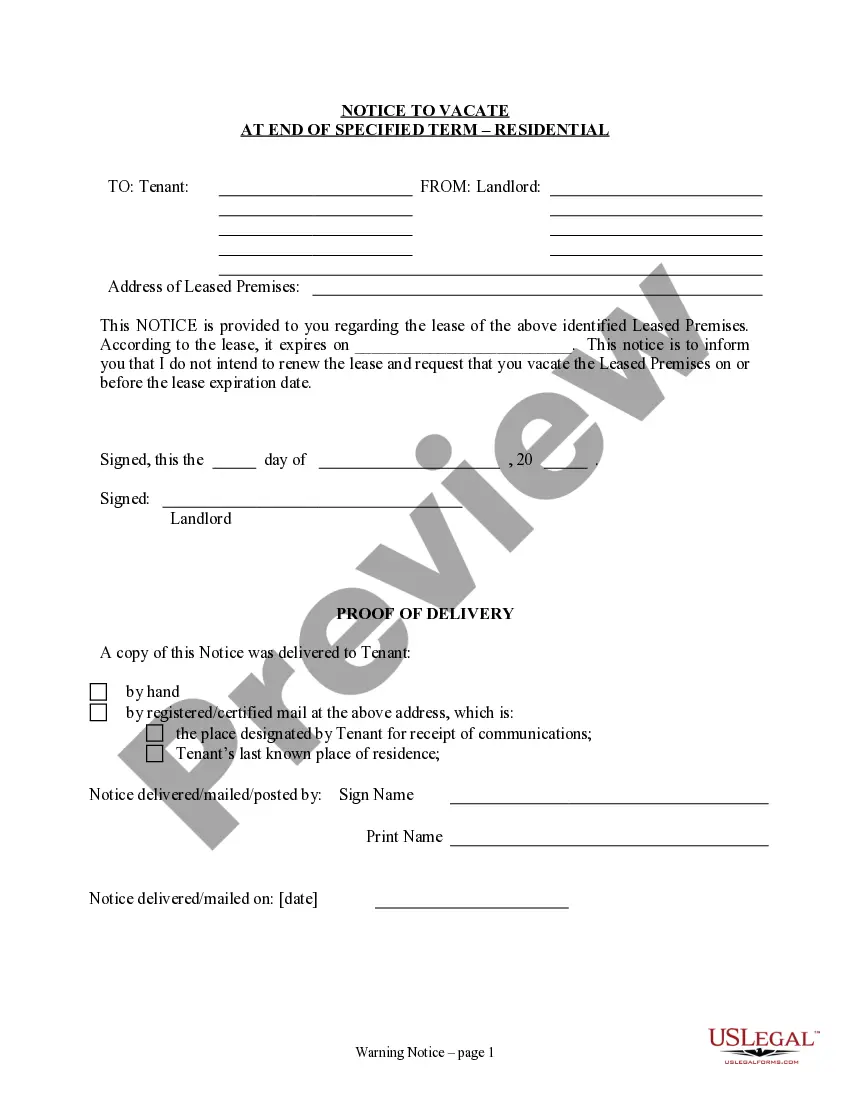
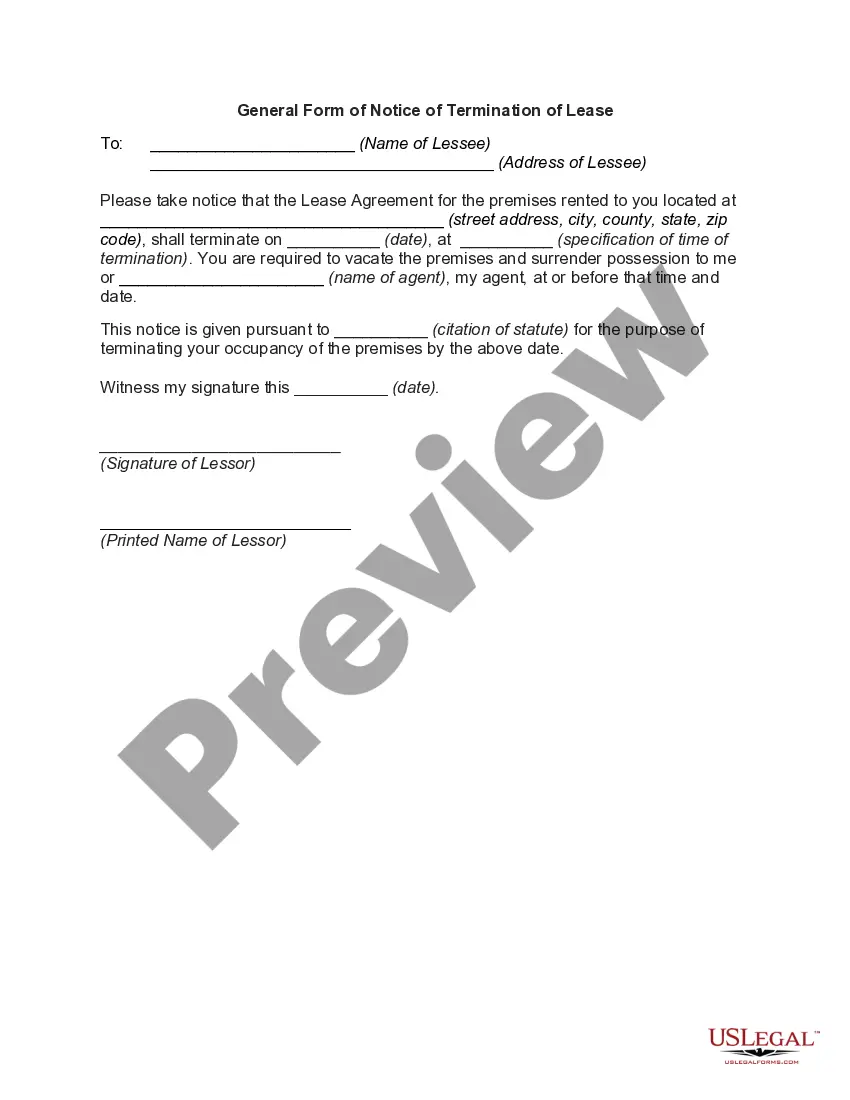
Not Renew Landlord With Tenants
Description

Get your form ready online
Our built-in tools help you complete, sign, share, and store your documents in one place.
Make edits, fill in missing information, and update formatting in US Legal Forms—just like you would in MS Word.
Download a copy, print it, send it by email, or mail it via USPS—whatever works best for your next step.
Sign and collect signatures with our SignNow integration. Send to multiple recipients, set reminders, and more. Go Premium to unlock E-Sign.
If this form requires notarization, complete it online through a secure video call—no need to meet a notary in person or wait for an appointment.
We protect your documents and personal data by following strict security and privacy standards.

Make edits, fill in missing information, and update formatting in US Legal Forms—just like you would in MS Word.

Download a copy, print it, send it by email, or mail it via USPS—whatever works best for your next step.

Sign and collect signatures with our SignNow integration. Send to multiple recipients, set reminders, and more. Go Premium to unlock E-Sign.

If this form requires notarization, complete it online through a secure video call—no need to meet a notary in person or wait for an appointment.

We protect your documents and personal data by following strict security and privacy standards.
Looking for another form?
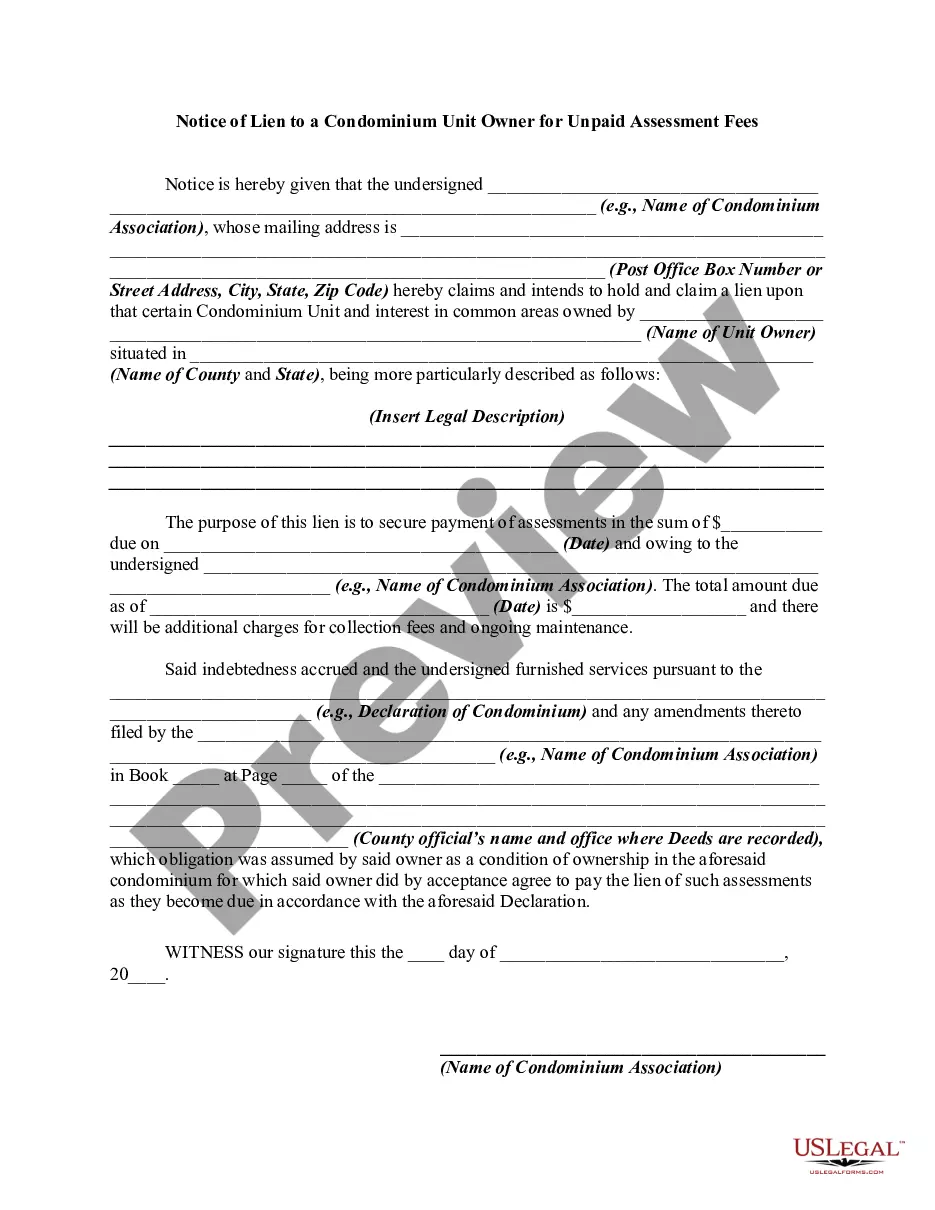

How to fill out Connecticut Notice Of Intent Not To Renew At End Of Specified Term From Landlord To Tenant For Residential Property?
- Log in to your account on US Legal Forms if you're a returning user, and check your subscription status to ensure it is valid.
- If you are new to the service, start by reviewing the available legal forms in the Preview mode to find the correct document that fits your needs.
- Use the Search tab to explore other templates if you do not find a perfect match. Make sure it meets the local jurisdiction requirements.
- Select the desired template and click on the Buy Now button to choose a suitable subscription plan for your needs.
- Provide your payment details via credit card or PayPal to complete your purchase.
- Download the form to your device, and remember you can always access it again from the My Forms section of your account.
By utilizing US Legal Forms, you not only gain access to a comprehensive set of legal documents but also benefit from expert assistance for form completion, ensuring your documents are accurate and legally binding.
Take the first step toward simplifying your legal processes today! Visit US Legal Forms to get started.
Form popularity
FAQ
In California, a landlord is not required to provide a reason for not renewing a lease if the lease is not classified as a rental agreement with extended protections. However, it’s essential that the landlord adheres to local regulations and lease terms. Staying informed about your rights can make a significant difference in handling these situations. For useful templates and legal documentation, look to US Legal Forms to support you.
Yes, a landlord can choose not to renew your lease, typically without needing to provide a specific reasoning. This decision, however, must follow state laws and the terms outlined in your lease agreement. Keeping lines of communication open can help clarify your situation with your landlord. For further assistance, US Legal Forms offers various resources related to tenant rights.
Yes, you can contest a non-renewal of a lease if you believe the decision violates the lease terms or housing laws. It's advisable to review your lease and consult with a legal expert to assess your rights. Engaging with a lawyer may provide you with the best course of action. US Legal Forms can be a valuable resource for finding necessary legal information.
In Texas, a landlord must provide at least a 30-day notice to the tenant if they choose not to renew the lease. This time frame allows tenants to make necessary arrangements for moving. Always check your specific lease agreement, as it might include different provisions. For additional legal forms and support, you can explore US Legal Forms.
When a lease comes to an end, the landlord has the option not to renew the lease with tenants. This means the tenant must vacate the property unless an agreement is reached to extend the lease. It's important to communicate openly with your landlord about your plans. If you need assistance with understanding lease agreements, consider utilizing US Legal Forms for more guidance.
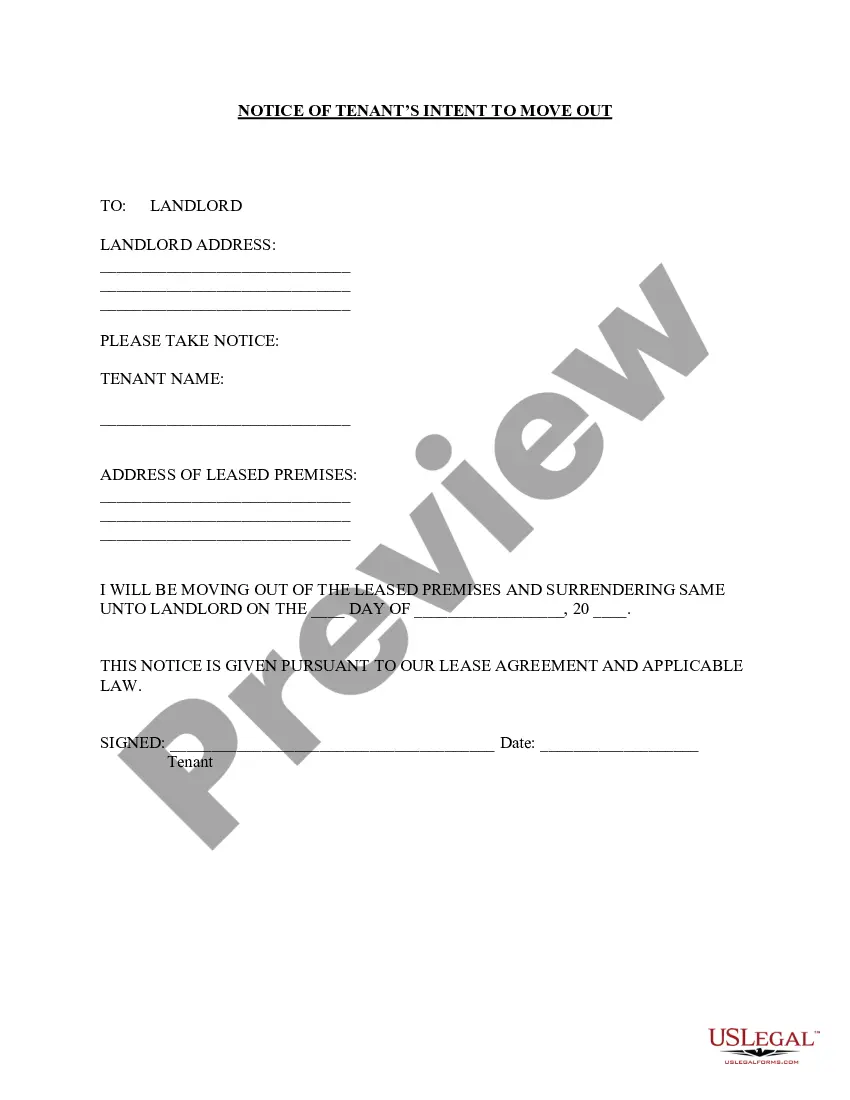
When writing a letter to your landlord about moving out before the lease ends, begin by clearly stating your intention and the date you plan to vacate. Include the property address and express gratitude for the time spent in the rental. Address any concerns related to the lease and provide information about final inspections or key returns. This approach is courteous and shows accountability, helping to maintain a good relationship.
To tell your landlord you are not renewing a lease, it’s best to write a formal letter that includes the lease dates, property address, and your decision. Be polite and express appreciation for the rental experience, as maintaining a positive relationship can be valuable for future references. Deliver the letter according to the lease agreement or local laws, ensuring proper notice is given. This clarity helps manage expectations moving forward.
To write a letter to terminate a lease, start with your name and contact information at the top, followed by the date and your landlord’s details. Clearly state your intention to terminate the lease, including the property address and lease expiration date. Specify any forward-looking arrangements, such as returning keys or a final walk-through, to ensure a smooth transition. This thoroughness is beneficial for both you and the landlord, promoting a positive interaction.
In California, to notify a tenant that you are not renewing their lease, send a written notice that includes the tenant's name, rental address, and lease expiration date. Specify that you are opting not to renew the lease and why, if applicable. Ensure you provide this notice within the state’s required timeline to avoid any legal complications. Being clear and timely helps maintain a professional relationship.
When writing to indicate you will not be renewing your lease, include essential details such as your lease end date and the property address. Start with a polite introduction, followed by your decision clearly stated. Sharing your reasons is optional but can provide clarity, and always close with a thank you. This method confirms your respect for the landlord and the lease agreement.