Connecticut Notice of Intent Not to Renew at End of Specified Term from Landlord to Tenant for Residential Property
What this document covers
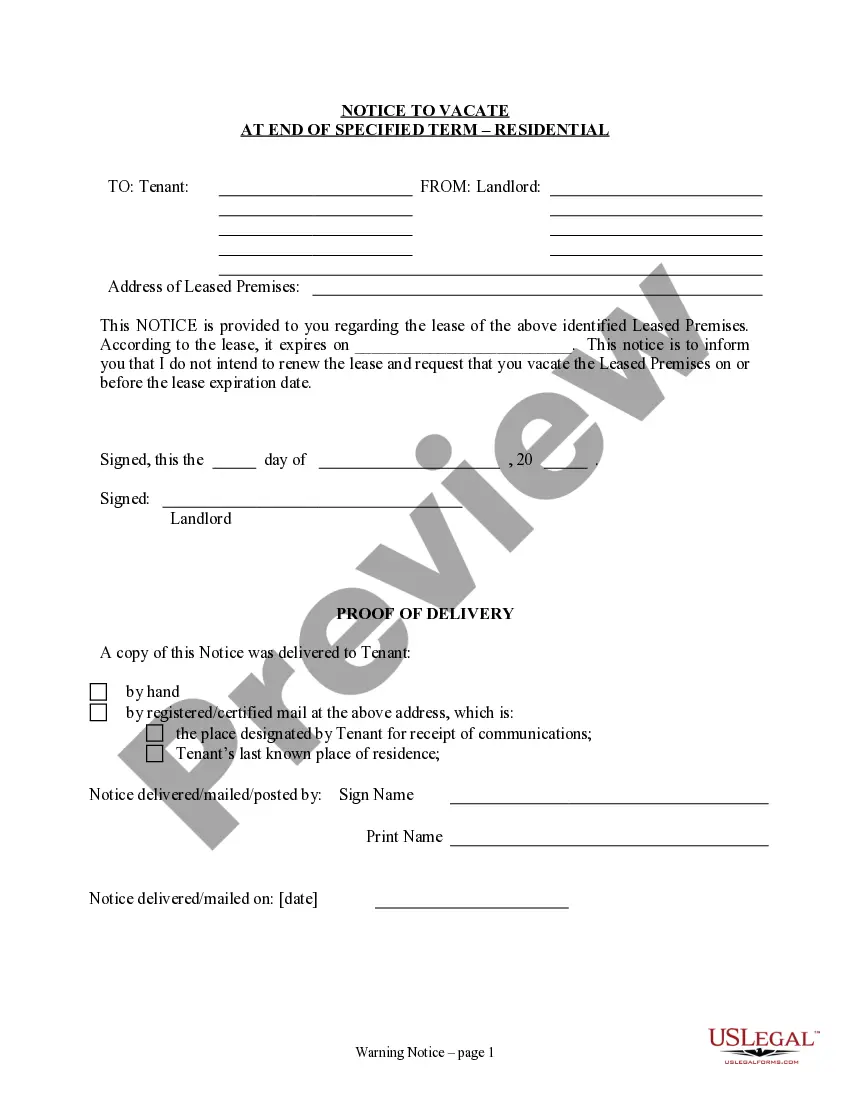
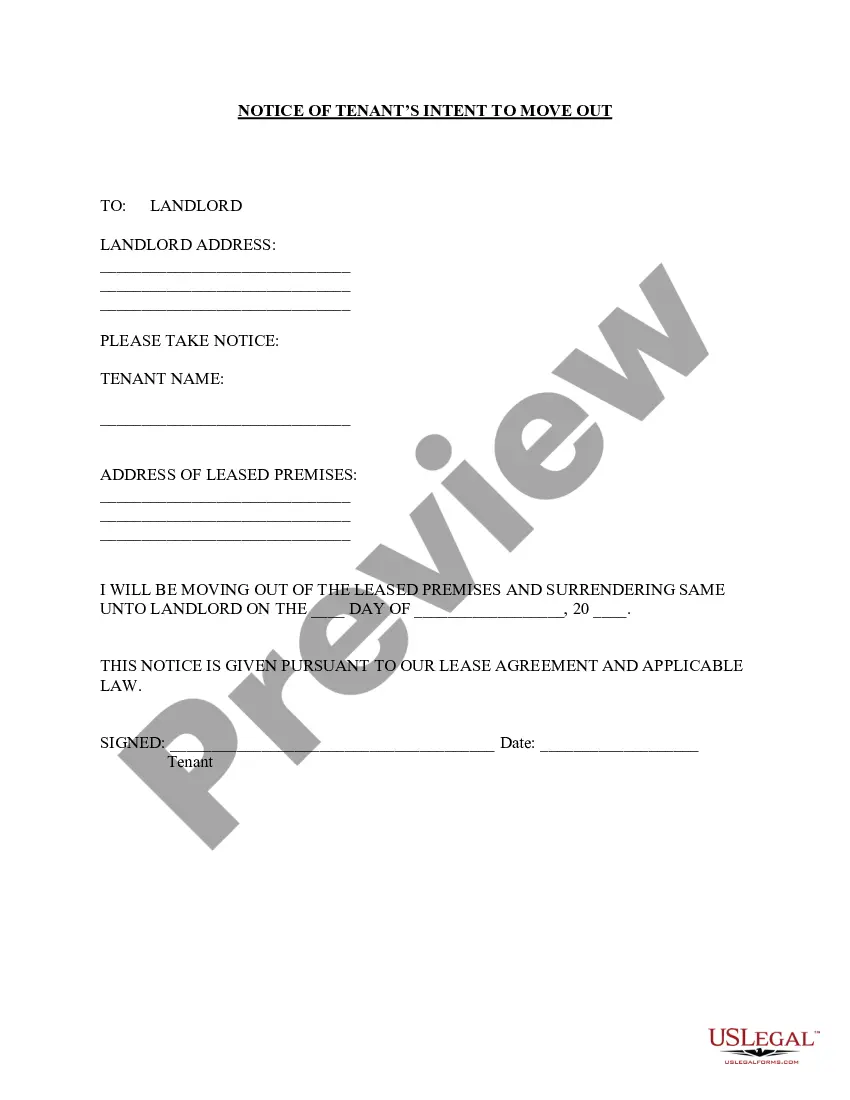
The Notice of Intent Not to Renew at End of Specified Term from Landlord to Tenant for Residential Property is a legal document used by landlords to inform tenants that their lease will not be renewed after the specified end date. Unlike termination notices that require a specific timeframe, this form clearly states that the current lease agreement will conclude without renewal, allowing landlords to manage property turnover effectively.
Key components of this form
- Identification of the landlord and tenant.
- Address of the leased premises.
- Lease expiration date.
- Explicit statement of intent not to renew the lease.
- Request for tenant to vacate the premises by the lease expiration date.
- Proof of delivery method for notification to the tenant.

Situations where this form applies
This form should be used when a landlord decides not to renew a residential lease at its expiration. It is applicable in scenarios where the lease is set for a specific term, and proper notification is necessary to ensure tenants are aware of the need to vacate the property at the end of that term. It aids in maintaining clear communication and helps avoid misunderstandings regarding the lease status.
Who needs this form
- Landlords looking to notify tenants of lease non-renewal.
- Property managers overseeing lease agreements.
- Real estate professionals managing rental properties.
- Anyone involved in leasing residential property agreements.
How to complete this form
- Identify the parties involved: fill in the landlord's and tenant's names.
- Specify the property: enter the address of the leased premises.
- Enter the lease expiration date: state when the lease officially ends.
- Include the landlord's declaration: affirm the intention not to renew the lease.
- Provide proof of delivery: document how the notice was delivered to the tenant.
Notarization requirements for this form
This form usually doesn’t need to be notarized. However, local laws or specific transactions may require it. Our online notarization service, powered by Notarize, lets you complete it remotely through a secure video session, available 24/7.
Get your form ready online
Our built-in tools help you complete, sign, share, and store your documents in one place.
Make edits, fill in missing information, and update formatting in US Legal Forms—just like you would in MS Word.
Download a copy, print it, send it by email, or mail it via USPS—whatever works best for your next step.
Sign and collect signatures with our SignNow integration. Send to multiple recipients, set reminders, and more. Go Premium to unlock E-Sign.
If this form requires notarization, complete it online through a secure video call—no need to meet a notary in person or wait for an appointment.
We protect your documents and personal data by following strict security and privacy standards.

Make edits, fill in missing information, and update formatting in US Legal Forms—just like you would in MS Word.

Download a copy, print it, send it by email, or mail it via USPS—whatever works best for your next step.

Sign and collect signatures with our SignNow integration. Send to multiple recipients, set reminders, and more. Go Premium to unlock E-Sign.

If this form requires notarization, complete it online through a secure video call—no need to meet a notary in person or wait for an appointment.

We protect your documents and personal data by following strict security and privacy standards.
Common mistakes
- Failing to provide the required notice period according to state laws.
- Not specifying the lease expiration date correctly.
- Neglecting to keep a copy of the notice for records.
- Using vague language that could lead to misunderstandings.
Why use this form online
- Convenient access to legal forms 24/7 from anywhere.
- Easy to download and customize according to specific needs.
- Reliability, as forms are drafted by licensed attorneys to ensure legality.
- Time-saving, eliminating the need to visit a legal office or wait for paperwork.
Looking for another form?
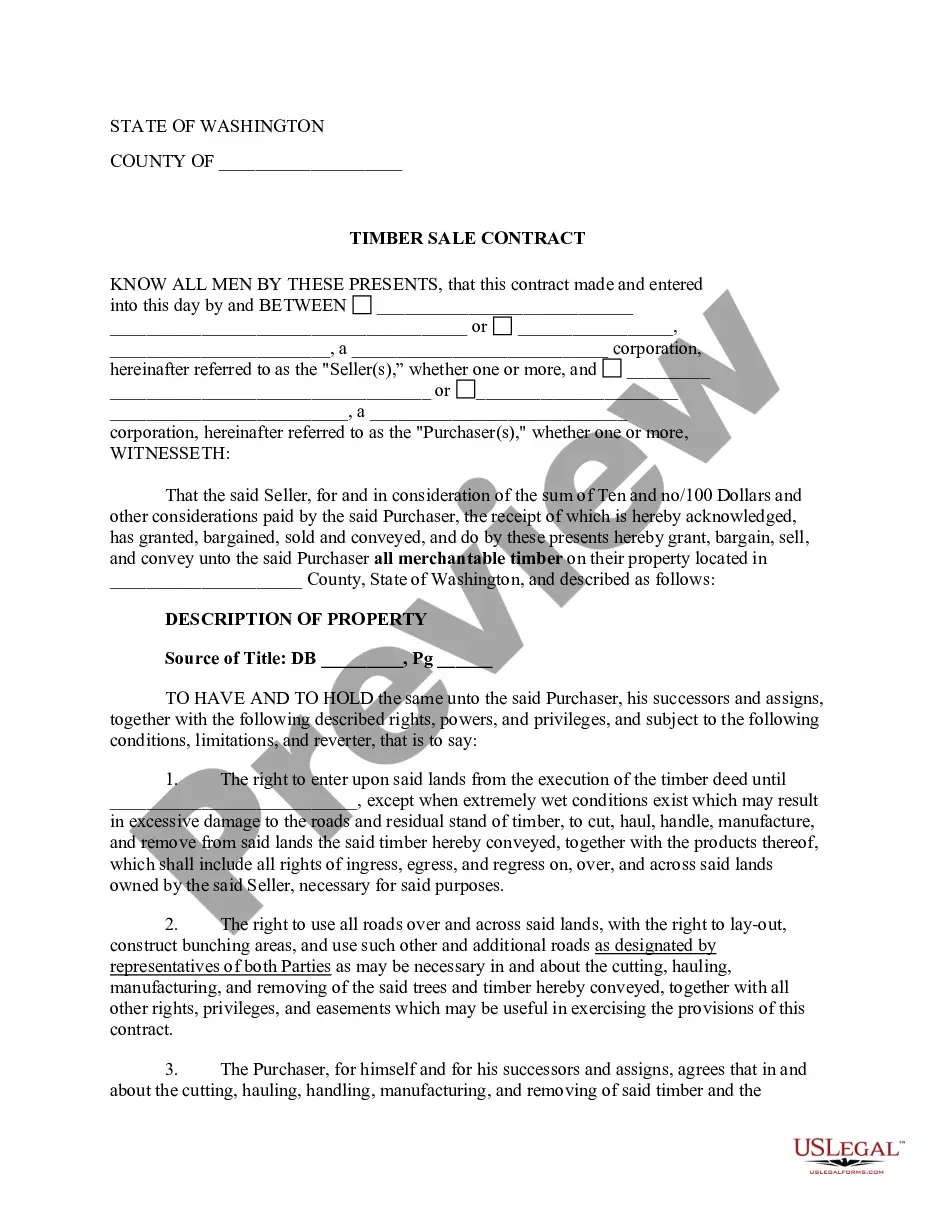
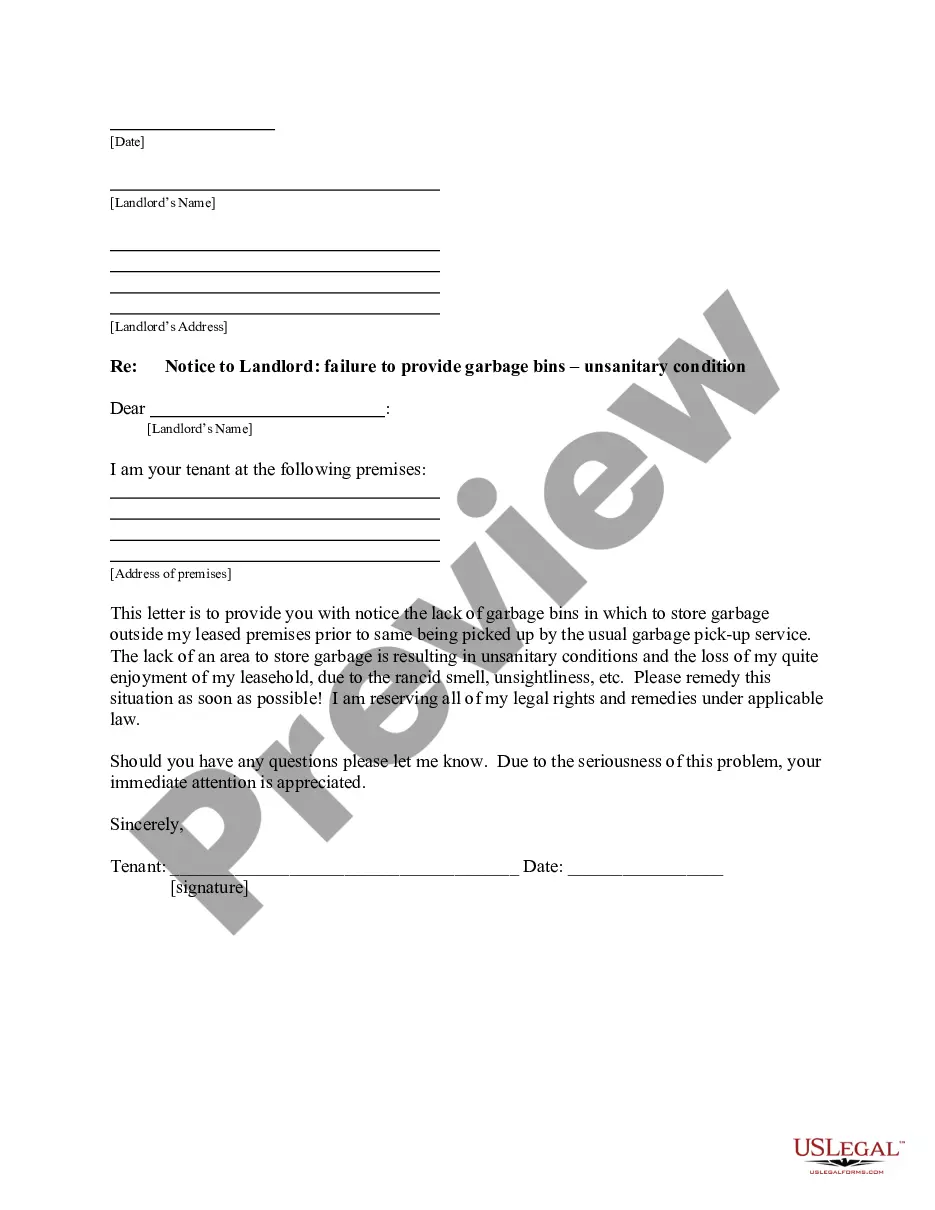
Form popularity
FAQ
This Connecticut form is a landlord-to-tenant notice that the lease will end and will not be renewed at the specified term. It is used when the landlord decides not to renew at expiration, so the tenant must vacate by the end date. The notice identifies the parties and the leased property and includes how delivery was made.
Yes. This form is designed to notify a tenant that the current lease term will end and will not be renewed in Connecticut. It identifies the landlord and tenant, the leased premises address, the lease expiration date, and an explicit non-renewal, with a request to vacate by that date and a note about how delivery was made.
The notice should identify the landlord and tenant, include the address of the leased premises, specify the lease expiration date, contain an explicit statement of non-renewal, request the tenant vacate by the expiration date, and note the proof of delivery method used to notify the tenant.
Delivery proof should accompany the notice, showing how and when the tenant received the non-renewal notice. The form’s proof of delivery confirms proper notification of the end date and non-renewal, helping establish compliance with the lease terms and CT practice.
The form itself does not grant eviction rights; it states the lease ends and the tenant should vacate. If the tenant remains, the landlord may need to pursue remedies outside this notice and should consult an attorney for next steps.
This form is specifically titled Connecticut Notice of Intent Not to Renew at End of Specified Term and is used only when the lease term ends on a known date. It requires an explicit non-renewal and a vacate date, plus delivery proof, setting it apart from generic non-renewal notices.