Tenant About Rent With A Guest
Description
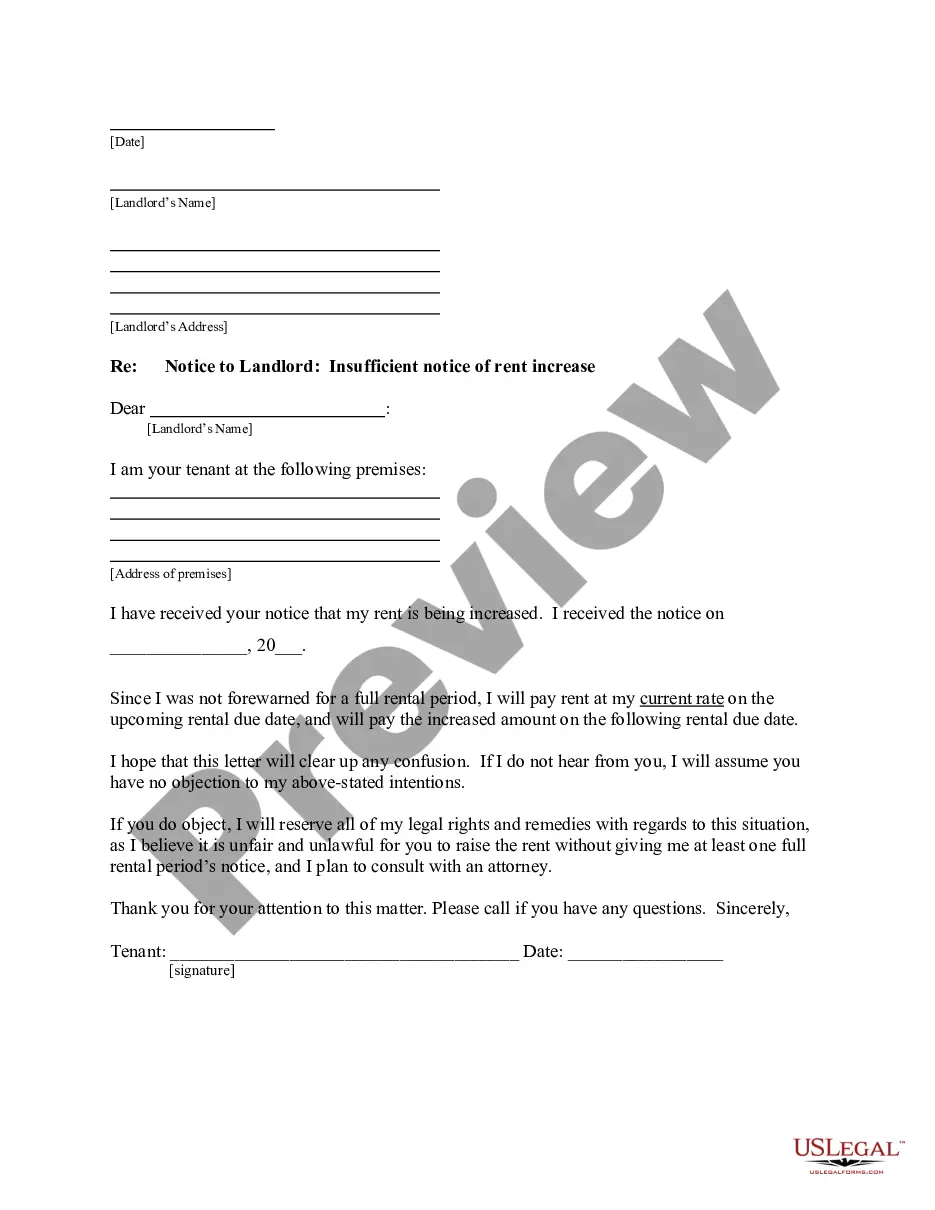
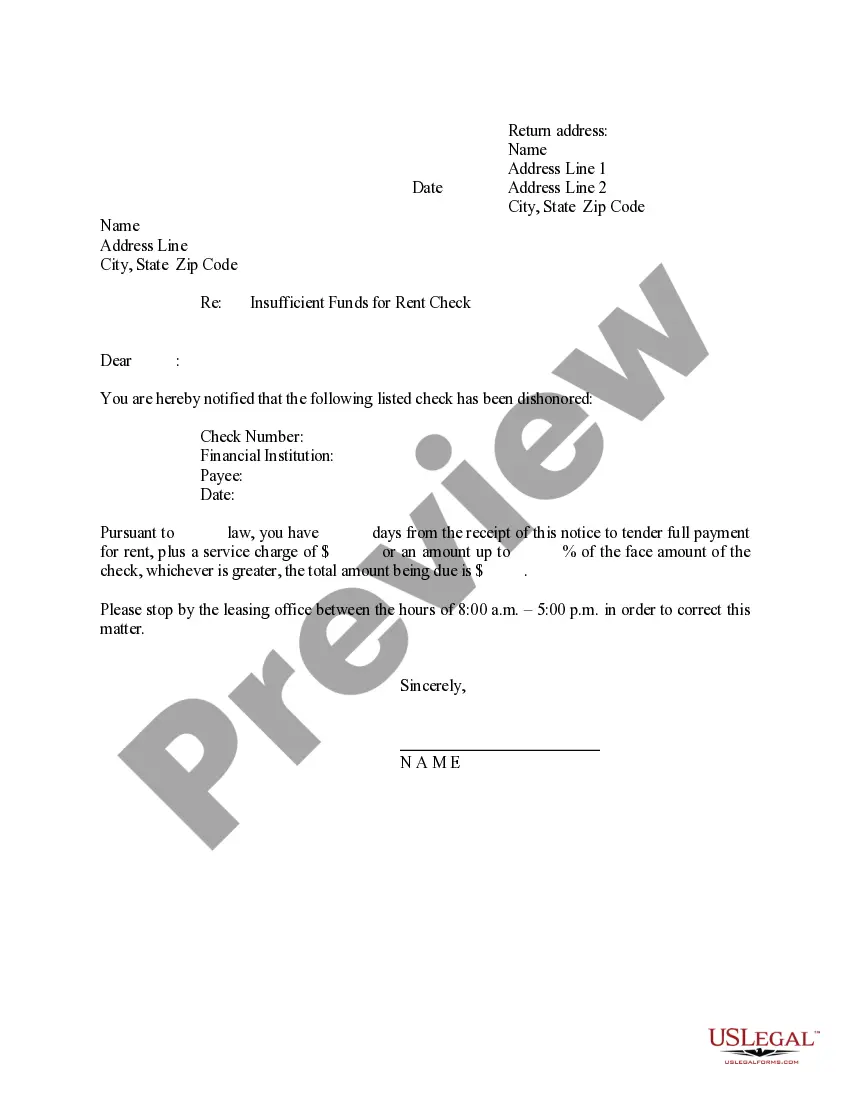
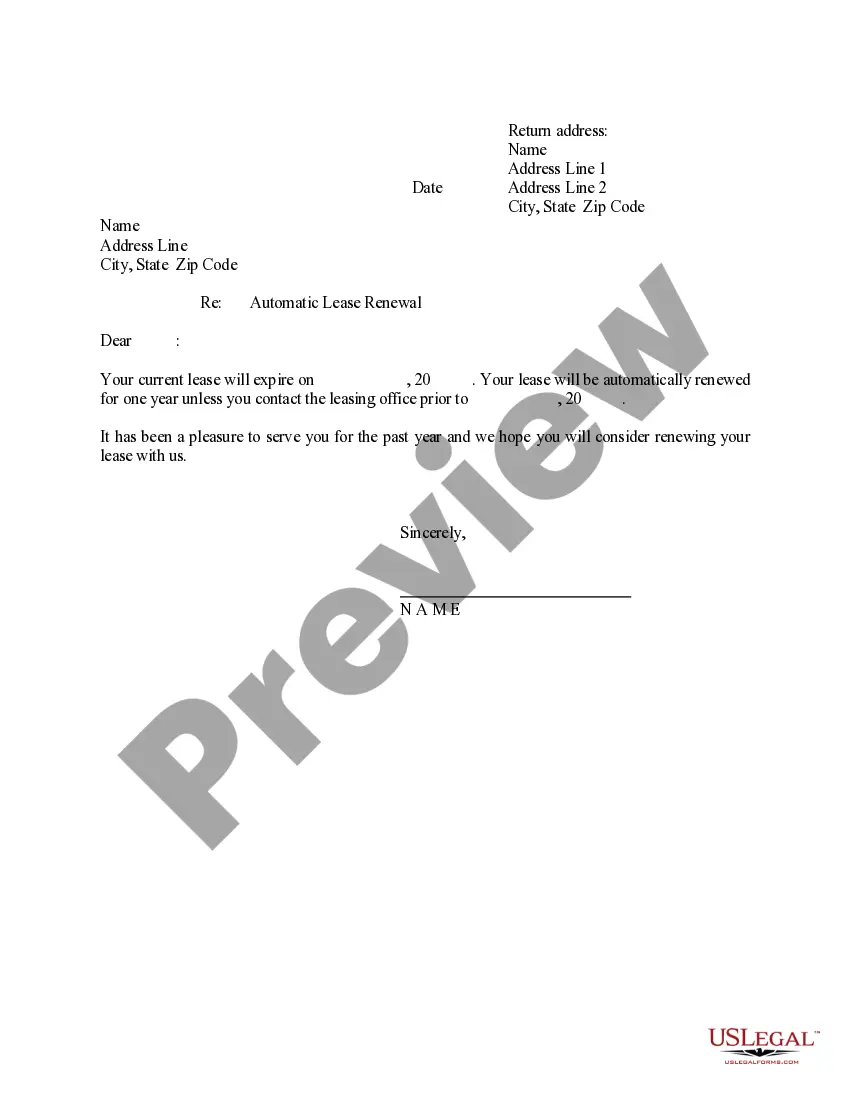
Get your form ready online
Our built-in tools help you complete, sign, share, and store your documents in one place.
Make edits, fill in missing information, and update formatting in US Legal Forms—just like you would in MS Word.
Download a copy, print it, send it by email, or mail it via USPS—whatever works best for your next step.
Sign and collect signatures with our SignNow integration. Send to multiple recipients, set reminders, and more. Go Premium to unlock E-Sign.
If this form requires notarization, complete it online through a secure video call—no need to meet a notary in person or wait for an appointment.
We protect your documents and personal data by following strict security and privacy standards.

Make edits, fill in missing information, and update formatting in US Legal Forms—just like you would in MS Word.

Download a copy, print it, send it by email, or mail it via USPS—whatever works best for your next step.

Sign and collect signatures with our SignNow integration. Send to multiple recipients, set reminders, and more. Go Premium to unlock E-Sign.

If this form requires notarization, complete it online through a secure video call—no need to meet a notary in person or wait for an appointment.

We protect your documents and personal data by following strict security and privacy standards.
Looking for another form?






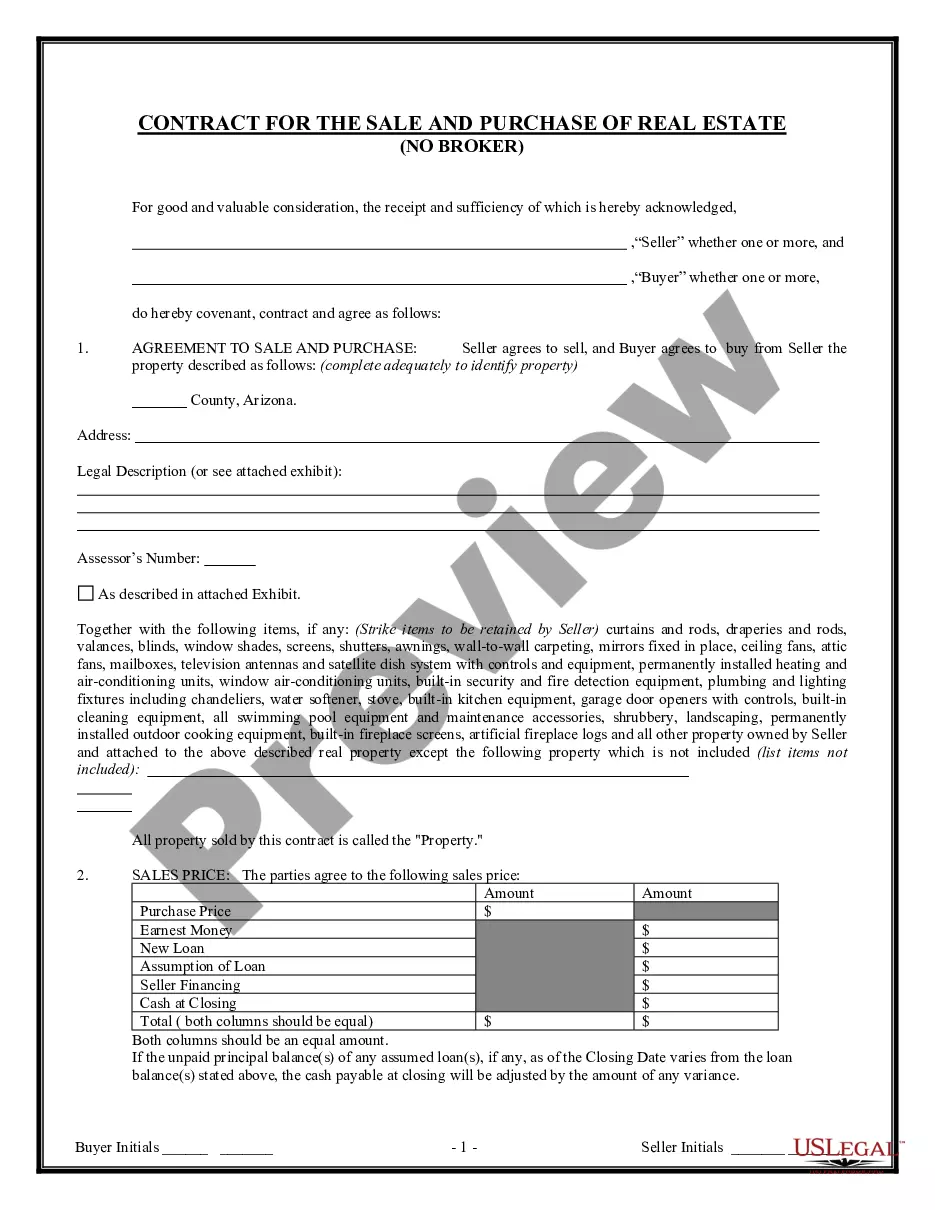



How to fill out Connecticut Letter From Tenant To Landlord About Insufficient Notice Of Rent Increase?
- Sign in to your US Legal Forms account. If you're returning, ensure your subscription is active. If it’s expired, renew it per your chosen plan.
- Browse through the extensive library to find the appropriate form template related to guest policies and tenant agreements. Make sure it aligns with your local laws.
- If you don’t find what you need, utilize the search feature to locate another template that fits your requirements.
- Select the document you need by clicking the Buy Now button and choose a subscription plan that best suits your needs.
- Complete the payment process using your credit card or PayPal, allowing you immediate access to the forms.
- Download the chosen document onto your device for easy access and future use, retaining it in your profile’s My Forms section.
By following these steps, you can ensure that you have the right legal documents at your fingertips, irrespective of whether you're a tenant or a landlord. US Legal Forms empowers you with a robust library of over 85,000 customizable and legally sound forms.
Ready to manage your tenant agreements efficiently? Explore US Legal Forms today and simplify your legal documentation process!
Form popularity
FAQ
A resident is someone who has taken up permanent or semi-permanent residence at a property, often under a lease agreement, whilst a guest is a temporary visitor. Residents have defined legal rights and tenant protections, while guests do not share these rights or obligations. Clarifying these terms early can help prevent conflicts down the line.
In South Carolina, the time frame for a guest to become a tenant can vary, but generally, staying for 14 days or longer may start to establish tenancy rights. If a guest stays consistently and accepts mail at your address, it could solidify their status as a tenant. To avoid misunderstandings, creating clear agreements about guest stays can be beneficial.
A landlord can ask a guest to leave if they do not have permission to reside in the property or if they exceed their welcome. It is important to communicate such requests clearly. However, if the guest has established tenancy rights, the landlord must follow legal protocols to evict them, which might involve court procedures.
If a guest refuses to leave, begin by having a direct conversation with them about your expectations and timeline for their departure. If that fails, you may need to send a formal notice to vacate. As a last resort, consider seeking legal assistance to ensure you follow the proper procedure for eviction, especially if your relationship has become complicated.
Legally, a guest is someone who stays at a property temporarily without paying rent or having a formal agreement. Guests have permission to be on the property but lack the rights and responsibilities of tenants. It is important to clarify your expectations when allowing someone to stay to prevent complications related to tenant rights.
A house guest transitions to a tenant when they start receiving mail at your address or when they establish a routine of staying for an extended period. Typically, this can happen after they have stayed for more than a few weeks without an official agreement. Understanding this distinction is crucial to protect both parties' rights regarding lease agreements and responsibilities.
Visitors in an apartment generally can stay for a limited time frame, usually a few days to a couple of weeks. However, if the intention is to have a visitor stay longer, it's advisable to check the lease agreement or consult with the landlord. Ensuring that both you and your visitor remain compliant with the terms of the lease protects your rights as a tenant. If you face questions around rent with a guest, consider using resources like USLegalForms for clarity.
The duration a guest can stay in your Texas apartment depends heavily on the lease stipulations and the landlord’s policy. While short visits may be allowed for a few days or weeks, longer stays may require you to register the guest with your landlord. Clarifying this with your landlord protects you and your guest, ensuring compliance with regulations surrounding rent with a guest. Always aim for clear communication to maintain a positive relationship.
In Texas, the length of time a guest can stay without restrictions varies based on both the lease agreement and local laws. Generally, guests can stay for several days to a couple of weeks without hassle. If the stay exceeds this timeframe, tenants should notify their landlord to discuss any necessary adjustments to the lease agreement. This proactive approach ensures you understand your rights around rent with a guest.
Typically, a tenant can have a guest stay for a short period, often ranging from a few days to a couple of weeks, depending on the lease agreement's terms. However, if the guest stays longer, the landlord may classify them as a tenant, which often requires approval and, possibly, a change in the lease. This can affect your rent with a guest, so it's best to communicate any long-term plans with your landlord. Keep everything transparent to avoid any misunderstandings.