Tenant
Description


Get your form ready online
Our built-in tools help you complete, sign, share, and store your documents in one place.
Make edits, fill in missing information, and update formatting in US Legal Forms—just like you would in MS Word.
Download a copy, print it, send it by email, or mail it via USPS—whatever works best for your next step.
Sign and collect signatures with our SignNow integration. Send to multiple recipients, set reminders, and more. Go Premium to unlock E-Sign.
If this form requires notarization, complete it online through a secure video call—no need to meet a notary in person or wait for an appointment.
We protect your documents and personal data by following strict security and privacy standards.

Make edits, fill in missing information, and update formatting in US Legal Forms—just like you would in MS Word.

Download a copy, print it, send it by email, or mail it via USPS—whatever works best for your next step.

Sign and collect signatures with our SignNow integration. Send to multiple recipients, set reminders, and more. Go Premium to unlock E-Sign.

If this form requires notarization, complete it online through a secure video call—no need to meet a notary in person or wait for an appointment.

We protect your documents and personal data by following strict security and privacy standards.
Looking for another form?





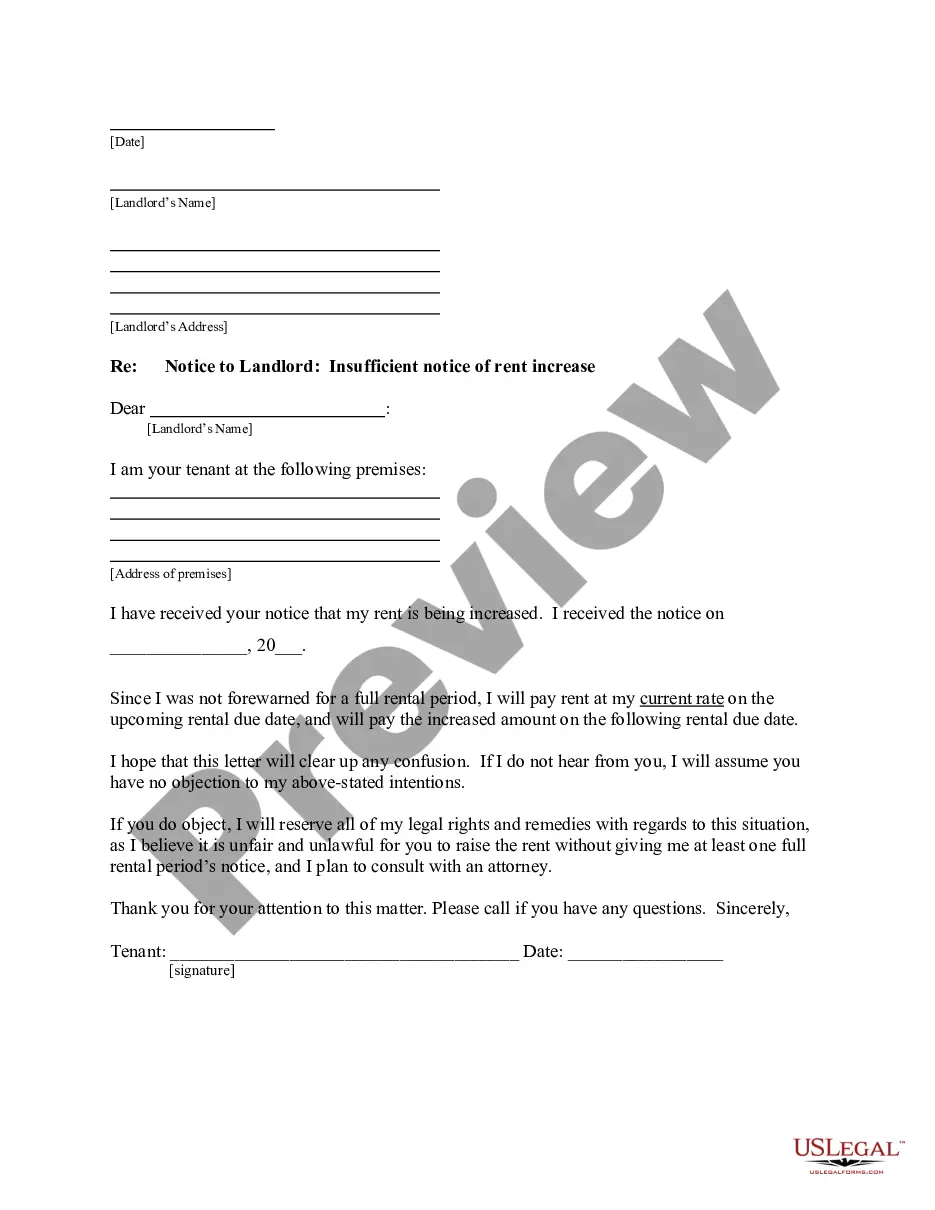
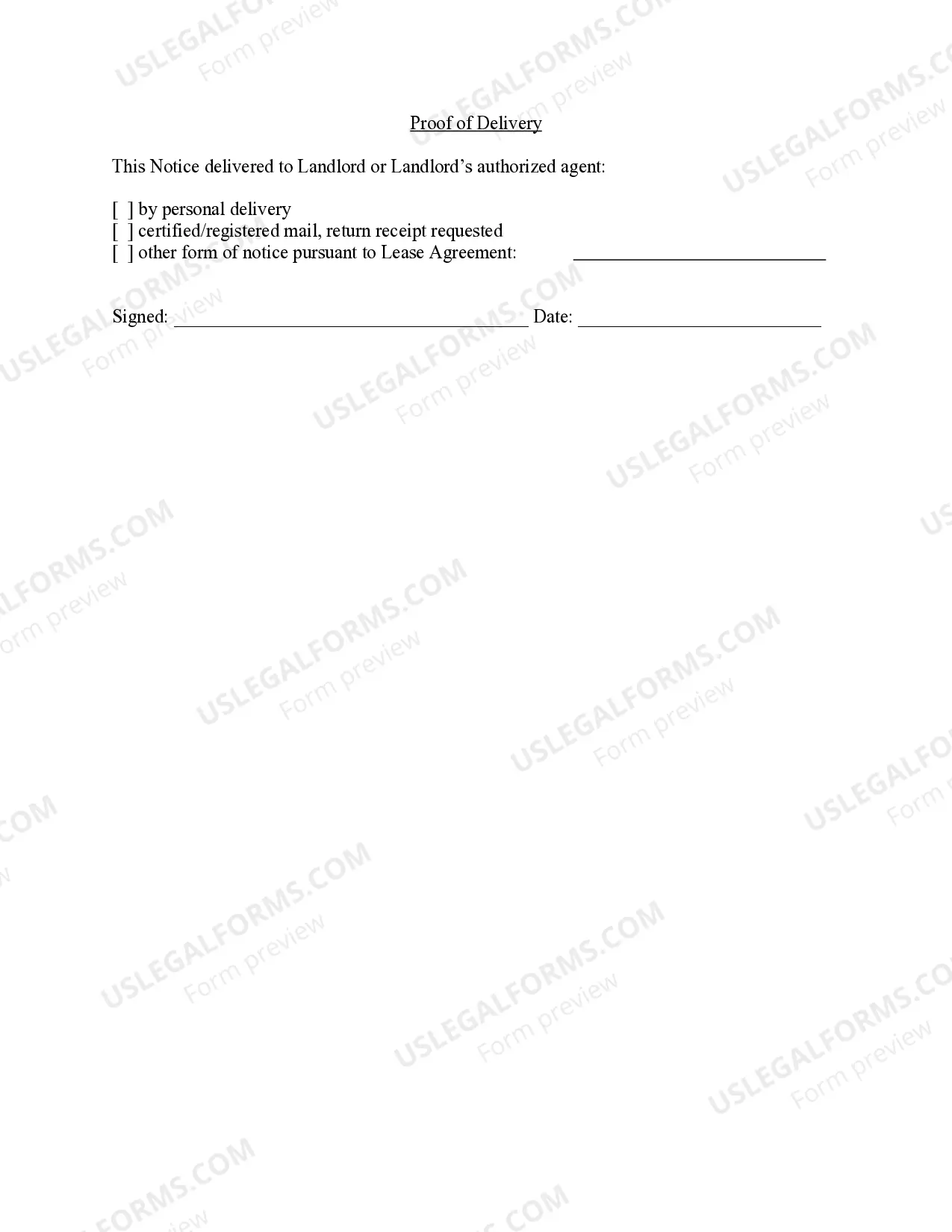
How to fill out Connecticut Letter From Tenant To Landlord About Insufficient Notice Of Rent Increase?
- If you already have an account, log in and verify your subscription status. If it’s expired, renew it to continue accessing the templates.
- For first-time users, start by browsing the form library. Use the preview feature to ensure the template meets your needs.
- If you require a different form, utilize the search function to find the appropriate document that complies with your local laws.
- Select the form you need by clicking the Buy Now button. Choose the suitable subscription plan and set up your account.
- Proceed to payment by entering your credit card information or opting for PayPal.
- Download the completed form to your device and access it later in the My Forms section of your profile.
Utilizing US Legal Forms not only saves you time but also guarantees that your legal documents are professionally crafted and compliant. With over 85,000 forms available, you can rest assured knowing you have access to a wide selection.
Start simplifying your legal processes today! Visit US Legal Forms and unlock the power of legal documentation at your fingertips.
Form popularity
FAQ
Generally, an individual becomes a tenant once they sign a rental or lease agreement. This document establishes their rights and responsibilities in the rental property. While verbal agreements might also create a tenant status, written leases are strongly recommended to avoid disputes. Being clear on your status as a tenant ensures better protection.
When filling out a landlord application, you will likely need to provide your personal information, rental history, and financial details. As a potential tenant, you must present yourself positively to your future landlord. This application helps landowners assess your suitability as a tenant. For simplified processes and templates, you can visit uslegalforms.
To be considered a tenant in Florida, you must have a lease agreement that grants you the right to occupy a property. This agreement can be verbal, but written leases are more common and provide legal protection. Responsibilities, such as paying rent on time and maintaining the property, come with this status. Being informed about your rights as a tenant is essential in Florida.
Filling out a rental verification form typically involves providing personal information, rental history, and details about your income. As a tenant, you may need to demonstrate reliability to prospective landlords. It's beneficial to be honest and thorough in your responses, as this form plays a key role in your rental application. If you need help, consider utilizing uslegalforms for expert guidance.
The period of a tenancy refers to the duration for which a tenant occupies a rental property. Tenancies can vary widely, often ranging from month-to-month agreements to year-long leases. It is essential to understand your tenancy period, as it defines the length of your commitment and rights as a tenant. Knowing the specifics helps you plan better.
The terms 'renter' and 'tenant' often seem interchangeable, but there are distinctions. A tenant is someone who has signed a lease or rental agreement, granting them rights to occupy a property. In contrast, a renter may not have a formal agreement and could face different legal standing. Understanding these differences is crucial for your housing situation.
Yes, you can evict someone in the winter in Vermont, but there are specific rules to follow. Courts may be more hesitant to grant evictions during harsh winter conditions, as it can pose hardships for tenants. Landlords need to ensure they comply with the legal process to avoid complications. Understanding local regulations can help landlords navigate winter evictions more smoothly.
The eviction process in Vermont can take anywhere from several weeks to a few months, depending on various factors. After a notice is given, if the tenant does not comply, the landlord must go through the court process. This usually involves a hearing where both parties can present their case. Patience and awareness of the timeline can help both landlords and tenants with the situation.
To become a tenant, an individual typically signs a lease or rental agreement with a landlord. This agreement outlines the terms of occupancy, including rent payments, duration, and responsibilities. It's crucial for prospective tenants to carefully review this document to understand their rights and obligations. Resources like USLegalForms can provide helpful templates for rental agreements to ensure clarity.
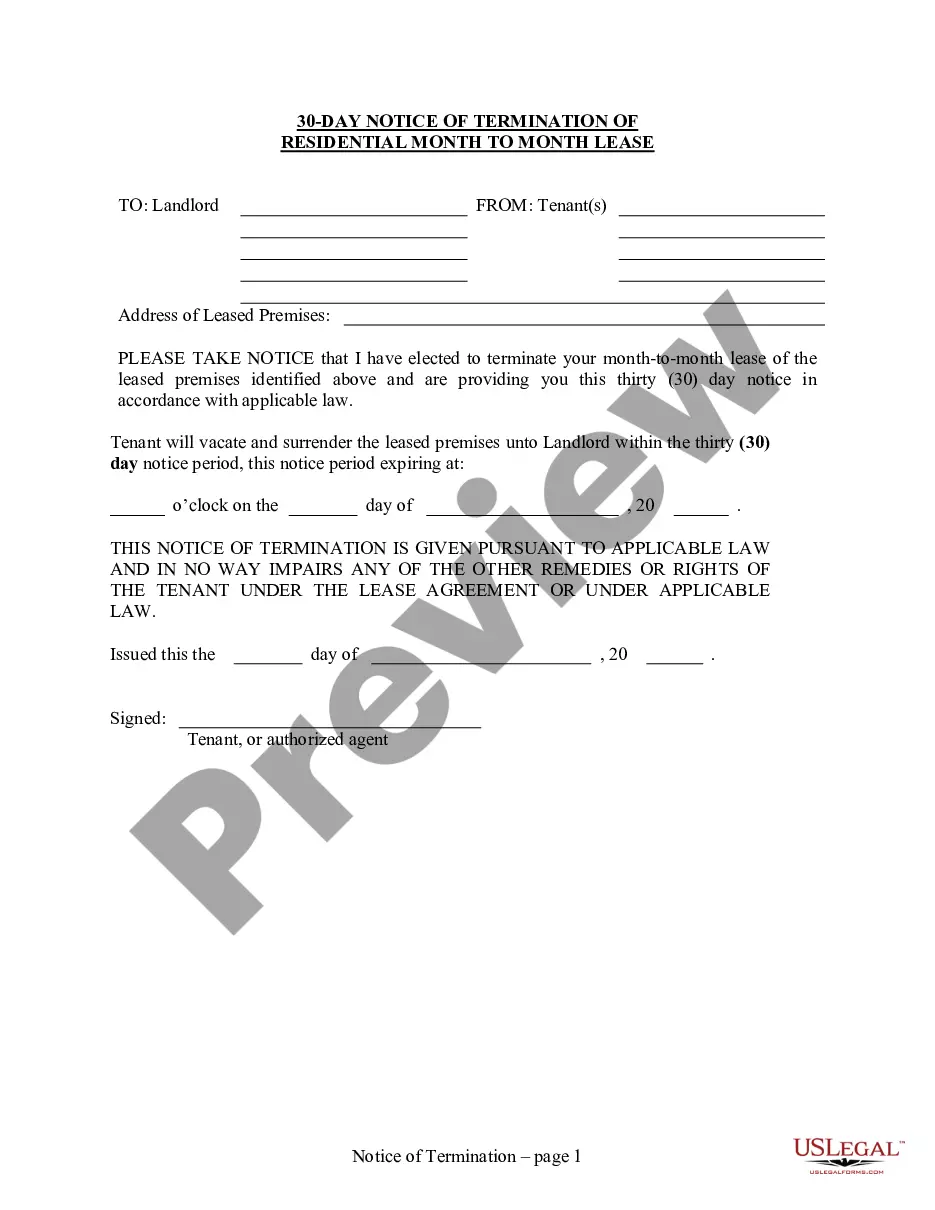
In Vermont, a tenant must provide a written notice of at least 30 days before vacating the rental property. This notice helps ensure a smooth transition for both the tenant and the landlord. However, if the lease specifies a longer notice period, tenants must adhere to that requirement. Clear communication regarding notice periods can prevent disputes.