Limited Liability Company For Rental Property
Description
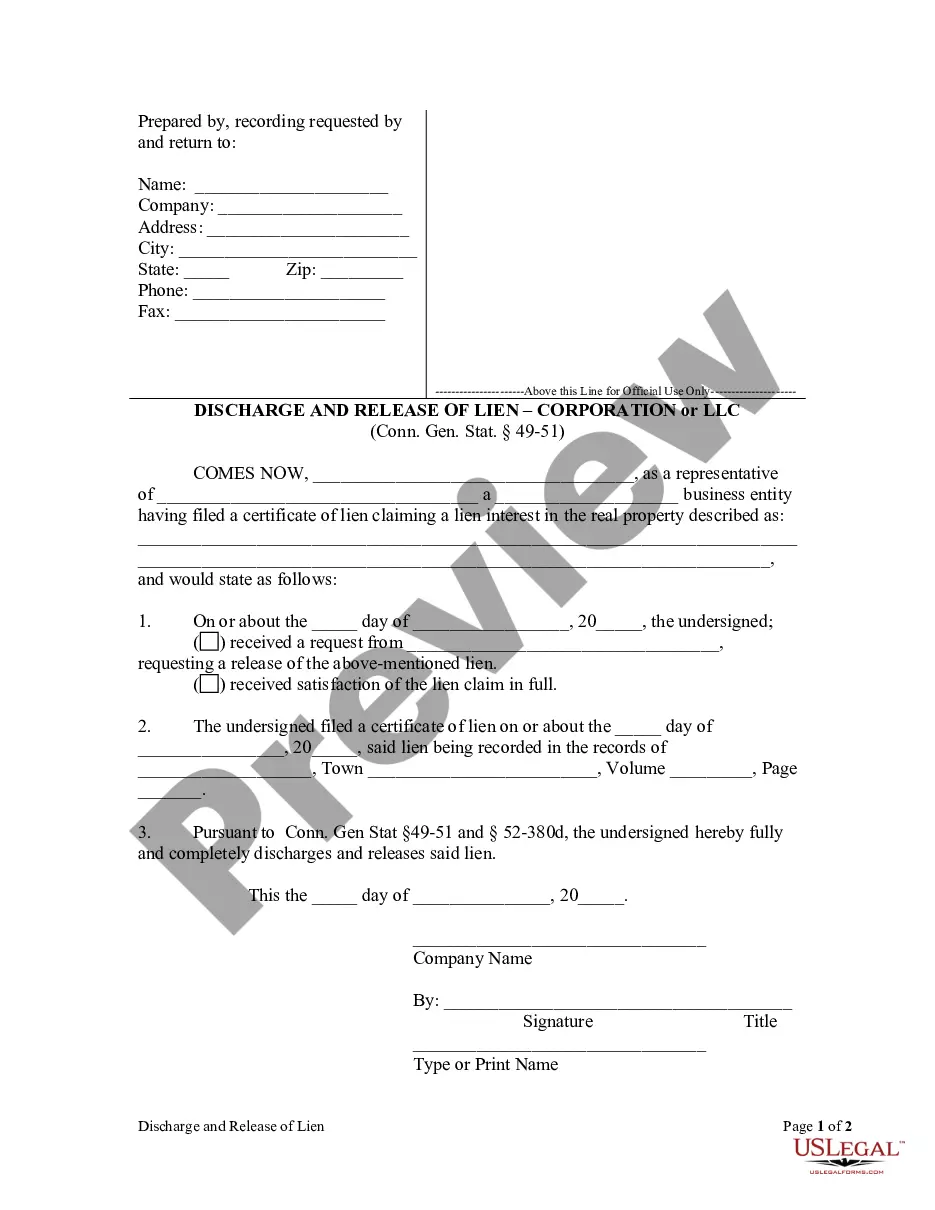
Get your form ready online
Our built-in tools help you complete, sign, share, and store your documents in one place.
Make edits, fill in missing information, and update formatting in US Legal Forms—just like you would in MS Word.
Download a copy, print it, send it by email, or mail it via USPS—whatever works best for your next step.
Sign and collect signatures with our SignNow integration. Send to multiple recipients, set reminders, and more. Go Premium to unlock E-Sign.
If this form requires notarization, complete it online through a secure video call—no need to meet a notary in person or wait for an appointment.
We protect your documents and personal data by following strict security and privacy standards.

Make edits, fill in missing information, and update formatting in US Legal Forms—just like you would in MS Word.

Download a copy, print it, send it by email, or mail it via USPS—whatever works best for your next step.

Sign and collect signatures with our SignNow integration. Send to multiple recipients, set reminders, and more. Go Premium to unlock E-Sign.

If this form requires notarization, complete it online through a secure video call—no need to meet a notary in person or wait for an appointment.

We protect your documents and personal data by following strict security and privacy standards.
Looking for another form?
How to fill out Connecticut Discharge And Release Of Lien By Corporation Or LLC?
- Log into your US Legal Forms account if you are a returning user. Ensure your subscription is active. If it has lapsed, renew your subscription according to your chosen payment plan.
- Preview the form you require to confirm it fits your needs. Verify its alignment with your state’s regulations to avoid issues later.
- If adjustments are necessary, utilize the search feature to find precise templates. Ensure the alternative fits your requirements before proceeding.
- Select the purchase option by clicking 'Buy Now.' Choose a subscription plan that best suits your needs and create an account if you're new to the service.
- Complete your transaction with your preferred payment method, either a credit card or PayPal, to access your document.
- Download the finalized form to your device for immediate use or revisit it later in the 'My Forms' section of your US Legal Forms account.
After following these steps, you’ll have your limited liability company formed and the required documents at your fingertips. US Legal Forms not only offers a vast collection of legal forms but also empowers users with expert assistance to ensure compliance and accuracy.
Start securing your rental property today—visit US Legal Forms for a hassle-free experience!
Form popularity
FAQ
The biggest disadvantage of a limited liability company is the ongoing compliance costs and administrative responsibilities. Maintaining an LLC requires filing annual reports, keeping financial records, and paying various fees. Additionally, some states impose higher taxes on LLCs than on personal ownership. It's crucial to consider these factors when deciding to form an LLC for your rental property.
Wealthy individuals often use a limited liability company for rental property to shield their assets and simplify estate planning. This structure provides privacy and allows them to manage multiple properties under one entity. Additionally, holding properties in an LLC can improve financial flexibility and reduce personal liability. These advantages explain why many affluent investors choose this approach.
Buying a house under a limited liability company for rental property offers several advantages, such as liability protection and potential tax benefits. You can separate your personal assets from your investment, reducing personal risk. However, it may also bring disadvantages like increased paperwork, possible higher costs, and limitations on financing options. Weigh these factors carefully to see if an LLC aligns with your investment goals.
Yes, you can place your rental property in a limited liability company (LLC) even if you have a mortgage. However, it is essential to review your mortgage agreement, as some lenders might have clauses that require notification or approval. Transferring your property to an LLC might also trigger a due-on-sale clause. Therefore, consult your lender and consider the benefits of protecting your investment through an LLC.
You should start a limited liability company for rental property that aligns with your investment strategy and risk management plans. Many choose a standard LLC, which provides personal liability protection and flexible taxation options. It's advisable to consult with a legal or financial expert to determine the best structure for your unique situation.
The best type of limited liability company for rental property often depends on your individual goals and circumstances. A single-member LLC may suffice for individual investors, while a multi-member LLC is better suited for partnerships or larger investments. Each has its own benefits in terms of liability and taxation, so consider your needs carefully.
The 50% rule in rental property suggests that the total expenses for running a rental property will typically be about 50% of its gross rental income. This rule can help you estimate the potential profitability of investing in a property. By keeping this guideline in mind, you can make more informed financial decisions.
To put your rental property in a limited liability company for rental property, you'll need to create the LLC by filing the necessary paperwork with your state. After that, transfer the title of the property into the LLC’s name, which may involve a quitclaim deed. Consulting with a legal expert can help ensure you follow all local laws and regulations.
Filing taxes for a limited liability company for rental property involves reporting the business income and expenses on your tax return. Generally, you would use IRS Form 1065 if you have multiple members, or Schedule C if you're a single-member LLC. It's vital to keep thorough records of all rental income and expenses to ensure accurate reporting.
A limited liability company for rental property is often considered the best business type. It protects your personal assets from liabilities related to the rental property while offering flexibility in management and taxation. With an LLC, you can maintain your privacy and separate personal finances from business affairs, making it an ideal choice.