What Rights Do Tenants Have When Renting
Description


Get your form ready online
Our built-in tools help you complete, sign, share, and store your documents in one place.
Make edits, fill in missing information, and update formatting in US Legal Forms—just like you would in MS Word.
Download a copy, print it, send it by email, or mail it via USPS—whatever works best for your next step.
Sign and collect signatures with our SignNow integration. Send to multiple recipients, set reminders, and more. Go Premium to unlock E-Sign.
If this form requires notarization, complete it online through a secure video call—no need to meet a notary in person or wait for an appointment.
We protect your documents and personal data by following strict security and privacy standards.

Make edits, fill in missing information, and update formatting in US Legal Forms—just like you would in MS Word.

Download a copy, print it, send it by email, or mail it via USPS—whatever works best for your next step.

Sign and collect signatures with our SignNow integration. Send to multiple recipients, set reminders, and more. Go Premium to unlock E-Sign.

If this form requires notarization, complete it online through a secure video call—no need to meet a notary in person or wait for an appointment.

We protect your documents and personal data by following strict security and privacy standards.
Looking for another form?



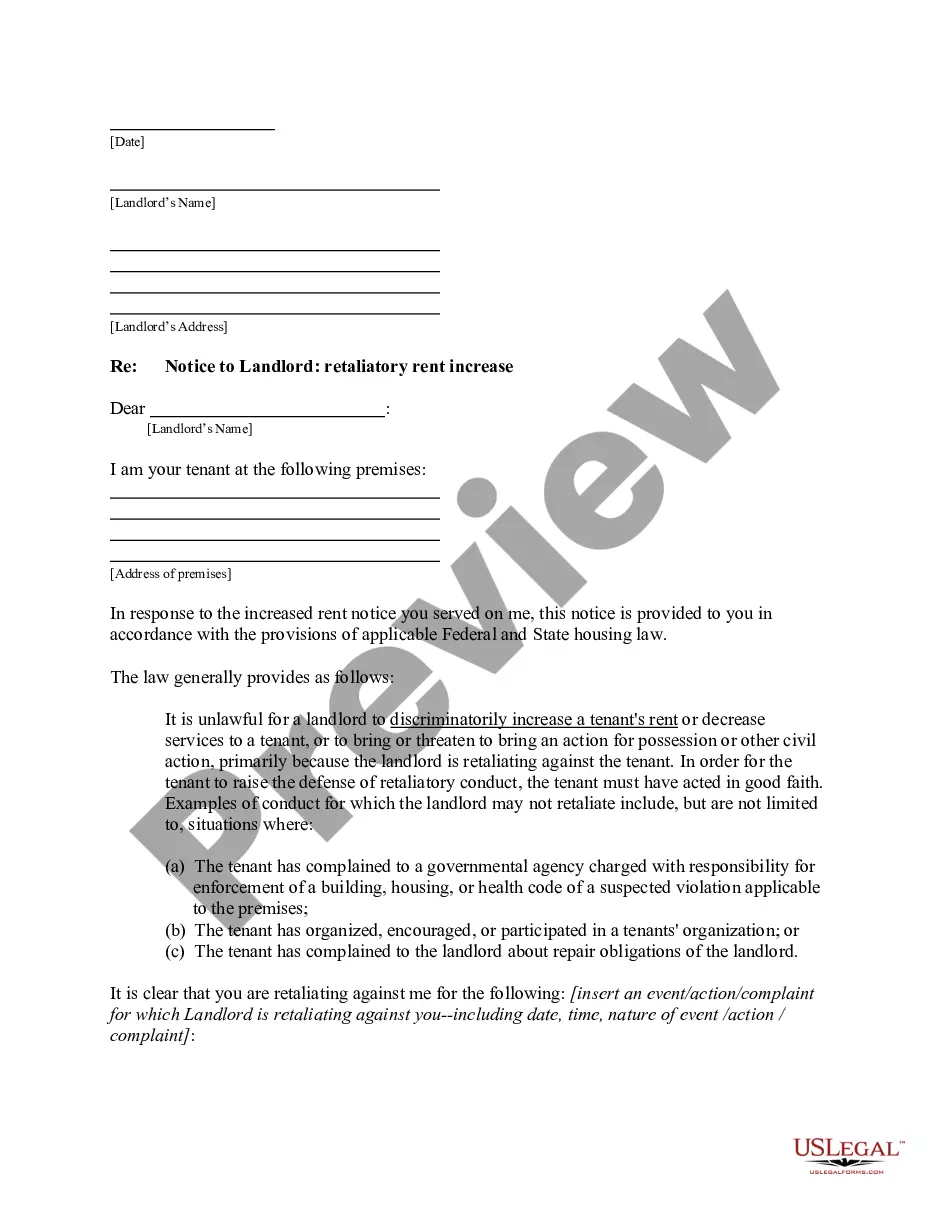
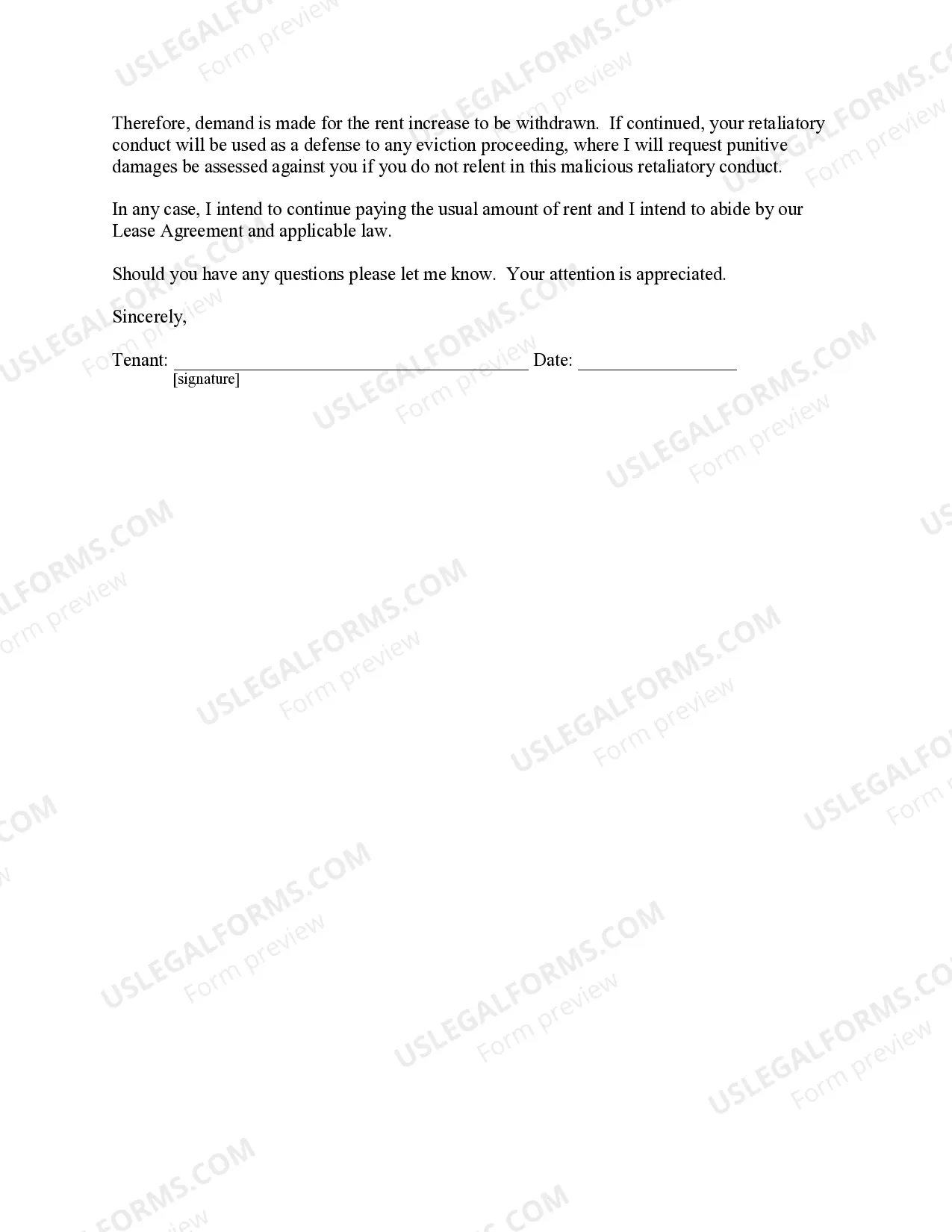
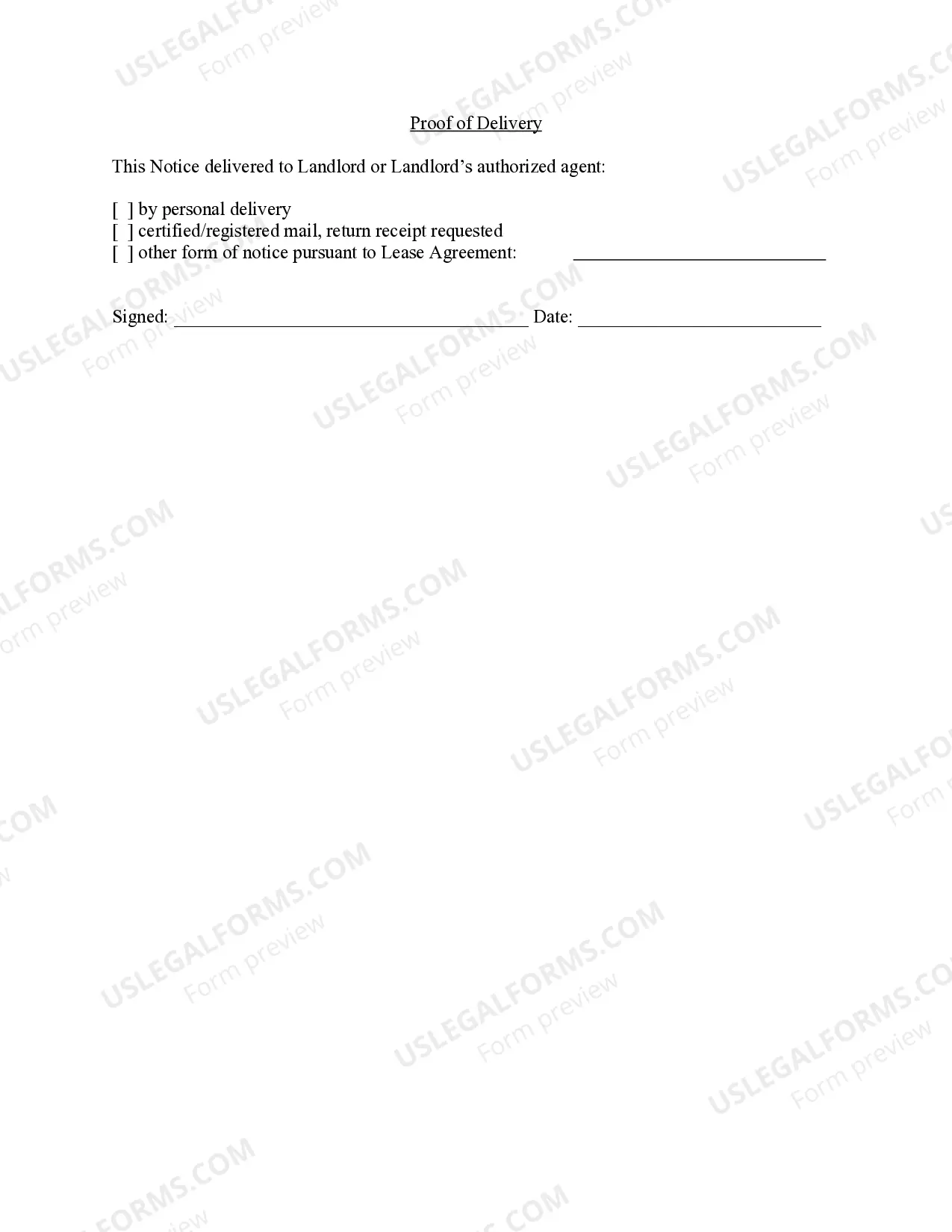
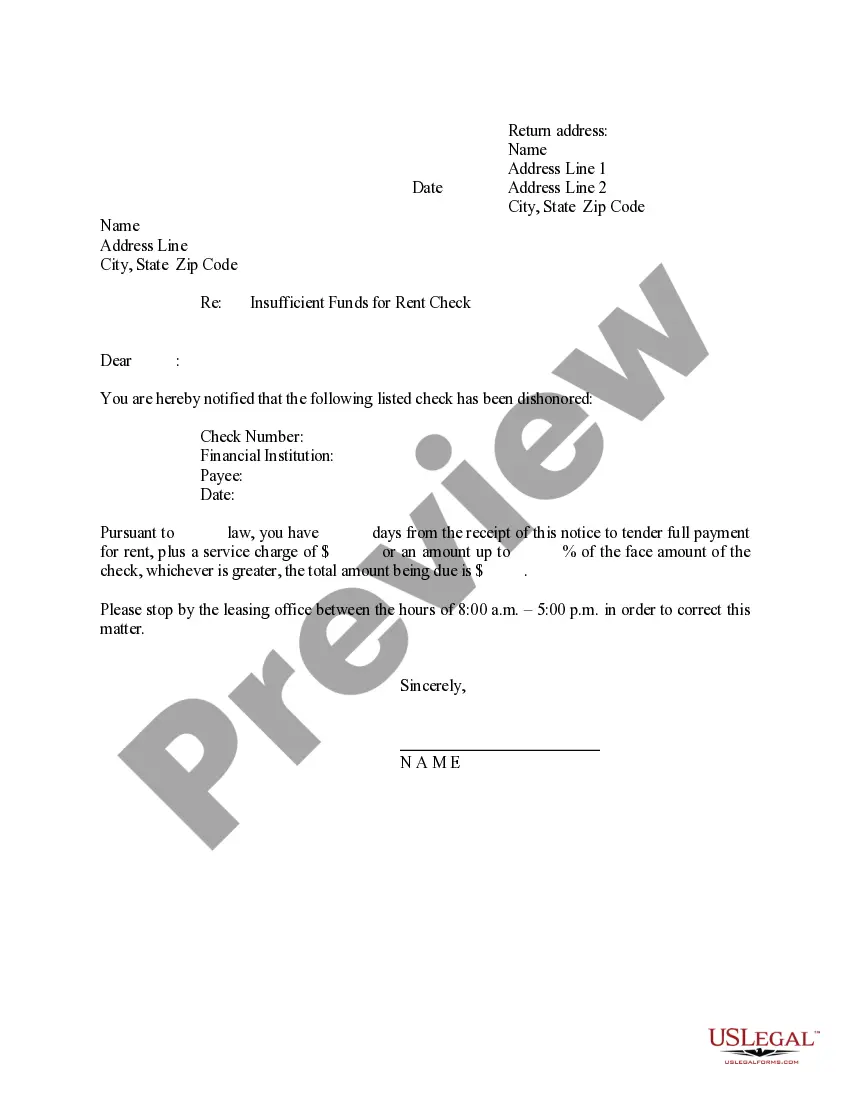
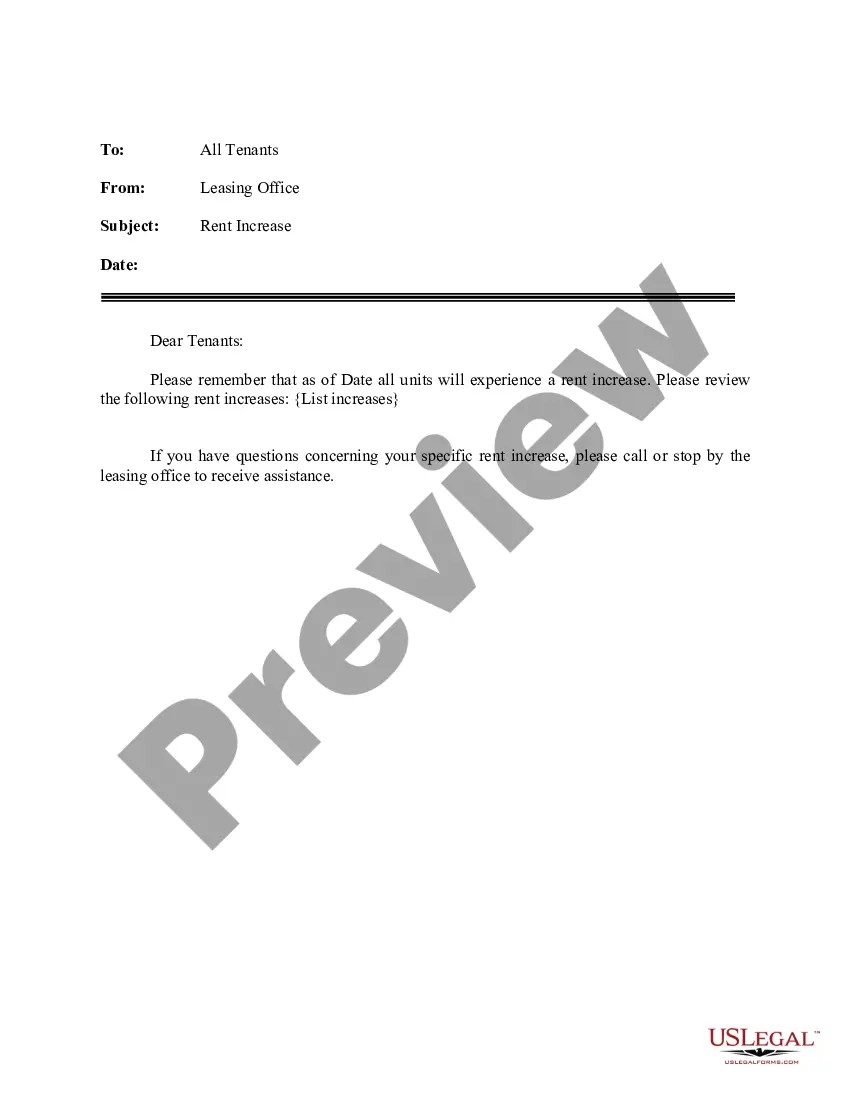
How to fill out Colorado Letter From Tenant To Landlord Containing Notice To Landlord To Withdraw Retaliatory Rent Increase?
- Log in to your US Legal Forms account if you have previously used the service and verify your subscription status.
- If you are new, begin by exploring the Preview mode to find the right form that meets your local jurisdiction requirements.
- Utilize the Search feature to locate alternative templates if the first one doesn't suit your needs.
- Select the Buy Now button and choose your desired subscription plan to gain access to the extensive library.
- Complete your purchase by entering your payment details or using your PayPal account.
- Download your chosen form to your device and keep it handy for filling out. You can revisit it anytime through the My Forms section of your profile.
By leveraging US Legal Forms, you can access a vast library of over 85,000 legal documents that are easy to fill out and edit.
This empowers individuals and attorneys to create legally sound documents quickly and efficiently. Start exploring your options today!
Form popularity
FAQ
Yes, landlords can evict tenants without a formal lease in New Jersey, but they must follow specific legal processes. Typically, landlords must provide notice and valid reasons for eviction, such as non-payment of rent. Understanding these procedures is key to knowing what rights do tenants have when renting.
Filling out a landlord application typically involves providing personal information, employment details, and rental history. Make sure to review the requirements of the application carefully before submission. Using a platform like USLegalForms can simplify this process and ensure that you comply with what rights do tenants have when renting.
In New Jersey, there is no statewide limit on how much a landlord can increase rent, but they must provide proper notice outlined in the lease agreement. For rent-controlled properties, however, specific laws may limit increases. Therefore, it’s essential to know what rights do tenants have when renting in relation to rent increases.
In New Jersey, landlords must provide at least a 30-day notice to tenants for most lease violations or the end of a month-to-month rental agreement. However, specific situations may require longer notice periods. Knowing this timeline is crucial to understanding what rights do tenants have when renting.
In New Jersey, landlords cannot unlawfully evict tenants, deny essential services, or retaliate against tenants for exercising their rights. They must respect your privacy and provide appropriate notice before entry. Understanding these limitations helps clarify what rights do tenants have when renting.
In Georgia, landlords cannot enter your rental unit without proper notice unless in an emergency. They also cannot retaliate against tenants for exercising their legal rights, such as reporting unsafe conditions. Moreover, landlords must follow legal eviction processes and cannot simply put you out without due cause. Understanding what rights do tenants have when renting helps ensure that you are treated fairly.
The biggest responsibility of a tenant is ensuring they maintain the rented property in good condition. This means keeping it clean, reporting damages promptly, and respecting the terms of the lease. Tenants should also understand their rights to privacy and safety during their rental period. Knowing what rights do tenants have when renting can help protect both your interests and those of the landlord.
In Georgia, the 3x rent rule is a guideline many landlords use to ensure tenants have sufficient income. It suggests that your gross income should be at least three times the monthly rent amount. While not a law, this practice helps landlords assess financial readiness. Tenants should be aware of what rights do tenants have when renting in Georgia to navigate this requirement effectively.
To stand out to a landlord, present yourself as a responsible and reliable tenant. This includes having a good credit score, stable employment, and positive rental history. You can also provide references from previous landlords. Understanding what rights do tenants have when renting can boost your confidence in communication with potential landlords.
Tenants typically are responsible for paying rent, keeping the property clean, and notifying the landlord of any maintenance issues. However, a tenant is generally not responsible for making major repairs or improvements to the property. Understanding your rights can help clarify these responsibilities. What rights do tenants have when renting include knowing what tasks fall to landlords.