Notice To Enter Tenant Unit
Description
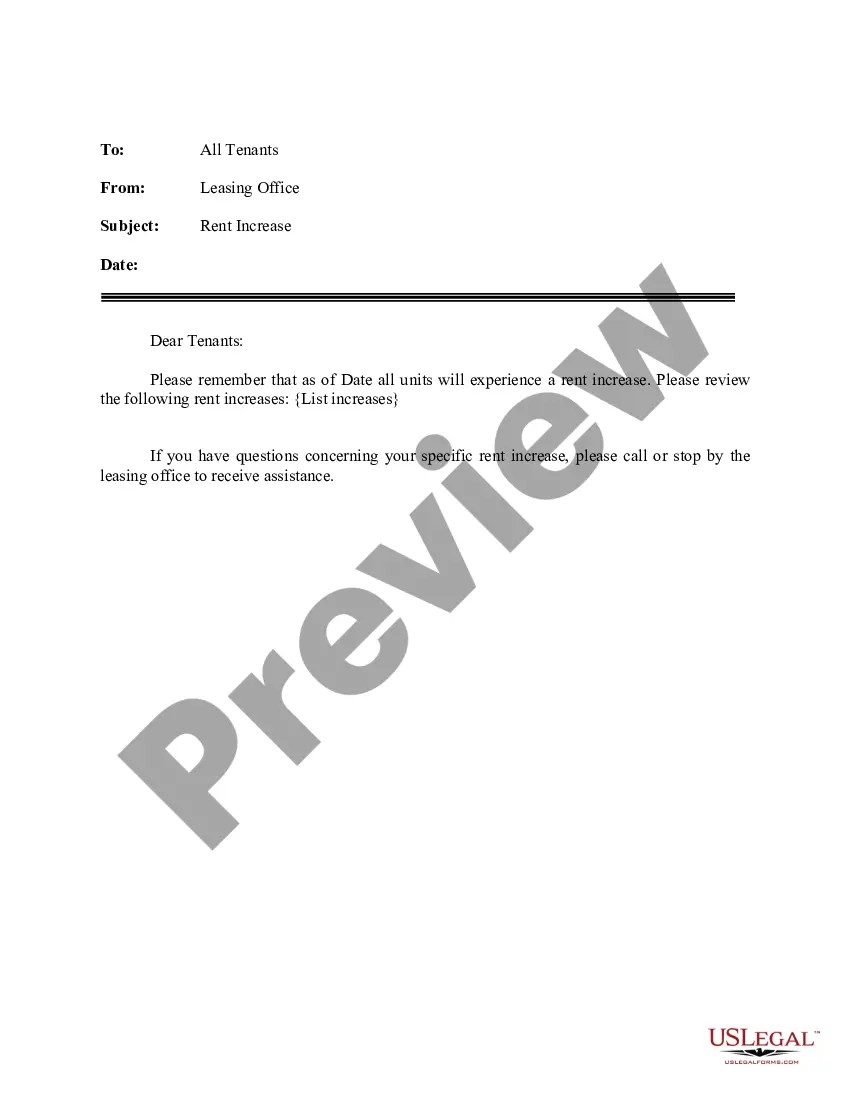

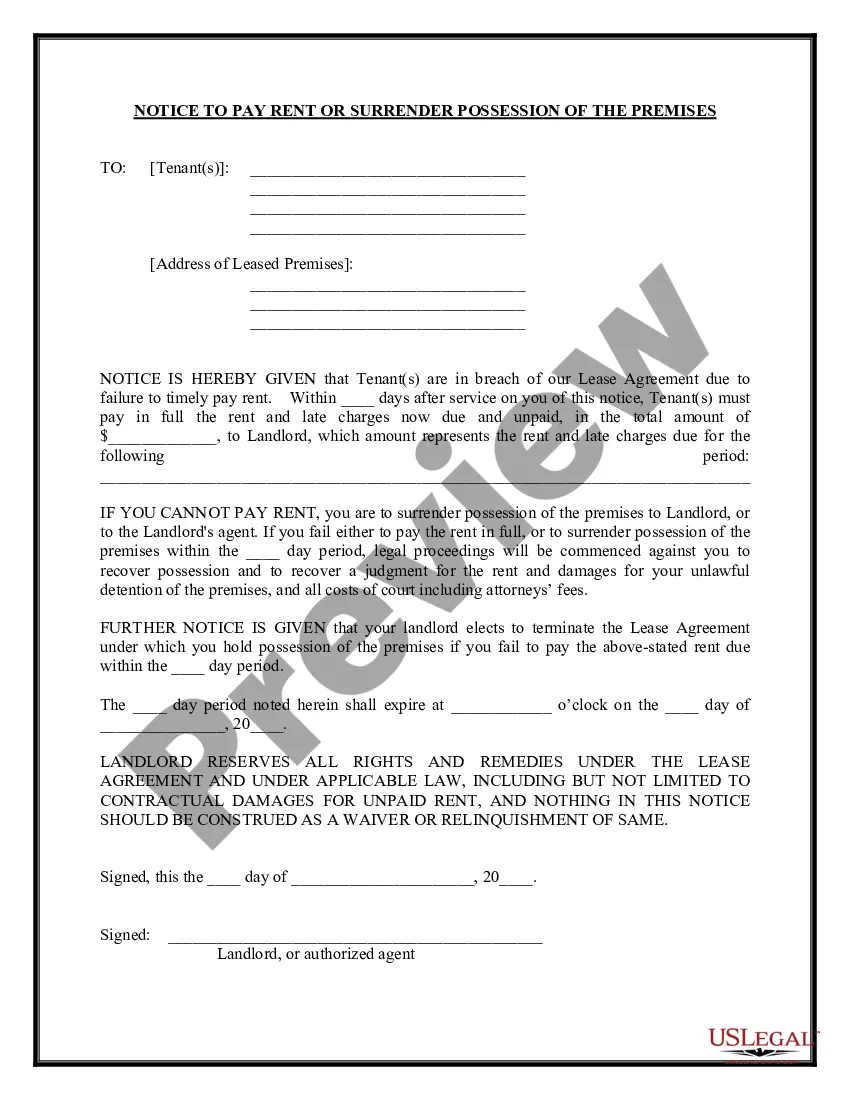
Get your form ready online
Our built-in tools help you complete, sign, share, and store your documents in one place.
Make edits, fill in missing information, and update formatting in US Legal Forms—just like you would in MS Word.
Download a copy, print it, send it by email, or mail it via USPS—whatever works best for your next step.
Sign and collect signatures with our SignNow integration. Send to multiple recipients, set reminders, and more. Go Premium to unlock E-Sign.
If this form requires notarization, complete it online through a secure video call—no need to meet a notary in person or wait for an appointment.
We protect your documents and personal data by following strict security and privacy standards.

Make edits, fill in missing information, and update formatting in US Legal Forms—just like you would in MS Word.

Download a copy, print it, send it by email, or mail it via USPS—whatever works best for your next step.

Sign and collect signatures with our SignNow integration. Send to multiple recipients, set reminders, and more. Go Premium to unlock E-Sign.

If this form requires notarization, complete it online through a secure video call—no need to meet a notary in person or wait for an appointment.

We protect your documents and personal data by following strict security and privacy standards.
Looking for another form?










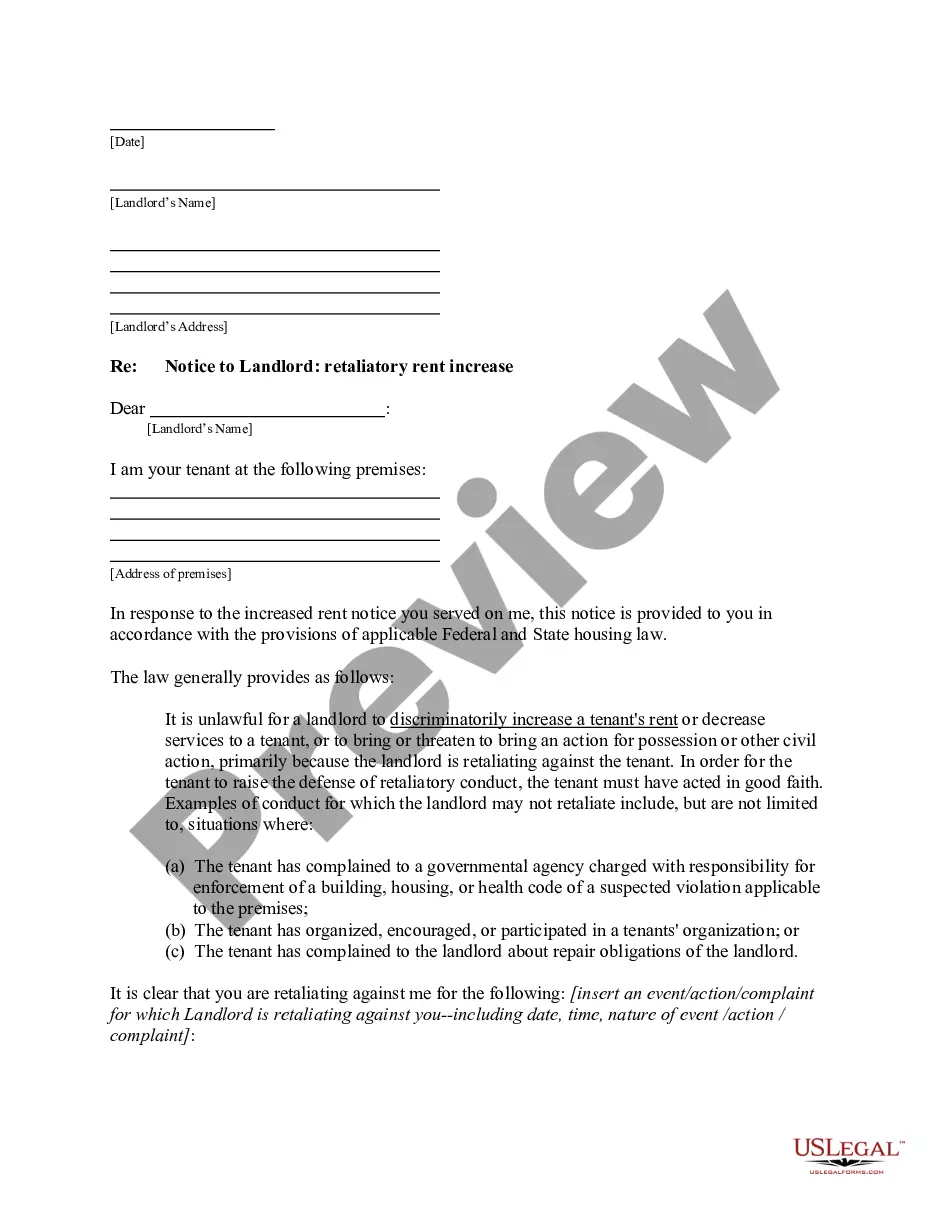
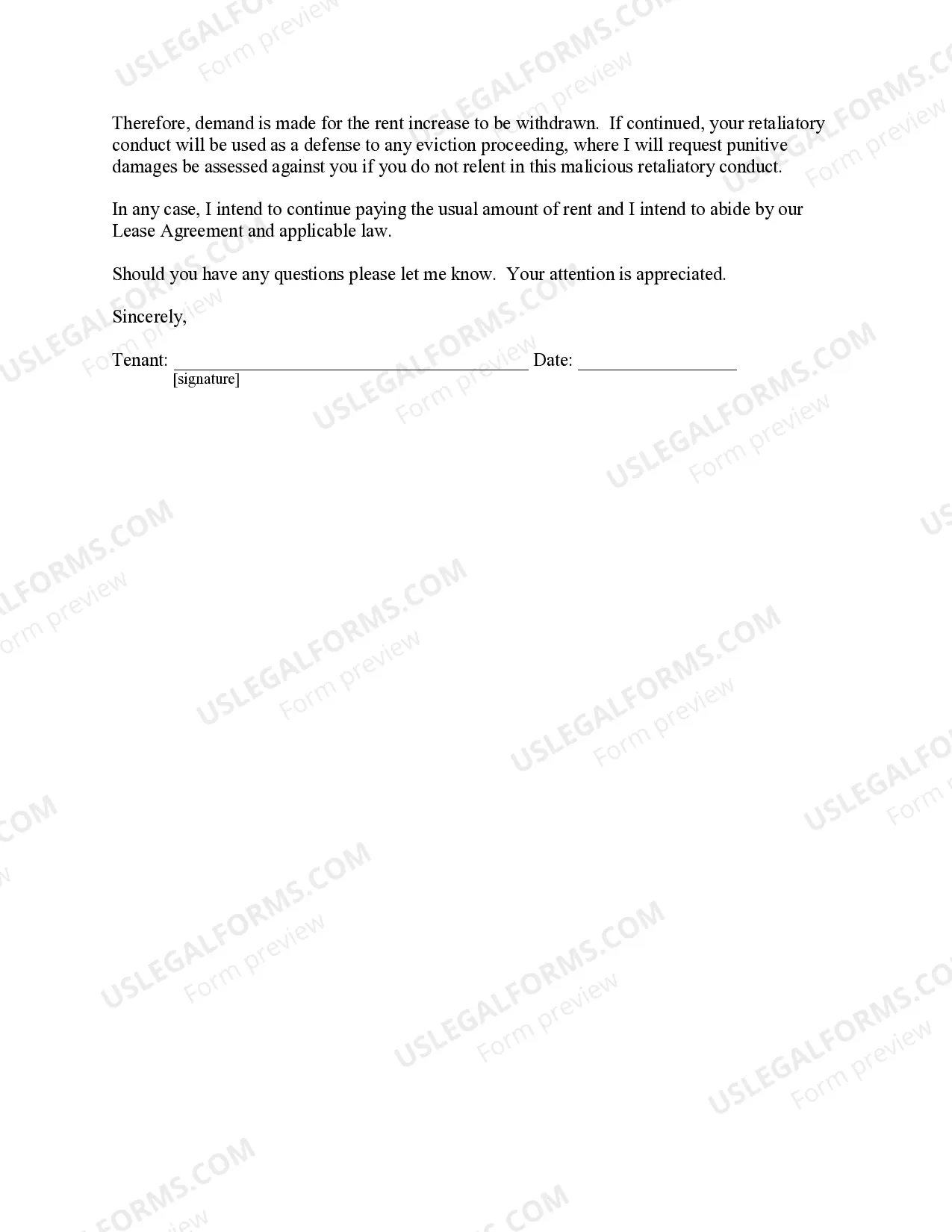
How to fill out Colorado Letter From Tenant To Landlord Containing Notice To Landlord To Withdraw Retaliatory Rent Increase?
- Visit the US Legal Forms website to find the 'Notice to enter tenant unit' template.
- Use the Preview mode to ensure the selected form fits your needs and complies with local regulations.
- If necessary, utilize the Search feature to discover additional templates that may suit your situation better.
- Select the desired template and click the 'Buy Now' button to start your purchase.
- Create an account to access the extensive library of forms and select your subscription plan.
- Complete your transaction by entering your payment details or using PayPal for convenience.
- Once your purchase is confirmed, download the form and save it to your device for easy access in the future. You can also find it in the 'My Forms' section of your profile.
US Legal Forms is an invaluable resource for both individuals and attorneys, enabling quick and efficient execution of legal documents. With over 85,000 fillable and editable templates, it offers more forms at a competitive cost than many other providers.
Take advantage of US Legal Forms’ extensive library and expert assistance to ensure your legal documents are completed correctly. Start today and streamline your legal processes!
Form popularity
FAQ
In Arizona, a tenant can generally refuse entry to a landlord unless the landlord provides proper notice. The state requires landlords to give notice before entering a tenant's unit, typically 48 hours in advance, unless there is an emergency. This means if you receive a Notice to enter tenant unit, you should check if it complies with local laws. If not, you have the right to deny entry until proper notice is given.
When writing a notice from a tenant to a landlord, start by addressing the landlord and clearly stating your intention. Be specific about the issue you are addressing, whether it's a request for repairs, an inquiry regarding the notice to enter tenant unit, or a notice of intent to vacate. Include your contact information for any follow-up, and express appreciation for their attention to the matter. This ensures clarity and fosters good communication.
To write a quick notice to a tenant, keep your message straightforward and to the point. Start with the date and address it to the tenant. State the purpose of the notice, referring to the notice to enter tenant unit if applicable. Ensure you include any important deadlines or actions required, and maintain a polite tone to encourage prompt compliance.
In Texas, tenants have the right to refuse entry to their landlord unless a notice to enter tenant unit has been provided as required by law. Landlords must give reasonable notice, typically 24 hours, unless there is an emergency. If a landlord enters without proper notice, tenants may consider it a violation of their rights. It's essential to understand your lease agreement and state laws governing tenant rights.
When writing a notice to a tenant, be clear and concise in your message. Start by addressing the tenant and stating the purpose of the notice. Clearly indicate the date of the notice and the specific details regarding the notice to enter tenant unit, such as the reason for the notice, any actions they need to take, and deadlines. Ending the notice with a polite request for cooperation fosters better communication.
To tell a tenant to move out nicely, draft a letter that clearly states your intentions. Begin by expressing gratitude for their tenancy and mention the reasons for the move-out request. Include a specific date for when you expect them to vacate the property, ensuring to align it with any notice periods required by law. This approach demonstrates respect and maintains a positive relationship, making the transition easier for everyone involved.
To refuse your landlord access, first check the legality of the entry notice received. If the notice fails to meet the required timeframe, you have grounds to deny access. Clearly communicate your refusal, ideally in writing, to avoid further complications. Utilizing proper notice templates can support your position and ensure compliance with laws regarding notice to enter tenant unit.
In Kentucky, a landlord cannot enter a tenant’s unit without proper notice unless there is an emergency. They cannot evict tenants without a legal process or retaliate against them for making lawful complaints. Understanding what actions are prohibited is vital for maintaining a positive landlord-tenant relationship. Using legal resources, such as uslegalforms, can aid in clarifying these rights.
A landlord can refuse a tenant based on specific criteria, such as failing a background check or not providing necessary information. Additionally, excessive tardiness in rent payments can lead to a refusal of tenancy. It's crucial for both landlords and tenants to understand their rights to maintain clear communication. Always document any agreements to avoid misunderstandings.
As a tenant, you have the right to refuse entry to your landlord in certain situations. If the landlord does not provide adequate notice as required by law, you can deny access. However, remember that unreasonable refusal might lead to complications. It's essential to understand your state's rental laws regarding notice to enter tenant unit for a smooth experience.