Tenant Landlord With For And Against
Description


Get your form ready online
Our built-in tools help you complete, sign, share, and store your documents in one place.
Make edits, fill in missing information, and update formatting in US Legal Forms—just like you would in MS Word.
Download a copy, print it, send it by email, or mail it via USPS—whatever works best for your next step.
Sign and collect signatures with our SignNow integration. Send to multiple recipients, set reminders, and more. Go Premium to unlock E-Sign.
If this form requires notarization, complete it online through a secure video call—no need to meet a notary in person or wait for an appointment.
We protect your documents and personal data by following strict security and privacy standards.

Make edits, fill in missing information, and update formatting in US Legal Forms—just like you would in MS Word.

Download a copy, print it, send it by email, or mail it via USPS—whatever works best for your next step.

Sign and collect signatures with our SignNow integration. Send to multiple recipients, set reminders, and more. Go Premium to unlock E-Sign.

If this form requires notarization, complete it online through a secure video call—no need to meet a notary in person or wait for an appointment.

We protect your documents and personal data by following strict security and privacy standards.
Looking for another form?

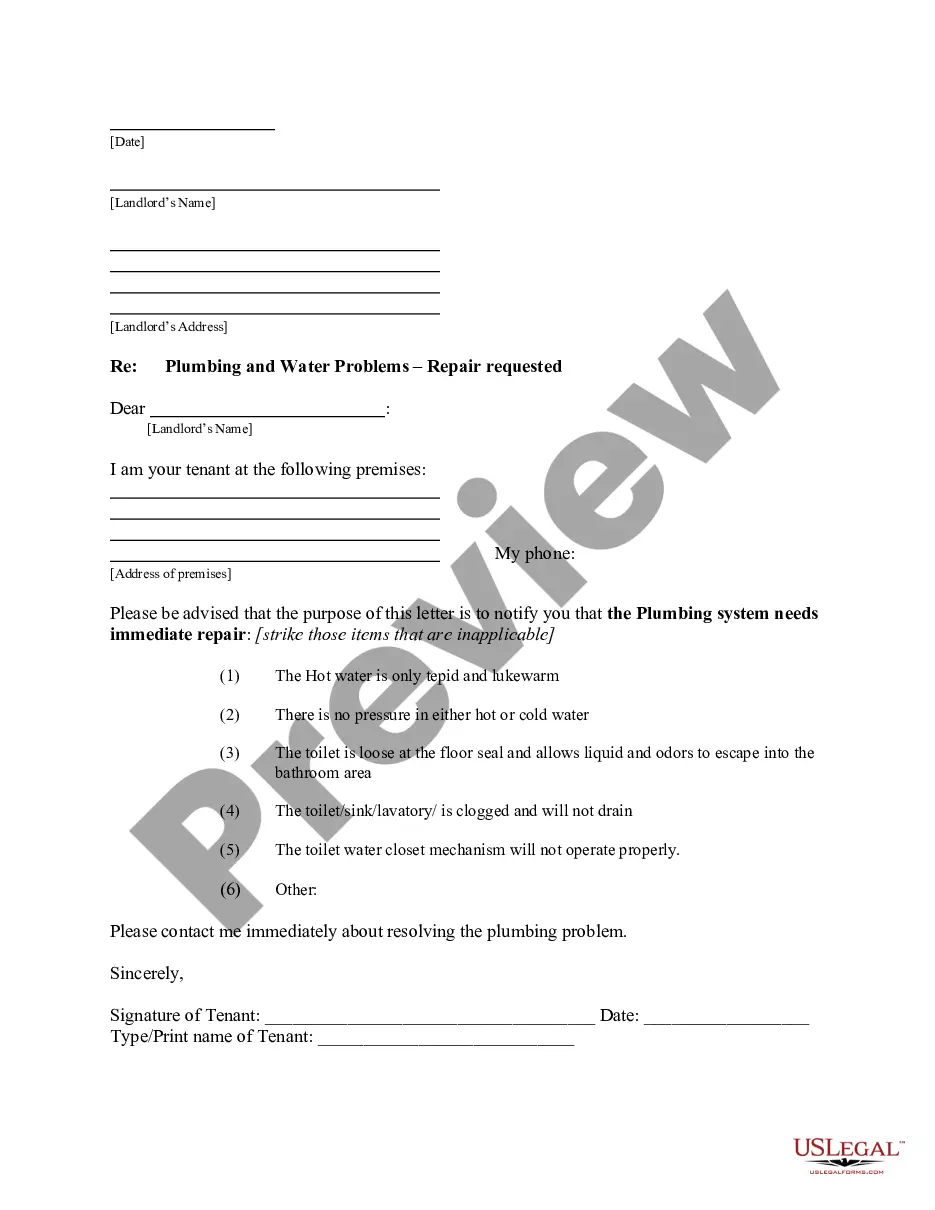
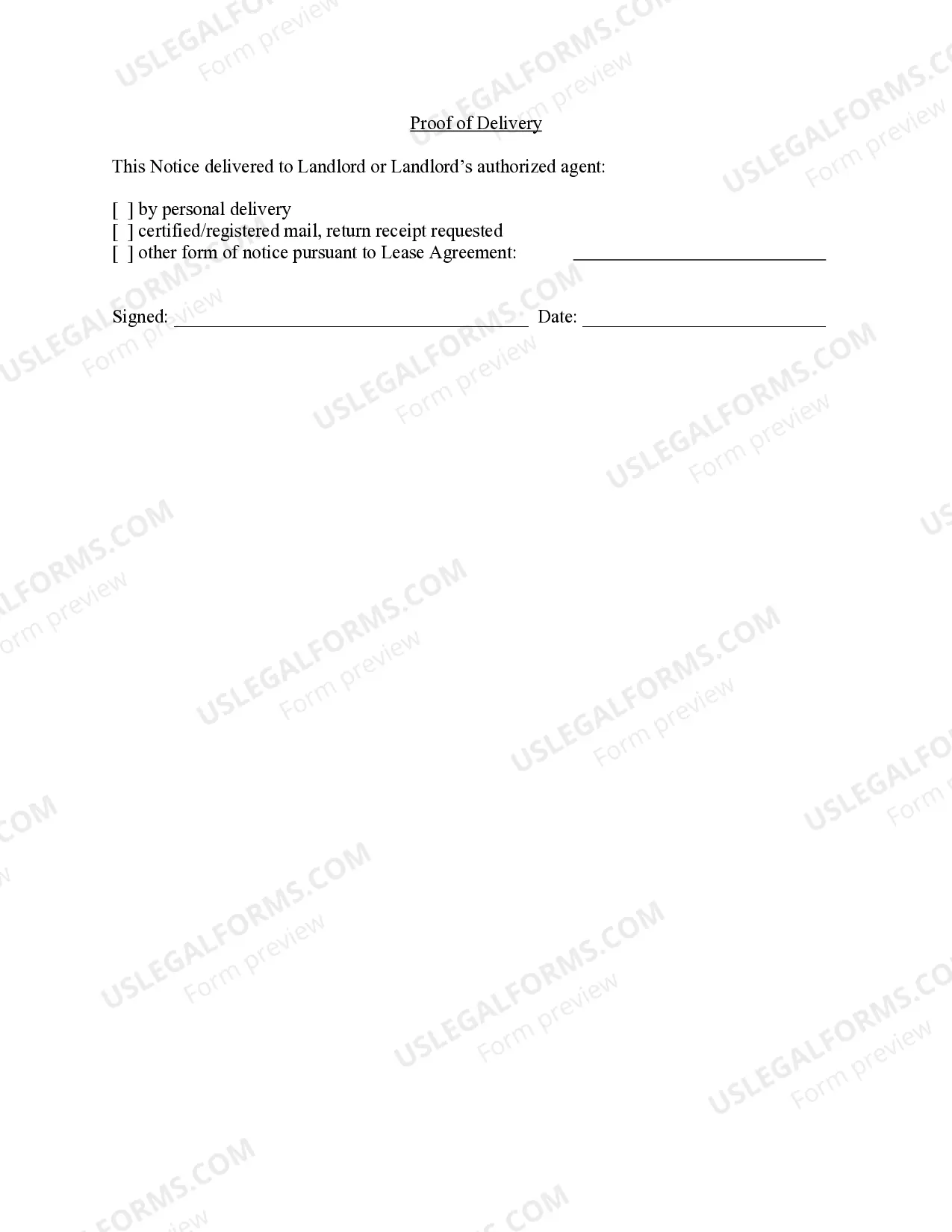
How to fill out Colorado Letter From Tenant To Landlord With Demand That Landlord Repair Plumbing Problem?
- Access the US Legal Forms website and log into your account. Ensure your subscription is active; if not, renew it per your payment plan.
- Browse the extensive library of over 85,000 legal forms. Use the preview mode to review documents that meet your requirements.
- If the first document doesn’t fit your needs, utilize the search tab to find other relevant templates.
- Select your preferred document and click on the Buy Now button. Choose a subscription plan that works for you and register your account.
- Complete your purchase by entering your payment details through either a credit card or PayPal.
- Finally, download the completed form to your device, and access it anytime from the 'My Forms' section in your profile.
In conclusion, using US Legal Forms provides an efficient way to manage rental agreements and related documents. The platform's robust collection and user-friendly design ensure that you have the legal resources you need.
Start simplifying your legal process today by visiting US Legal Forms and exploring their vast library.
Form popularity
FAQ
When communicating with a landlord, avoid making threats, using aggressive language, or discussing personal finances. Instead, focus on specific issues and solutions to create a positive dialogue. Effective communication is key to resolving conflicts and maintaining a good relationship within the tenant-landlord framework. Remember, a respectful conversation can lead to better outcomes.
In Arizona, a landlord cannot evict a tenant without following legal procedures, deny necessary repairs, or discriminate against tenants based on certain protected characteristics. It's essential to be aware of these prohibitions to ensure your rights are upheld within the tenant-landlord dynamic. Familiarizing yourself with these laws can significantly enhance your rental experience.
Landlord retaliation occurs when a landlord takes adverse action against a tenant for exercising their rights, such as reporting health violations or joining a tenant organization. In Arizona, this can include raising rent, eviction, or denying repairs. Recognizing retaliation helps you protect your rights more effectively. If faced with such actions, consider consulting resources like US Legal Forms.
Yes, a tenant can refuse entry to their landlord in Arizona if the landlord does not provide reasonable notice or if the entry does not comply with the lease terms. Landlords typically need to give 2 days' notice unless it’s an emergency. Understanding your right to privacy allows you to communicate effectively with your landlord about access to your home.
In Arizona, renters have several rights designed to protect them. These include the right to a habitable living space, privacy from unwarranted entry, and protection against retaliation for exercising their rights. Knowing your renters' rights empowers you within the tenant-landlord framework, ensuring fair treatment in your rental agreement.
A landlord is typically not responsible for damages caused by the tenant, normal wear and tear, or tenant's personal property. They are also not liable for injuries resulting from tenant negligence or for issues that tenants fail to report. It's crucial to understand these limitations as you navigate the tenant-landlord relationship. Knowledge of these responsibilities can guide you toward fair practices.
To win against your landlord in court, gather evidence that supports your case. This includes photographs, lease agreements, and communication records. You must also understand your rights as a tenant, especially the laws in your state. Consulting with legal experts or using platforms like US Legal Forms can aid in preparing your case effectively.
Filing a counterclaim against a landlord involves responding to an eviction notice or legal complaint with your own claim. Begin by gathering evidence such as photographs, correspondence, and witness statements that support your case. It’s advisable to document everything to strengthen your position. Utilizing resources like US Legal Forms can guide you in drafting a proper counterclaim tailored to your specific situation.
Filling out a landlord application requires gathering essential information such as personal details, employment history, and references. You will also need to provide details regarding your rental history and any pets. It's helpful to be prepared with proof of income and identification. Using a platform like US Legal Forms can streamline this process and ensure you cover all necessary elements.
The 3x rent rule in Florida typically means that a tenant's income should equal at least three times the monthly rent to qualify for leasing a property. This guideline helps landlords ensure that tenants can afford their rent. When applying for a rental, tenants should prepare documentation that demonstrates their income. Following this rule can create a smoother tenant landlord experience.