Transfer Deed Tod For Texas

Description
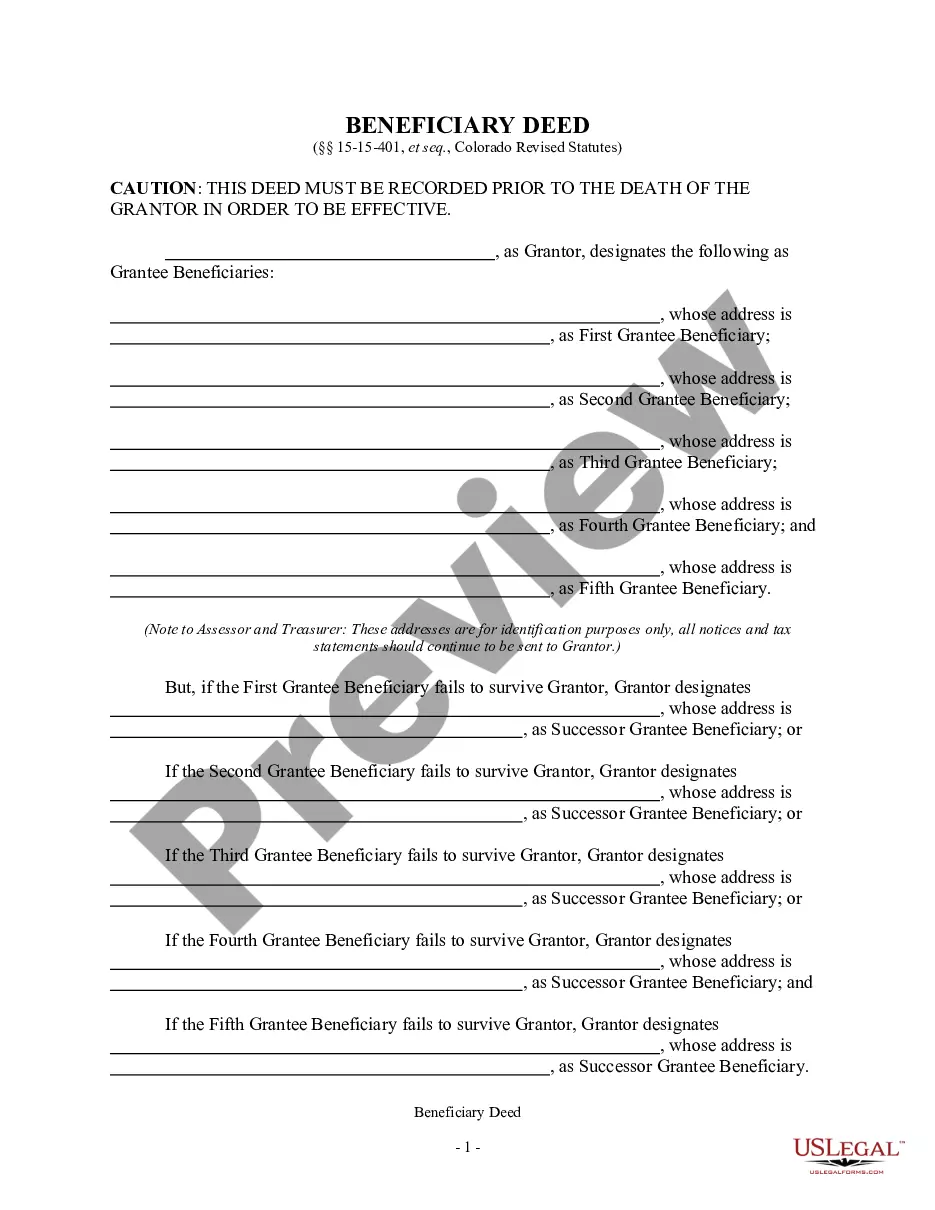
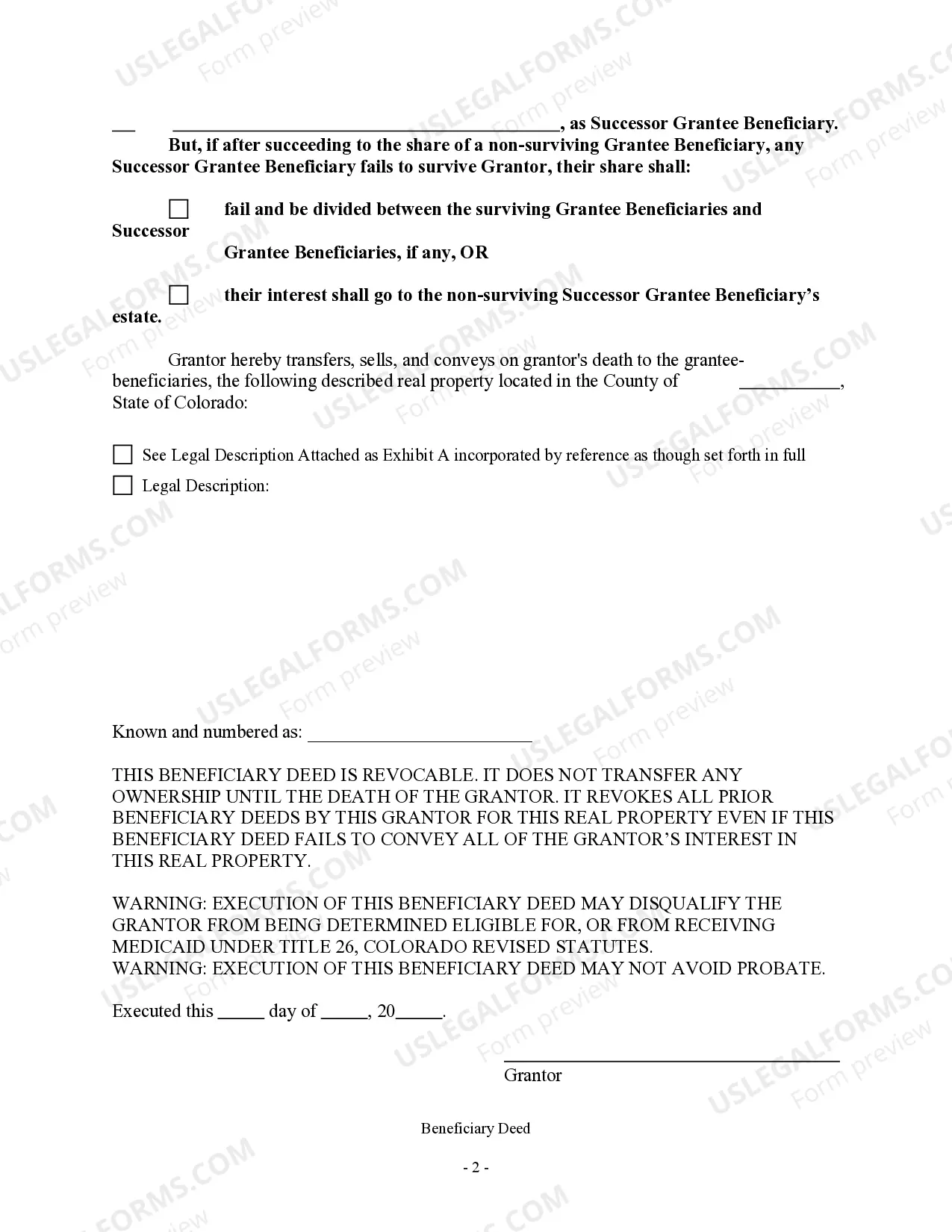
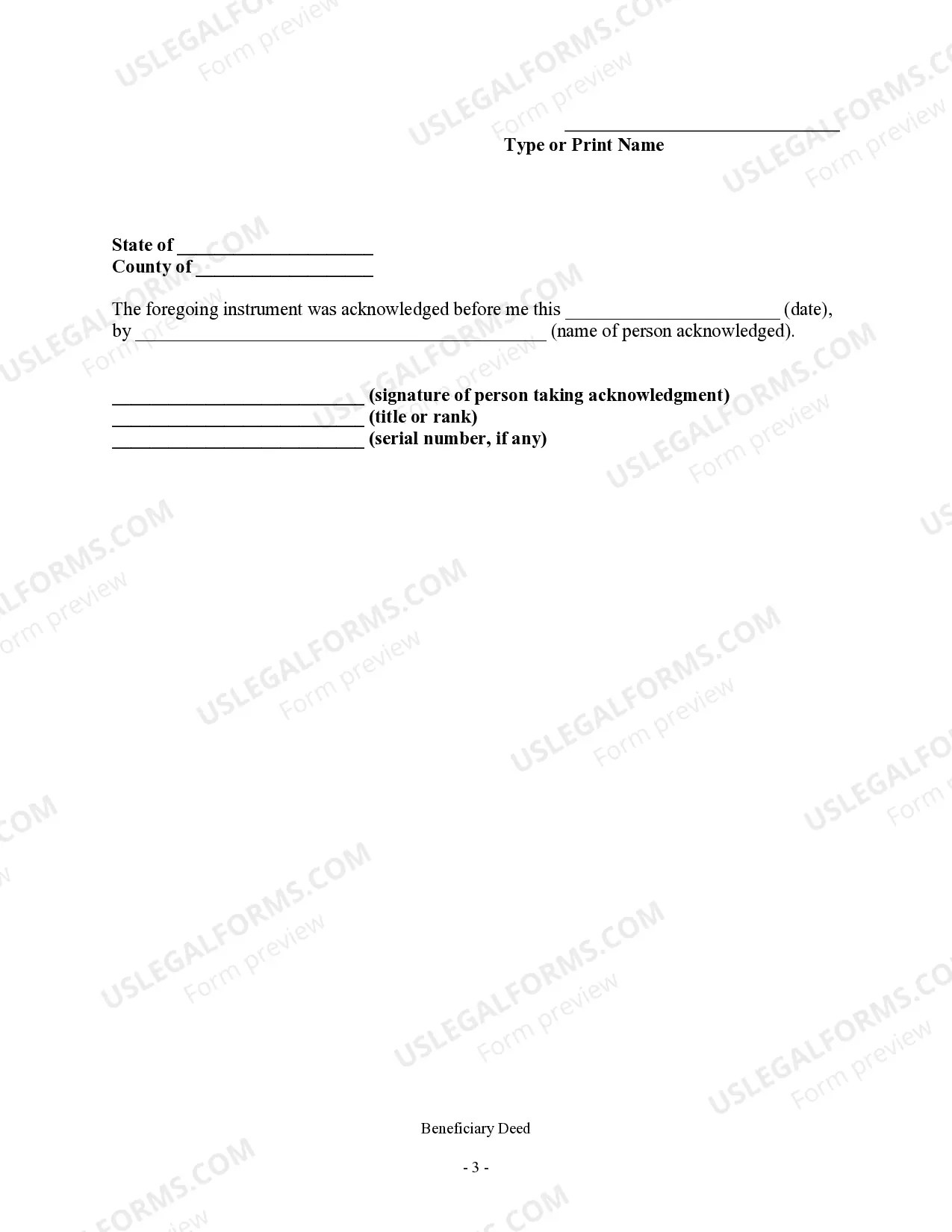

Get your form ready online
Our built-in tools help you complete, sign, share, and store your documents in one place.
Make edits, fill in missing information, and update formatting in US Legal Forms—just like you would in MS Word.
Download a copy, print it, send it by email, or mail it via USPS—whatever works best for your next step.
Sign and collect signatures with our SignNow integration. Send to multiple recipients, set reminders, and more. Go Premium to unlock E-Sign.
If this form requires notarization, complete it online through a secure video call—no need to meet a notary in person or wait for an appointment.
We protect your documents and personal data by following strict security and privacy standards.

Make edits, fill in missing information, and update formatting in US Legal Forms—just like you would in MS Word.

Download a copy, print it, send it by email, or mail it via USPS—whatever works best for your next step.

Sign and collect signatures with our SignNow integration. Send to multiple recipients, set reminders, and more. Go Premium to unlock E-Sign.

If this form requires notarization, complete it online through a secure video call—no need to meet a notary in person or wait for an appointment.

We protect your documents and personal data by following strict security and privacy standards.
Looking for another form?



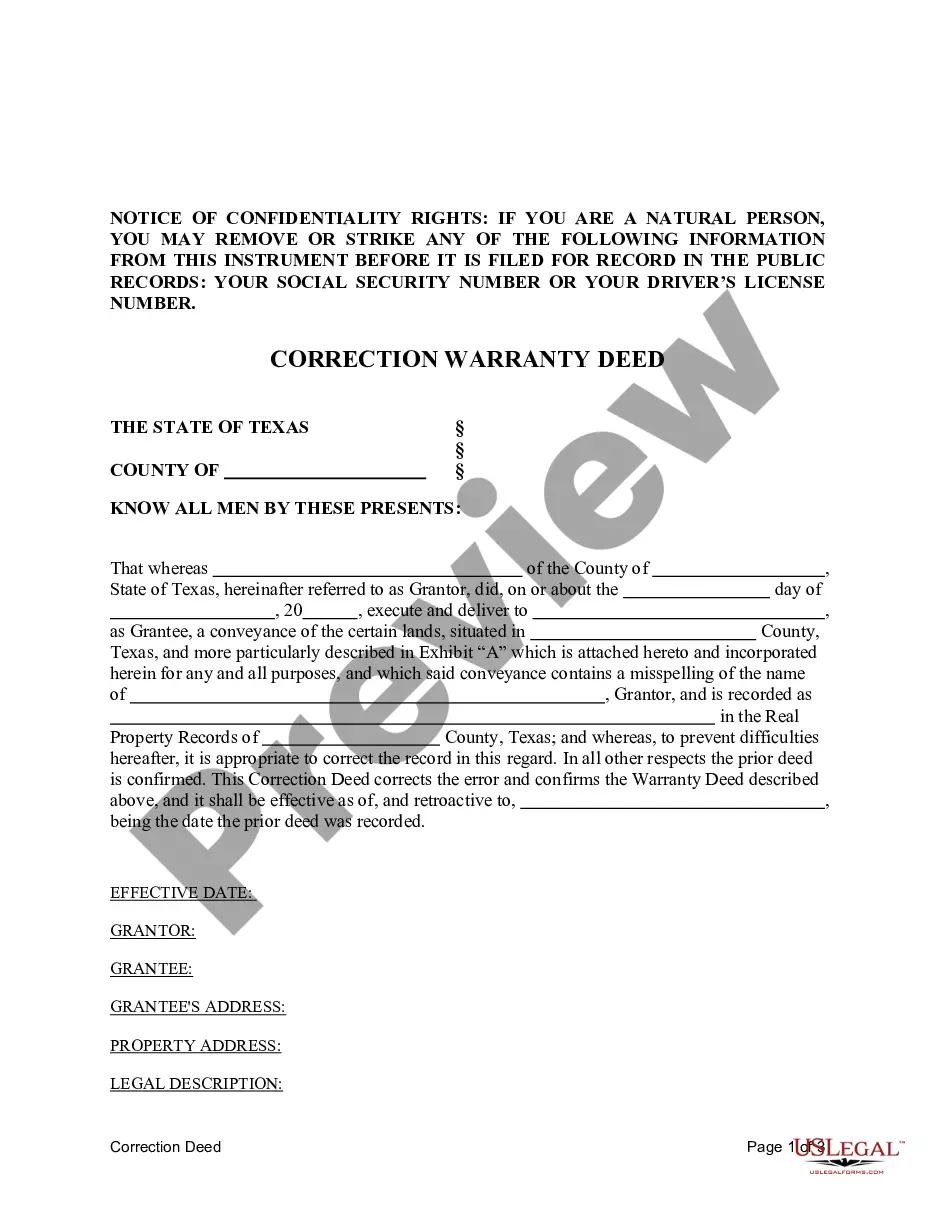
How to fill out Colorado Transfer On Death Deed Or TOD - Beneficiary Deed For Grantor To Five Grantee Beneficiaries?
- Log in to your US Legal Forms account if you're a returning user. Ensure your subscription is still valid to proceed.
- For first-time users, begin by checking the preview mode and reading the form description to confirm you have the correct template for your needs.
- If you need another version of the template, utilize the Search tab to find a suitable option that complies with Texas local jurisdiction.
- Once you find the form you need, click on the Buy Now button and select a subscription plan. You'll need to create an account for full access.
- Finalize your purchase by entering your payment details, whether through a credit card or PayPal, to complete the transaction.
- After purchasing, download your form and save it to your device. You can access it anytime via the My Forms section of your profile.
Using US Legal Forms offers numerous advantages, including a vast library of over 85,000 legally sound templates and forms. This resource allows individuals and attorneys to swiftly execute legal documents with confidence.
Now that you know how to obtain a transfer deed in Texas, visit US Legal Forms to get started today and ensure your legal documents are handled accurately!
Form popularity
FAQ
After the death of the original owner, a lady bird deed effectively transfers property ownership to the designated beneficiary without the need for probate. The beneficiary should record the death certificate along with the lady bird deed at the county clerk’s office to complete the process. Utilizing the transfer deed TOD for Texas can simplify matters, as it designates beneficiaries on the deed itself, avoiding probate and ensuring a smoother transition of ownership.
To transfer ownership after a deceased owner in Texas, you typically need the death certificate, the original will if one exists, and the property’s title documents. The transfer deed, known as a transfer on death (TOD) deed for Texas, must be recorded at the county clerk’s office to be legally effective. It is advisable to seek assistance from a legal professional to ensure compliance with local laws and to handle any potential complications.
Yes, the transfer on death (TOD) deed is indeed available in Texas. This legal document allows property owners to transfer their real estate to a beneficiary upon their death, without the need for probate. By utilizing a transfer deed tod for Texas, you can maintain control of your property while ensuring a smooth transition for your loved ones. If you need assistance in preparing a TOD deed, US Legal Forms offers a variety of resources and templates to help you navigate the process.
One disadvantage of a transfer on death deed in Texas is that it cannot be revoked once the property owner passes away. Additionally, if the beneficiary is not added to the deed before the owner's death, the property may still enter probate. Also, if there are debts associated with the property, creditors may still lay claim to it after death, which could complicate the transfer. Weigh these factors carefully when considering the TOD deed.
To transfer a deed of a house after death in Texas, you typically need to go through probate unless a transfer on death deed was established prior to death. If a TOD deed exists, simply provide a copy of the recorded deed to the county office to ensure the beneficiary is recognized as the new owner. This method simplifies the transfer process and avoids lengthy legal proceedings. Always double-check the documentation for accuracy to prevent any future issues.
While it is not mandatory to hire a lawyer for a TOD deed, having legal guidance can be beneficial. A lawyer can help ensure that the transfer deed TOD for Texas meets all legal requirements and is filled out correctly. This is particularly useful if you have questions about how the transfer impacts your estate or taxes. It’s a smart choice to consult a professional if you want peace of mind during the process.
To obtain a transfer on death deed in Texas, you can find the appropriate forms online or through local legal resources. Fill out the form accurately, making sure to include the correct legal description of the property and the beneficiary’s details. This transfer deed TOD for Texas allows you to retain ownership of the property while designating who will inherit it. You must then have the deed notarized and filed with the county clerk’s office.
To transfer ownership of a property after death in Texas, the process usually involves probate, unless you have a transfer on death deed in place. If a TOD deed exists, it automatically transfers the property to the named beneficiary, avoiding probate. It is essential to ensure all documents are in order and that the beneficiary is aware of their new rights to the property. Familiarize yourself with the specifics to make this process as smooth as possible.
To file a transfer on death deed in Texas, you must complete the appropriate form and sign it in front of a notary. After this, you need to file the deed with the county clerk in the county where the property is located. This transfer deed TOD for Texas allows the property to pass directly to the designated beneficiary without going through probate. Make sure to verify that the deed is recorded in the proper format.
You do not need a lawyer to transfer a deed in Texas, as many individuals handle the process themselves. However, consulting a legal professional can provide clarity and ensure you complete the transfer deed TOD for Texas correctly. This is especially important if you have unique circumstances or complex properties. Choosing to work with a lawyer might save you time and prevent potential mistakes.