Estate Form Information Without Consent
Description
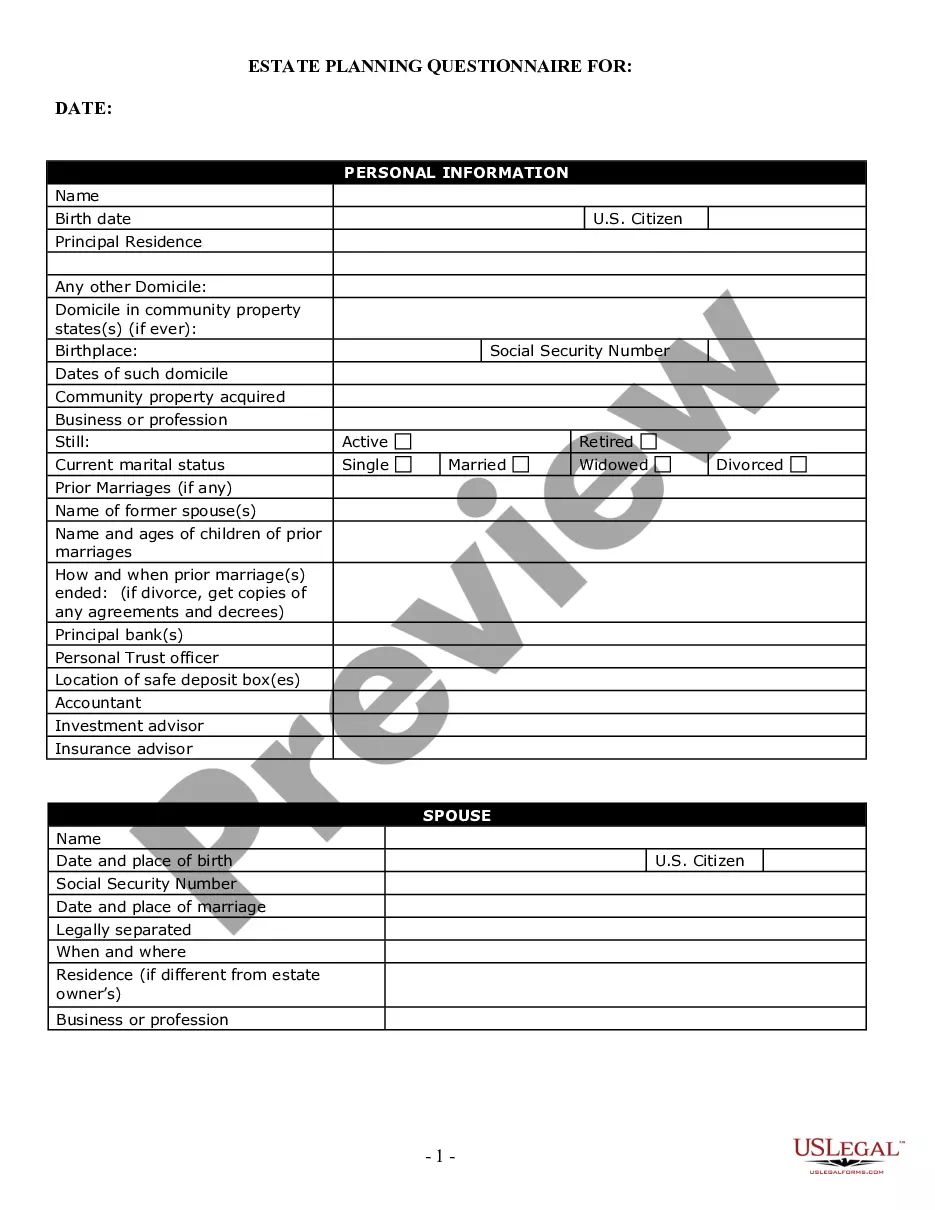
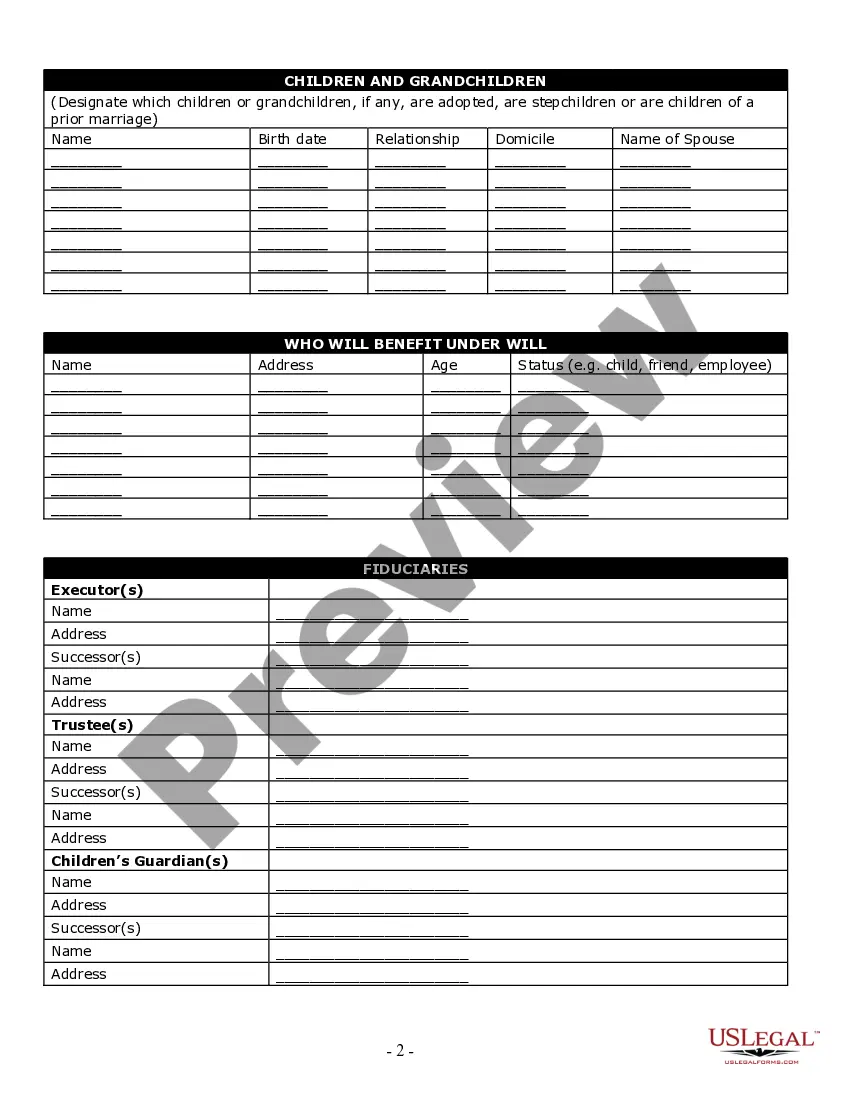
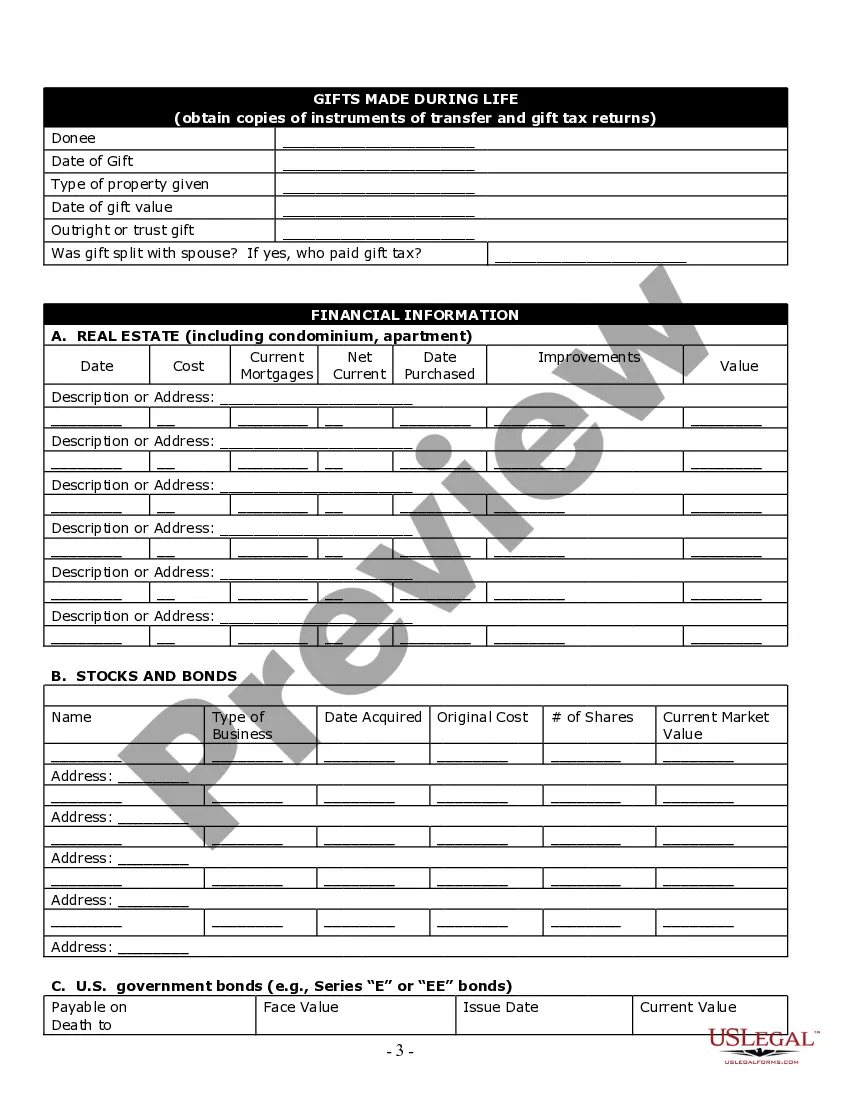
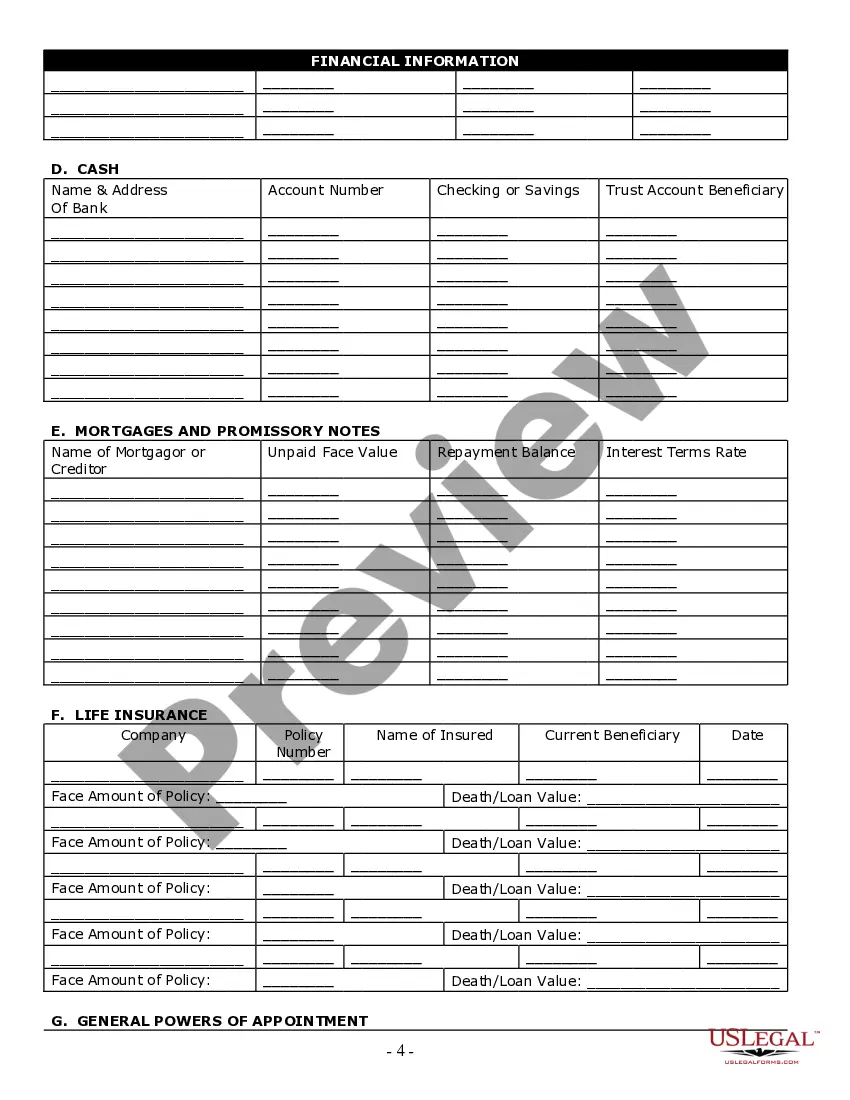
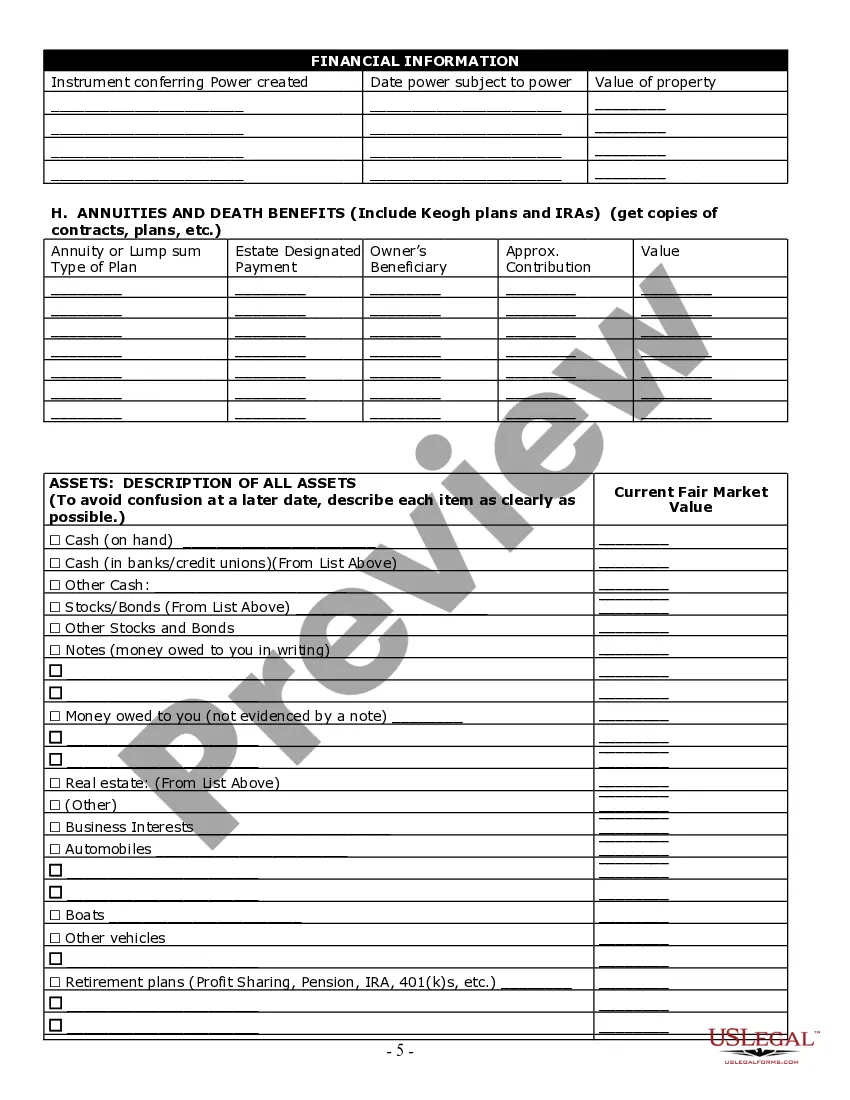
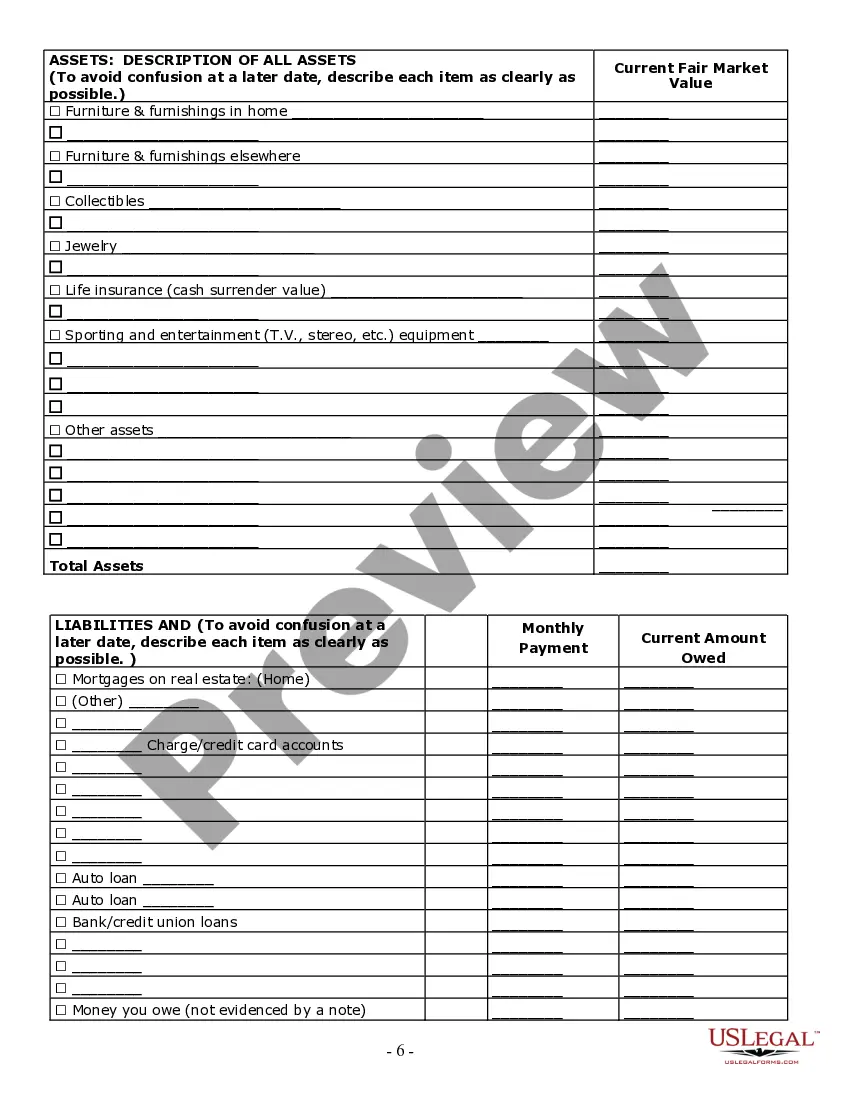
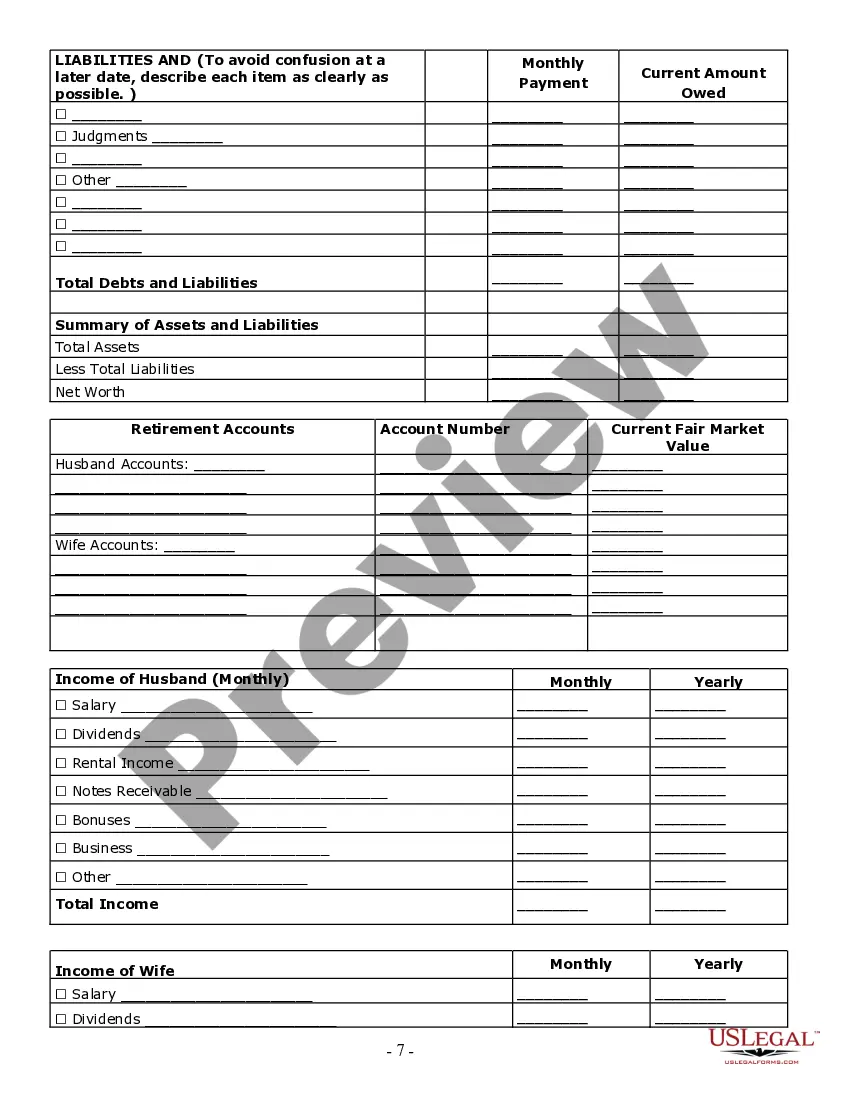
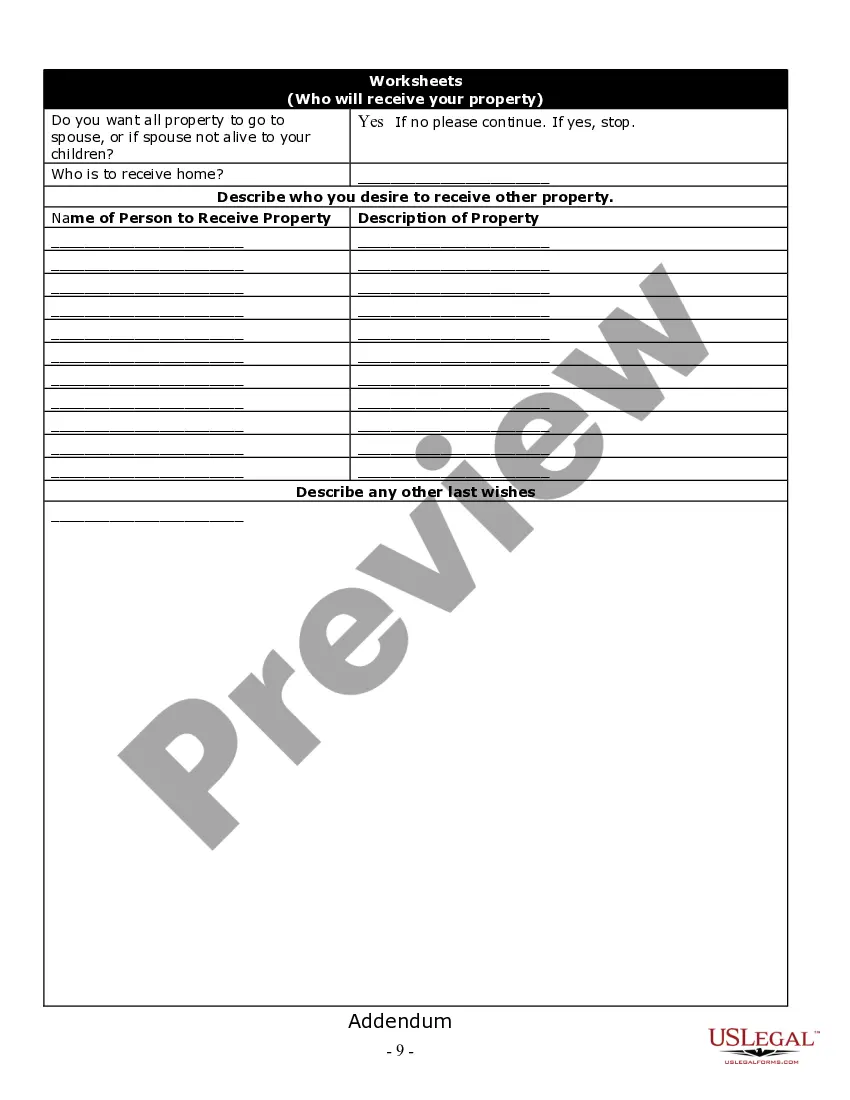
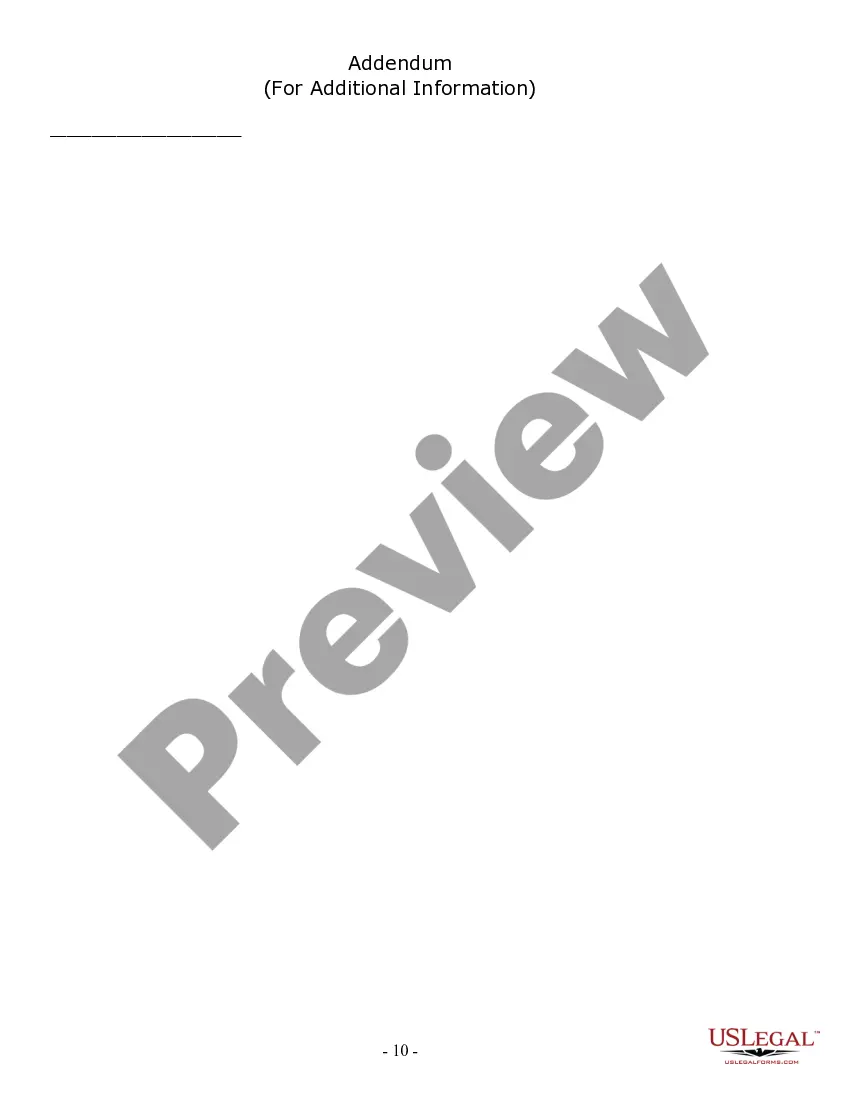

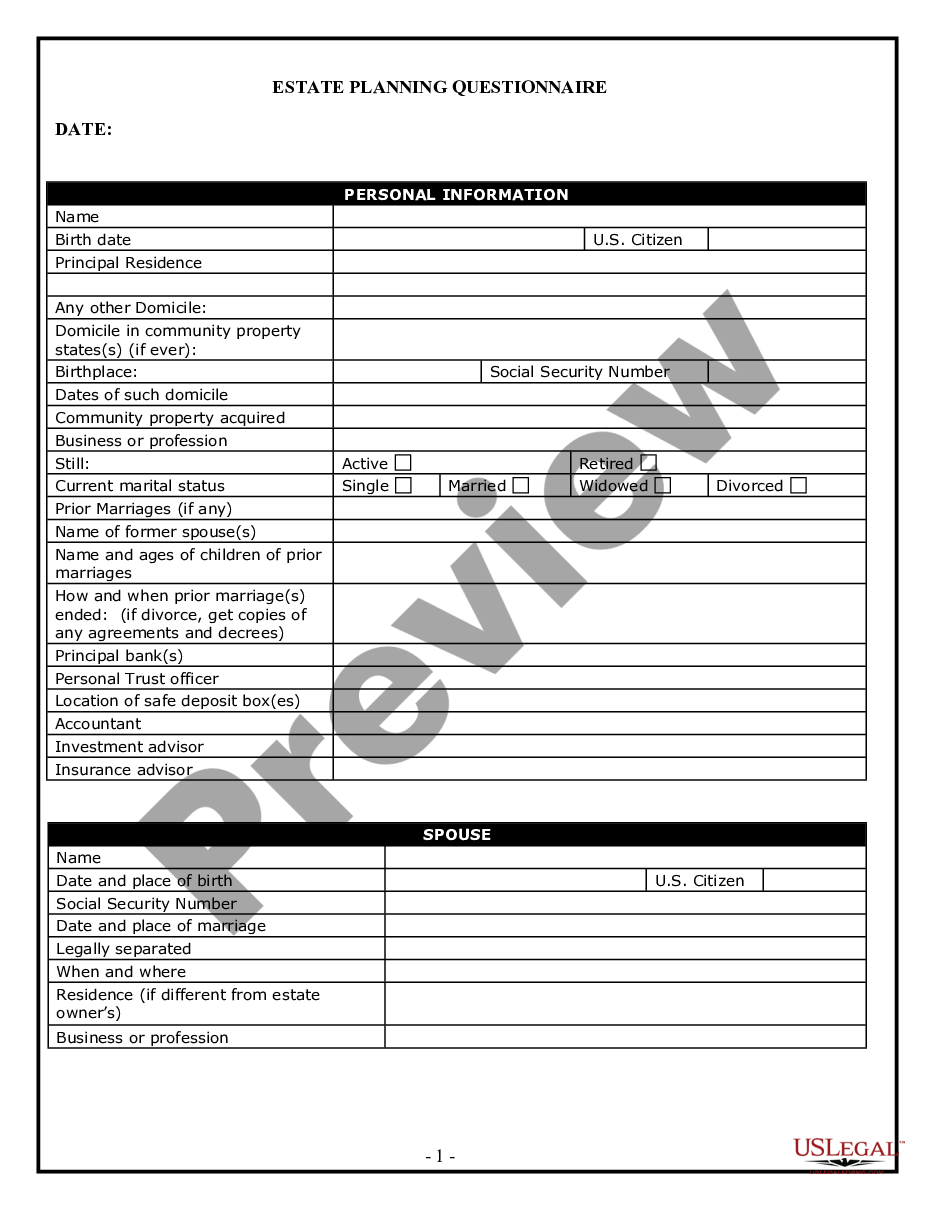
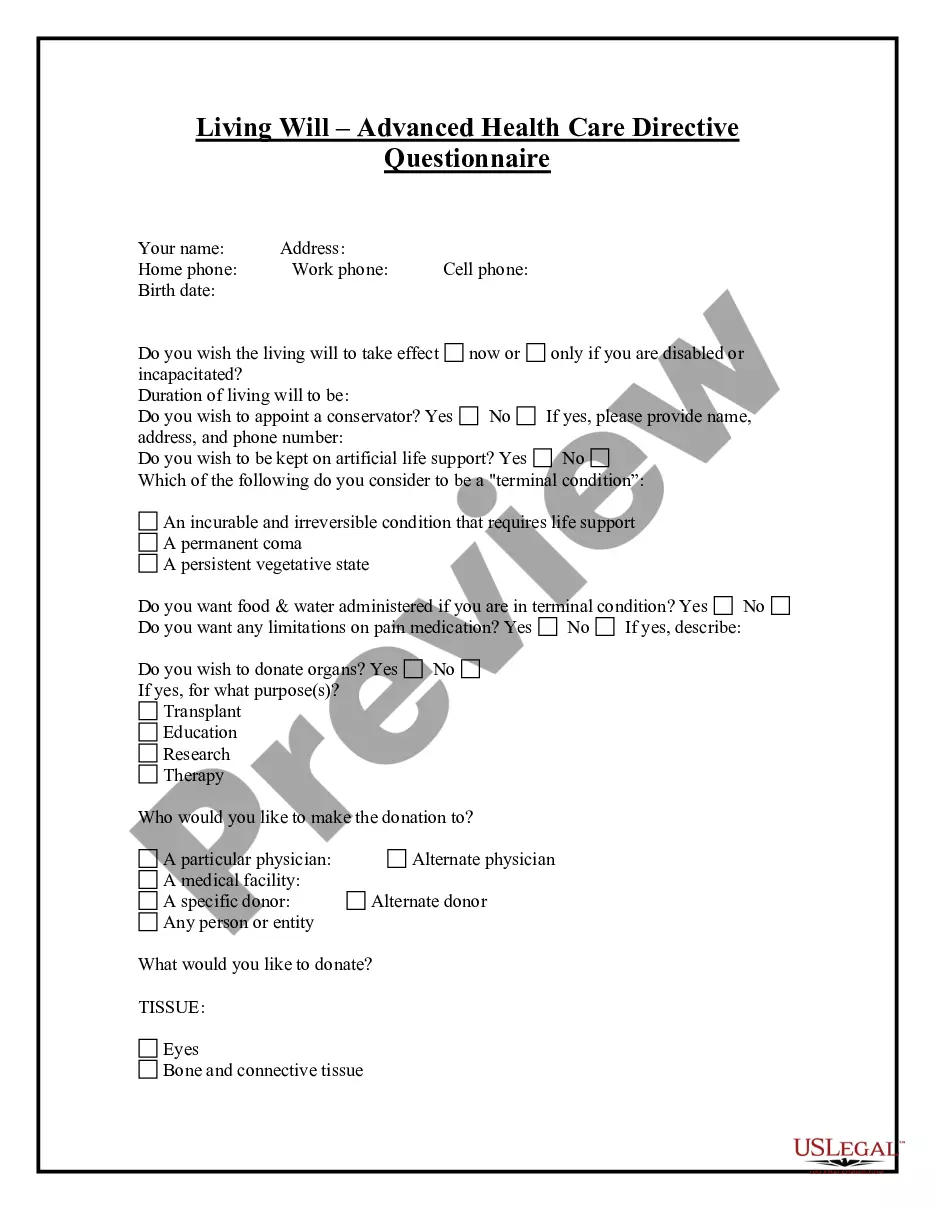
Get your form ready online
Our built-in tools help you complete, sign, share, and store your documents in one place.
Make edits, fill in missing information, and update formatting in US Legal Forms—just like you would in MS Word.
Download a copy, print it, send it by email, or mail it via USPS—whatever works best for your next step.
Sign and collect signatures with our SignNow integration. Send to multiple recipients, set reminders, and more. Go Premium to unlock E-Sign.
If this form requires notarization, complete it online through a secure video call—no need to meet a notary in person or wait for an appointment.
We protect your documents and personal data by following strict security and privacy standards.

Make edits, fill in missing information, and update formatting in US Legal Forms—just like you would in MS Word.

Download a copy, print it, send it by email, or mail it via USPS—whatever works best for your next step.

Sign and collect signatures with our SignNow integration. Send to multiple recipients, set reminders, and more. Go Premium to unlock E-Sign.

If this form requires notarization, complete it online through a secure video call—no need to meet a notary in person or wait for an appointment.

We protect your documents and personal data by following strict security and privacy standards.
Looking for another form?




How to fill out California Estate Planning Questionnaire And Worksheets?
The Estate Form Information Without Consent you observe on this page is a reusable legal template crafted by expert lawyers in accordance with federal and local regulations.
For over 25 years, US Legal Forms has offered individuals, organizations, and legal professionals with more than 85,000 validated, state-specific forms for any business and personal occasion. It’s the fastest, easiest, and most reliable method to acquire the paperwork you require, as the service ensures bank-level data security and anti-malware safeguards.
Choose the format you desire for your Estate Form Information Without Consent (PDF, Word, RTF) and download the sample to your device.
- Search for the document you require and review it.
- Browse through the sample you searched and preview it or check the form description to confirm it meets your needs. If it doesn’t, utilize the search bar to locate the correct one. Click Buy Now when you have found the template you need.
- Register and Log In.
- Choose the pricing plan that fits you and create an account. Use PayPal or a credit card to make a swift payment. If you already have an account, Log In and check your subscription to proceed.
- Obtain the fillable template.
Form popularity
FAQ
To obtain information on an estate, you may start by contacting the executor or administrator directly. If you are unable to do so, you can access public records through the probate court where the estate is being administered. These records typically contain vital information about the estate's assets and beneficiaries. For further guidance and estate form information without consent, explore resources at US Legal Forms.
Finding the estate of a deceased person can involve checking public records, such as probate filings in the local court where the deceased lived. Additionally, you may search online databases or contact the deceased's known relatives. It’s crucial to gather as much information as possible to streamline your search. For expert assistance and estate form information without consent, visit US Legal Forms.
To obtain a letter of administration without a will, you must file a petition with the probate court. The court will review the application, typically requiring you to demonstrate your relationship to the deceased. If approved, the court will appoint an administrator to manage the estate. For comprehensive estate form information without consent, consider utilizing the tools available from US Legal Forms.
Generally, beneficiaries named in the will or those entitled to inherit under state law have the right to see estate accounts. The executor is required to provide transparency about the estate's finances to these individuals. However, non-beneficiaries typically do not have access to this information unless authorized by the court. For assistance with estate form information without consent, US Legal Forms can provide valuable insights.
An executor of an estate generally files Form 706, the United States Estate (and Generation-Skipping Transfer) Tax Return, if the estate exceeds a certain value. This form is used to report the estate's value and calculate any owed taxes. Additionally, Form 1041 may be needed for income generated by the estate. For detailed estate form information without consent, explore resources available at US Legal Forms.
Accessing an estate typically requires the executor or administrator to provide consent. If you are not named in the will, you may need to obtain legal documentation, such as a court order, to gain access. Understanding the nuances of estate law is crucial in these situations. For comprehensive estate form information without consent, US Legal Forms can guide you.
The 3 year rule for a deceased estate refers to the time limit for filing a claim against the estate. If a claim is not filed within three years from the date of the deceased's passing, it may be barred. This rule is important for potential heirs or creditors to understand, as it can impact their rights to the estate. For more details on estate form information without consent, consider visiting US Legal Forms.
Certain types of estate form information can be shared without consent, including data that is publicly available or required for legal purposes. For example, information related to property ownership or court proceedings may be disclosed. However, you must always verify that sharing this information complies with applicable laws. US Legal Forms offers guidance on what information can be shared, helping you navigate these regulations effectively.
You can disclose estate form information without consent in specific situations, such as when required by law or a court order. Additionally, if there is a legitimate need to protect someone's safety, you may share this information. It is crucial to understand the legal framework surrounding these disclosures to ensure compliance. Using resources like US Legal Forms can help clarify when and how you can share sensitive information legally.
In Alabama, whether an estate must go through probate depends on various factors. Generally, if the decedent left behind a will, probate is necessary to validate that will. However, estates with certain assets, like those held in joint tenancy or with designated beneficiaries, may not require probate. For detailed estate form information without consent, you can explore US Legal Forms, which offers guidance and templates for managing estate matters efficiently.