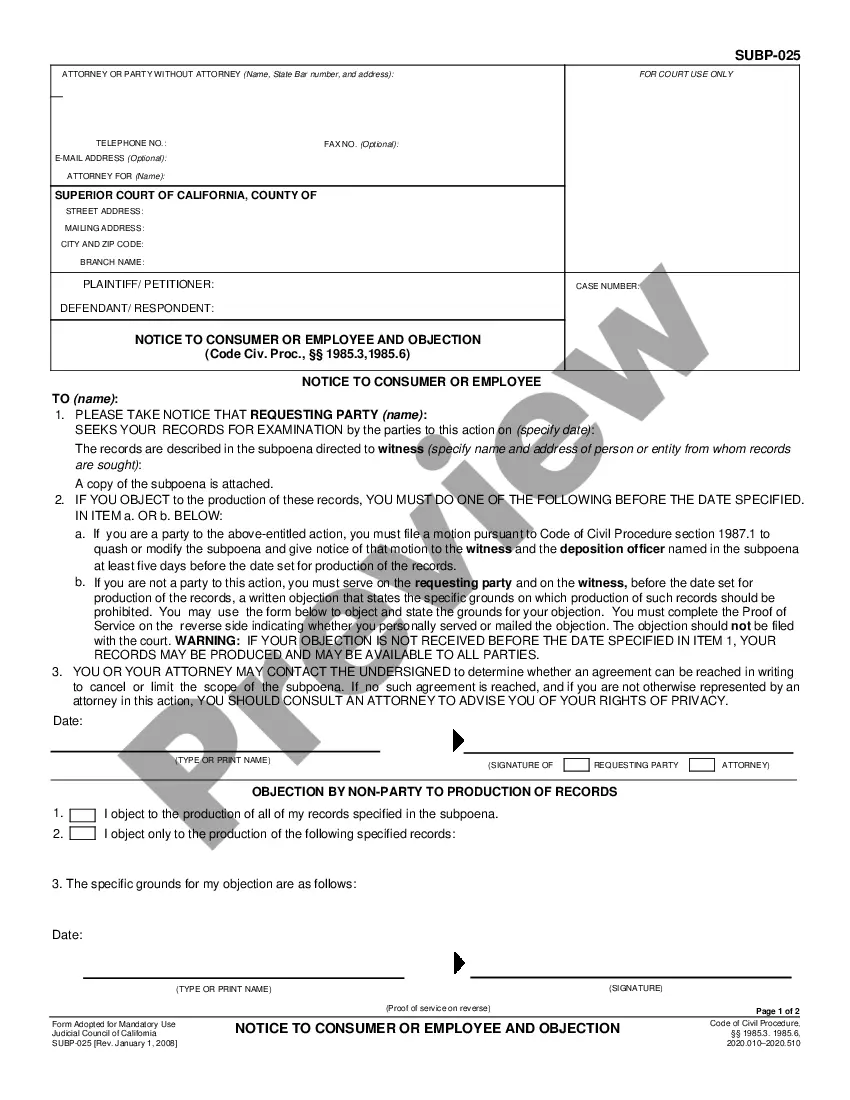
Notice To Consumer In Federal Court
Description

Get your form ready online
Our built-in tools help you complete, sign, share, and store your documents in one place.
Make edits, fill in missing information, and update formatting in US Legal Forms—just like you would in MS Word.
Download a copy, print it, send it by email, or mail it via USPS—whatever works best for your next step.
Sign and collect signatures with our SignNow integration. Send to multiple recipients, set reminders, and more. Go Premium to unlock E-Sign.
If this form requires notarization, complete it online through a secure video call—no need to meet a notary in person or wait for an appointment.
We protect your documents and personal data by following strict security and privacy standards.

Make edits, fill in missing information, and update formatting in US Legal Forms—just like you would in MS Word.

Download a copy, print it, send it by email, or mail it via USPS—whatever works best for your next step.

Sign and collect signatures with our SignNow integration. Send to multiple recipients, set reminders, and more. Go Premium to unlock E-Sign.

If this form requires notarization, complete it online through a secure video call—no need to meet a notary in person or wait for an appointment.

We protect your documents and personal data by following strict security and privacy standards.
Looking for another form?

How to fill out California Notice To Consumer Or Employee And Objection?
Creating legal paperwork from the ground up can frequently be daunting.
Certain circumstances may require extensive research and significant financial expenditure.
If you're seeking a simpler and more economical method for producing Notice To Consumer In Federal Court or any other documentation without the hassle, US Legal Forms is always accessible.
Our online library of over 85,000 current legal forms encompasses nearly every aspect of your financial, legal, and personal affairs.
However, before proceeding directly to download the Notice To Consumer In Federal Court, consider these suggestions: Review the document preview and descriptions to ensure you have located the form you need. Ensure that the form you select complies with your state and county’s requirements. Choose the appropriate subscription plan for purchasing the Notice To Consumer In Federal Court. Download the form, then complete, certify, and print it. US Legal Forms has a solid reputation and over 25 years of experience. Join us today and make document preparation a straightforward and efficient process!
- With just a few clicks, you can rapidly obtain state- and county-specific forms meticulously crafted for you by our legal experts.
- Utilize our website whenever you require a dependable and trustworthy service to swiftly find and download the Notice To Consumer In Federal Court.
- If you are familiar with our services and have previously registered with us, just Log In to your account, select the template, and download it or re-download it at any time from the My documents section.
- Don’t have an account? No problem. It takes minimal time to set it up and explore the library.
Form popularity
FAQ
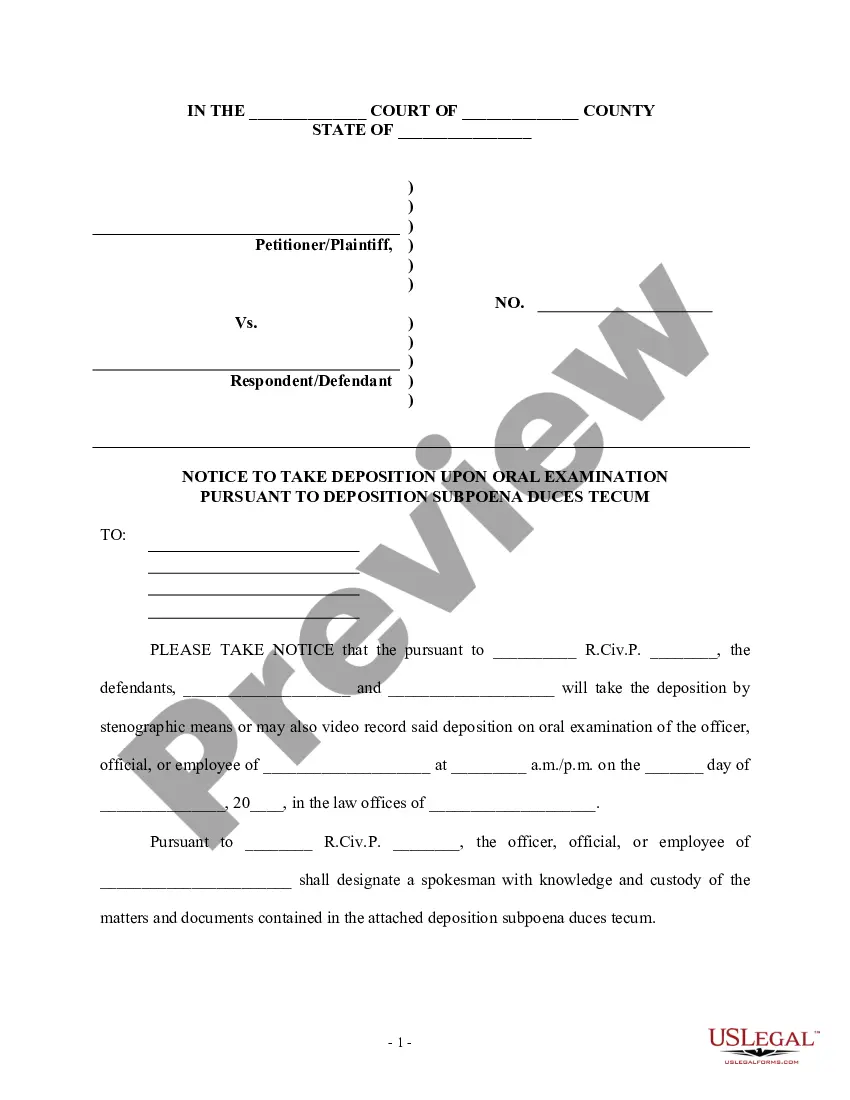
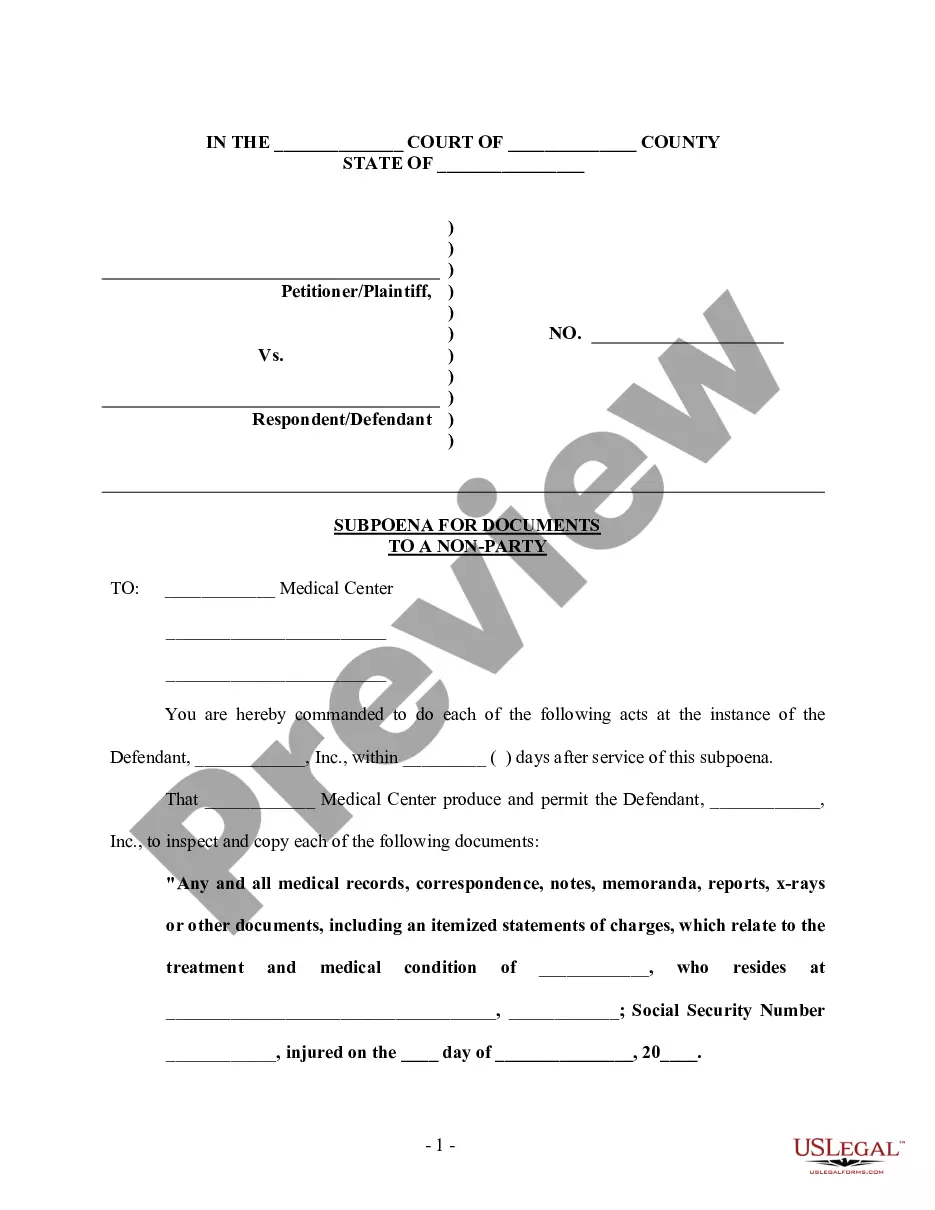
To properly fill out a subpoena, start by clearly identifying the court where the subpoena will be issued, along with the case number. Next, provide accurate details about the person or entity being subpoenaed, including their name and address. It's crucial to specify what documents or testimony is being requested and include a reasonable deadline for compliance. For a smoother experience, you can use templates from US Legal Forms that ensure you include all necessary information.
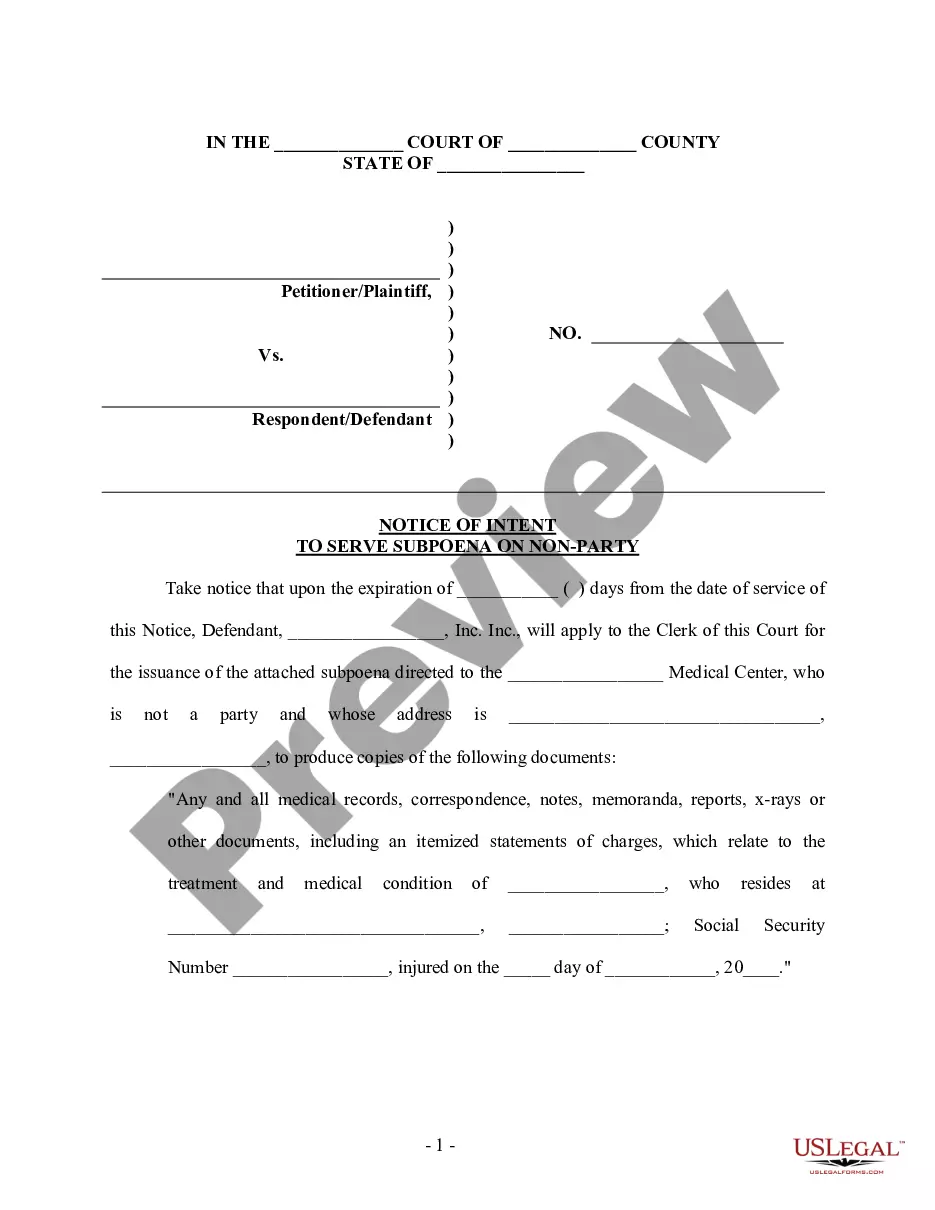
Yes, in federal court, you must file a notice of subpoena to notify the court and the affected parties about the legal request for testimony or documents. This filing ensures transparency and compliance with legal procedures. Failing to file this notice may result in complications or delays in your case. To make this process easier, consider using US Legal Forms, which can guide you through the necessary steps.
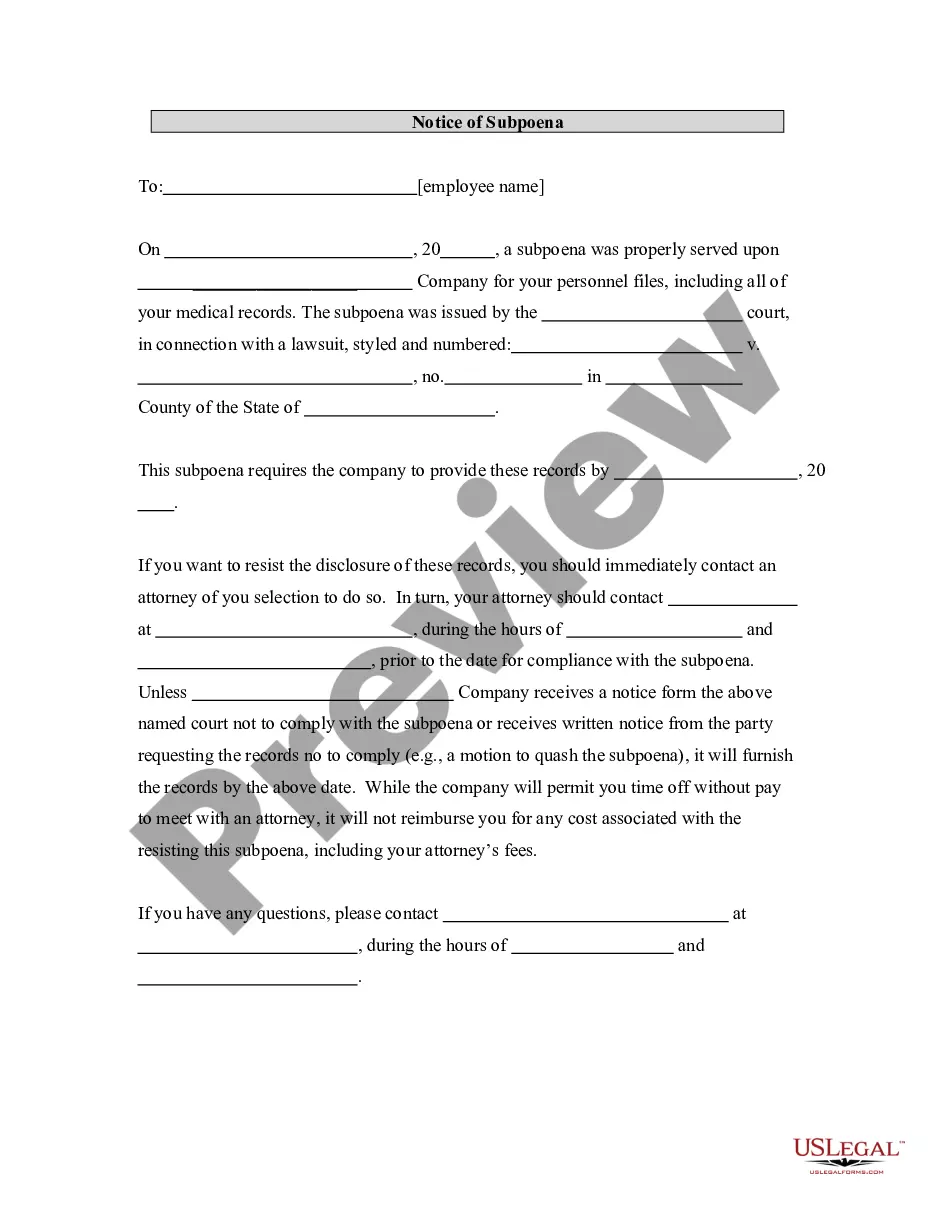
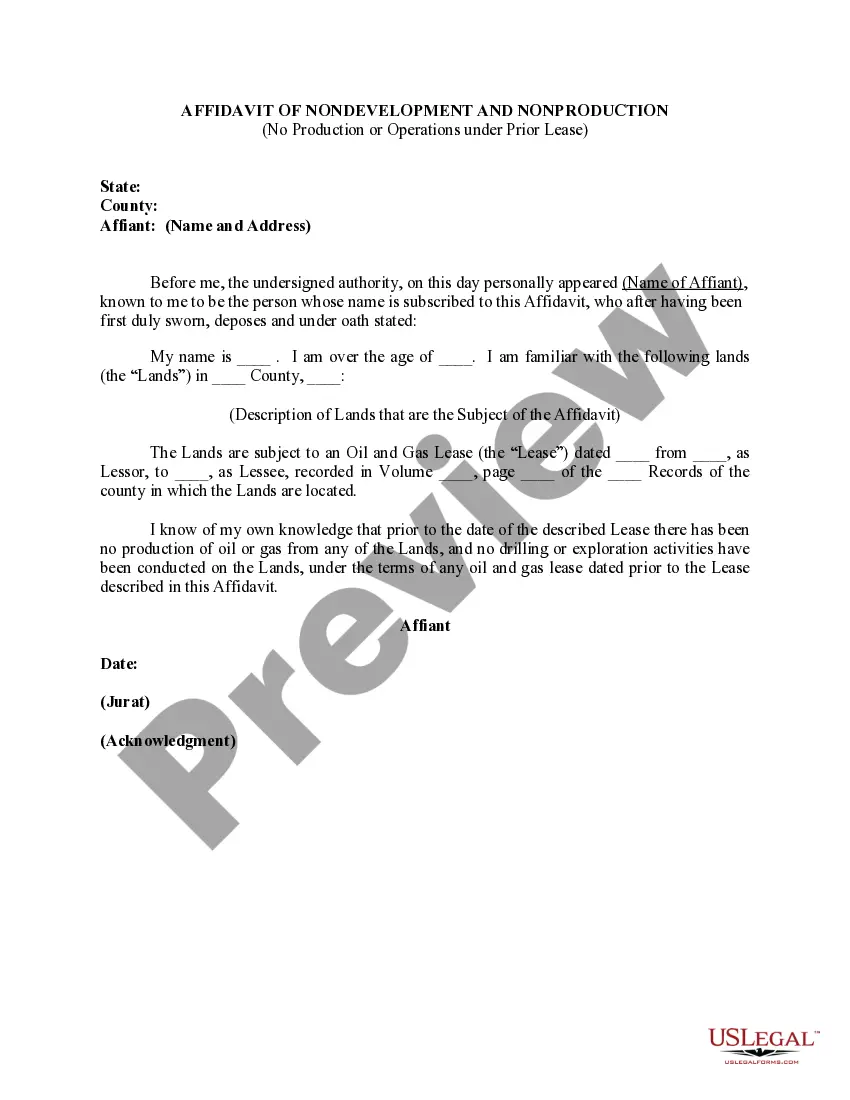
A notice to consumer subpoena is a legal document that notifies a consumer that their information or testimony is being sought in a legal proceeding. This notice is essential for protecting the consumer's rights, ensuring they are aware of the legal actions involving them. It typically includes details about the date, time, and purpose of the subpoena. Utilizing resources from US Legal Forms can help streamline the creation and delivery of this important notice.
A subp 025 notice refers to a specific type of notice used in federal court to inform a consumer or employee about a subpoena that seeks their testimony or records. This notice is crucial as it allows the individual to understand their rights and the implications of the subpoena. It's essential to deliver this notice in a timely manner to comply with legal standards. For assistance, US Legal Forms provides templates that simplify the process of creating this notice.
In federal court, the notice required for a subpoena typically depends on the specifics of the case and the type of subpoena issued. Generally, you must provide reasonable notice to the affected party, which is often a minimum of five days before the scheduled appearance. This timeframe allows the consumer or employee to prepare and respond appropriately. Using tools like US Legal Forms can help ensure that you comply with all notice requirements.
A submitting notice in federal court is a document that indicates to the court that a particular matter is ready for decision or hearing. This notice is essential for managing court schedules and ensuring that all parties are aware of pending issues. Understanding how to prepare and file a submitting notice can empower consumers involved in legal proceedings.
A notice is a formal communication that informs parties about a legal action, while a subpoena is a legal document that compels a person to testify or provide evidence. Both are essential components of the legal process but serve different functions. Being knowledgeable about these distinctions can help consumers navigate their rights when dealing with a Notice to consumer in federal court.
Submissions in court serve the purpose of presenting information, arguments, or evidence for the court's consideration. They help clarify the issues at hand and support the parties' positions. For consumers, understanding the role of submissions can enhance their ability to advocate effectively in legal matters.
Yes, filing a notice of appearance in federal court is necessary if you are representing yourself or if you are an attorney entering a case. This document formally informs the court and other parties of your participation in the case. For those dealing with a Notice to consumer in federal court, understanding this requirement is crucial for ensuring your voice is heard.
Rule 45 of the Federal Rules of Civil Procedure pertains to the issuance of subpoenas for witnesses and documents. It outlines the procedures for compelling testimony or production of evidence in a federal case. Consumers should be aware of this rule when navigating legal proceedings, as it directly relates to their rights and obligations.