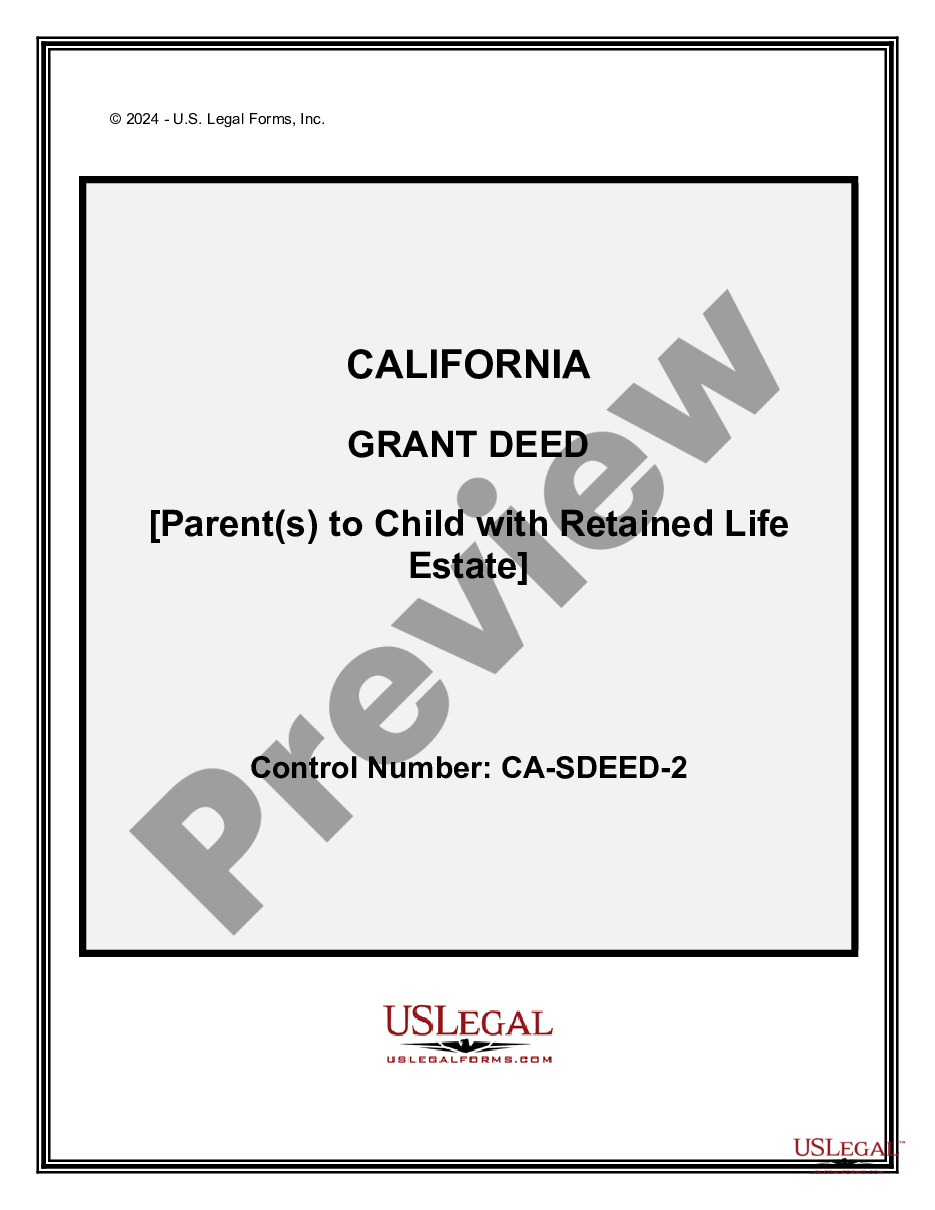
Grant Deed California With Us Citizenship
Description
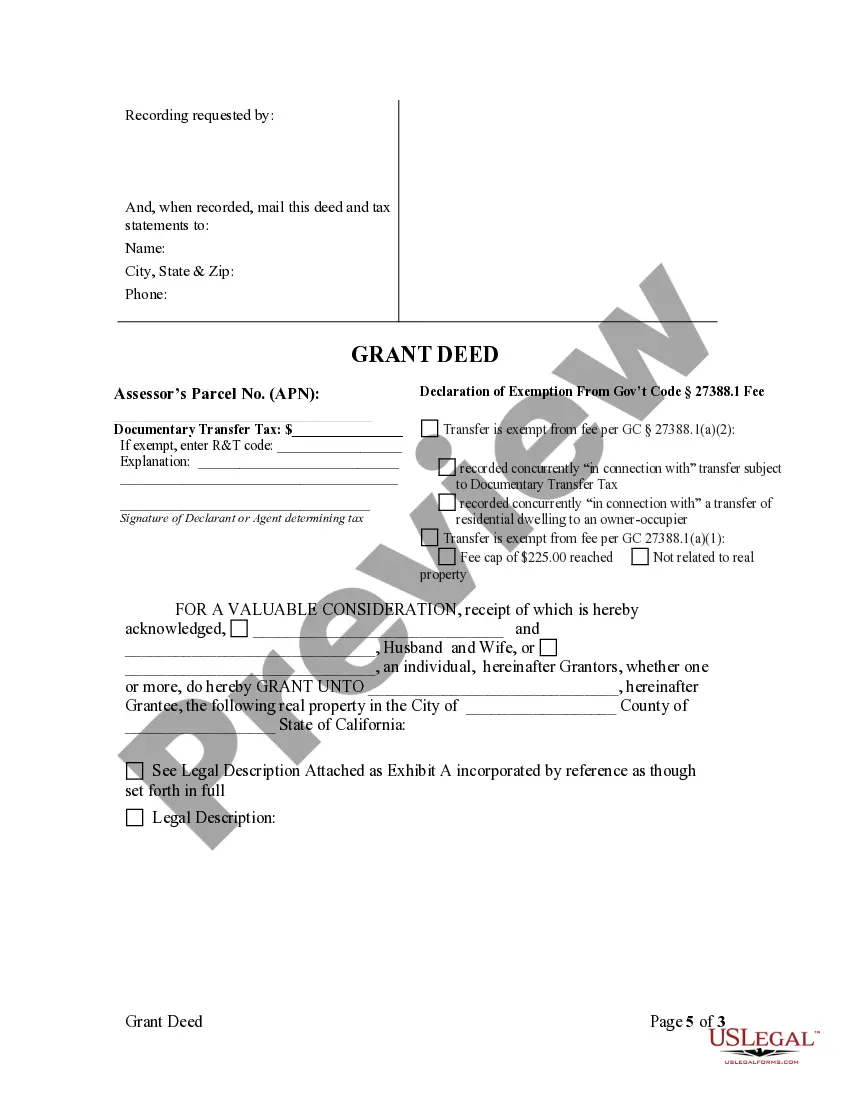
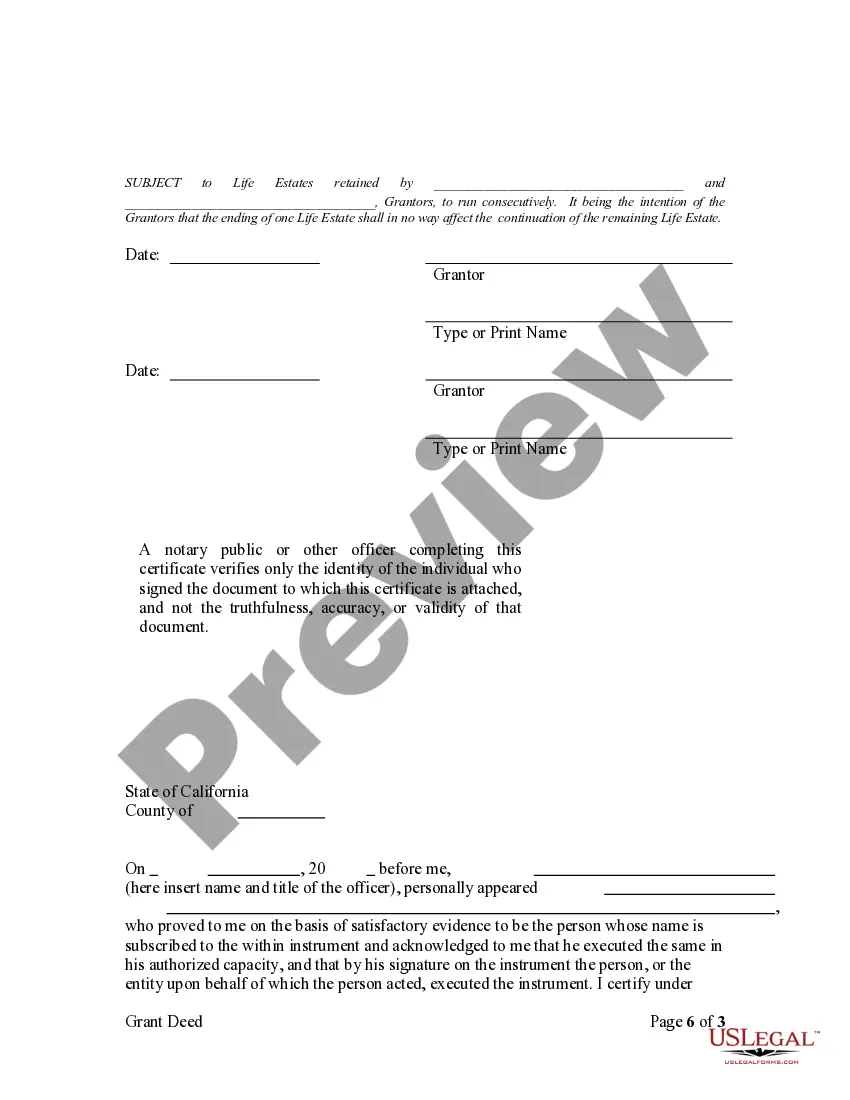
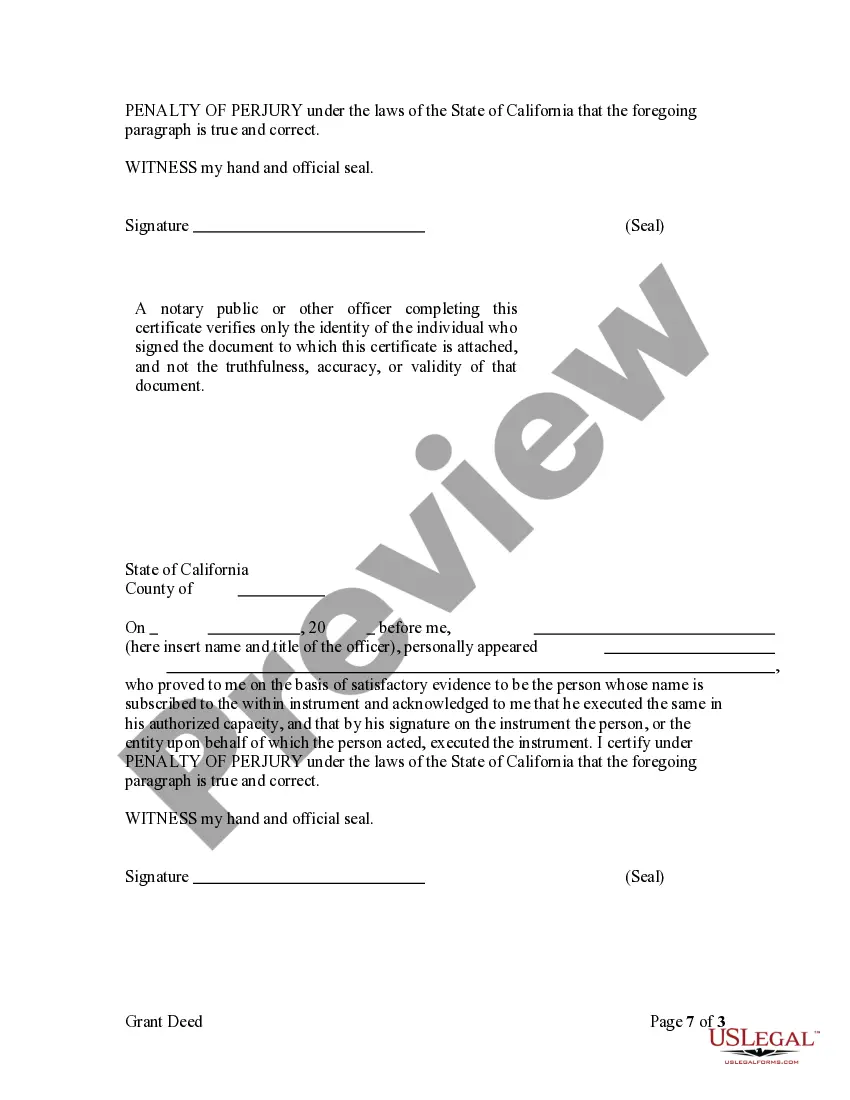
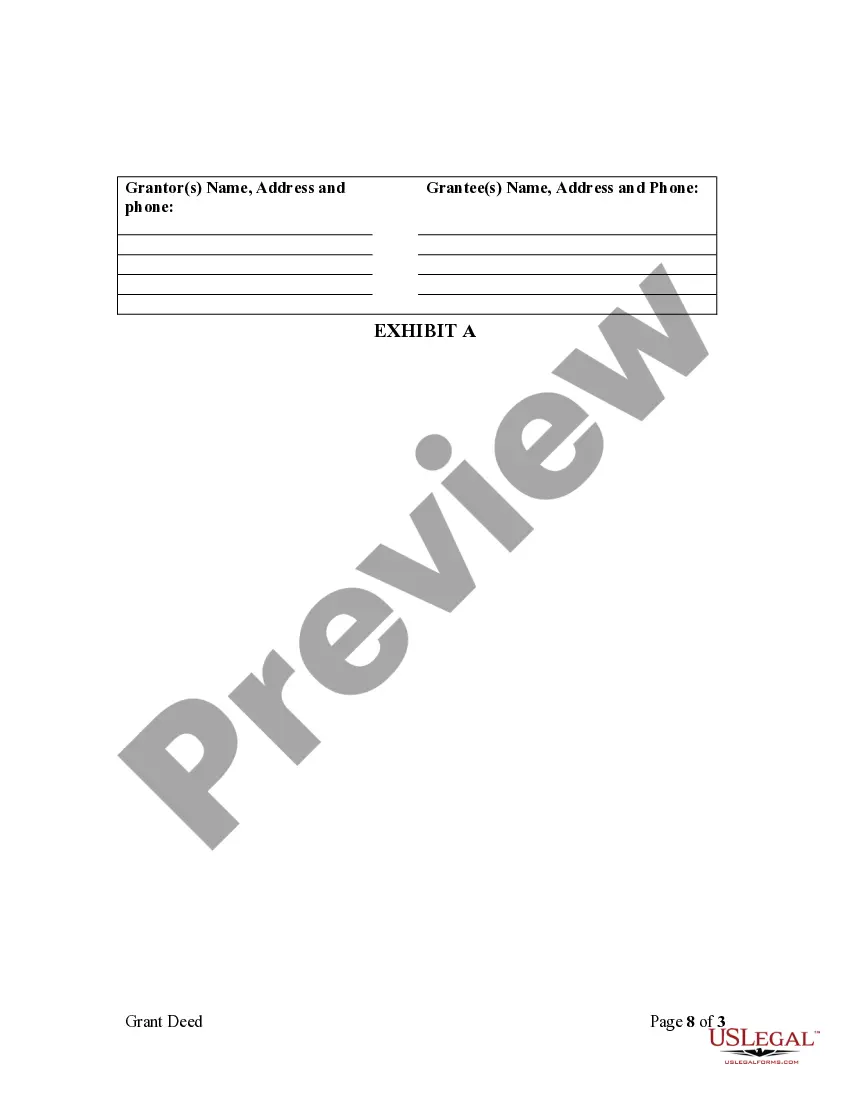
Get your form ready online
Our built-in tools help you complete, sign, share, and store your documents in one place.
Make edits, fill in missing information, and update formatting in US Legal Forms—just like you would in MS Word.
Download a copy, print it, send it by email, or mail it via USPS—whatever works best for your next step.
Sign and collect signatures with our SignNow integration. Send to multiple recipients, set reminders, and more. Go Premium to unlock E-Sign.
If this form requires notarization, complete it online through a secure video call—no need to meet a notary in person or wait for an appointment.
We protect your documents and personal data by following strict security and privacy standards.

Make edits, fill in missing information, and update formatting in US Legal Forms—just like you would in MS Word.

Download a copy, print it, send it by email, or mail it via USPS—whatever works best for your next step.

Sign and collect signatures with our SignNow integration. Send to multiple recipients, set reminders, and more. Go Premium to unlock E-Sign.

If this form requires notarization, complete it online through a secure video call—no need to meet a notary in person or wait for an appointment.

We protect your documents and personal data by following strict security and privacy standards.
Looking for another form?



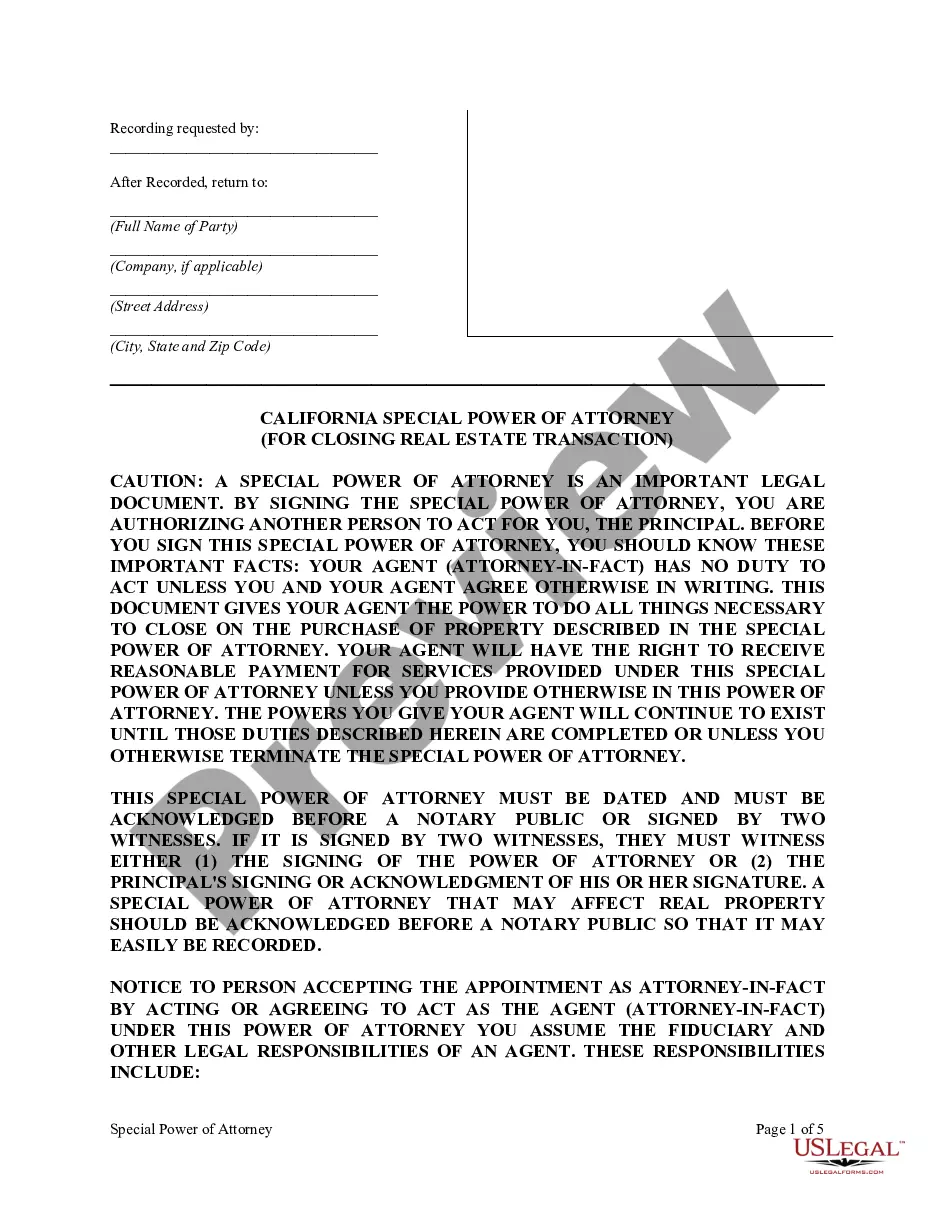


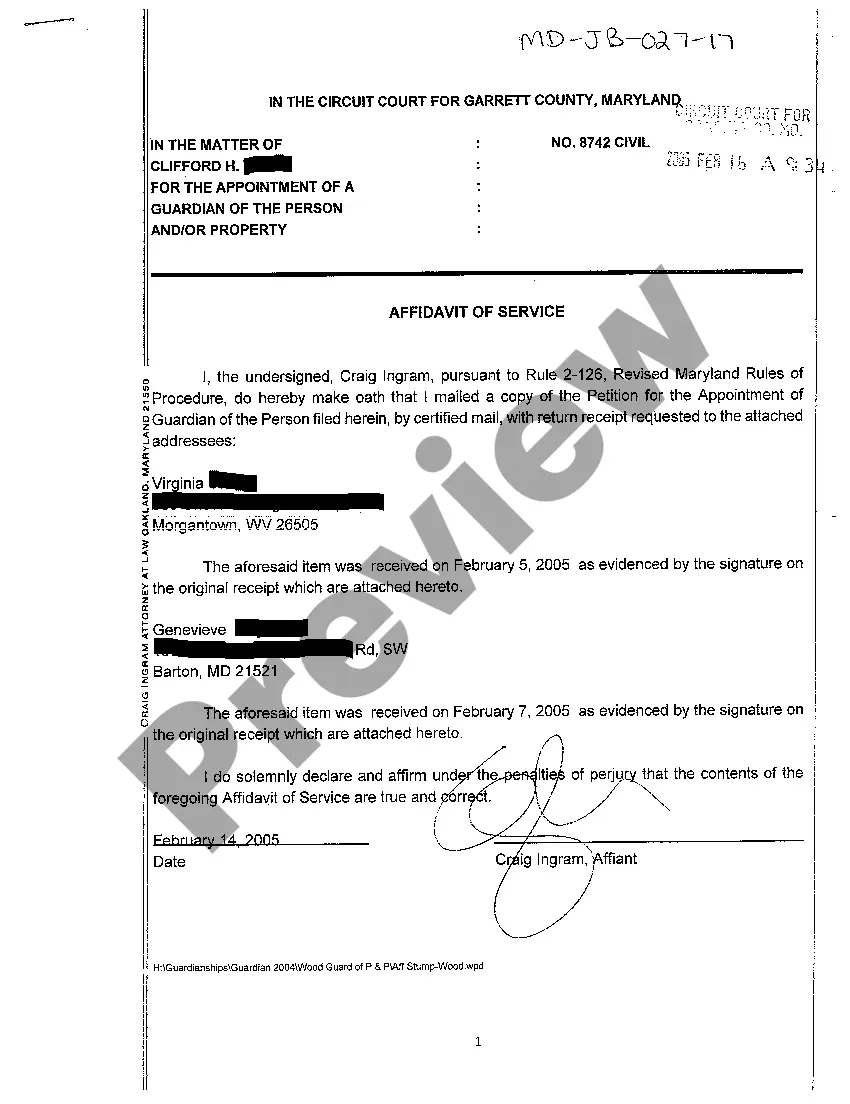
How to fill out California Grant Deed - Parents To Child With Reservation Of Life Estate?
- Log in to your US Legal Forms account. If you're a returning user, ensure your subscription is active.
- If you're new, start by browsing the extensive legal library. Review the form preview to confirm it meets your local regulations.
- Use the search bar if you don’t find what you need initially, ensuring you select the correct form.
- When you locate the appropriate document, click on the Buy Now button and select your preferred subscription plan.
- Complete your purchase by providing your payment details through credit card or PayPal.
- Once your payment is confirmed, download the form directly to your device for completion, available anytime in the My Forms section of your account.
In conclusion, US Legal Forms provides an invaluable resource for both individuals and attorneys by offering a robust and user-friendly library of over 85,000 editable legal documents. Their expert assistance ensures you create precise, legally compliant forms.
Start your journey today and empower yourself with the legal forms you need!
Form popularity
FAQ
Yes, a person's name can appear on a grant deed in California without being on the mortgage. This situation often arises in circumstances like gifting property or involving family members in property ownership. It is crucial to understand the responsibilities and rights each party holds regarding the property.
Yes, a non-citizen can inherit property in the U.S. without any issues. The legal framework in California allows for the transfer of property rights regardless of citizenship. However, understanding the tax implications and estate laws is important; thus, consulting an expert is advisable.
Yes, anyone can be placed on a grant deed in California, regardless of their citizenship status. However, the implications for taxes and inheritance may vary based on the person's status. Including individuals on a deed can also help with estate planning and ensuring the property passes according to your wishes.
Yes, a grant deed in California serves as a legal document that transfers ownership of property. It contains essential details such as the names of the parties involved and a description of the property. This document is vital for establishing legal ownership, especially for individuals with U.S. citizenship.
In California, the grantor must sign the grant deed to enact the property transfer. The grantee's signature is not required for the deed to be effective, although they should retain a copy. This process facilitates a clear and legal transfer of ownership from the grantor to the grantee. For detailed instructions on signing processes for a grant deed in California with US citizenship, consider using the resources from US Legal Forms.
Yes, in California, a grant deed serves as proof of ownership for real estate. Once recorded, it provides legal documentation that identifies the owner of the property. However, it is important to understand that while a grant deed establishes ownership, other factors may also contribute to the title's protection. For a comprehensive explanation of ownership verification through a grant deed in California with US citizenship, explore US Legal Forms for helpful insights.
In the context of a grant deed, the grantor signs the deed to confirm the transfer of property, while the grantee receives the deed. The signature of the grantor is essential for validating the transfer. The grantee does not need to sign for the deed to be effective but should keep a recorded copy. For a deeper understanding of the signing process for a grant deed in California with US citizenship, utilize resources from US Legal Forms.
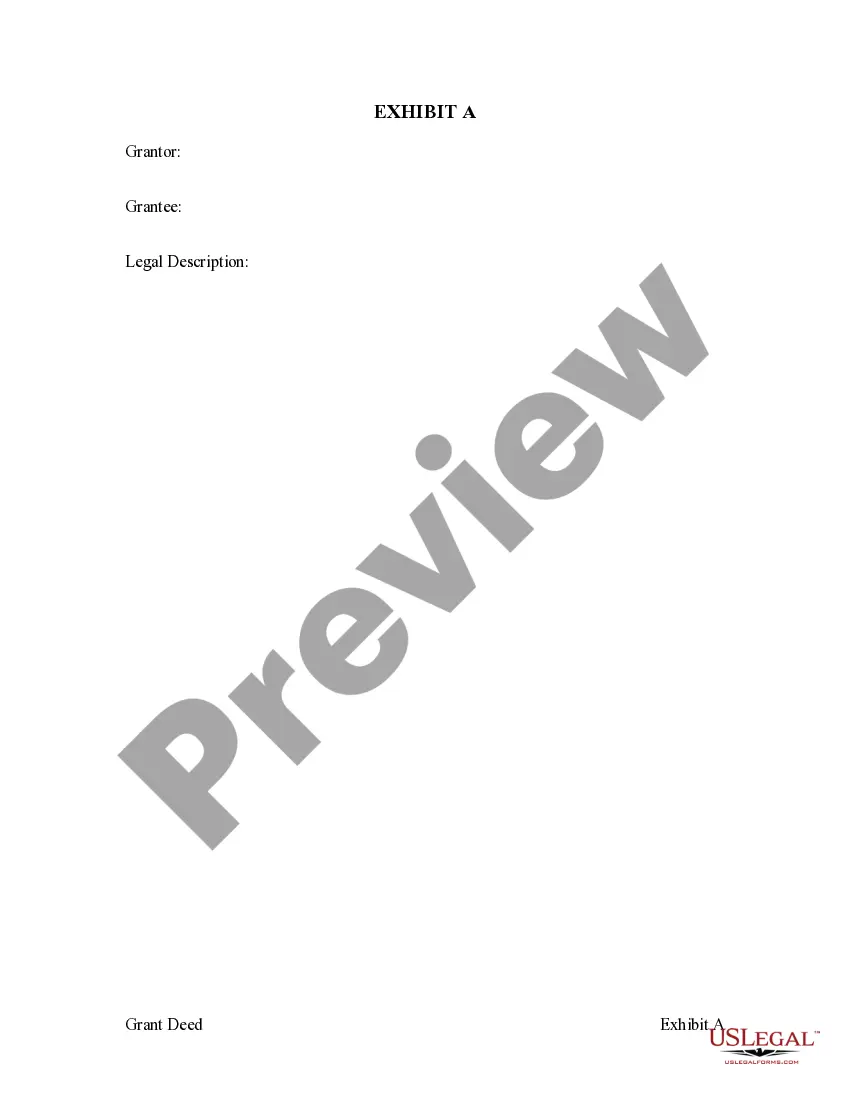
To fill out a grant deed in California, start by providing the information of both the grantor and grantee, including their legal names. Next, include the property's legal description to precisely identify it. After filling out all necessary parts, ensure both parties sign the deed. If you seek a clear guide and templates for a grant deed in California with US citizenship, consider checking out US Legal Forms.
Filling out a California grant deed requires you to enter specific property details, such as the legal description and the names of the grantor and grantee. Ensure that all information is accurate, and consider including a statement about the nature of the transfer. After completing the form, both parties must sign, and then it should be recorded with the county. For an easy-to-follow template on filling out a grant deed in California with US citizenship, US Legal Forms offers practical solutions.
At settlement, both the grantor and the grantee must sign the grant deed. The grantor is the person transferring the property, while the grantee is the one receiving it. Their signatures confirm the agreement and complete the transaction. If you need guidance on the signing process of a grant deed in California with US citizenship, US Legal Forms can provide you the necessary resources.