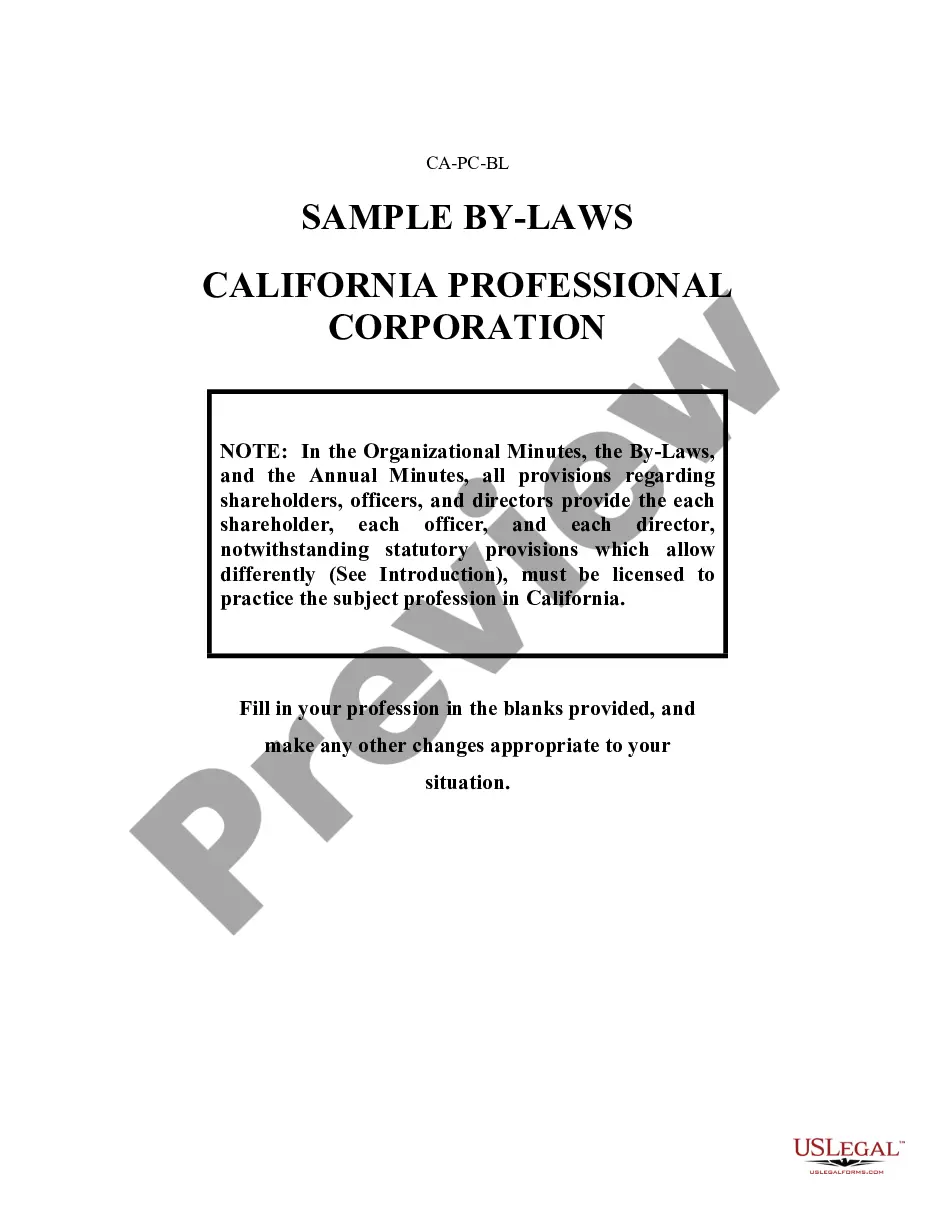
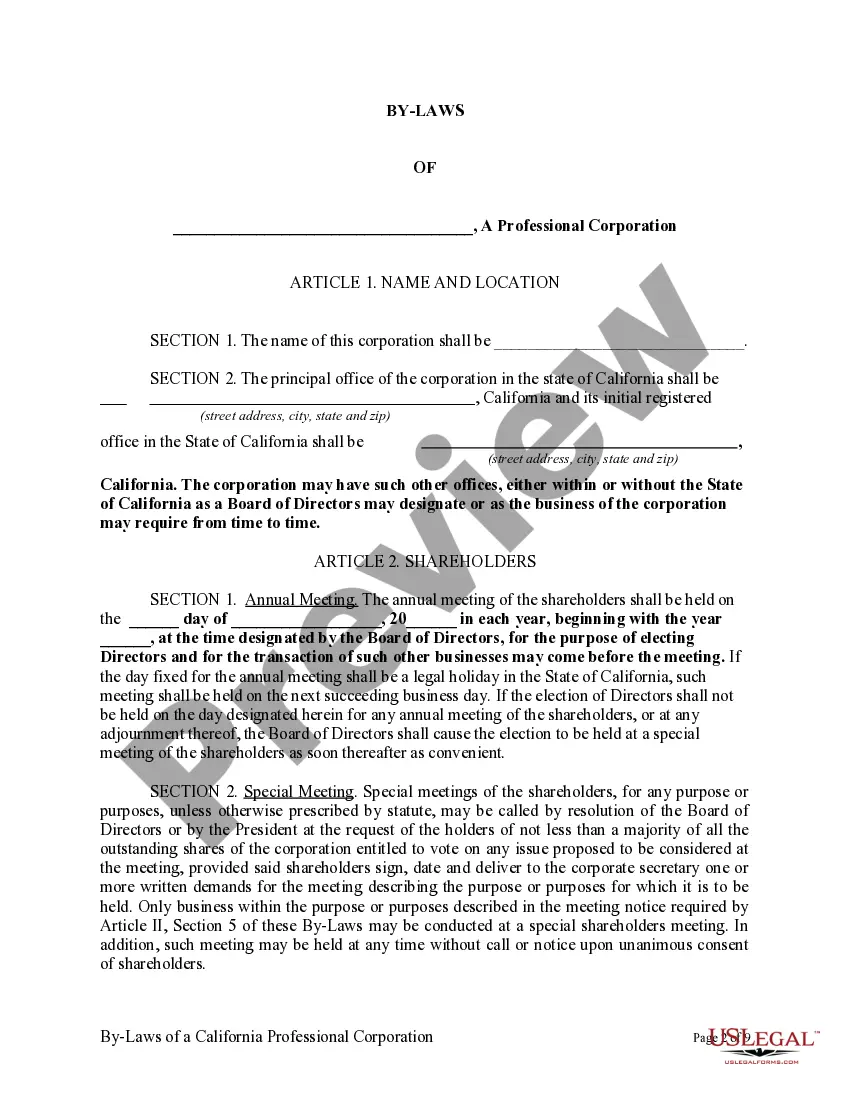
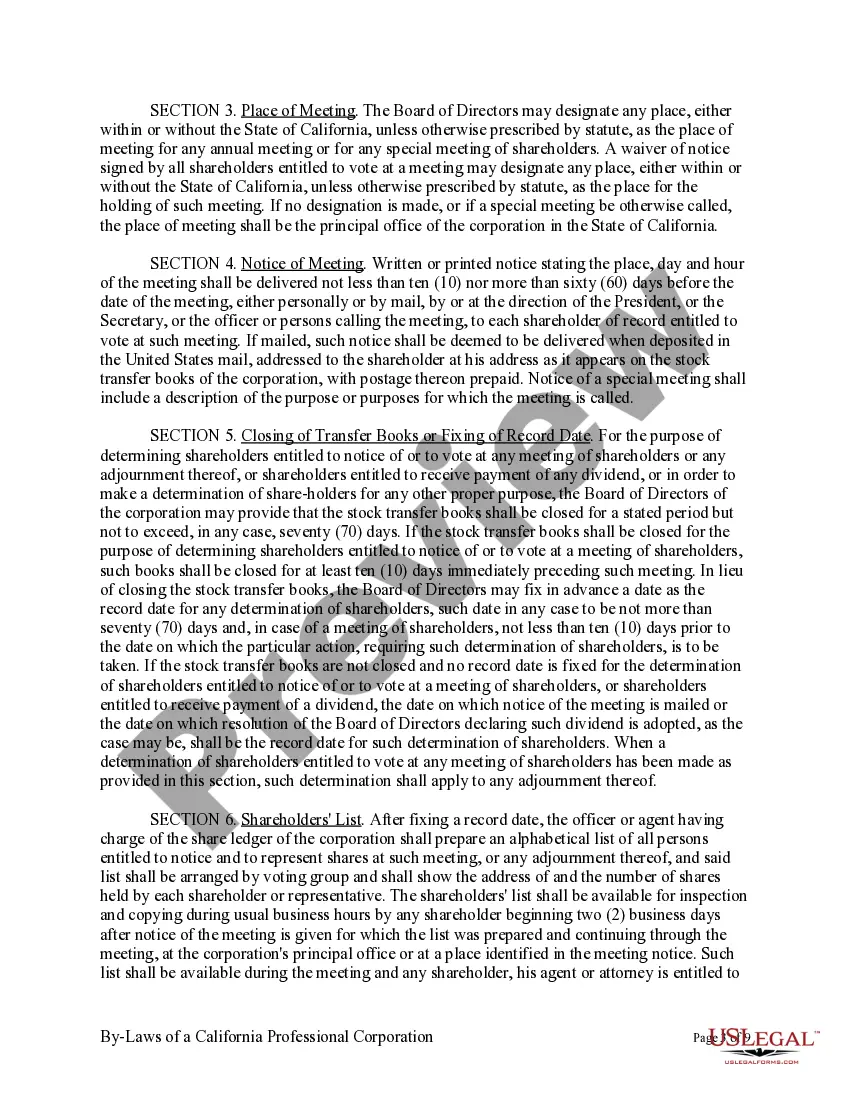
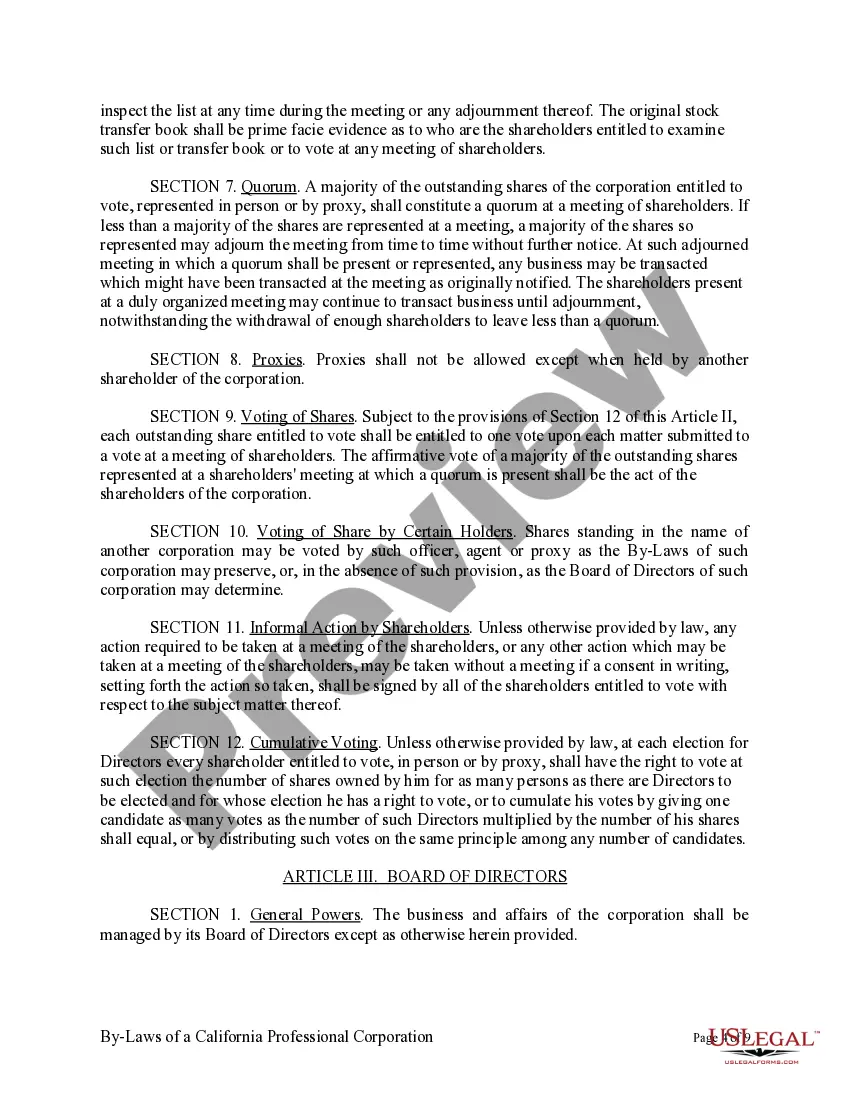
Corporate Bylaws California Format
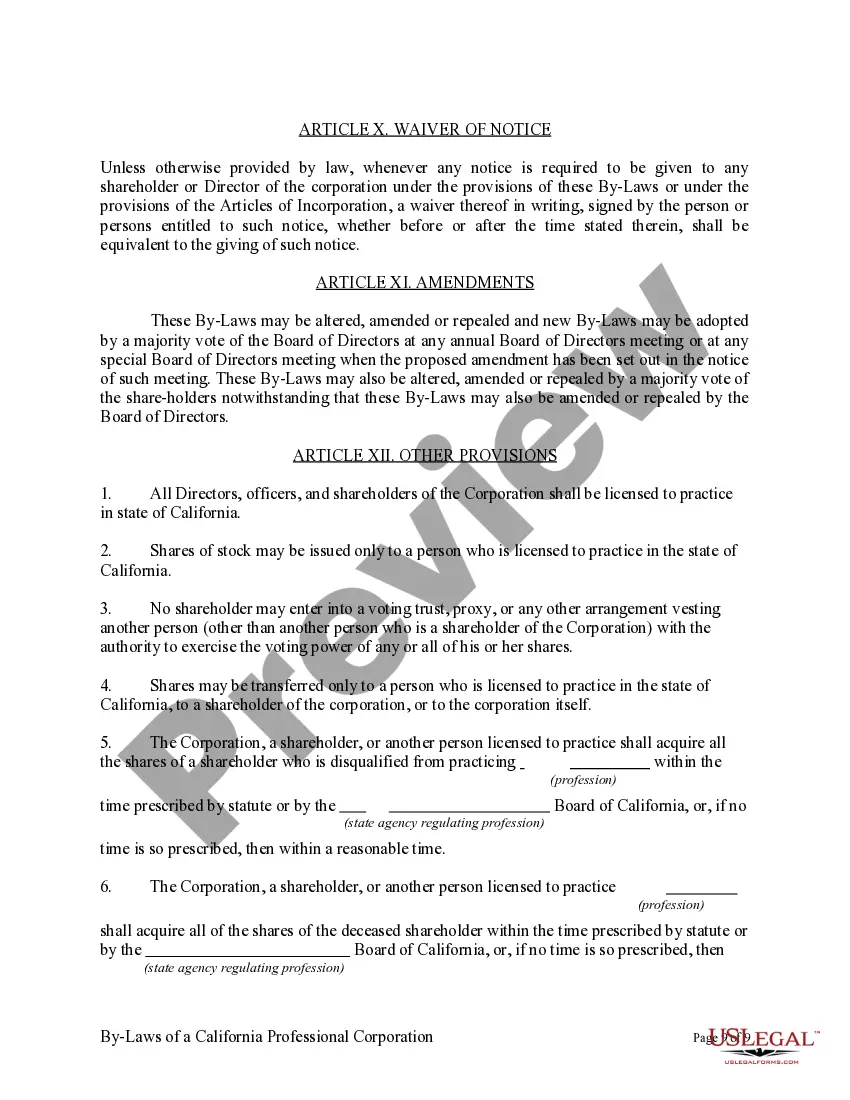
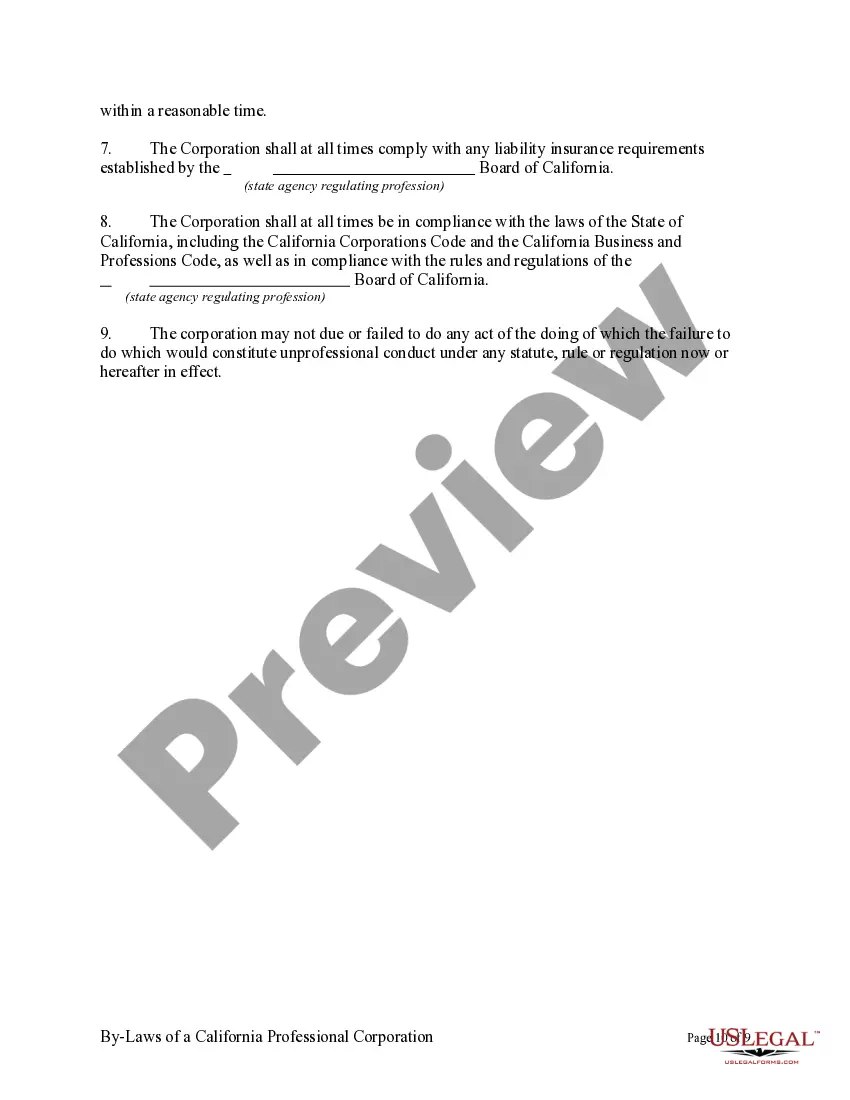
Description
Get your form ready online
Our built-in tools help you complete, sign, share, and store your documents in one place.
Make edits, fill in missing information, and update formatting in US Legal Forms—just like you would in MS Word.
Download a copy, print it, send it by email, or mail it via USPS—whatever works best for your next step.
Sign and collect signatures with our SignNow integration. Send to multiple recipients, set reminders, and more. Go Premium to unlock E-Sign.
If this form requires notarization, complete it online through a secure video call—no need to meet a notary in person or wait for an appointment.
We protect your documents and personal data by following strict security and privacy standards.

Make edits, fill in missing information, and update formatting in US Legal Forms—just like you would in MS Word.

Download a copy, print it, send it by email, or mail it via USPS—whatever works best for your next step.

Sign and collect signatures with our SignNow integration. Send to multiple recipients, set reminders, and more. Go Premium to unlock E-Sign.

If this form requires notarization, complete it online through a secure video call—no need to meet a notary in person or wait for an appointment.

We protect your documents and personal data by following strict security and privacy standards.
Looking for another form?

How to fill out Sample Bylaws For A California Professional Corporation?
Utilizing legal document examples that comply with federal and state regulations is essential, and the internet presents numerous alternatives to select from.
However, what is the benefit of spending time searching for the appropriate Corporate Bylaws California Format sample online when the US Legal Forms digital library already compiles such templates in one location.
US Legal Forms is the largest online legal repository featuring over 85,000 fillable templates created by attorneys for various business and personal situations.
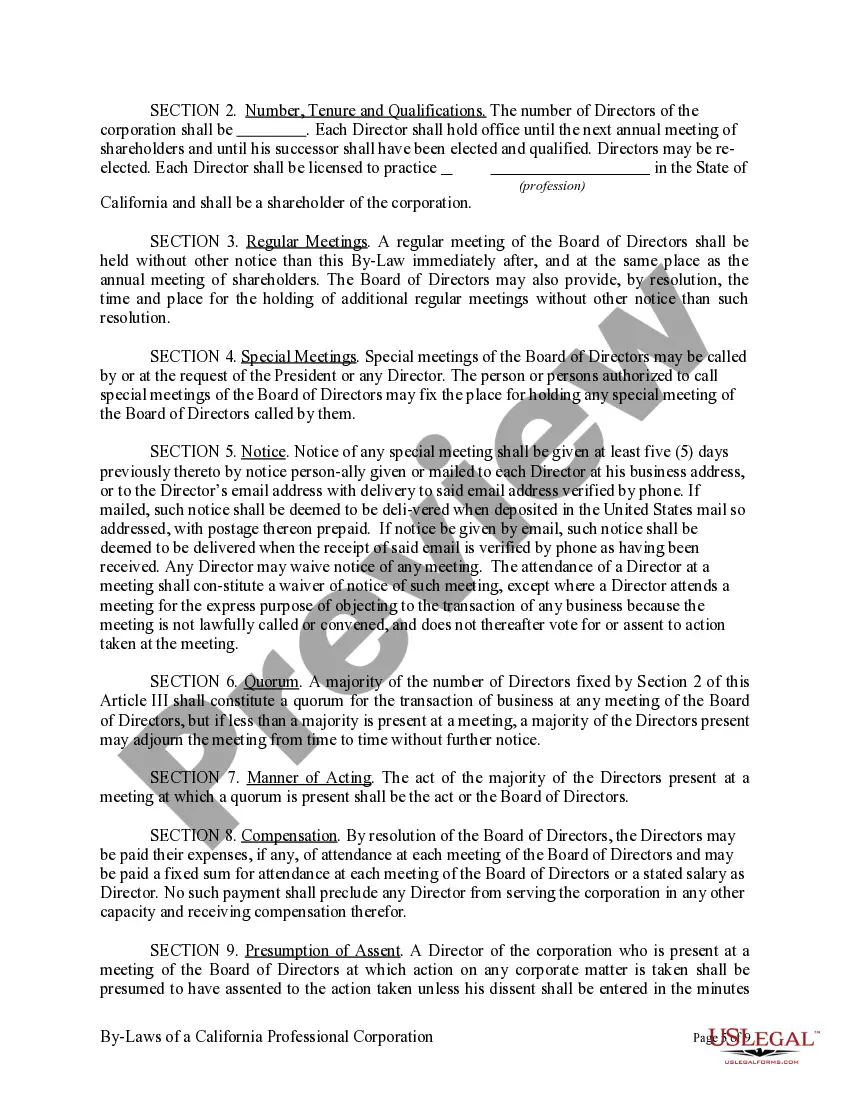
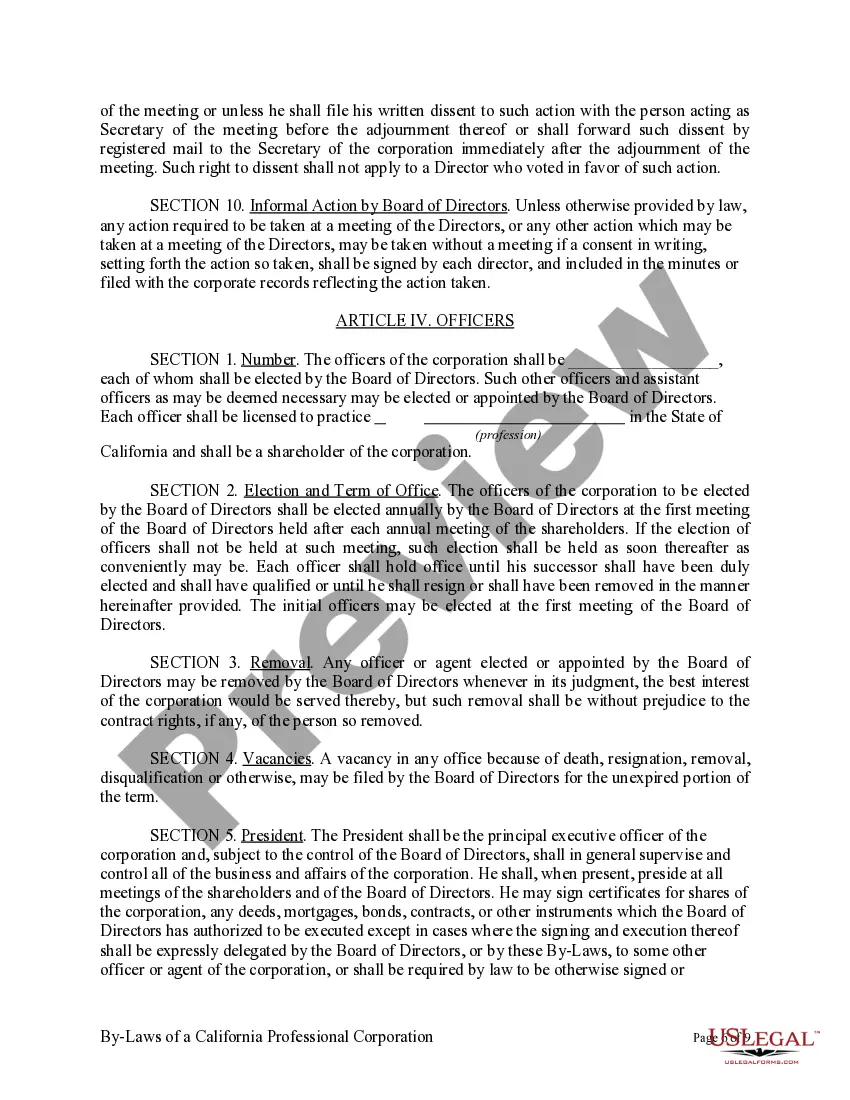
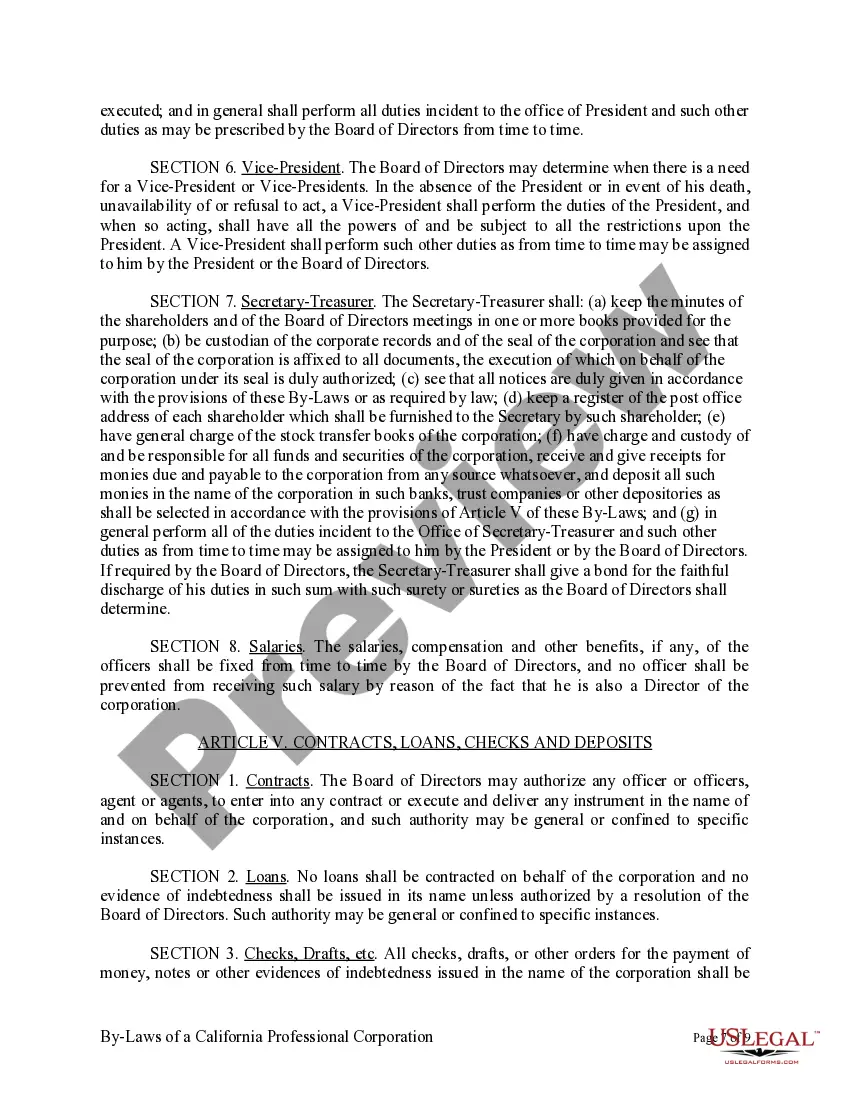
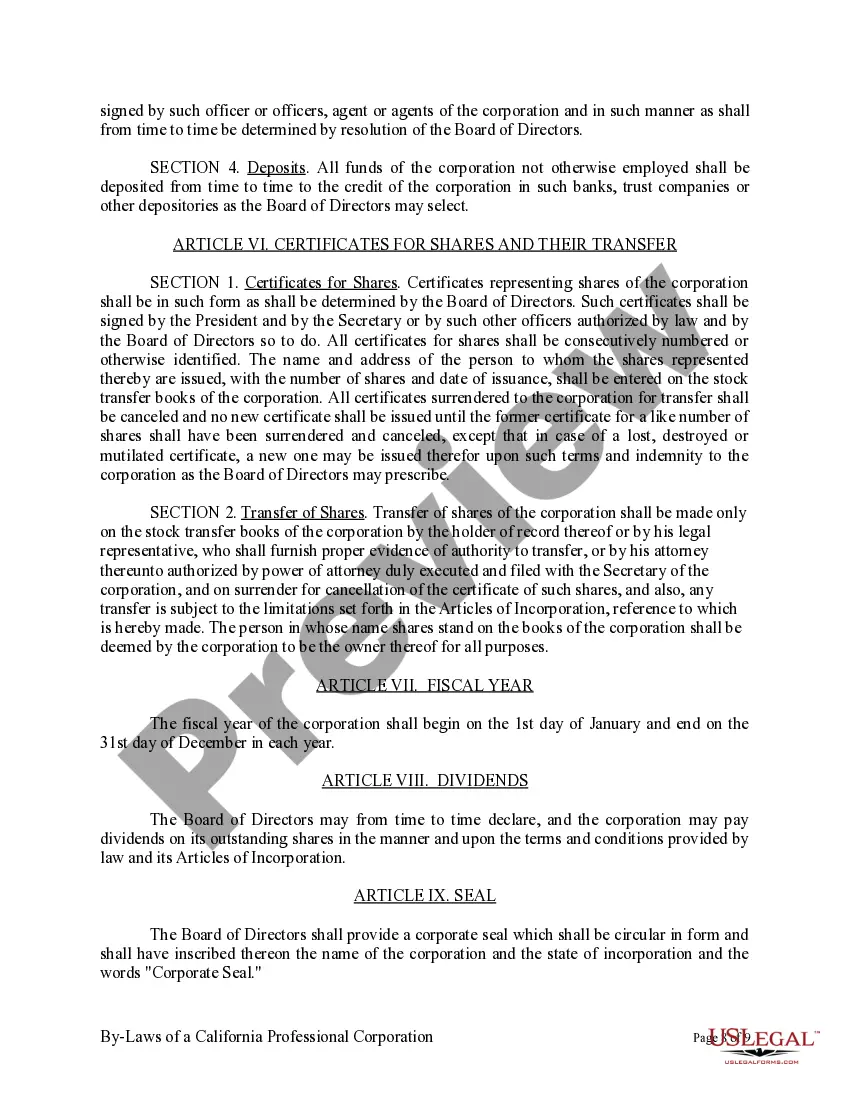
Review the template using the Preview option or through the text description to ensure it fits your needs.
- They are straightforward to navigate with all documents categorized by state and intended use.
- Our experts keep up with legislative changes, ensuring that your form is always current and compliant when obtaining a Corporate Bylaws California Format from our site.
- Acquiring a Corporate Bylaws California Format is simple and swift for both existing and new users.
- If you already have an account with an active subscription, Log In and save the document sample you need in your desired format.
- For newcomers to our site, follow the instructions below.
Form popularity
FAQ
The California Corporations Code does not explicitly state that corporations must have corporate bylaws. However, the necessity of bylaws is implied in several places, including CA Corp Code § 213, which requires corporations to keep a copy of their bylaws on file at their principal executive office.
Two Ways to Register Your Business Choose a name for your business. Designate a Registered Agent in California. File Your Articles of Incorporation in California. Create your Corporate Bylaws. Appoint your Corporate Directors. Authorize the issuance of shares of stock. File a Statement of Information for your Corporation.
In some states, such as California, HOA bylaws are considered public record and must be made available upon request. In other states, such as Virginia, HOA bylaws are not considered public record and therefore are not required to be made publicly available.
A corporation's bylaws, also called company bylaws or just bylaws, are a legal document setting forth key rules and regulations governing the corporation's day-to-day operations. By articulating the procedures management must follow, these rules help ensure a corporation runs smoothly, efficiently, and consistently.
No, bylaws and operating agreements (and any amendments thereto) are maintained by the business entity and are not filed with the Secretary of State. Requests for copies or information about these documents should be directed to the business entity itself.