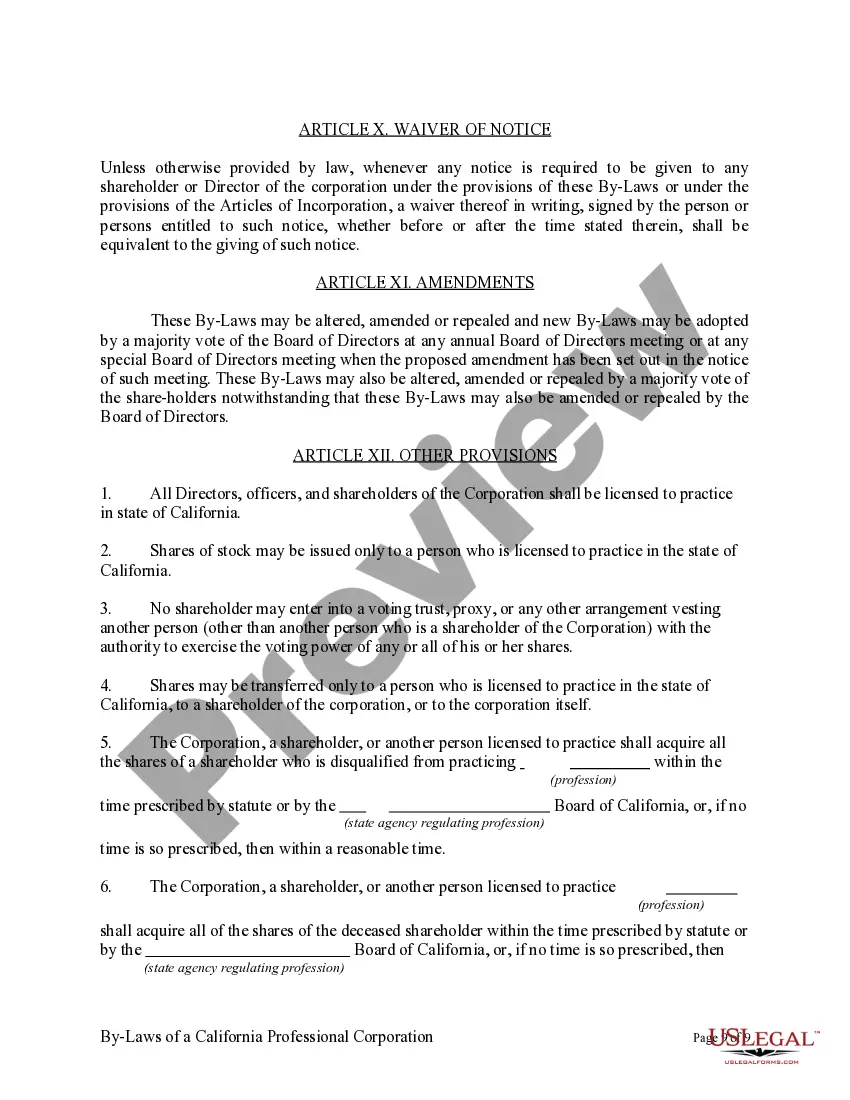
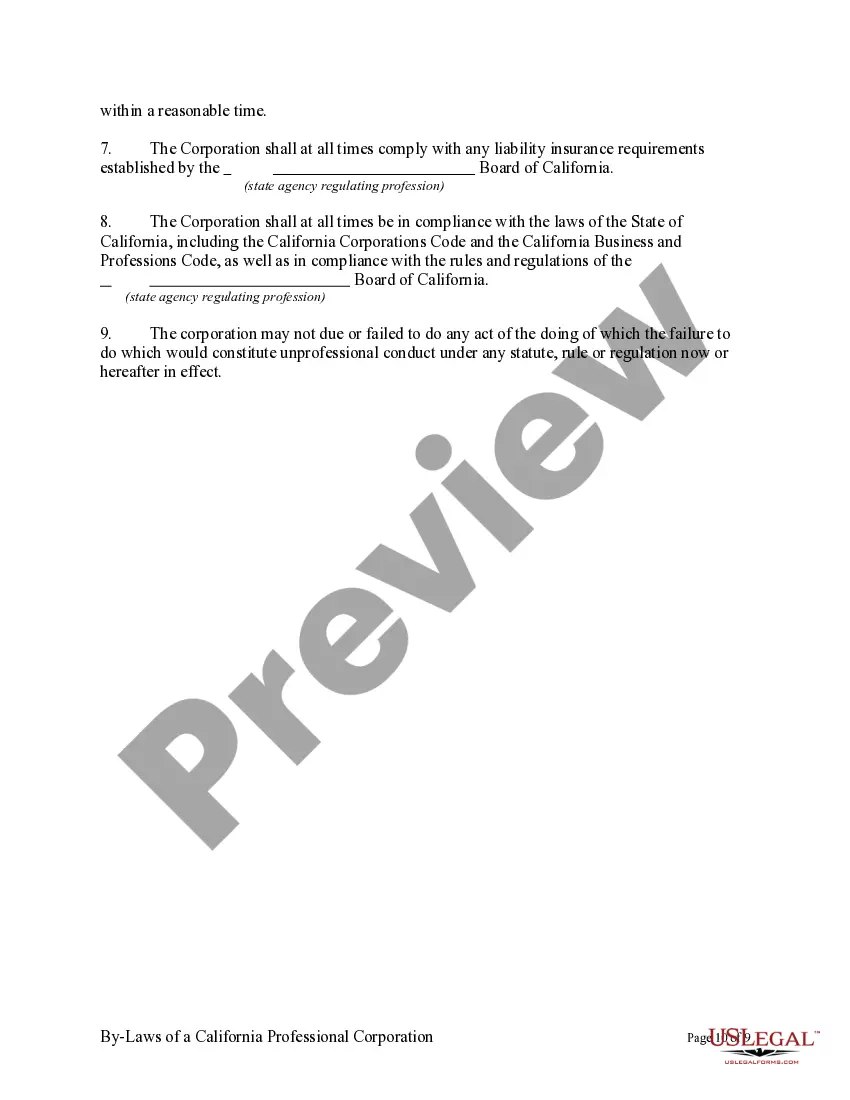
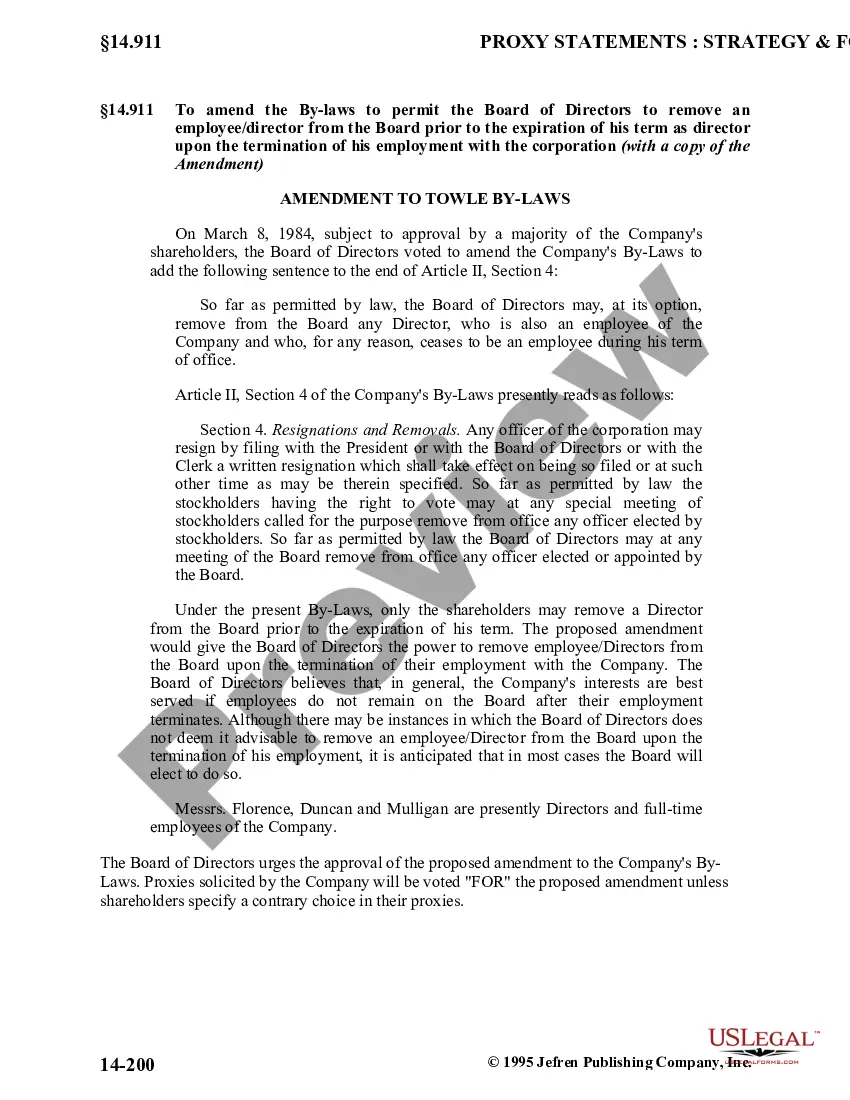
California Corporation Bylaws Template With Wording
Description
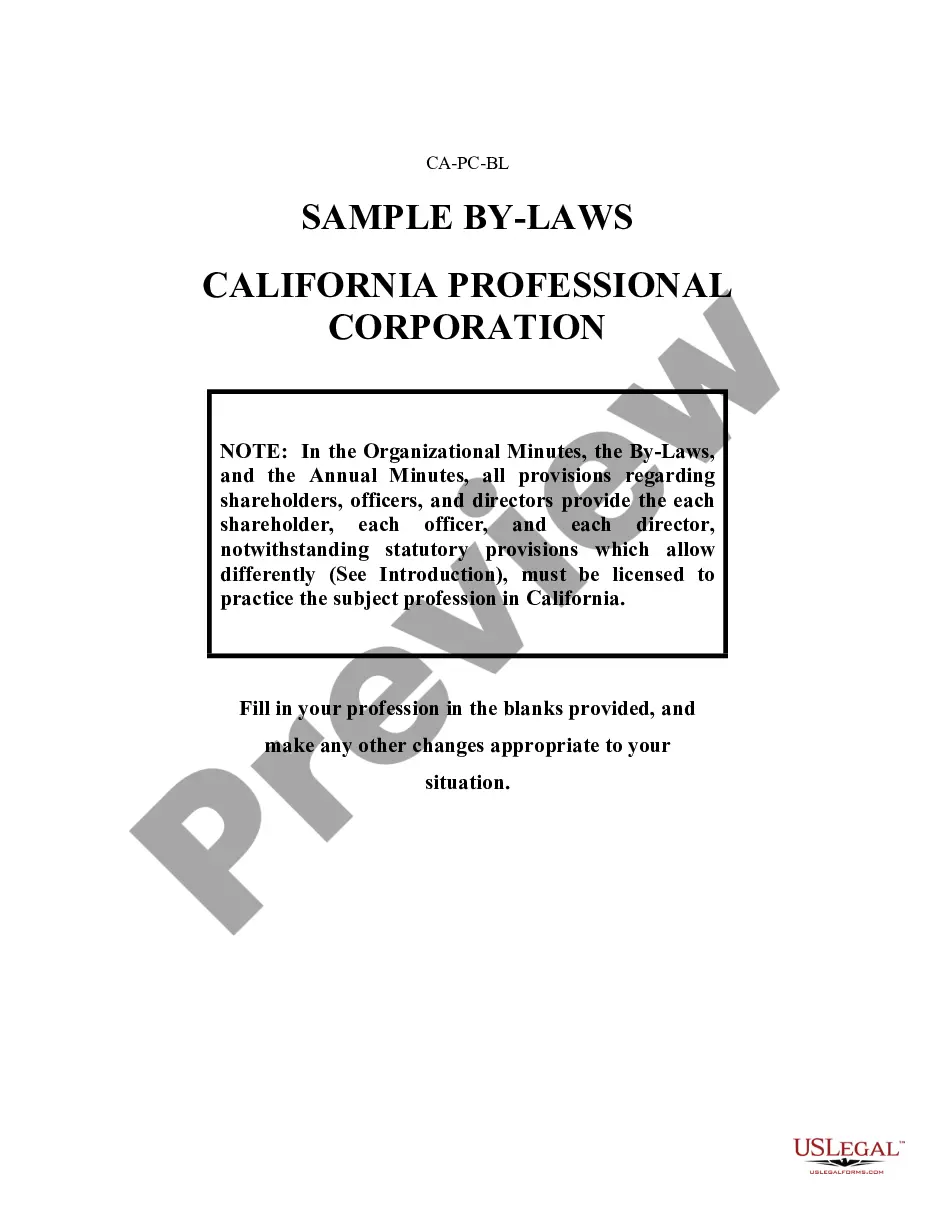
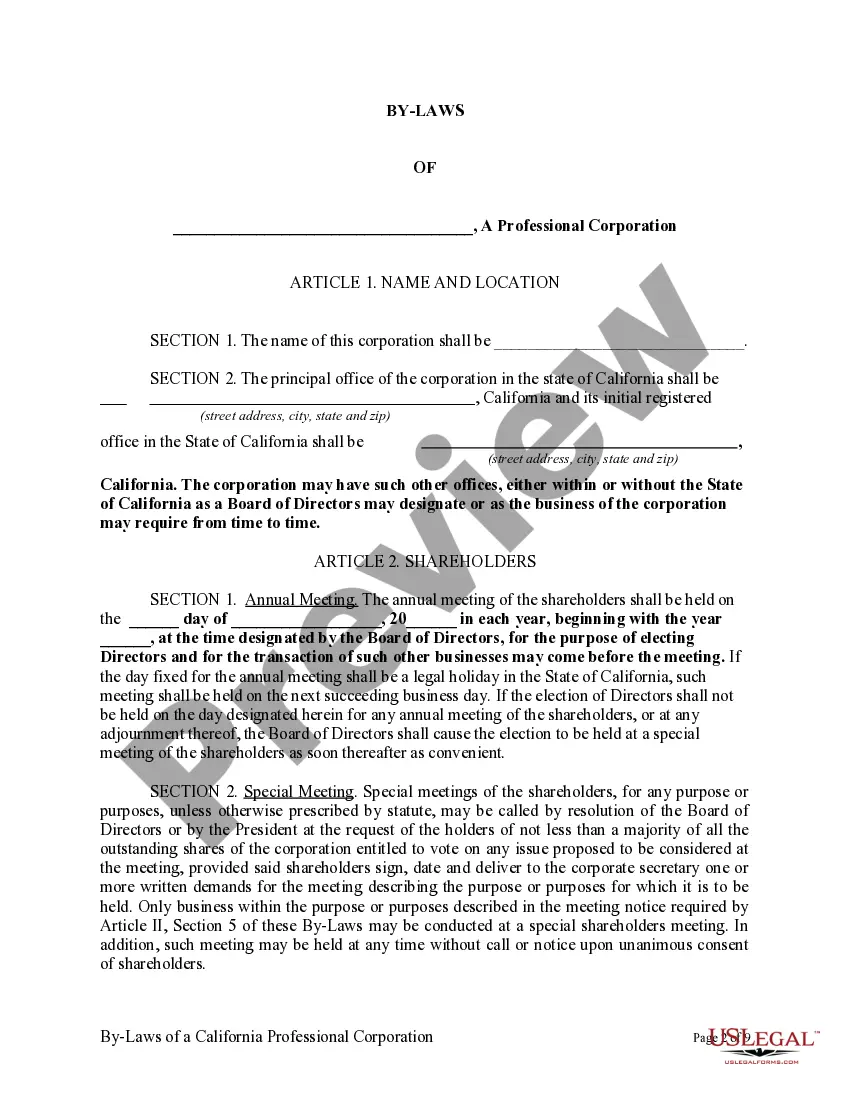
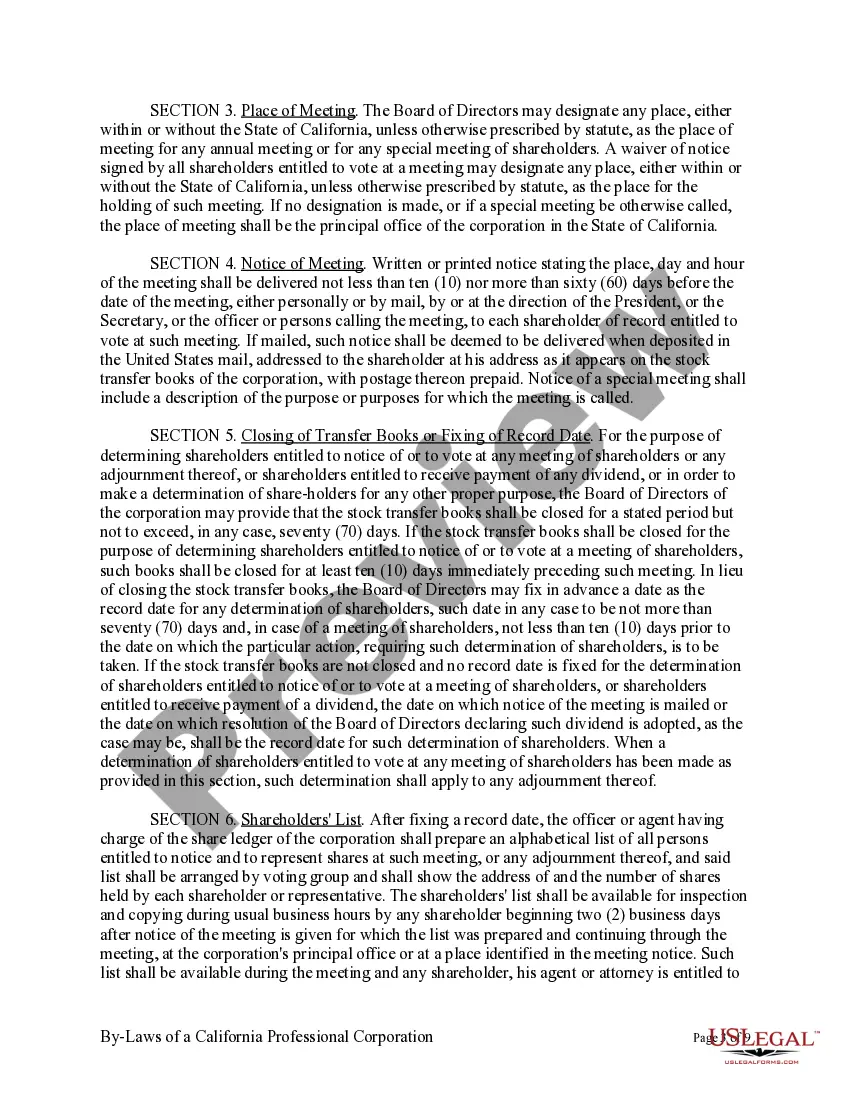
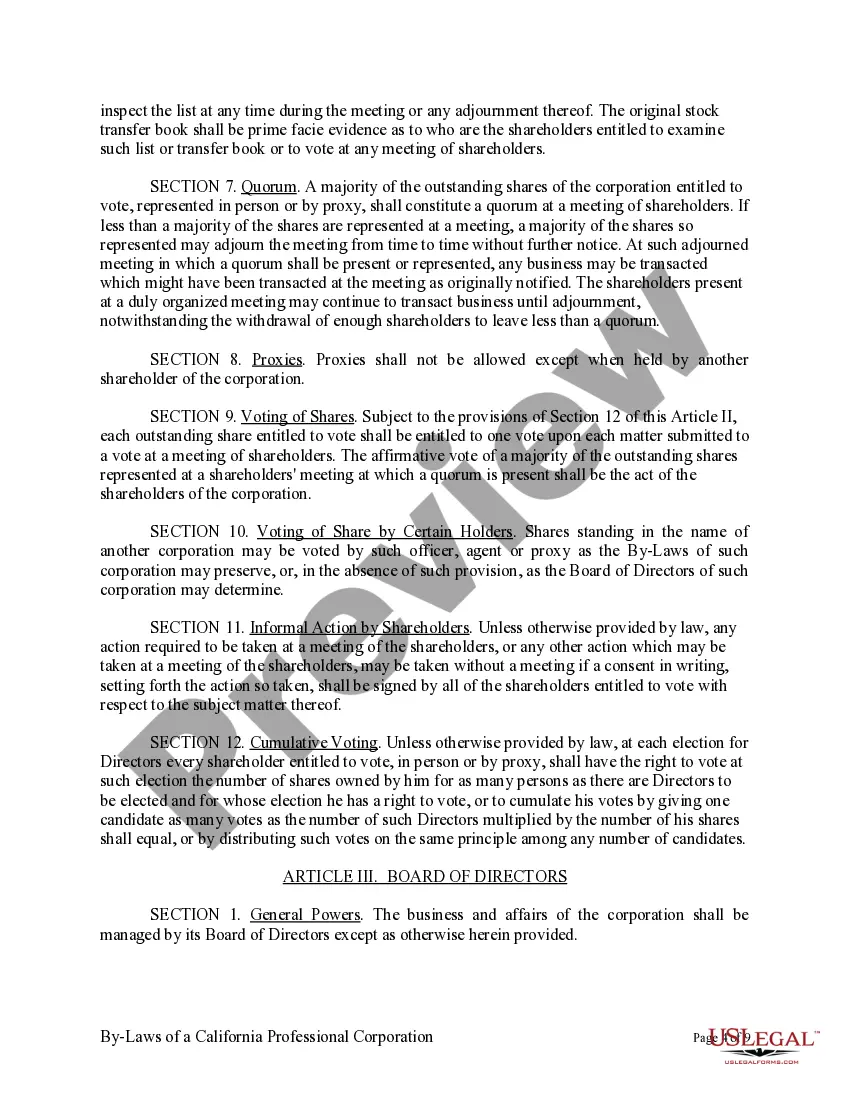
Get your form ready online
Our built-in tools help you complete, sign, share, and store your documents in one place.
Make edits, fill in missing information, and update formatting in US Legal Forms—just like you would in MS Word.
Download a copy, print it, send it by email, or mail it via USPS—whatever works best for your next step.
Sign and collect signatures with our SignNow integration. Send to multiple recipients, set reminders, and more. Go Premium to unlock E-Sign.
If this form requires notarization, complete it online through a secure video call—no need to meet a notary in person or wait for an appointment.
We protect your documents and personal data by following strict security and privacy standards.

Make edits, fill in missing information, and update formatting in US Legal Forms—just like you would in MS Word.

Download a copy, print it, send it by email, or mail it via USPS—whatever works best for your next step.

Sign and collect signatures with our SignNow integration. Send to multiple recipients, set reminders, and more. Go Premium to unlock E-Sign.

If this form requires notarization, complete it online through a secure video call—no need to meet a notary in person or wait for an appointment.

We protect your documents and personal data by following strict security and privacy standards.
Looking for another form?

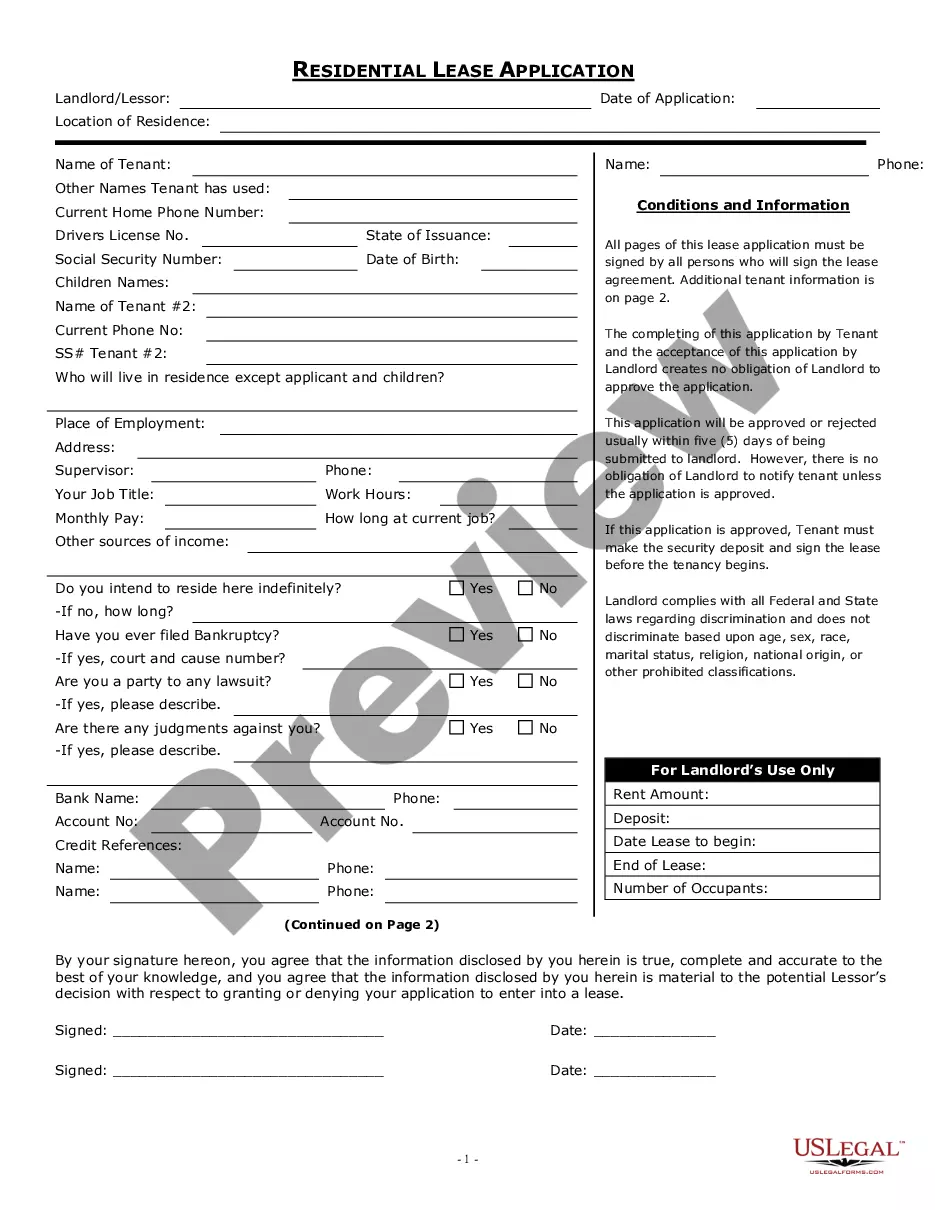








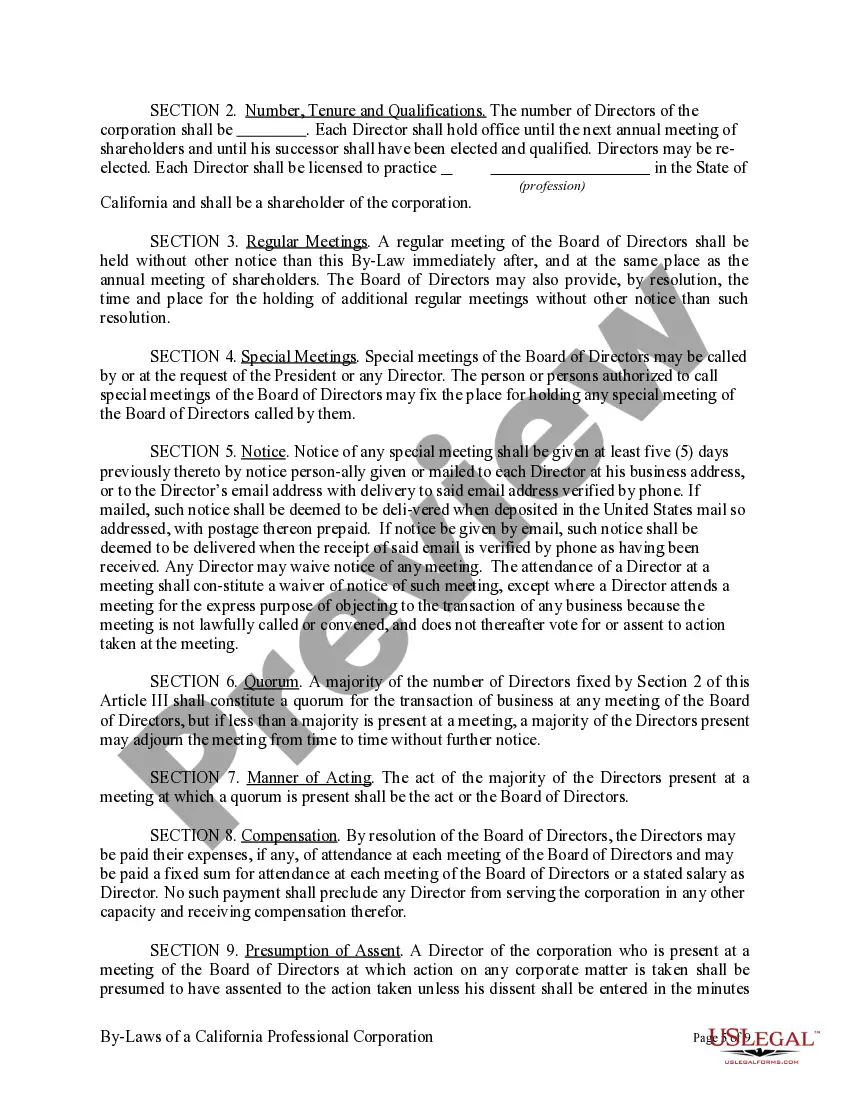
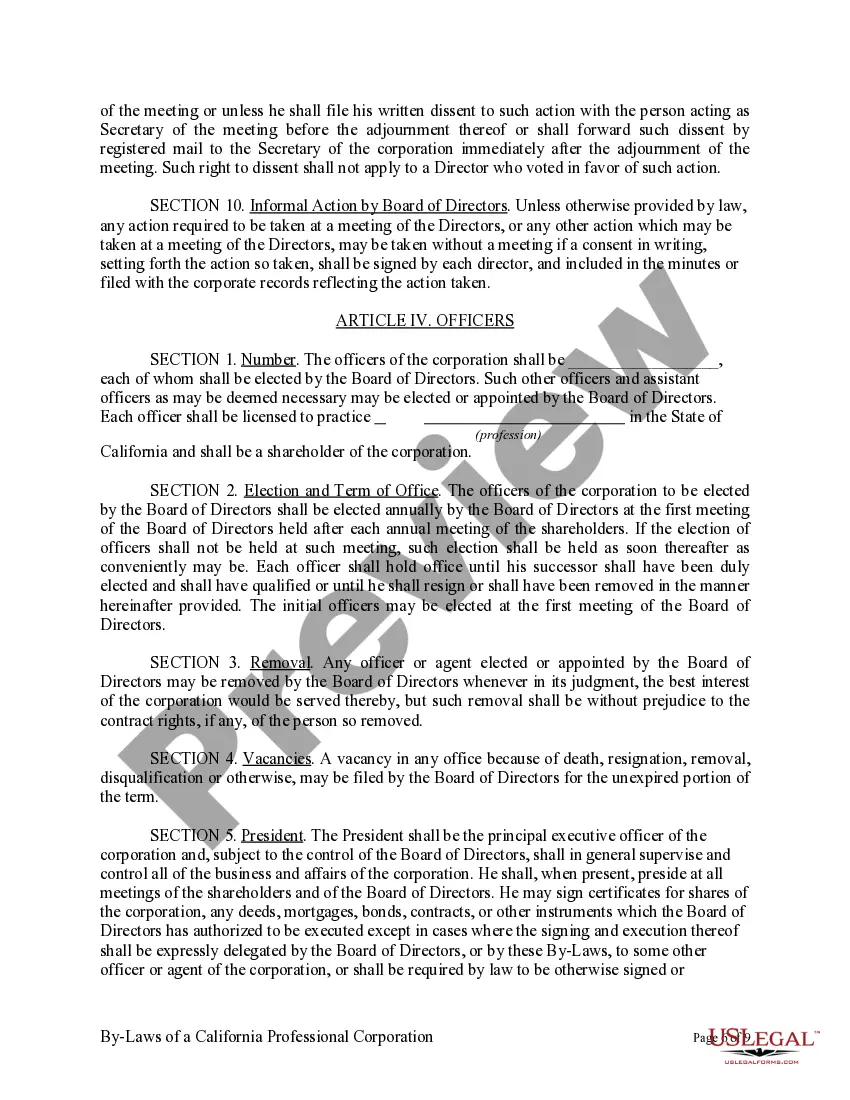
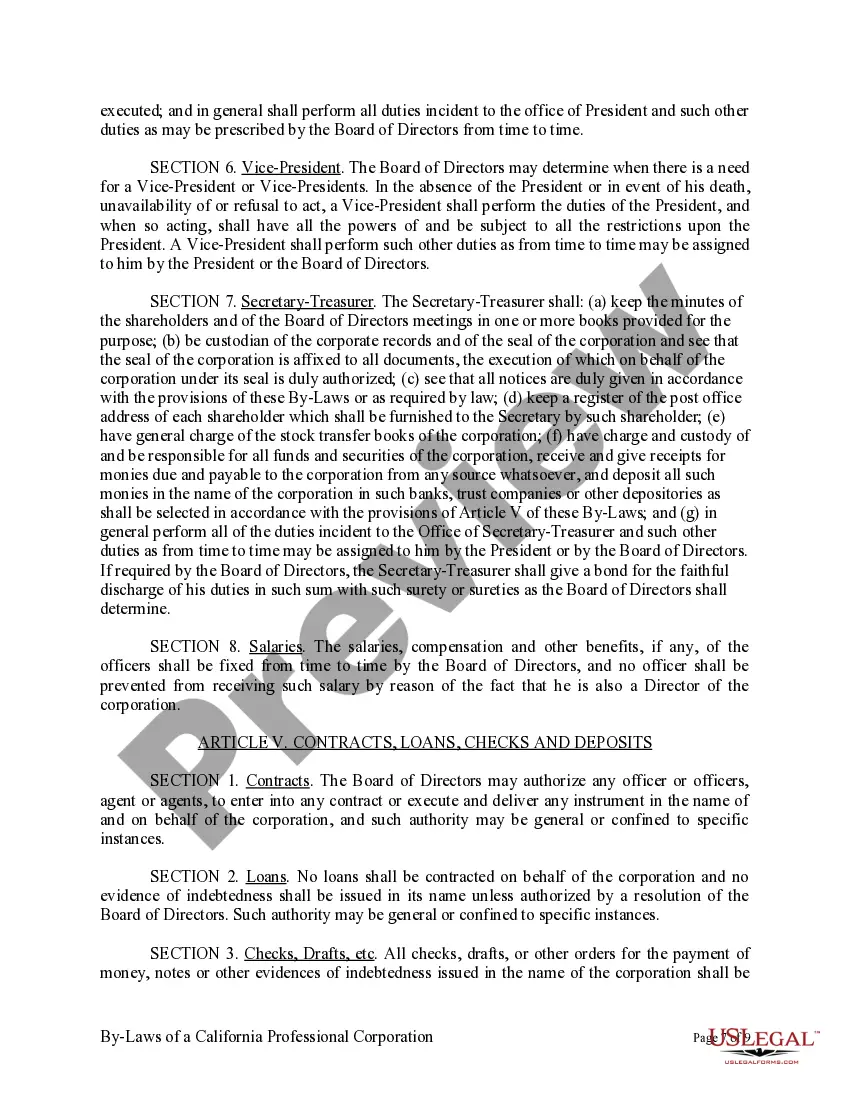
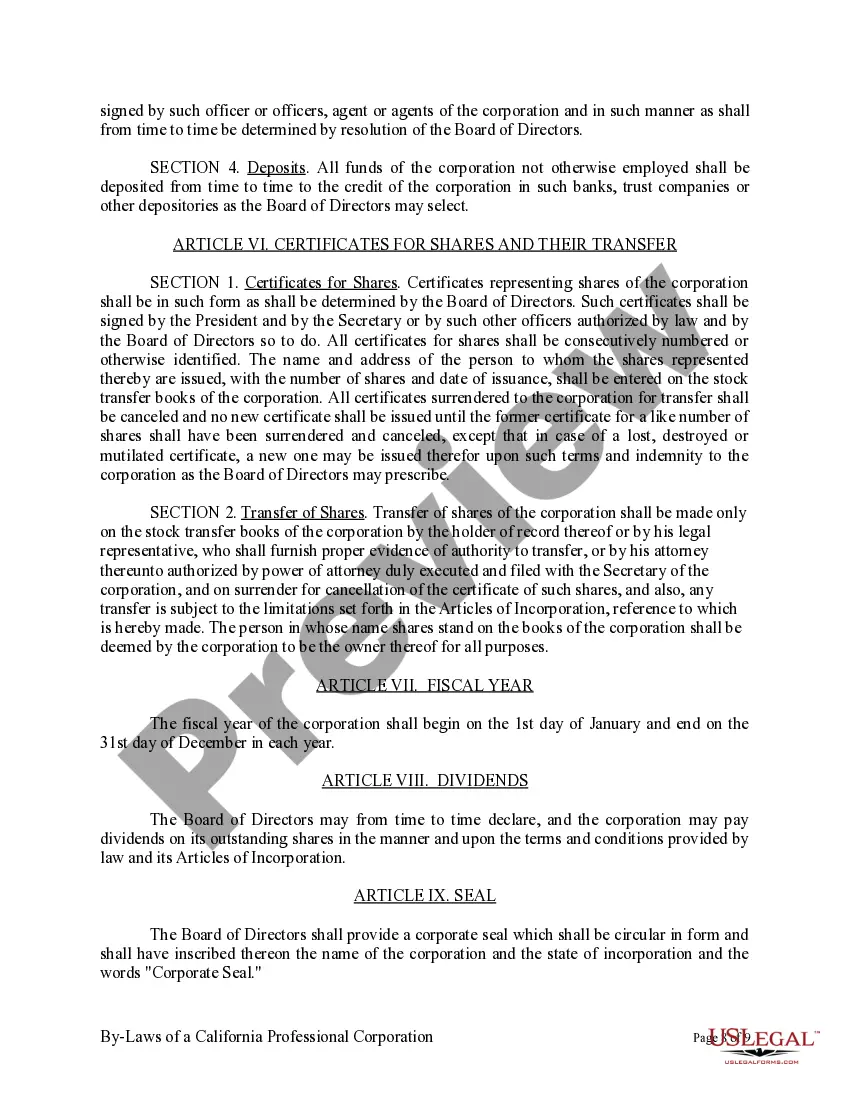
How to fill out Sample Bylaws For A California Professional Corporation?
Legal administration can be daunting, even for the most adept professionals.
When searching for a California Corporation Bylaws Template With Wording and lacking the time to dedicate to finding the correct and current version, the tasks can be challenging.
US Legal Forms accommodates any needs you might have, from personal to business documentation, all in one place.
Utilize advanced tools to complete and manage your California Corporation Bylaws Template With Wording.
Here are the actions to follow after obtaining the form you desire: Confirm that it is the correct form by previewing it and reviewing its details, ensure that the template is accepted in your state or county, select Buy Now when ready, choose a monthly subscription plan, select your desired file format, and download, complete, sign, print, and send your documents. Enjoy the US Legal Forms web catalog, supported by 25 years of expertise and trustworthiness. Transform your everyday document management into a streamlined and user-friendly process today.
- Access a valuable resource library of articles, guides, and materials related to your situation and requirements.
- Save time and effort searching for the documents you require, and utilize US Legal Forms’ sophisticated search and Review tool to find California Corporation Bylaws Template With Wording and obtain it.
- If you possess a monthly subscription, Log In to your US Legal Forms account, locate the form, and download it.
- Check your My documents tab to review the documents you have previously downloaded and to manage your folders as needed.
- If this is your first experience with US Legal Forms, create an account for unlimited access to all platform benefits.
- A comprehensive web form catalog can be transformative for individuals seeking to manage these matters effectively.
- US Legal Forms is a leading provider of online legal documents, offering over 85,000 state-specific legal forms available to you at any time.
- With US Legal Forms, you can access various state- or county-specific legal and business forms.
Form popularity
FAQ
How to Form a Corporation in California Choose a Corporate Name. ... Appoint a Registered Agent for Your Corporation. ... File Articles of Incorporation. ... Prepare Corporate Bylaws. ... Appoint Directors and Hold the First Board Meeting. ... Issue Corporate Stock. ... File a Statement of Information. ... Comply with Tax Requirements.
No, bylaws and operating agreements (and any amendments thereto) are maintained by the business entity and are not filed with the Secretary of State. Requests for copies or information about these documents should be directed to the business entity itself.
No. The California Corporations Code does not explicitly state that corporations must have corporate bylaws. However, the necessity of bylaws is implied in several places, including CA Corp Code § 213, which requires corporations to keep a copy of their bylaws on file at their principal executive office.
Articles of incorporation are the primary law of an association used to establish the general organization and governing of the association to achieve corporate existence. Bylaws are the secondary law of an association best used to detail how the society is formed and run.
In some states, such as California, HOA bylaws are considered public record and must be made available upon request. In other states, such as Virginia, HOA bylaws are not considered public record and therefore are not required to be made publicly available.