California Final Pay For Deceased Employee
Description
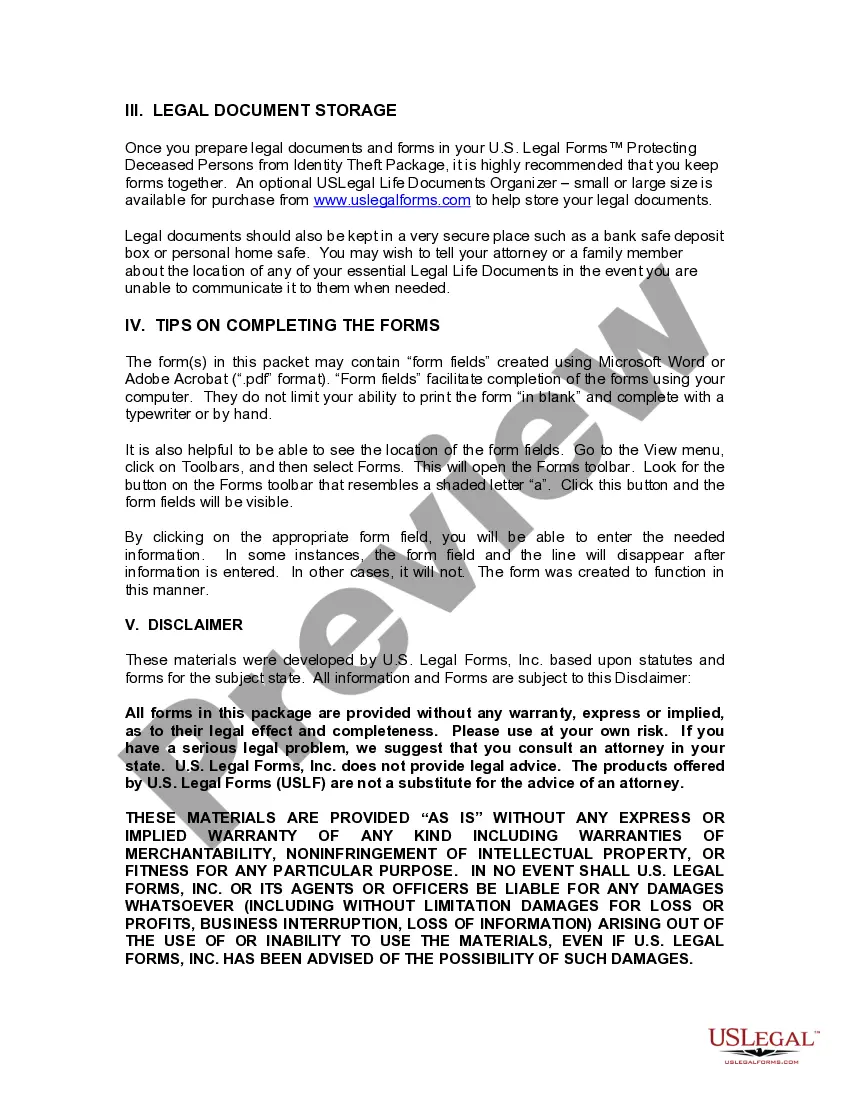
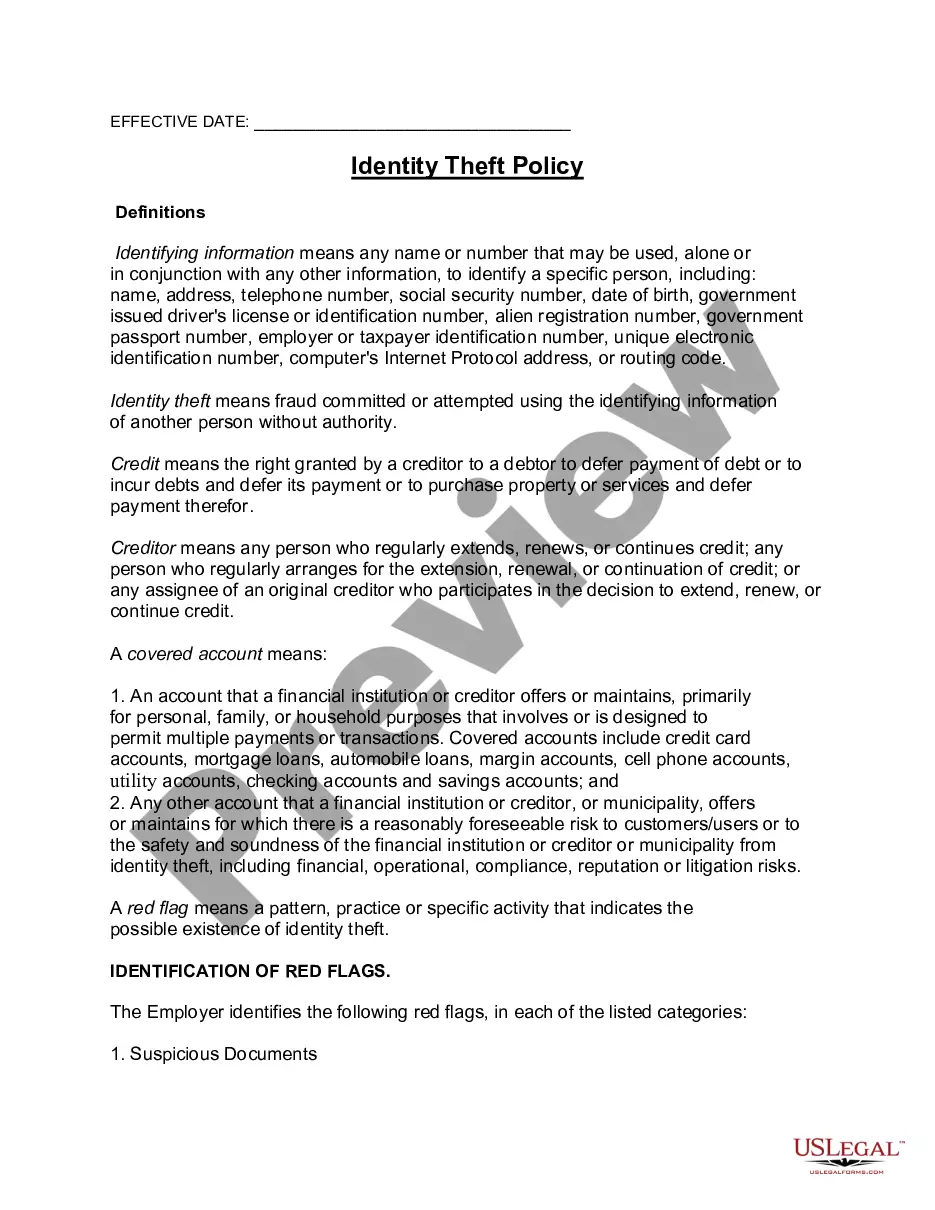
Get your form ready online
Our built-in tools help you complete, sign, share, and store your documents in one place.
Make edits, fill in missing information, and update formatting in US Legal Forms—just like you would in MS Word.
Download a copy, print it, send it by email, or mail it via USPS—whatever works best for your next step.
Sign and collect signatures with our SignNow integration. Send to multiple recipients, set reminders, and more. Go Premium to unlock E-Sign.
If this form requires notarization, complete it online through a secure video call—no need to meet a notary in person or wait for an appointment.
We protect your documents and personal data by following strict security and privacy standards.

Make edits, fill in missing information, and update formatting in US Legal Forms—just like you would in MS Word.

Download a copy, print it, send it by email, or mail it via USPS—whatever works best for your next step.

Sign and collect signatures with our SignNow integration. Send to multiple recipients, set reminders, and more. Go Premium to unlock E-Sign.

If this form requires notarization, complete it online through a secure video call—no need to meet a notary in person or wait for an appointment.

We protect your documents and personal data by following strict security and privacy standards.
Looking for another form?
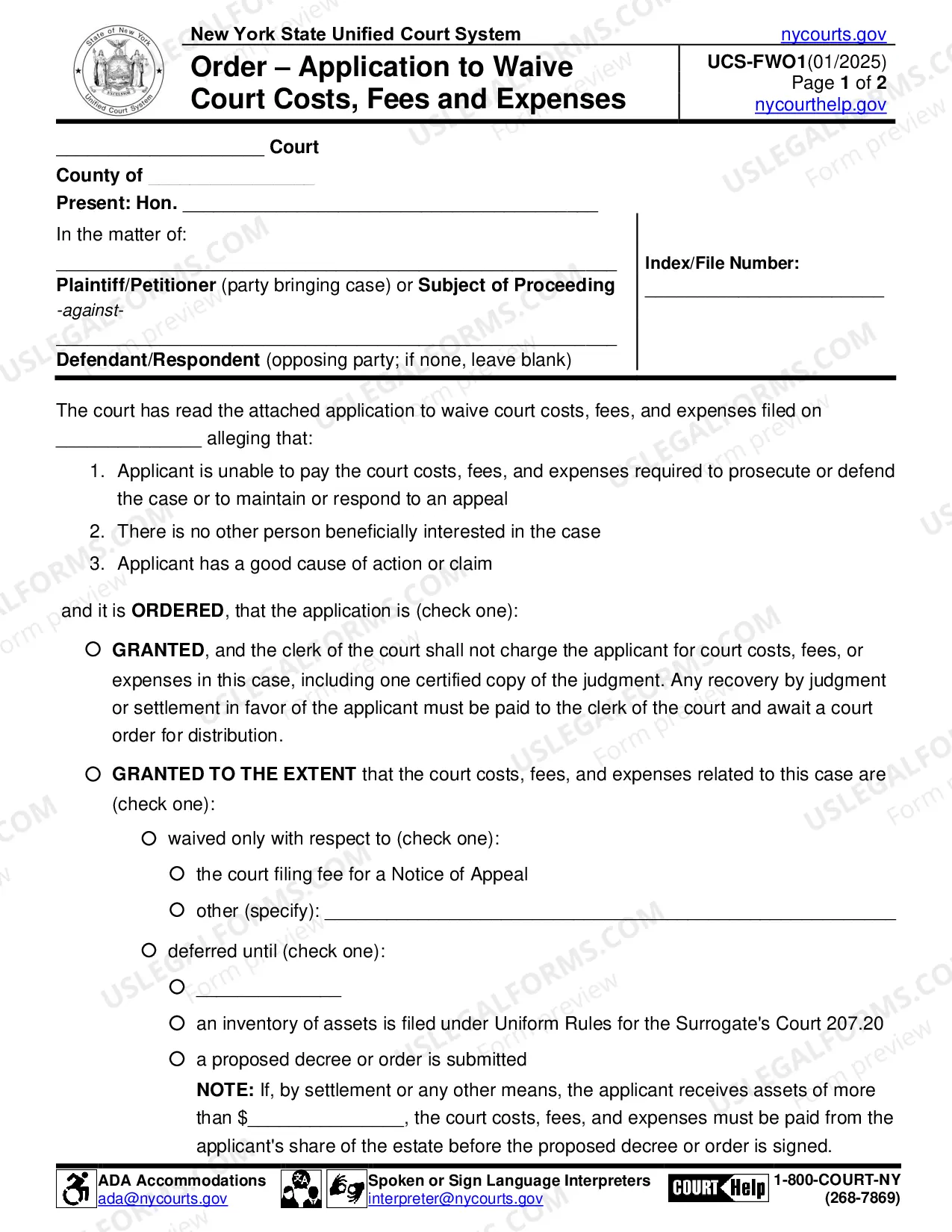
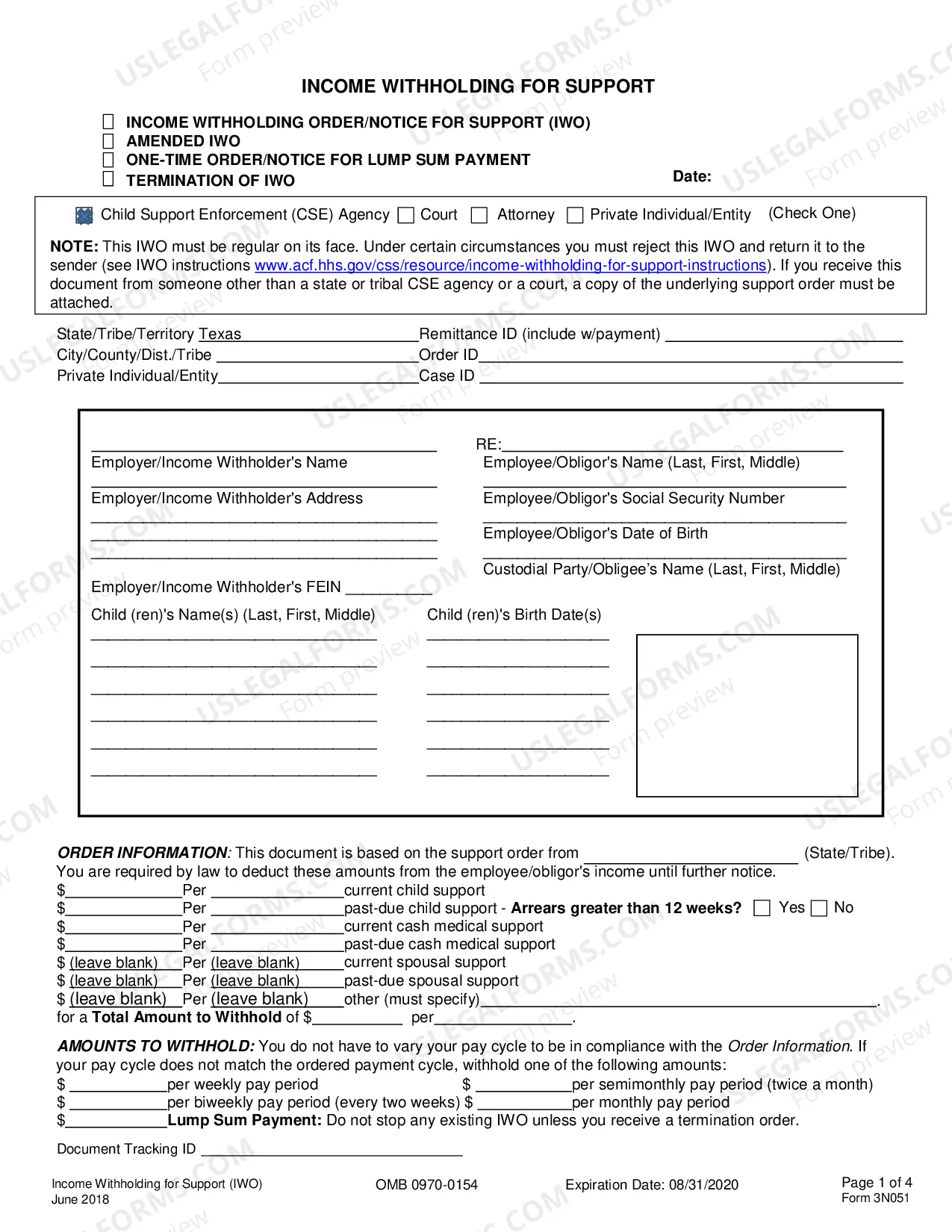

Form popularity
FAQ
In California, a final paycheck can be issued via direct deposit, provided this method was previously established. However, if the employee passed away, the payment must be directed to the appropriate beneficiary. It's essential to verify that the correct recipient receives the funds. Utilizing platforms like uslegalforms can streamline this process and ensure compliance with state laws.
A deceased person is someone who has passed away, and this status is essential for managing legal affairs and financial responsibilities. In the workplace, the term impacts how employers handle the final compensation due to the employee. Knowing how to navigate these issues in California is critical for employers and families alike. Consider using services like uslegalforms to facilitate these processes.
When someone refers to being deceased, they mean that a person has died. This term signifies the end of life and carries important implications for legal and financial matters. For a deceased employee, California law mandates adherence to specific requirements for settling their accounts. Employers should be prepared to follow these regulations for a smooth transition.
Yes, a California final paycheck can be direct deposited if the deceased employee had previously enrolled in this payment method. However, if no arrangement is in place, the employer must issue a physical check to the estate or beneficiaries. Employers should take care to verify the proper handling of these payments to ensure compliance with legal requirements.
In California, employers are required to issue a final paycheck promptly after an employee's death. The final payment must include all earned wages, overtime, and any accrued vacation time. Typically, the estate or legal representative of the deceased employee needs to be involved in collecting this payment.
In cases involving a deceased employee, a Record of Employment (ROE) must be prepared. This document reports their employment status and is necessary for their beneficiaries to access any applicable benefits. Therefore, ensuring timely completion of the ROE is crucial for the family to navigate the aftermath of the death effectively.
When an employee passes away, their final paycheck must still be processed. California law requires that employers provide any wages the deceased employee earned up to the date of death. If the employee set up direct deposit, these funds may be deposited into their account, but typically, a physical check is issued to the estate or beneficiaries.
