Legal Planning Estate For The Future
Description

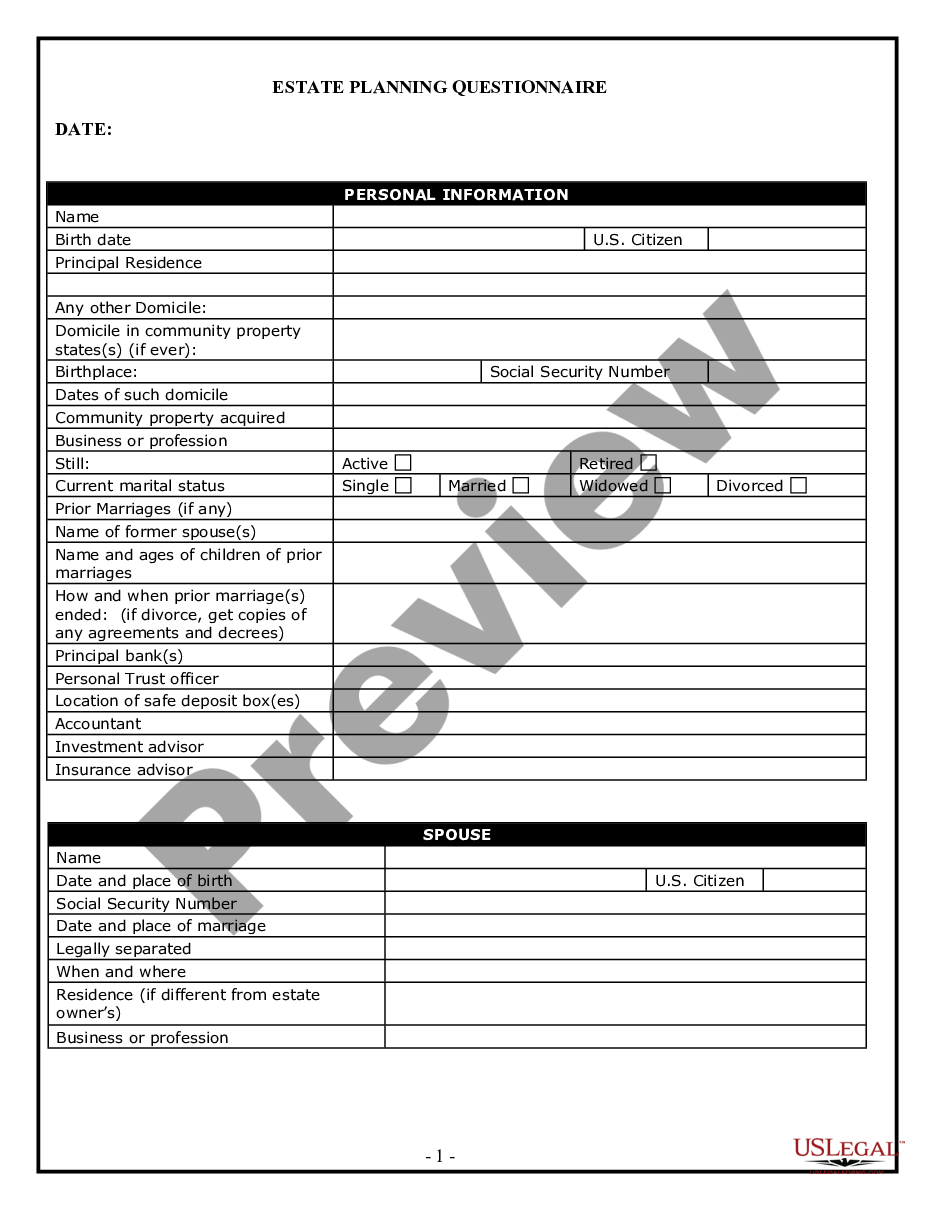
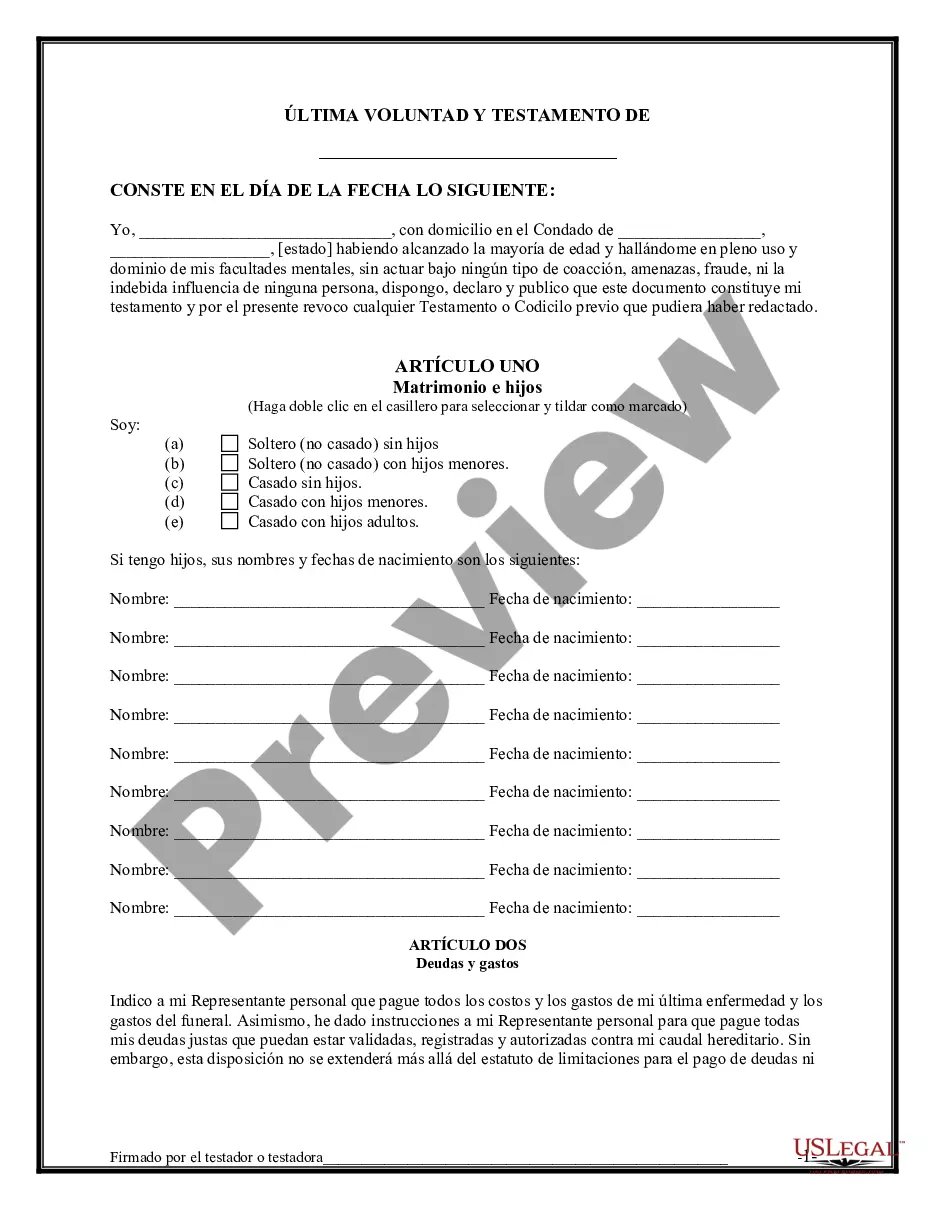
Get your form ready online
Our built-in tools help you complete, sign, share, and store your documents in one place.
Make edits, fill in missing information, and update formatting in US Legal Forms—just like you would in MS Word.
Download a copy, print it, send it by email, or mail it via USPS—whatever works best for your next step.
Sign and collect signatures with our SignNow integration. Send to multiple recipients, set reminders, and more. Go Premium to unlock E-Sign.
If this form requires notarization, complete it online through a secure video call—no need to meet a notary in person or wait for an appointment.
We protect your documents and personal data by following strict security and privacy standards.

Make edits, fill in missing information, and update formatting in US Legal Forms—just like you would in MS Word.

Download a copy, print it, send it by email, or mail it via USPS—whatever works best for your next step.

Sign and collect signatures with our SignNow integration. Send to multiple recipients, set reminders, and more. Go Premium to unlock E-Sign.

If this form requires notarization, complete it online through a secure video call—no need to meet a notary in person or wait for an appointment.

We protect your documents and personal data by following strict security and privacy standards.
Looking for another form?










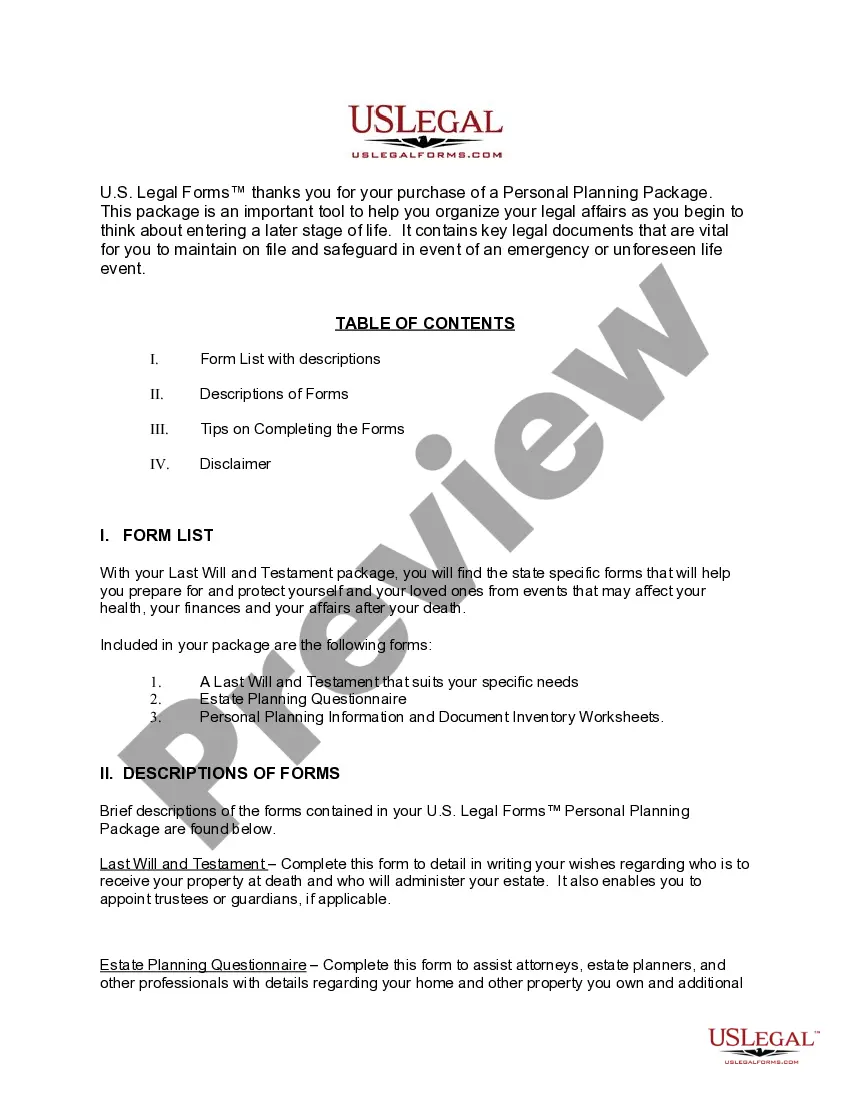
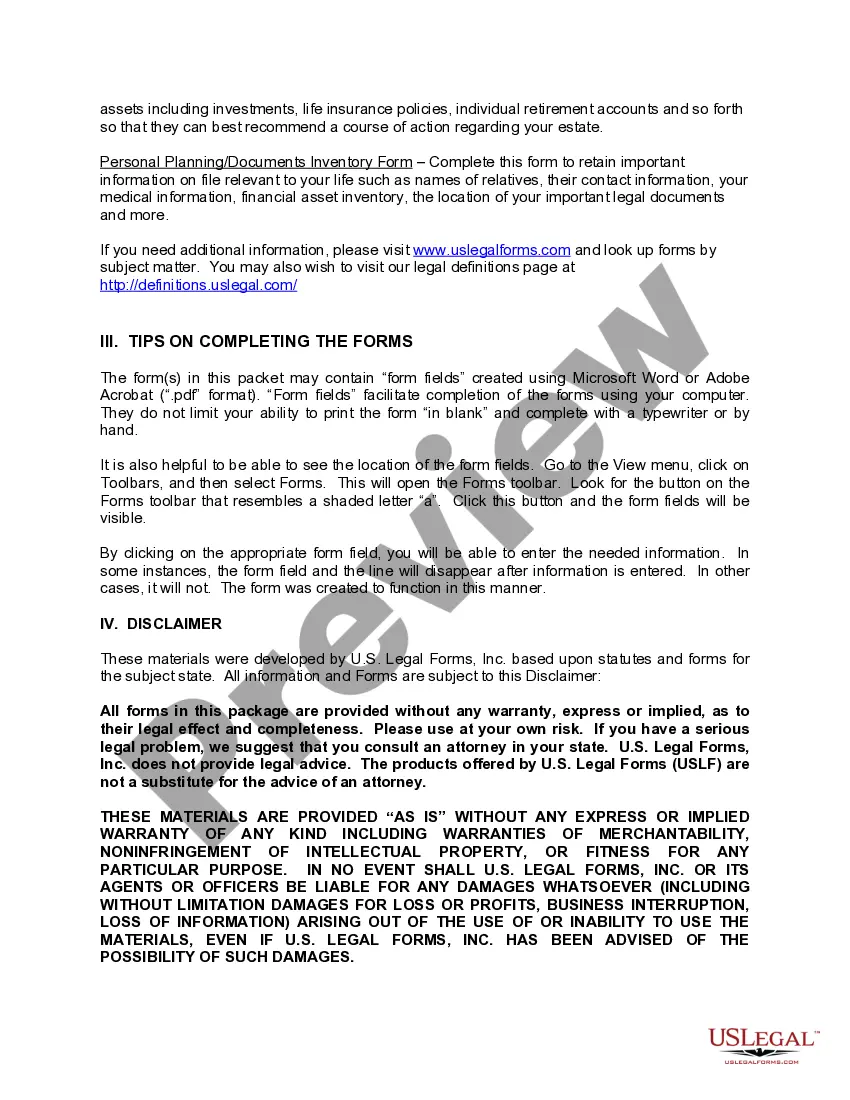
How to fill out California Last Will And Testament Package?
- If you're an existing user, log in to your account to access the library and download the required form directly to your device by clicking the Download button. Ensure your subscription is current; renew if necessary.
- For new users, start by checking the preview of the desired form along with its description. Confirm it aligns with your needs and meets local jurisdiction requirements.
- If you don’t find the form that suits you, use the Search tab at the top to explore relevant templates that meet your criteria.
- Once you've identified the right document, click on the Buy Now button and select a subscription plan. You'll need to create an account to access the extensive library of forms.
- Finalize your purchase by entering your credit card information or opting to use your PayPal account for payment.
- After your payment is processed, download your form to your device. You can also access it later through the My Forms section of your account.
In conclusion, utilizing US Legal Forms makes the typically daunting task of legal document preparation much simpler, offering a robust collection of over 85,000 forms. With the added support of premium experts, you can ensure your legal planning for the estate is not only comprehensive but also accurate.
Start your journey towards effective legal planning estate for the future today!
Form popularity
FAQ
The estate planning process involves several key steps that simplify legal planning estate for the future. Start by determining what assets you own and their value. Next, choose your beneficiaries and prepare to allocate your assets accordingly. It’s crucial to select a trustworthy executor, draft essential legal documents like wills and trusts, and think about tax implications. Make sure to review your plan periodically to adapt to any changes in your circumstances.
The planning process consists of several important steps that can help you with legal planning estate for the future. First, assess your current financial situation and gather your documents. Next, identify your goals and what you want to achieve with your legal plan. Then, explore the various legal options available to you, consult with a legal expert, and draft a formal plan. Finally, review your plan regularly to ensure it remains aligned with any changes in your life.
The 5 and 5 rule in estate planning refers to the same concept as the 5 or 5 rule, emphasizing the withdrawal rights of beneficiaries in a trust. Beneficiaries can withdraw up to $5,000 or 5% of the trust's total value, promoting liquidity while maintaining favorable tax treatment. Understanding this rule is essential for effective financial management in your estate plans. Utilizing platforms like US Legal Forms can streamline this process, ensuring complete compliance and clarity in your legal planning estate for the future.
The estate planning process typically involves seven key steps that ensure you are prepared for the future. First, assess your current financial situation, including assets and debts. Next, determine your goals for your estate and select the right tools, such as wills or trusts. Then, choose an executor, properly document your wishes, review the plan regularly, and finally, communicate your plan with your family. This comprehensive approach to legal planning estate for the future can lead to peace of mind.
The 5 or 5 rule in estate planning is an important concept related to gift tax exclusions and grantor trusts. Essentially, it allows a beneficiary to withdraw up to 5% of the trust's value each year, or $5,000, whichever is greater, without triggering gift tax implications. This flexibility is beneficial for making adjustments to the trust as financial situations change. Understanding this rule helps in effective legal planning estate for the future.
One of the biggest mistakes parents make in legal planning estate for the future is failing to communicate their intentions clearly with their children. Without proper discussion, beneficiaries may not understand the purpose of the trust or how it works, leading to confusion and potential conflict later. Moreover, overlooking the funding of the trust can prevent it from fulfilling its intended purpose. Ensuring clarity and proper funding will help achieve long-term family harmony.
The 5 by 5 rule is often used in the context of estate planning to describe a specific provision related to trust distribution. It permits a beneficiary to access up to $5,000 or 5% of the trust's value each year, offering a structured way to manage distributions. This rule is critical when considering legal planning estate for the future since it balances beneficiary access with long-term trust goals. For tailored assistance, US Legal Forms can provide the necessary documents to implement this effectively.
The 5 by 5 rule in estate planning refers to a provision in trusts, allowing beneficiaries to withdraw an amount up to $5,000 or 5% of the trust's value each year. This rule aids in effective legal planning estate for the future by providing financial flexibility to beneficiaries while maintaining the trust's overall purpose. Understanding this rule can help you make informed decisions during your estate planning process. Consider using platforms like US Legal Forms to create a trust tailored to your needs.
The 5 D's of estate planning include Death, Disability, Divorce, Disagreement, and Destination. Each 'D' addresses a critical event that can affect your estate and highlights the significance of being prepared. By incorporating these factors into your legal planning estate for the future, you can create a more robust and resilient estate strategy.
The primary purpose of an estate plan is to provide a clear roadmap for how your assets will be managed and distributed after your death. Additionally, it helps to minimize taxes and legal disputes among heirs. Effective legal planning estate for the future ensures that your wishes are respected and your loved ones are cared for.