California Probate Code Section 16062 And 16063
Description
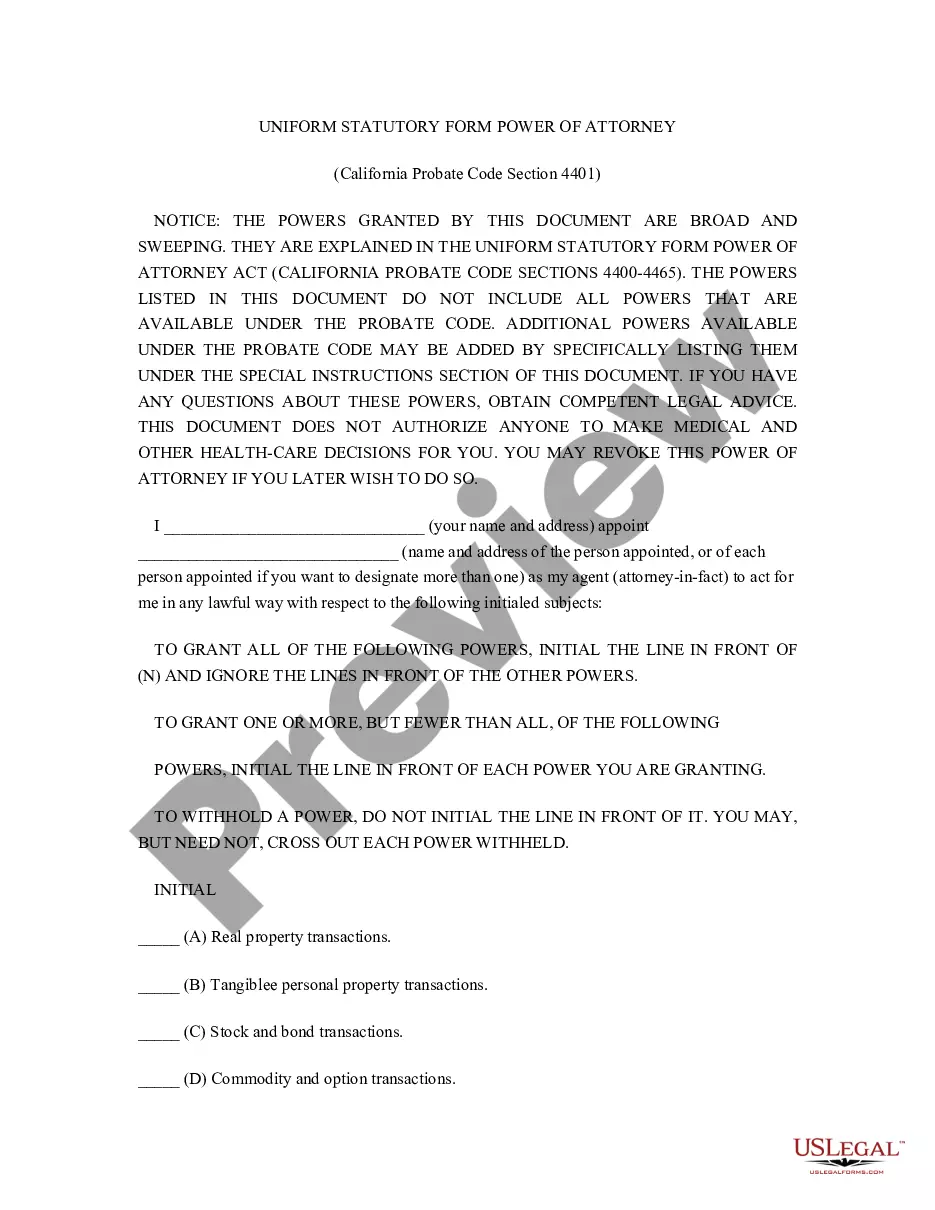
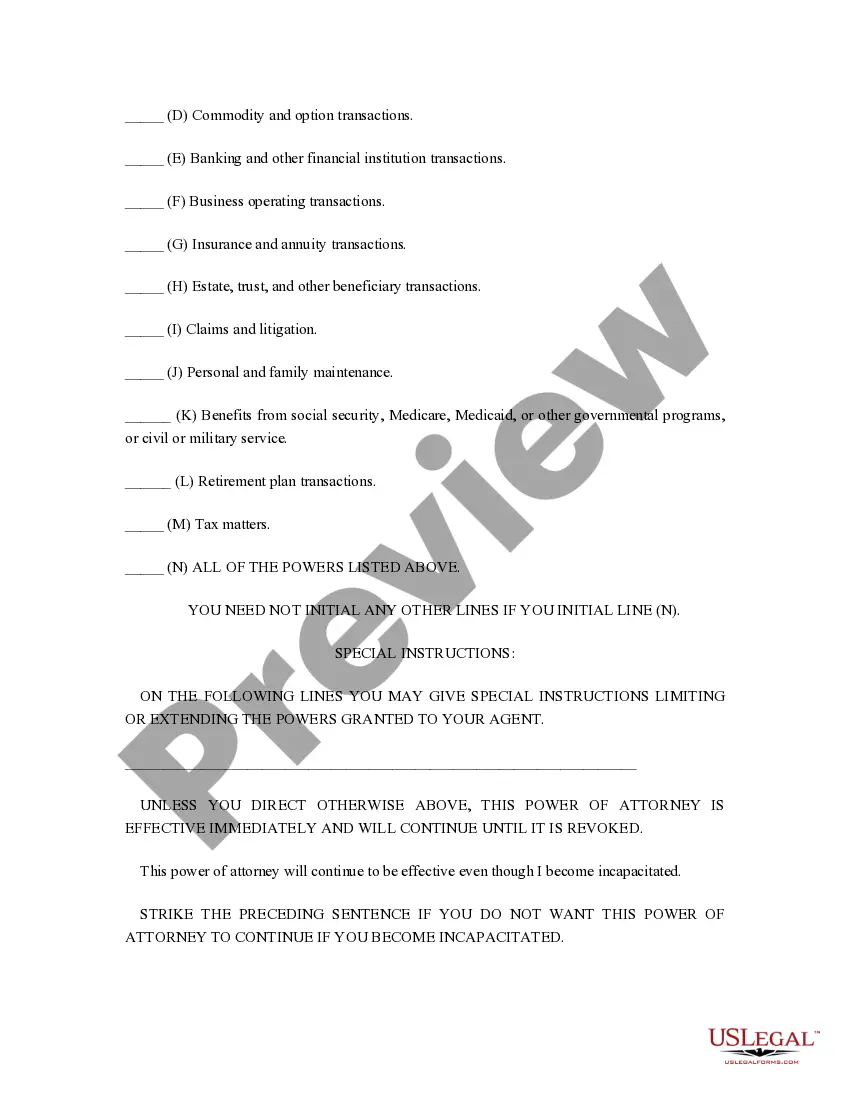
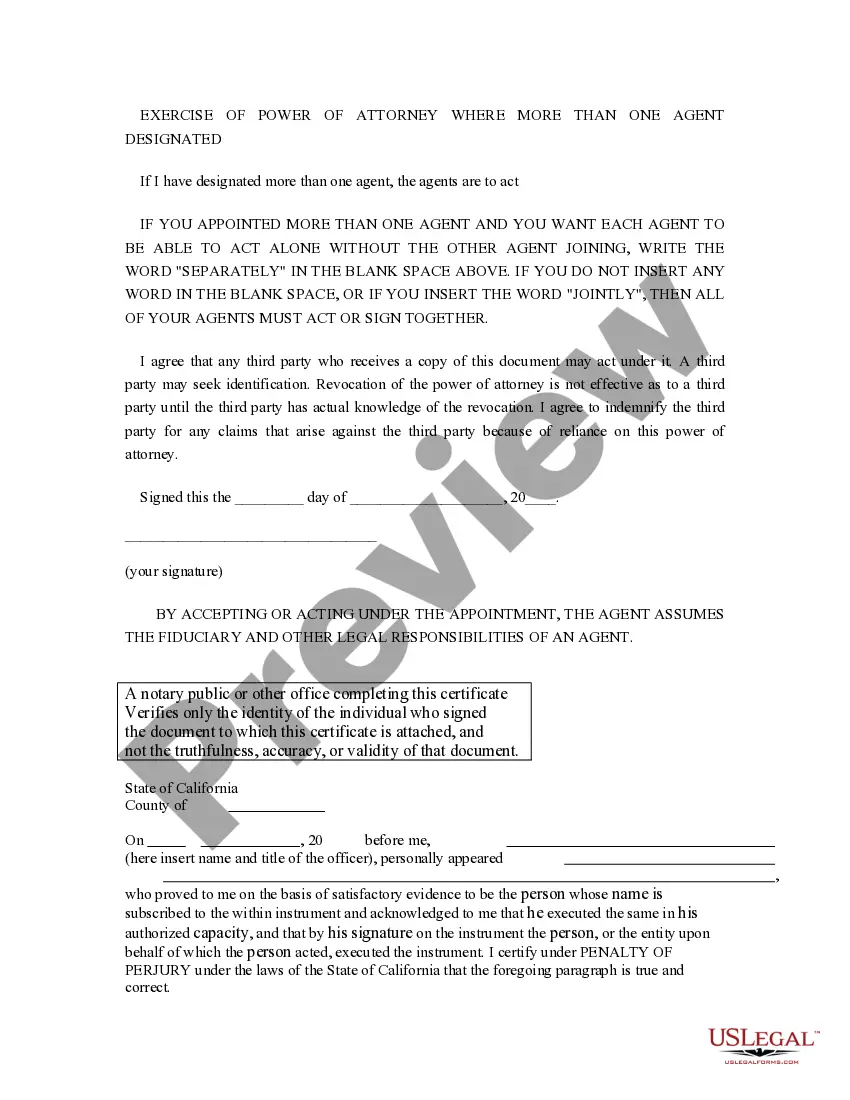


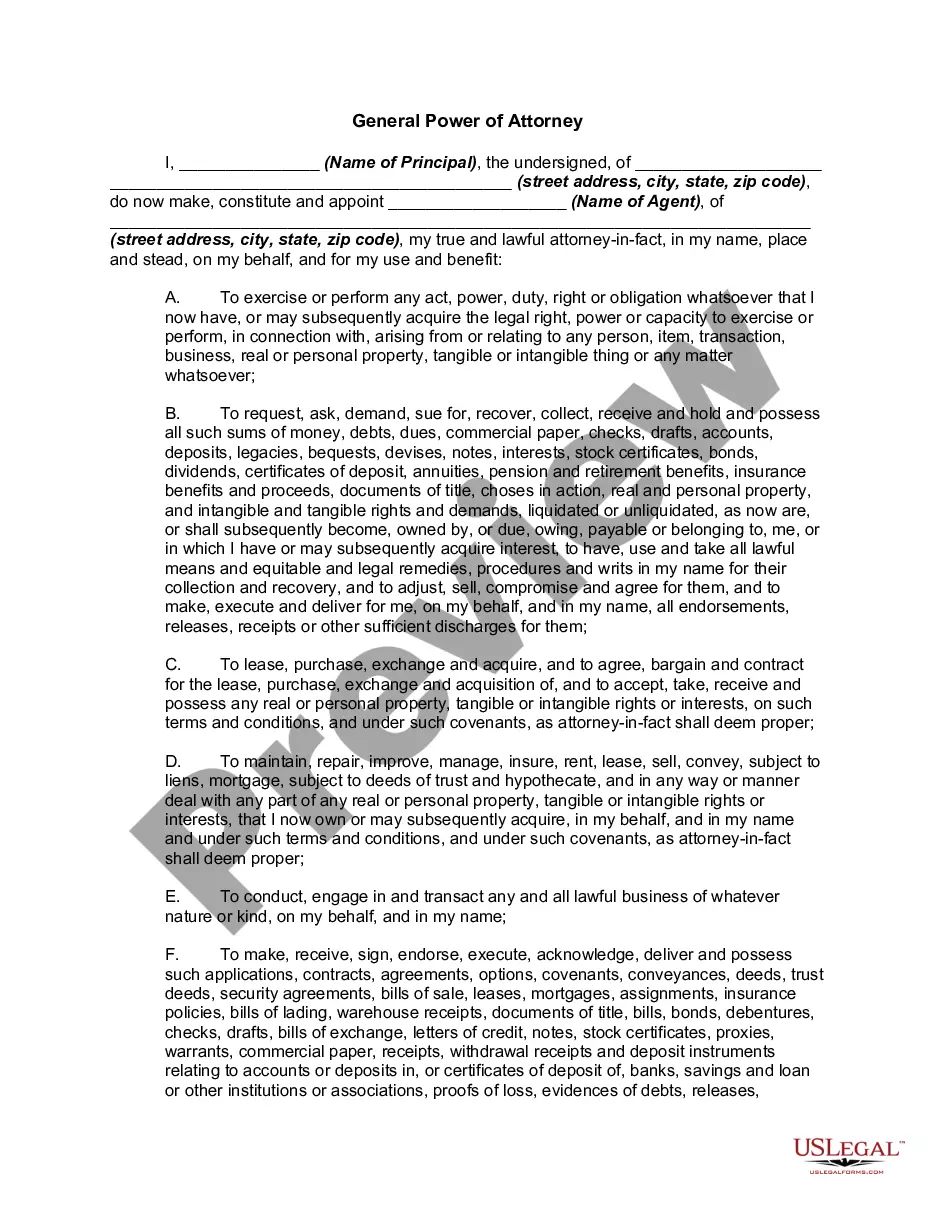
Get your form ready online
Our built-in tools help you complete, sign, share, and store your documents in one place.
Make edits, fill in missing information, and update formatting in US Legal Forms—just like you would in MS Word.
Download a copy, print it, send it by email, or mail it via USPS—whatever works best for your next step.
Sign and collect signatures with our SignNow integration. Send to multiple recipients, set reminders, and more. Go Premium to unlock E-Sign.
If this form requires notarization, complete it online through a secure video call—no need to meet a notary in person or wait for an appointment.
We protect your documents and personal data by following strict security and privacy standards.

Make edits, fill in missing information, and update formatting in US Legal Forms—just like you would in MS Word.

Download a copy, print it, send it by email, or mail it via USPS—whatever works best for your next step.

Sign and collect signatures with our SignNow integration. Send to multiple recipients, set reminders, and more. Go Premium to unlock E-Sign.

If this form requires notarization, complete it online through a secure video call—no need to meet a notary in person or wait for an appointment.

We protect your documents and personal data by following strict security and privacy standards.
Looking for another form?

How to fill out California Uniform Statutory Power Of Attorney - Property - Finances - Section 4401?
Identifying a reliable source for obtaining the most up-to-date and pertinent legal samples is a significant part of dealing with bureaucracy. Selecting the appropriate legal documents requires accuracy and careful consideration, which is why it is essential to gather samples of California Probate Code Section 16062 and 16063 exclusively from reputable sources, such as US Legal Forms. An incorrect template will squander your time and delay the issue you are facing. With US Legal Forms, you have minimal concerns. You can access and examine all the information regarding the document’s applicability and significance for your situation and within your state or county.
Follow these steps to complete your California Probate Code Section 16062 and 16063: Make use of the directory navigation or search bar to find your template. Review the form’s description to determine if it meets the requirements of your state and county. Preview the form, if available, to ensure the template is indeed the one you are looking for. Return to the search and look for the appropriate document if California Probate Code Section 16062 and 16063 does not satisfy your needs. If you are confident about the form’s relevance, download it. When you are a registered user, click Log in to verify and gain access to your chosen templates in My documents. If you do not have an account, click Buy now to purchase the template. Choose the pricing plan that aligns with your preferences. Continue to the registration to complete your purchase. Conclude your purchase by selecting a payment method (credit card or PayPal). Choose the file format for downloading California Probate Code Section 16062 and 16063. Once you have the form on your device, you may modify it using the editor or print it and fill it out manually.
Eliminate the stress related to your legal paperwork. Explore the comprehensive US Legal Forms catalog to discover legal samples, assess their applicability to your circumstances, and download them instantly.
- Identify a reliable source for current legal samples.
- Select appropriate legal documents with accuracy.
- Gather samples from trustworthy sources like US Legal Forms.
- Avoid using incorrect templates to save time.
- Access and examine document details for relevance.
- Use directory navigation or search bar to find templates.
- Review form descriptions for state and county compliance.
- Preview forms to confirm they meet your needs.
- Return to search for appropriate documents if needed.
- Download forms if confident in their relevance.
- Log in to access templates if you are a registered user.
- Purchase templates if you do not have an account.
Form popularity
FAQ
To file simplified probate in California, you must meet specific criteria set forth in the probate code, including the estate's value and the nature of the assets. California probate code section 16062 and 16063 can guide you through understanding the necessary steps and paperwork involved in this process. For a smooth experience, consider utilizing the resources available on the US Legal Forms platform, which provides forms and instructions for filing simplified probate.
Yes, under California probate code section 16062 and 16063, a trustee is obligated to provide beneficiaries with an accounting of the trust's financial activities. This requirement helps maintain trust and communication between the trustee and beneficiaries. If you are unsure how to request this information, US Legal Forms offers templates and guidance to assist you in obtaining the necessary documents.
California probate code section 16062 and 16063 outline important regulations regarding the duties of trustees in managing a trust. These sections specify the requirement for trustees to inform beneficiaries about the trust and its administration, ensuring transparency. Understanding these sections can help you navigate your rights as a beneficiary or a trustee. For detailed information, consider exploring resources on the US Legal Forms platform.
Trustee duties in California include acting in the best interest of beneficiaries and the trust. A conflict of interest occurs when a trustee's interests, including relationships or debts with other people or entities, influence their decision-making.
Final accounting objections in California probate court Beneficiaries have up to three years to file an objection or a challenge to a trustee's accounting. If an objection is filed, you as the trustee need to prove that the information you've provided in your accounting is accurate.
Cal Prob Code § 16063. A statement of the assets and liabilities of the trust as of the end of the last complete fiscal year of the trust or as of the end of the period covered by the account. The trustee's compensation for the last complete fiscal year of the trust or since the last account.
Duty of Disclosure of Information It is the law that Trustees should keep beneficiaries reasonably informed of the status of the trust administration, the assets, income and expenses of the trust, and all important decisions pertaining to the trust management and distribution.
Trustees have a legal duty to keep the beneficiaries of a trust informed about how the trust assets are being managed. If the beneficiaries don't have good, current information, they can't protect their rights. This responsibility lasts as long as you're serving as trustee.