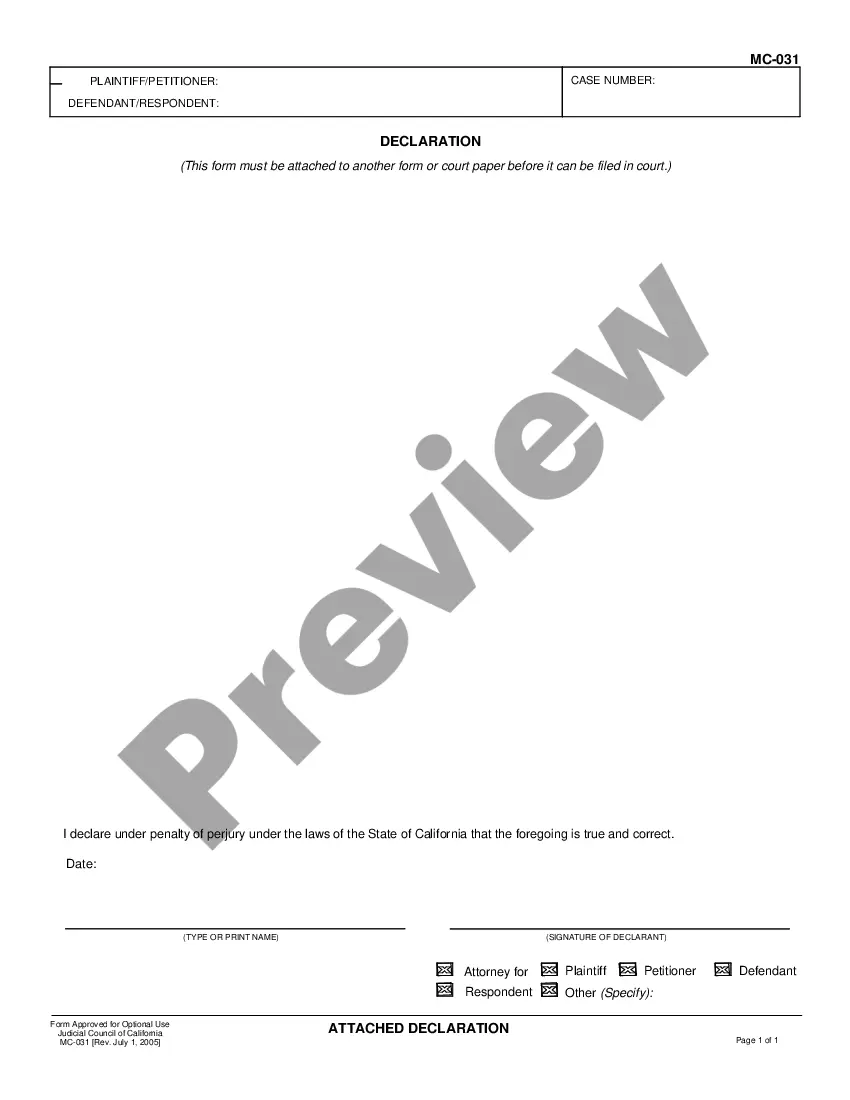
Difference Between Mc 030 And Mc 031 With Example
Description

Get your form ready online
Our built-in tools help you complete, sign, share, and store your documents in one place.
Make edits, fill in missing information, and update formatting in US Legal Forms—just like you would in MS Word.
Download a copy, print it, send it by email, or mail it via USPS—whatever works best for your next step.
Sign and collect signatures with our SignNow integration. Send to multiple recipients, set reminders, and more. Go Premium to unlock E-Sign.
If this form requires notarization, complete it online through a secure video call—no need to meet a notary in person or wait for an appointment.
We protect your documents and personal data by following strict security and privacy standards.

Make edits, fill in missing information, and update formatting in US Legal Forms—just like you would in MS Word.

Download a copy, print it, send it by email, or mail it via USPS—whatever works best for your next step.

Sign and collect signatures with our SignNow integration. Send to multiple recipients, set reminders, and more. Go Premium to unlock E-Sign.

If this form requires notarization, complete it online through a secure video call—no need to meet a notary in person or wait for an appointment.

We protect your documents and personal data by following strict security and privacy standards.
Looking for another form?
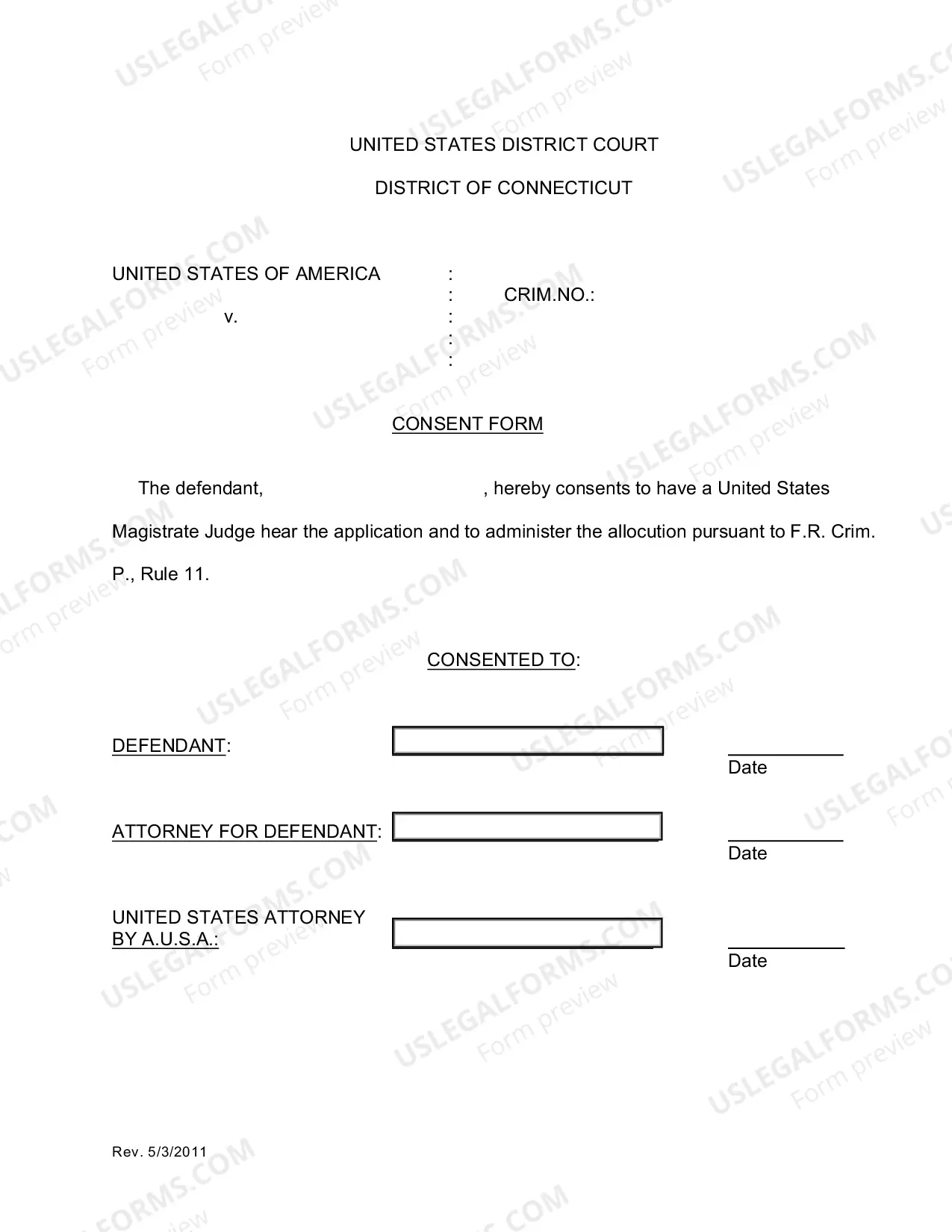
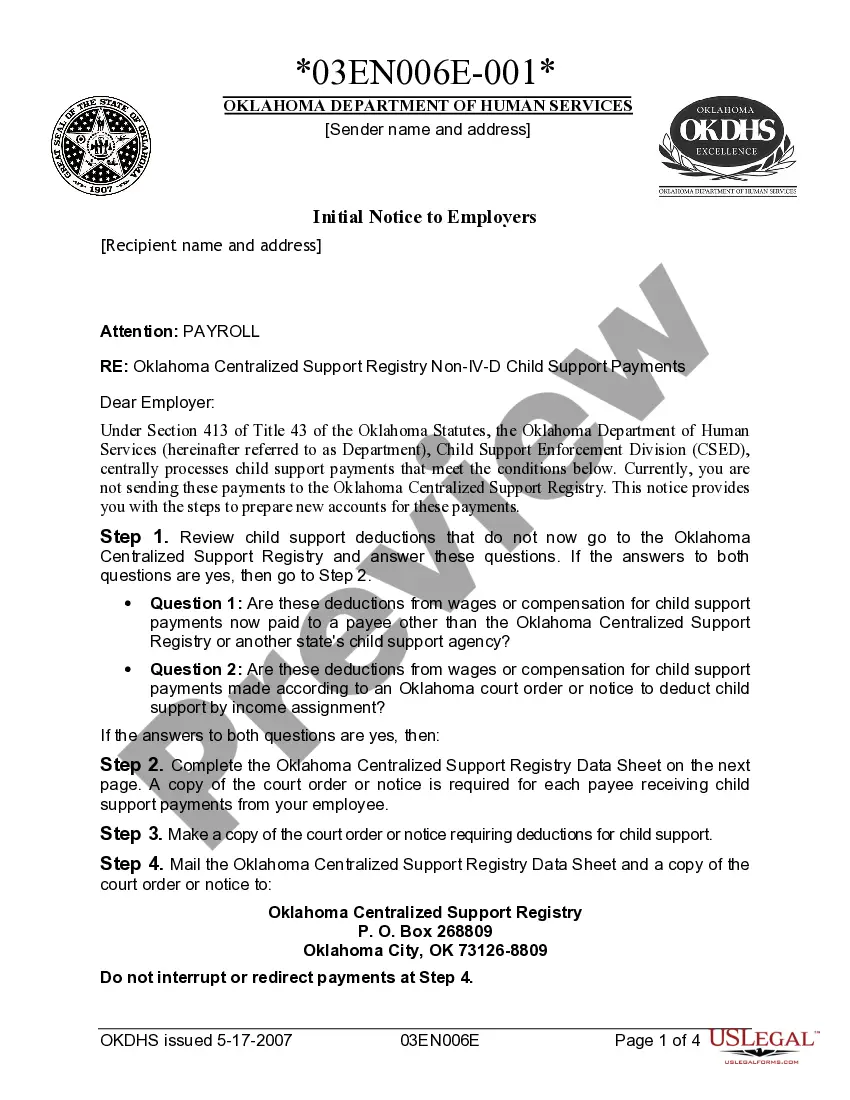
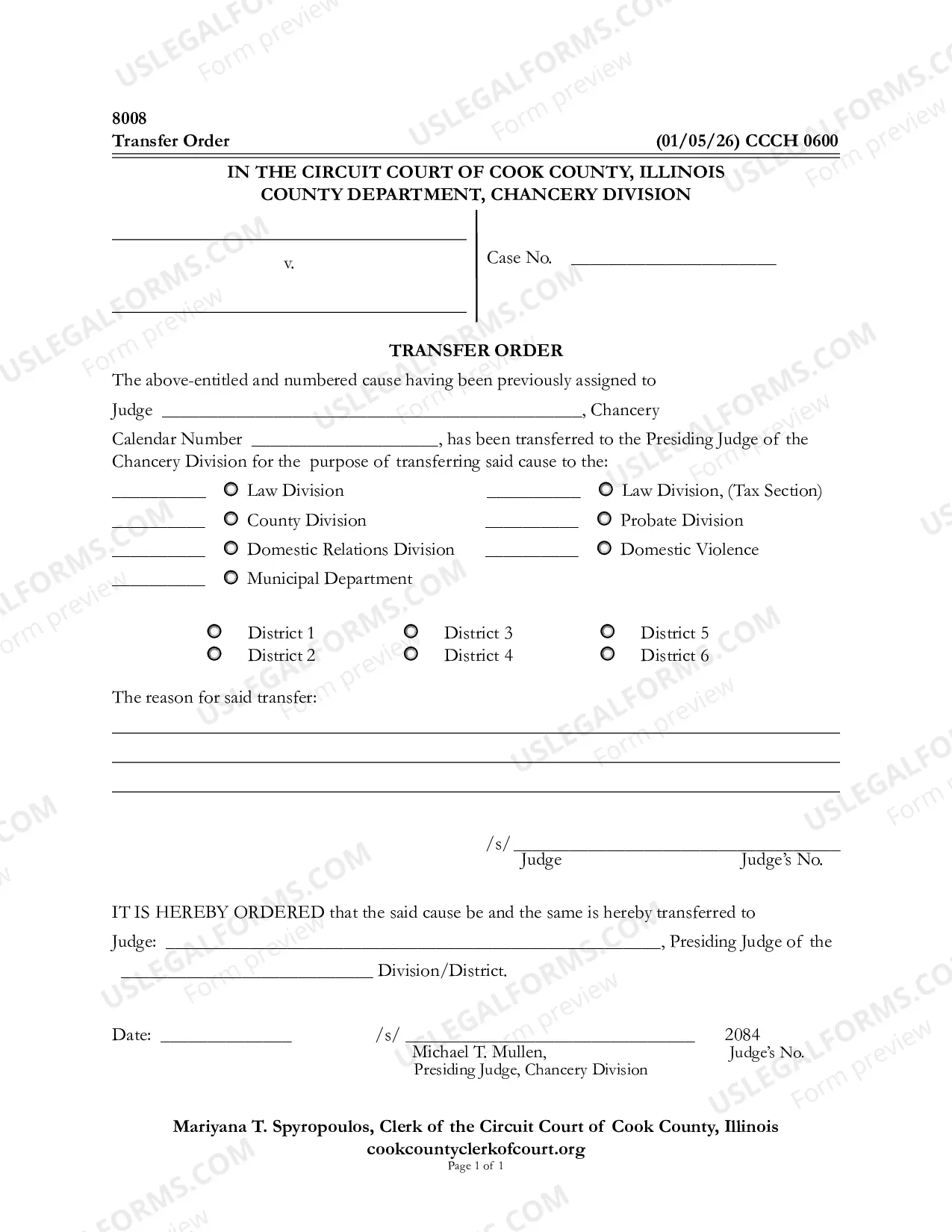
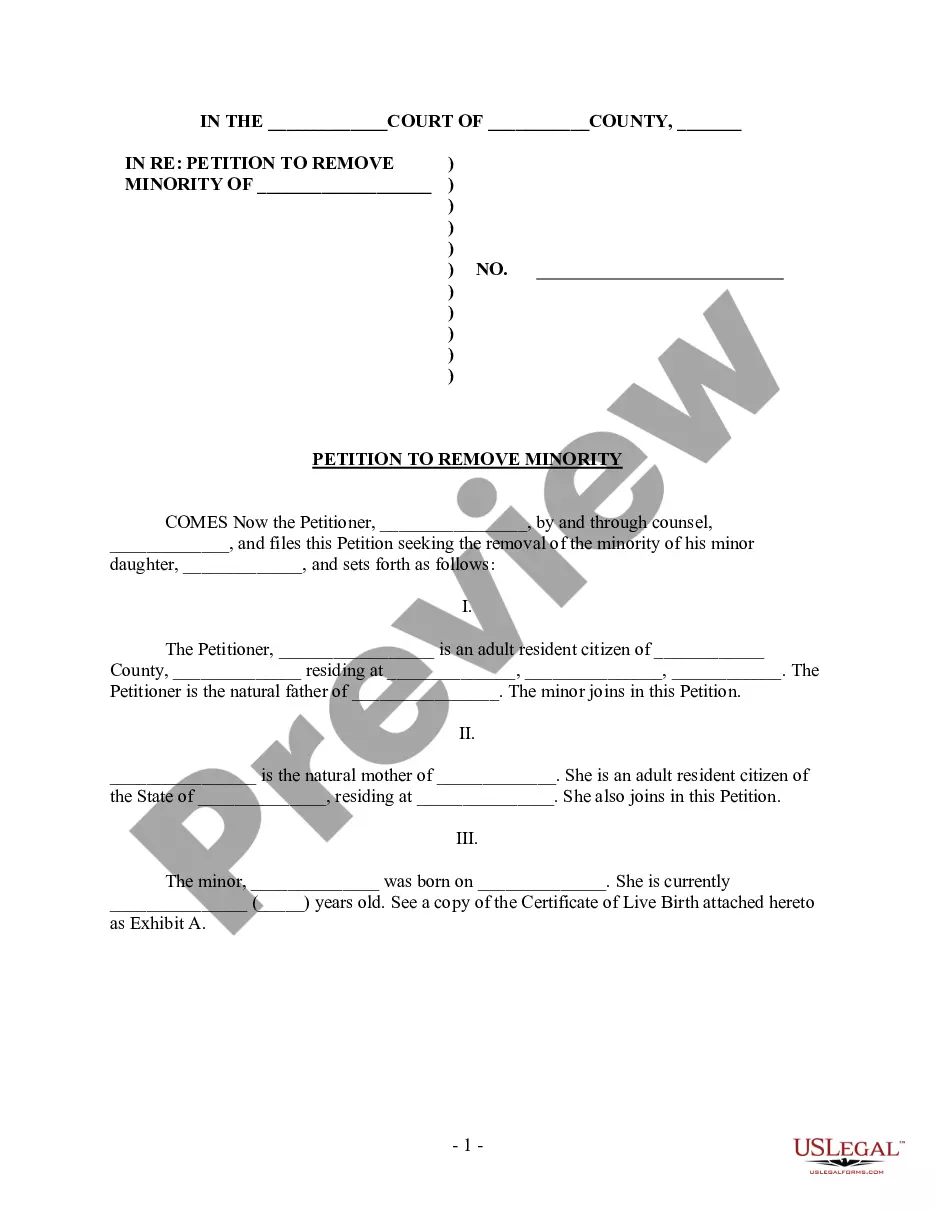
How to fill out California Attached Declaration - Reverse Of Form MC-030?
Handling legal documentation can be daunting, even for the most adept experts.
When searching for the Difference Between Mc 030 And Mc 031 With Example and not having the opportunity to seek out the accurate and current version, the processes can become stressful.
If you possess a subscription, Log In to your US Legal Forms account, look for the form, and download it.
Explore the My documents tab to see the documents you've previously downloaded and to organize your files as needed.
Experience the US Legal Forms online library, supported by 25 years of knowledge and dependability. Transform your everyday document management into a seamless and intuitive experience today.
- Ensure this is the correct form by reviewing it and reading its details.
- Confirm that the example is sanctioned in your state or county.
- Select Buy Now when you are prepared.
- Choose a subscription package.
- Select the format you require, and Download, complete, eSign, print, and send your documents.
- Utilize advanced features to complete and oversee your Difference Between Mc 030 And Mc 031 With Example.
- Tap into a helpful repository of articles, guides, and resources pertinent to your circumstances and needs.
- Save time and effort in your search for the required documents, and use US Legal Forms’ sophisticated search and Preview tool to obtain Difference Between Mc 030 And Mc 031 With Example and download it.
Form popularity
FAQ
In order to be recorded in North Carolina, a warranty deed must be signed and properly acknowledged by the grantor before an officer authorized by the state to take acknowledgments of deeds. An individual form for acknowledgment by a grantor is presented in 47 38 of the North Carolina Statutes.
A General Warranty Deed is a deed in which the party conveying the property (the ?Grantor?) warrants and guarantees to the party receiving the conveyance (the ?Grantee?) that the title to the property he is conveying is good and unencumbered as against all persons.
A Nebraska quitclaim deed form is a type of deed that transfers the signer's rights to real estate with no promises about the transferred interest. In other words, the new owner receives whatever ownership interest the current owner can lawfully transfer, but a quitclaim deed provides no warranty of title.
A general warranty deed must include the following to be valid: The name and address of the seller (called the grantor) The name and address of the buyer (called the grantee) A legal description of the property (found on the previous deed) A statement that the grantor is transferring the property to the grantee.
A Nebraska transfer-on-death deed?or TOD deed?transfers real estate from the current owner to one or more named beneficiaries effective at the owner's death. A Nebraska property owner signs and records a TOD deed during life, but the deed does not affect rights in the property until the owner dies.
A general warranty deed must include the following to be valid: The name and address of the seller (called the grantor) The name and address of the buyer (called the grantee) A legal description of the property (found on the previous deed) A statement that the grantor is transferring the property to the grantee.
Deeds are required to have the name of the grantor, the name and address of the grantee, the name of the preparer and an acknowledgment by a notary. Once the deed is properly drafted and signed, it must be recorded with the register of deeds in the county in which the property is located.
Warranty Deed: A warranty deed is the legal instrument that transfers title (ownership) or an interest in real property to another person. Survivorship Warranty Deed: A survivorship warranty deed is the legal instrument that creates a joint tenancy between two or more grantees.