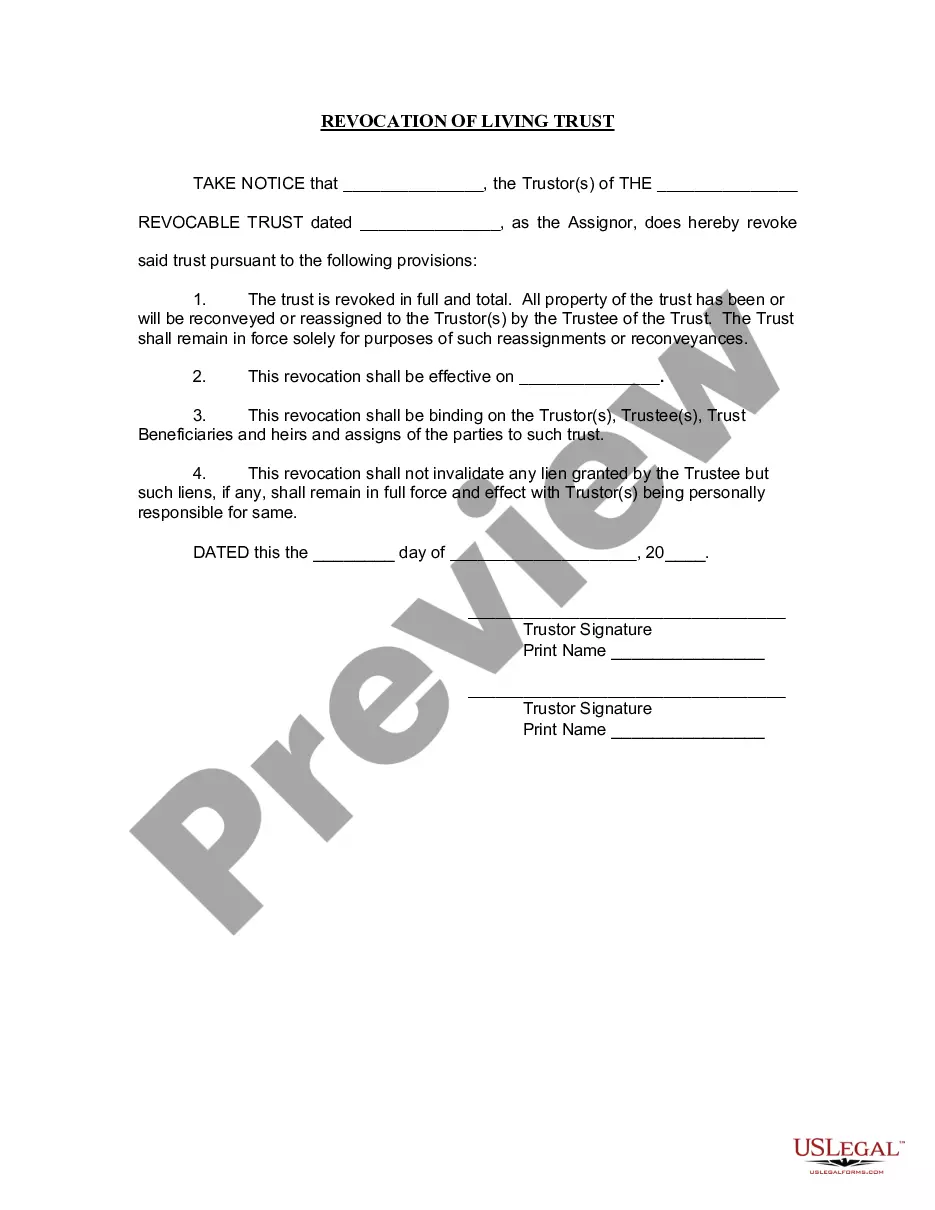
Trust Revocation Declaration Without A Prototype
Description
Get your form ready online
Our built-in tools help you complete, sign, share, and store your documents in one place.
Make edits, fill in missing information, and update formatting in US Legal Forms—just like you would in MS Word.
Download a copy, print it, send it by email, or mail it via USPS—whatever works best for your next step.
Sign and collect signatures with our SignNow integration. Send to multiple recipients, set reminders, and more. Go Premium to unlock E-Sign.
If this form requires notarization, complete it online through a secure video call—no need to meet a notary in person or wait for an appointment.
We protect your documents and personal data by following strict security and privacy standards.

Make edits, fill in missing information, and update formatting in US Legal Forms—just like you would in MS Word.

Download a copy, print it, send it by email, or mail it via USPS—whatever works best for your next step.

Sign and collect signatures with our SignNow integration. Send to multiple recipients, set reminders, and more. Go Premium to unlock E-Sign.

If this form requires notarization, complete it online through a secure video call—no need to meet a notary in person or wait for an appointment.

We protect your documents and personal data by following strict security and privacy standards.
Looking for another form?
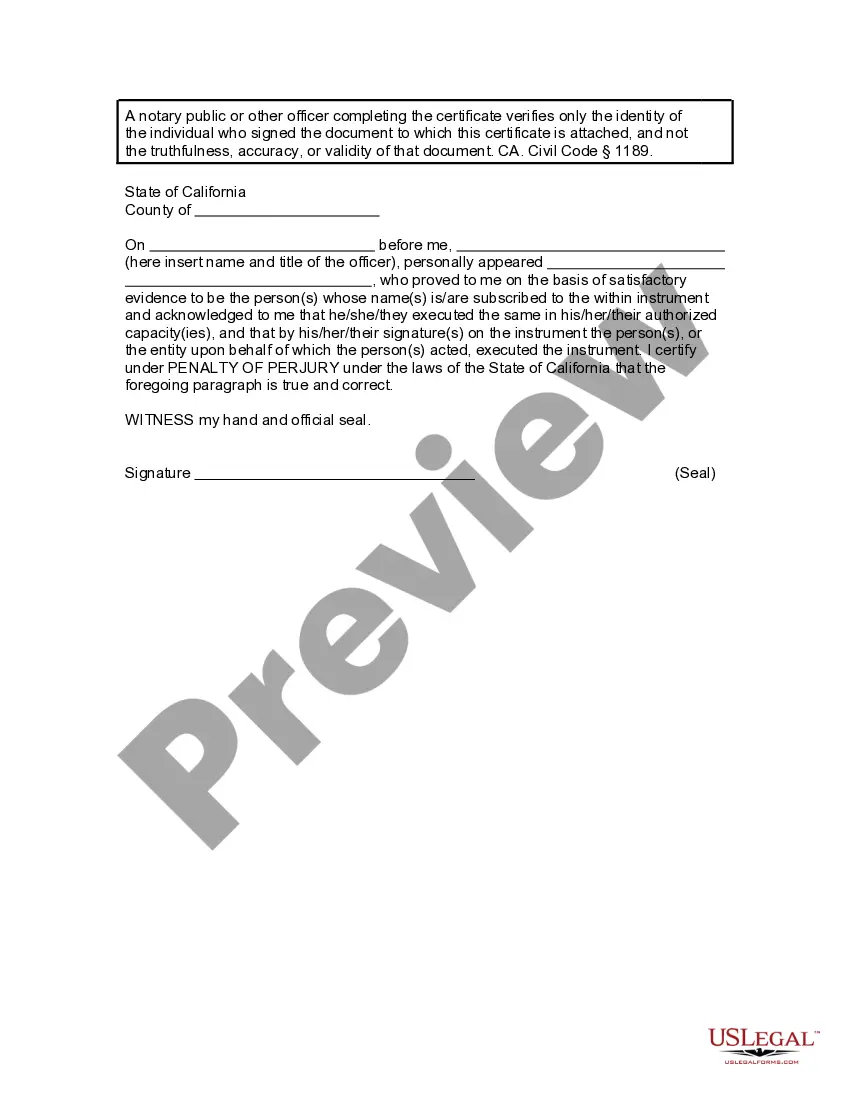
How to fill out California Revocation Of Living Trust?
Locating a reliable resource to obtain the most updated and suitable legal forms is a significant part of dealing with bureaucracy.
Identifying the correct legal documents requires precision and care, which is why it is crucial to obtain examples of Trust Revocation Declaration Without A Prototype solely from credible sources, like US Legal Forms. An incorrect form will squander your time and delay your situation.
Eliminate the stress involved with your legal paperwork. Browse the extensive US Legal Forms database to locate legal templates, assess their suitability for your situation, and download them immediately.
- Utilize the catalog navigation or search bar to locate your sample.
- Review the form’s information to verify its compatibility with your state's and area's regulations.
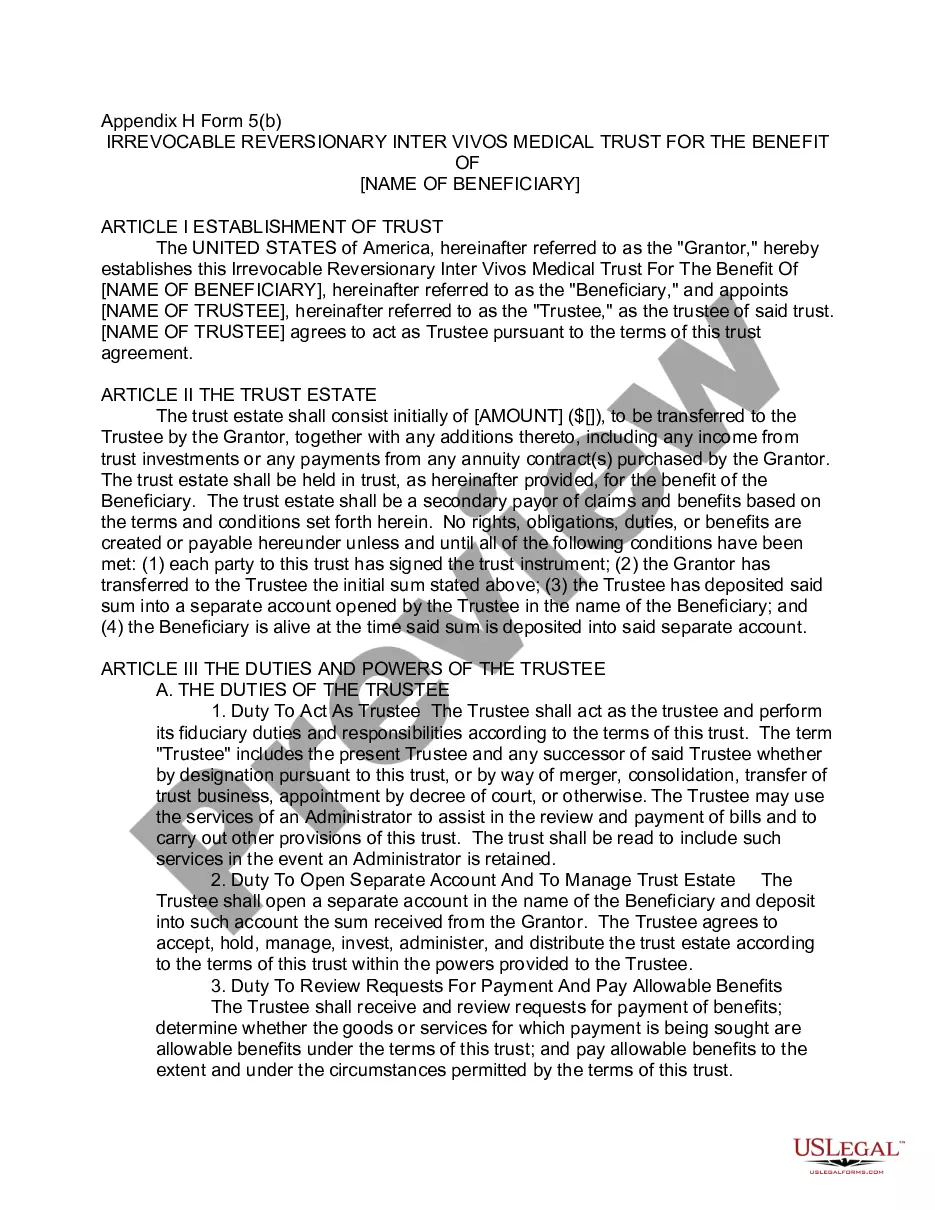
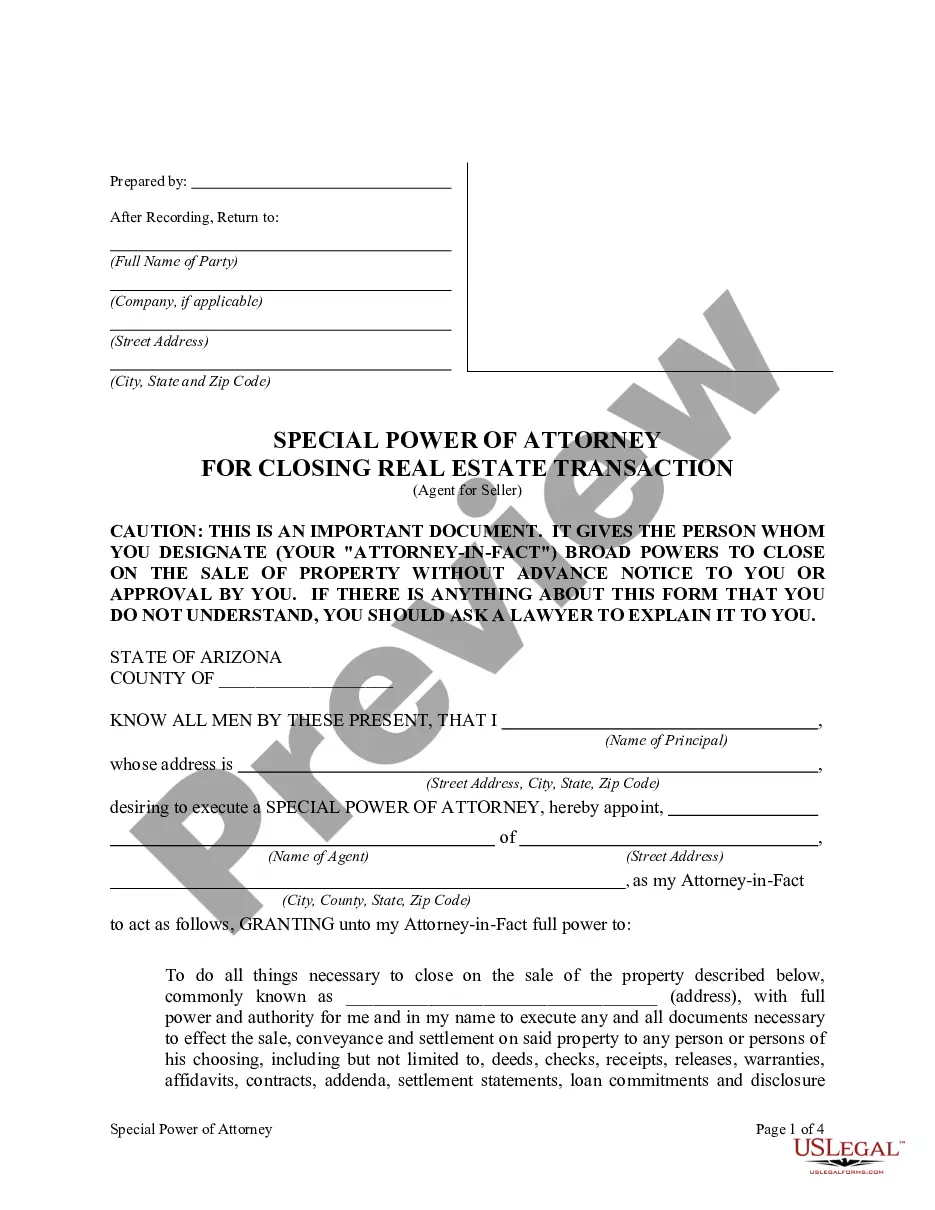
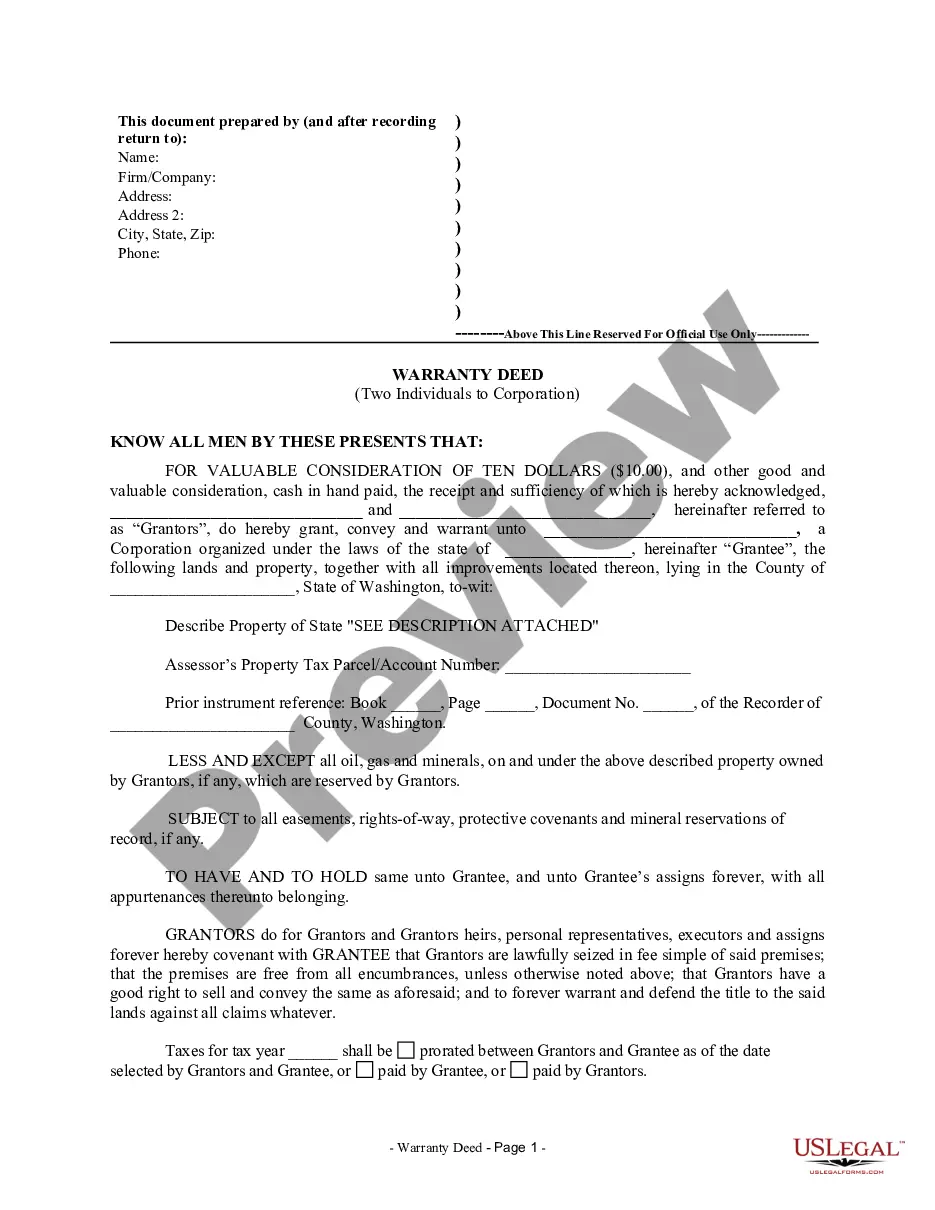
- Check the form preview, if available, to confirm the template is indeed what you require.
- Return to the search to find the appropriate template if the Trust Revocation Declaration Without A Prototype does not fulfill your needs.
- Once you are certain about the form’s applicability, download it.
- If you are a registered user, click Log in to verify and access your selected forms in My documents.
- If you have not yet created an account, click Buy now to purchase the form.
- Choose the pricing plan that suits your needs.
- Proceed to register to complete your purchase.
- Finalize your transaction by selecting a payment option (credit card or PayPal).
- Choose the file format for downloading Trust Revocation Declaration Without A Prototype.
- Once you have the form on your device, you can edit it with the editor or print it to fill out by hand.
Form popularity
FAQ
The choice between a revocable and irrevocable trust depends on your specific needs and goals. Revocable trusts offer flexibility and control, allowing you to modify them as circumstances change. Irrevocable trusts provide asset protection and tax benefits but limit your control. Consulting with professionals, especially for creating documents like a trust revocation declaration without a prototype, can help you decide the best option.
The revocation clause revokes all of the wills and codicils that you (the testator) have made in the past. The purpose of the revocation clause is to prevent any of your earlier wills and codicils from having any legal effect after your new simple will is executed.
Instead, in most cases, an irrevocable trust can only be dissolved by court order. The details of dissolving an irrevocable trust differ widely between states and jurisdictions. However, typically you will need to get approval from the trust's beneficiaries and potentially its trustees as well.
Irrevocable trusts cannot be modified, amended, or terminated without permission from the grantor's beneficiaries or by court order. The grantor transfers all ownership of assets into the trust and legally removes all of their ownership rights to the assets and the trust.
Key Takeaways. Revocable trusts, as their name implies, can be altered or completely revoked at any time by their grantor?the person who established them. The first step in dissolving a revocable trust is to remove all the assets that have been transferred into it.
If you have the express written agreement of all the trust's beneficiaries and the trustee as well, they ? not you ? might be able to ask the court to intervene. If everyone is on the same page and they present a good argument for moving property out of the trust, the judge may issue an order allowing it to happen.