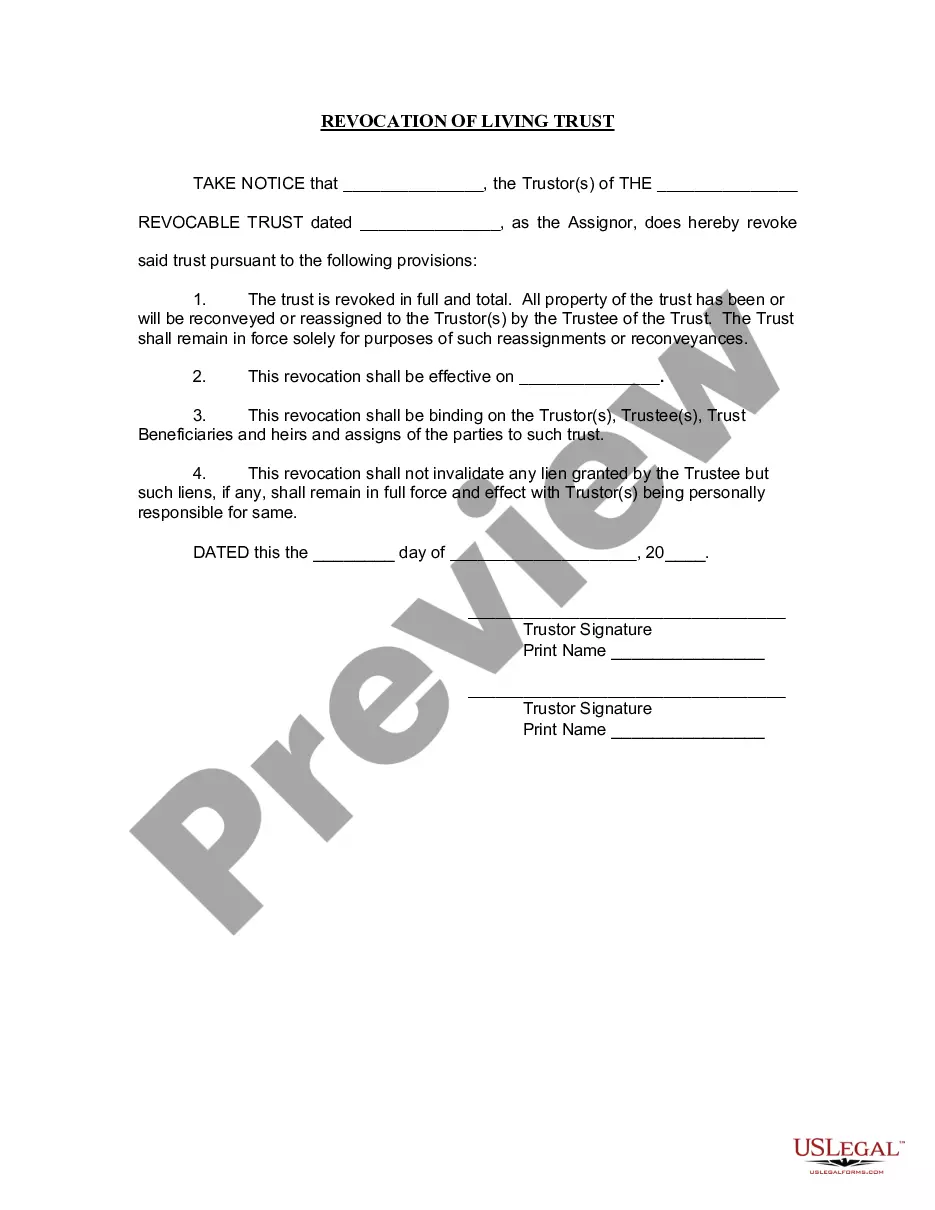
Trust Revocation Declaration Without A Name
Description

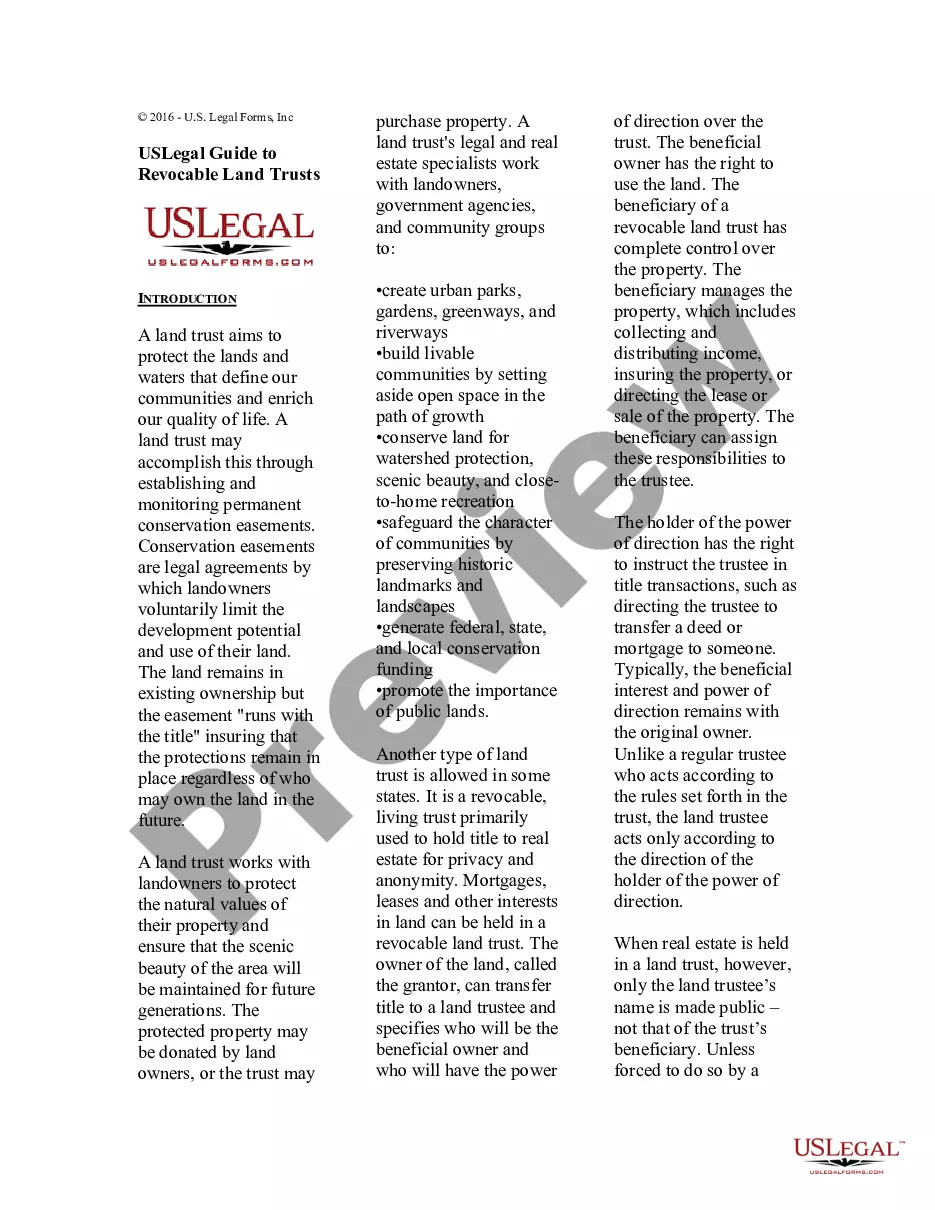
Get your form ready online
Our built-in tools help you complete, sign, share, and store your documents in one place.
Make edits, fill in missing information, and update formatting in US Legal Forms—just like you would in MS Word.
Download a copy, print it, send it by email, or mail it via USPS—whatever works best for your next step.
Sign and collect signatures with our SignNow integration. Send to multiple recipients, set reminders, and more. Go Premium to unlock E-Sign.
If this form requires notarization, complete it online through a secure video call—no need to meet a notary in person or wait for an appointment.
We protect your documents and personal data by following strict security and privacy standards.

Make edits, fill in missing information, and update formatting in US Legal Forms—just like you would in MS Word.

Download a copy, print it, send it by email, or mail it via USPS—whatever works best for your next step.

Sign and collect signatures with our SignNow integration. Send to multiple recipients, set reminders, and more. Go Premium to unlock E-Sign.

If this form requires notarization, complete it online through a secure video call—no need to meet a notary in person or wait for an appointment.

We protect your documents and personal data by following strict security and privacy standards.
Looking for another form?
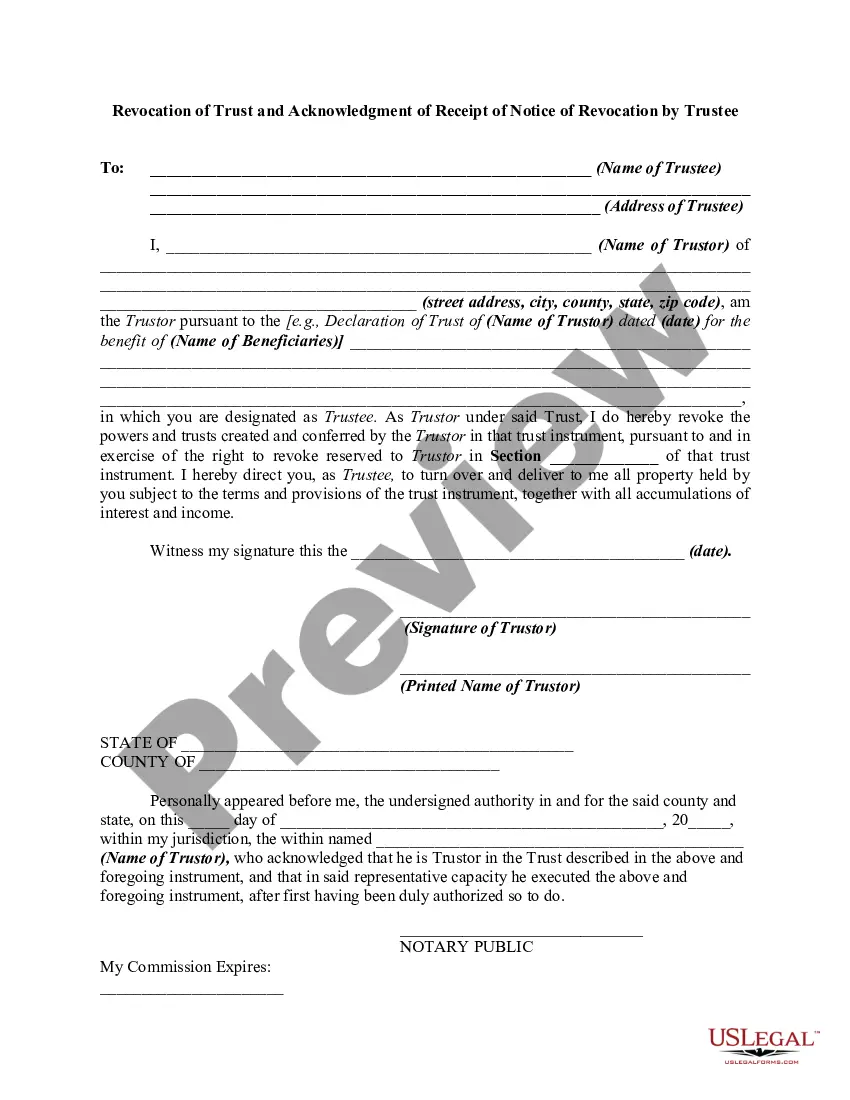

How to fill out California Revocation Of Living Trust?
Managing legal documents and processes can be a lengthy addition to your schedule.
Trust Revocation Declaration Without A Name and similar forms often necessitate you to search for them and understand how to fill them out accurately.
Thus, whether you are addressing financial, legal, or personal issues, having an extensive and user-friendly online repository of forms readily available will greatly assist.
US Legal Forms is the leading online platform for legal documents, offering over 85,000 state-specific templates and a range of tools that will enable you to complete your paperwork with ease.
Simply Log In to your account, find Trust Revocation Declaration Without A Name and obtain it instantly within the My documents section. You can also access previously stored forms.
- Explore the collection of pertinent documents accessible to you with a single click.
- US Legal Forms provides state- and county-specific templates that can be downloaded at any time.
- Safeguard your document management processes with superior support that enables you to prepare any form in minutes without additional or concealed charges.
Form popularity
FAQ
To revoke a family trust, you must follow the guidelines set in the trust document. Generally, this involves drafting a trust revocation declaration without a name to officially terminate the trust. It is crucial to ensure that all parties involved are notified and that any assets are properly redistributed. Utilizing US Legal Forms can provide you with the necessary templates and support to smoothly navigate this process.
The best name for a trust usually reflects its purpose or the grantor's name to enhance clarity. A descriptive title can help future beneficiaries understand its function. Yet, it's worth noting that a Trust revocation declaration without a name could also work if you are transitioning or reassessing your estate planning strategy. Ultimately, choose a name that resonates with your objectives.
A beneficiary can renounce their interest from the trust and, upon the consent of other beneficiaries, be allowed to exit. A trustee cannot remove a beneficiary from an irrevocable trust. A grantor can remove a beneficiary from a revocable trust by going back to the trust deed codes that allow for the same.
Without any laws, most trusts tend to be named after their creator(s) along with the date of creation. An example would be ?John and Jane Doe Revocable Trust dated 10/11/12.?
Yes, once the trust grantor becomes incapacitated or dies, his revocable trust is now irrevocable, meaning that generally the terms of the trust cannot be changed or revoked going forward. This is also true of trusts established by the grantor with the intention that they be irrevocable from the start.
You can name a trust anything you like, and the name can be long, short, simple or complicated. When choosing a name, keep in mind that the name will be in the title of any asset held in the trust. This consideration may inspire some to keep the name on the short side.
Can a Trustee Change the Beneficiary? Trustees generally do not have the power to change the beneficiary of a trust. The right to add and remove beneficiaries is a power reserved for the grantor of the trust; when the grantor dies, their trust will usually become irrevocable.