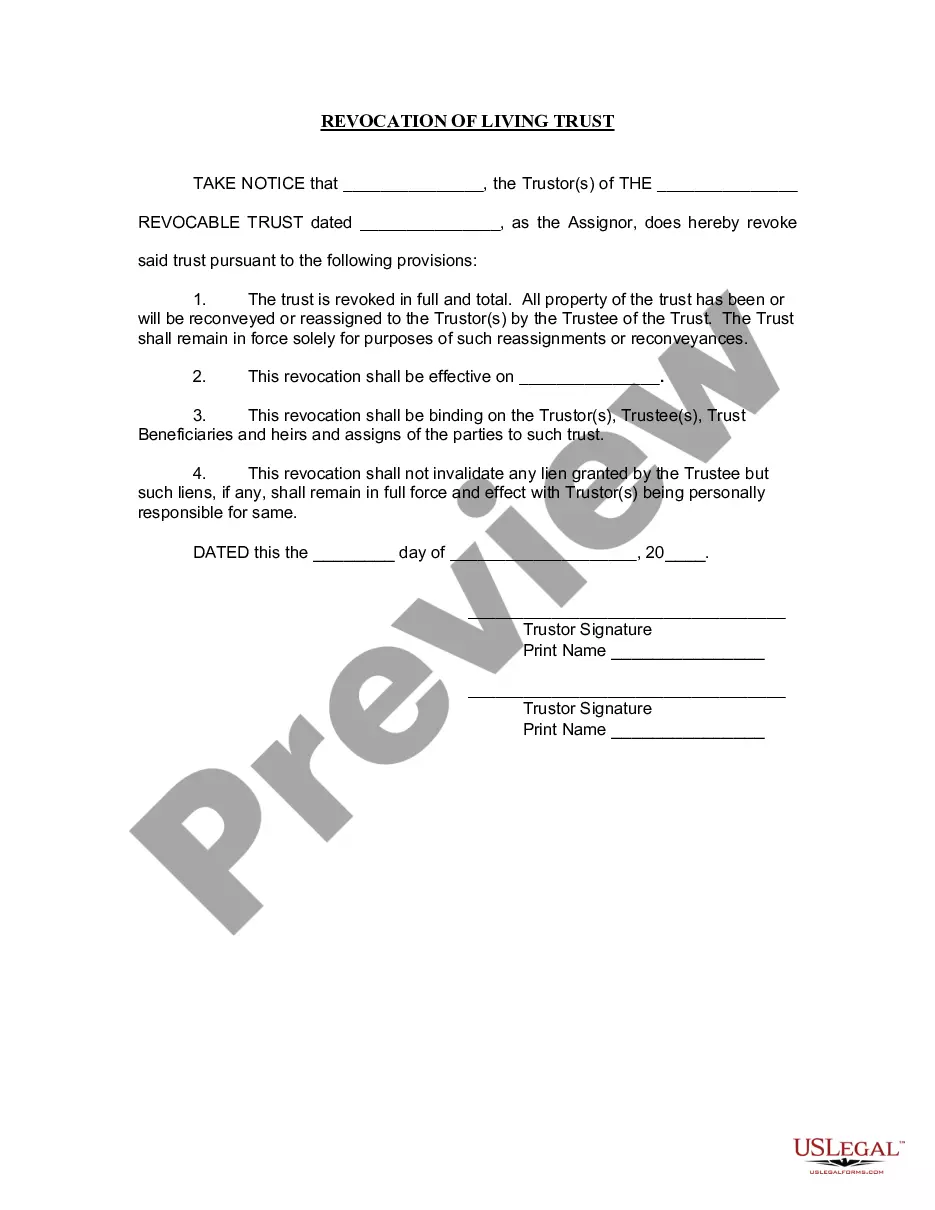
Trust Revocation Declaration With Values
Description

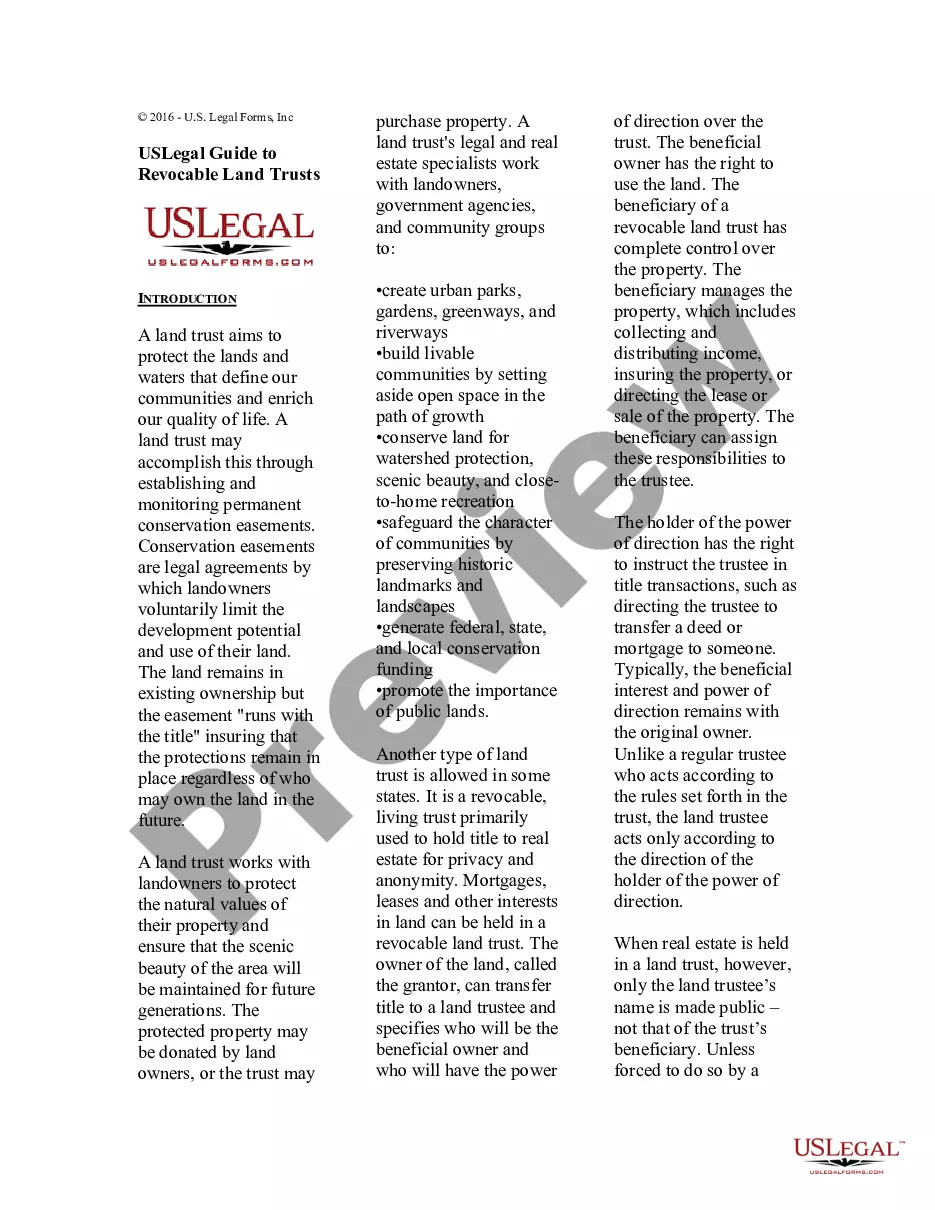
Get your form ready online
Our built-in tools help you complete, sign, share, and store your documents in one place.
Make edits, fill in missing information, and update formatting in US Legal Forms—just like you would in MS Word.
Download a copy, print it, send it by email, or mail it via USPS—whatever works best for your next step.
Sign and collect signatures with our SignNow integration. Send to multiple recipients, set reminders, and more. Go Premium to unlock E-Sign.
If this form requires notarization, complete it online through a secure video call—no need to meet a notary in person or wait for an appointment.
We protect your documents and personal data by following strict security and privacy standards.

Make edits, fill in missing information, and update formatting in US Legal Forms—just like you would in MS Word.

Download a copy, print it, send it by email, or mail it via USPS—whatever works best for your next step.

Sign and collect signatures with our SignNow integration. Send to multiple recipients, set reminders, and more. Go Premium to unlock E-Sign.

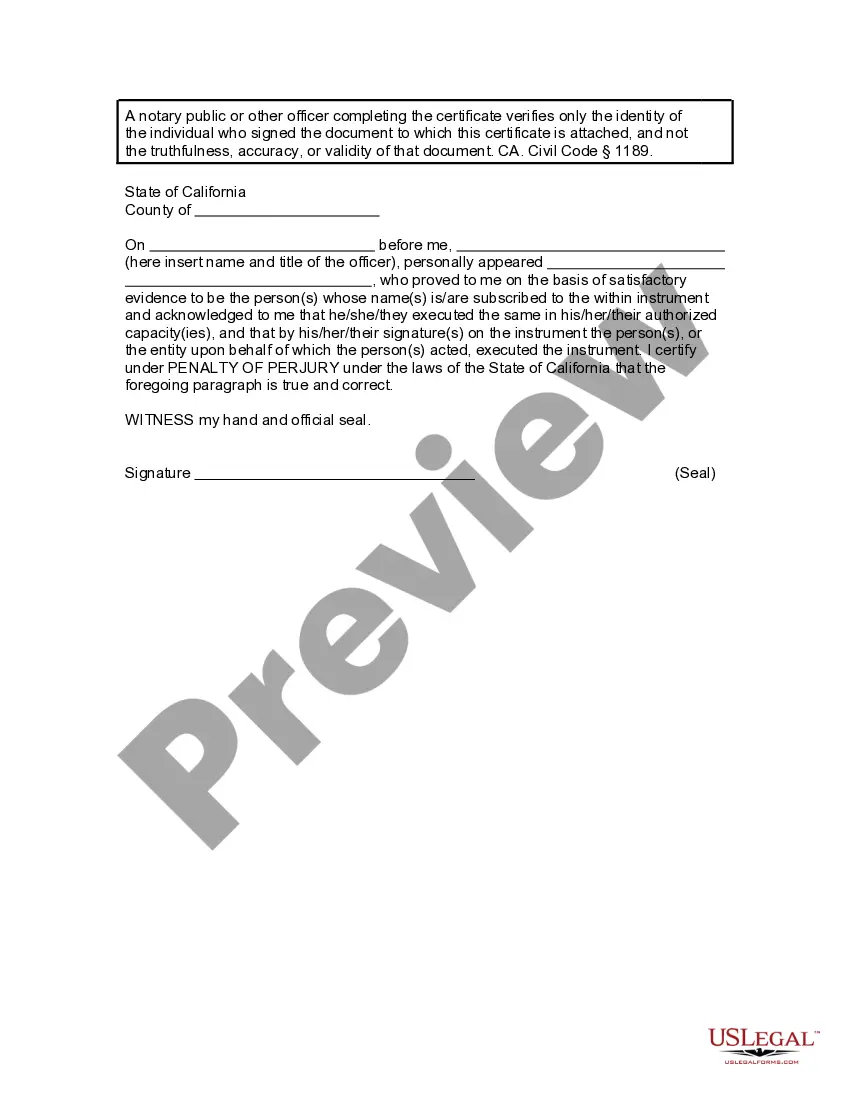
If this form requires notarization, complete it online through a secure video call—no need to meet a notary in person or wait for an appointment.

We protect your documents and personal data by following strict security and privacy standards.
Looking for another form?
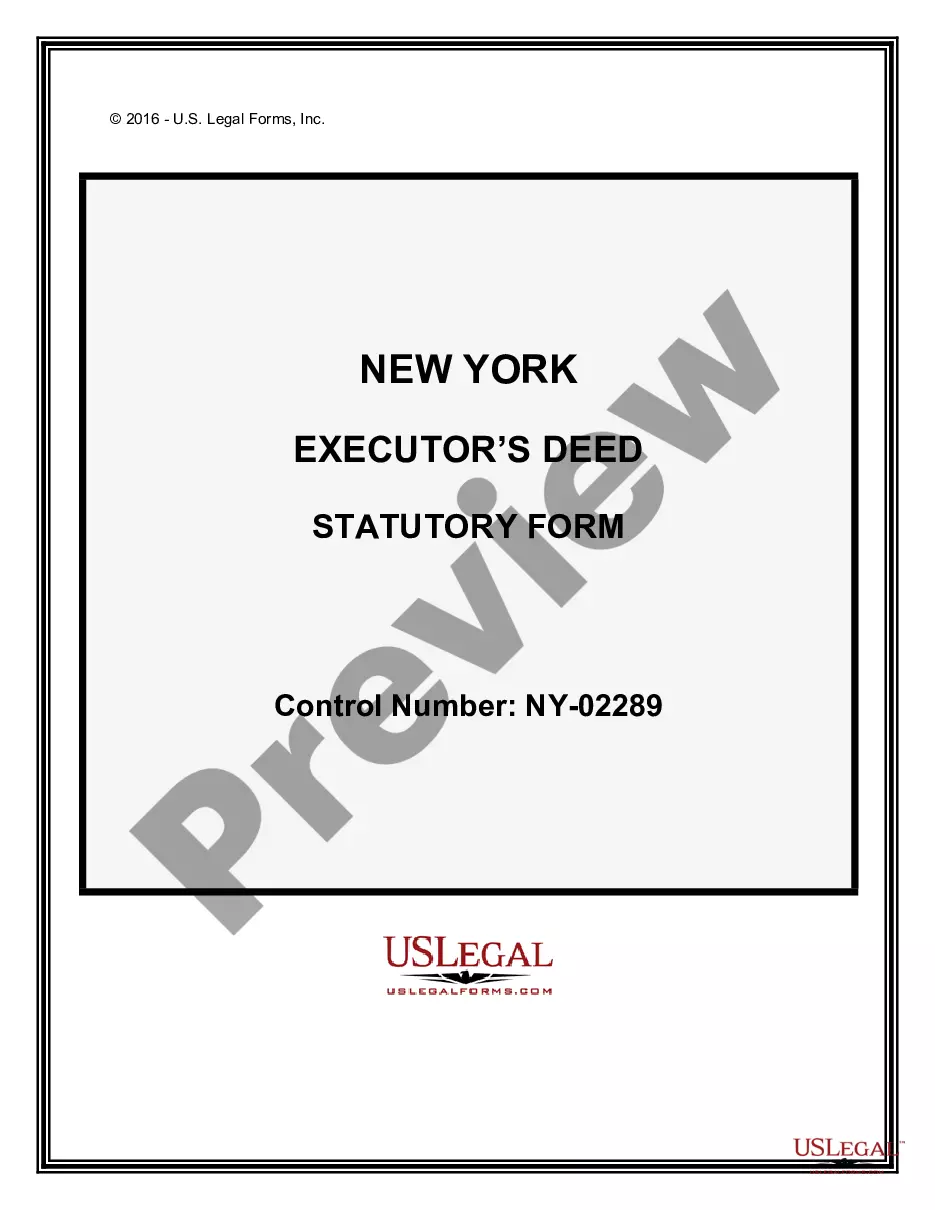
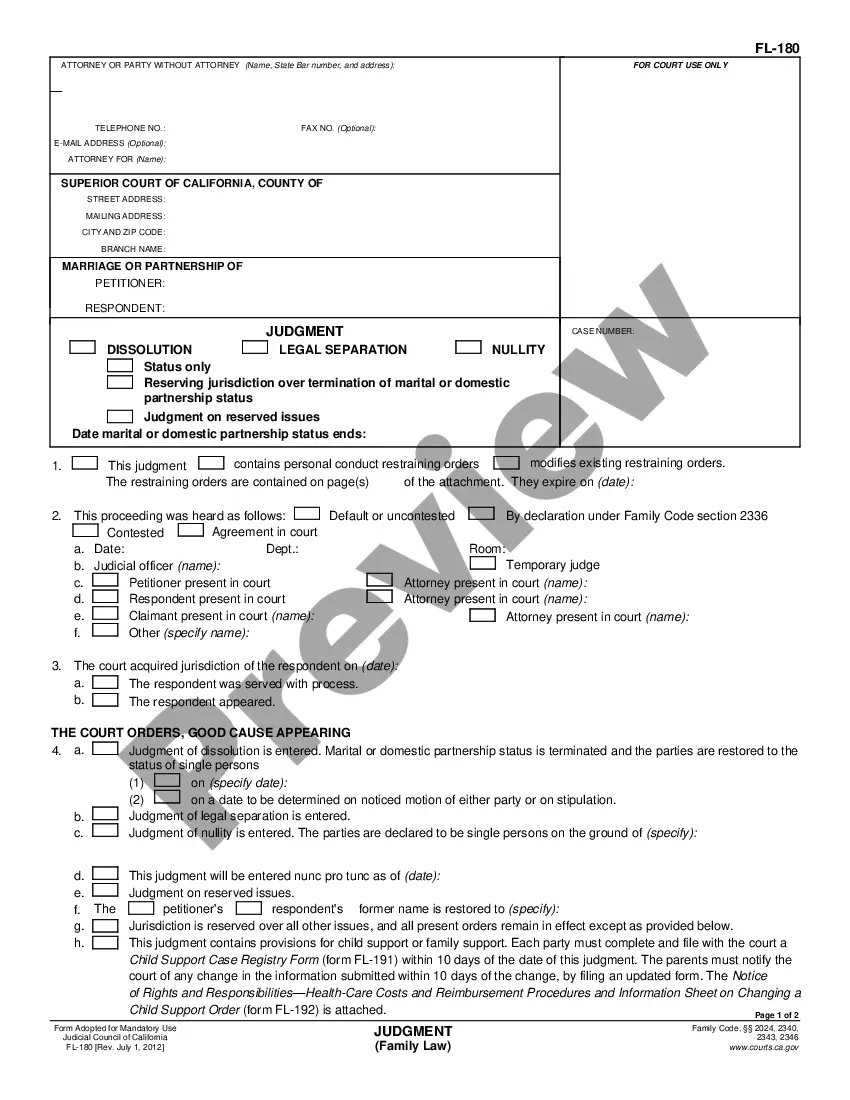
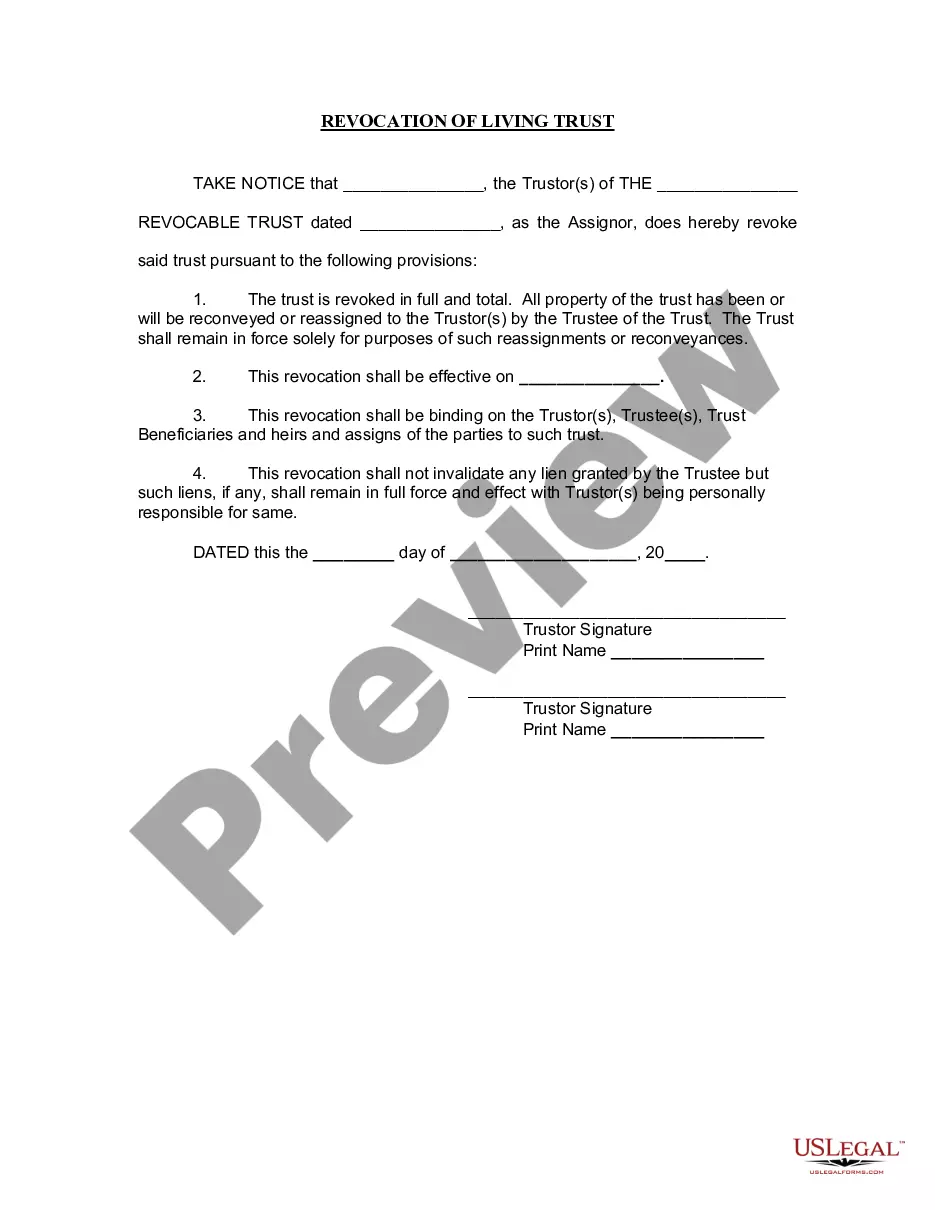

How to fill out California Revocation Of Living Trust?
Regardless of whether for corporate intentions or personal affairs, every individual must confront legal circumstances at some stage in their existence.
Finalizing legal documents necessitates meticulous care, beginning with choosing the correct template form.
Having an extensive US Legal Forms collection at your disposal means you won't waste time scouring the internet for the correct template. Take advantage of the library’s straightforward navigation to find the appropriate form for any circumstance.
- Locate the template you require by utilizing the search bar or catalog exploration.
- Review the form’s details to confirm it aligns with your situation, jurisdiction, and locality.
- Select the form’s preview to view it.
- If it is the incorrect form, return to the search feature to find the Trust Revocation Declaration With Values version you require.
- Acquire the file when it meets your specifications.
- If you possess a US Legal Forms account, click Log in to retrieve previously stored documents in My documents.
- Should you not yet have an account, you can download the form by clicking Buy now.
- Select the suitable payment option.
- Complete the account registration form.
- Choose your payment method: utilize a credit card or a PayPal account.
- Select the document format you desire and download the Trust Revocation Declaration With Values.
- Once downloaded, you can complete the form using editing software or print it out and complete it manually.
Form popularity
FAQ
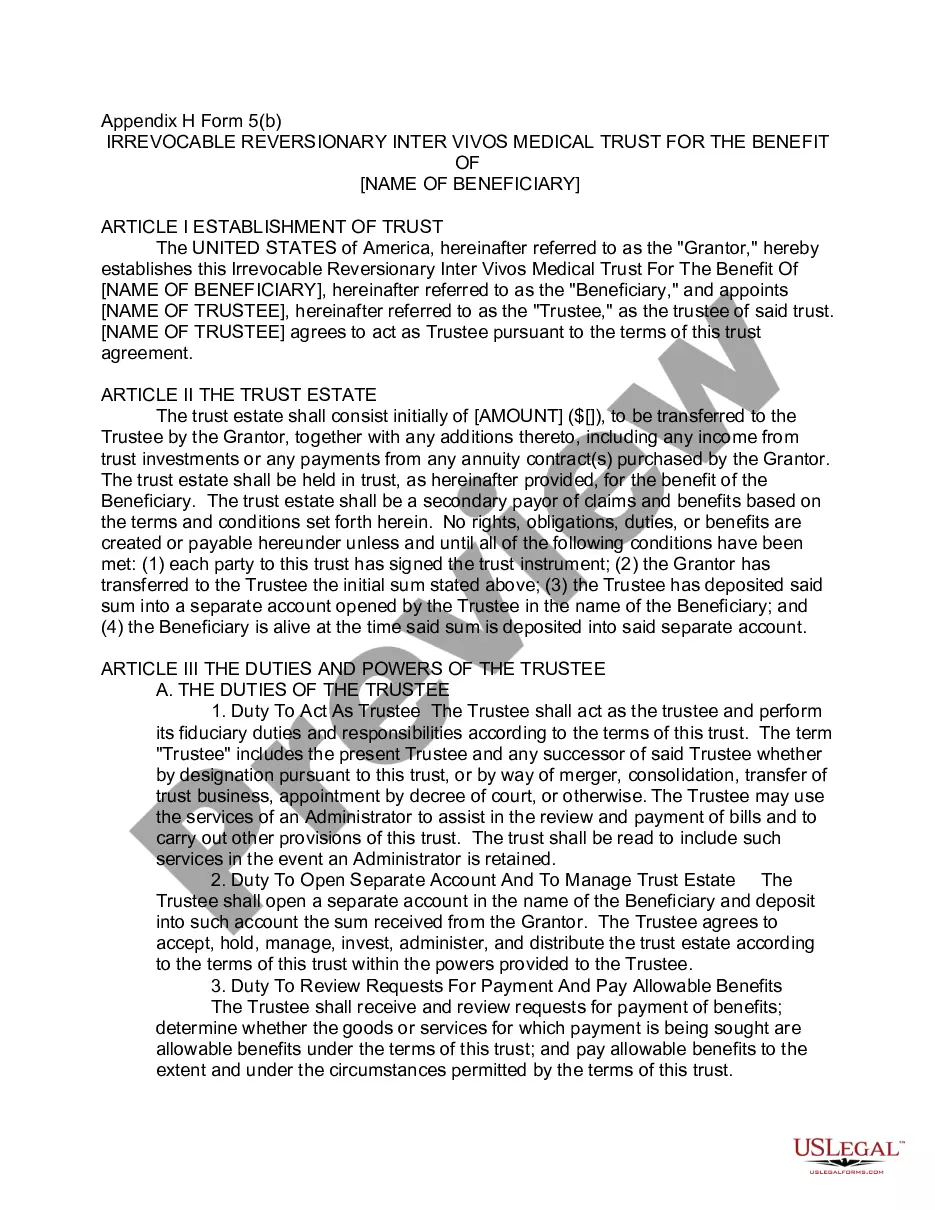
The trustee of an irrevocable trust can only withdraw money to use for the benefit of the trust ing to terms set by the grantor, like disbursing income to beneficiaries or paying maintenance costs, and never for personal use.
Key Takeaways. Revocable trusts, as their name implies, can be altered or completely revoked at any time by their grantor?the person who established them. The first step in dissolving a revocable trust is to remove all the assets that have been transferred into it.
If you have the express written agreement of all the trust's beneficiaries and the trustee as well, they ? not you ? might be able to ask the court to intervene. If everyone is on the same page and they present a good argument for moving property out of the trust, the judge may issue an order allowing it to happen.
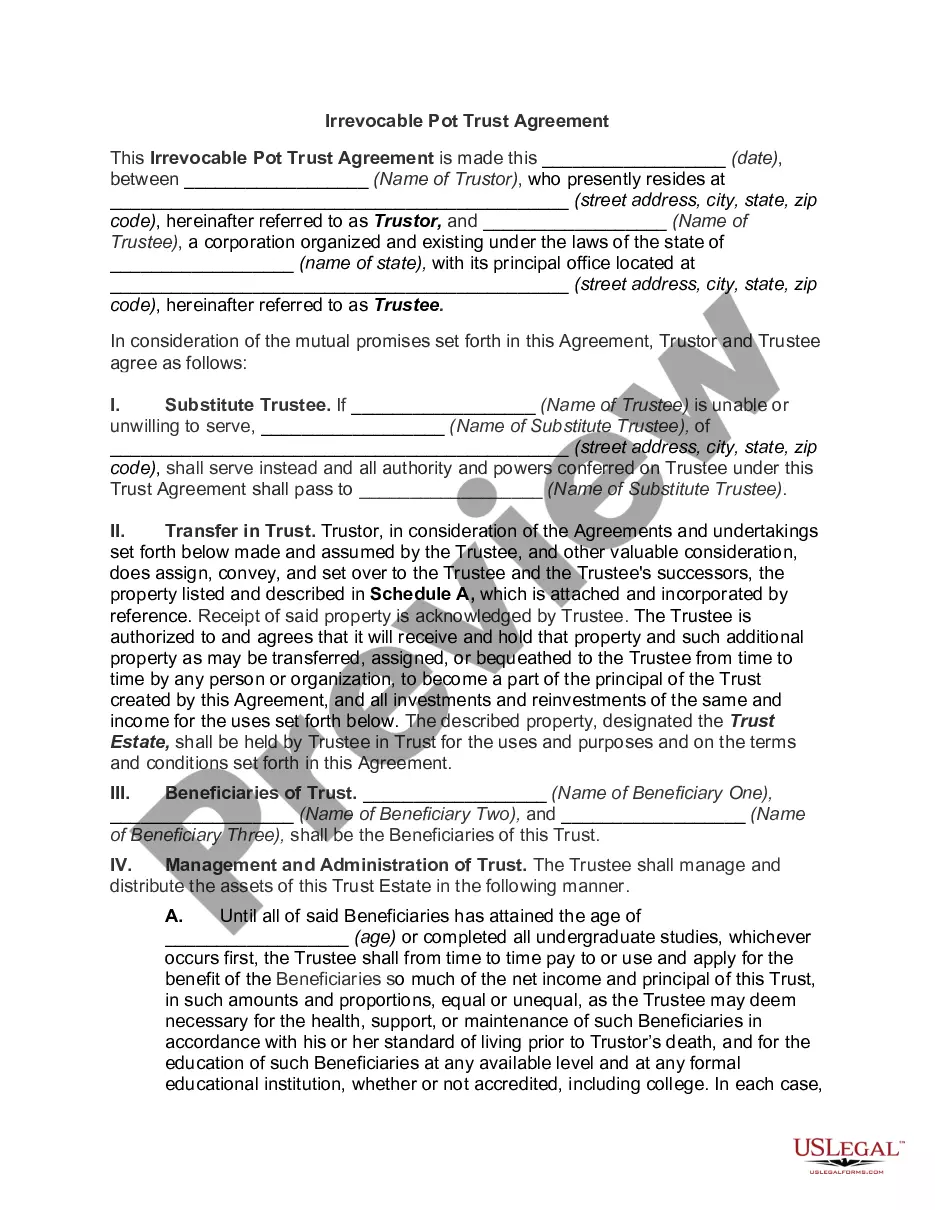
Instead, in most cases, an irrevocable trust can only be dissolved by court order. The details of dissolving an irrevocable trust differ widely between states and jurisdictions. However, typically you will need to get approval from the trust's beneficiaries and potentially its trustees as well.
A beneficiary can renounce their interest from the trust and, upon the consent of other beneficiaries, be allowed to exit. A trustee cannot remove a beneficiary from an irrevocable trust. A grantor can remove a beneficiary from a revocable trust by going back to the trust deed codes that allow for the same.