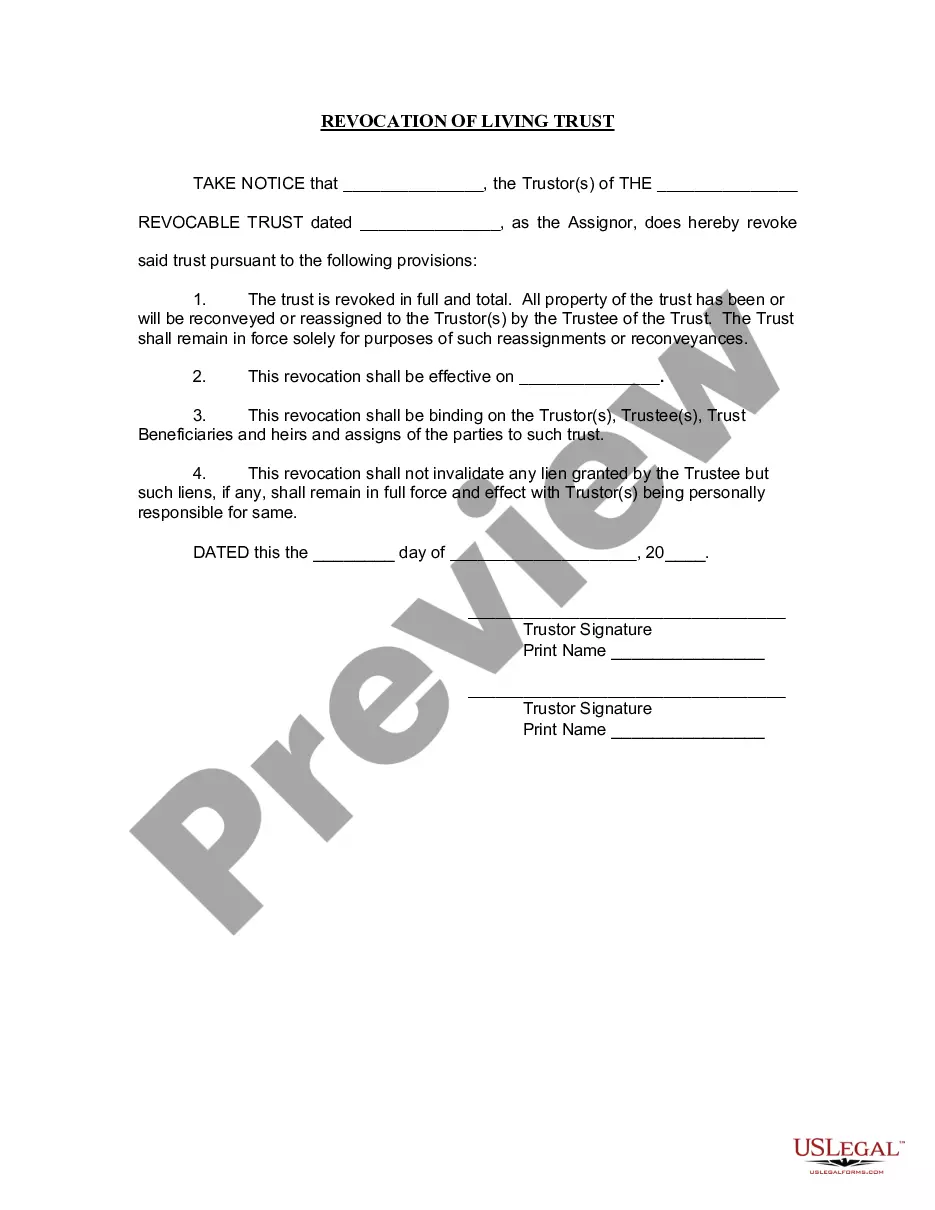
Trust Revocation Declaration Form With Signature Required
Description

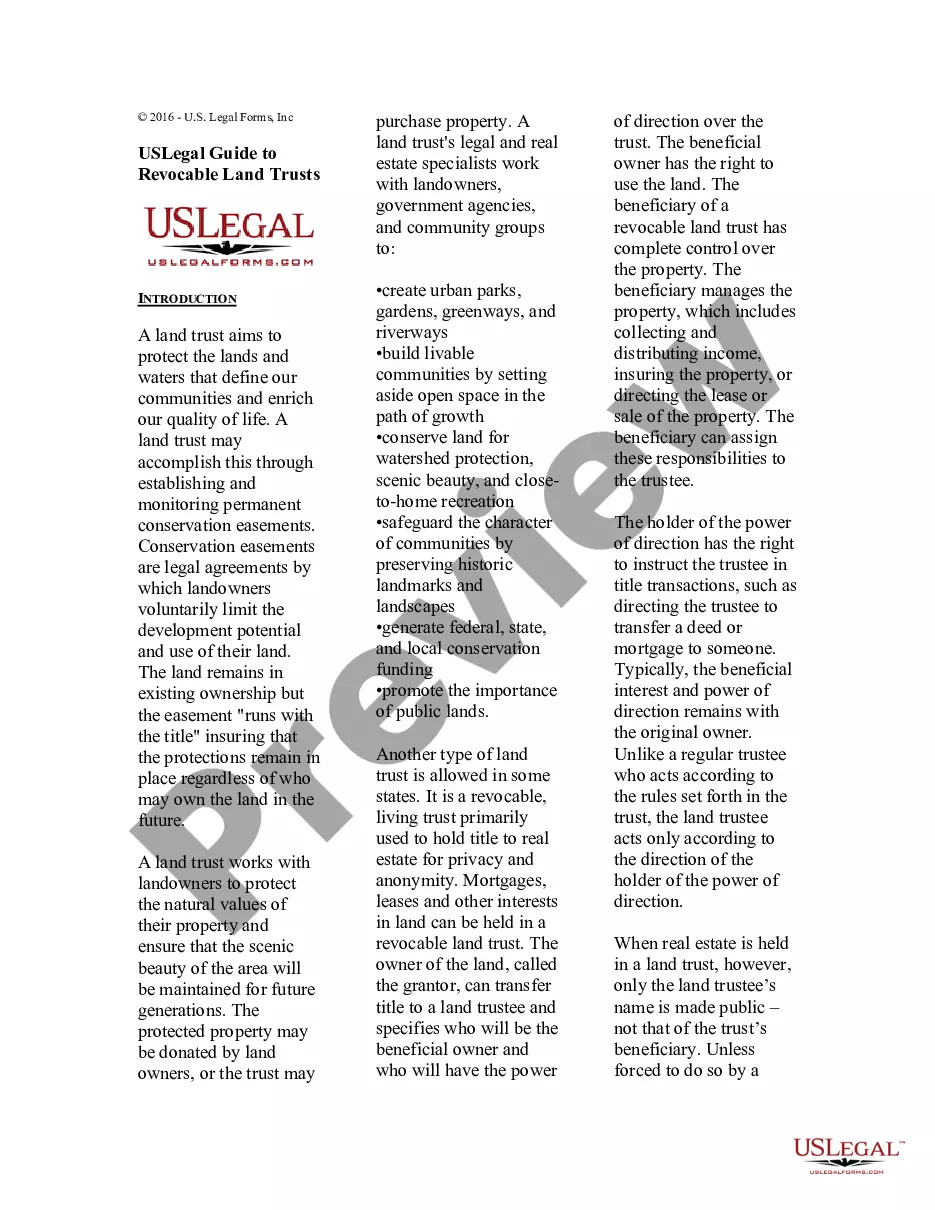
Get your form ready online
Our built-in tools help you complete, sign, share, and store your documents in one place.
Make edits, fill in missing information, and update formatting in US Legal Forms—just like you would in MS Word.
Download a copy, print it, send it by email, or mail it via USPS—whatever works best for your next step.
Sign and collect signatures with our SignNow integration. Send to multiple recipients, set reminders, and more. Go Premium to unlock E-Sign.
If this form requires notarization, complete it online through a secure video call—no need to meet a notary in person or wait for an appointment.
We protect your documents and personal data by following strict security and privacy standards.

Make edits, fill in missing information, and update formatting in US Legal Forms—just like you would in MS Word.

Download a copy, print it, send it by email, or mail it via USPS—whatever works best for your next step.

Sign and collect signatures with our SignNow integration. Send to multiple recipients, set reminders, and more. Go Premium to unlock E-Sign.

If this form requires notarization, complete it online through a secure video call—no need to meet a notary in person or wait for an appointment.

We protect your documents and personal data by following strict security and privacy standards.
Looking for another form?
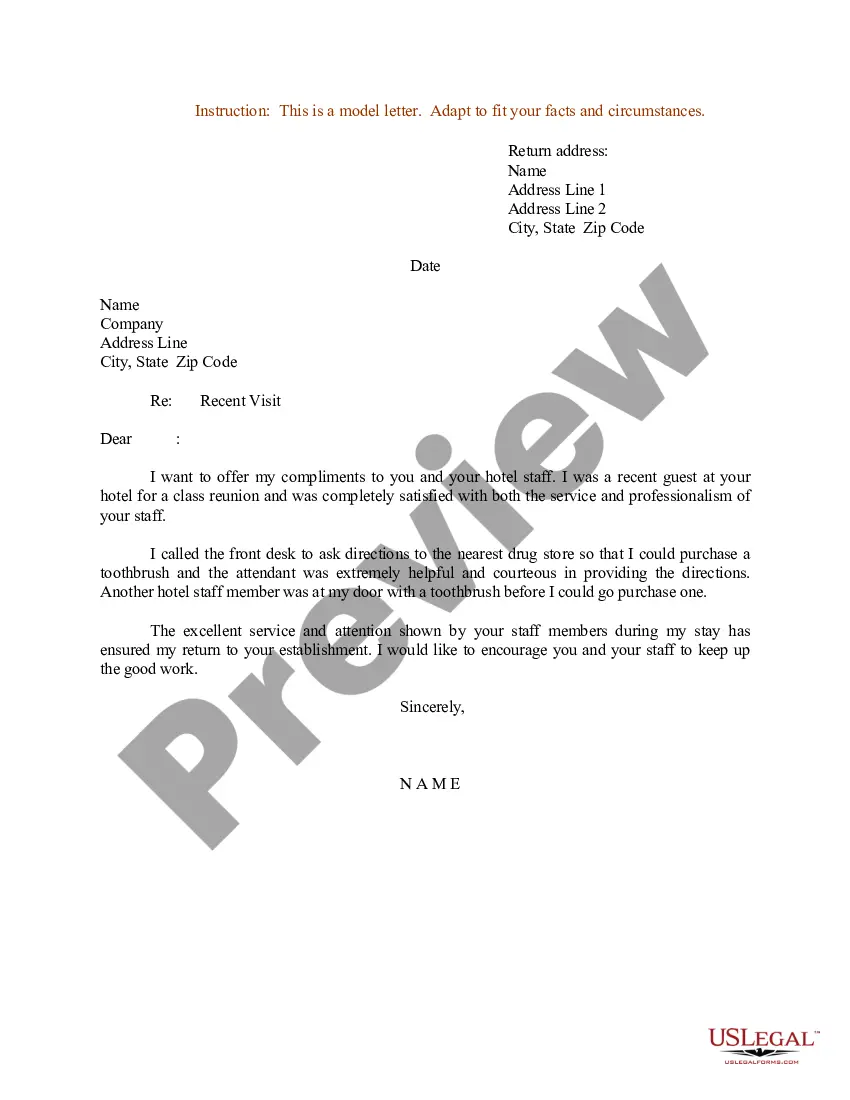









How to fill out California Revocation Of Living Trust?
Managing legal papers and procedures can be an exhaustive addition to your daily schedule.
The Trust Revocation Declaration Form With Signature Required and similar documents typically require you to locate them and figure out how to complete them correctly.
Consequently, when handling financial, legal, or personal issues, having access to a comprehensive and user-friendly online directory of forms will be incredibly beneficial.
US Legal Forms is the premier online resource for legal documents, featuring over 85,000 state-specific templates and various tools to help you finalize your paperwork swiftly.
Is it your first time using US Legal Forms? Register and establish your profile in just a few minutes, granting you access to the form library and the Trust Revocation Declaration Form With Signature Required. After that, follow the steps below to finalize your form.
- Explore the available documents with just one click.
- US Legal Forms provides state- and county-specific documents available for download at any time.
- Enhance your document management processes by utilizing a top-notch service that enables you to create any form in minutes without unexpected or concealed charges.
- Simply Log In to your account, locate the Trust Revocation Declaration Form With Signature Required, and obtain it immediately from the My documents section.
- You can also revisit previously downloaded forms.
Form popularity
FAQ
Breaking an irrevocable trust can be quite challenging, but it isn’t impossible. Some options include seeking consent from all beneficiaries or filing a petition in court if you can prove that there is a valid reason for breaking it. A trust revocation declaration form with signature required may help facilitate this process when changes need to be made.
The revocation clause revokes all of the wills and codicils that you (the testator) have made in the past. The purpose of the revocation clause is to prevent any of your earlier wills and codicils from having any legal effect after your new simple will is executed.
A beneficiary can renounce their interest from the trust and, upon the consent of other beneficiaries, be allowed to exit. A trustee cannot remove a beneficiary from an irrevocable trust. A grantor can remove a beneficiary from a revocable trust by going back to the trust deed codes that allow for the same.
Key Takeaways. Revocable trusts, as their name implies, can be altered or completely revoked at any time by their grantor?the person who established them. The first step in dissolving a revocable trust is to remove all the assets that have been transferred into it.
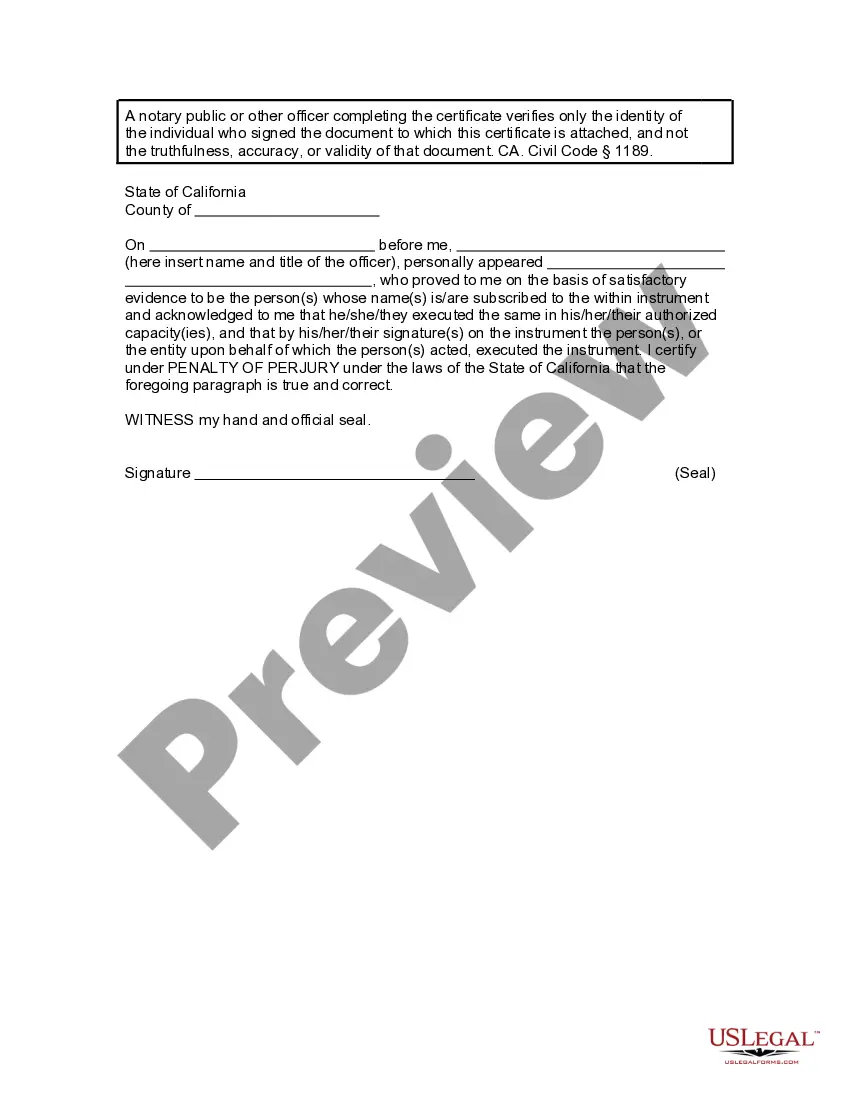
Once the trust revocation declaration is drafted, it must be signed by the grantor and notarized to ensure its legal validity. It is advisable to consult with an attorney specializing in estate planning to ensure that all legal requirements are met and that the revocation process is carried out correctly.
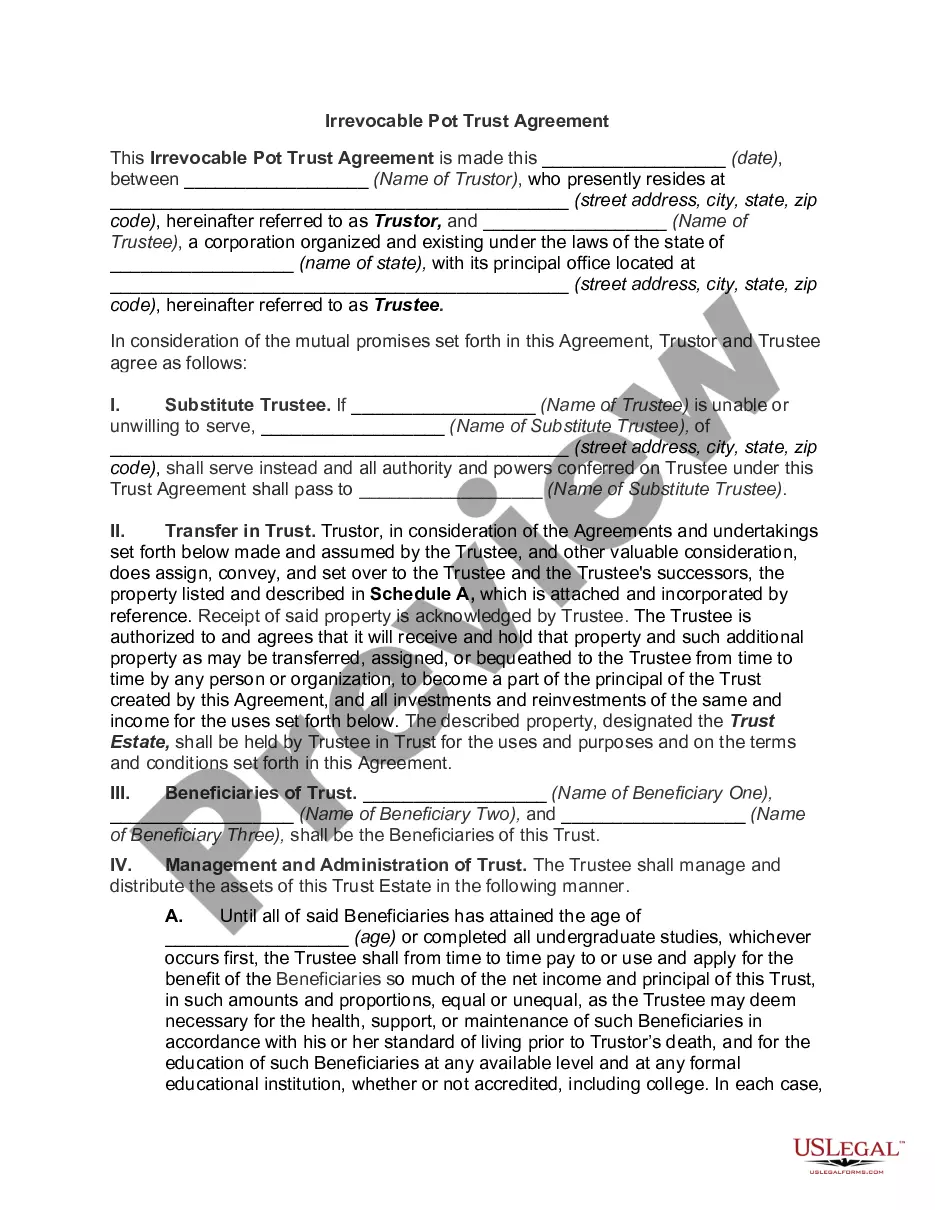
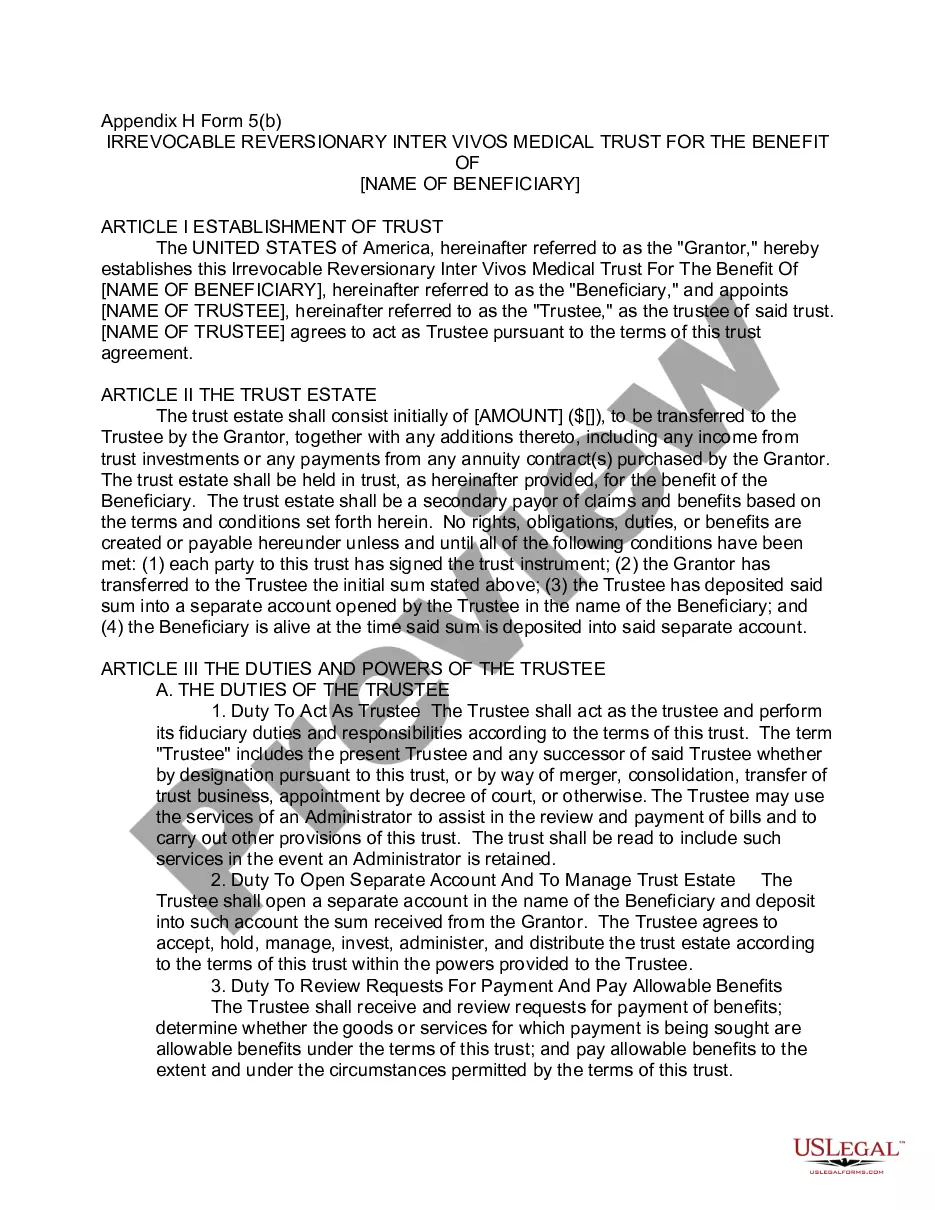
Irrevocable trusts cannot be modified, amended, or terminated without permission from the grantor's beneficiaries or by court order. The grantor transfers all ownership of assets into the trust and legally removes all of their ownership rights to the assets and the trust.