Revocation Specific Trust For Public
Description
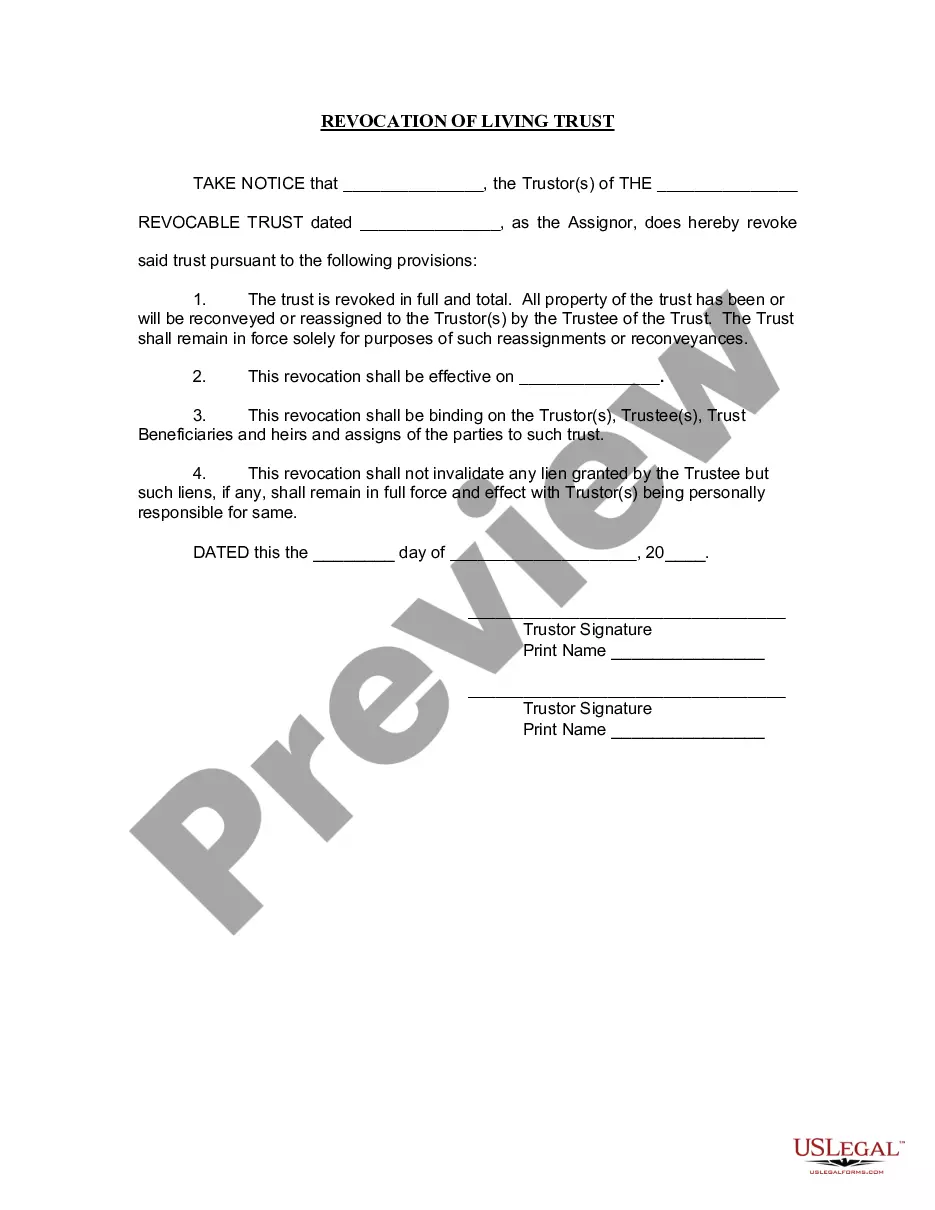
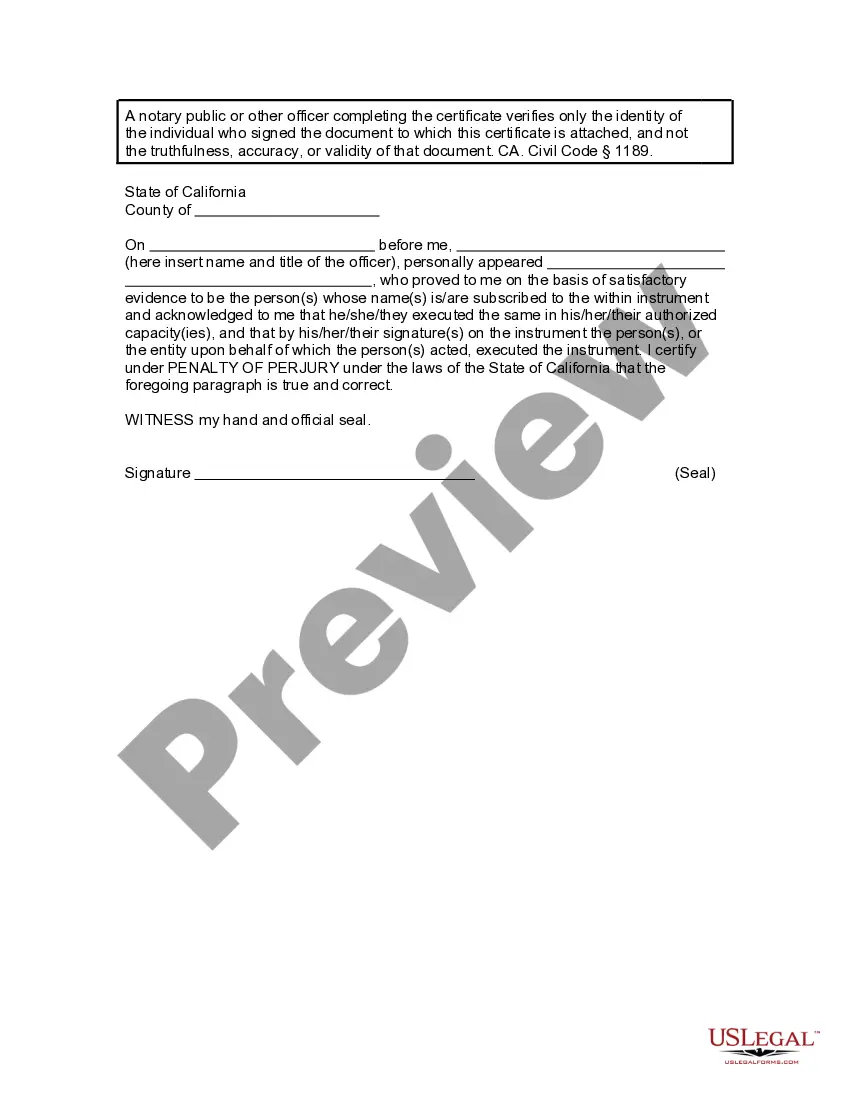
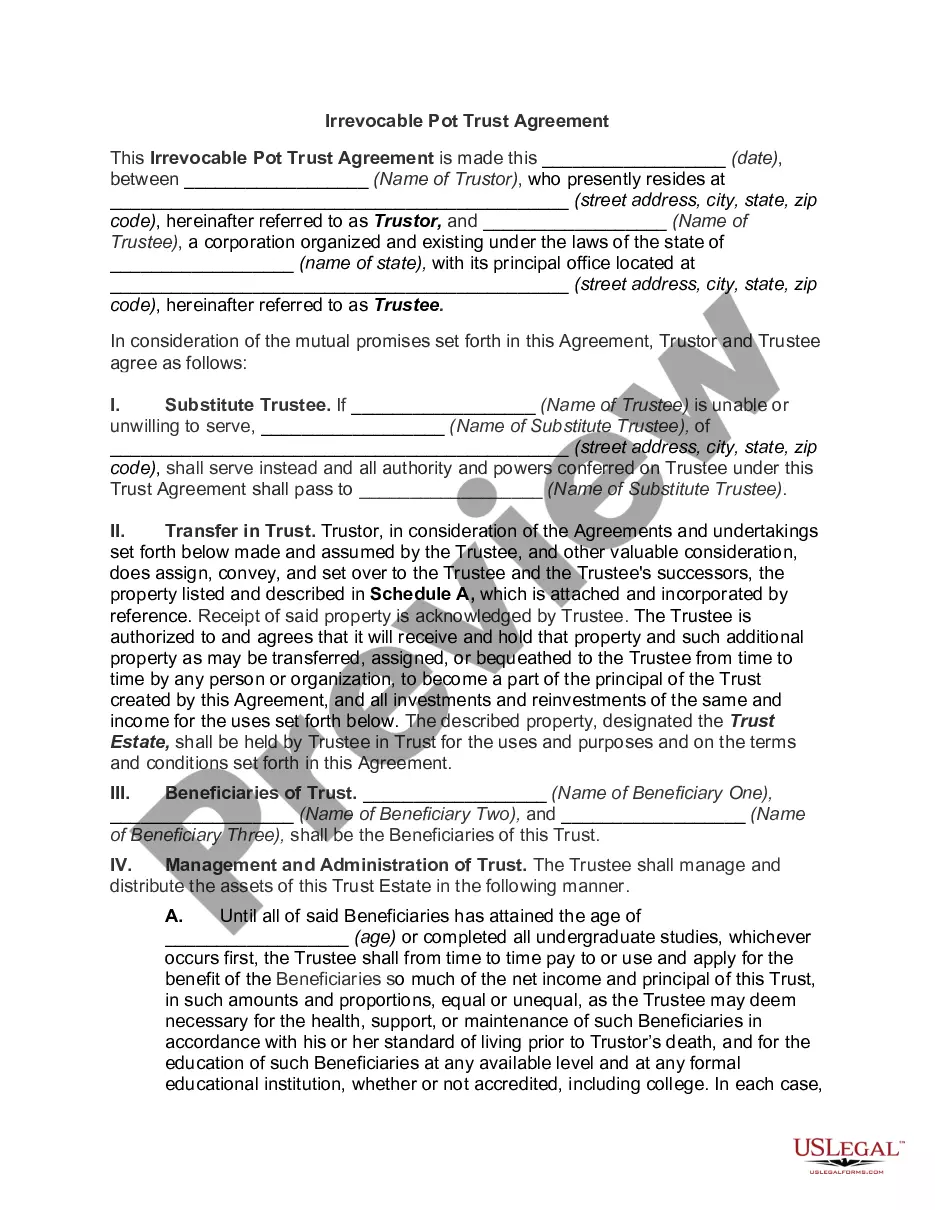

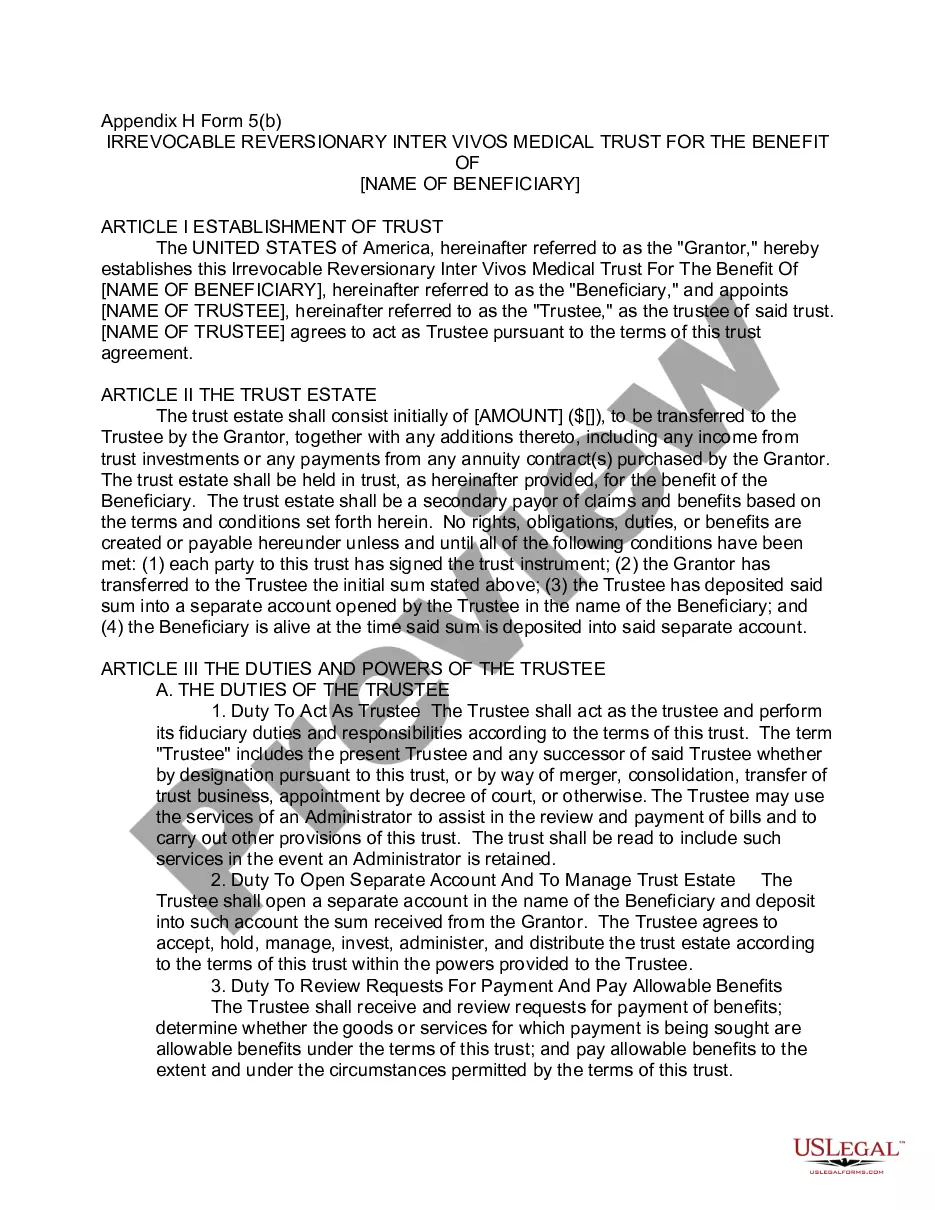
Get your form ready online
Our built-in tools help you complete, sign, share, and store your documents in one place.
Make edits, fill in missing information, and update formatting in US Legal Forms—just like you would in MS Word.
Download a copy, print it, send it by email, or mail it via USPS—whatever works best for your next step.
Sign and collect signatures with our SignNow integration. Send to multiple recipients, set reminders, and more. Go Premium to unlock E-Sign.
If this form requires notarization, complete it online through a secure video call—no need to meet a notary in person or wait for an appointment.
We protect your documents and personal data by following strict security and privacy standards.

Make edits, fill in missing information, and update formatting in US Legal Forms—just like you would in MS Word.

Download a copy, print it, send it by email, or mail it via USPS—whatever works best for your next step.

Sign and collect signatures with our SignNow integration. Send to multiple recipients, set reminders, and more. Go Premium to unlock E-Sign.

If this form requires notarization, complete it online through a secure video call—no need to meet a notary in person or wait for an appointment.

We protect your documents and personal data by following strict security and privacy standards.
Looking for another form?

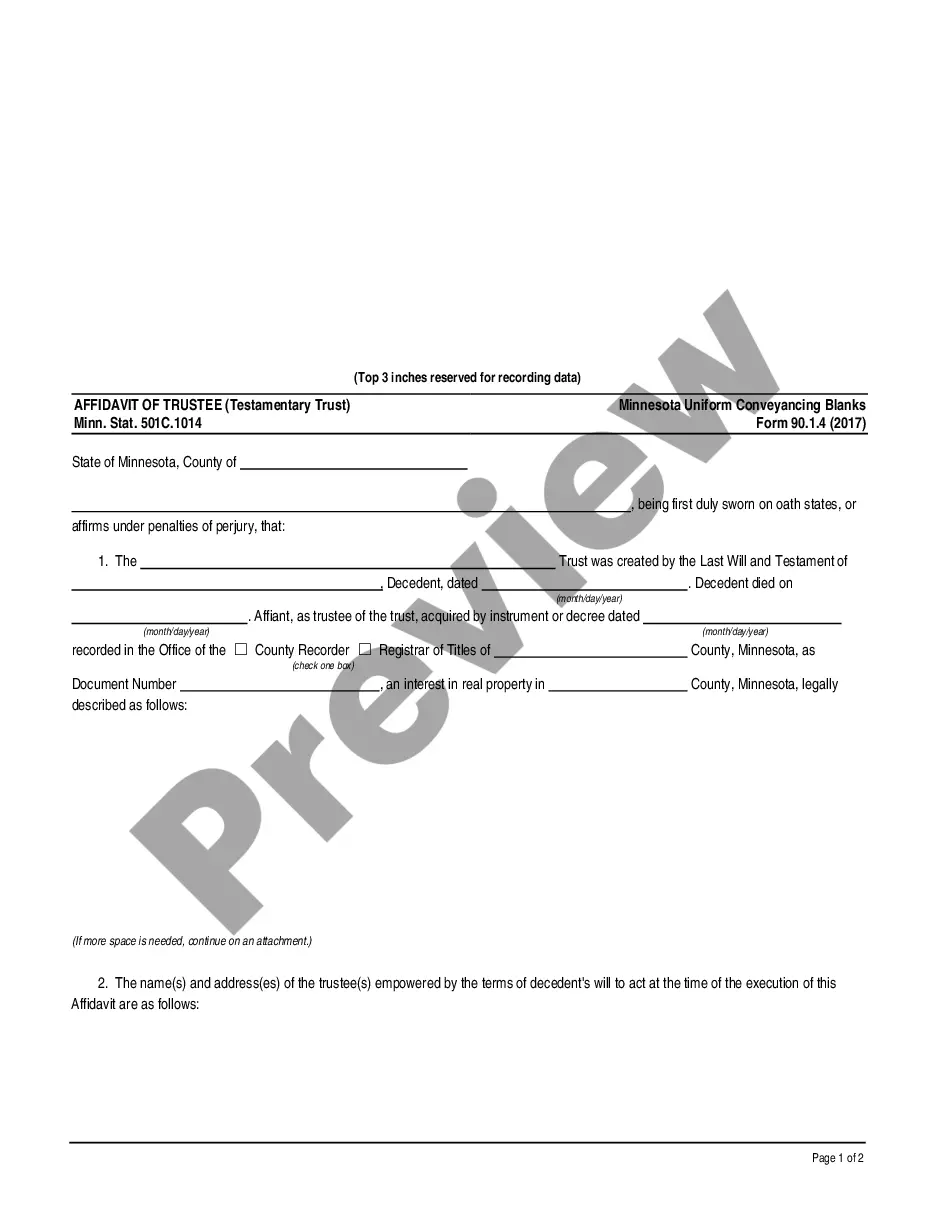



How to fill out California Revocation Of Living Trust?
Whether for business purposes or for personal affairs, everyone has to manage legal situations sooner or later in their life. Completing legal paperwork requires careful attention, beginning from selecting the correct form sample. For example, if you select a wrong edition of a Revocation Specific Trust For Public, it will be turned down once you submit it. It is therefore essential to have a reliable source of legal files like US Legal Forms.
If you have to get a Revocation Specific Trust For Public sample, stick to these simple steps:
- Get the sample you need by using the search field or catalog navigation.
- Check out the form’s description to ensure it suits your situation, state, and county.
- Click on the form’s preview to see it.
- If it is the incorrect document, return to the search function to find the Revocation Specific Trust For Public sample you need.
- Get the template if it meets your requirements.
- If you already have a US Legal Forms profile, just click Log in to gain access to previously saved files in My Forms.
- If you do not have an account yet, you may obtain the form by clicking Buy now.
- Select the correct pricing option.
- Complete the profile registration form.
- Select your transaction method: you can use a bank card or PayPal account.
- Select the file format you want and download the Revocation Specific Trust For Public.
- Once it is downloaded, you are able to complete the form by using editing applications or print it and complete it manually.
With a substantial US Legal Forms catalog at hand, you do not have to spend time seeking for the appropriate sample across the web. Utilize the library’s straightforward navigation to find the right form for any situation.
Form popularity
FAQ
The process for dissolving a trust through the consent of beneficiaries is as follows: the beneficiaries together agree to dissolve the trust; the beneficiaries discharge the trustee; trust property is directed to the beneficiaries; and.
The revocation of trust refers to the act of terminating a revocable trust. This can be done for various reasons, such as changes in personal circumstances, financial situations, or estate planning goals. Proper legal procedures and a revocation declaration document are crucial when revoking a trust.
Dissolving a revocable trust typically involves the trust's founder taking the following steps: Plan for the Assets. Step One is making a plan for the assets that it holds. ... Draft a Declaration of Intent. Step Two is creating a declaration of intent. ... File the Document With a Court.
The first step in dissolving a revocable trust is to remove all the assets that have been transferred into it. The second step is to fill out a formal revocation form, stating the grantor's desire to dissolve the trust.
What is the 21-year rule? Family trusts created during someone's lifetime are deemed to dispose of their property every 21 years. Although the trust is deemed to have disposed of property for tax purposes, an actual disposition typically does not occur.