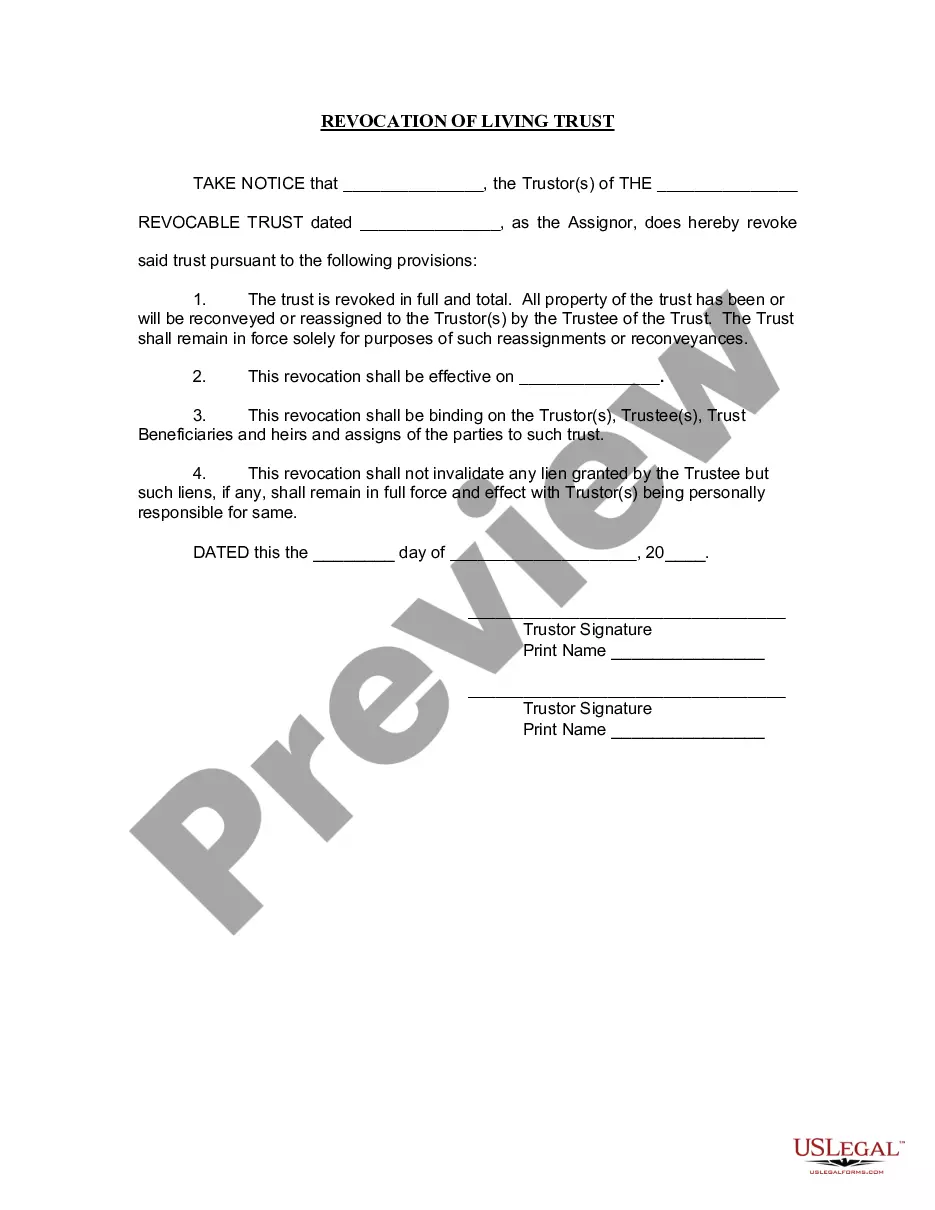
Revocation Specific Trust For Historic Preservation

Description

Get your form ready online
Our built-in tools help you complete, sign, share, and store your documents in one place.
Make edits, fill in missing information, and update formatting in US Legal Forms—just like you would in MS Word.
Download a copy, print it, send it by email, or mail it via USPS—whatever works best for your next step.
Sign and collect signatures with our SignNow integration. Send to multiple recipients, set reminders, and more. Go Premium to unlock E-Sign.
If this form requires notarization, complete it online through a secure video call—no need to meet a notary in person or wait for an appointment.
We protect your documents and personal data by following strict security and privacy standards.

Make edits, fill in missing information, and update formatting in US Legal Forms—just like you would in MS Word.

Download a copy, print it, send it by email, or mail it via USPS—whatever works best for your next step.

Sign and collect signatures with our SignNow integration. Send to multiple recipients, set reminders, and more. Go Premium to unlock E-Sign.

If this form requires notarization, complete it online through a secure video call—no need to meet a notary in person or wait for an appointment.

We protect your documents and personal data by following strict security and privacy standards.
Looking for another form?
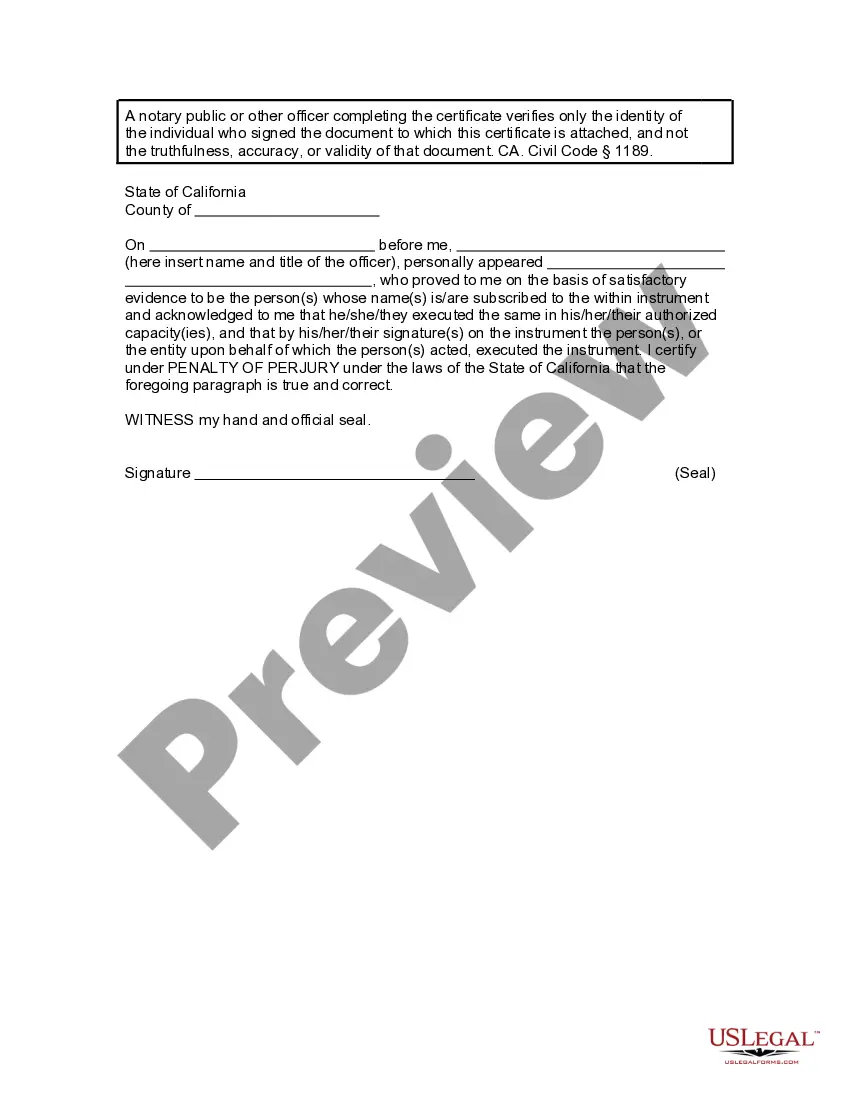
How to fill out California Revocation Of Living Trust?
Dealing with legal papers and procedures can be a time-consuming addition to the day. Revocation Specific Trust For Historic Preservation and forms like it usually require you to search for them and navigate how you can complete them appropriately. Consequently, if you are taking care of financial, legal, or individual matters, using a thorough and practical online catalogue of forms close at hand will significantly help.
US Legal Forms is the top online platform of legal templates, boasting over 85,000 state-specific forms and a variety of resources to assist you complete your papers effortlessly. Discover the catalogue of relevant documents open to you with just one click.
US Legal Forms gives you state- and county-specific forms offered by any time for downloading. Protect your papers administration processes with a top-notch support that allows you to prepare any form within minutes with no extra or hidden fees. Just log in in your account, find Revocation Specific Trust For Historic Preservation and download it immediately in the My Forms tab. You may also access formerly downloaded forms.
Could it be your first time making use of US Legal Forms? Register and set up your account in a few minutes and you will have access to the form catalogue and Revocation Specific Trust For Historic Preservation. Then, follow the steps below to complete your form:
- Be sure you have discovered the proper form using the Preview option and reading the form description.
- Pick Buy Now once ready, and select the subscription plan that is right for you.
- Choose Download then complete, eSign, and print out the form.
US Legal Forms has 25 years of experience assisting consumers manage their legal papers. Find the form you want today and enhance any process without having to break a sweat.
Form popularity
FAQ
A trust can be wound up early if all the beneficiaries unanimously agree to the wind up and the distribution of the remaining assets of the trust or estate. This unanimous consent is sufficient to wind up a trust even if it would contradict the trust creator's intention that the trust be distributed at a future date.
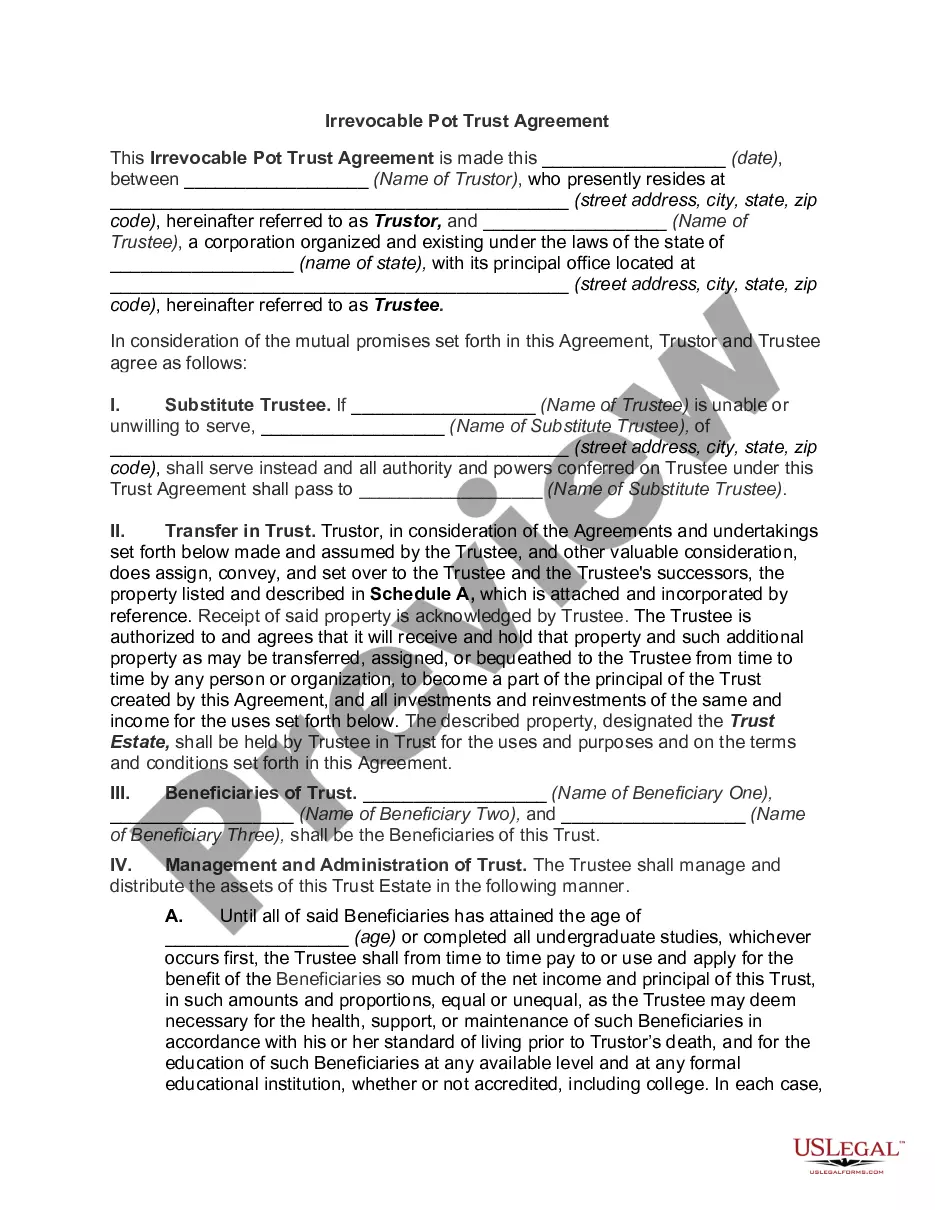
A settlor is a person or company that creates the trust. There can be more than one settlor of a trust. The trustees are the people who manage the trust.
The first step in dissolving a revocable trust is to remove all the assets that have been transferred into it. The second step is to fill out a formal revocation form, stating the grantor's desire to dissolve the trust.
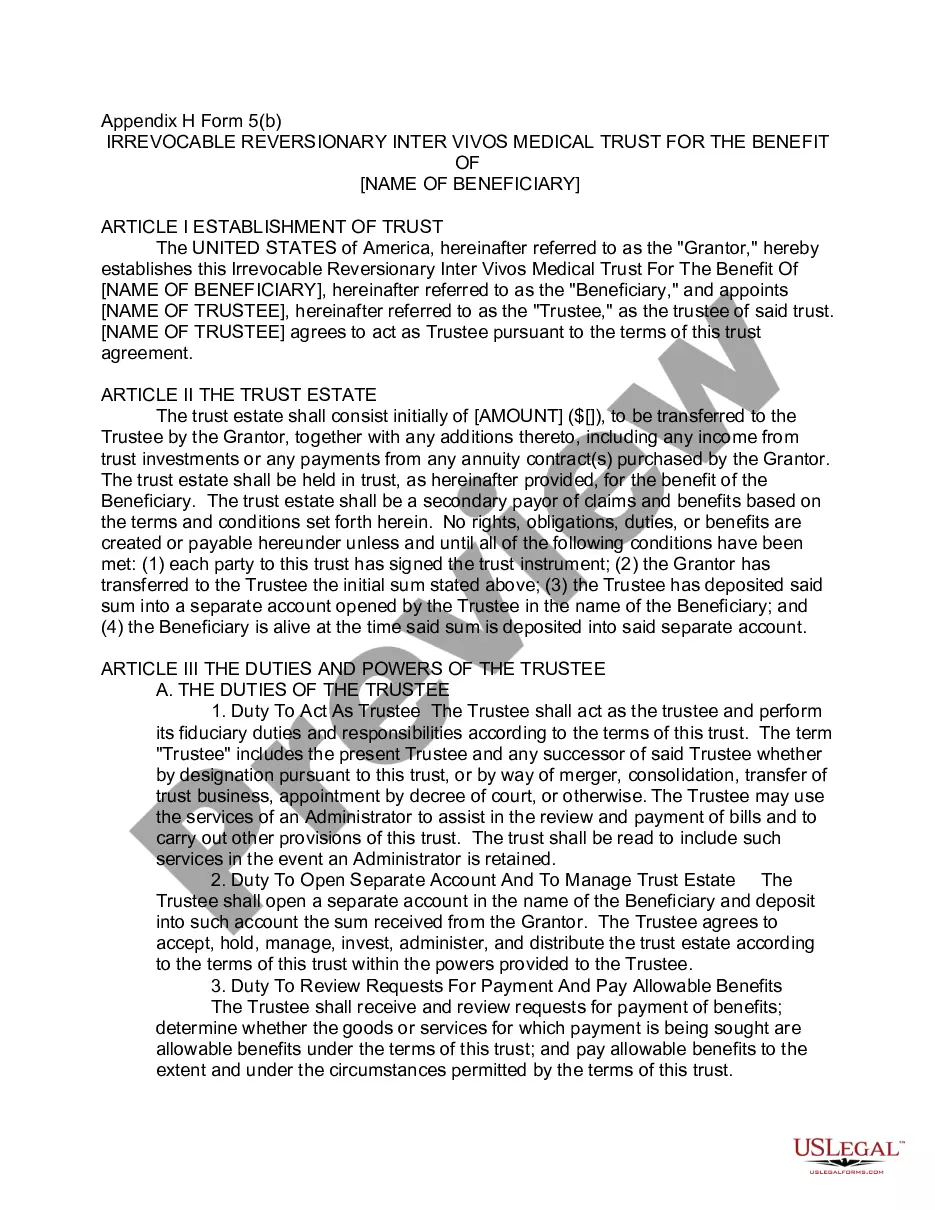
The settlor is the party that creates a trust, usually the donor. The settlor transfers legal title in some asset to the trustee. The settlor then provides in the trust instrument how that trust property is to be used for the beneficiaries. In the case of the inter vivos trust, the settlor can also be the beneficiary.
Under the Income Tax Act, trusts are generally deemed to dispose of their property 21 years after their creation. The trust is considered to have sold all its assets at once, and all the unrealized gains on the trust property are taxed. So, while trusts can remain in effect for a long time, they can't last forever.