Living Trust Form With Bank
Description
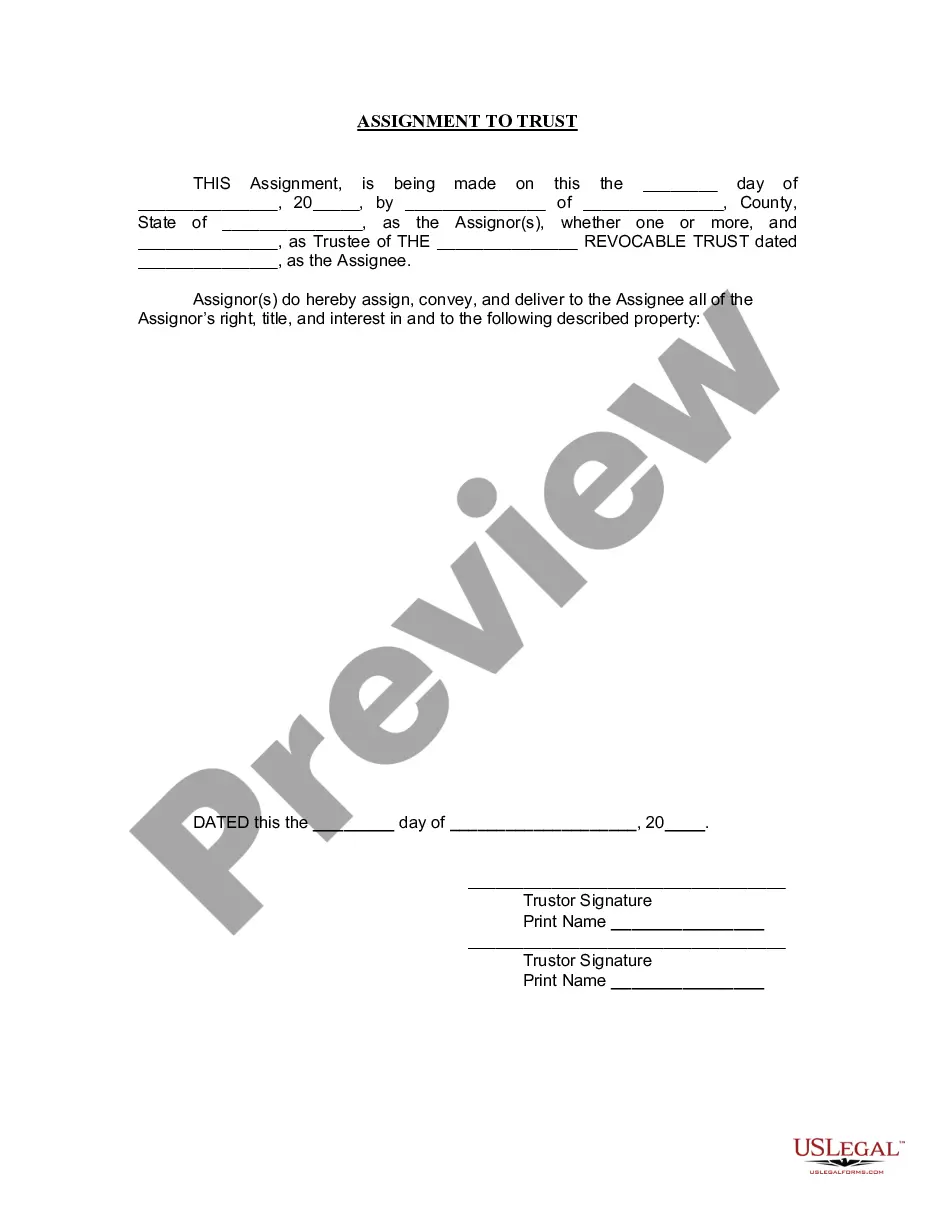
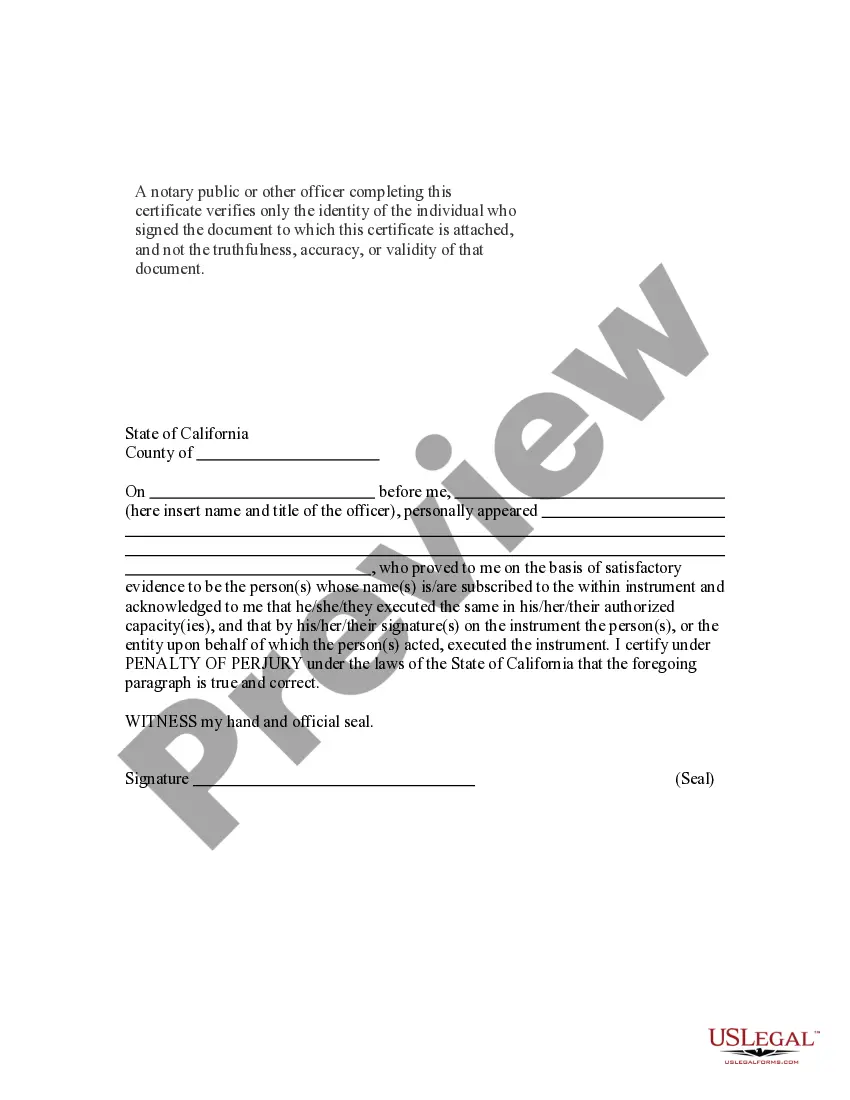
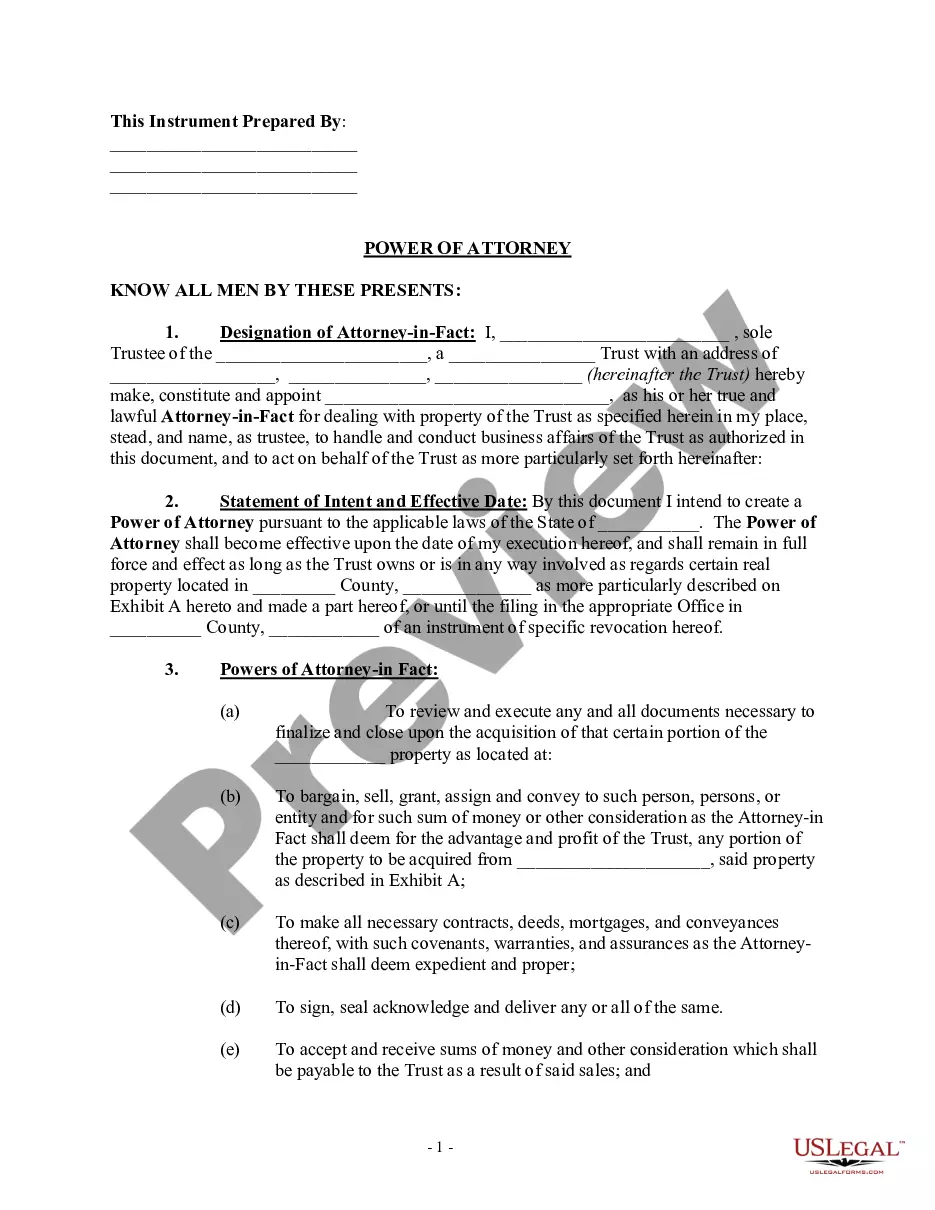
Get your form ready online
Our built-in tools help you complete, sign, share, and store your documents in one place.
Make edits, fill in missing information, and update formatting in US Legal Forms—just like you would in MS Word.
Download a copy, print it, send it by email, or mail it via USPS—whatever works best for your next step.
Sign and collect signatures with our SignNow integration. Send to multiple recipients, set reminders, and more. Go Premium to unlock E-Sign.
If this form requires notarization, complete it online through a secure video call—no need to meet a notary in person or wait for an appointment.
We protect your documents and personal data by following strict security and privacy standards.

Make edits, fill in missing information, and update formatting in US Legal Forms—just like you would in MS Word.

Download a copy, print it, send it by email, or mail it via USPS—whatever works best for your next step.

Sign and collect signatures with our SignNow integration. Send to multiple recipients, set reminders, and more. Go Premium to unlock E-Sign.

If this form requires notarization, complete it online through a secure video call—no need to meet a notary in person or wait for an appointment.

We protect your documents and personal data by following strict security and privacy standards.
Looking for another form?
How to fill out California Assignment To Living Trust?
- Visit the US Legal Forms website and log in to your account if you are a returning user. Click the Download button to get your desired template.
- For first-time users, start by browsing the extensive online library. Check the Preview mode and descriptions to ensure you choose the right form that complies with your local jurisdiction.
- Should you need to search for an alternative template, utilize the Search tab to find a suitable option.
- Once you select the appropriate document, click the Buy Now button. Choose the subscription plan that fits your needs and create an account.
- Complete the purchase by entering your credit card information or using PayPal for payment.
- After your payment is processed, download your form, and you can access it anytime from the My Forms menu in your profile.
In conclusion, US Legal Forms is a powerful resource that simplifies the process of obtaining legal documents. With a comprehensive library of over 85,000 forms and expert assistance, users can navigate their legal needs confidently.
Start today and ensure you have the right living trust form with bank specifications for your estate planning needs!
Form popularity
FAQ
Yes, many banks offer the option to set up a trust fund, allowing you to manage your assets efficiently. By using a living trust form with bank involvement, you can establish specific terms for your beneficiaries. Additionally, banks can assist you in handling the necessary paperwork and guiding you through the process. This option can provide peace of mind as you plan for your assets' future.
Placing bank accounts in a living trust provides several benefits, such as avoiding probate and ensuring your assets remain accessible. When you use a living trust form with bank accounts, you simplify the process for your beneficiaries. Moreover, having your bank accounts in a living trust helps maintain privacy and streamlines estate management. It's a wise option if you want to plan effectively for the future.
Transferring a bank account to a living trust involves several straightforward steps. First, you should gather your living trust form with bank details, including the trust's name and identification number. Next, contact your bank to request the necessary paperwork for transferring the account into the trust. Finally, submit the completed forms, along with any required identification, to complete the transfer.
A family trust, while beneficial, can have some drawbacks. One notable disadvantage is the potential for complexity in managing the trust, which may require legal expertise. Additionally, a living trust form with bank involvement means that the assets need to be retitled, which may create challenges during the transition. Therefore, it is essential to weigh these factors carefully when deciding whether to establish a family trust.
To place your bank account into a living trust, you'll need to contact your bank and request a change of ownership. Most banks require you to fill out a living trust form with bank information, and they may ask for a copy of your trust document. By doing this, the bank accounts held in your name will be transferred to the trust, allowing for smoother management of your assets. Don’t hesitate to reach out to uslegalforms for guidance on the required steps.
One common mistake parents make is not properly funding the trust with their assets. If you do not transfer ownership of your bank accounts, property, and investments into the trust, it will not function as intended. To avoid this pitfall, it's essential to use a living trust form with bank clearly outlining the assets to include. Utilize trusted platforms like uslegalforms to ensure you get it right.
Deciding whether your parents should place their assets in a trust depends on their specific financial situation and goals. A trust can help manage and protect their assets, especially for future generations. However, it’s essential for them to weigh the benefits against any potential downsides. Consulting with experts can simplify this process, and using a living trust form with bank support ensures everything is handled correctly.
Placing assets in a trust can limit your access and control in certain circumstances. Once assets are transferred, you may need to follow specific regulations regarding withdrawals or changes. Families should also consider potential tax implications that can arise from transferring ownership. To navigate these issues smoothly, using a well-designed living trust form with bank assistance is advisable.
One significant downfall of having a trust involves the initial setup costs and complexities. Establishing a living trust involves legal fees and paperwork, which can be daunting. Additionally, some individuals may find it challenging to properly fund the trust with assets, potentially leading to complications later. It's crucial to utilize a proper living trust form with bank guidance to avoid these pitfalls.