Forma Trust
Description
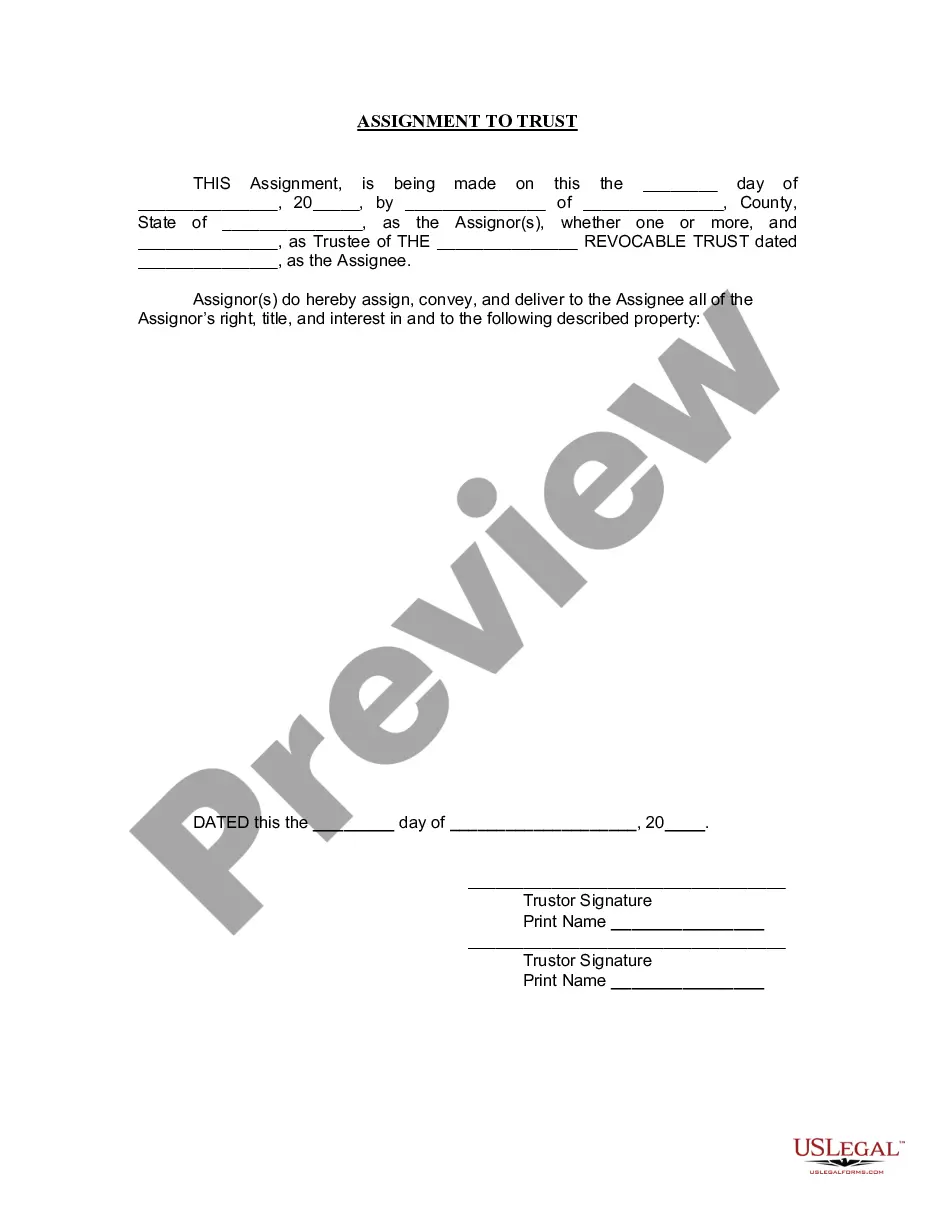
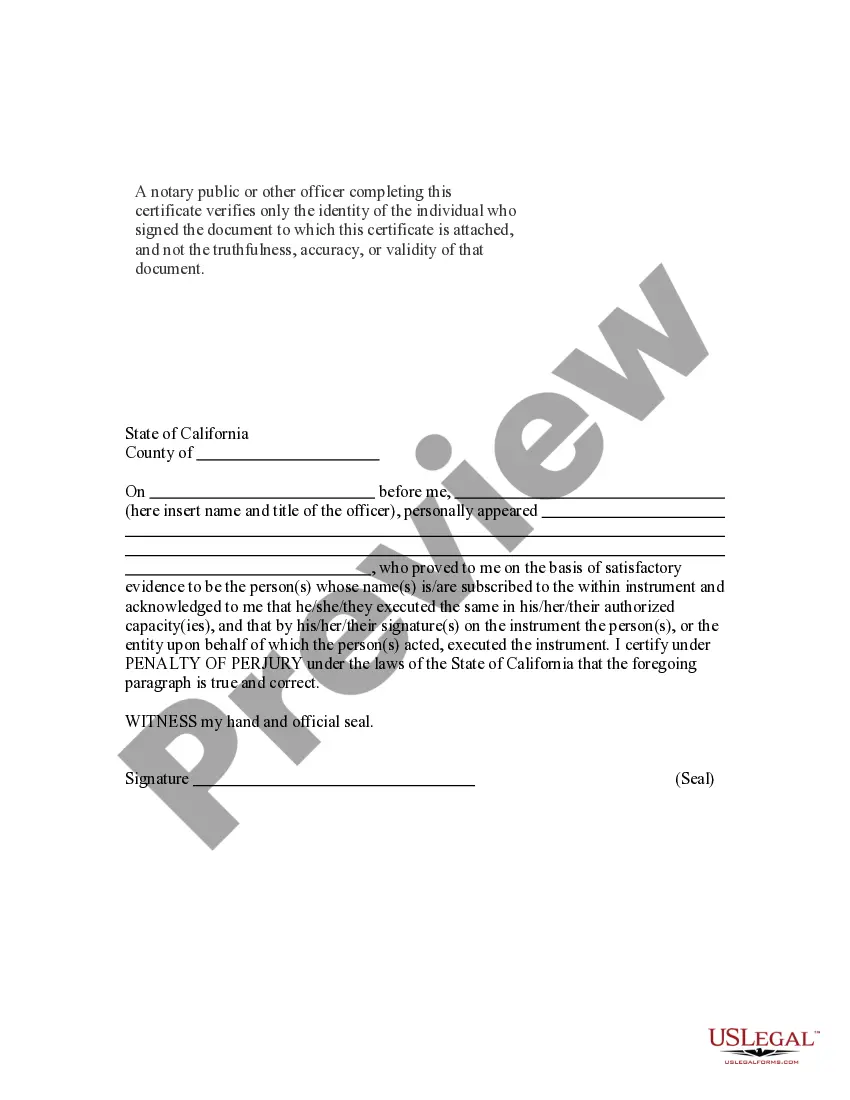

Get your form ready online
Our built-in tools help you complete, sign, share, and store your documents in one place.
Make edits, fill in missing information, and update formatting in US Legal Forms—just like you would in MS Word.
Download a copy, print it, send it by email, or mail it via USPS—whatever works best for your next step.
Sign and collect signatures with our SignNow integration. Send to multiple recipients, set reminders, and more. Go Premium to unlock E-Sign.
If this form requires notarization, complete it online through a secure video call—no need to meet a notary in person or wait for an appointment.
We protect your documents and personal data by following strict security and privacy standards.

Make edits, fill in missing information, and update formatting in US Legal Forms—just like you would in MS Word.

Download a copy, print it, send it by email, or mail it via USPS—whatever works best for your next step.

Sign and collect signatures with our SignNow integration. Send to multiple recipients, set reminders, and more. Go Premium to unlock E-Sign.

If this form requires notarization, complete it online through a secure video call—no need to meet a notary in person or wait for an appointment.

We protect your documents and personal data by following strict security and privacy standards.
Looking for another form?
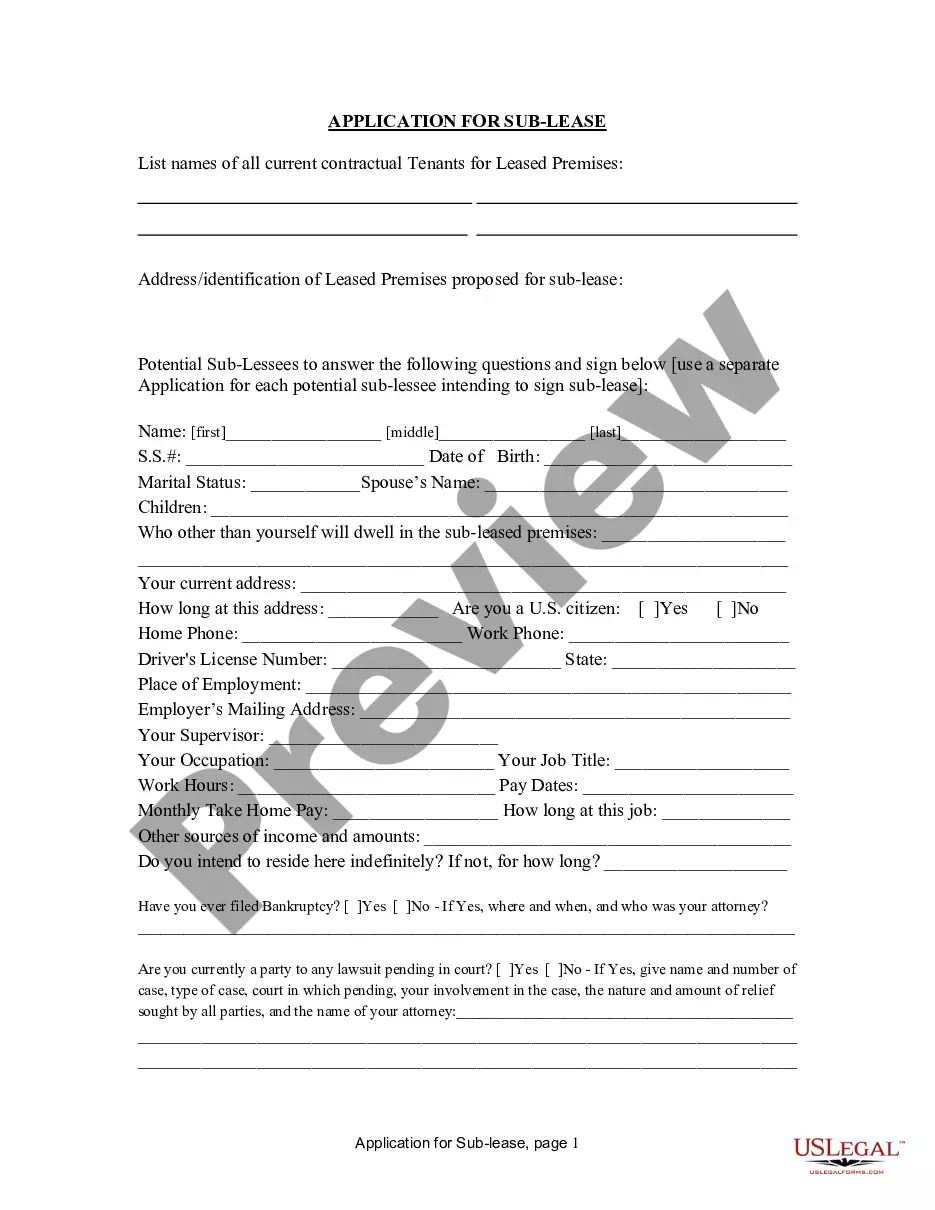
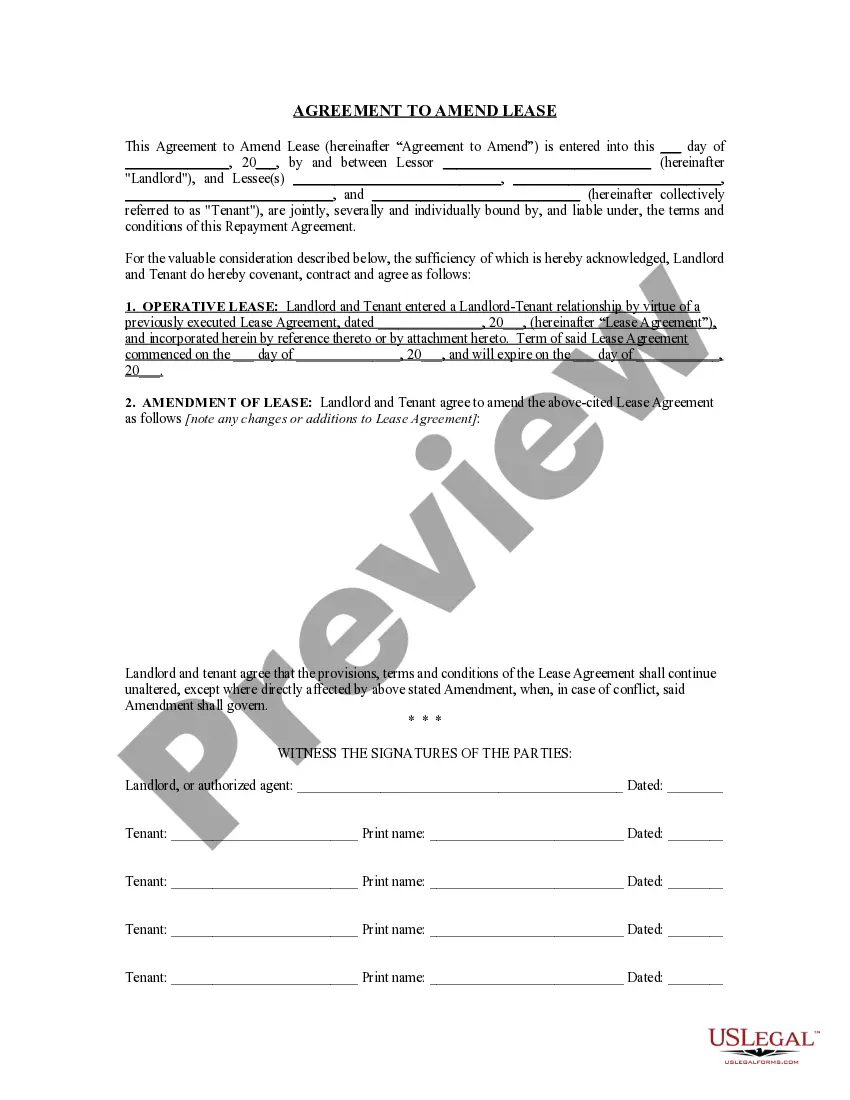
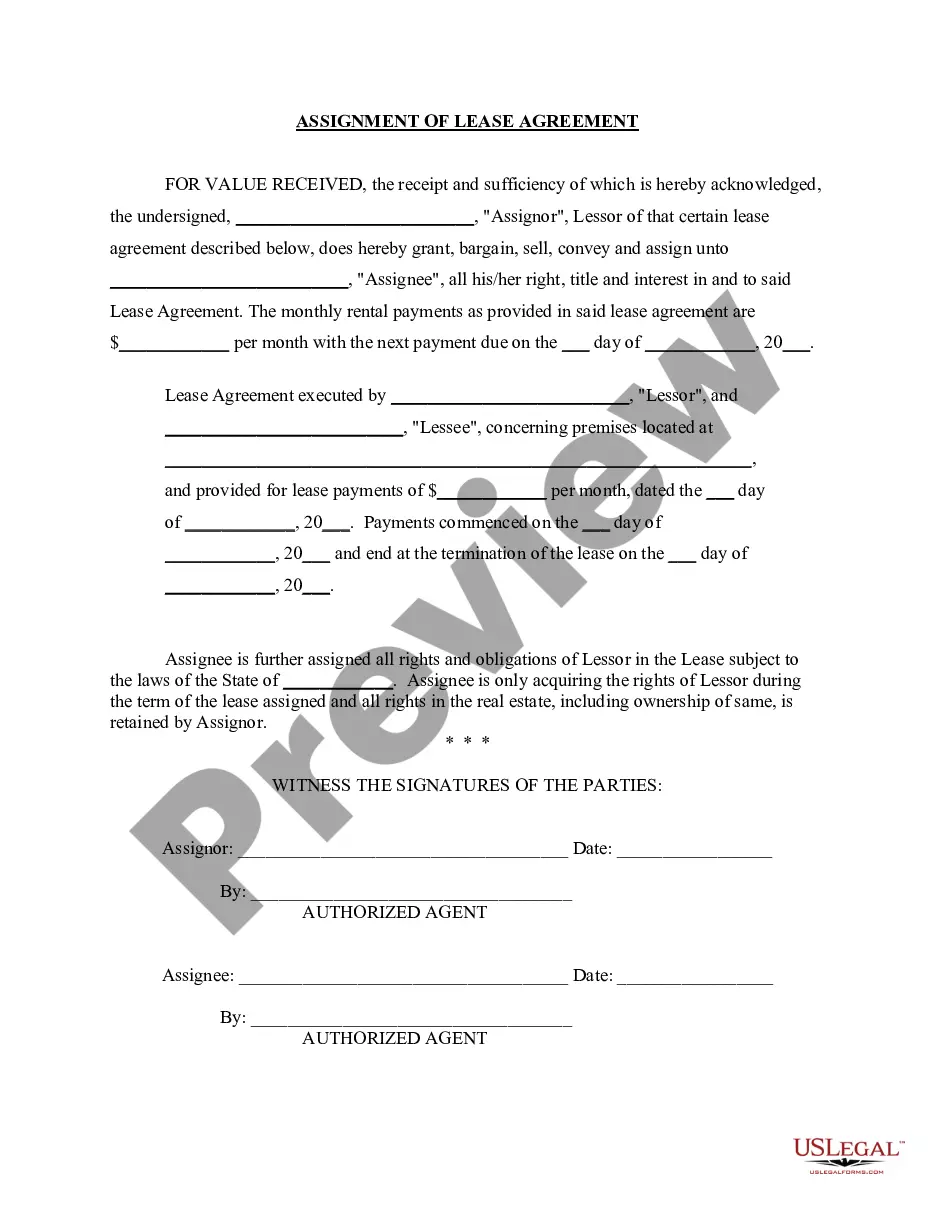
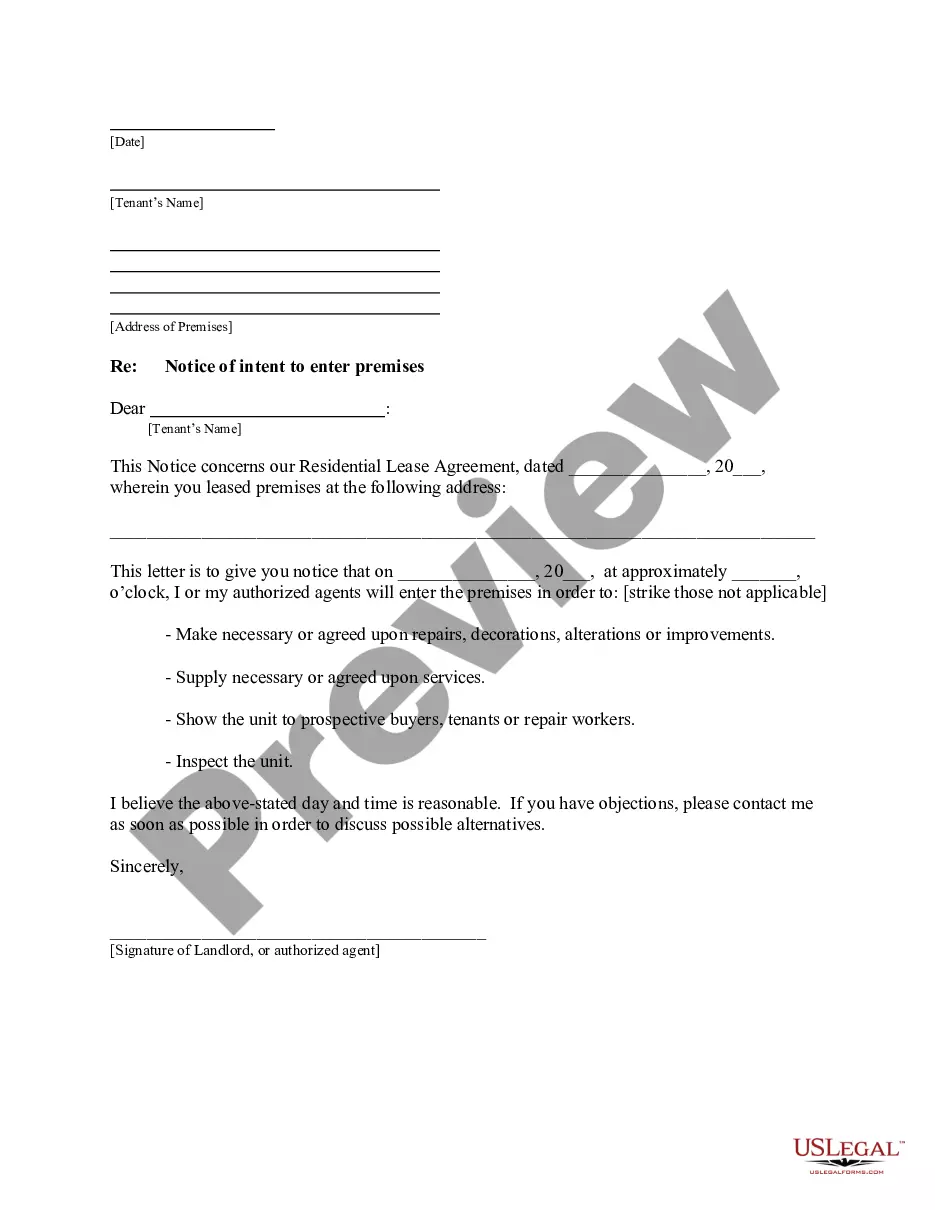


How to fill out California Assignment To Living Trust?
- If you are a returning user, log in to your account and check that your subscription is active. Click the Download button to save the needed form template.
- If you are new to our service, begin by browsing the Preview mode and form description. Make sure you select the correct template that aligns with your local jurisdiction requirements.
- If the chosen form does not meet your needs, utilize the Search tab to find an alternative template that better suits your requirements.
- Once you find the right document, click the Buy Now button and select your preferred subscription plan. A user account registration will be required for access.
- Complete your purchase by entering your credit card information or using your PayPal account for the subscription payment.
- Lastly, download your form and save it on your device. You can access it at any time from the My documents section of your profile.
In summary, US Legal Forms equipped with Forma trust provides a comprehensive suite of legal documents at your fingertips. With a vast collection that exceeds competitors, you'll find over 85,000 forms to meet your legal needs.
Start leveraging the efficiency of US Legal Forms today and take control of your legal documentation process!
Form popularity
FAQ
The minimum income threshold for filing a trust return can vary, but generally, a forma trust must file a return if it generates income of $600 or more in a year. If the trust has any beneficiaries who are receiving distributions, this threshold applies. Understanding these criteria is essential for proper tax management. Using uslegalforms can help clarify your responsibilities and ensure you file correctly.
The IRS has recently updated regulations affecting trusts, notably regarding reporting requirements. These rules may require a forma trust to provide additional disclosures about its beneficiaries and activities. Staying informed about these changes is vital for compliance and effective tax planning. At uslegalforms, we offer resources to keep you updated on these guidelines.
Yes, a trust typically needs to be filed with the IRS if it generates income. This includes any forma trust that has taxable income exceeding the federal threshold. It is important to report this income to avoid penalties and ensure compliance. Our services at uslegalforms can guide you through the filing process, helping you meet your obligations effortlessly.
To file a trust, you generally need Form 1041, which is the U.S. Income Tax Return for Estates and Trusts. If your forma trust earns income over a certain amount, filing this form is crucial. Ensure you provide all necessary information, such as trustee details and income sources. Using platforms like uslegalforms can simplify this process significantly.
Documenting trust income involves keeping accurate records of all income received by the trust. This includes interest, dividends, rental income, and other earnings. Utilizing tools like those provided by US Legal Forms for your Forma trust can help ensure all income documentation aligns with regulatory requirements.
Yes, income generated from a trust must be reported to the IRS, typically through Form 1041. The reporting obligation lies with the trustee, who is responsible for filing on behalf of the trust. For those using a Forma trust, US Legal Forms can provide essential resources to ensure all income is reported accurately.
Yes, you can write off certain expenses incurred by a trust, such as administration costs and investment fees. These deductions can reduce the overall taxable income of the trust, benefiting both the trust and its beneficiaries. To accurately document these expenses when managing a Forma trust, the US Legal Forms platform offers tools and guidance.
Filing income from a trust involves completing the necessary tax forms, primarily IRS Form 1041. You will report all trust income, distributions to beneficiaries, and other related details on this form. For added support, check out resources from US Legal Forms to ensure your Forma trust is properly filed.
Trusts generally need to file IRS Form 1041 to report their income, deductions, and distributions. Additionally, beneficiaries may need to report any distributions on their individual tax returns, typically using Form 1040. If you are managing a Forma trust, utilizing US Legal Forms can simplify preparation and submission of these tax forms.
To report income from a trust, you'll typically need to complete IRS Form 1041, which is the U.S. Income Tax Return for Estates and Trusts. This form requires you to report income earned by the trust and distribute any amounts owed to beneficiaries. Consulting with a tax professional or using services from US Legal Forms can help streamline this reporting process, especially when dealing with a Forma trust.