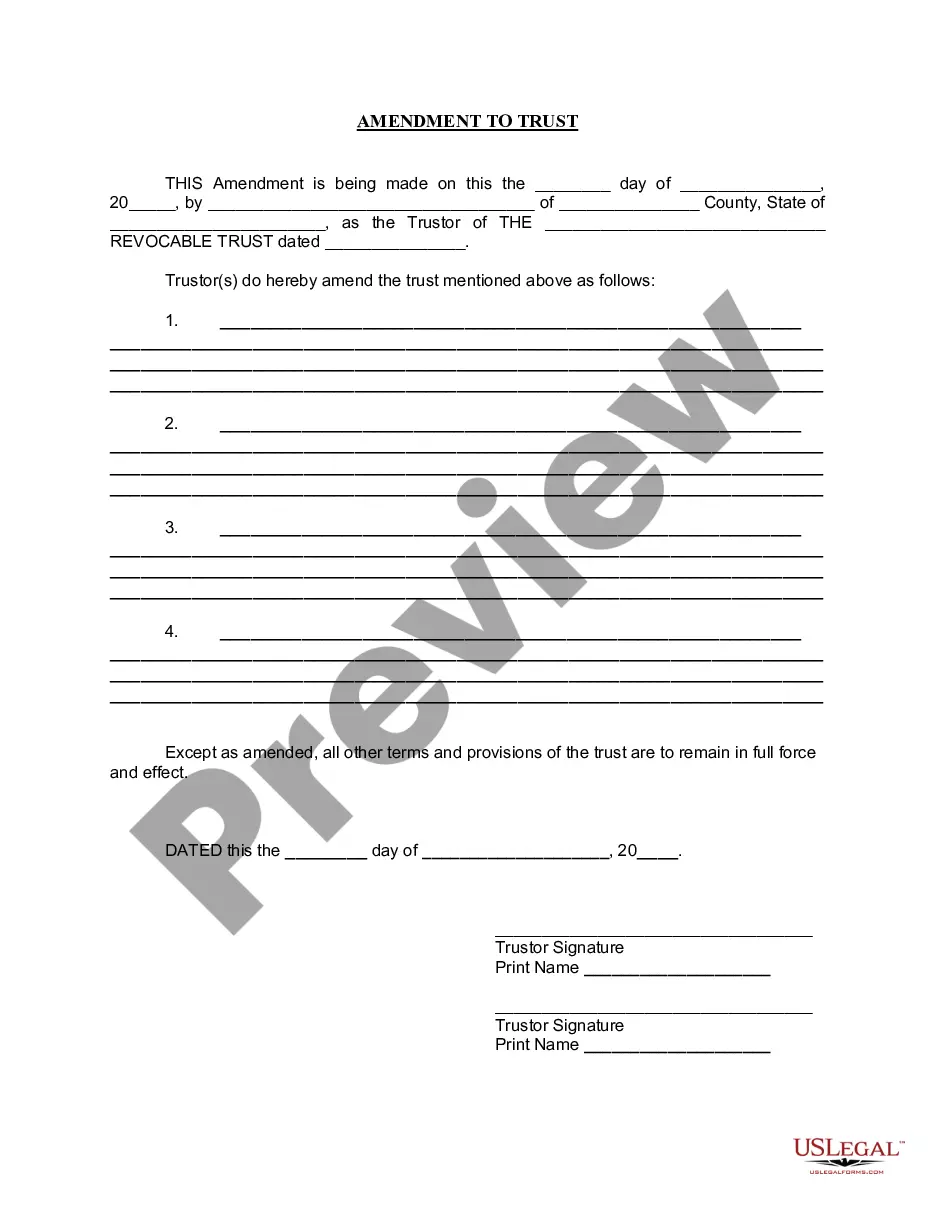
Amendment Form For Living Trust Without A Lawyer
Description

Get your form ready online
Our built-in tools help you complete, sign, share, and store your documents in one place.
Make edits, fill in missing information, and update formatting in US Legal Forms—just like you would in MS Word.
Download a copy, print it, send it by email, or mail it via USPS—whatever works best for your next step.
Sign and collect signatures with our SignNow integration. Send to multiple recipients, set reminders, and more. Go Premium to unlock E-Sign.
If this form requires notarization, complete it online through a secure video call—no need to meet a notary in person or wait for an appointment.
We protect your documents and personal data by following strict security and privacy standards.

Make edits, fill in missing information, and update formatting in US Legal Forms—just like you would in MS Word.

Download a copy, print it, send it by email, or mail it via USPS—whatever works best for your next step.

Sign and collect signatures with our SignNow integration. Send to multiple recipients, set reminders, and more. Go Premium to unlock E-Sign.

If this form requires notarization, complete it online through a secure video call—no need to meet a notary in person or wait for an appointment.

We protect your documents and personal data by following strict security and privacy standards.
Looking for another form?



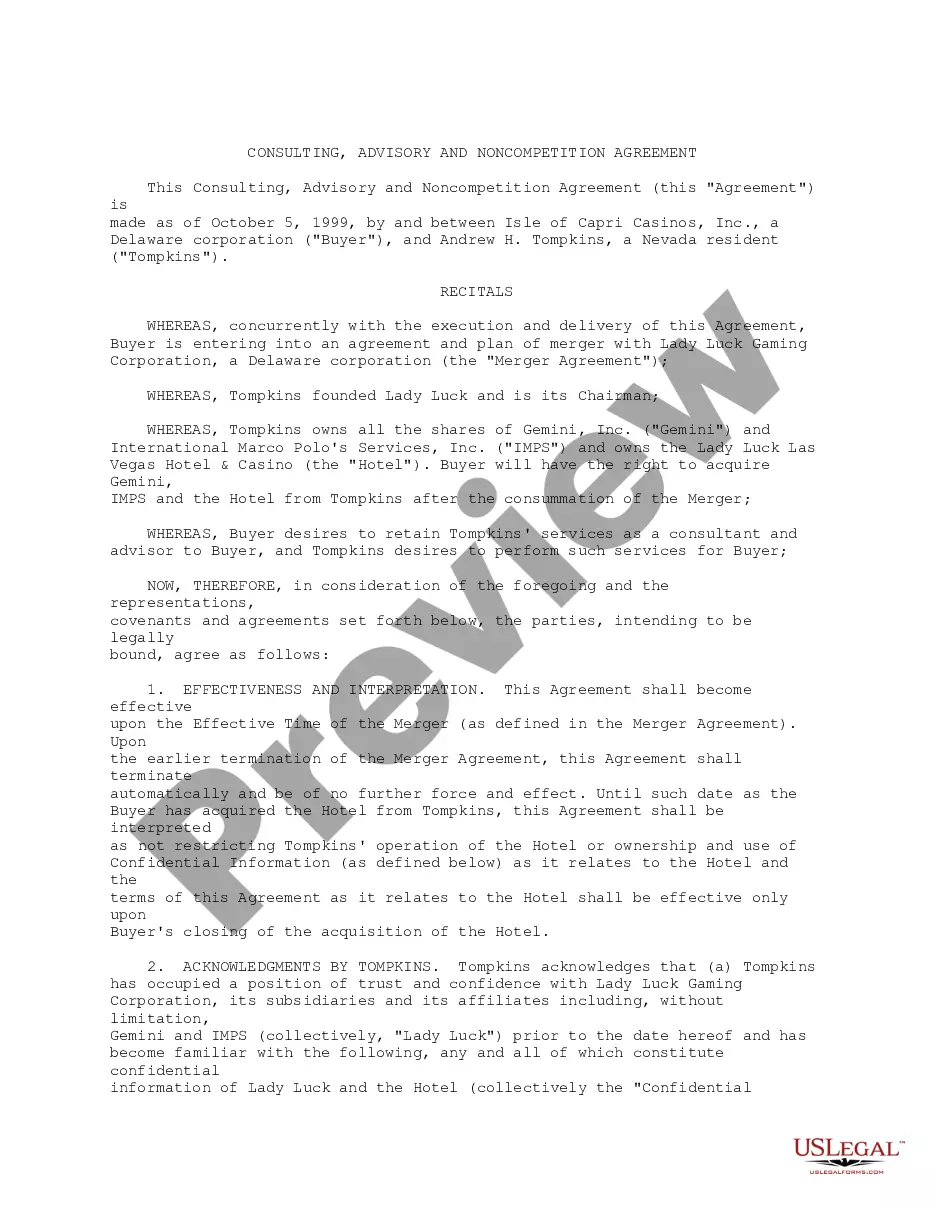

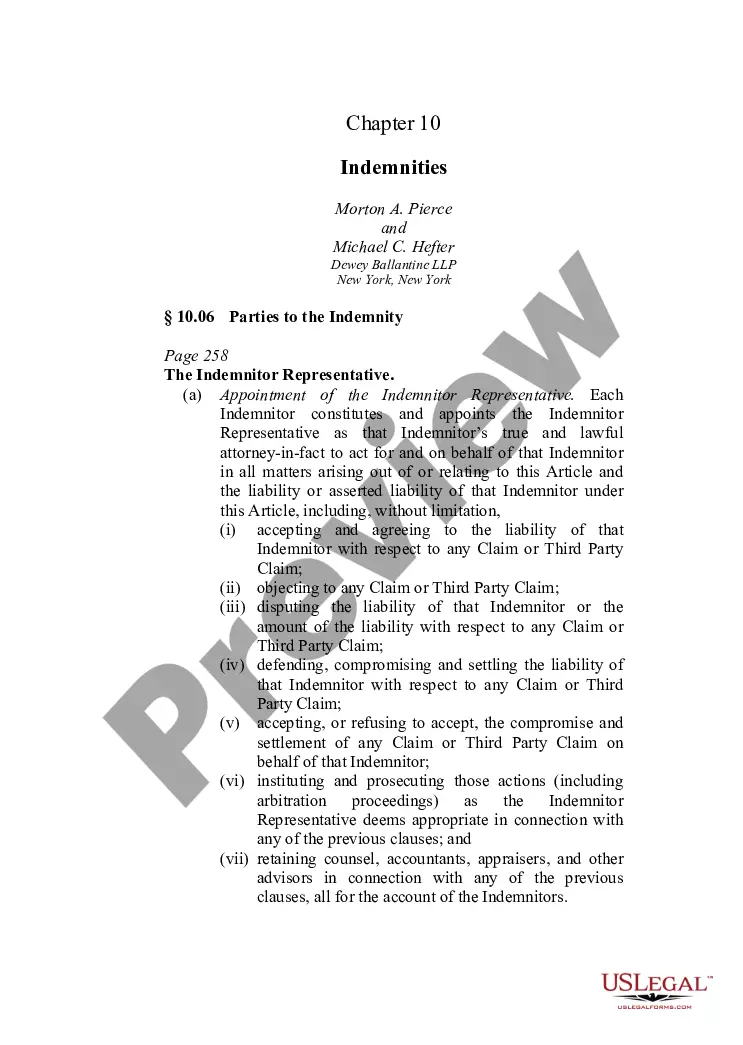
How to fill out California Amendment To Living Trust?
Creating legal documents from the ground up can frequently be daunting.
Some situations may require extensive research and significant financial investment.
If you're in search of a simpler and more economical method for preparing the Amendment Form For Living Trust Without A Lawyer or any other documentation without unnecessary complexities, US Legal Forms is always available to assist you.
Our online repository of over 85,000 current legal documents covers nearly all aspects of your financial, legal, and personal affairs. With just a few clicks, you can swiftly access state- and county-specific templates meticulously crafted for you by our legal professionals.
Ensure the form you select meets the criteria of your state and county. Select the appropriate subscription plan to purchase the Amendment Form For Living Trust Without A Lawyer. Download the form, then complete, verify, and print it out. US Legal Forms has a solid reputation and over 25 years of expertise. Join us today and make form completion a simple and efficient process!
- Utilize our platform whenever you require dependable and trustworthy services through which you can swiftly locate and download the Amendment Form For Living Trust Without A Lawyer.
- If you’re familiar with our services and have previously established an account with us, simply Log In to your account, find the template, and download it or re-download it anytime in the My documents section.
- Haven't registered yet? No problem. It only takes a few minutes to set up and explore the library.
- Before proceeding to download the Amendment Form For Living Trust Without A Lawyer, consider these guidelines.
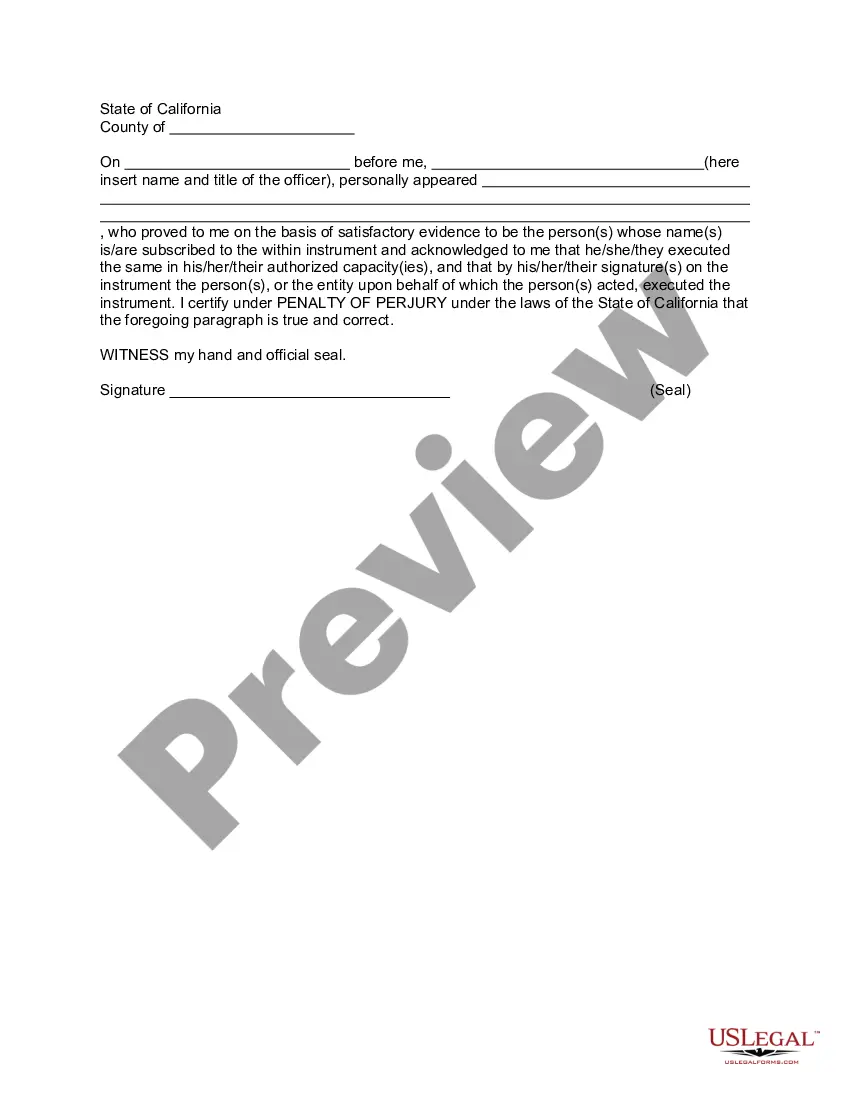
- Review the document preview and descriptions to confirm that you have identified the document you need.
Form popularity
FAQ
It's important to know what you want to change and where in your trust document this information lives (such as the article number you're amending). Fill out the amendment form. Complete the entire form. It's important to be clear and detailed in describing your changes.
If you made a trust with your spouse or partner, then while both of you are alive, you both must agree to amend any provision of the trust document -- for example, to change a beneficiary, a successor trustee or the property management set up for a young beneficiary.
The trust deed lists the trustees. Therefore, to change an individual trustee, you need to amend the trust deed. Most trust deeds permit a change of trustee by way of a trustee resolution and entry into a deed of variation. A trustee resolution is a signed statement of the actions taken by the trustee.
In most cases, a trust deed generally offers two processes for the removal of a beneficiary. Most commonly, the beneficiary can sign a document to renunciate all interests as a beneficiary. Otherwise, the trustee may have discretionary power to revoke the beneficiary.
In the trust deed where there is no mention about amendment, the amendment has to be done with the permission of a civil court. Even the Civil Courts do not have unlimited powers of amendment. The Civil Courts permit amendment under the doctrine of Cy pres, which means the original intent of the settlor should prevail.