Trust Incontestable Uncollected Withdrawal
Description
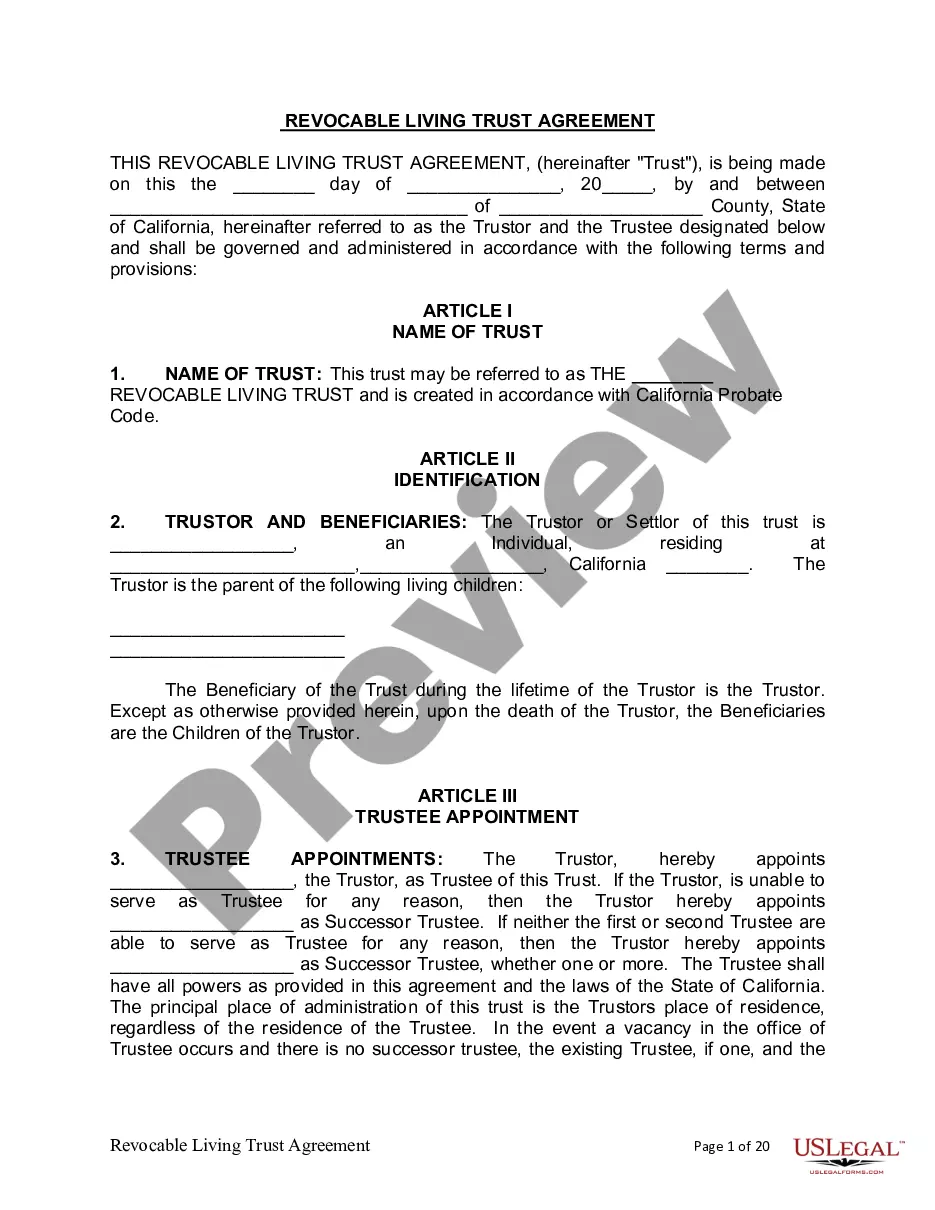
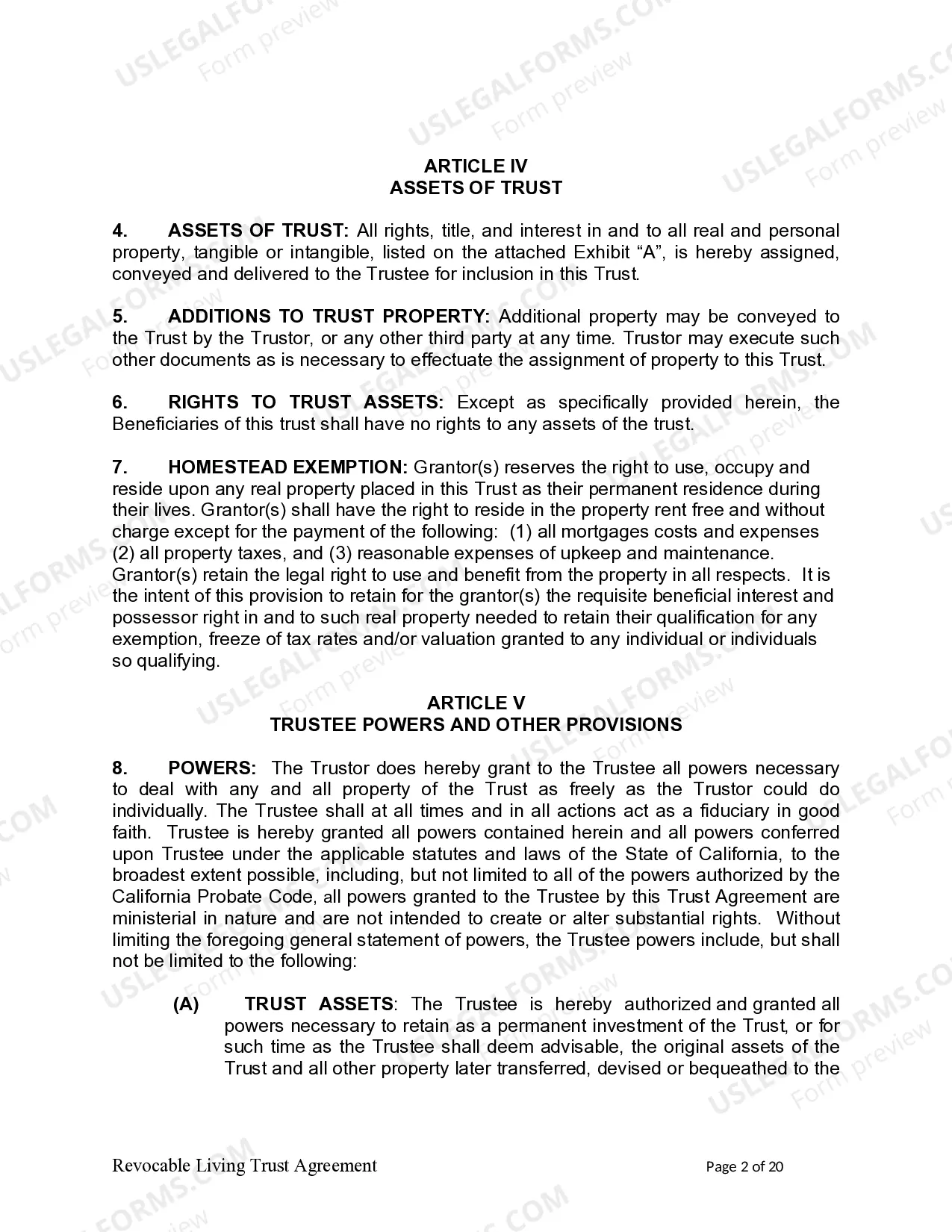
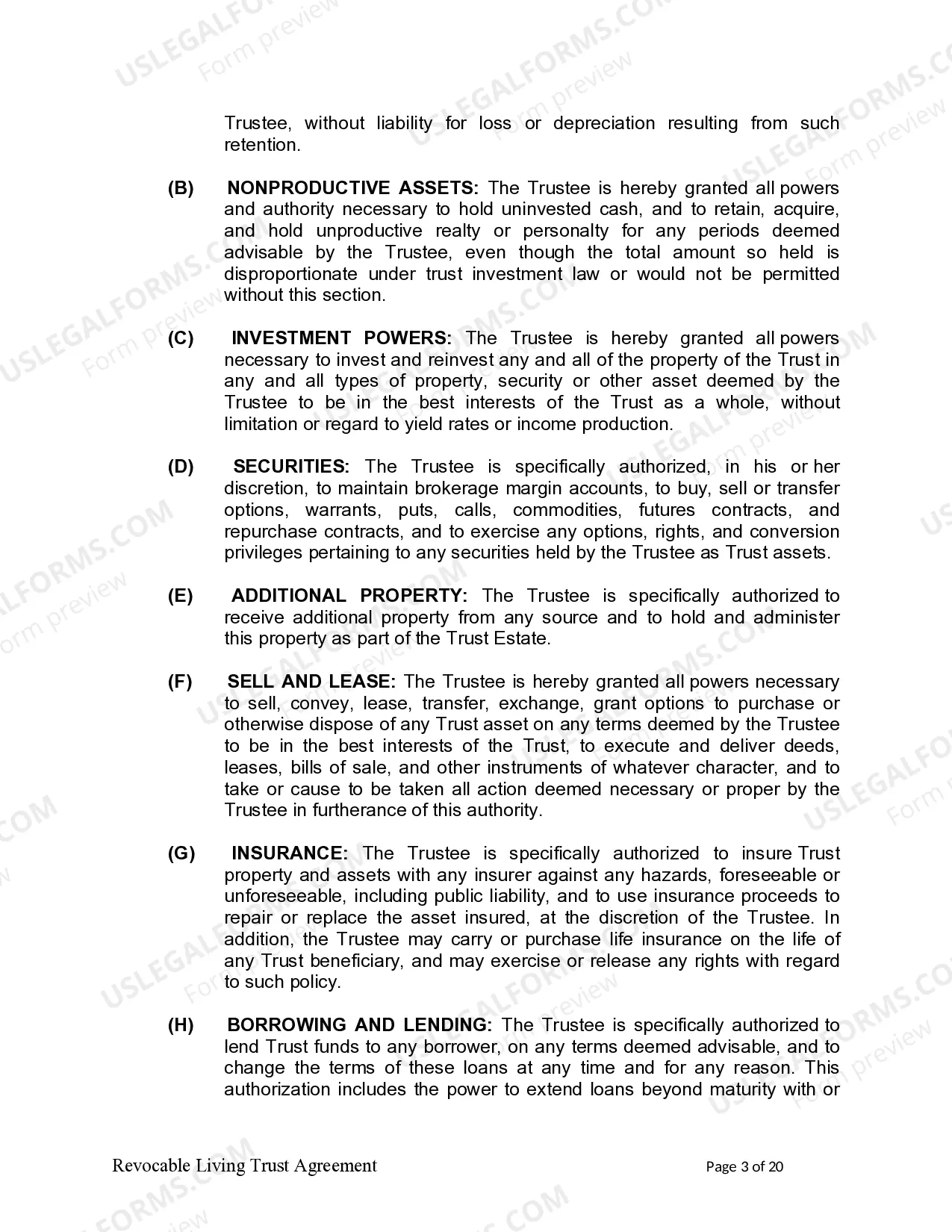
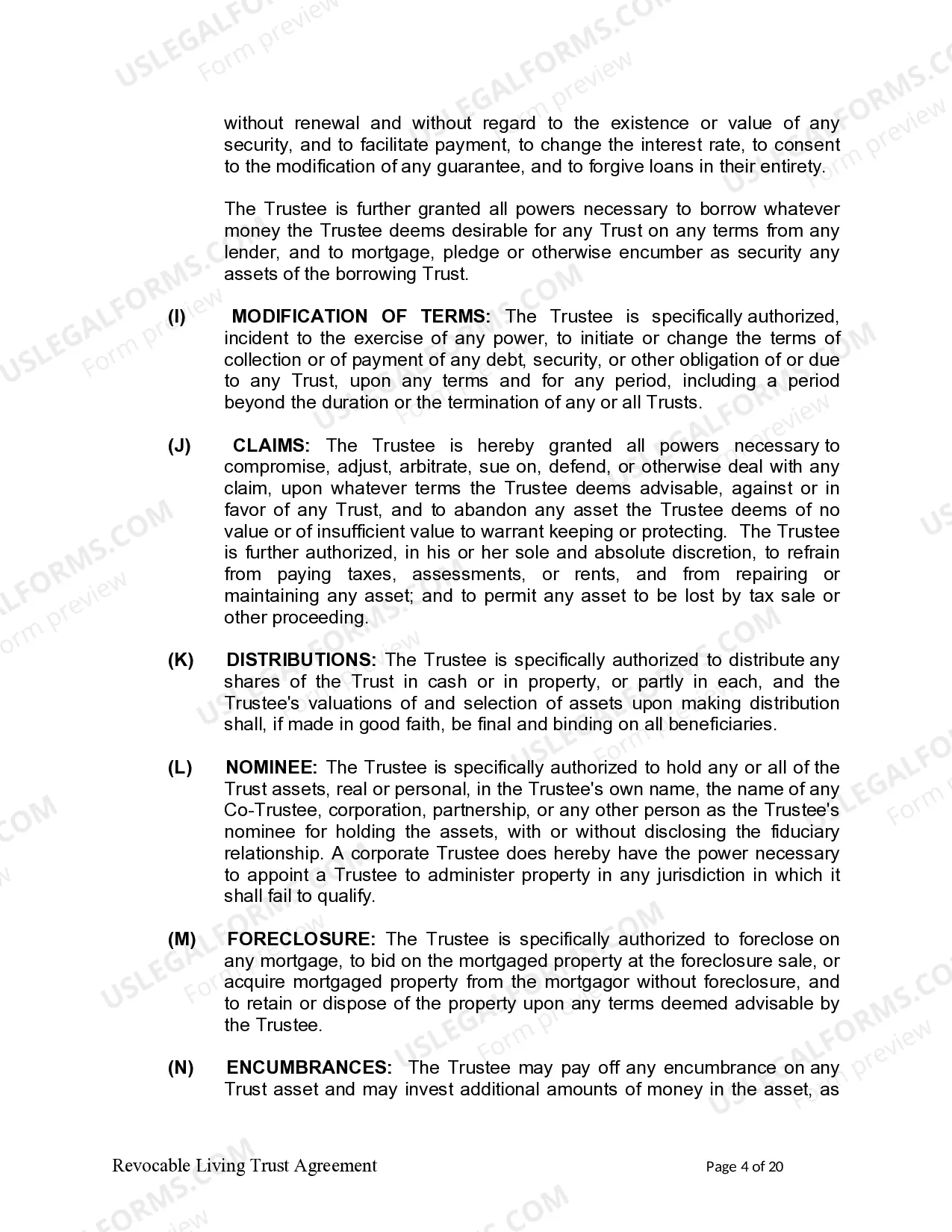
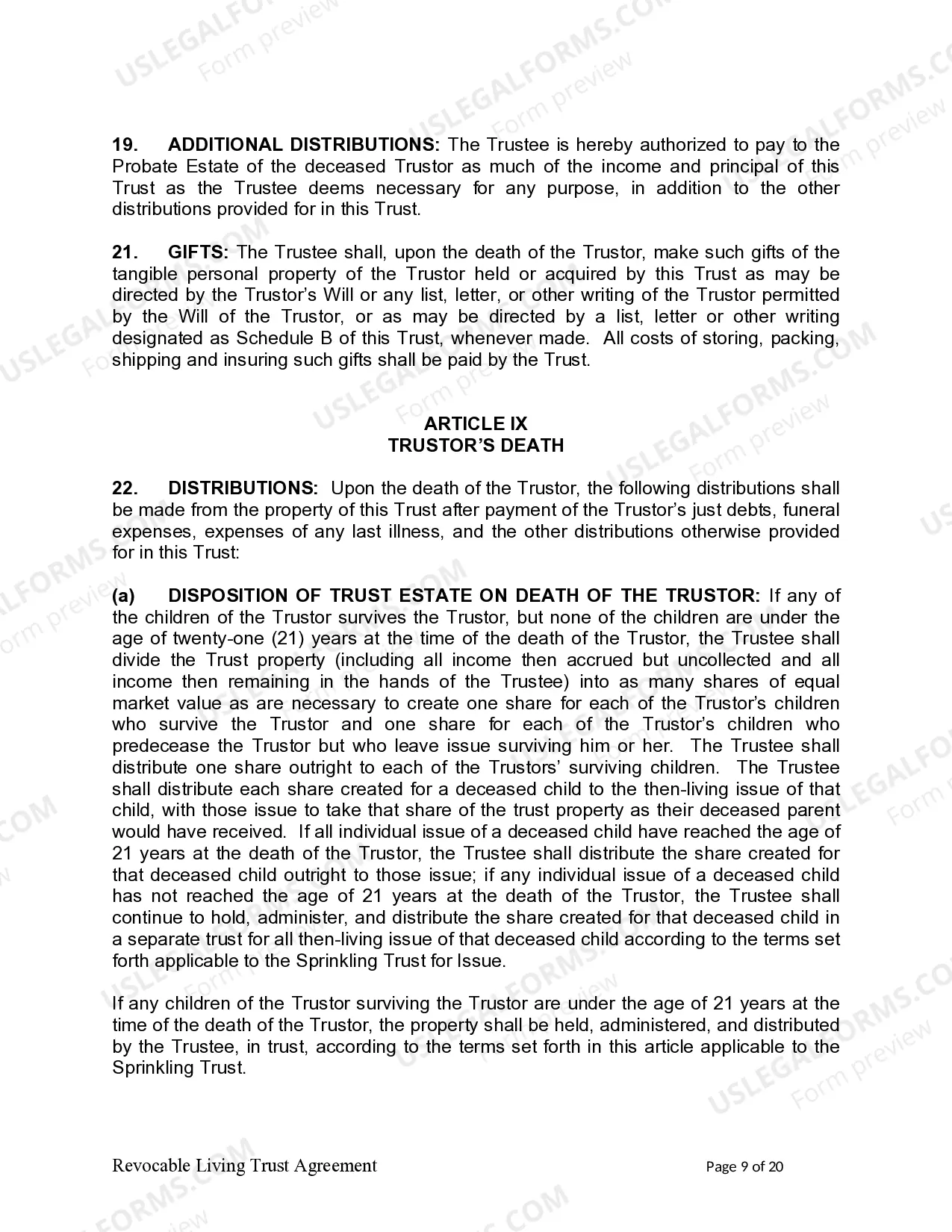
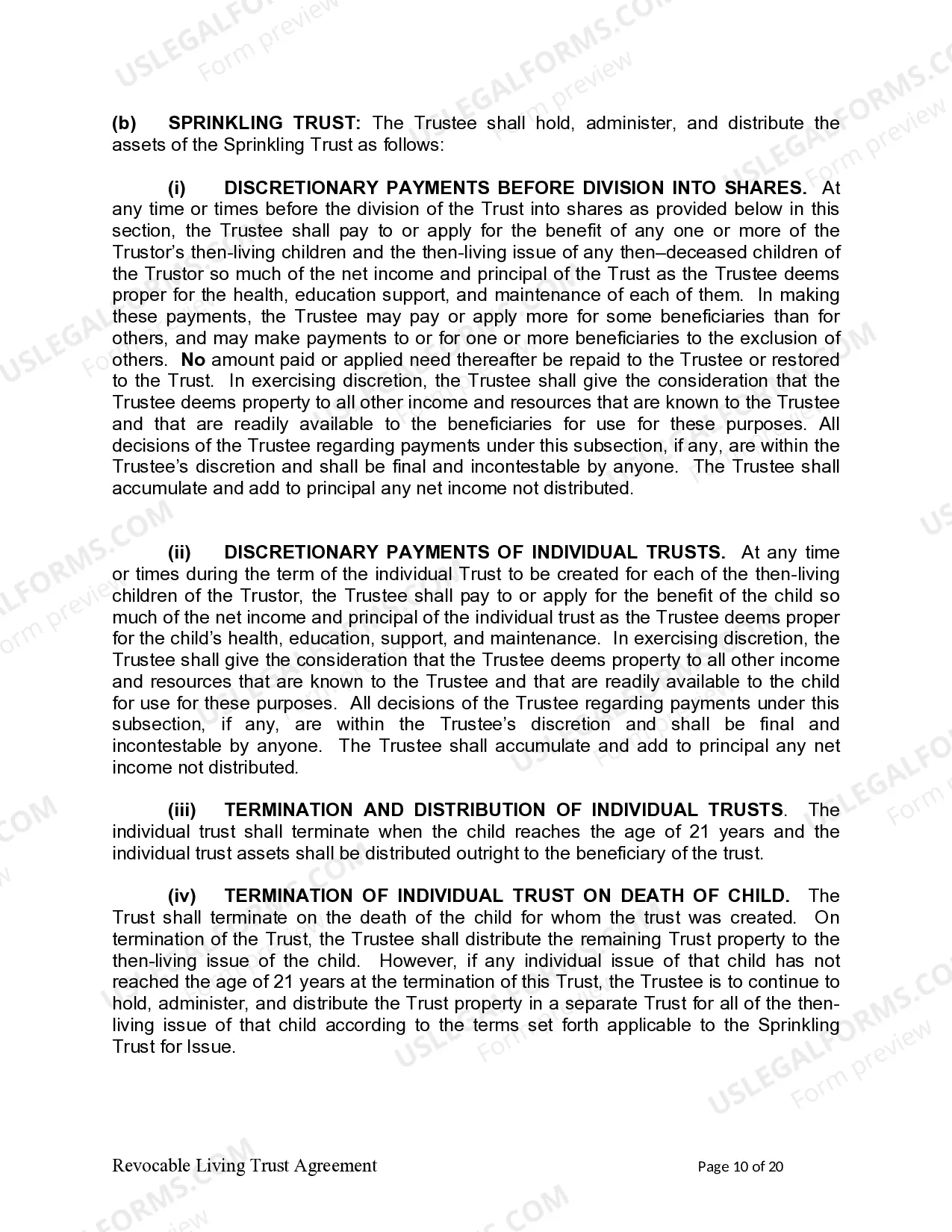



Get your form ready online
Our built-in tools help you complete, sign, share, and store your documents in one place.
Make edits, fill in missing information, and update formatting in US Legal Forms—just like you would in MS Word.
Download a copy, print it, send it by email, or mail it via USPS—whatever works best for your next step.
Sign and collect signatures with our SignNow integration. Send to multiple recipients, set reminders, and more. Go Premium to unlock E-Sign.
If this form requires notarization, complete it online through a secure video call—no need to meet a notary in person or wait for an appointment.
We protect your documents and personal data by following strict security and privacy standards.

Make edits, fill in missing information, and update formatting in US Legal Forms—just like you would in MS Word.

Download a copy, print it, send it by email, or mail it via USPS—whatever works best for your next step.

Sign and collect signatures with our SignNow integration. Send to multiple recipients, set reminders, and more. Go Premium to unlock E-Sign.

If this form requires notarization, complete it online through a secure video call—no need to meet a notary in person or wait for an appointment.

We protect your documents and personal data by following strict security and privacy standards.
Looking for another form?









How to fill out California Living Trust For Individual, Who Is Single, Divorced Or Widow (or Widower) With Children?
Acquiring legal documents that adhere to federal and local laws is essential, and the web provides numerous choices to choose from.
However, what’s the purpose of spending time searching for the suitable Trust Incontestable Uncollected Withdrawal template online when the US Legal Forms digital library already has such documents gathered in one location.
US Legal Forms is the largest online legal archive with over 85,000 editable templates created by lawyers for any commercial and personal situation.
Review the template using the Preview function or through the text outline to ensure it meets your requirements.
- They are straightforward to navigate with all documents categorized by state and intended use.
- Our experts stay informed about legal updates, ensuring your documentation is always current and compliant when acquiring a Trust Incontestable Uncollected Withdrawal from our site.
- Obtaining a Trust Incontestable Uncollected Withdrawal is quick and easy for both existing and new users.
- If you already possess an account with an active subscription, Log In and save the document template you require in the correct format.
- If you are a new visitor to our site, follow the instructions below.
Form popularity
FAQ
Instead, in most cases, an irrevocable trust can only be dissolved by court order. The details of dissolving an irrevocable trust differ widely between states and jurisdictions. However, typically you will need to get approval from the trust's beneficiaries and potentially its trustees as well.
The grantor can opt to have the beneficiaries receive trust property directly without any restrictions. The trustee can write the beneficiary a check, give them cash, and transfer real estate by drawing up a new deed or selling the house and giving them the proceeds.
Whether or not the trustee can withhold funds from you depends on the terms of the trust itself. If the trust requires withholding distributions under certain circumstances, such as the beneficiary reaching a specific age, the trustee must follow those stipulations.
The Trustee simply transfers all assets to the beneficiary. Distribution is also fairly easy if the trust document identifies all assets and specific amounts to be paid to each beneficiary. Distributions by percentages are a little more complicated as the Trustee should first establish the estate's fair market value.
Some trusts are designed so that the assets in the trust are protected for the beneficiary from things such as a potential divorce, creditors, lawsuits, bankruptcy, etc. These assets do not become marital property with the beneficiary's spouse and they are protected from any personal liabilities of the beneficiary.