Tenancy Agreement Form For Private Landlords
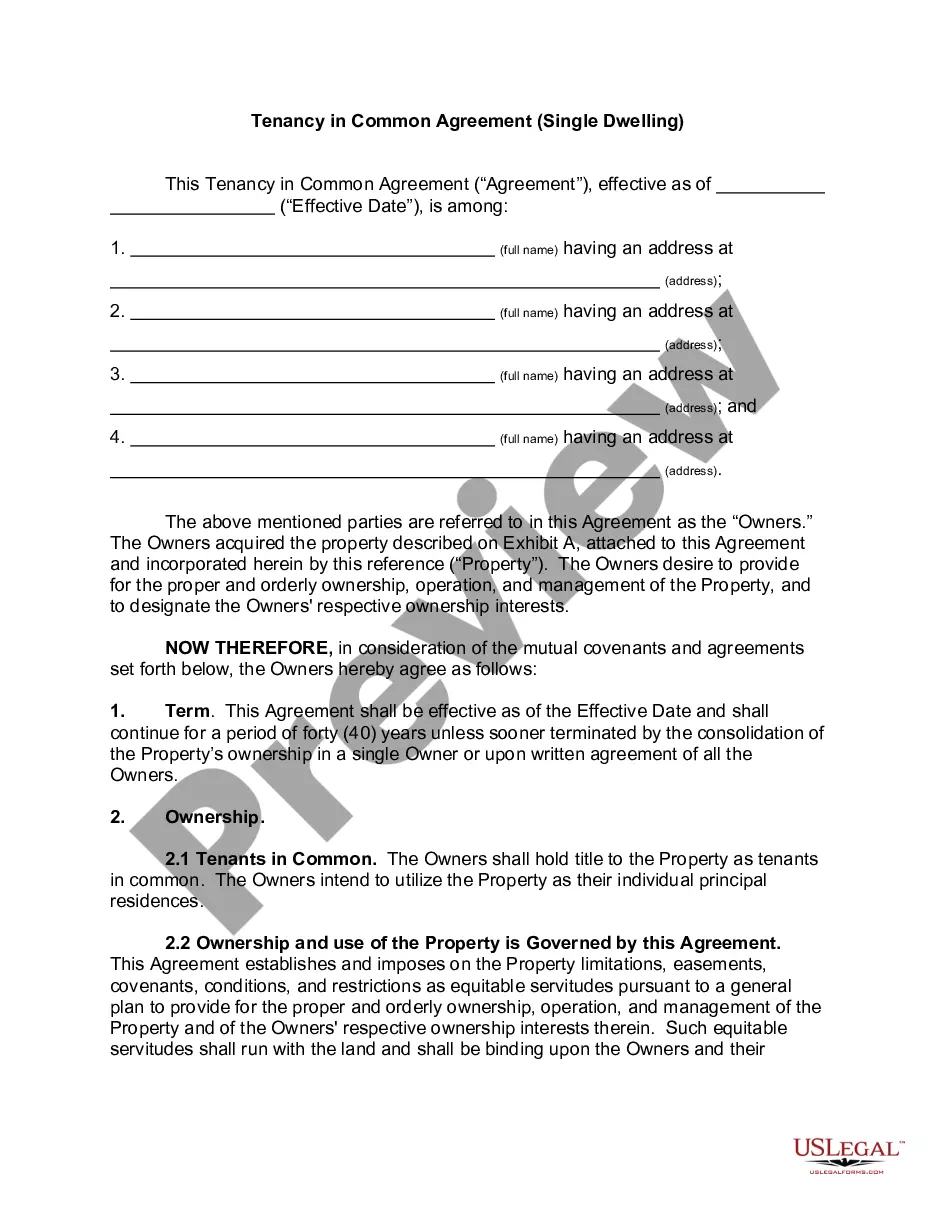
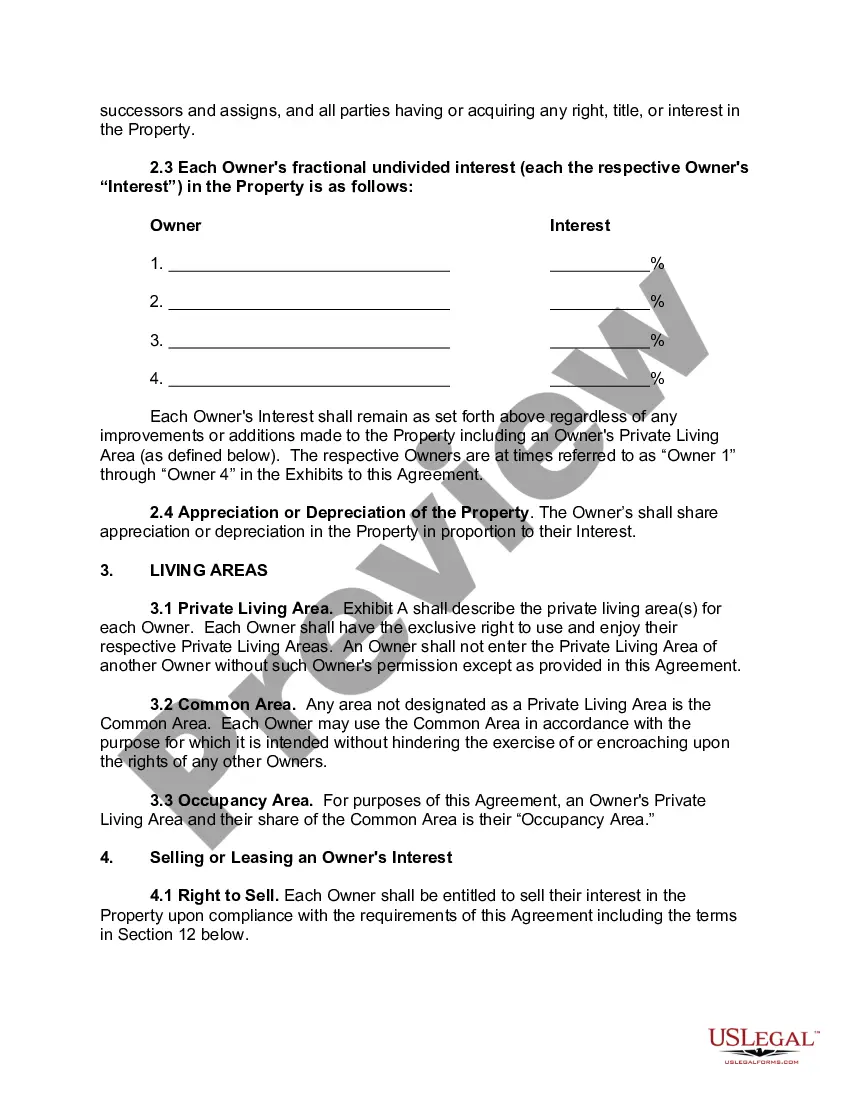
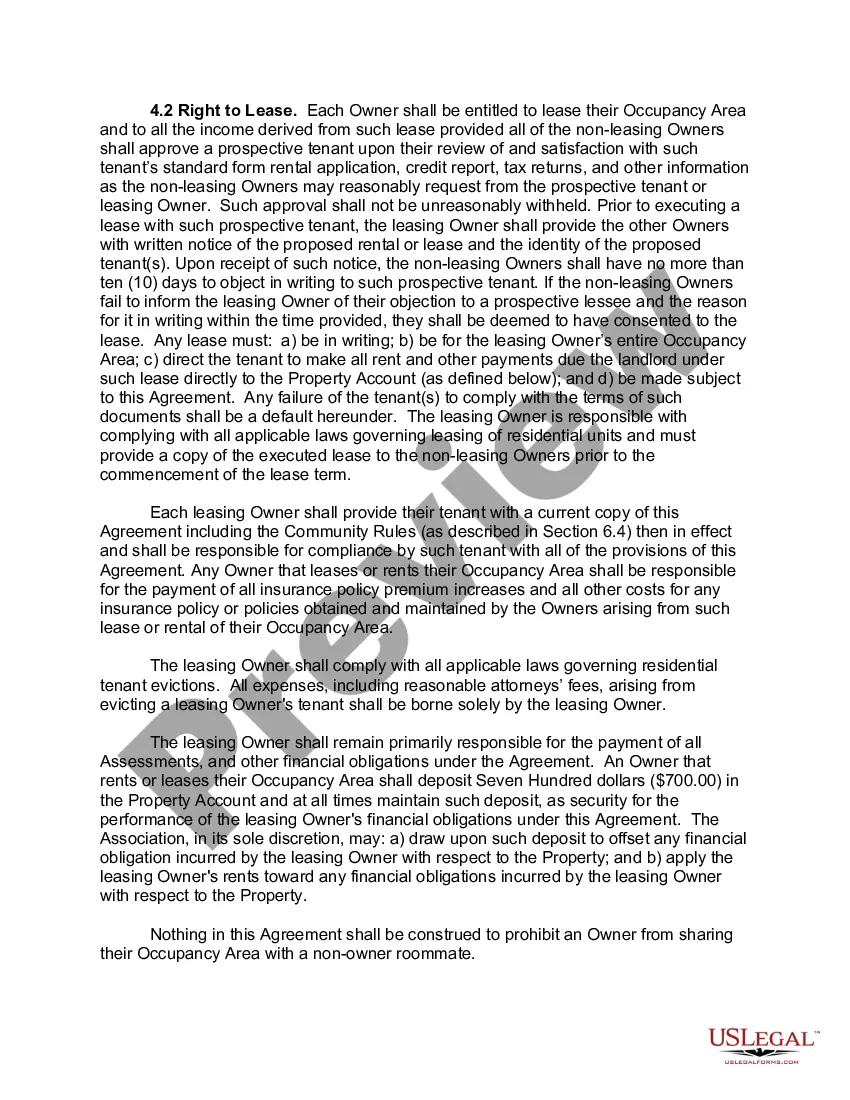
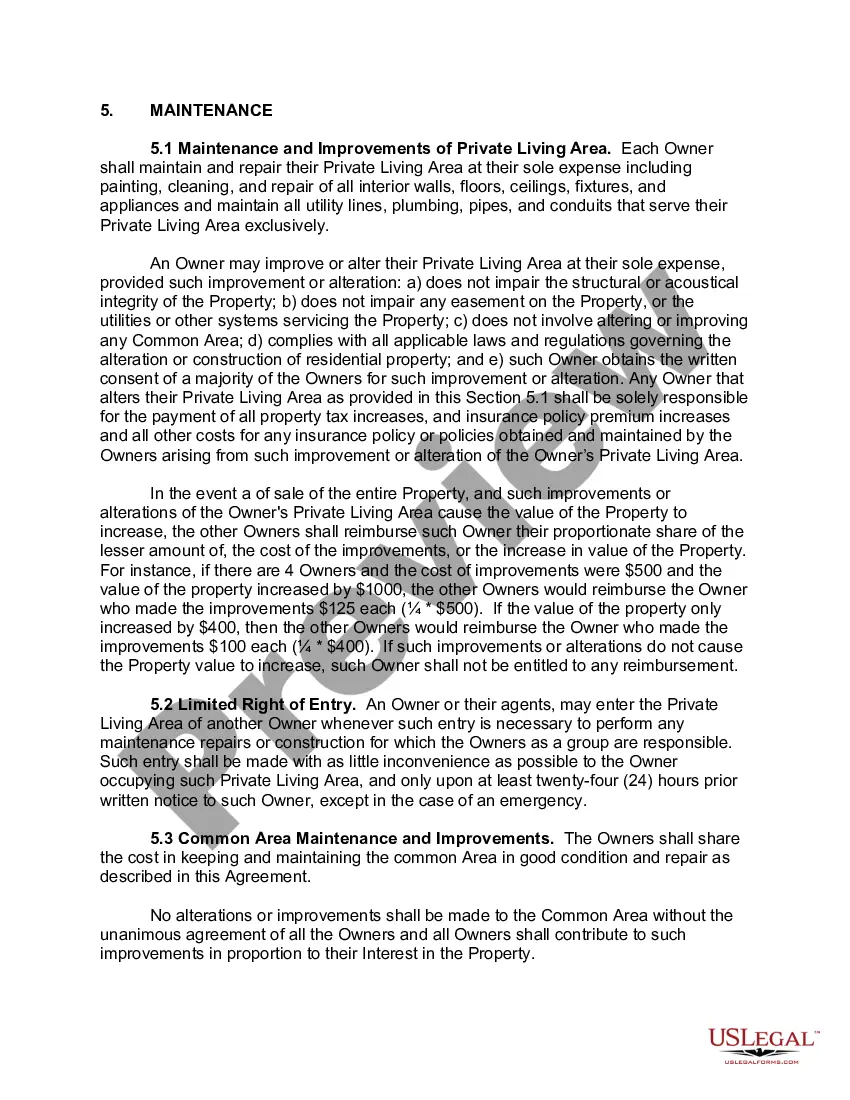
Description


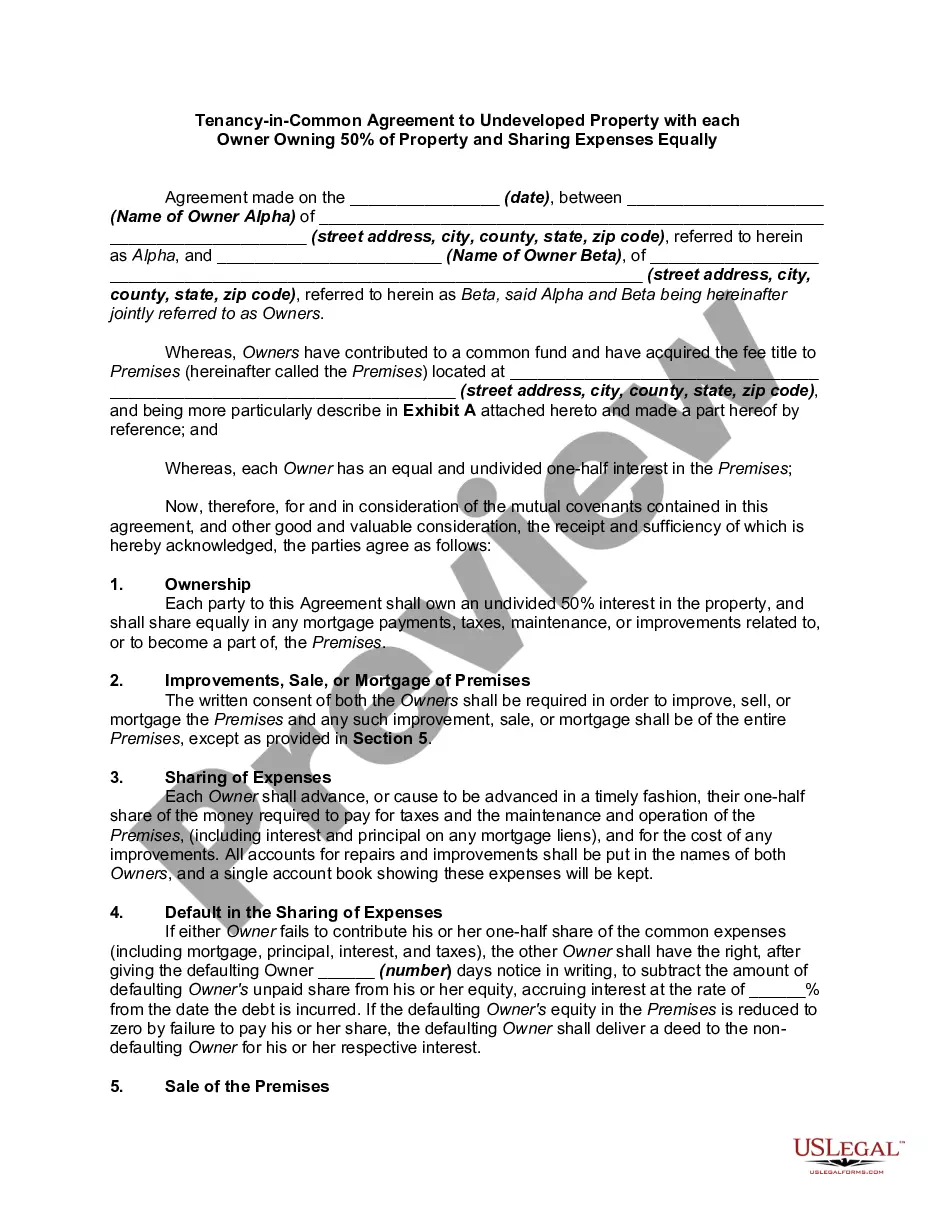
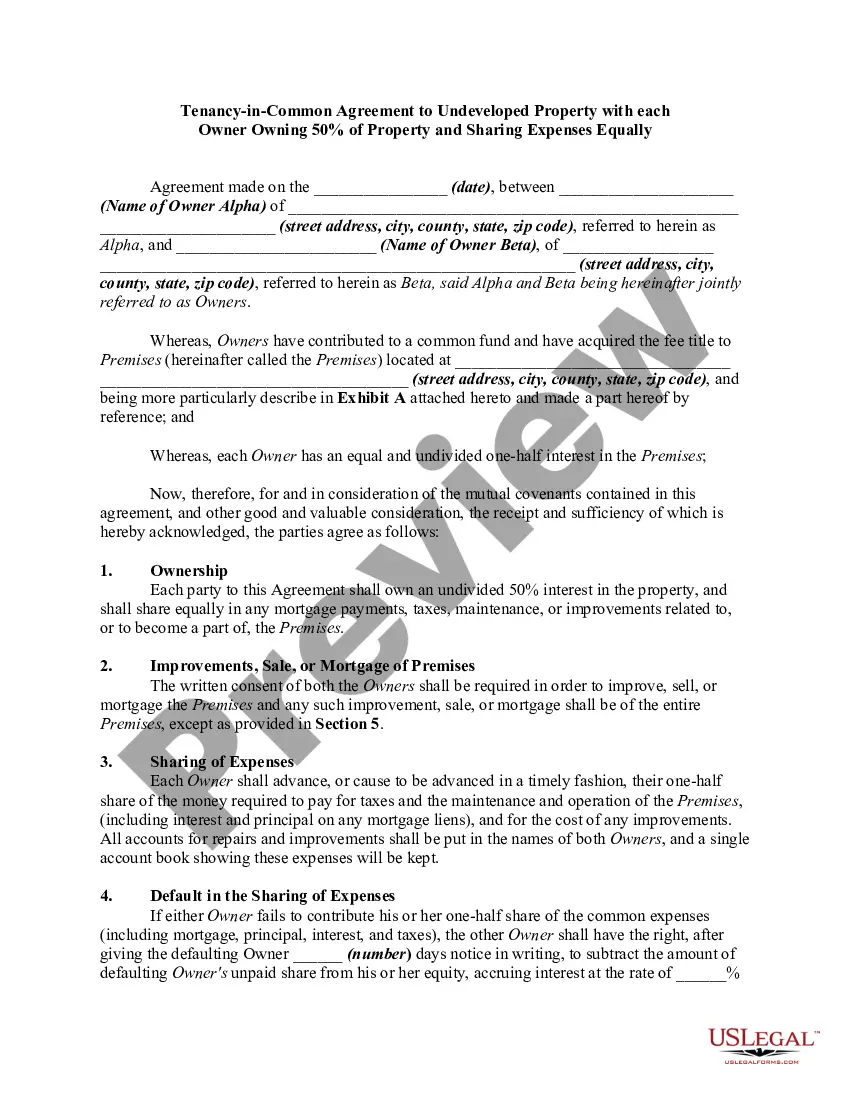
Get your form ready online
Our built-in tools help you complete, sign, share, and store your documents in one place.
Make edits, fill in missing information, and update formatting in US Legal Forms—just like you would in MS Word.
Download a copy, print it, send it by email, or mail it via USPS—whatever works best for your next step.
Sign and collect signatures with our SignNow integration. Send to multiple recipients, set reminders, and more. Go Premium to unlock E-Sign.
If this form requires notarization, complete it online through a secure video call—no need to meet a notary in person or wait for an appointment.
We protect your documents and personal data by following strict security and privacy standards.

Make edits, fill in missing information, and update formatting in US Legal Forms—just like you would in MS Word.

Download a copy, print it, send it by email, or mail it via USPS—whatever works best for your next step.

Sign and collect signatures with our SignNow integration. Send to multiple recipients, set reminders, and more. Go Premium to unlock E-Sign.

If this form requires notarization, complete it online through a secure video call—no need to meet a notary in person or wait for an appointment.

We protect your documents and personal data by following strict security and privacy standards.
Looking for another form?


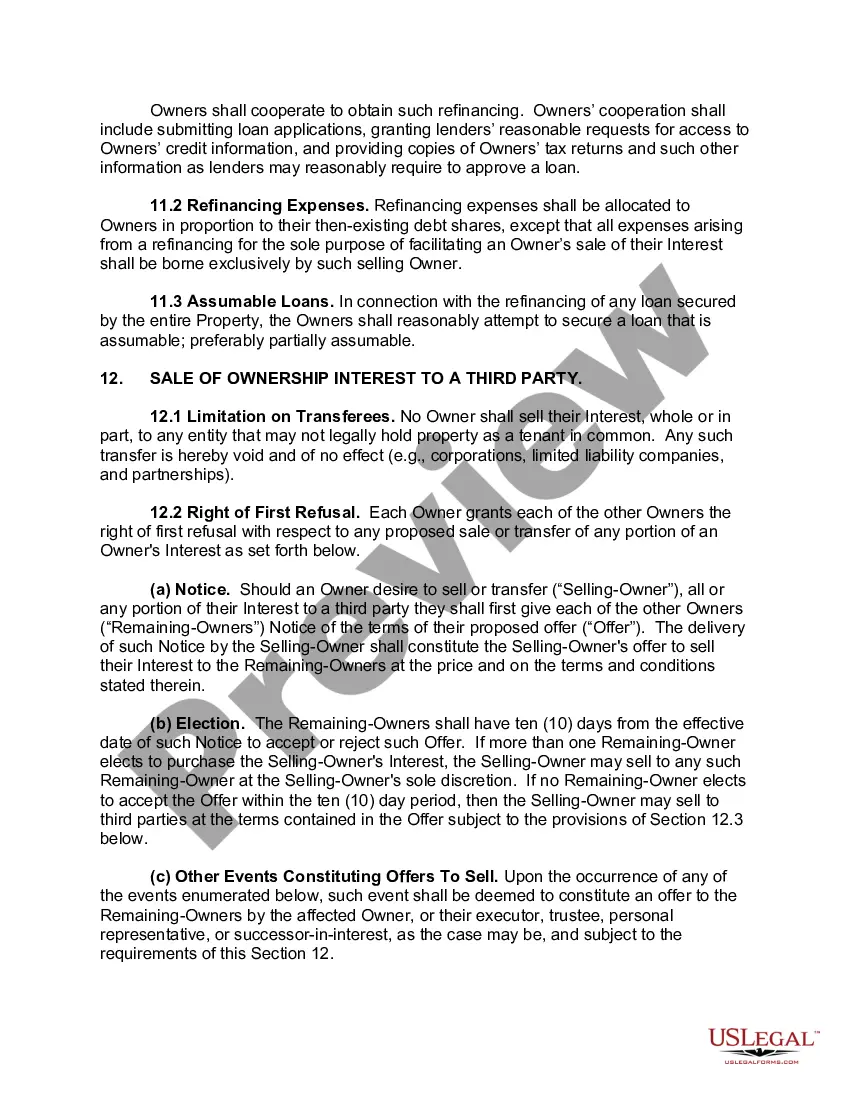
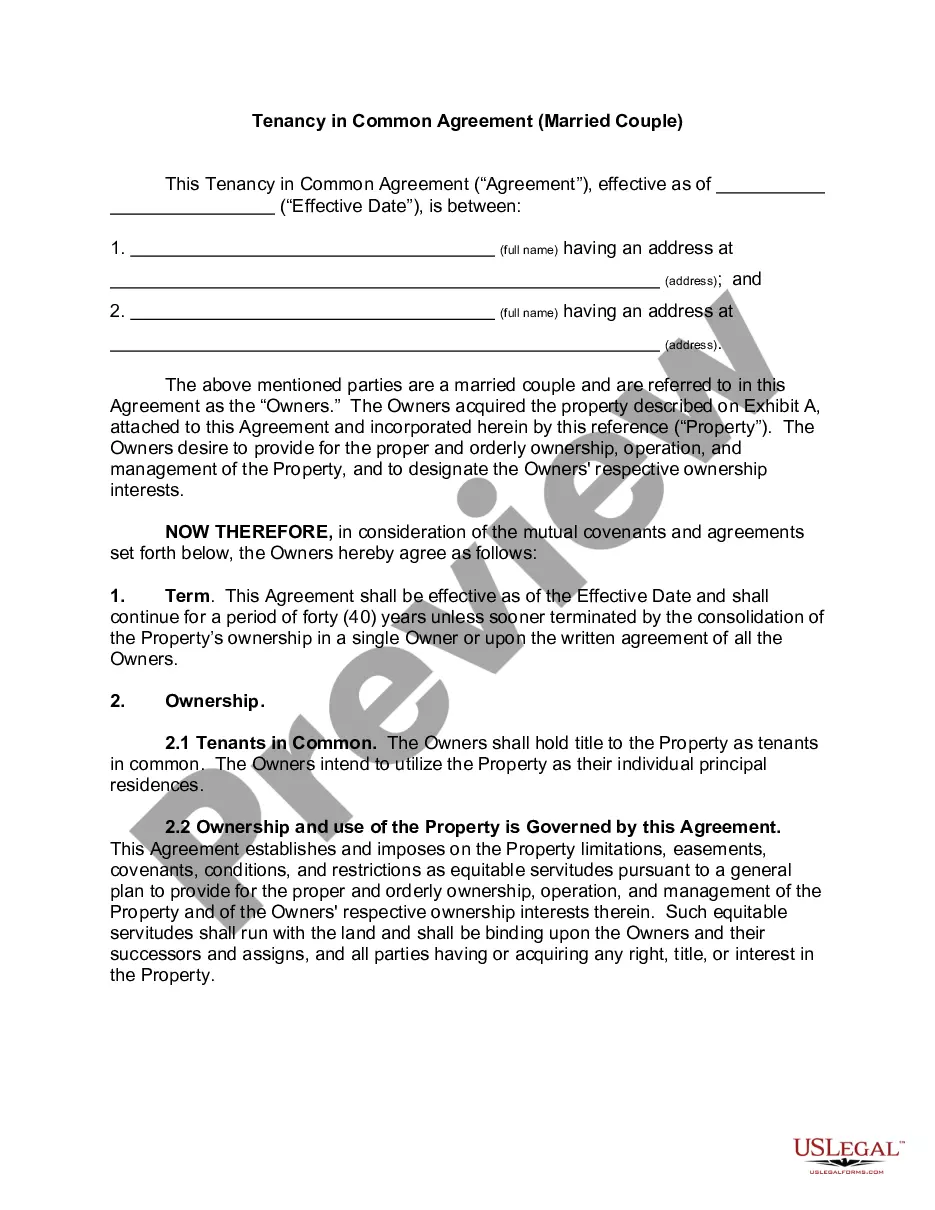
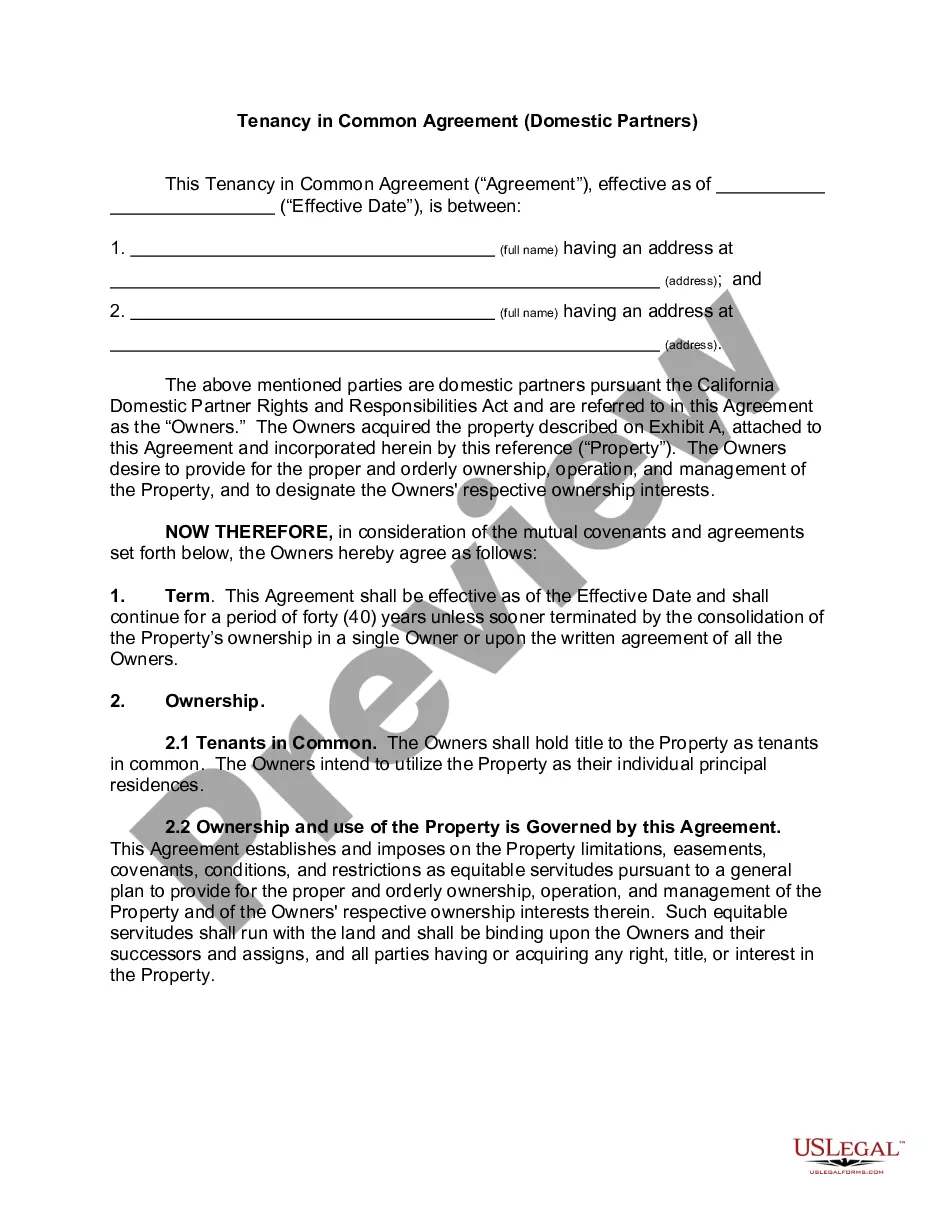
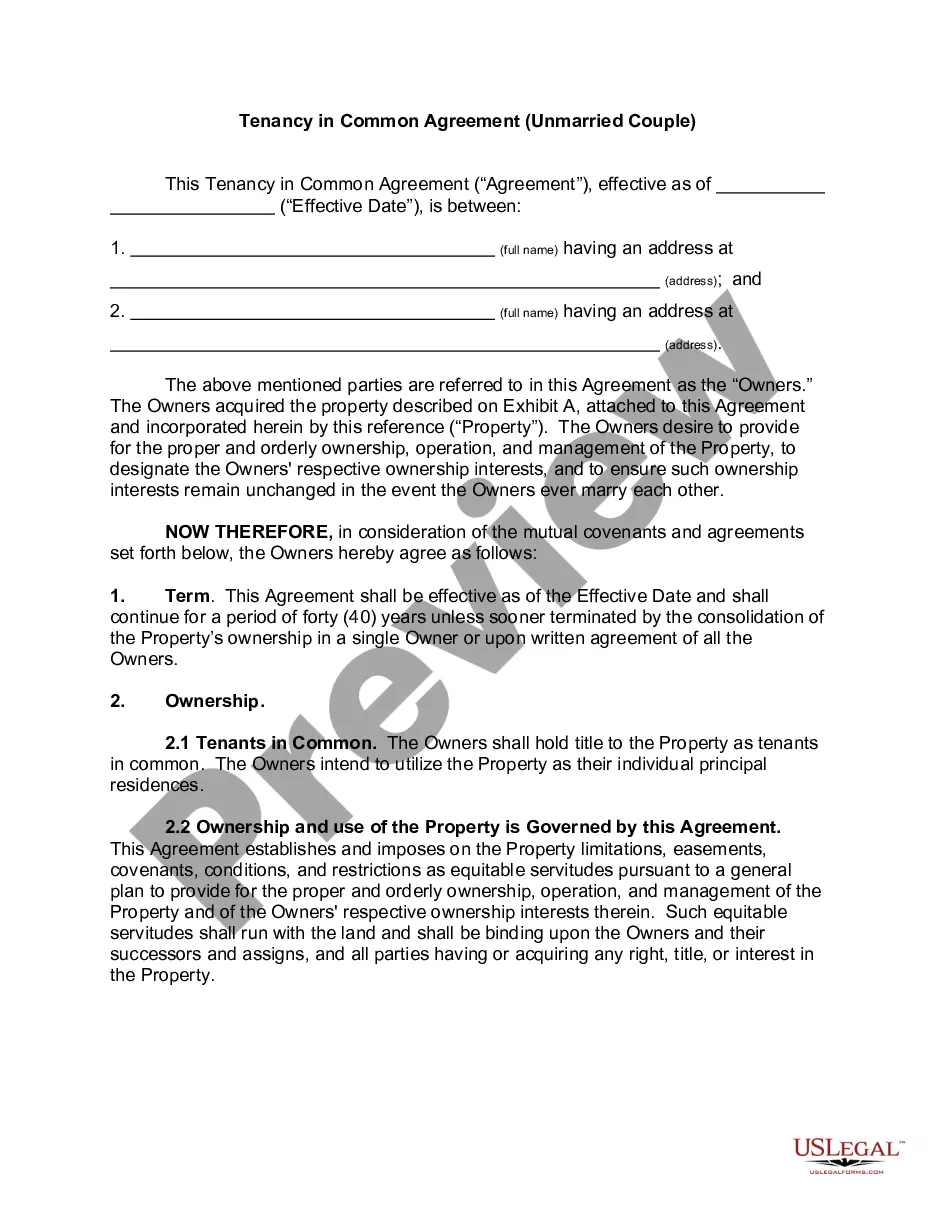
How to fill out California Tenancy In Common Agreement - Single Dwelling - Up To 4 Owners?
- If you have previously registered with US Legal Forms, log in to your account and access the required form by clicking the Download button, ensuring your subscription is active.
- For first-time users, start by browsing the Preview mode and reviewing the form descriptions to ensure you select the right document that aligns with your needs and complies with your local regulations.
- Use the Search tab if you need to find a different template; this will help you locate another form if the one you viewed doesn’t fit your requirements.
- Click on the Buy Now button for the chosen document and select your preferred subscription plan. You'll need to create an account for full access to the extensive library of resources.
- Complete your purchase by entering your credit card information or utilizing your PayPal account for secure payment.
- Download the tenancy agreement form to your device and access it later through the My Forms section of your profile.
By following these steps, you can swiftly access the necessary tenancy agreement form tailored for private landlords. US Legal Forms not only empowers users with a robust collection of over 85,000 legal forms but also connects you with premium experts for any assistance needed.
Start drafting your reliable tenancy agreement today and ensure your rental transactions are both safe and legally compliant. Explore the benefits of US Legal Forms now!
Form popularity
FAQ
Filling out a landlord application involves providing your personal information, rental history, and financial details. It is essential to be honest and thorough to ensure a smooth approval process. Using a tenancy agreement form for private landlords alongside your application can enhance your professionalism and reliability as a landlord.
If an agreement is not notarized, it may still be enforceable in many situations, depending on your state laws. However, having a notarized document adds an extra layer of protection, especially in disputes. Consider using a tenancy agreement form for private landlords to create a solid and potentially notarized agreement.
All owners should be included in the tenancy agreement to ensure clarity and legal standing. This inclusion helps avoid disputes and protects the rights of all parties involved. Using a comprehensive tenancy agreement form for private landlords can address this requirement and provide a clear understanding of each owner's responsibilities.
Certain types of agreements, like real estate transactions, may require notarization to be legally binding. Other documents, such as wills or powers of attorney, often have similar requirements. When creating a tenancy agreement form for private landlords, consider whether your state mandates notarization for any specific clauses.
You typically do not need a notary for a rental agreement, but there are scenarios where notarization might be beneficial. Notarization can provide added security and validation of the agreement. If you choose to use a tenancy agreement form for private landlords, check your state’s regulations for guidance.
In Illinois, a lease does not generally require notarization to be valid. Still, it's a good practice to have important documents notarized to enhance their authenticity. Utilizing a tenancy agreement form for private landlords can help you create a comprehensive lease that adheres to local laws.
Typically, a rental agreement does not need to be notarized in the United States. However, certain states may have specific requirements regarding notarization. For private landlords, using a tenancy agreement form for private landlords that meets state laws can simplify the process and ensure all necessary elements are included.
Verbal rental agreements can be challenging to enforce in court due to a lack of written evidence. It is advisable to always document your agreements using a tenancy agreement form for private landlords. A written contract provides clear terms and protects both parties in case disputes arise.
You can absolutely write an agreement without a lawyer if you feel confident in your understanding of tenant rights and obligations. However, using a tenancy agreement form for private landlords can help safeguard against common pitfalls. Utilizing an established template can streamline the process and enhance your agreement’s validity.
Yes, anyone can write a rental agreement, provided they include the necessary details and terms. However, using a structured tenancy agreement form for private landlords can simplify the process and ensure completeness. Templates and forms help guide you in covering all the essential aspects of the rental arrangement.