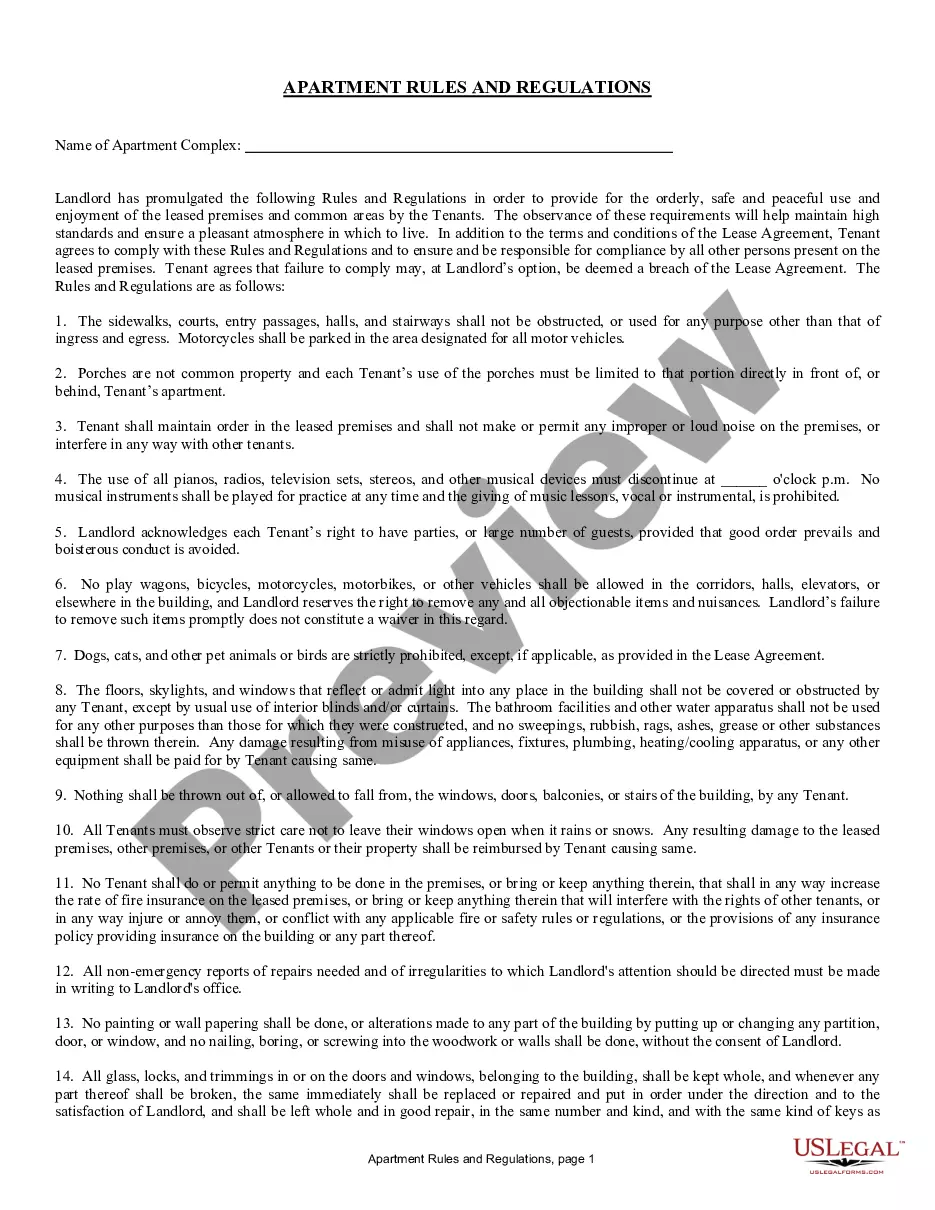
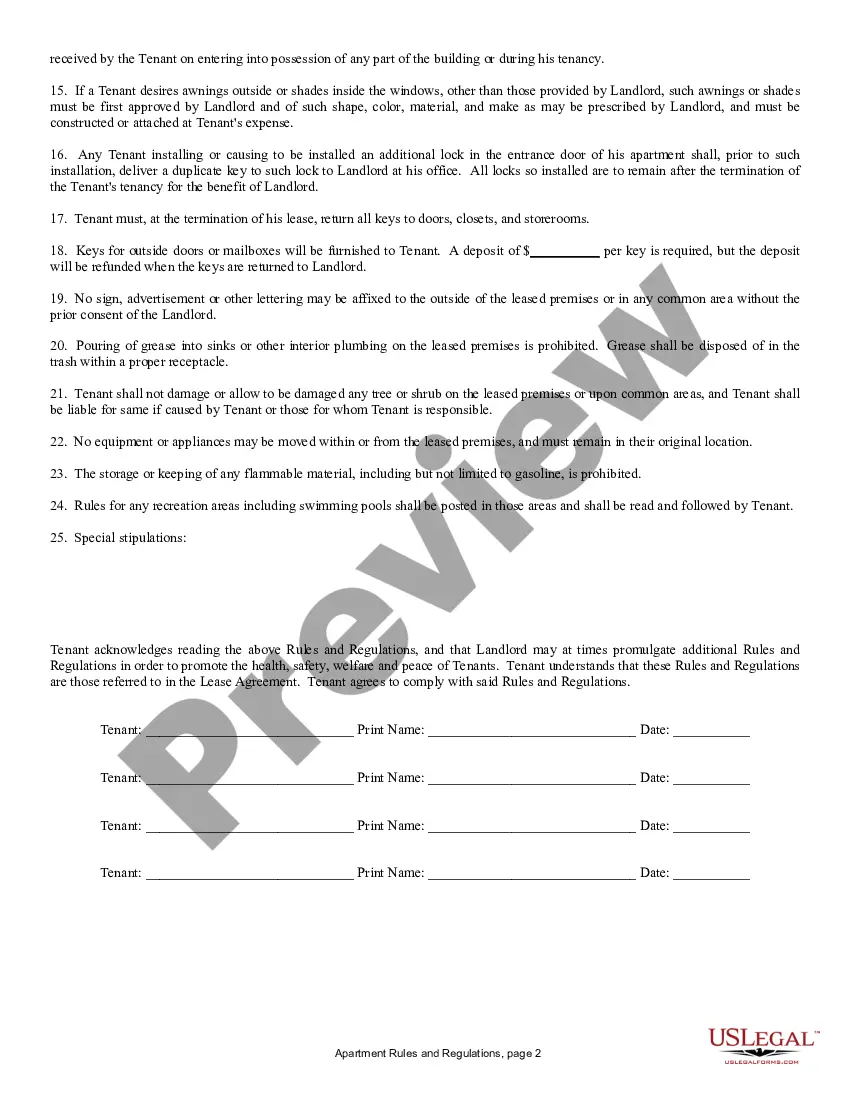
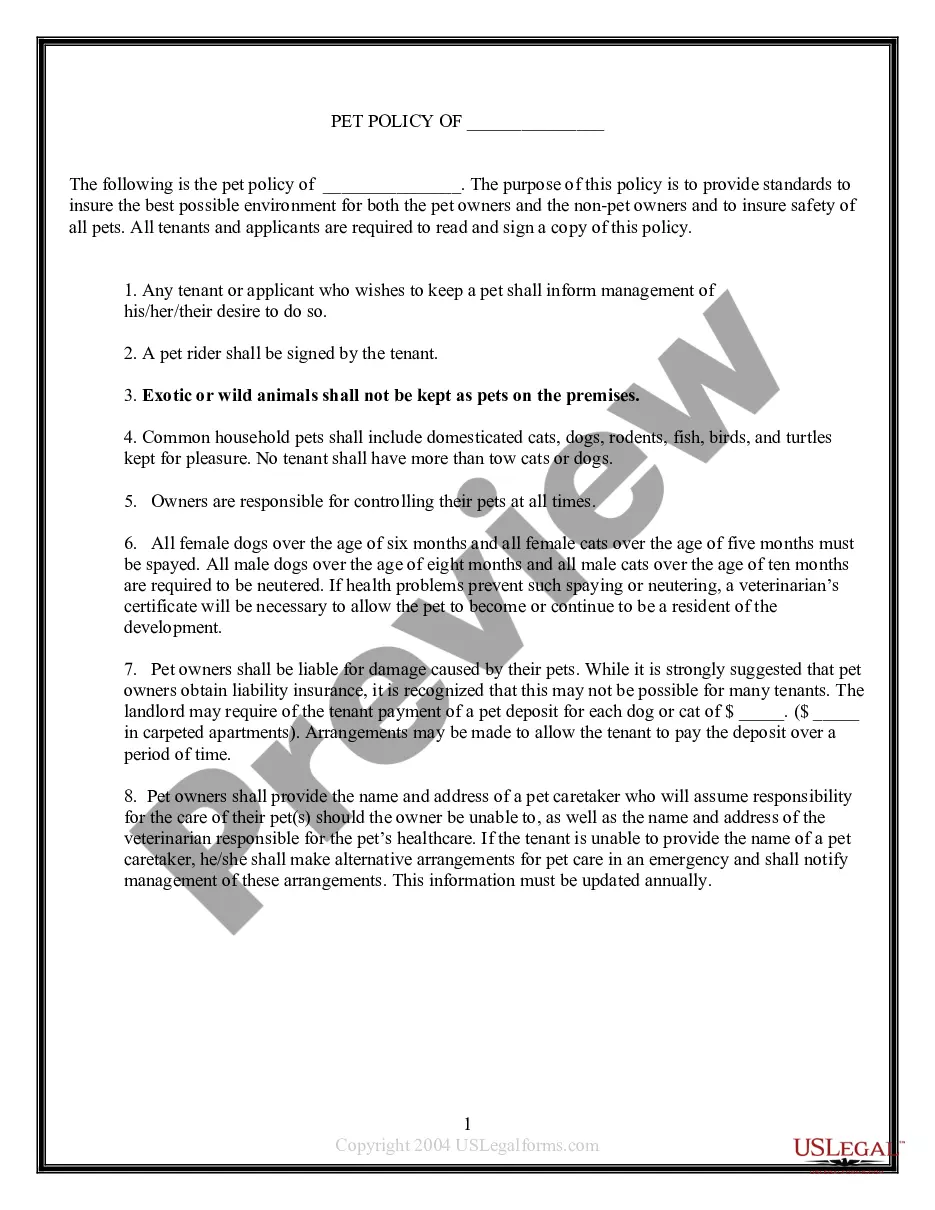
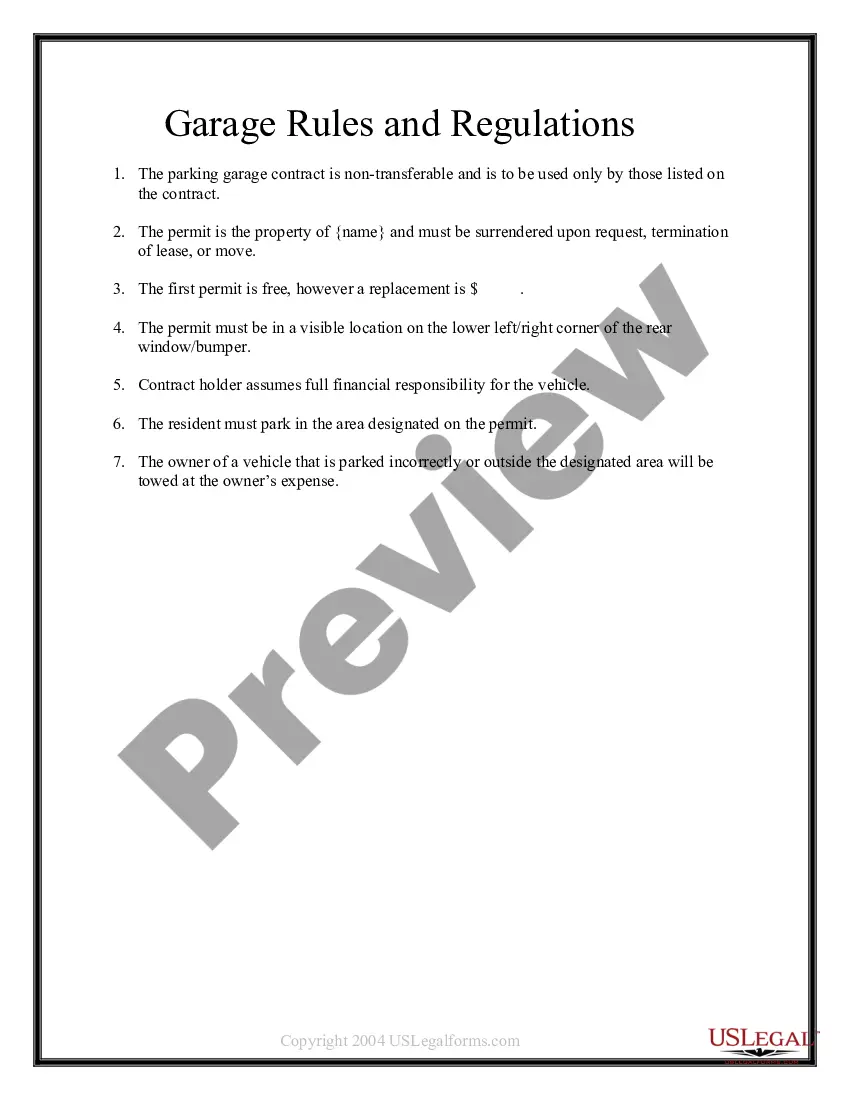
House Rules For Tenants Singapore
Description
Get your form ready online
Our built-in tools help you complete, sign, share, and store your documents in one place.
Make edits, fill in missing information, and update formatting in US Legal Forms—just like you would in MS Word.
Download a copy, print it, send it by email, or mail it via USPS—whatever works best for your next step.
Sign and collect signatures with our SignNow integration. Send to multiple recipients, set reminders, and more. Go Premium to unlock E-Sign.
If this form requires notarization, complete it online through a secure video call—no need to meet a notary in person or wait for an appointment.
We protect your documents and personal data by following strict security and privacy standards.

Make edits, fill in missing information, and update formatting in US Legal Forms—just like you would in MS Word.

Download a copy, print it, send it by email, or mail it via USPS—whatever works best for your next step.

Sign and collect signatures with our SignNow integration. Send to multiple recipients, set reminders, and more. Go Premium to unlock E-Sign.

If this form requires notarization, complete it online through a secure video call—no need to meet a notary in person or wait for an appointment.

We protect your documents and personal data by following strict security and privacy standards.
Looking for another form?








How to fill out California Apartment Rules And Regulations?
Whether for corporate needs or personal issues, everyone must handle legal matters inevitably in their lifetime.
Filling out legal paperwork requires meticulous focus, starting with selecting the appropriate form model.
With a comprehensive US Legal Forms collection available, you do not need to waste time searching for the right sample online. Utilize the library’s user-friendly navigation to find the ideal template for any situation.
- Obtain the template you require using the search bar or catalog browsing.
- Examine the form’s description to confirm it aligns with your situation, jurisdiction, and locality.
- Click on the form’s preview to view it.
- If it is the incorrect document, return to the search tool to find the House Rules For Tenants Singapore template you require.
- Download the document once it satisfies your requirements.
- If you possess a US Legal Forms account, click Log in to retrieve previously stored documents in My documents.
- If you lack an account, you can download the form by clicking Buy now.
- Choose the correct pricing option.
- Complete the account registration form.
- Choose your payment method: credit card or PayPal.
- Select your desired document format and download the House Rules For Tenants Singapore.
- After downloading, you can fill out the form using editing software or print it and complete it by hand.
Form popularity
FAQ
As a tenant in Singapore, you have several rights that protect your living situation. You are entitled to a safe and habitable home, meaning your landlord must keep the property in good condition. Understanding the house rules for tenants Singapore can help you navigate your responsibilities and rights effectively. If you encounter any issues, consider using platforms like uslegalforms to ensure you are well-informed and prepared.
In Singapore, the minimum tenancy period is typically six months for residential leases. This standard allows both landlords and tenants to establish a stable rental agreement. It is important to review the house rules for tenants Singapore, as they may vary by property. Always communicate with your landlord to ensure you understand the terms clearly.
A landlord can terminate a lease early in Singapore under particular circumstances, typically defined in the rental agreement. Factors such as non-payment of rent or violation of terms may lead to early termination. However, tenants have the right to dispute unjustified terminations. Clear understanding of house rules for tenants in Singapore can help both parties navigate these situations effectively.
Renters in Singapore enjoy several important rights, which include the right to fair treatment, secure tenancy, and the right to seek repairs from landlords. Tenants can also negotiate terms and raise concerns without fear of retaliation. Knowledge of these rights is crucial, as it informs tenants about the house rules for tenants in Singapore and their own protection. Always be aware of your rights to ensure a smoother renting experience.
The 99-1 rule, applicable in Singapore's property market, allows homeowners to sell their properties under specific conditions. This rule affects property ownership and usage, including tenant agreements. Understanding the implications of the 99-1 rule can help tenants navigate their lease terms more effectively. It’s essential to consider how house rules for tenants in Singapore relate to these regulations.
Tenants in Singapore have specific rights that are designed to protect their living conditions. These include the right to a habitable environment, privacy, and protection against unlawful eviction. Additionally, tenants can challenge unreasonable house rules for tenants in Singapore that may limit their rights. Familiarity with these rights empowers tenants in their rental agreements.
In Singapore, a landlord cannot evict a tenant without a court order. The law provides a structured process that protects tenants' rights. Landlords must follow proper legal procedures, including serving notice and obtaining a court ruling. Understanding the house rules for tenants in Singapore can help prevent disputes.
In Singapore, the minimum notice period for tenants largely depends on what is outlined in the rental agreement. Typically, tenants are expected to provide at least one month's notice, but this can vary. Familiarizing yourself with house rules for tenants Singapore ensures that you adhere to the necessary guidelines to retain your deposit. Always check your lease terms to confirm your obligations.
If you encounter issues with your landlord, you can file a complaint with the Singapore Ministry of National Development. Another option is to approach the Small Claims Tribunal, especially for disputes related to rental payments. Keeping abreast of the house rules for tenants Singapore can help you know your rights and the appropriate channels for lodging complaints. Using the right procedures increases the likelihood of a satisfactory resolution.
Common justifications for breaking a lease include significant maintenance issues that remain unresolved or a serious personal emergency. It's vital to document any situations that substantiate your case. While breaking a lease might cause complications, referring to the house rules for tenants Singapore can guide you on your rights and the proper procedures to adopt. Always consult legal advice if you're uncertain.