California Rules Regulations For Tailoring Apprentice
Description
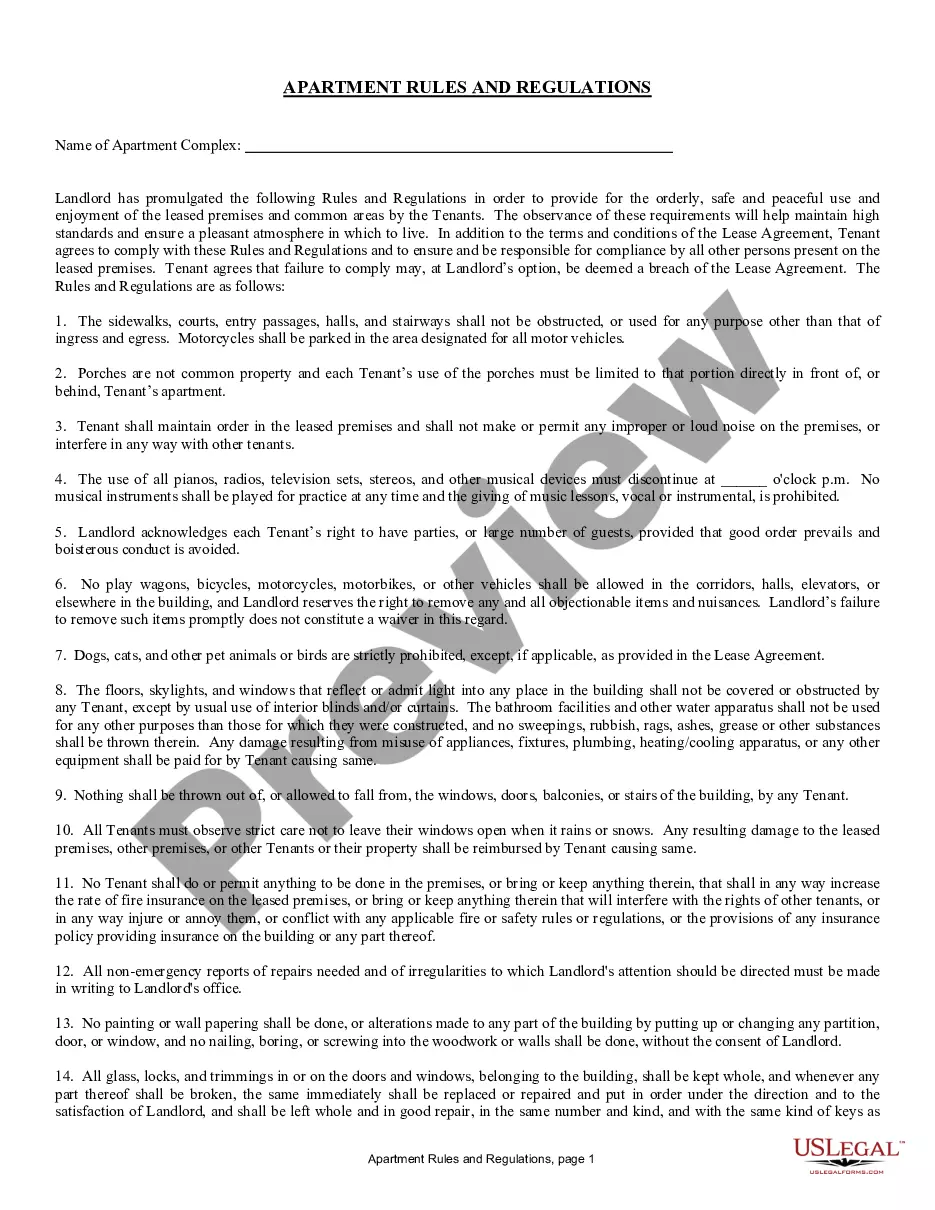
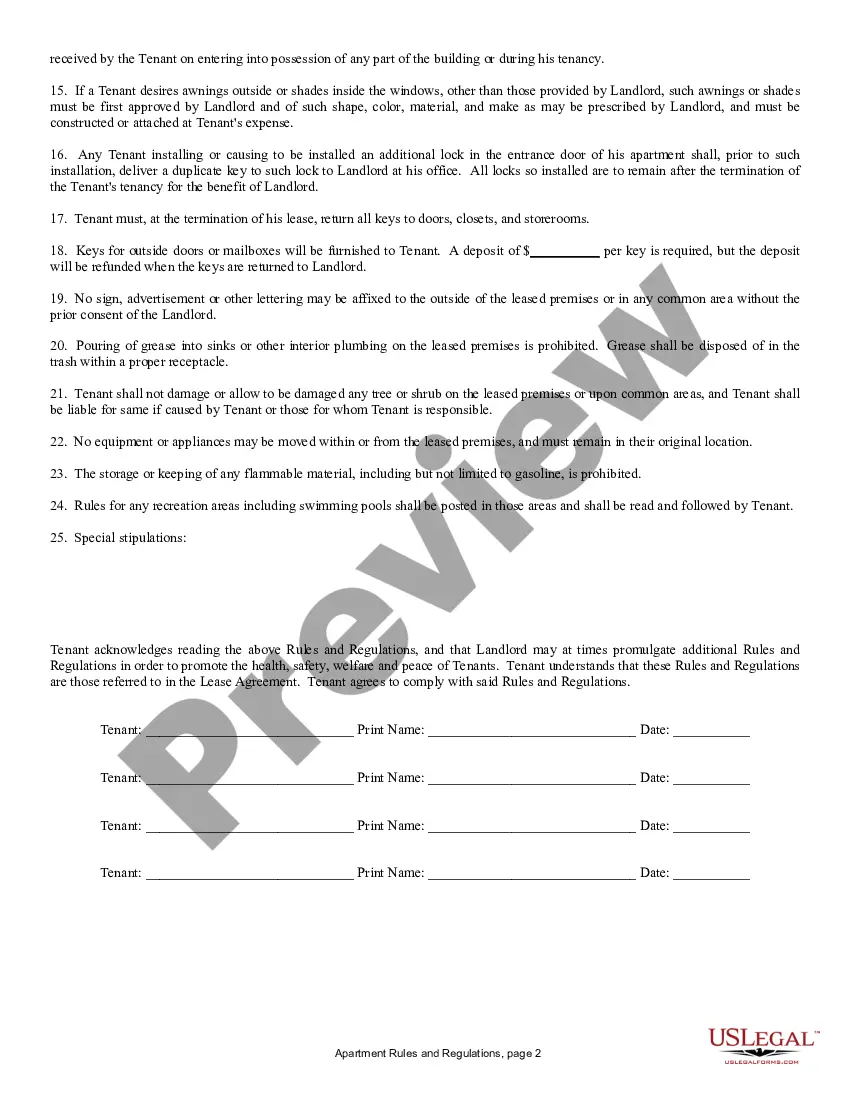
Get your form ready online
Our built-in tools help you complete, sign, share, and store your documents in one place.
Make edits, fill in missing information, and update formatting in US Legal Forms—just like you would in MS Word.
Download a copy, print it, send it by email, or mail it via USPS—whatever works best for your next step.
Sign and collect signatures with our SignNow integration. Send to multiple recipients, set reminders, and more. Go Premium to unlock E-Sign.
If this form requires notarization, complete it online through a secure video call—no need to meet a notary in person or wait for an appointment.
We protect your documents and personal data by following strict security and privacy standards.

Make edits, fill in missing information, and update formatting in US Legal Forms—just like you would in MS Word.

Download a copy, print it, send it by email, or mail it via USPS—whatever works best for your next step.

Sign and collect signatures with our SignNow integration. Send to multiple recipients, set reminders, and more. Go Premium to unlock E-Sign.

If this form requires notarization, complete it online through a secure video call—no need to meet a notary in person or wait for an appointment.

We protect your documents and personal data by following strict security and privacy standards.
Looking for another form?







How to fill out California Apartment Rules And Regulations?
It’s clear that you can’t become a legal authority instantly, nor can you learn how to swiftly prepare California Rules Regulations For Tailoring Apprentice without acquiring a specialized skill set.
Drafting legal documents is a lengthy endeavor necessitating certain education and expertise.
So why not entrust the preparation of the California Rules Regulations For Tailoring Apprentice to the experts.
Preview it (if this feature is available) and review the accompanying description to determine if California Rules Regulations For Tailoring Apprentice is what you’re seeking.
Start your search anew if a different form is needed.
- With US Legal Forms, one of the most extensive legal document libraries, you can access everything from court forms to templates for in-office correspondence.
- We understand how vital compliance and adherence to federal and local regulations are.
- That’s why, on our platform, all templates are location-specific and current.
- Here’s begin with our website and obtain the document you need in just minutes.
- Find the document you require by utilizing the search bar at the top of the page.
Form popularity
FAQ
Typically, an apprenticeship requires commitment, motivation, and a willingness to learn. You will need to fulfill specific requirements related to age and education, depending on your chosen field. Adhering to California rules regulations for tailoring apprentices ensures that you fulfill all necessary obligations to embark on this career path.
Entry requirements for apprenticeships can vary by program but generally include a minimum age and educational background. Many programs require a high school diploma or equivalent, while others may accept skill assessments. It is beneficial to review California rules regulations for tailoring apprentices to better understand what you need to enter a particular program.
Becoming a legal apprentice in California requires you to be at least 18 years old and have a desire to pursue a career in the legal field. You should also have a solid understanding of legal terms and concepts. Additionally, California rules regulations for tailoring apprentices may vary, so it's important to review your specific chosen program's requirements.
To pursue an apprenticeship, you will typically need to provide proof of age, such as a birth certificate or ID, along with educational credentials. Depending on the field, including tailoring, you may also need to demonstrate basic skills in sewing or fabric handling. Familiarizing yourself with California rules regulations for tailoring apprentices can help ensure you meet all necessary requirements.
Yes, many tailors welcome apprentices as part of their business model. Tailoring apprenticeships provide valuable hands-on experience in a practical environment. Aspiring tailors should explore opportunities with local artisans who follow California rules regulations for tailoring apprentices to ensure a quality learning experience.
The apprenticeship process generally includes four key stages: initial assessment, training, mentorship, and completion. In the initial assessment, you identify your current skills and areas for growth. During training, you gain hands-on experience, followed by mentorship to receive guidance. Finally, you reach completion, validating your competence as a tailoring apprentice, in line with California rules regulations.
When applying for an apprenticeship, you should prepare a resume outlining your skills, education, and previous work experience. A cover letter expressing your interest in a tailoring apprenticeship can further strengthen your application. Make sure to familiarize yourself with California rules regulations for tailoring apprentices, as these guidelines can vary among different programs.
To secure an apprenticeship, you typically need to be at least 16 years old and possess a high school diploma or equivalent. Additionally, California rules regulations for tailoring apprentices may require specific skills or experience in the tailoring field. It's essential to check with potential employers or training programs for any additional qualifications they may have.
To write an agreement form for an apprentice, ensure you start with a title and date, followed by the names of the parties involved. Include sections that detail the terms of employment, responsibilities, compensation, and compliance with the California rules regulations for tailoring apprentice. Utilizing resources available on uslegalforms can provide templates that simplify this process.
An apprenticeship agreement should include key elements such as the names of the parties involved, the duration of the apprenticeship, and the schedule of training. Additionally, specify any wages or benefits, conditions for termination, and compliance with the California rules regulations for tailoring apprentice. By covering these points, you create a comprehensive and clear agreement.