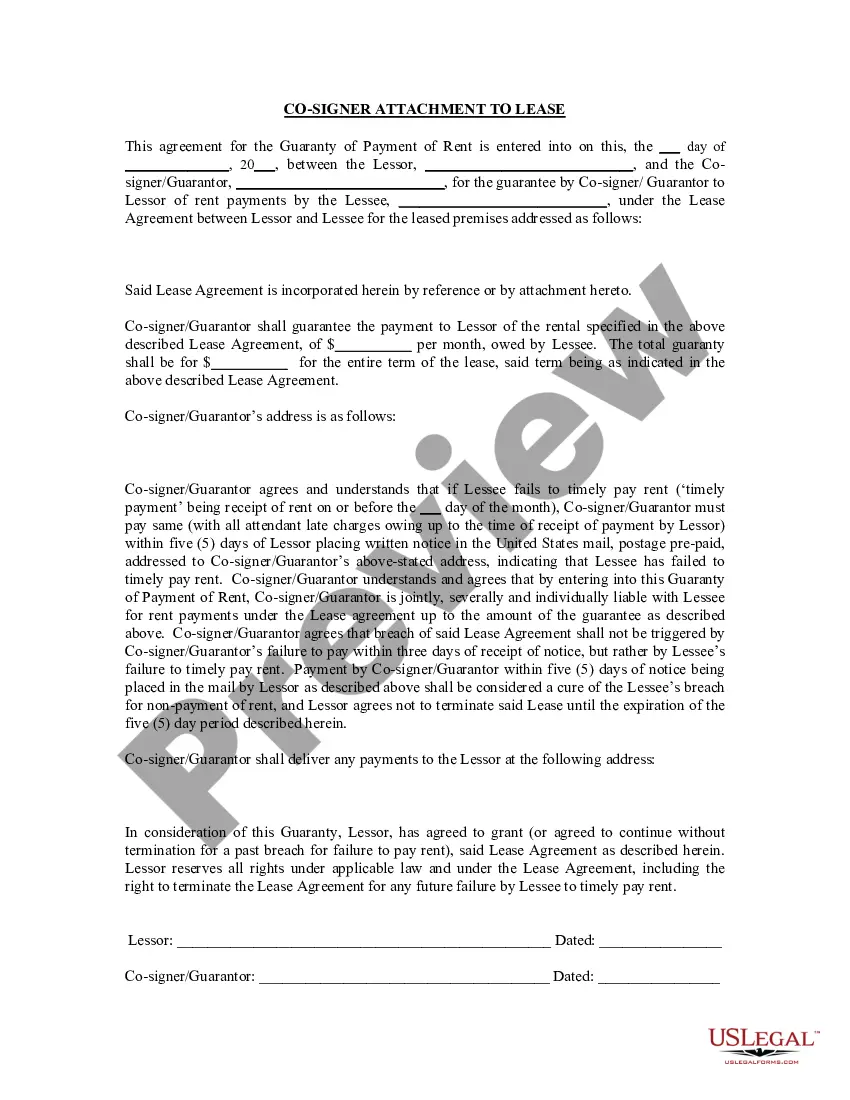
Lease Guarantor Form Texas
Description
Get your form ready online
Our built-in tools help you complete, sign, share, and store your documents in one place.
Make edits, fill in missing information, and update formatting in US Legal Forms—just like you would in MS Word.
Download a copy, print it, send it by email, or mail it via USPS—whatever works best for your next step.
Sign and collect signatures with our SignNow integration. Send to multiple recipients, set reminders, and more. Go Premium to unlock E-Sign.
If this form requires notarization, complete it online through a secure video call—no need to meet a notary in person or wait for an appointment.
We protect your documents and personal data by following strict security and privacy standards.

Make edits, fill in missing information, and update formatting in US Legal Forms—just like you would in MS Word.

Download a copy, print it, send it by email, or mail it via USPS—whatever works best for your next step.

Sign and collect signatures with our SignNow integration. Send to multiple recipients, set reminders, and more. Go Premium to unlock E-Sign.

If this form requires notarization, complete it online through a secure video call—no need to meet a notary in person or wait for an appointment.

We protect your documents and personal data by following strict security and privacy standards.
Looking for another form?


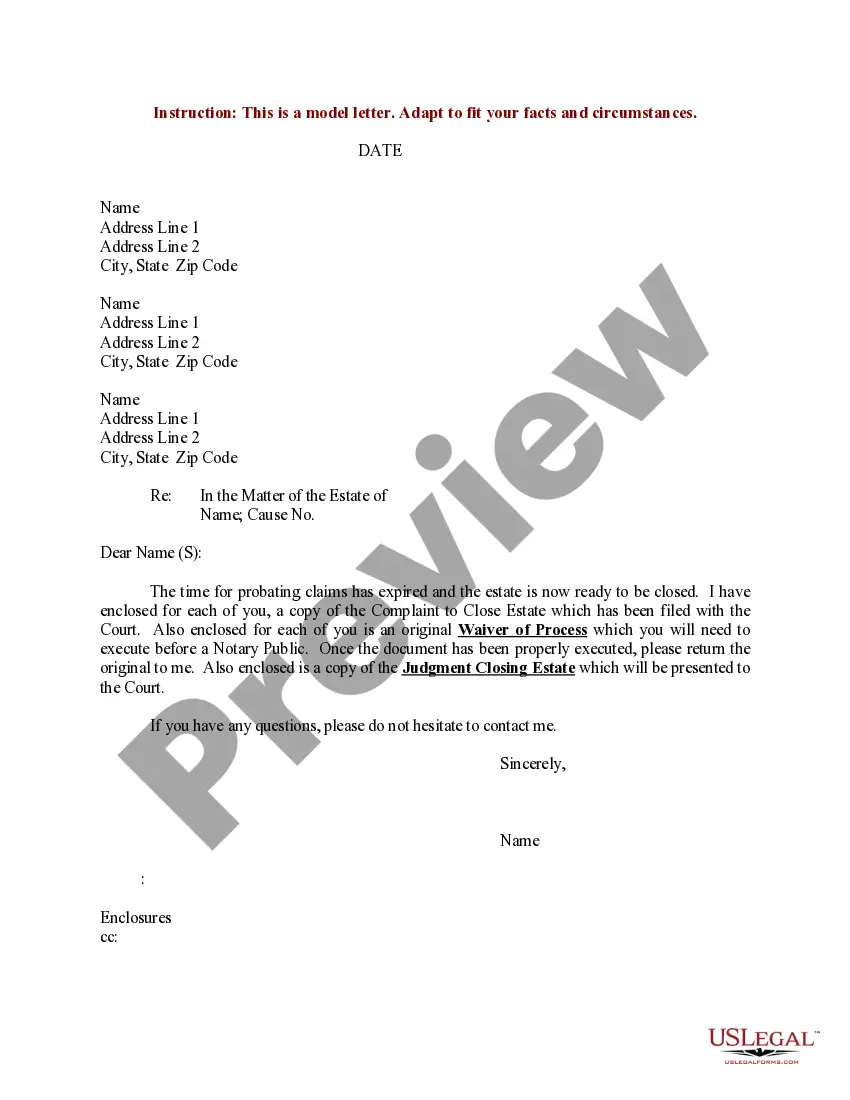



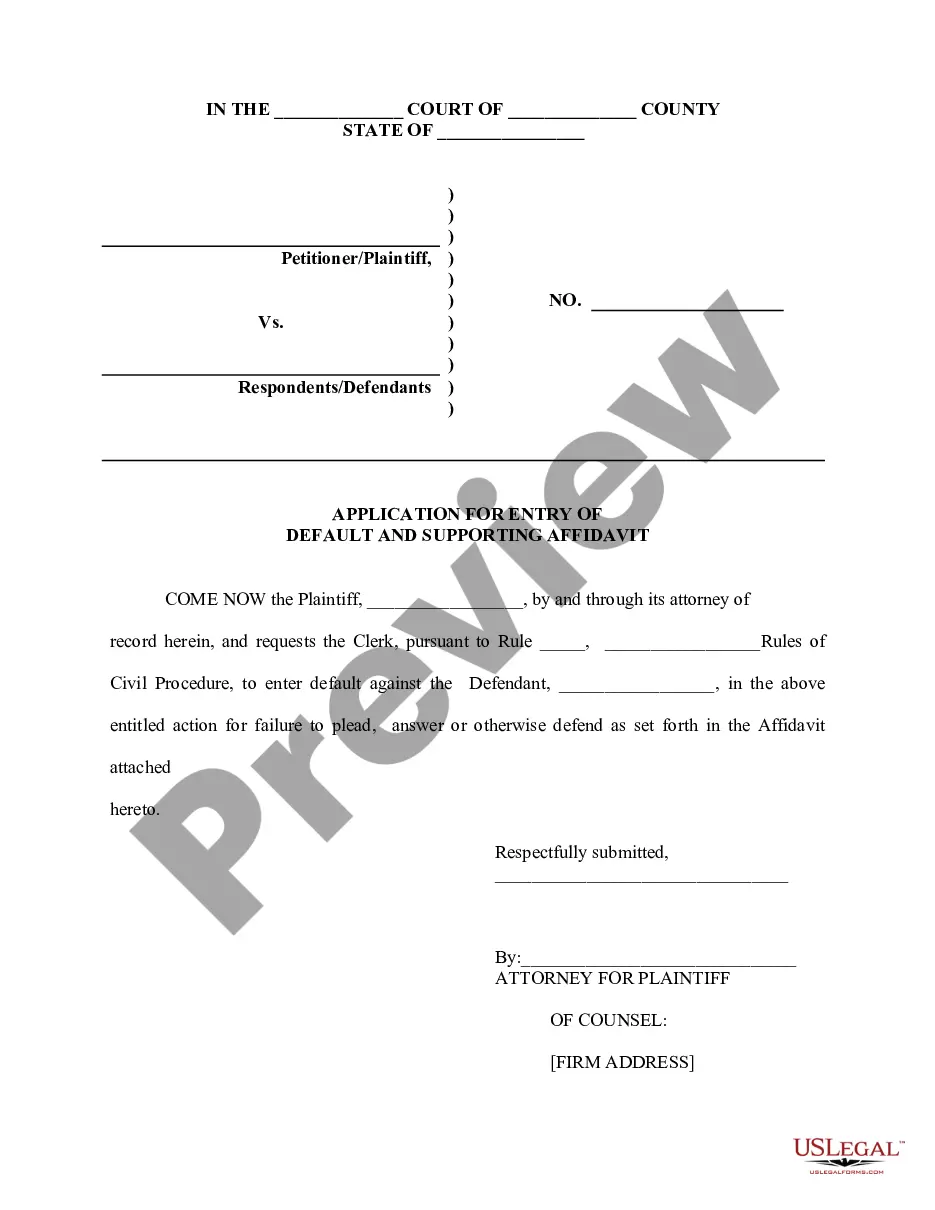


How to fill out California Guaranty Attachment To Lease For Guarantor Or Cosigner?
Dealing with legal documents and processes can be a lengthy addition to the day.
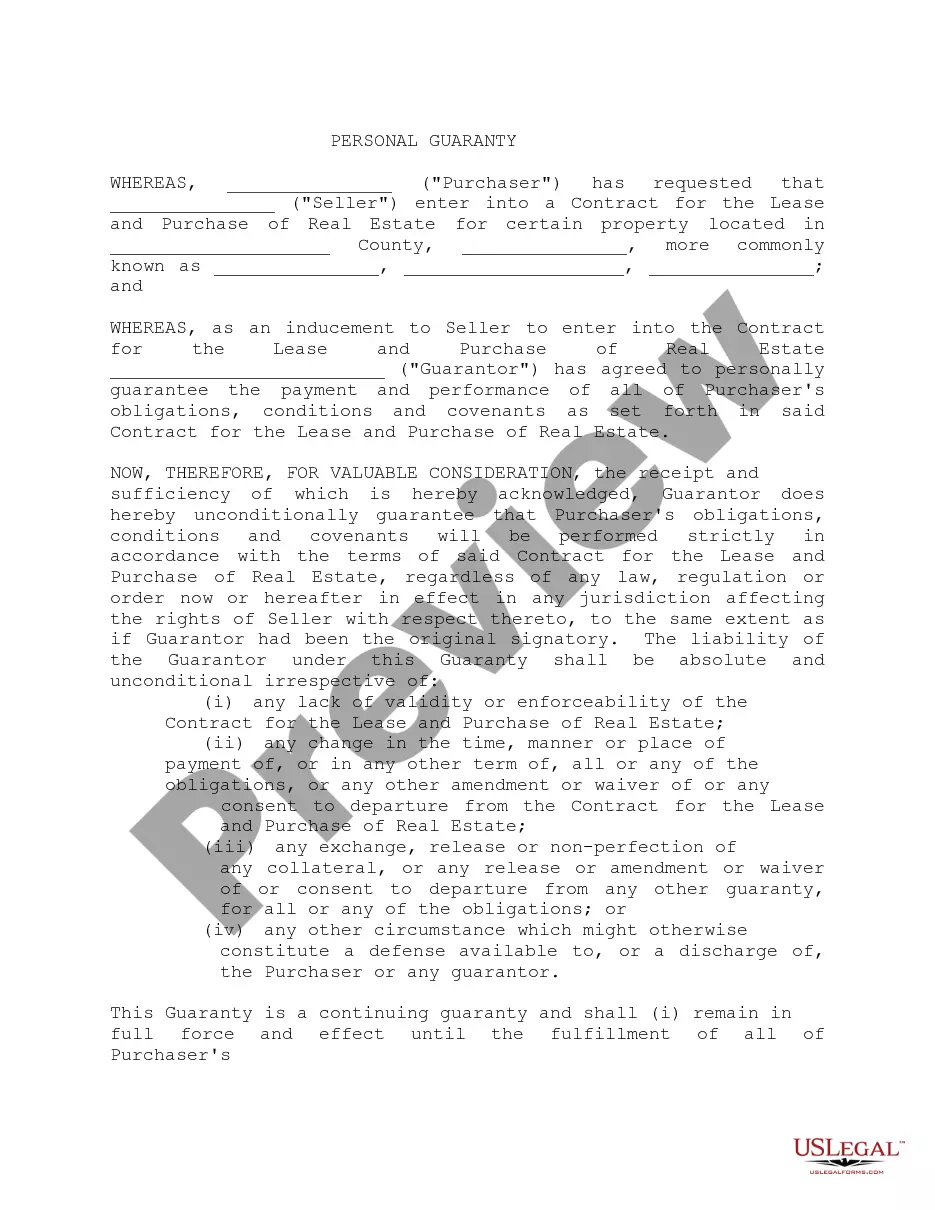
Lease Guarantor Form Texas and similar forms often necessitate that you locate them and comprehend the most effective way to fill them out.
Consequently, whether you are managing financial, legal, or personal issues, having a comprehensive and useful online repository of forms readily available will significantly help.
US Legal Forms is the premier online source of legal templates, offering over 85,000 state-specific forms and a variety of tools that will enable you to handle your paperwork with ease.
Is this your first time using US Legal Forms? Sign up and create an account in just a few minutes, and you will gain access to the form library and Lease Guarantor Form Texas. Then, follow the steps outlined below to complete your form: Ensure you have the correct form by utilizing the Preview feature and reviewing the form description. Select Buy Now when you are ready, and choose the monthly subscription plan that suits your requirements. Click Download then fill out, sign, and print the form. US Legal Forms has 25 years of experience assisting users in managing their legal documents. Obtain the form you require today and streamline any process effortlessly.
- Explore the collection of relevant documents available to you with just a single click.
- US Legal Forms provides you with state- and county-specific forms available for download at any time.
- Protect your document management processes using a superior service that allows you to prepare any form within minutes without incurring extra or hidden fees.
- Simply Log In to your account, search for Lease Guarantor Form Texas, and obtain it immediately from the My documents section.
- You can also access previously saved forms.
Form popularity
FAQ
Filling out a guarantor form involves providing personal details such as name, address, and financial information. You should also include your relationship to the tenant and your willingness to cover their lease obligations. Using a lease guarantor form Texas from US Legal Forms makes this process easier by providing a structured template. This ensures you include all essential information while meeting legal requirements.
To put a guarantor on a lease, you need to include their information in the lease agreement. Both the tenant and the guarantor should sign the lease to make it legally binding. Additionally, using a lease guarantor form Texas streamlines this process by ensuring all necessary details are documented. This form protects all parties involved and clarifies the guarantor's obligations.
In Texas, a guarantor can be anyone who meets the landlord's criteria, usually a family member or a close friend of the tenant. The guarantor should have a stable income and a good credit history to reassure the landlord. It's common for landlords to prefer professionals or homeowners as guarantors, as they demonstrate financial responsibility. Using the lease guarantor form Texas helps formalize this arrangement.
Yes, a guarantor typically needs to fill out a rental application. This process allows landlords to evaluate the guarantor's financial stability and creditworthiness. By completing the lease guarantor form Texas, the guarantor confirms their commitment to cover the lease payments if the tenant defaults. This step is essential to protect both the landlord and the tenant.
You acknowledge that by signing this Lease Guaranty you unconditionally guarantee all obligations of all residents under the Lease, including rent, late charges, property damage, repair costs, animal-rules-violation charges, reletting charges, utility payments, and all other sums which may become due under the Lease.
While a guarantor is often a family member or close friend, anyone can act as a guarantor on your behalf, assuming they meet the requirements. When selecting a lease guarantor, you want to look for someone with a strong employment history and who is financially responsible.
One example of a guarantor could occur when someone who is under 21 applies for a credit card but is unable to provide proof that they are capable of making minimum payments on the card. The card company may require a guarantor, who becomes liable for repaying any charges on the credit card.
You can't add or subtract anything from a lease without changing it. You must go to the property management, or landlord and typically be screened as a tenant. Adding a person to the lease is changing the lease, but it's possible that no other parts are changed. It's up to the landlord, or property manager.
The Guarantor/Co-Signor should state that they are guaranteeing all of the obligations of the tenant in the attached lease shown as Schedule A. Then just attach the lease to the guarantee and call it Schedule A.