Theft By Conversion California For Payments For Property Improvements
Description
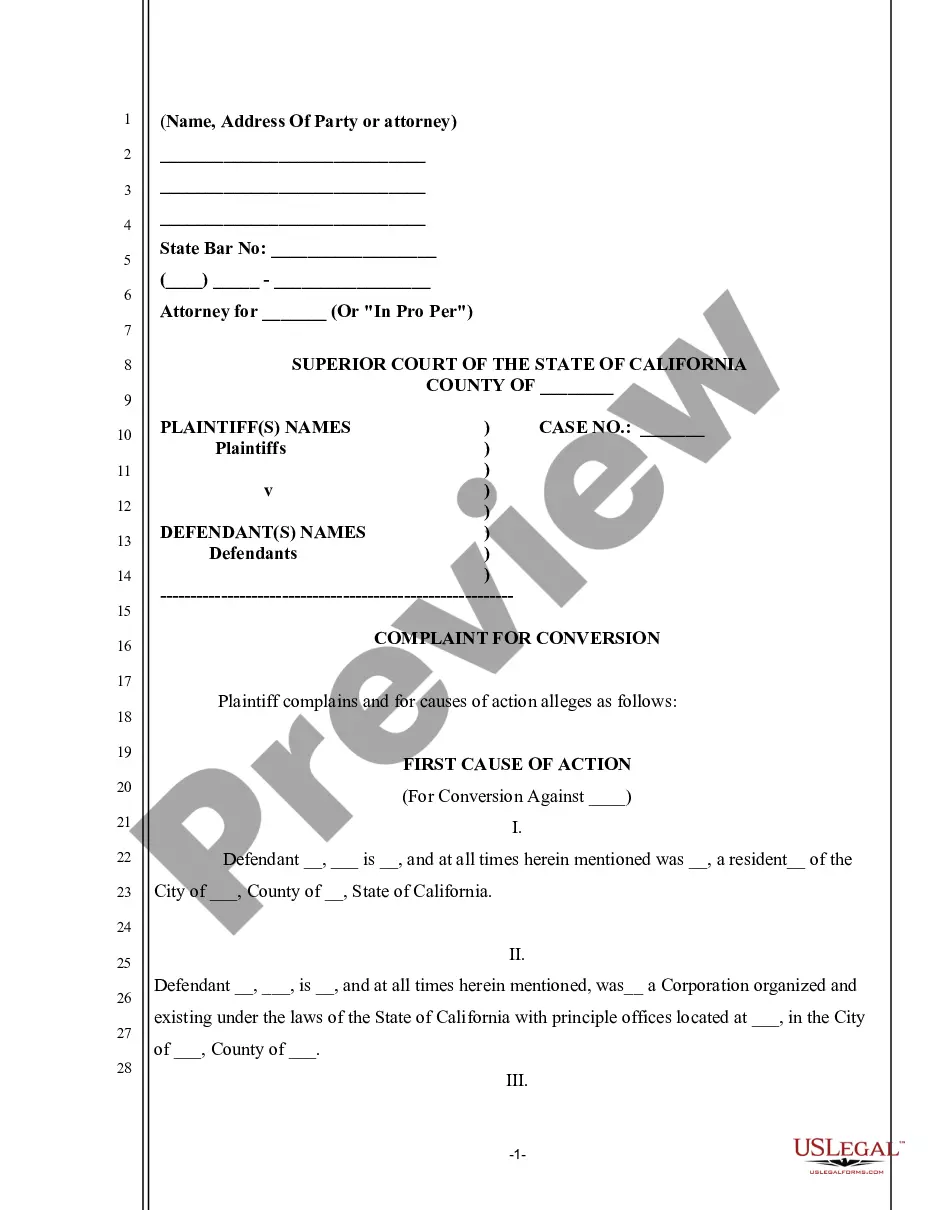
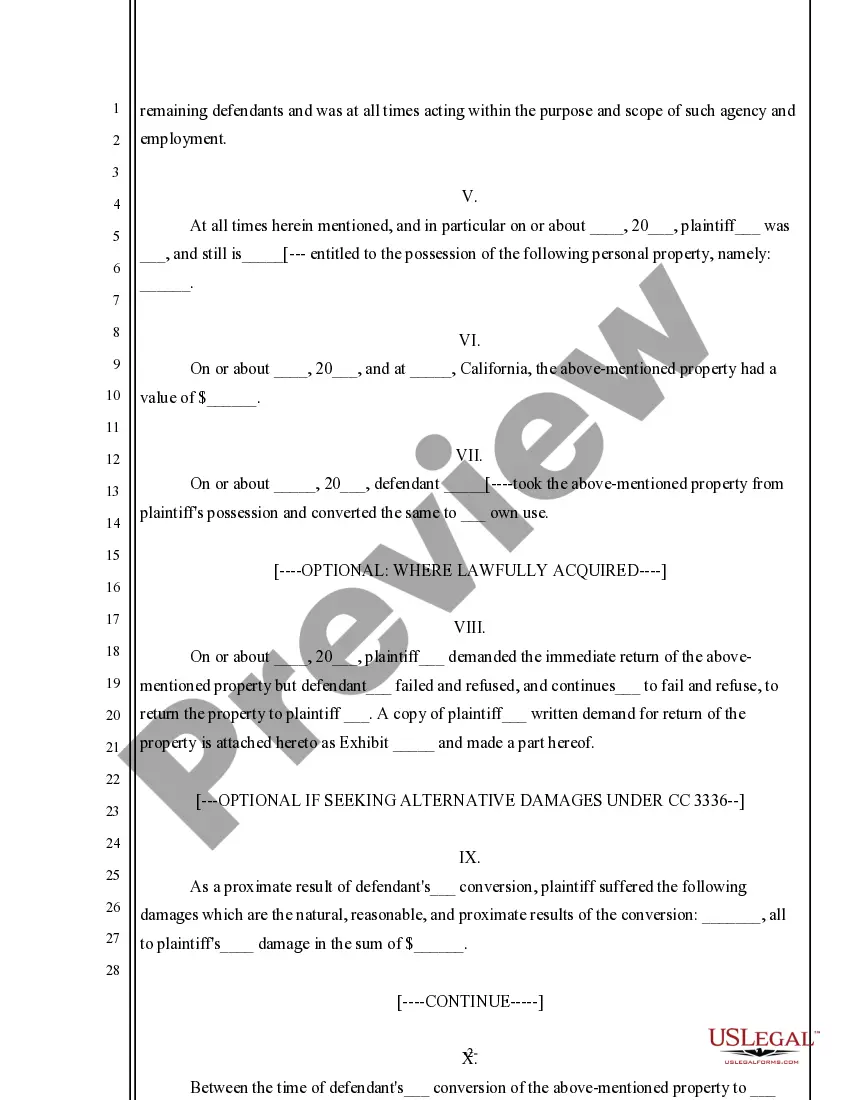
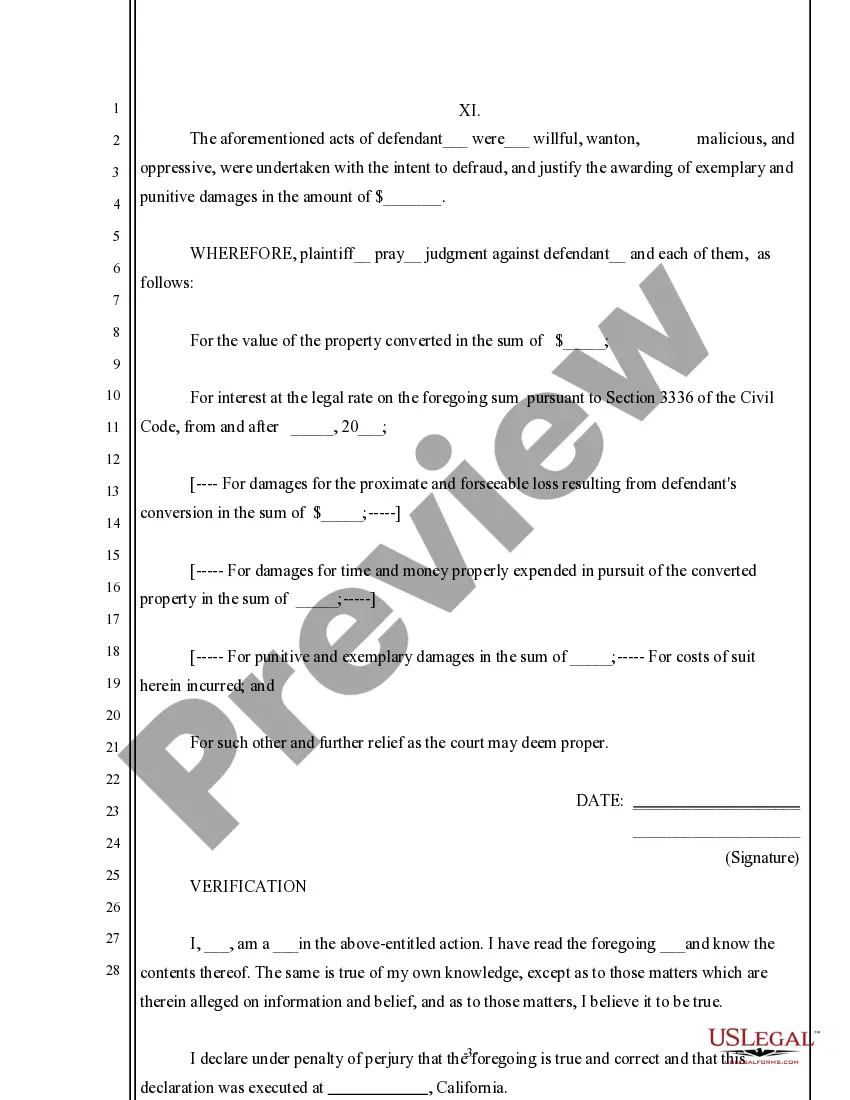
Get your form ready online
Our built-in tools help you complete, sign, share, and store your documents in one place.
Make edits, fill in missing information, and update formatting in US Legal Forms—just like you would in MS Word.
Download a copy, print it, send it by email, or mail it via USPS—whatever works best for your next step.
Sign and collect signatures with our SignNow integration. Send to multiple recipients, set reminders, and more. Go Premium to unlock E-Sign.
If this form requires notarization, complete it online through a secure video call—no need to meet a notary in person or wait for an appointment.
We protect your documents and personal data by following strict security and privacy standards.

Make edits, fill in missing information, and update formatting in US Legal Forms—just like you would in MS Word.

Download a copy, print it, send it by email, or mail it via USPS—whatever works best for your next step.

Sign and collect signatures with our SignNow integration. Send to multiple recipients, set reminders, and more. Go Premium to unlock E-Sign.

If this form requires notarization, complete it online through a secure video call—no need to meet a notary in person or wait for an appointment.

We protect your documents and personal data by following strict security and privacy standards.
Looking for another form?





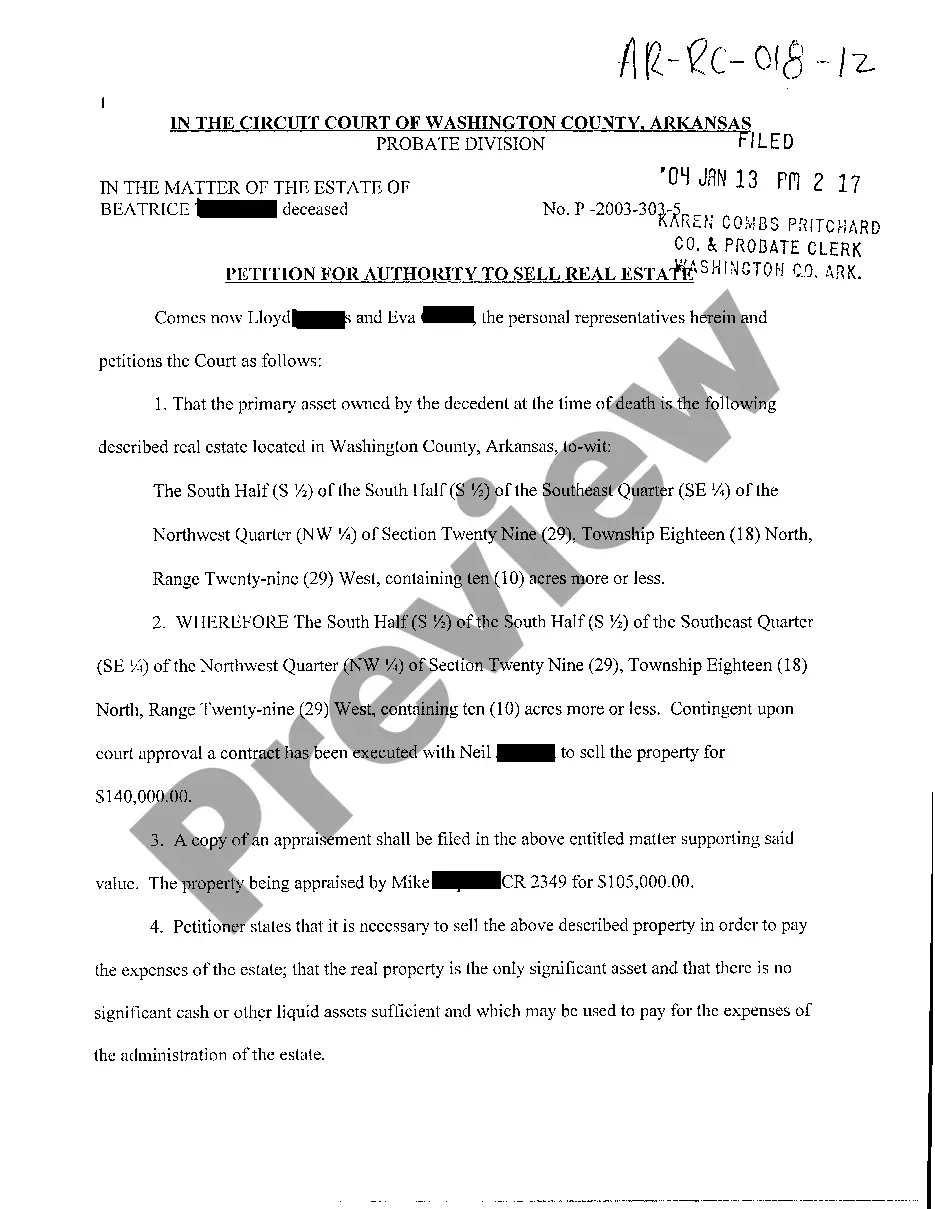
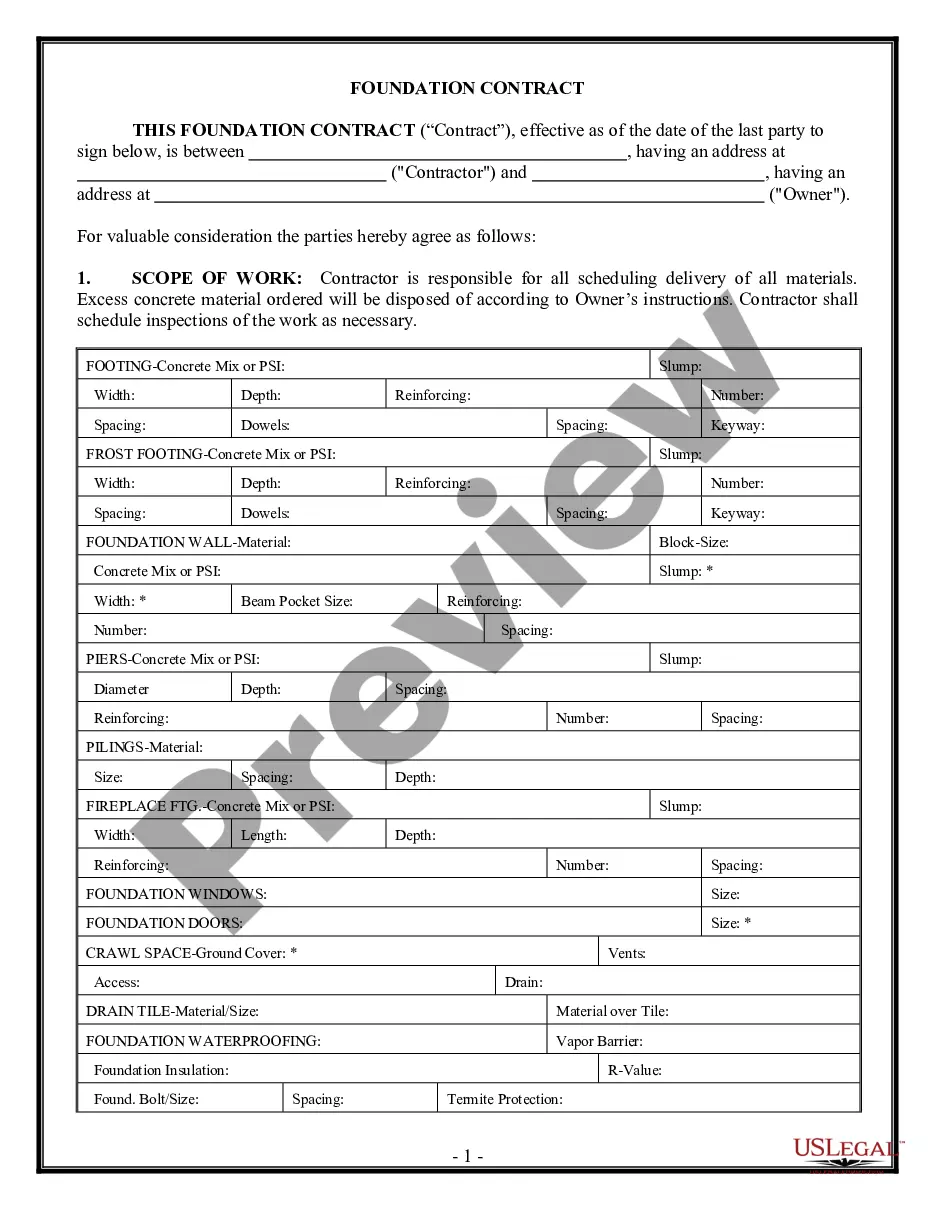


How to fill out California Complaint For Conversion Of Personal Property?
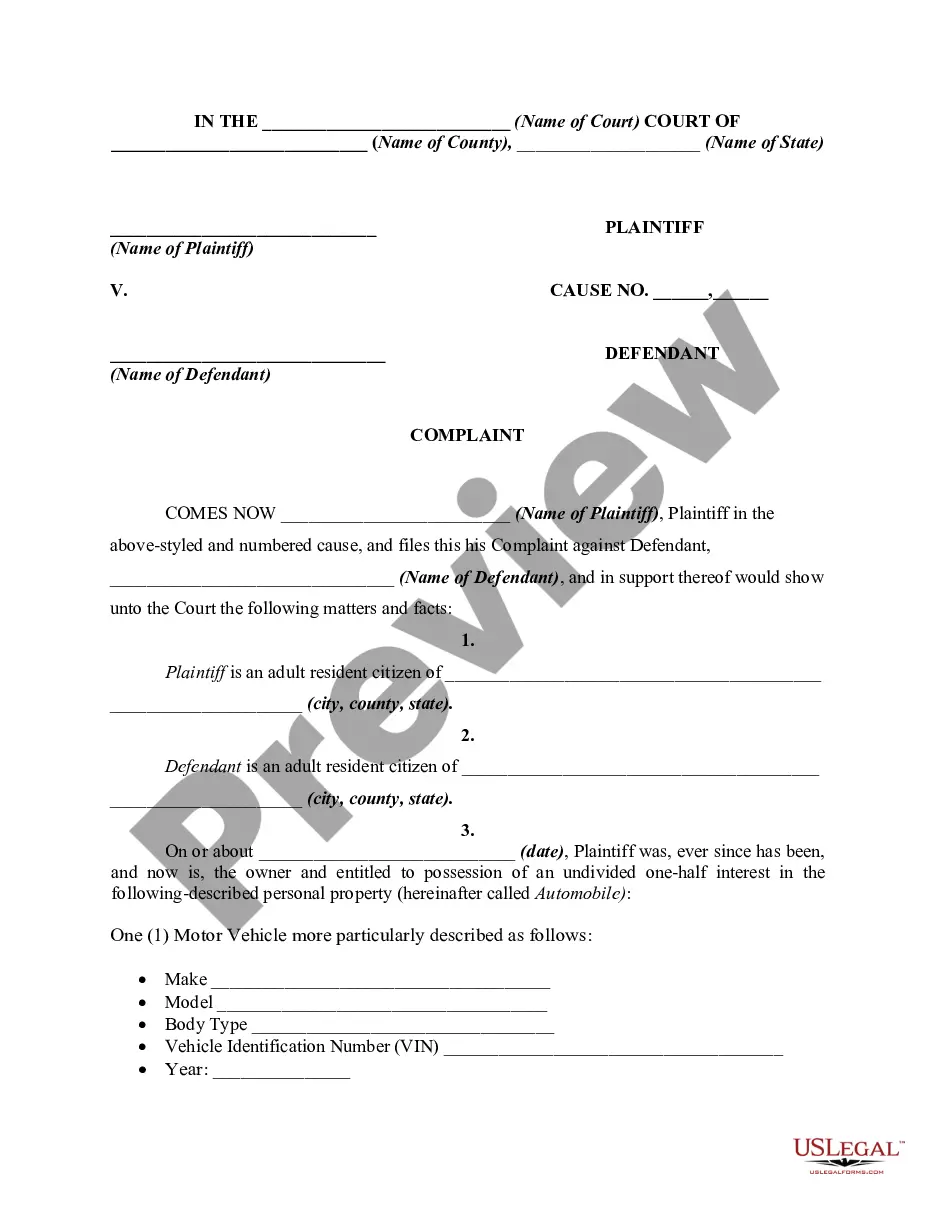
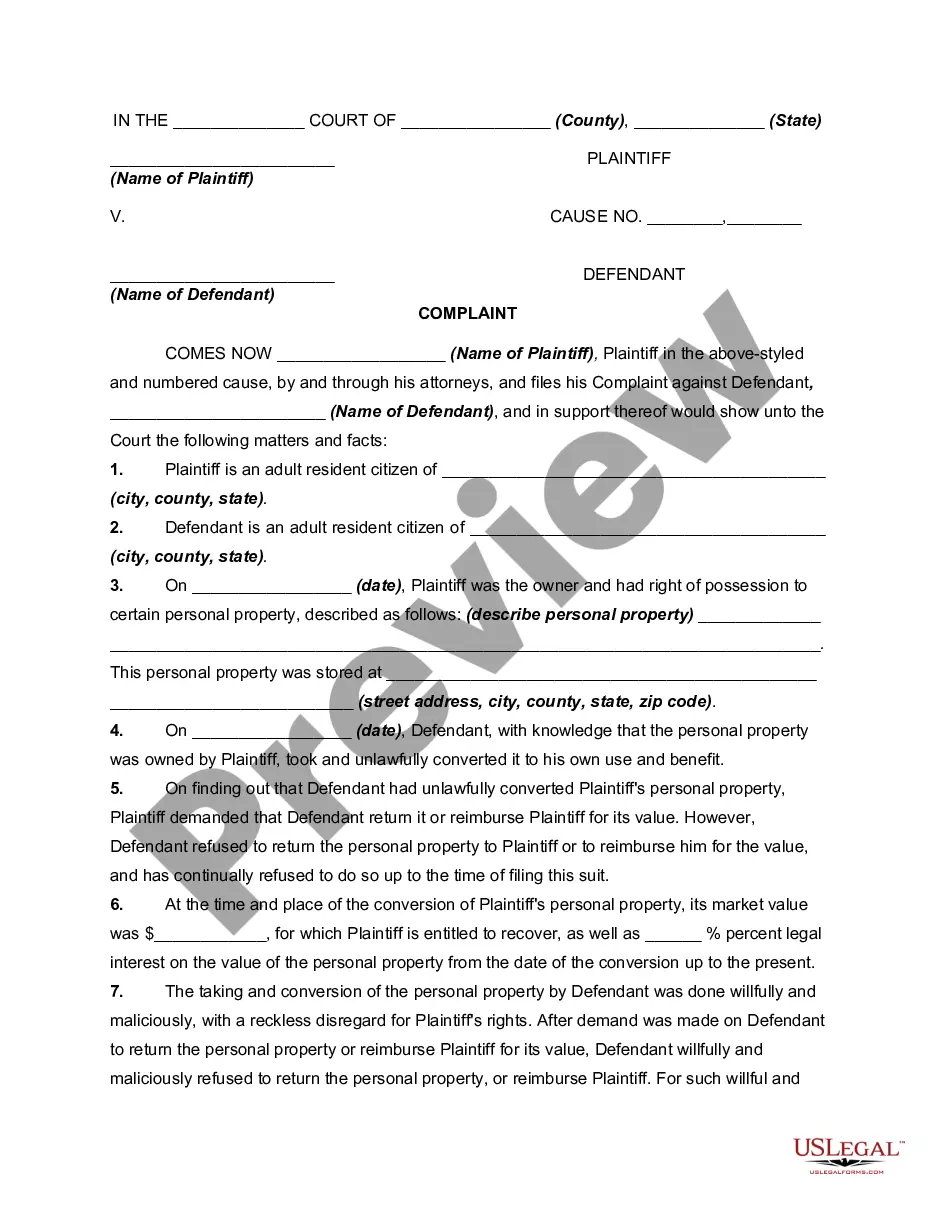
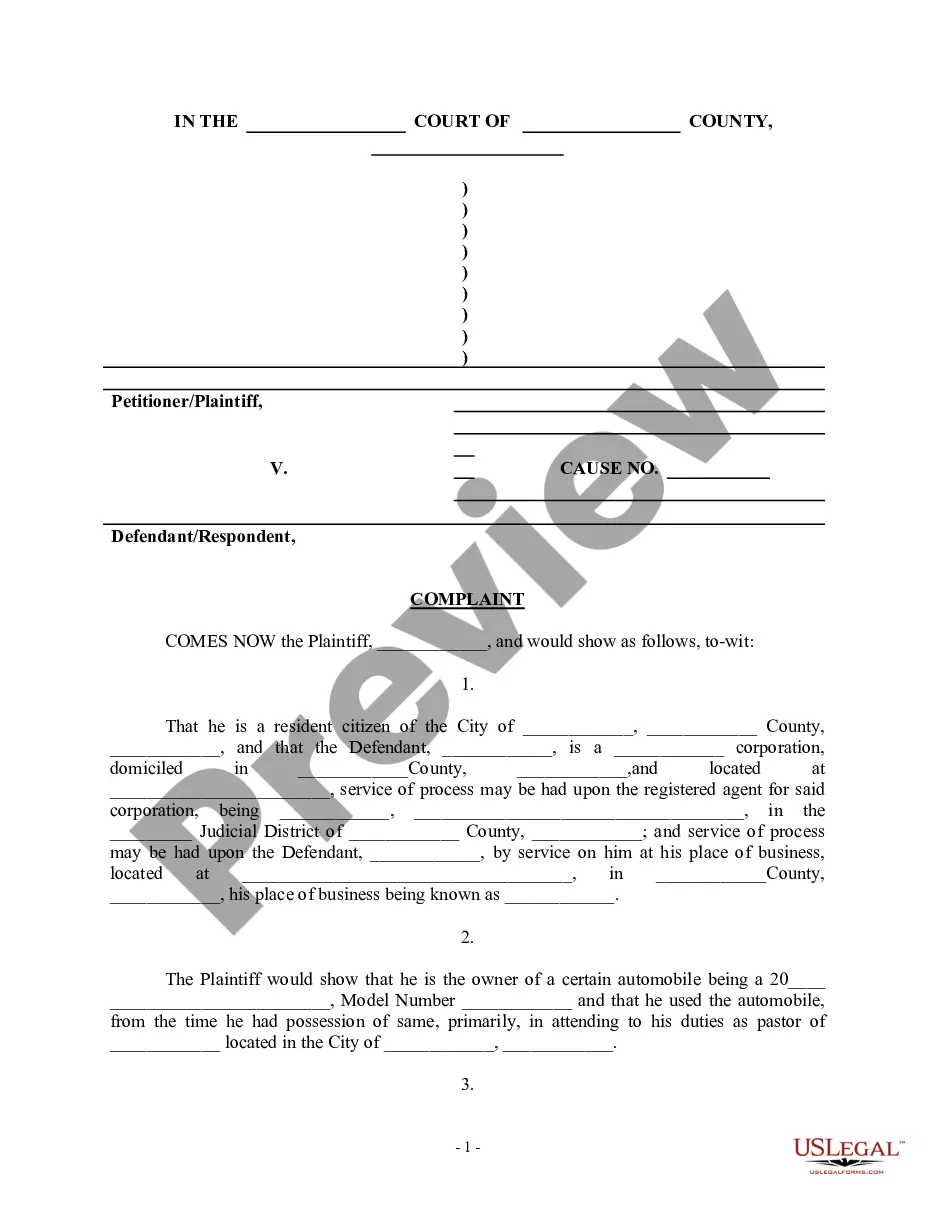
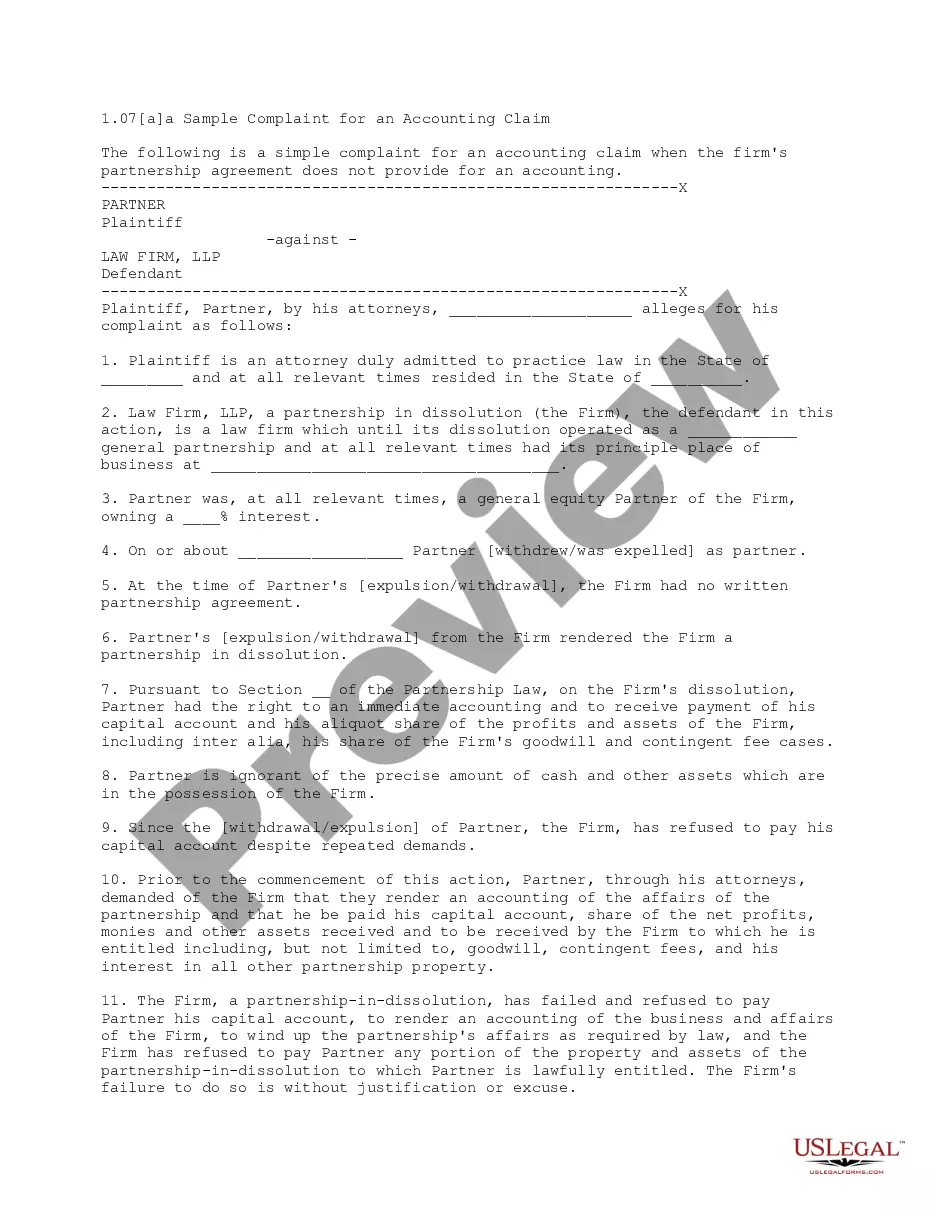
The Theft By Conversion California For Payments For Property Enhancements you observe on this page is a versatile legal template created by expert attorneys in compliance with federal and state regulations.
For over 25 years, US Legal Forms has supplied individuals, businesses, and legal professionals with more than 85,000 validated, state-specific forms for various business and personal situations. It is the quickest, most direct, and most reliable method to obtain the documents you require, as the service ensures the utmost level of data protection and anti-malware security.
Join US Legal Forms to have verified legal templates for every aspect of life readily available.
- Search for the document you require and review it.
- Browse through the file you sought and preview it or examine the form description to confirm it meets your needs. If it does not, use the search feature to discover the correct one. Click Buy Now once you've found the template you want.
- Register and Log In.
- Select the pricing plan that works for you and create an account. Use PayPal or a credit card for a swift payment. If you already possess an account, Log In and verify your subscription to move forward.
- Obtain the editable template.
- Choose the format you prefer for your Theft By Conversion California For Payments For Property Enhancements (PDF, DOCX, RTF) and download the sample to your device.
- Fill out and sign the document.
- Print the template to complete it by hand. Alternatively, use an online multifunctional PDF editor to quickly and accurately fill out and sign your form with a valid signature.
- Redownload your documents as needed.
- Use the same document again whenever required. Access the My documents section in your profile to retrieve any previously acquired forms.
Form popularity
FAQ
Damages Available: A plaintiff is entitled to damages equal to the full value of the chattel at the time and place of conversion. The measure of damages in conversion is the fair market value of the property at the time and place of the conversion. Vaughn v.
A theft usually involves the physical taking of property by force or threat of force. A common example of conversion is when a person lends another person an item like a car or a tool and the borrower sells the rented or lent item to make a profit.
California's statute of limitations to bring a conversion lawsuit is three years from the date the personal property was wrongfully taken. People who wait longer than three years will have their case dismissed by the court.
Under California law, the elements required to prove a claim of conversion are: (1) the plaintiff's ownership or right to possession of the property; (2) the defendant's conversion by a wrongful act or in a manner that is inconsistent with the plaintiff's property rights; and (3) resulting damages. (Burlesci v.
Generally, punitive damages may be allowed when the conversion involves elements of fraud, ill will, malice, recklessness, wantonness, oppression, insult, willful, conscious disregard of the plaintiff's rights, or other aggravating circumstances. (In re Brian S. (1982) 130 Cal. App.