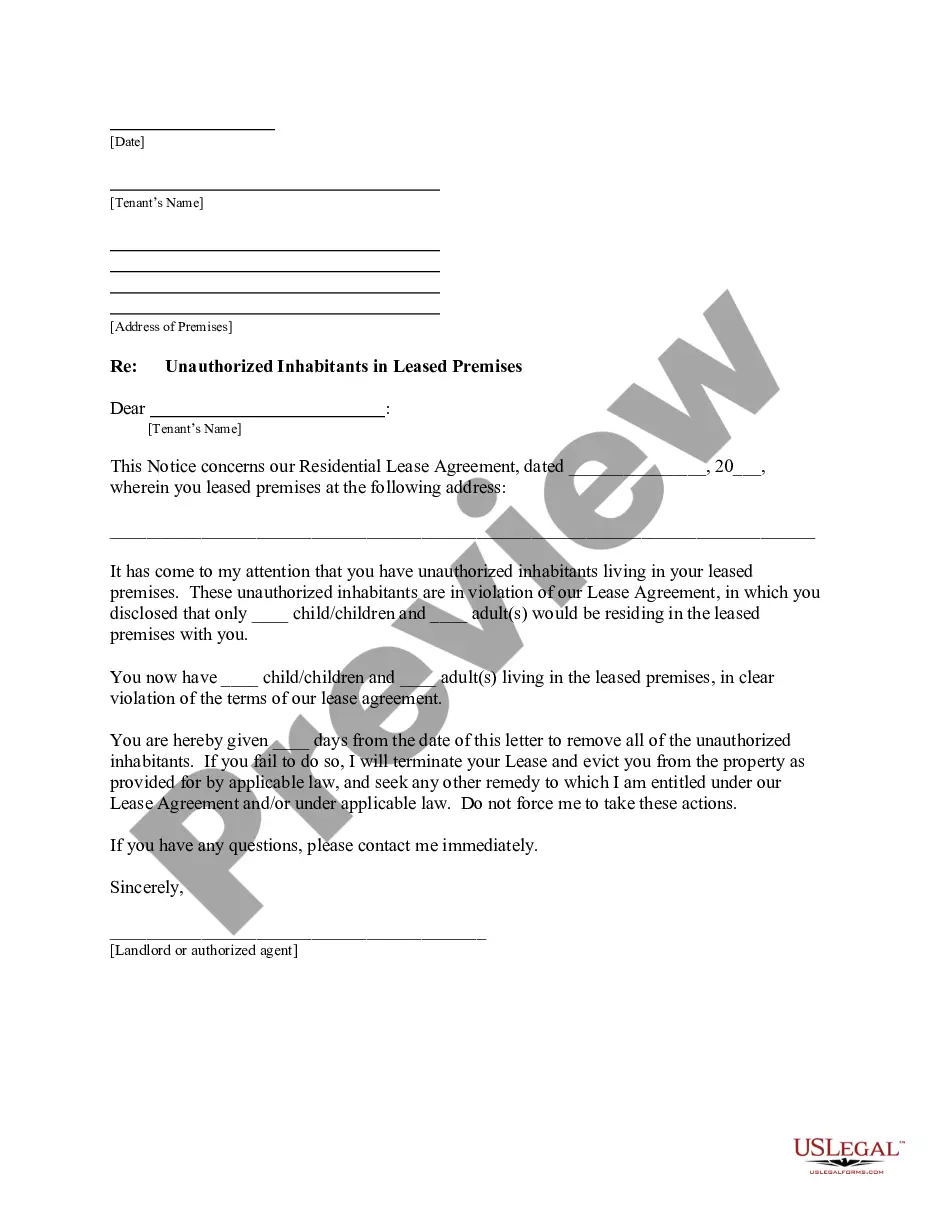
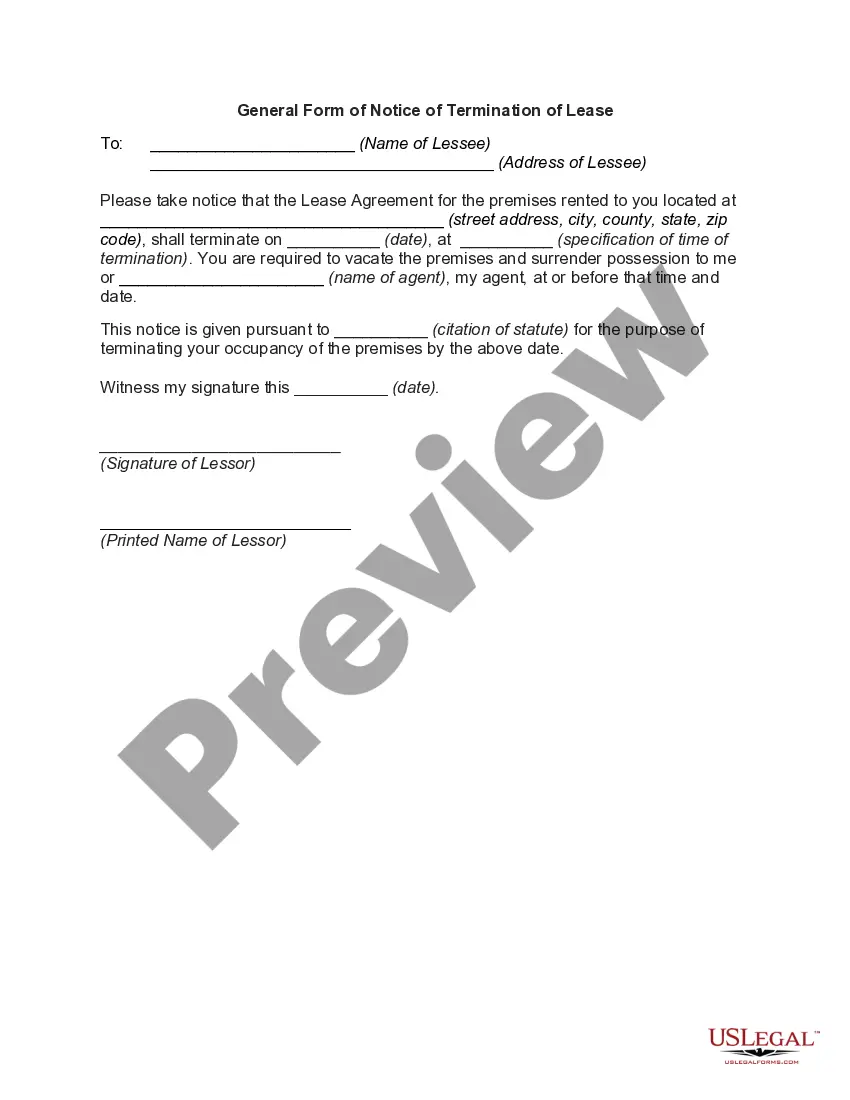
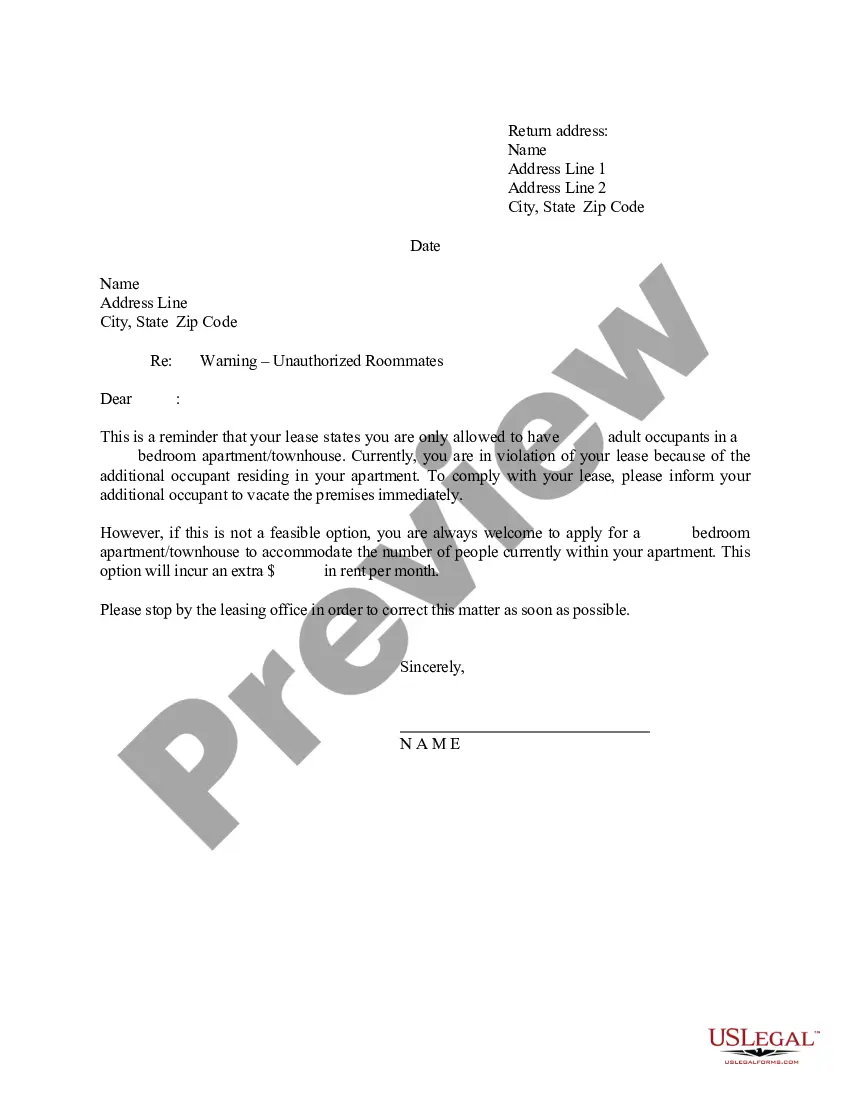
Unauthorized Occupant Notice
Description
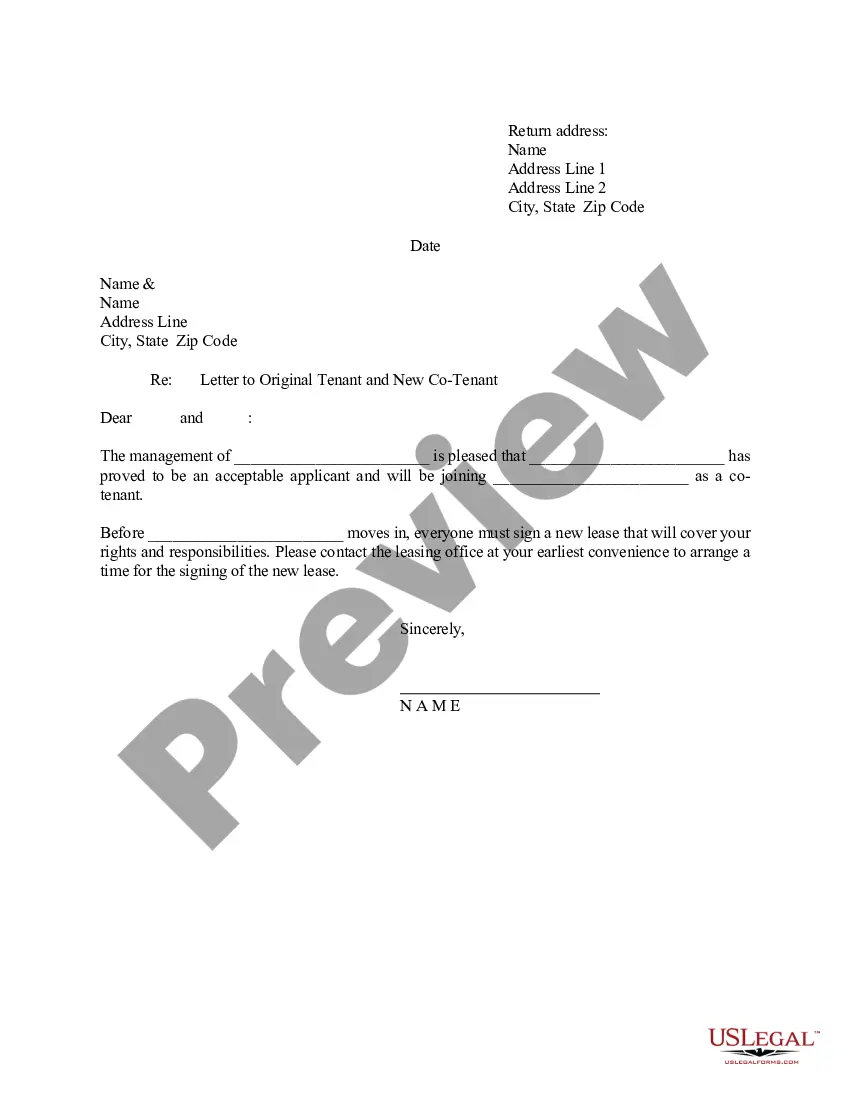

Get your form ready online
Our built-in tools help you complete, sign, share, and store your documents in one place.
Make edits, fill in missing information, and update formatting in US Legal Forms—just like you would in MS Word.
Download a copy, print it, send it by email, or mail it via USPS—whatever works best for your next step.
Sign and collect signatures with our SignNow integration. Send to multiple recipients, set reminders, and more. Go Premium to unlock E-Sign.
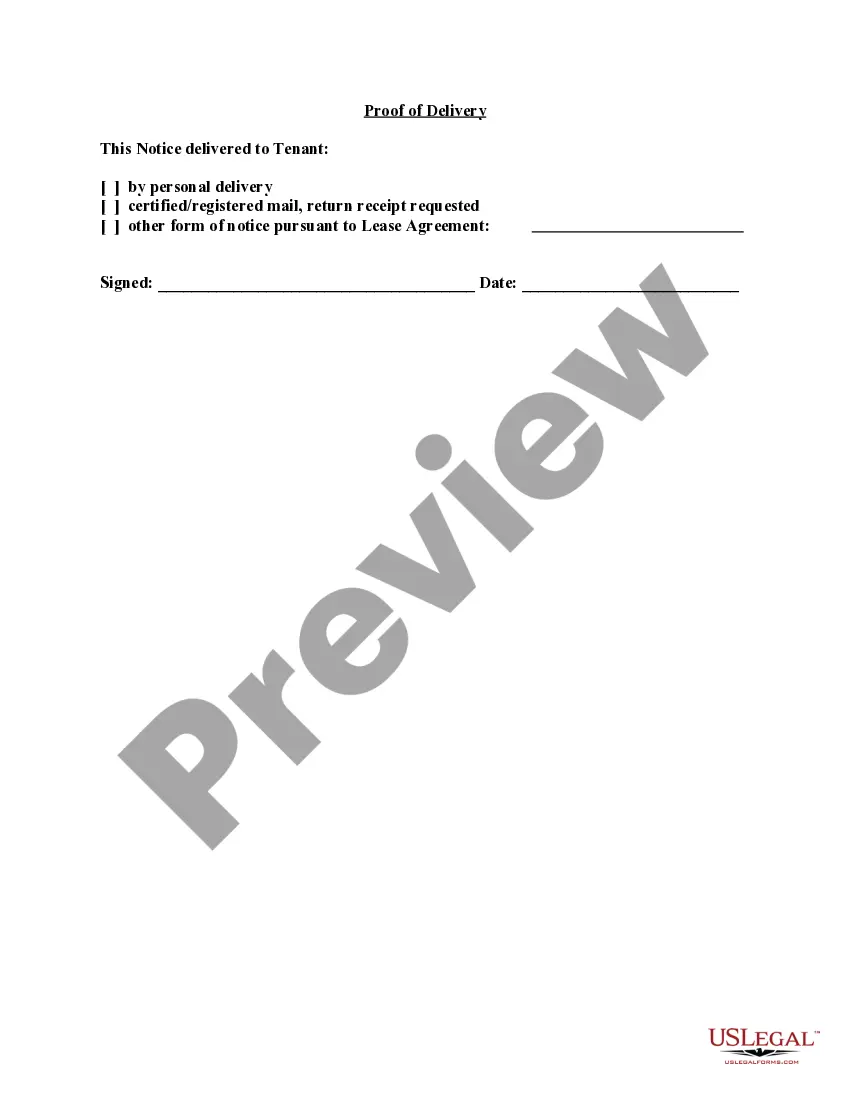
If this form requires notarization, complete it online through a secure video call—no need to meet a notary in person or wait for an appointment.
We protect your documents and personal data by following strict security and privacy standards.

Make edits, fill in missing information, and update formatting in US Legal Forms—just like you would in MS Word.

Download a copy, print it, send it by email, or mail it via USPS—whatever works best for your next step.

Sign and collect signatures with our SignNow integration. Send to multiple recipients, set reminders, and more. Go Premium to unlock E-Sign.

If this form requires notarization, complete it online through a secure video call—no need to meet a notary in person or wait for an appointment.

We protect your documents and personal data by following strict security and privacy standards.
Looking for another form?
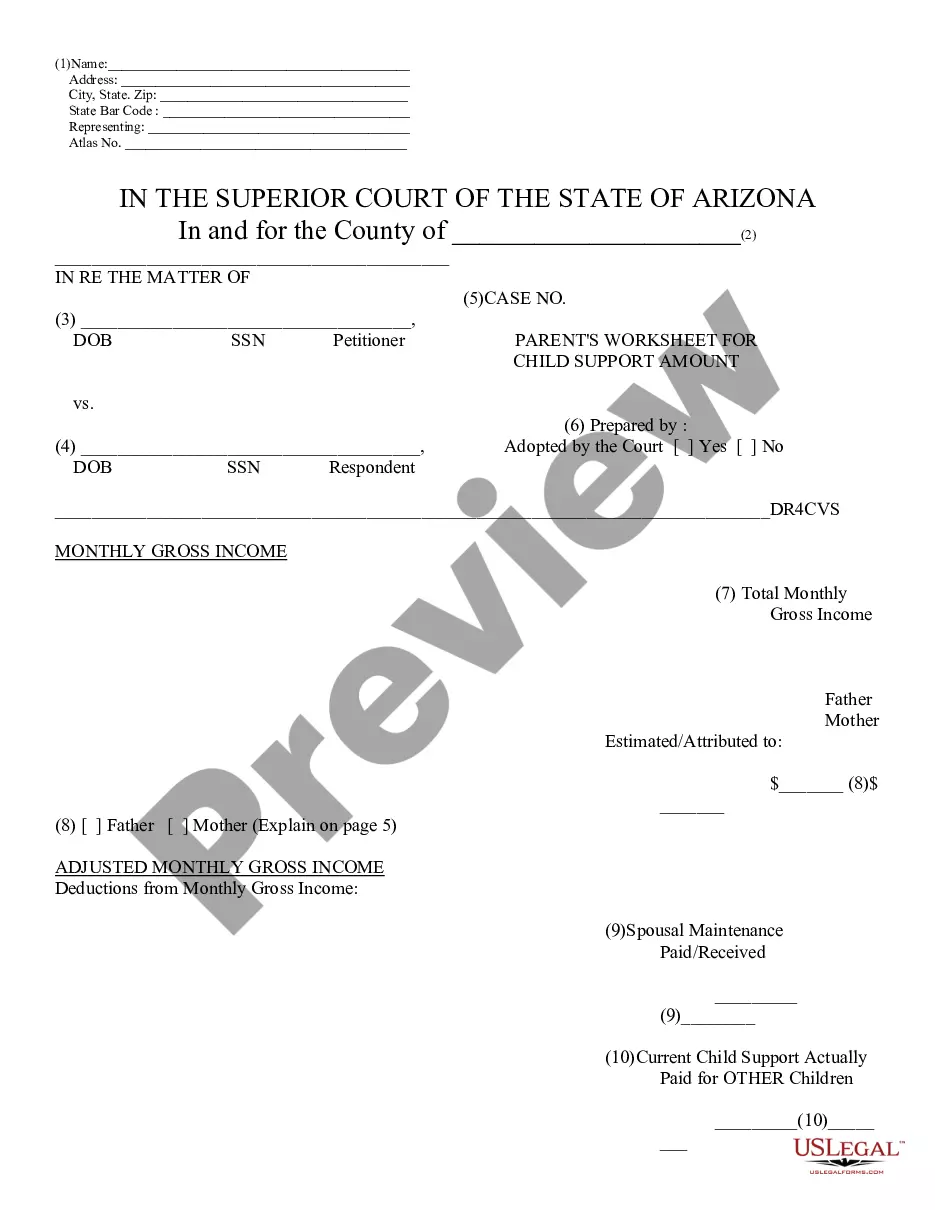





How to fill out California Letter From Landlord To Tenant As Notice To Remove Unauthorized Inhabitants?
- Visit US Legal Forms and log into your account if you're a returning user. Download the unauthorized occupant notice template by clicking the Download button.
- In the case of new users, start by checking the preview and description of the form to confirm it fits your needs and adheres to your local laws.
- If you find the form unsuitable, utilize the search feature to find a better match for your situation.
- Once satisfied, proceed to purchase by clicking on the Buy Now button and selecting your preferred subscription plan. Creating an account is necessary for access.
- Submit your payment details either via credit card or PayPal to complete your purchase.
- After the successful transaction, download the form to your device. You can also access it later in the 'My Forms' section of your account.
By following these steps, you can efficiently obtain an unauthorized occupant notice tailored to your needs. Using US Legal Forms ensures a seamless experience with extensive resources at your fingertips.
Empower yourself with the easy access to legal forms and expert assistance by signing up today.
Form popularity
FAQ
Removing an occupant from your home may require several steps. Begin by communicating directly with the occupant, stating your concerns and intentions. If necessary, serve an unauthorized occupant notice and consider legal options to proceed with eviction if they do not comply. Using uslegalforms, you can access resources and templates to assist with this process efficiently.
Unauthorized occupancy occurs when a person resides in a rental unit without being listed on the lease agreement. This situation violates the terms of the lease and can lead to eviction proceedings. If faced with unauthorized occupancy, sending an unauthorized occupant notice will help address the issue proactively.
To prove unauthorized occupant status in court, you need to present compelling evidence. This may include a notice sent to the tenant, witness testimonies, or proof of residency. Additionally, an unauthorized occupant notice can act as a vital document that underscores your assertion about the individual's status in the property.
An unauthorized occupant is someone who lives in a rental property without the landlord's permission or is not listed on the lease. This could be a friend or family member staying for an extended period. Landlords often require an unauthorized occupant notice to address this situation properly and maintain the integrity of the lease agreement.
Typically, a guest can stay in your rental unit for a limited period, usually 14 to 30 days, without needing to be added to the lease. However, after that time, they may be considered an unauthorized occupant. Always check your lease and notify your landlord by sending an unauthorized occupant notice if someone stays beyond that time.
To prove someone is an unauthorized occupant, gather evidence that shows they live in the property without consent. This can include photographs, witness statements, or utility bills with their name. It's important to serve an unauthorized occupant notice to formally declare their status, which strengthens your case if legal action is necessary.
If you break up with your lease partner, a few actions can follow. First, you should review your lease agreement for any specific terms regarding breaking up. You may need to provide an unauthorized occupant notice to your landlord to inform them about the situation. Communication is essential to ensure a smooth transition.
Yes, you can remove an occupant, especially if they are unauthorized. Start by providing them with an unauthorized occupant notice to inform them of your intent. If they do not leave voluntarily, legal action may be necessary, which may involve going through local eviction processes to ensure compliance with housing laws.
If someone refuses to leave your house, begin by discussing the situation with them to find a solution. If that does not work, consider issuing an unauthorized occupant notice to formalize your request for them to vacate. If they continue to stay, you may have to consult with a lawyer and file for eviction to ensure your rights are protected.
A tenant is a person whose name is on the lease and who has a legal right to live in the property. An authorized occupant is someone who has been given permission by the landlord to reside in the property but is not listed as a tenant. Understanding these definitions helps clarify roles and responsibilities outlined in the lease agreement.