Letter Landlord Increase Withdrawal Limit
Description
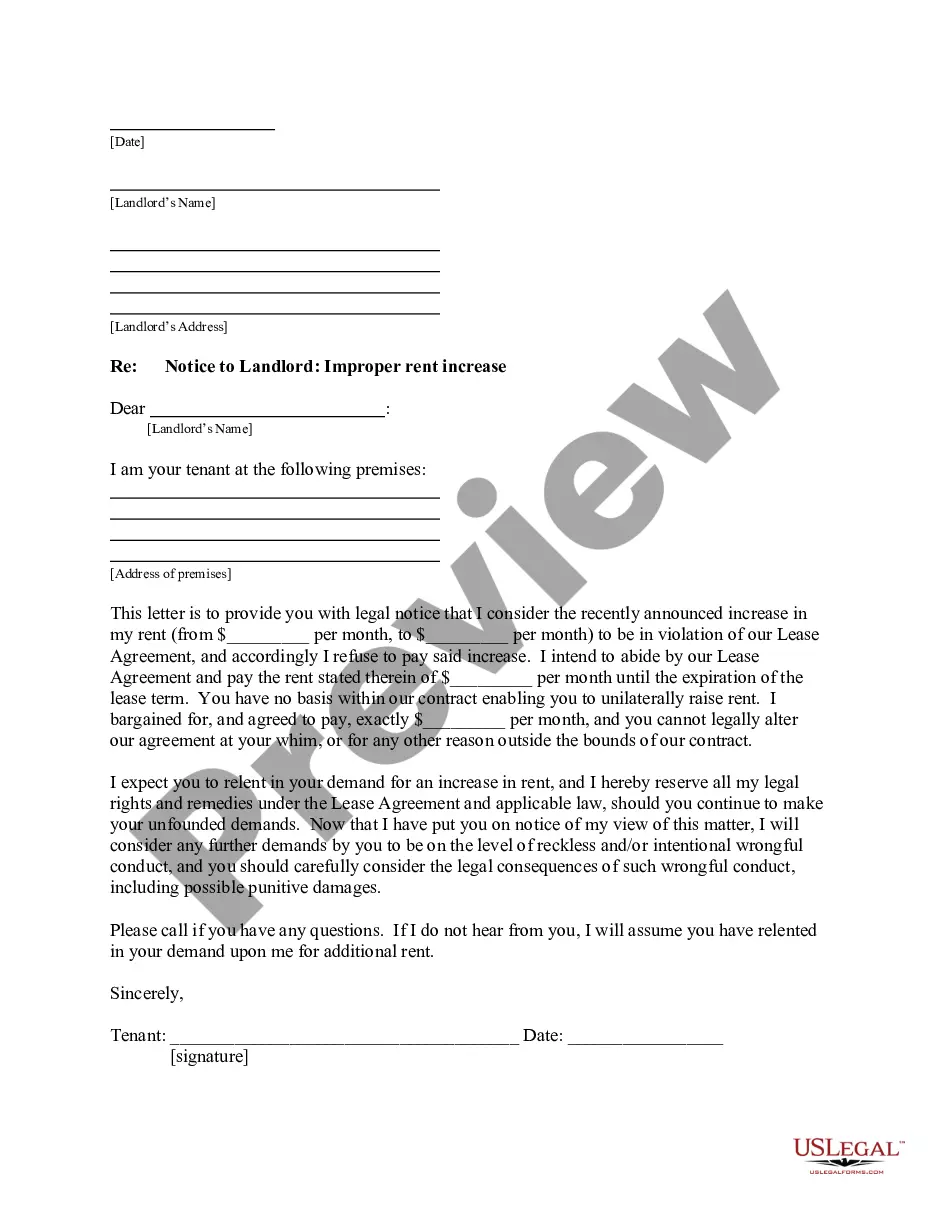
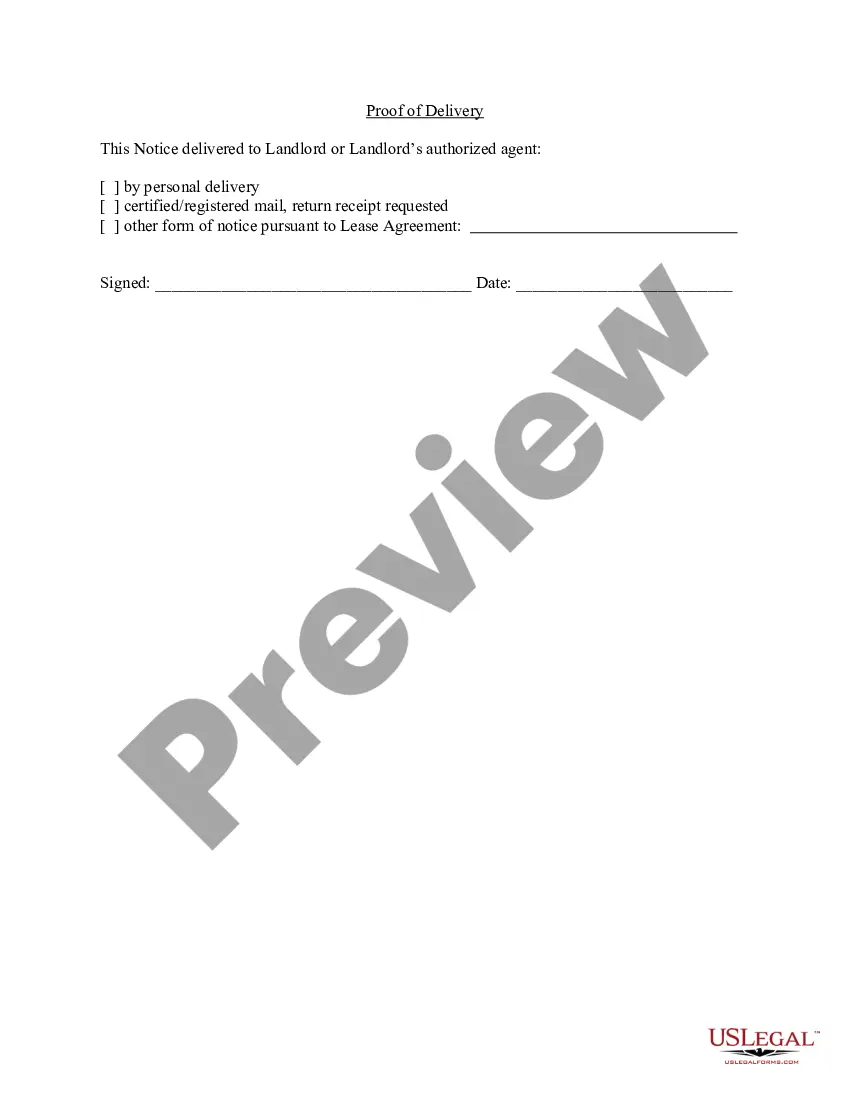
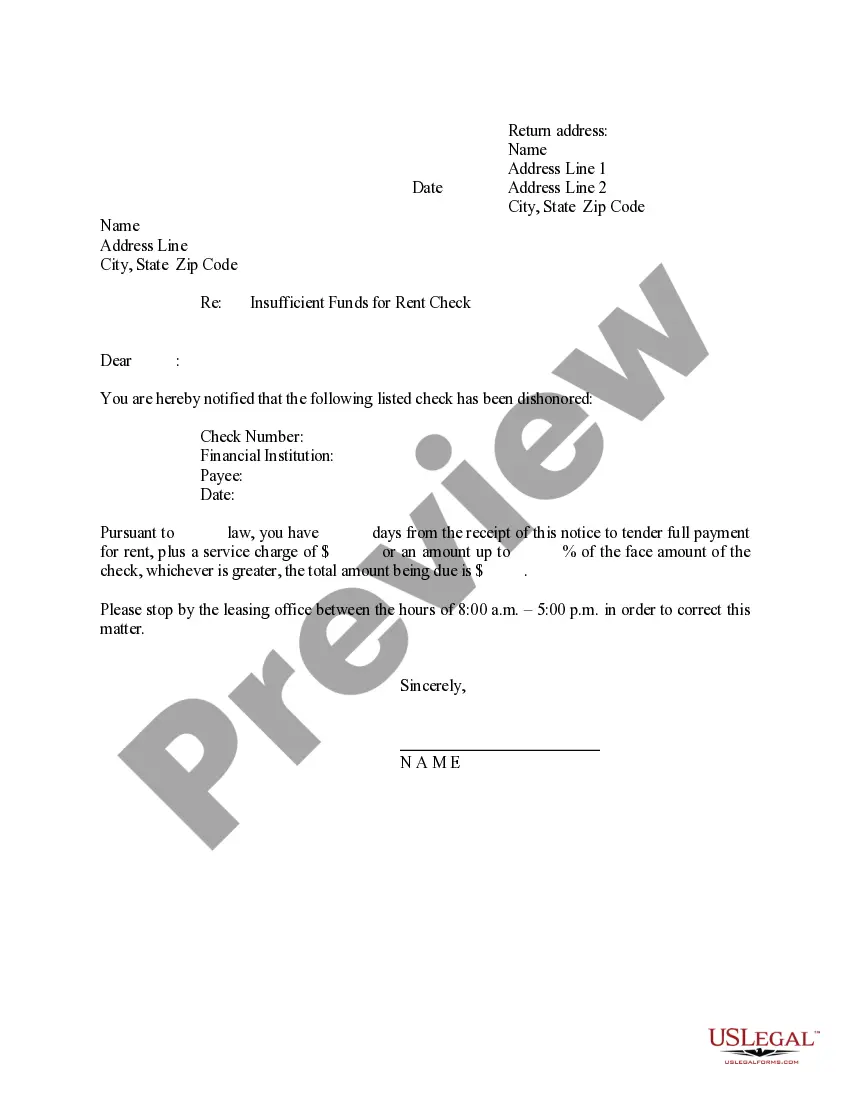
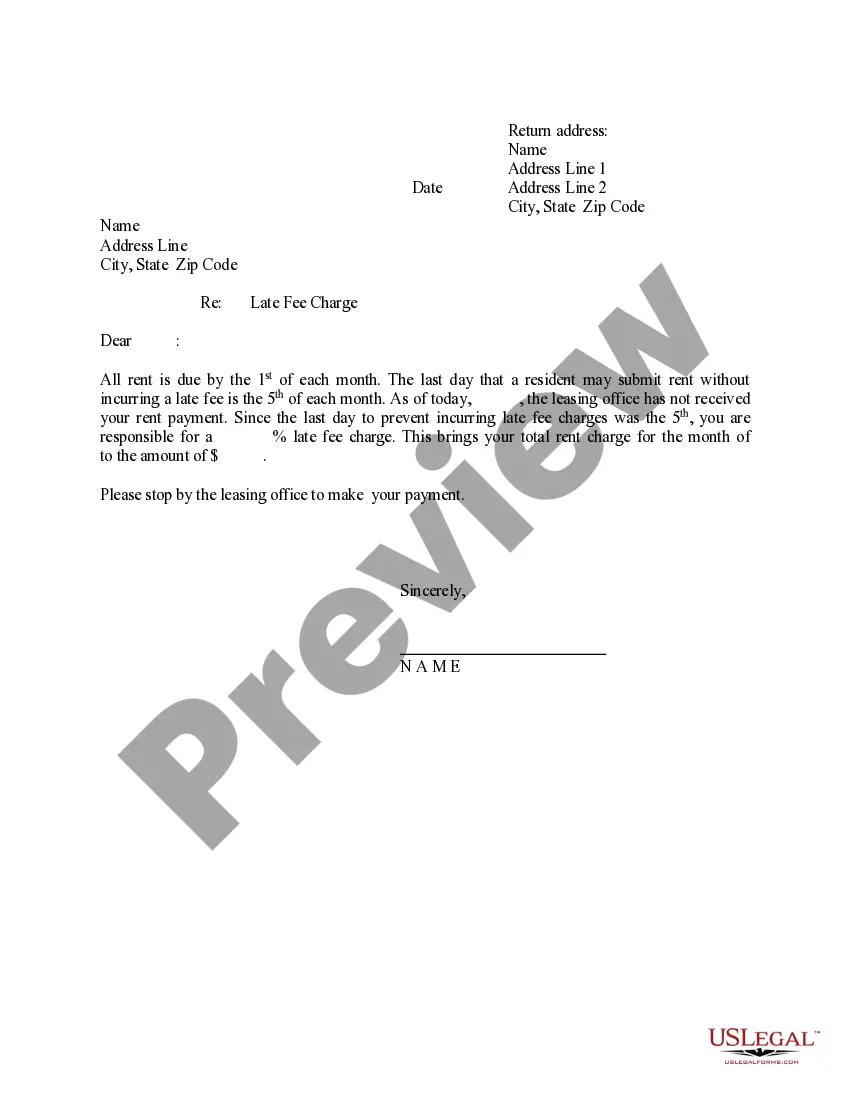
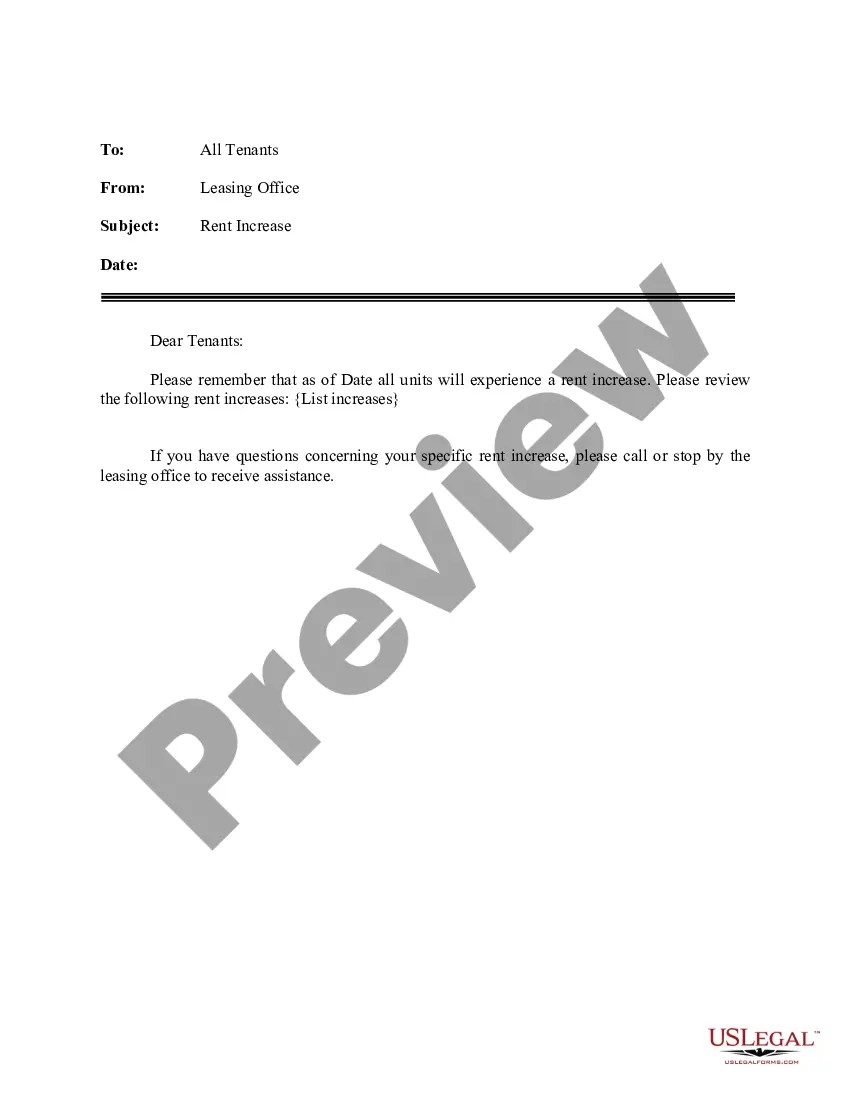
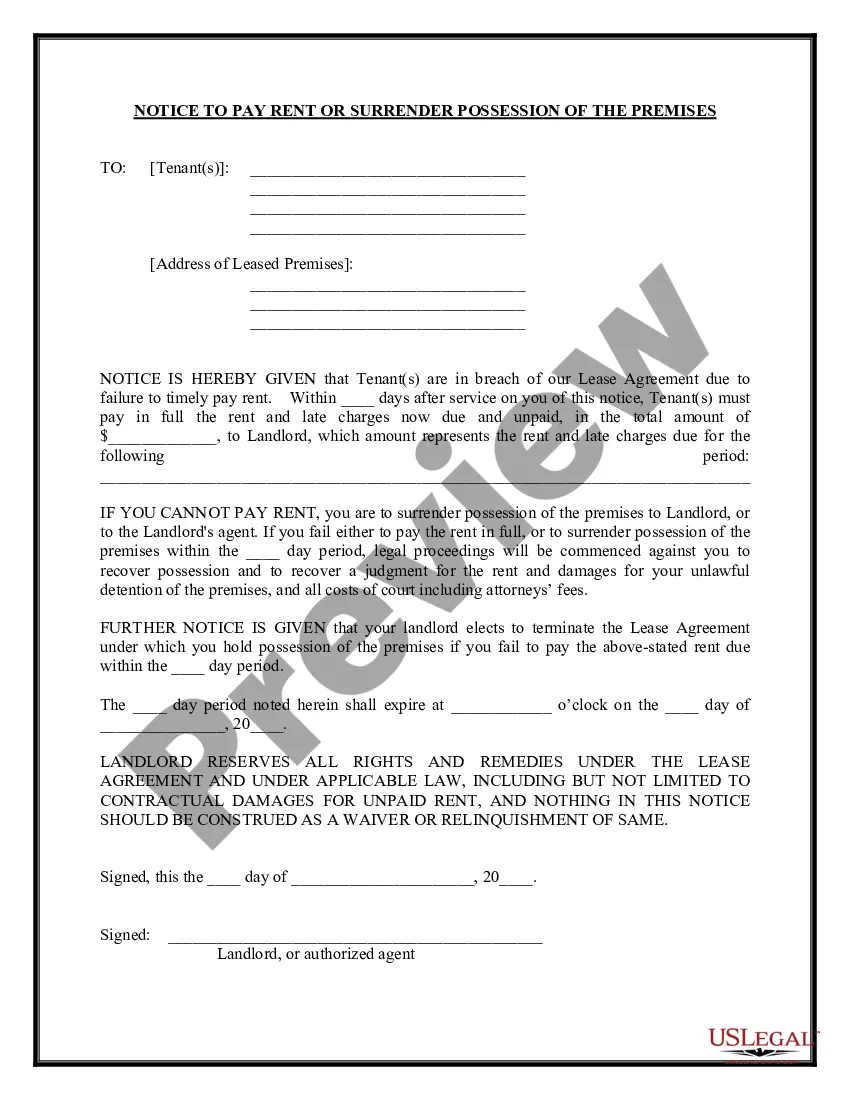
Get your form ready online
Our built-in tools help you complete, sign, share, and store your documents in one place.
Make edits, fill in missing information, and update formatting in US Legal Forms—just like you would in MS Word.
Download a copy, print it, send it by email, or mail it via USPS—whatever works best for your next step.
Sign and collect signatures with our SignNow integration. Send to multiple recipients, set reminders, and more. Go Premium to unlock E-Sign.
If this form requires notarization, complete it online through a secure video call—no need to meet a notary in person or wait for an appointment.
We protect your documents and personal data by following strict security and privacy standards.

Make edits, fill in missing information, and update formatting in US Legal Forms—just like you would in MS Word.

Download a copy, print it, send it by email, or mail it via USPS—whatever works best for your next step.

Sign and collect signatures with our SignNow integration. Send to multiple recipients, set reminders, and more. Go Premium to unlock E-Sign.

If this form requires notarization, complete it online through a secure video call—no need to meet a notary in person or wait for an appointment.

We protect your documents and personal data by following strict security and privacy standards.
Looking for another form?









Form popularity
FAQ
The best letter for a rent increase clearly communicates the new terms while maintaining a professional tone. It should outline the reasons for the increase and provide enough notice as per local laws. Including a statement that references the 'letter landlord increase withdrawal limit' can help clarify any financial limits you may be concerned about. By using templates available on legal platforms like US Legal Forms, you can ensure your letter meets all necessary legal standards while conveying your message effectively.
The maximum rent increase for 2025 will be influenced by legislation in place as the year approaches. Potential renters should keep informed about local mandates and regulations that govern rent increases. By understanding your rights, you can make better-informed decisions. Additionally, considering templates from USLegalForms for your 'Letter landlord increase withdrawal limit' may facilitate effective communication with your landlord.
While a landlord may propose a 20% rent increase, it must be reasonable and comply with local regulations. Many regions have guidelines that dictate how much rent can be raised, often requiring notice and justification for significant increases. It's advisable to review your lease terms and seek legal advice if needed. Drafting a clear letter can support your case if you disagree with the increase.
The highest a landlord can raise rent depends largely on the local rental laws and tenancy agreements. There is typically no fixed percentage, and landlords must provide adequate notice according to the law. It is often seen as fair to keep increases within market values. If you're facing an increase, remember to draft a thoughtful 'Letter landlord increase withdrawal limit' to express your concerns.
When writing a letter to your landlord, begin by clearly stating your name and the date. Address your landlord respectfully, describe the issue or request, and provide any necessary details. For example, if you are discussing a potential rent increase, include specifics about your concerns. Ending with a polite request for feedback can foster a good relationship.
As of 2024, the maximum rent increase allowed can be determined by current legislation and local rental market conditions. Tenants should receive appropriate notice of any changes as outlined in their rental agreement. It’s advisable to check relevant government sources for specific figures as they may change. Consider consulting tools on the USLegalForms platform to draft your 'Letter landlord increase withdrawal limit' efficiently.
To write a formal letter to a tenant, start by including your contact details and the date. Follow with a clear subject line about the purpose, such as the 'Letter landlord increase withdrawal limit.' Provide a respectful greeting, state your intentions clearly, and end with a conclusion that invites feedback or discussion. It’s important to maintain a professional tone throughout.
The maximum amount a landlord can increase rent often hinges on local laws and the type of tenancy in place. Usually, landlords must provide notice prior to any increase, aligning with legal frameworks. Understanding your rental agreement can offer clarity on the expected increases. A well-drafted letter to your landlord can facilitate discussions about the increase limits.
In the UK, a landlord can raise rent with proper notice and in line with local regulations. Generally, a rent increase must be reasonable and can vary depending on the type of tenancy. It's essential to check your rental agreement and regional guidelines to understand the limits. Always consider writing a formal letter to your landlord to discuss any concerns around the rent increase.
To start a letter to your landlord, begin with a respectful salutation, such as 'Dear Landlord's Name.' Follow this with a brief introduction that states the purpose of the letter. For instance, you can mention your intention to discuss the letter landlord increase withdrawal limit. Starting positively sets the tone for effective communication and encourages a response.
