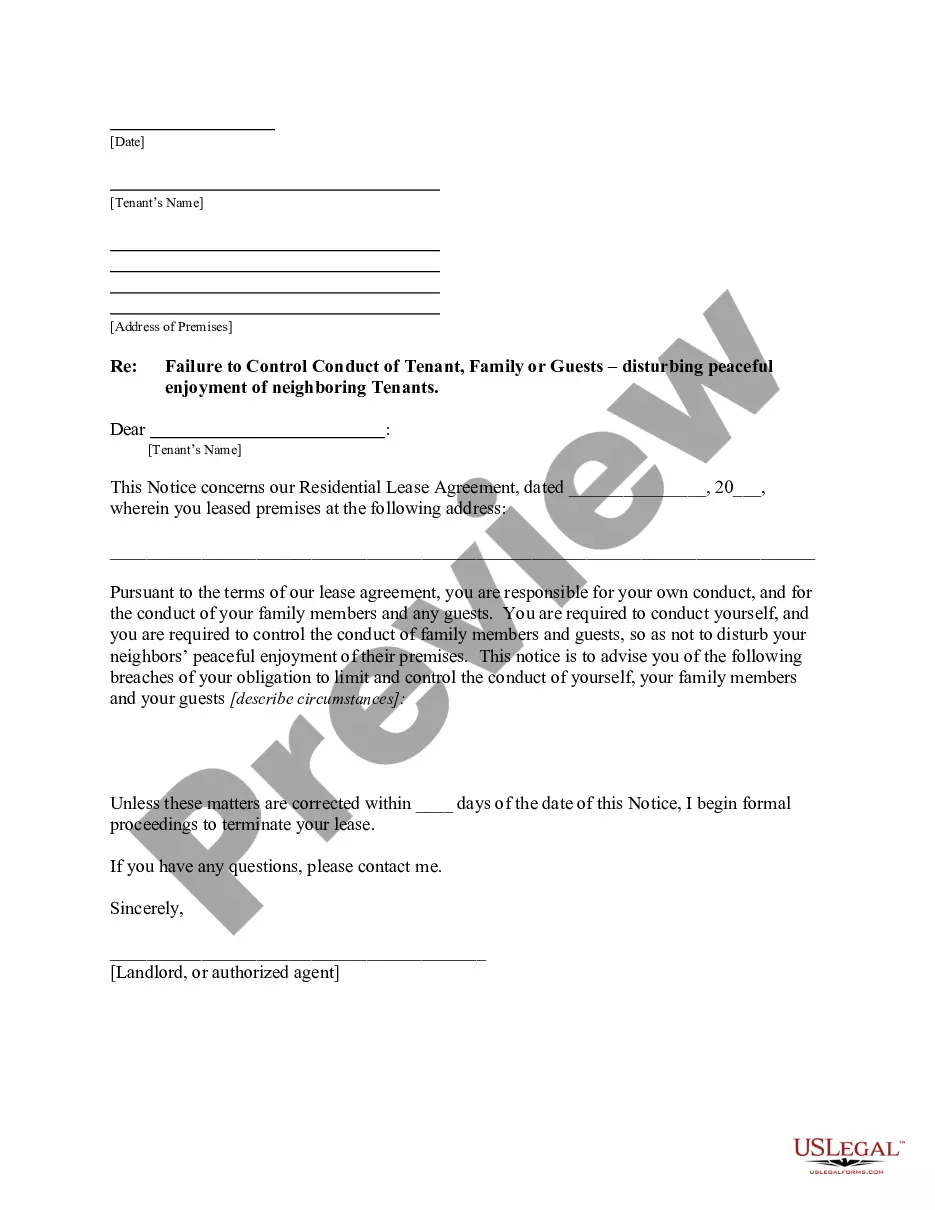
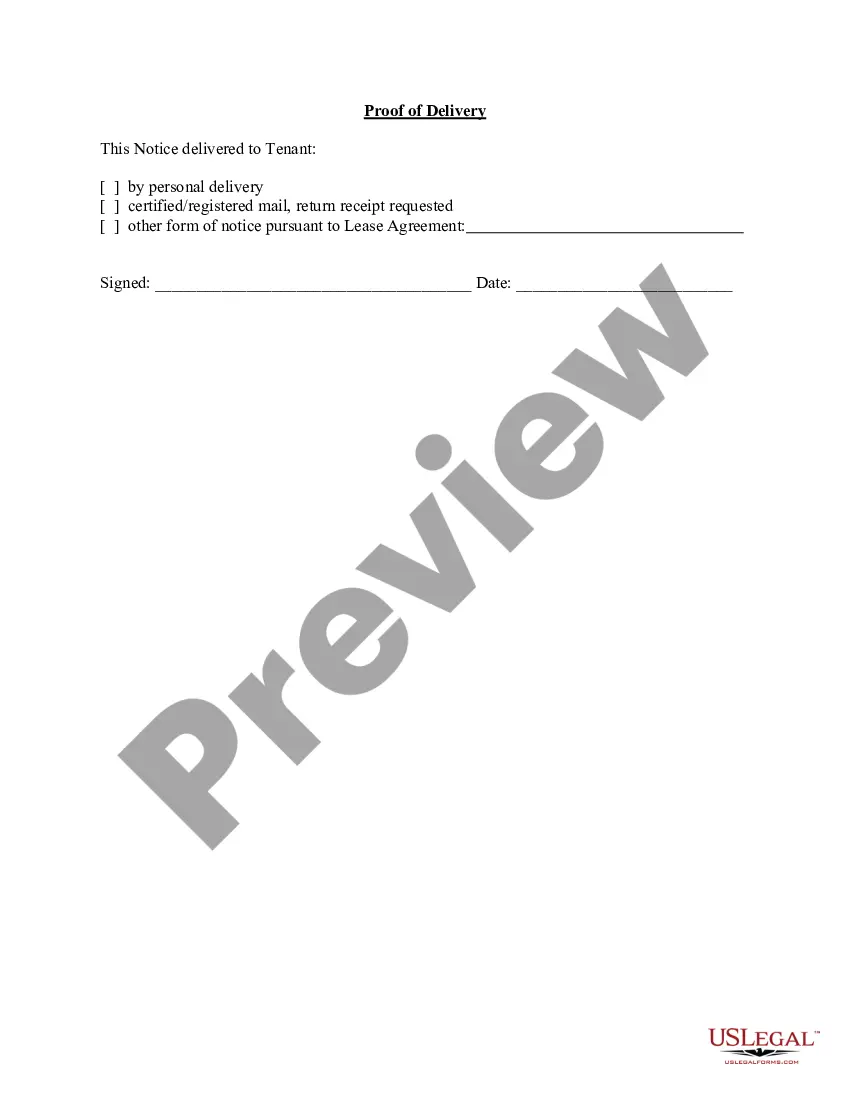
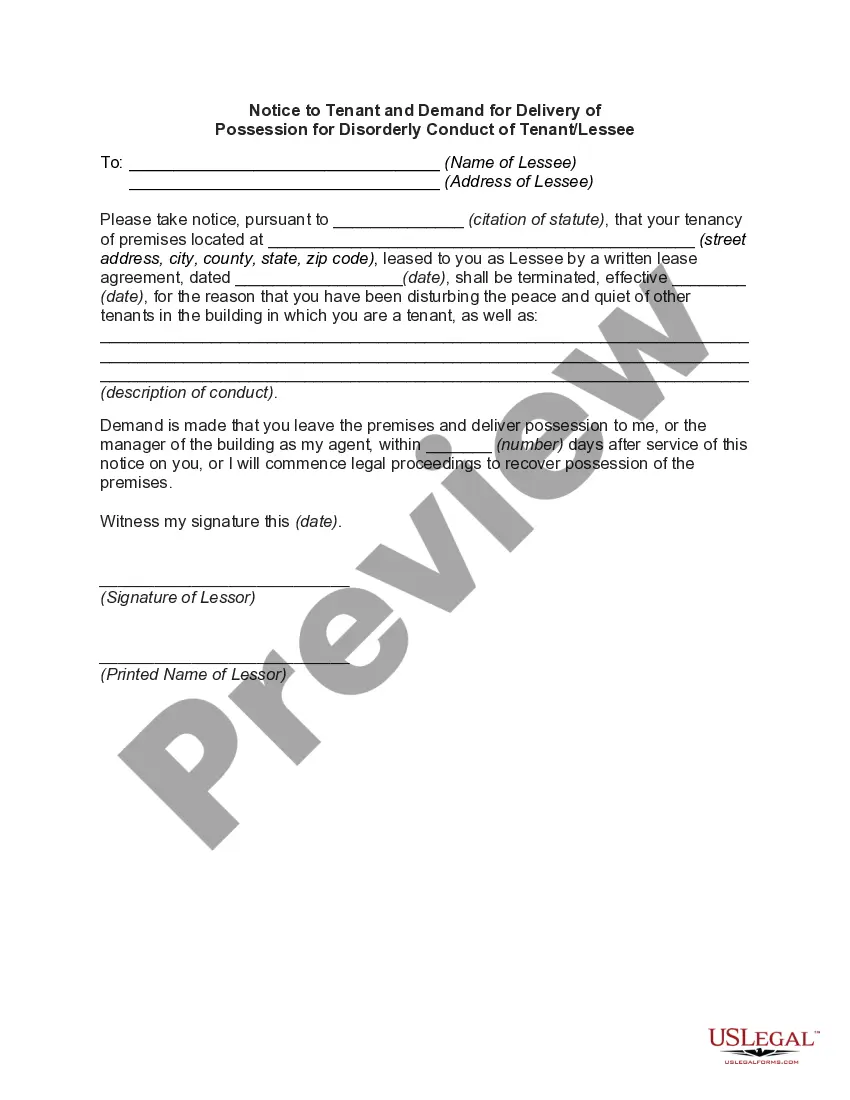
Noise Warning Letter To Tenant
Description


Get your form ready online
Our built-in tools help you complete, sign, share, and store your documents in one place.
Make edits, fill in missing information, and update formatting in US Legal Forms—just like you would in MS Word.
Download a copy, print it, send it by email, or mail it via USPS—whatever works best for your next step.
Sign and collect signatures with our SignNow integration. Send to multiple recipients, set reminders, and more. Go Premium to unlock E-Sign.
If this form requires notarization, complete it online through a secure video call—no need to meet a notary in person or wait for an appointment.
We protect your documents and personal data by following strict security and privacy standards.

Make edits, fill in missing information, and update formatting in US Legal Forms—just like you would in MS Word.

Download a copy, print it, send it by email, or mail it via USPS—whatever works best for your next step.

Sign and collect signatures with our SignNow integration. Send to multiple recipients, set reminders, and more. Go Premium to unlock E-Sign.

If this form requires notarization, complete it online through a secure video call—no need to meet a notary in person or wait for an appointment.

We protect your documents and personal data by following strict security and privacy standards.
Looking for another form?
How to fill out California Letter From Landlord To Tenant As Notice To Tenant Of Tenant's Disturbance Of Neighbors' Peaceful Enjoyment To Remedy Or Lease Terminates?
- If you’re an existing user, simply log in to your account and download the necessary form by clicking the Download button. Ensure that your subscription is active; renew it if required.
- For first-time users, begin by checking the form preview and its description. Make sure it meets your specific needs and complies with local jurisdiction requirements.
- If you need a different template, use the Search tab above to find the correct form. Proceed if it meets your criteria.
- Complete your purchase by clicking the Buy Now button. Choose the subscription plan that best suits you, and create an account to access the resource library.
- Finalize your transaction by entering your payment details or using PayPal. Download your noise warning letter and save it to your device for easy access later.
- You can revisit and access your document anytime in the My Forms section of your profile.
By using US Legal Forms, you have access to a rich library of over 85,000 editable legal templates that simplify the document creation process. With guidance from premium experts, your documents are not only efficient but also legally sound.
In conclusion, creating a noise warning letter to your tenant is straightforward with US Legal Forms. Start today to take control of your rental property management!
Form popularity
FAQ
A good noise complaint letter should be clear, concise, and respectful. Start by addressing the recipient by name and directly state the noise issue you are experiencing. Provide examples of the disturbances and reference any relevant lease agreements or local noise ordinances. A well-crafted noise warning letter to tenant can convey your seriousness about the matter while seeking an amicable resolution.
When writing a letter to your neighbors about noise, begin with a friendly greeting and explain the situation clearly. Be specific about the noise and how it affects you without being confrontational. Suggest potential solutions while expressing your desire for a peaceful coexistence. A thoughtful approach can make your communication about the noise more effective and prompt cooperation.
To address noisy neighbors effectively, start by having a calm and respectful conversation with them about the noise. If the problem persists, consider sending a noise warning letter to tenant, detailing specific incidents and requesting a resolution. Document your communications and any disturbances to provide clear evidence if further action is needed, such as involving local authorities or mediation services.
When drafting a warning letter to your tenant, begin with a polite greeting and mention the specific problem, such as excessive noise. Clearly outline the lease agreement terms they are violating, and suggest a possible solution. A well-structured noise warning letter to tenant informs them of the issue while allowing them the opportunity to rectify it, which can lead to improved relations.
To write a strongly worded letter of complaint, start by clearly stating the issue at hand. Specify the actions or behavior that prompted your complaint, and emphasize the impact on your quality of life. Make sure to include a request for resolution, such as sending a noise warning letter to tenant, to indicate your expectations for a solution. Using a firm tone while remaining respectful can enhance the effectiveness of your complaint.
To write a noise complaint letter to a tenant, start with a clear introduction, stating the purpose of your correspondence. Detail the noise issues respectfully, referencing specific incidents and any prior discussions. Conclude with an invitation for open communication about resolving the matter amicably. The noise warning letter to tenant should encourage dialogue to improve living conditions for everyone.
Recording noisy neighbors for evidence can involve keeping a log of incidents, taking pictures, or recording audio. Note specific times and dates to provide context to your landlord or in correspondence. If the noise becomes unbearable, this documentation will support your claims in a noise warning letter to tenant. Always ensure to follow local laws regarding audio documentation.
To write a noise complaint to a landlord, begin with a polite greeting and specify the noise issue. Include precise details, such as when the disturbances occur and how they affect your living conditions. A well-structured noise warning letter to tenant emphasizes the need for resolution and helps communicate your concerns effectively.
When making a noise complaint, state the nature of the noise, how it affects you, and any relevant times this occurs. Stay respectful but firm; express your desire for a resolution. Providing this information can help your landlord understand the urgency and necessity of issuing a noise warning letter to tenant. Clarity encourages action.
In Missouri, noise laws exist to maintain peace in residential areas, prohibiting excessive noise that disrupts neighbors. Local ordinances may specify quiet hours and acceptable noise levels. If you face persistent noise issues, understanding these laws can aid in addressing them effectively. A noise warning letter to tenant can help inform your tenant of the legal obligations regarding noise.