Tenant Landlord Building With No Consent
Description


Get your form ready online
Our built-in tools help you complete, sign, share, and store your documents in one place.
Make edits, fill in missing information, and update formatting in US Legal Forms—just like you would in MS Word.
Download a copy, print it, send it by email, or mail it via USPS—whatever works best for your next step.
Sign and collect signatures with our SignNow integration. Send to multiple recipients, set reminders, and more. Go Premium to unlock E-Sign.
If this form requires notarization, complete it online through a secure video call—no need to meet a notary in person or wait for an appointment.
We protect your documents and personal data by following strict security and privacy standards.

Make edits, fill in missing information, and update formatting in US Legal Forms—just like you would in MS Word.

Download a copy, print it, send it by email, or mail it via USPS—whatever works best for your next step.

Sign and collect signatures with our SignNow integration. Send to multiple recipients, set reminders, and more. Go Premium to unlock E-Sign.

If this form requires notarization, complete it online through a secure video call—no need to meet a notary in person or wait for an appointment.

We protect your documents and personal data by following strict security and privacy standards.
Looking for another form?






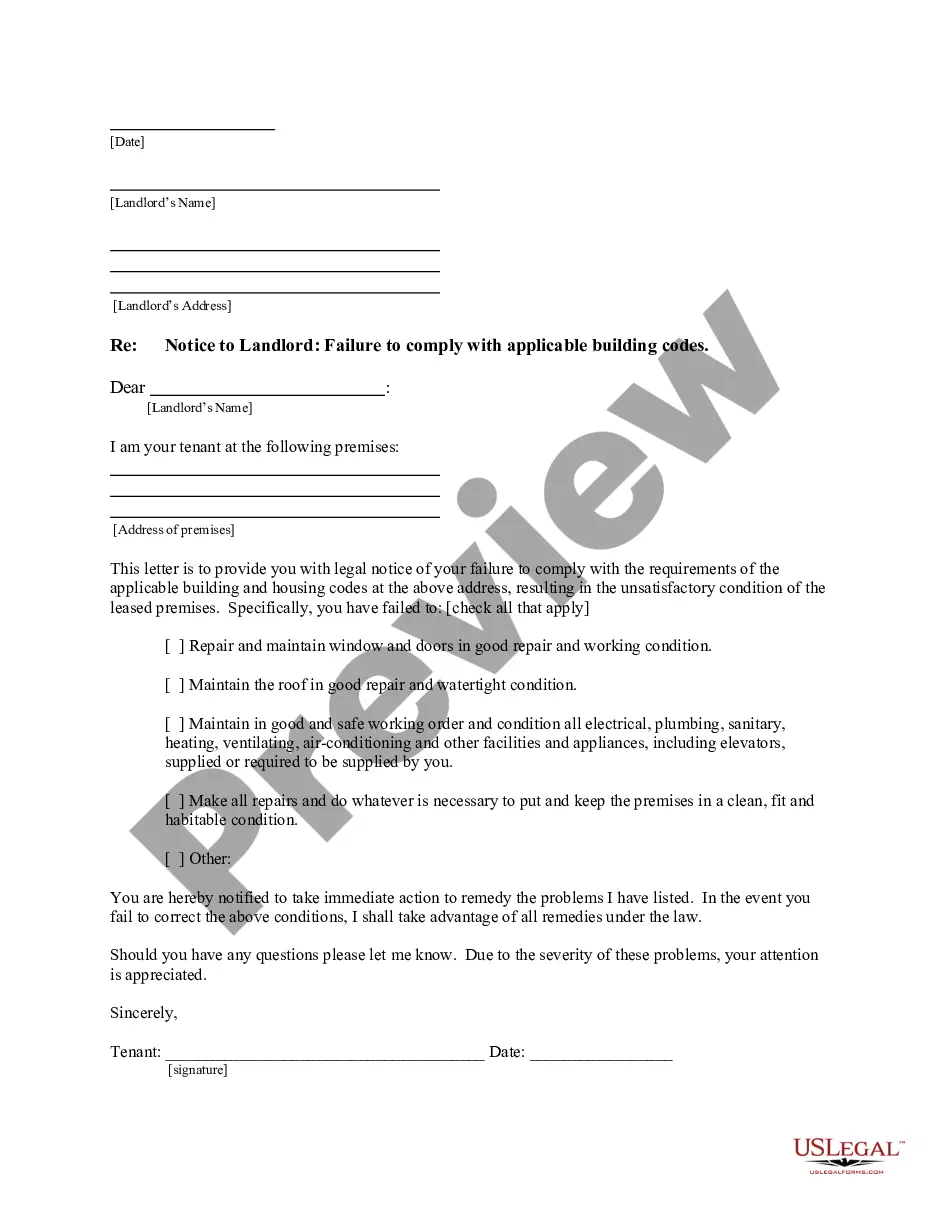
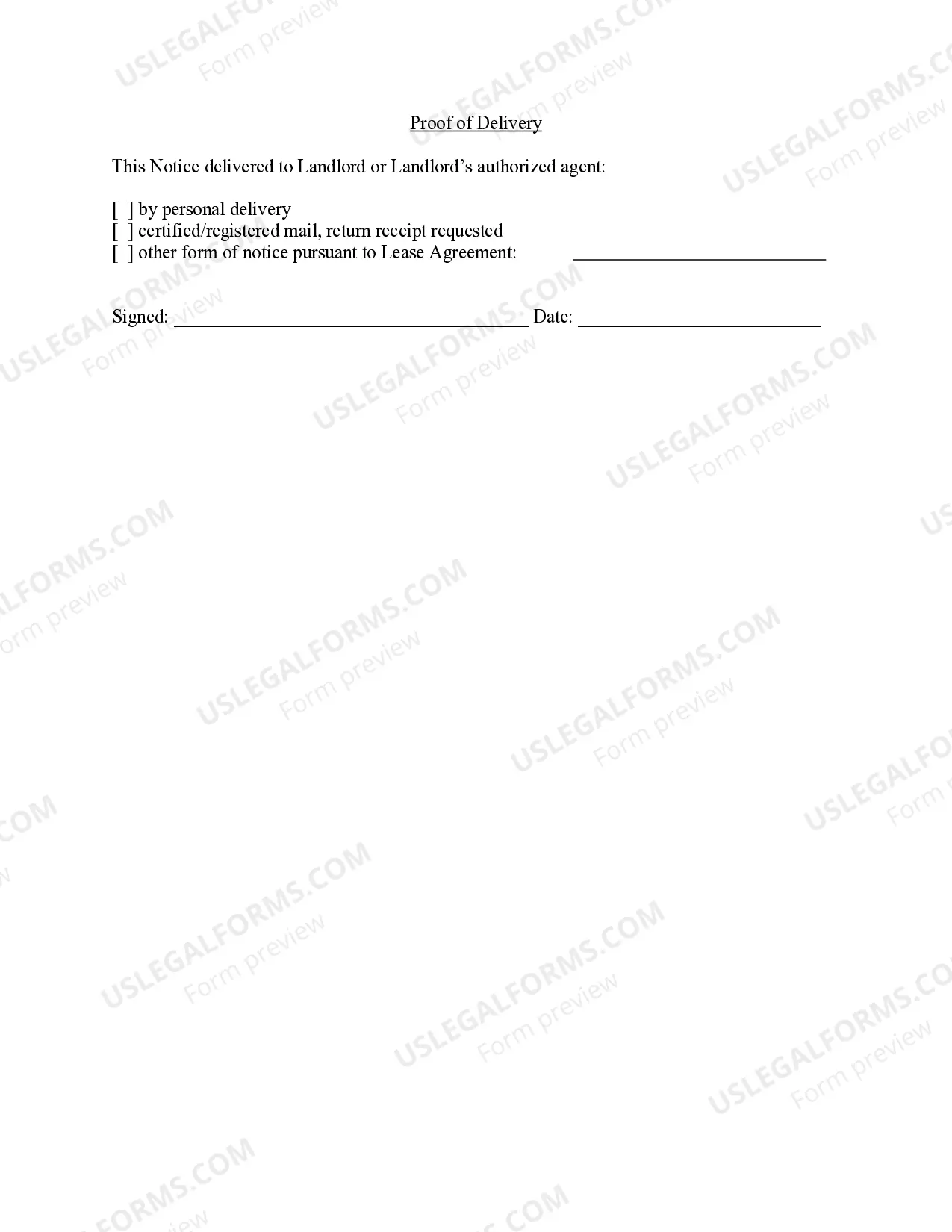
How to fill out California Letter From Tenant To Landlord For Failure Of Landlord To Comply With Building Codes Affecting Health And Safety Or Resulting In Untenantable Condition - Demand For Remedy?
- Access your account: If you're an existing user, log in to retrieve your forms. Confirm your subscription is active.
- Preview the forms: For first-time users, select a template that aligns with your legal needs and local regulations. Check the Preview mode for detailed descriptions.
- Search for additional forms: If the selected template isn't suitable, use the Search feature to find another that fits your requirements better.
- Purchase the document: Click 'Buy Now' to choose your desired subscription plan. Registration is necessary for library access.
- Complete the payment: Enter your credit card information or choose PayPal to finalize your subscription purchase.
- Download your form: Save the completed document to your device. Find it later in the My Forms section of your account.
In conclusion, US Legal Forms streamlines the process of acquiring essential legal documents like those for tenant-landlord situations without consent. With a vast array of templates and expert assistance, users can feel confident in their legal compliance.
Start your journey with US Legal Forms today and simplify your documentation process!
Form popularity
FAQ
In Arkansas, tenants may withhold rent if the landlord fails to make necessary repairs or meet safety requirements, but this is often a complex issue. If you find yourself facing a tenant landlord building with no consent scenario, it's crucial to understand your rights and responsibilities. Always document any issues and seek legal counsel to ensure you follow the proper procedures before taking this step.
To remove someone from your lease after a breakup, start by communicating directly with them and attempting to reach an agreement. If you are in a tenant landlord building with no consent situation, it's essential to inform your landlord about the change. Legal options may be available if the other party does not agree, so reviewing the lease terms and seeking legal advice can also be beneficial.
Breaking up with someone you share a lease with can complicate your living arrangements, especially in a tenant landlord building with no consent. It's important to review your lease agreement for specific terms regarding shared responsibility. You may need to discuss options with your landlord and, if necessary, consult a legal professional to determine the best path forward.
Removing someone from a lease without their consent typically requires mutual agreement or proper legal procedures. If you find yourself in a tenant landlord building with no consent situation, consider discussing the matter with the person involved first. If an agreement cannot be reached, you may need legal advice to navigate the process correctly and lawfully.
In Arkansas, if you have issues with your landlord, you can report them to the Arkansas Attorney General's office or your local housing authority. This is particularly important in cases involving tenant rights, such as in tenant landlord building with no consent situations. Ensure you document any communication with your landlord, as it may be crucial for your case.
A violation of renters' rights in North Carolina includes actions like entering a tenant's unit without consent or failing to address serious health and safety issues. Situations where a landlord retaliates after a tenant makes complaints also qualify as violations. Living in a tenant landlord building with no consent can lead to disputes that require formal attention. Tenants should know how to report these violations to uphold their rights.
In North Carolina, landlords are generally not responsible for damage caused by tenant negligence or their guests. Additionally, landlords are not obligated to provide certain amenities unless specified in the lease agreement. If there are questions about responsibilities, reviewing the lease can provide clarity. Resources like US Legal Forms can help tenants understand their obligations and rights.
As a renter in North Carolina, you have the right to a safe and habitable living environment, privacy, and freedom from discrimination. You also have the right to receive proper notice before any entry into your unit. If you find yourself in a situation within a tenant landlord building with no consent, knowing your rights can empower you to take action. Familiarizing yourself with local laws ensures you are better prepared.
North Carolina law restricts landlords from engaging in illegal actions such as locking out tenants without a formal eviction process or retaliating against tenants who report issues. Additionally, landlords cannot discriminate against tenants based on race, gender, or other protected categories. Violations of these regulations can lead to legal consequences. As a tenant, being aware of your rights is essential.
Uninhabitable living situations for tenants in North Carolina include issues like lack of heat, water leaks, mold, or pest infestations. If a tenant landlord building has serious health and safety violations, it may not meet the state's habitability standards. Tenants living in such conditions have the right to report these issues and can potentially break their lease. Understanding these standards can empower you as a renter.