Tenant Troubles Have This Landlord Seeing Red
Description


Get your form ready online
Our built-in tools help you complete, sign, share, and store your documents in one place.
Make edits, fill in missing information, and update formatting in US Legal Forms—just like you would in MS Word.
Download a copy, print it, send it by email, or mail it via USPS—whatever works best for your next step.
Sign and collect signatures with our SignNow integration. Send to multiple recipients, set reminders, and more. Go Premium to unlock E-Sign.
If this form requires notarization, complete it online through a secure video call—no need to meet a notary in person or wait for an appointment.
We protect your documents and personal data by following strict security and privacy standards.

Make edits, fill in missing information, and update formatting in US Legal Forms—just like you would in MS Word.

Download a copy, print it, send it by email, or mail it via USPS—whatever works best for your next step.

Sign and collect signatures with our SignNow integration. Send to multiple recipients, set reminders, and more. Go Premium to unlock E-Sign.

If this form requires notarization, complete it online through a secure video call—no need to meet a notary in person or wait for an appointment.

We protect your documents and personal data by following strict security and privacy standards.
Looking for another form?




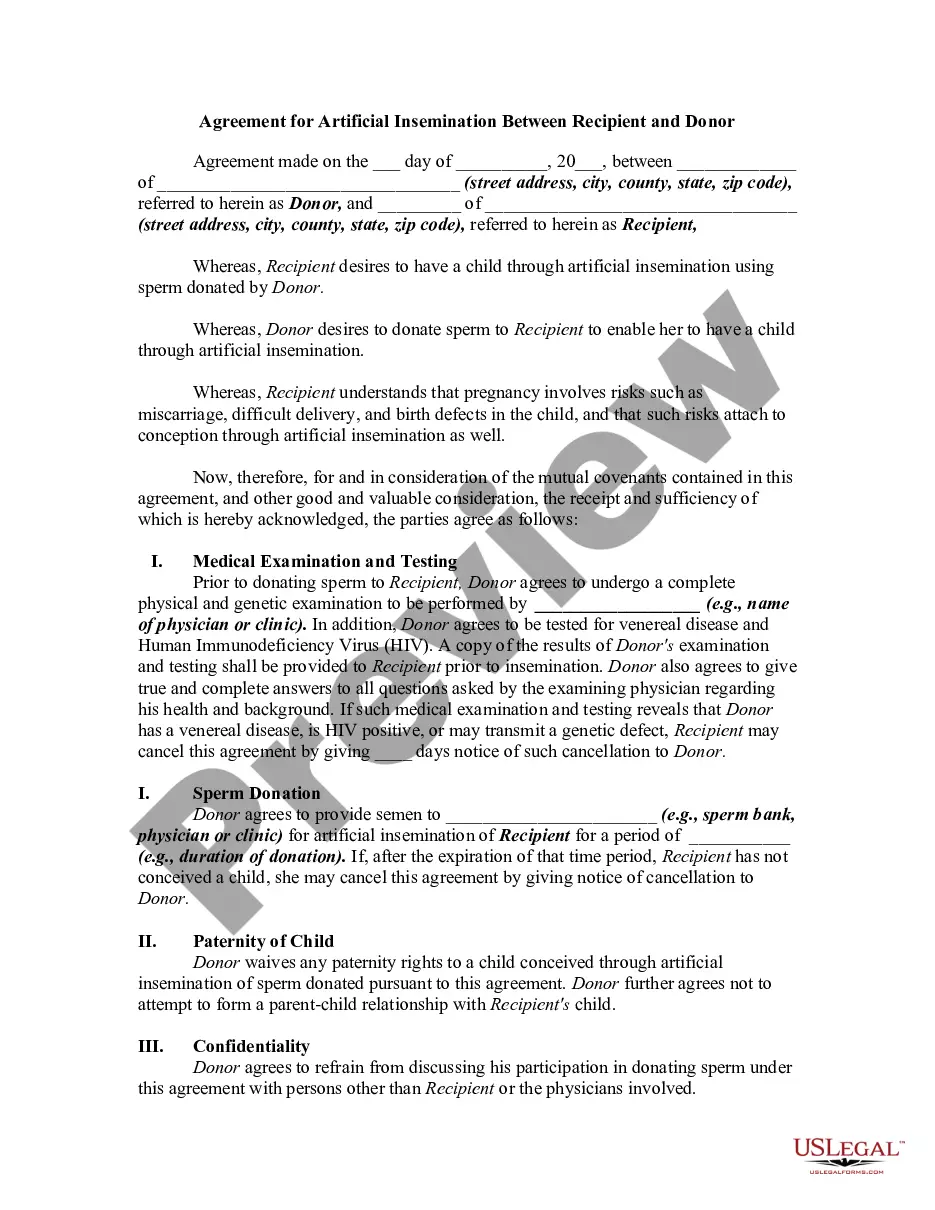
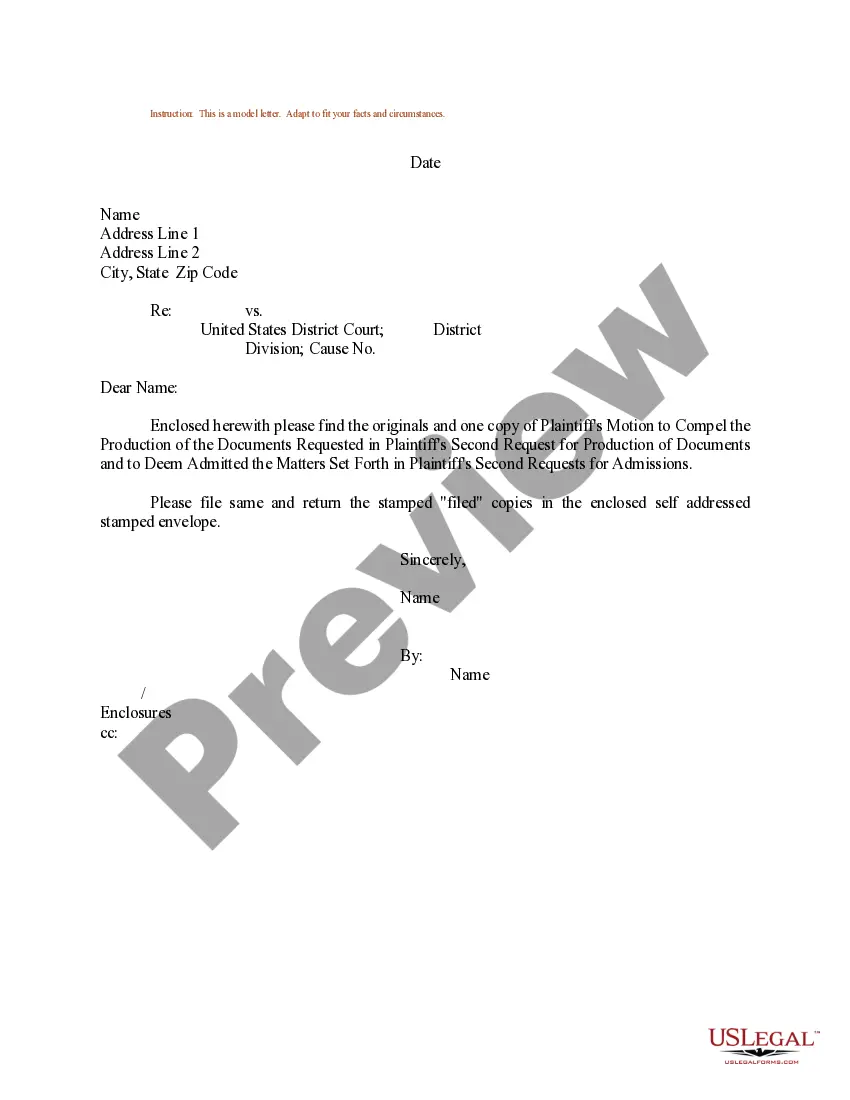
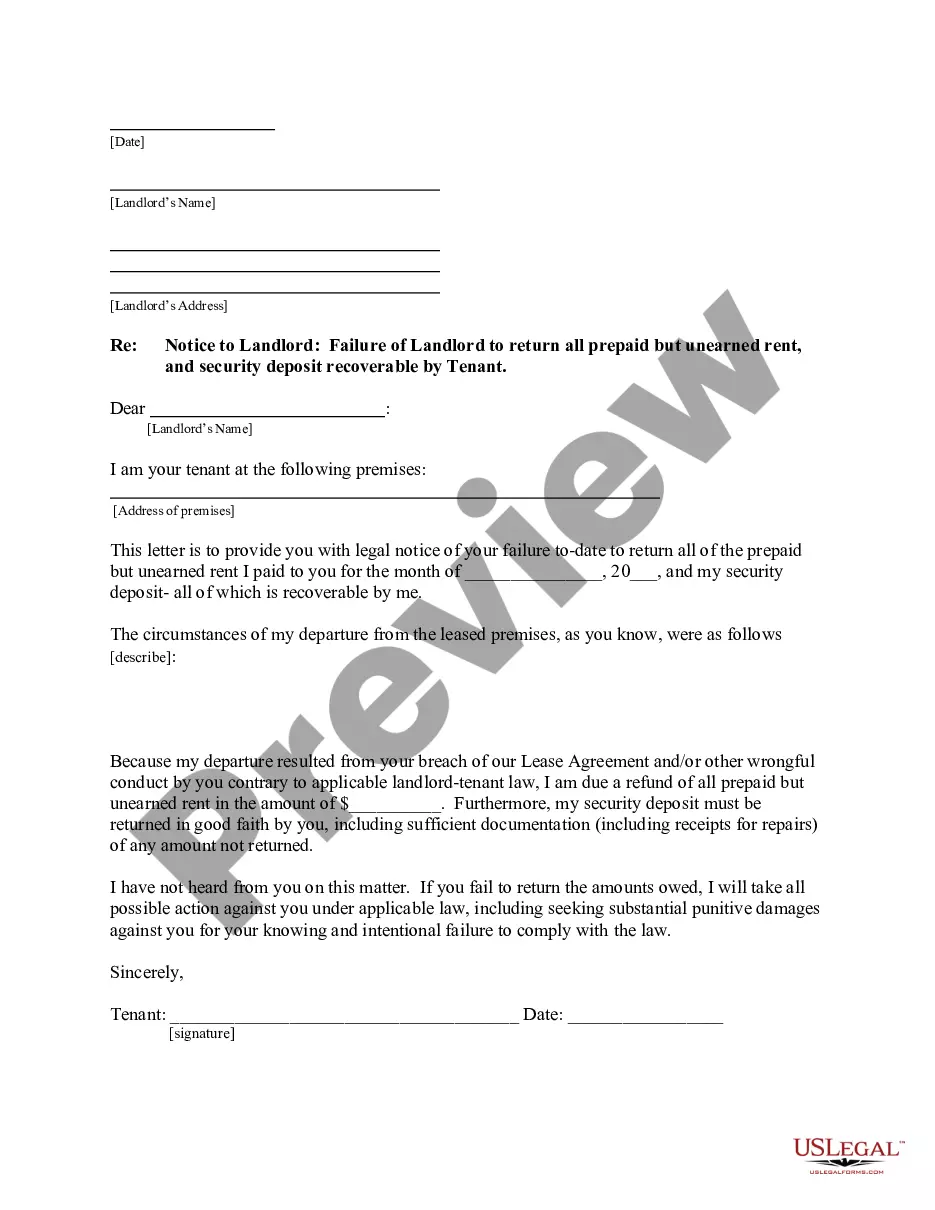
How to fill out California Letter From Tenant To Landlord For Failure Of Landlord To Return All Prepaid And Unearned Rent And Security Recoverable By Tenant?
- Check the preview mode and description of the form. Confirm it aligns with your needs and local jurisdiction.
- Search for additional templates if needed. If you find any discrepancies, use the search bar to locate the correct document.
- Subscribe to the service. Click the 'Buy Now' button and select the subscription plan that suits you best. Ensure you create an account for full access.
- Complete your payment. Enter your credit card information or utilize your PayPal account to finalize the subscription.
- Download your chosen form. Save the document to your device, ensuring it is readily accessible in the 'My Forms' section of your profile.
With US Legal Forms, both individuals and attorneys can effortlessly create precise legal documents. Their extensive library includes over 85,000 customizable forms, far surpassing competitors in variety and value.
Don’t let tenant troubles overwhelm you. Start simplifying your legal document needs today with US Legal Forms and take control of your landlord responsibilities!
Form popularity
FAQ
Red flags during the tenant screening process can include rapid turnover of tenants, failure to check references thoroughly, or a history of legal disputes. A responsible landlord will ensure they follow proper screening procedures and maintain open communication. Being aware of these red flags helps you avoid tenant troubles that have this landlord seeing red, ensuring you find a suitable living situation.
To sue your landlord for emotional distress, you'll need to gather evidence showing their actions directly caused your distress. Document instances of harassment or negligence, incorporating dates and details of incidents. Engaging with legal professionals or services like uslegalforms can help you understand whether your situation warrants a lawsuit and how to proceed effectively.
A bad landlord often fails to meet their legal obligations, which can include not maintaining the property or not adhering to safety codes. Look for patterns such as ignoring repairs, frequent disputes, or unlawful practices that violate tenant rights. Ultimately, tenant troubles have this landlord seeing red when they compromise tenant safety and well-being.
When facing an unreasonable landlord, first assess the specific issues causing conflict. Address the matter directly by communicating your concerns in writing, ensuring to keep copies for your records. If the situation escalates, understanding your rights and exploring options through services such as uslegalforms can help you navigate the legal landscape, as tenant troubles have this landlord seeing red for many.
Dealing with an unreasonable landlord can be a challenge, but you should remain calm and document all interactions. Start by expressing your concerns in writing, as this creates a record of your attempts to resolve the issue. If communication fails, consider seeking legal advice or using platforms like uslegalforms that can provide guidance on tenant rights and actions you can take.
Identifying a bad landlord often involves looking for consistent signs of neglect or unresponsiveness. If your landlord frequently ignores repair requests, fails to provide essential services, or does not communicate effectively, you may have valid concerns. In such scenarios, tenant troubles have this landlord seeing red, and it’s crucial to document these issues for potential future actions.
Taking legal action against a landlord involves several steps. Begin by collecting all pertinent information and evidence regarding your tenant troubles that have this landlord seeing red. Next, send a formal notice to your landlord detailing the issues. Finally, if they remain unresponsive, consult with a legal expert and consider using platforms like uslegalforms to access necessary legal documents for your case.
In Kansas, you can report problematic landlords to your local Department of Health or your city’s building inspections office. Tenant troubles have this landlord seeing red when serious health or safety issues arise. These organizations can assess the situation and enforce the housing code. Keeping thorough records of your interactions will aid in your reporting process.
Yes, several platforms allow tenants to report bad landlords. Tenant troubles have this landlord seeing red, and you can use websites like the Better Business Bureau or local housing authority websites to file complaints. These platforms can guide you on the best way to present your case. Utilizing these resources increases your visibility and helps protect other tenants.
In Nevada, you should report your landlord to the Nevada Real Estate Division or your local housing authority. Tenant troubles have this landlord seeing red when issues are escalated. Local agencies can address violations regarding health and safety standards. Don’t hesitate to seek guidance from legal resources for further assistance.