Postnuptial Agreement In India
Description
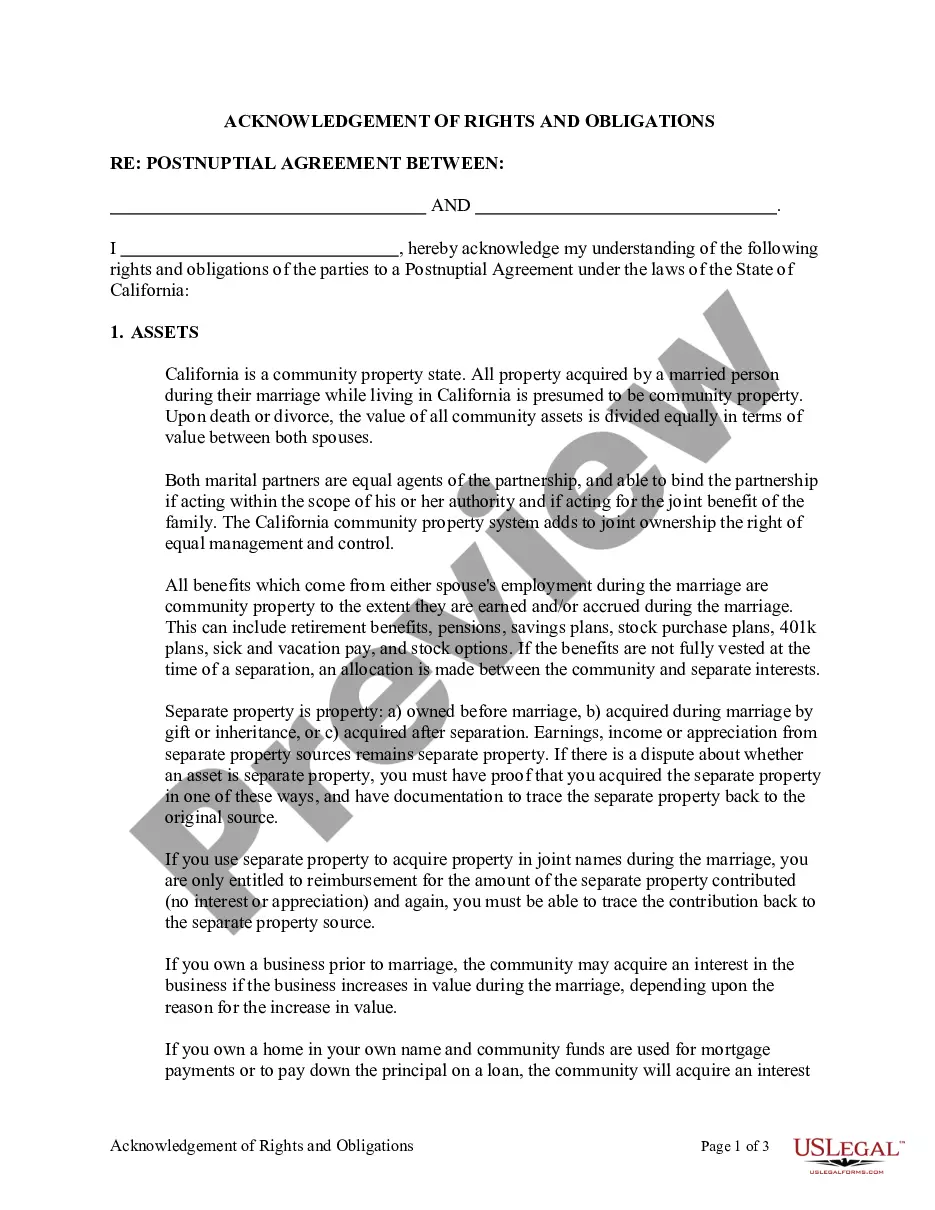
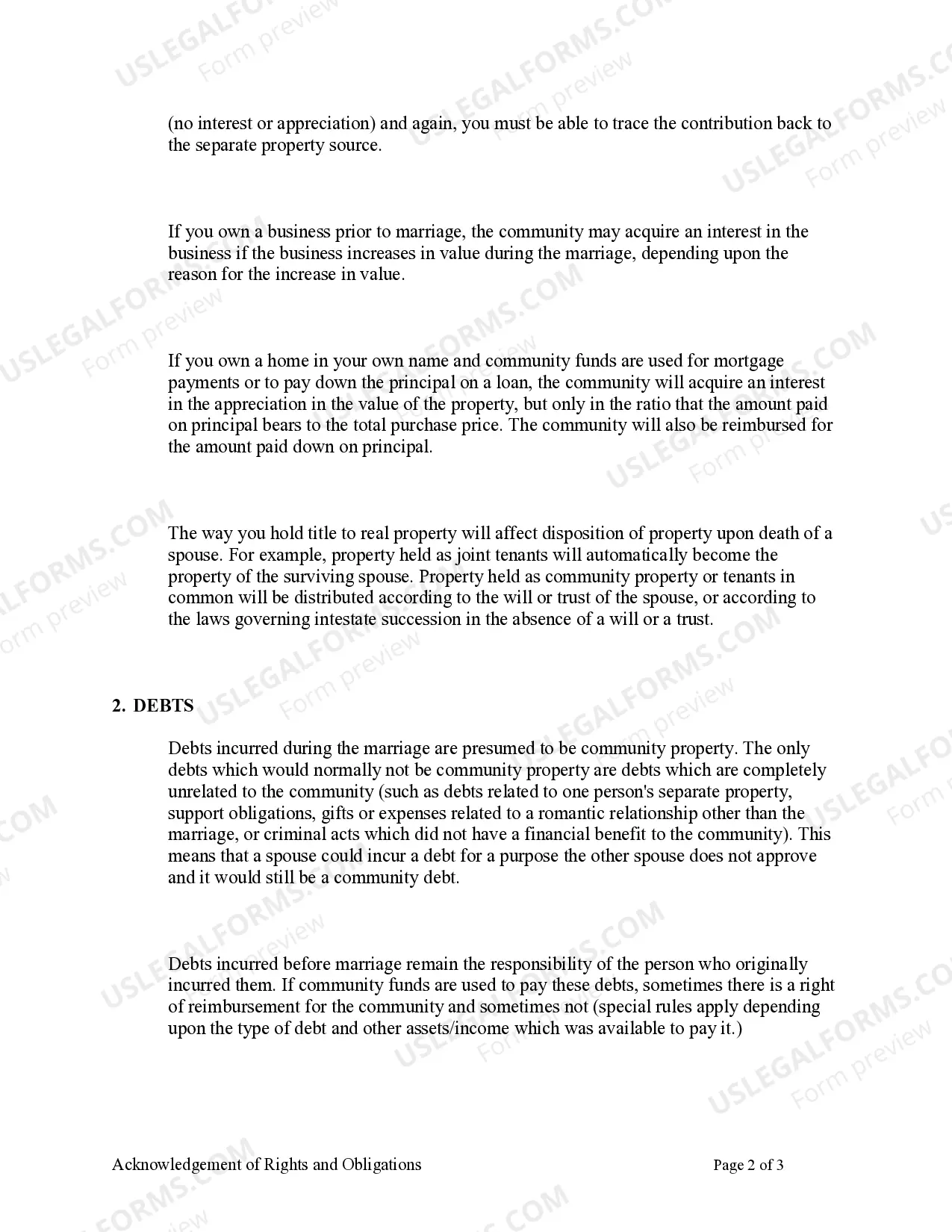
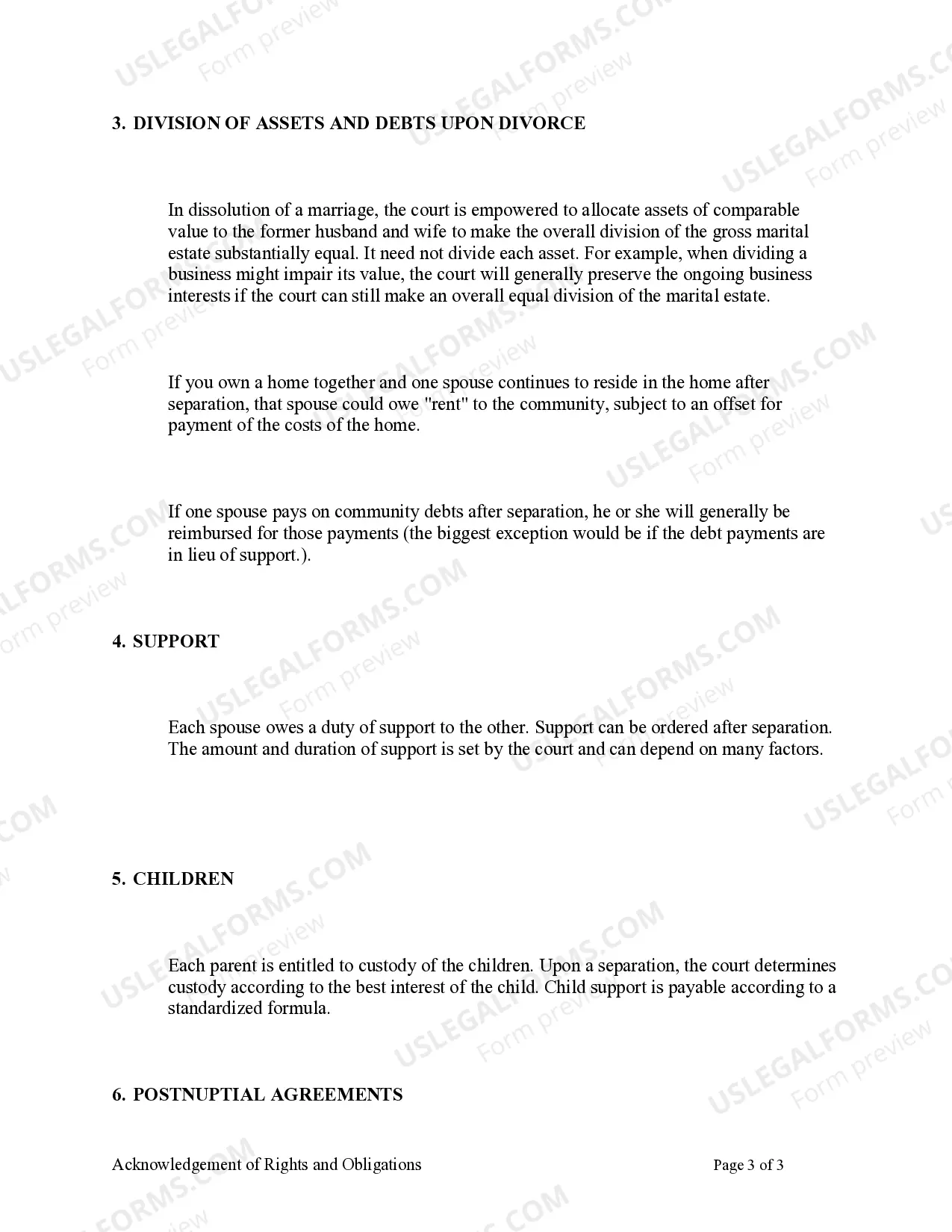
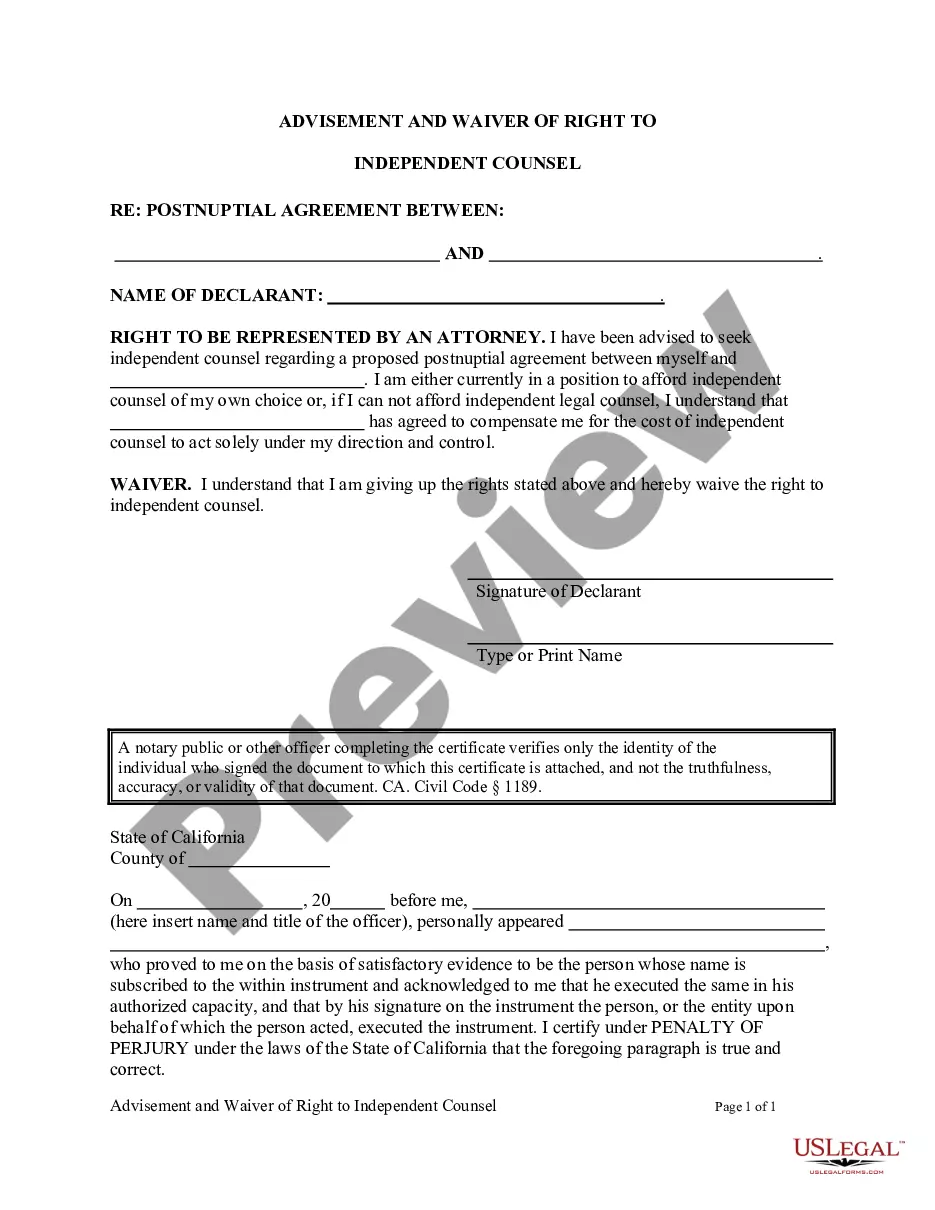
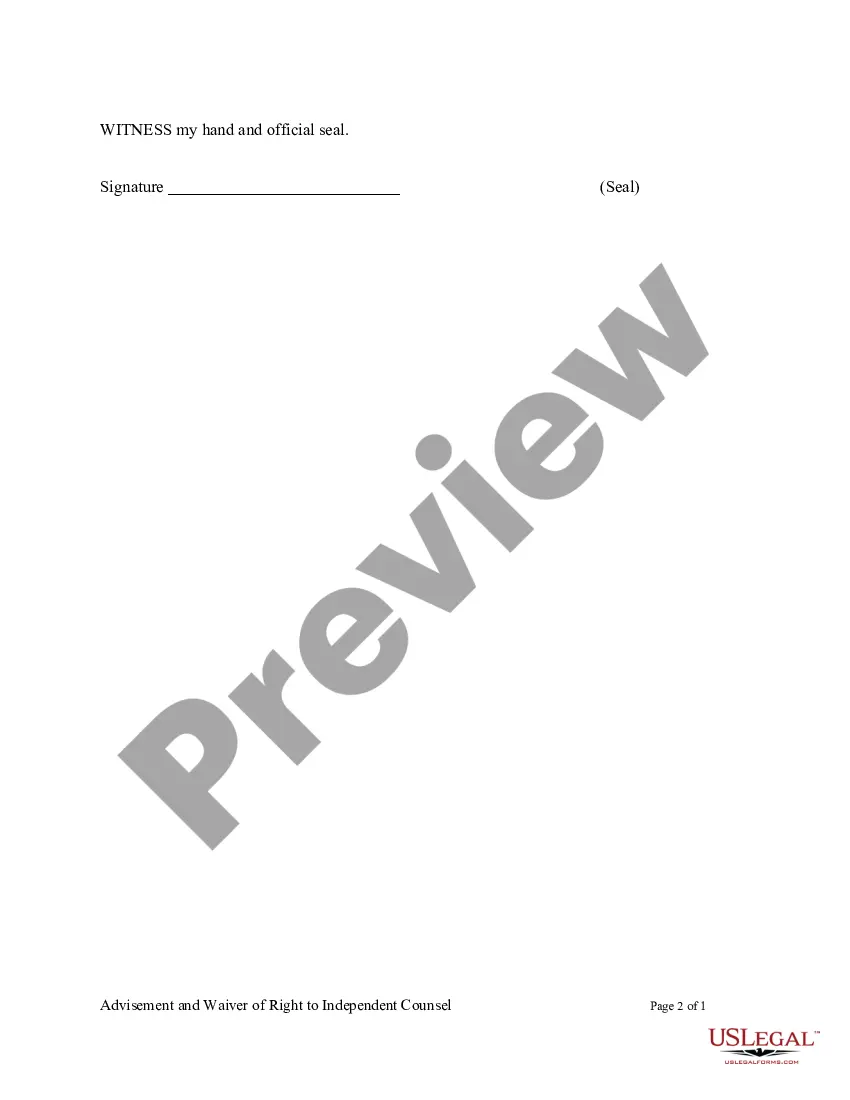
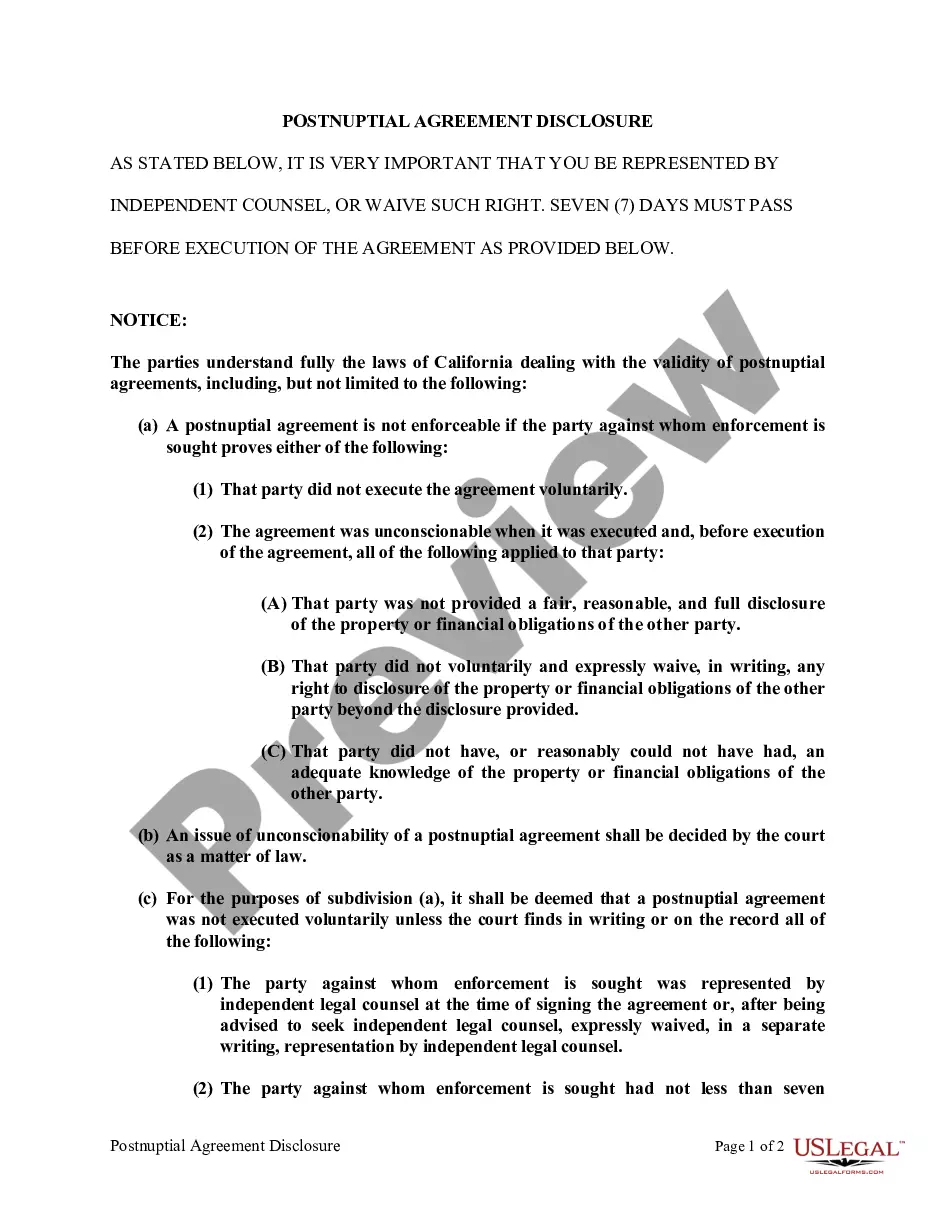
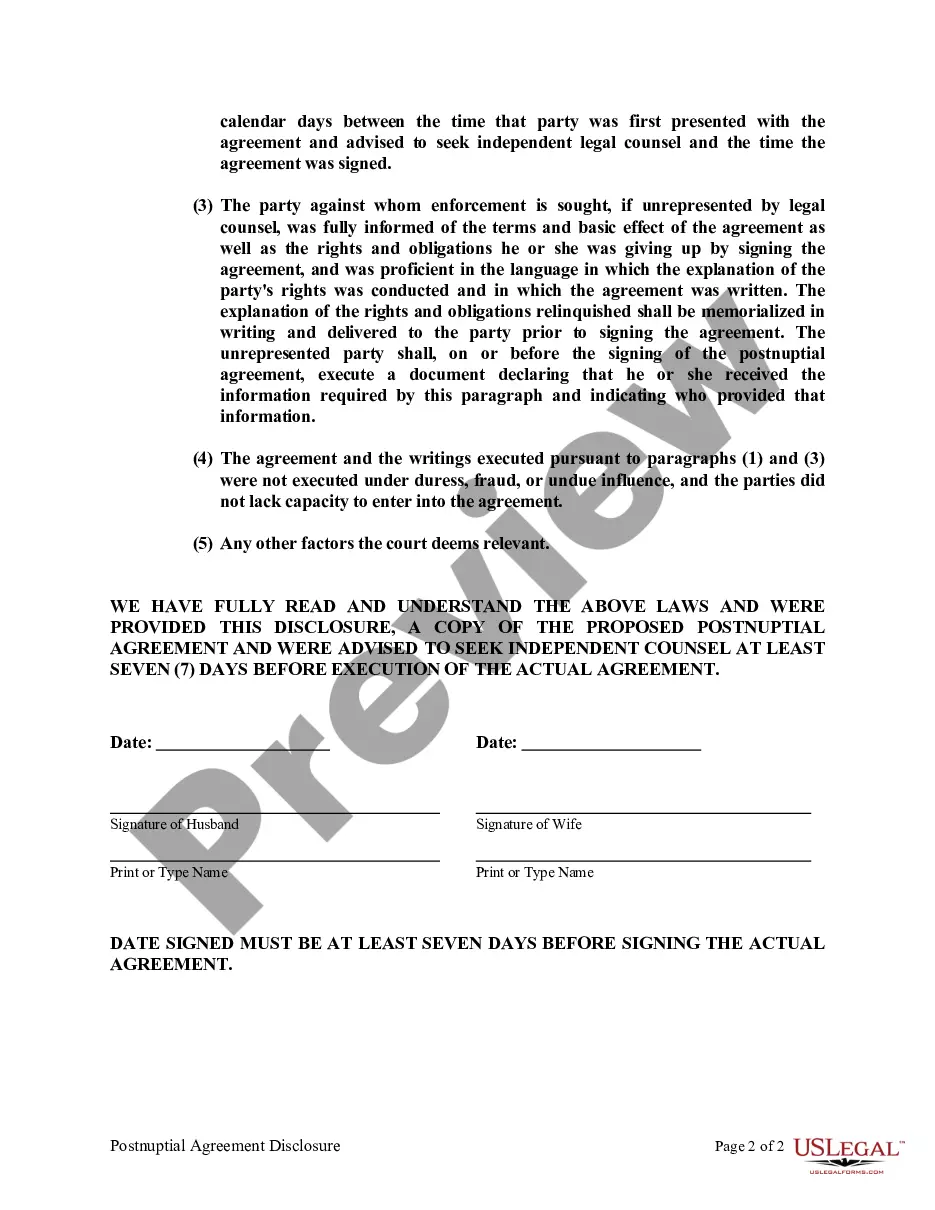
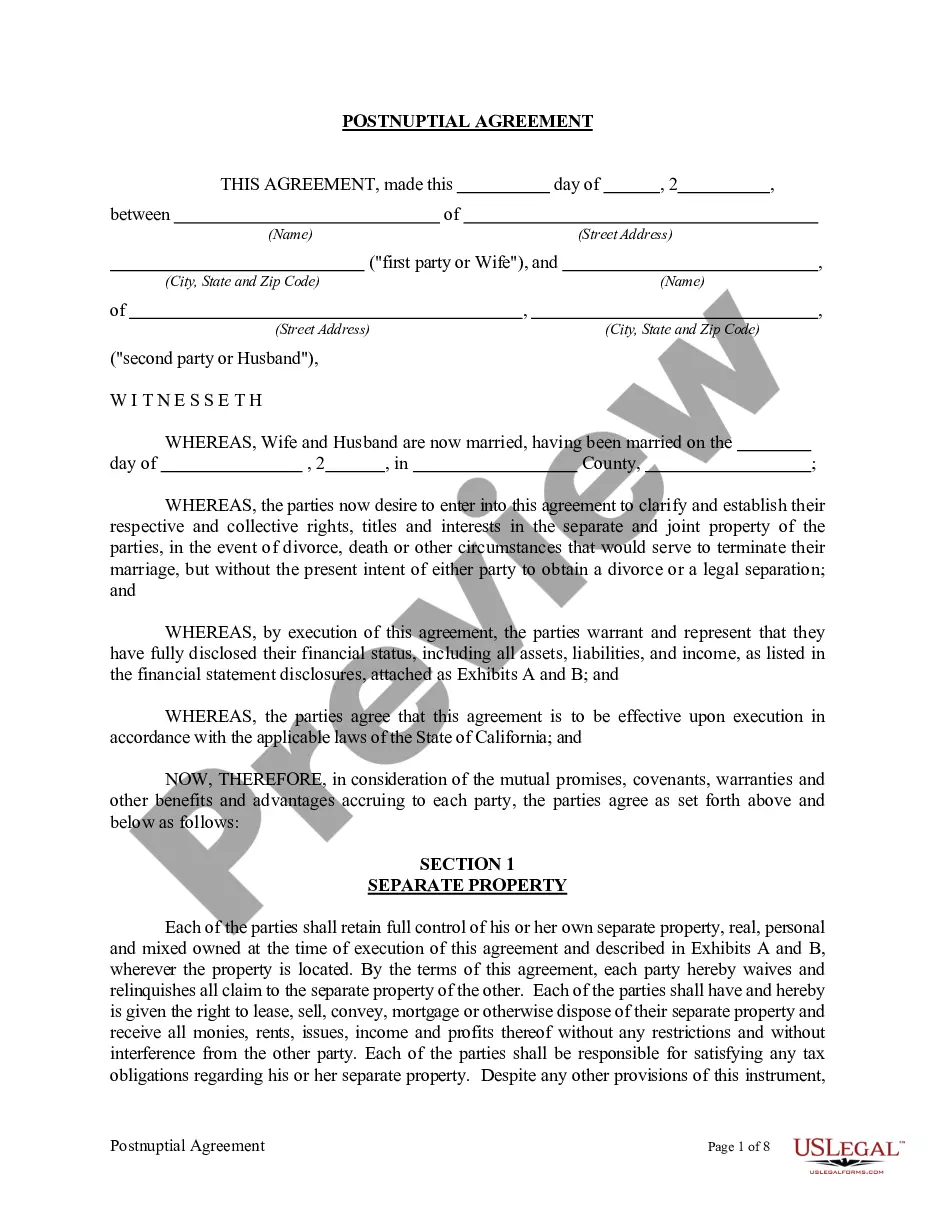

Get your form ready online
Our built-in tools help you complete, sign, share, and store your documents in one place.
Make edits, fill in missing information, and update formatting in US Legal Forms—just like you would in MS Word.
Download a copy, print it, send it by email, or mail it via USPS—whatever works best for your next step.
Sign and collect signatures with our SignNow integration. Send to multiple recipients, set reminders, and more. Go Premium to unlock E-Sign.
If this form requires notarization, complete it online through a secure video call—no need to meet a notary in person or wait for an appointment.
We protect your documents and personal data by following strict security and privacy standards.

Make edits, fill in missing information, and update formatting in US Legal Forms—just like you would in MS Word.

Download a copy, print it, send it by email, or mail it via USPS—whatever works best for your next step.

Sign and collect signatures with our SignNow integration. Send to multiple recipients, set reminders, and more. Go Premium to unlock E-Sign.

If this form requires notarization, complete it online through a secure video call—no need to meet a notary in person or wait for an appointment.

We protect your documents and personal data by following strict security and privacy standards.
Looking for another form?

How to fill out California Postnuptial Property Agreement?
Dealing with legal documents and procedures can be an arduous addition to your day.
Postnuptial Agreement In India and similar forms frequently necessitate you to look for them and figure out how to fill them out correctly.
Consequently, whether you are managing financial, legal, or personal matters, utilizing a comprehensive and user-friendly online library of forms at your fingertips will significantly aid you.
US Legal Forms is the leading online resource for legal templates, featuring over 85,000 state-specific forms and an array of resources to assist you in efficiently handling your paperwork.
Is this your first time using US Legal Forms? Register and create your account in a few minutes to gain access to the form library and Postnuptial Agreement In India. Then, follow the steps below to fill out your form.
- Explore the collection of relevant documents available with a single click.
- US Legal Forms offers state- and county-specific forms available for download anytime.
- Safeguard your document management procedures with a premium service that enables you to prepare any form in minutes without any additional or concealed fees.
- Simply Log In to your account, find Postnuptial Agreement In India, and download it directly from the My documents section.
- You can also retrieve previously downloaded forms.
Form popularity
FAQ
Yes, postnuptial agreements are legal in India. These agreements provide a framework for couples to discuss asset distribution, financial responsibilities, and other important matters post-marriage. To ensure the validity of a postnuptial agreement in India, it is essential to include clear terms and have both parties' consent, which can lead to more harmonious outcomes in the event of marital issues.
However, it is not legal in India. ?Pre-nuptial agreements have traditionally been perceived as being against public policy. While Indian culture continues to lay emphasis on the traditional nature of marriage, it is undeniable that the attitude towards marriage has been evolving.
With a postnuptial agreement, the couple is already legally bound and the spouses owe a fiduciary duty to each other. There may be a concern that the provisions in a postnuptial agreement were not bargained for because one spouse did not really have a choice about signing the agreement.
A postnuptial agreement or post-marital agreement is similar to a prenup with the only difference that it is entered into by a couple who is already married or in a civil union.
Prenuptial agreements or marriage contracts are not enforceable in any court in India. Such agreements have persuasive value only, that is, they show the intention of the parties entering into marriage regarding maintenance/alimony or division of assets at the time of entering a marriage.
As long as your agreement fulfills California's legal requirements, the courts will consider it valid no matter how long you have been married. In fact, postnuptial agreements are most common among couples who have been married for years, as they understand better how much each party has to gain or lose.