Postnuptial Agreement Format India
Description
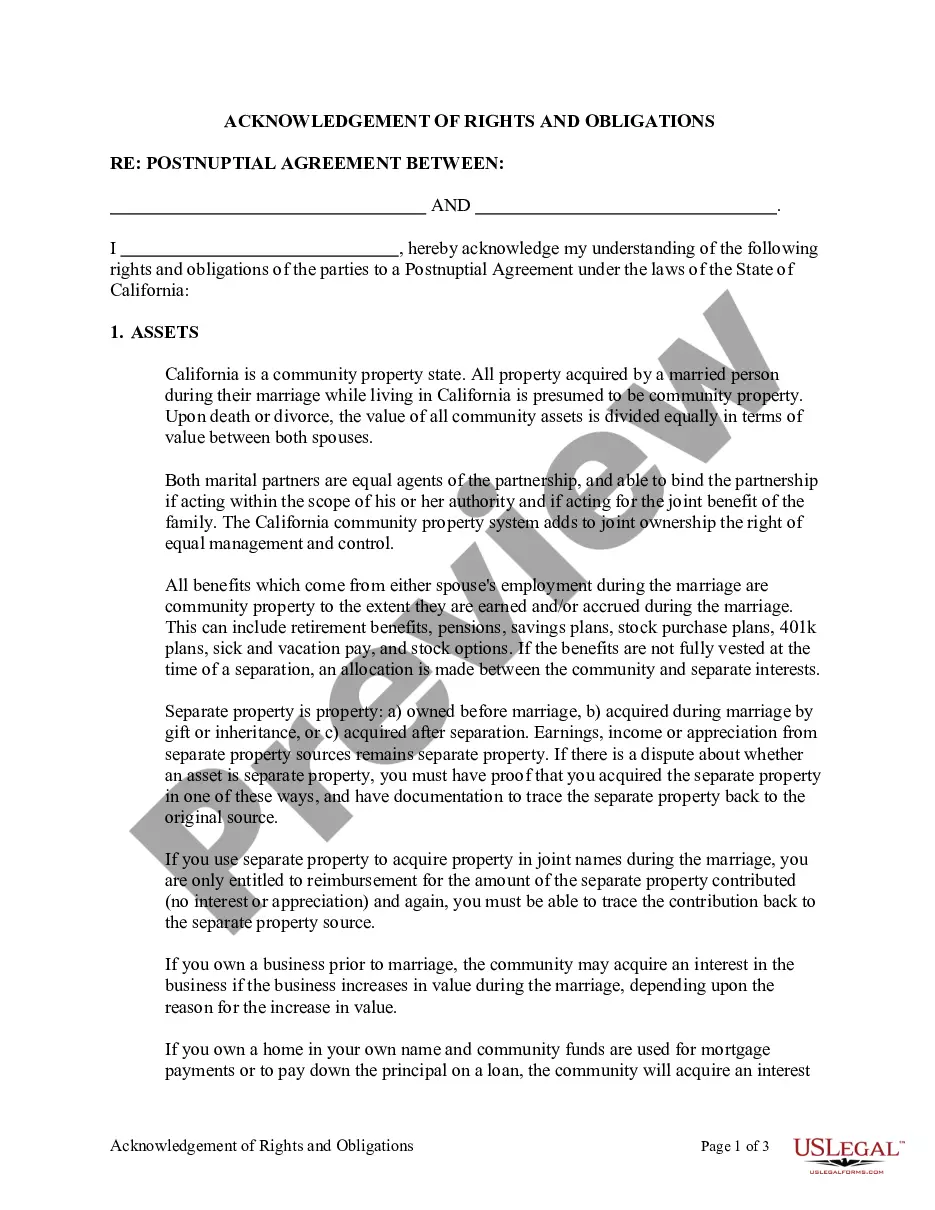
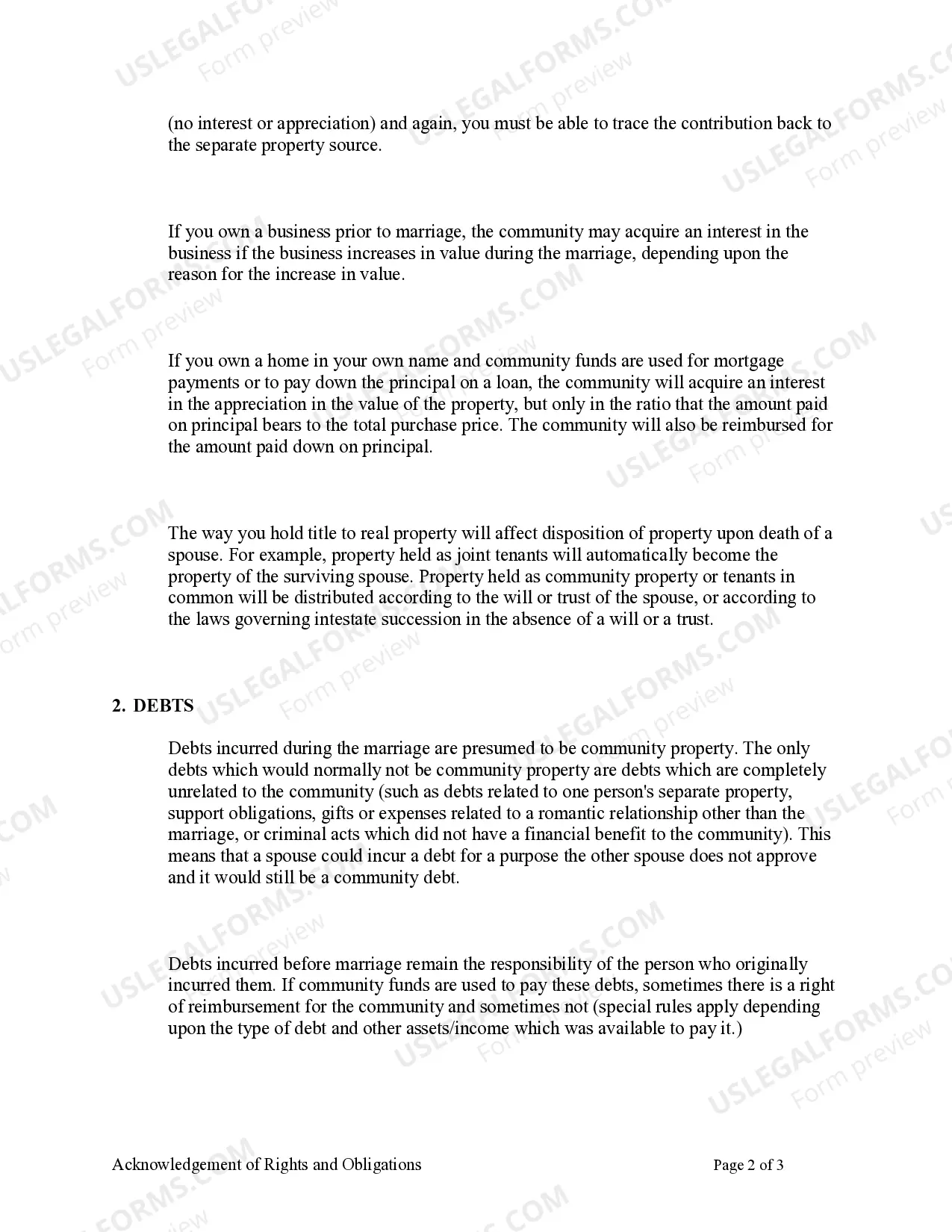
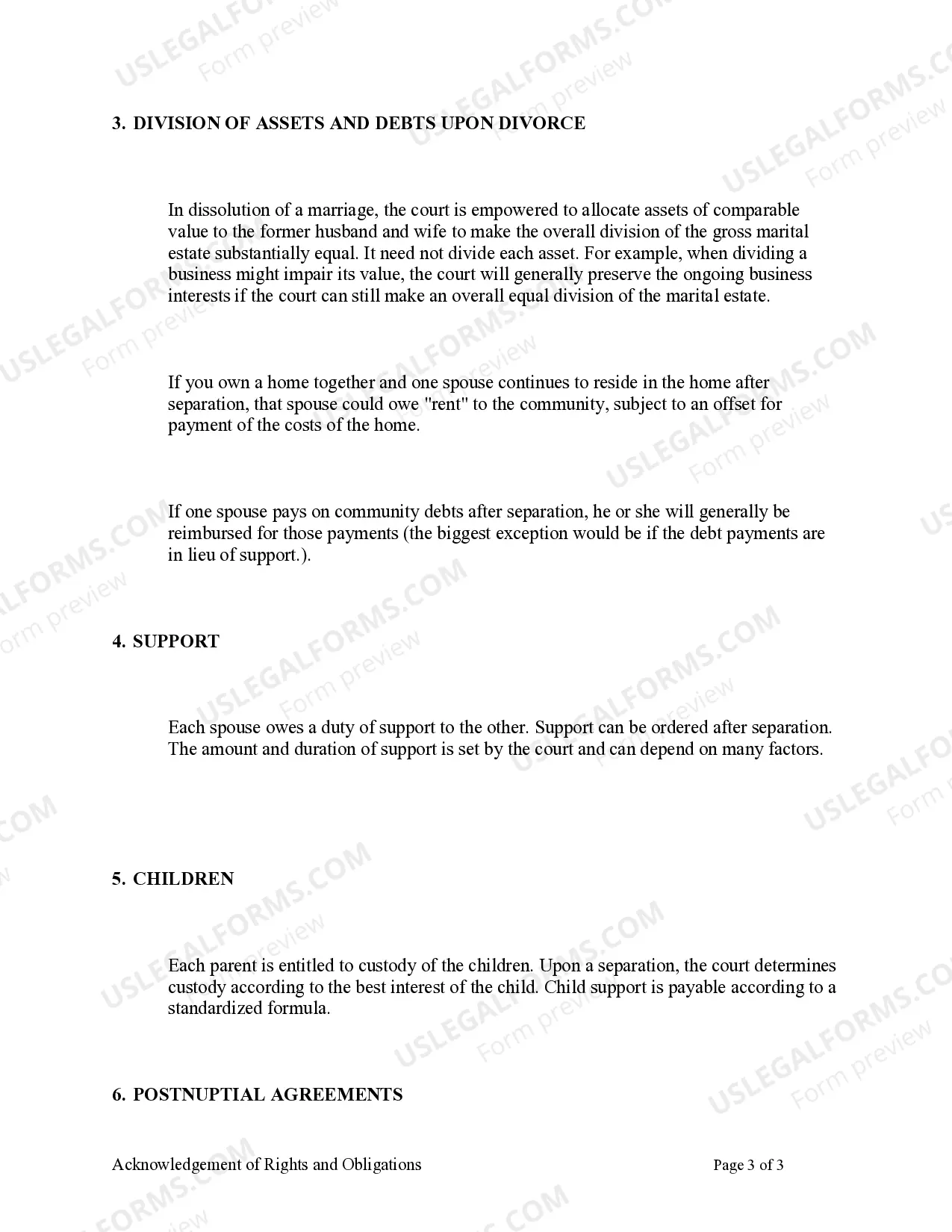
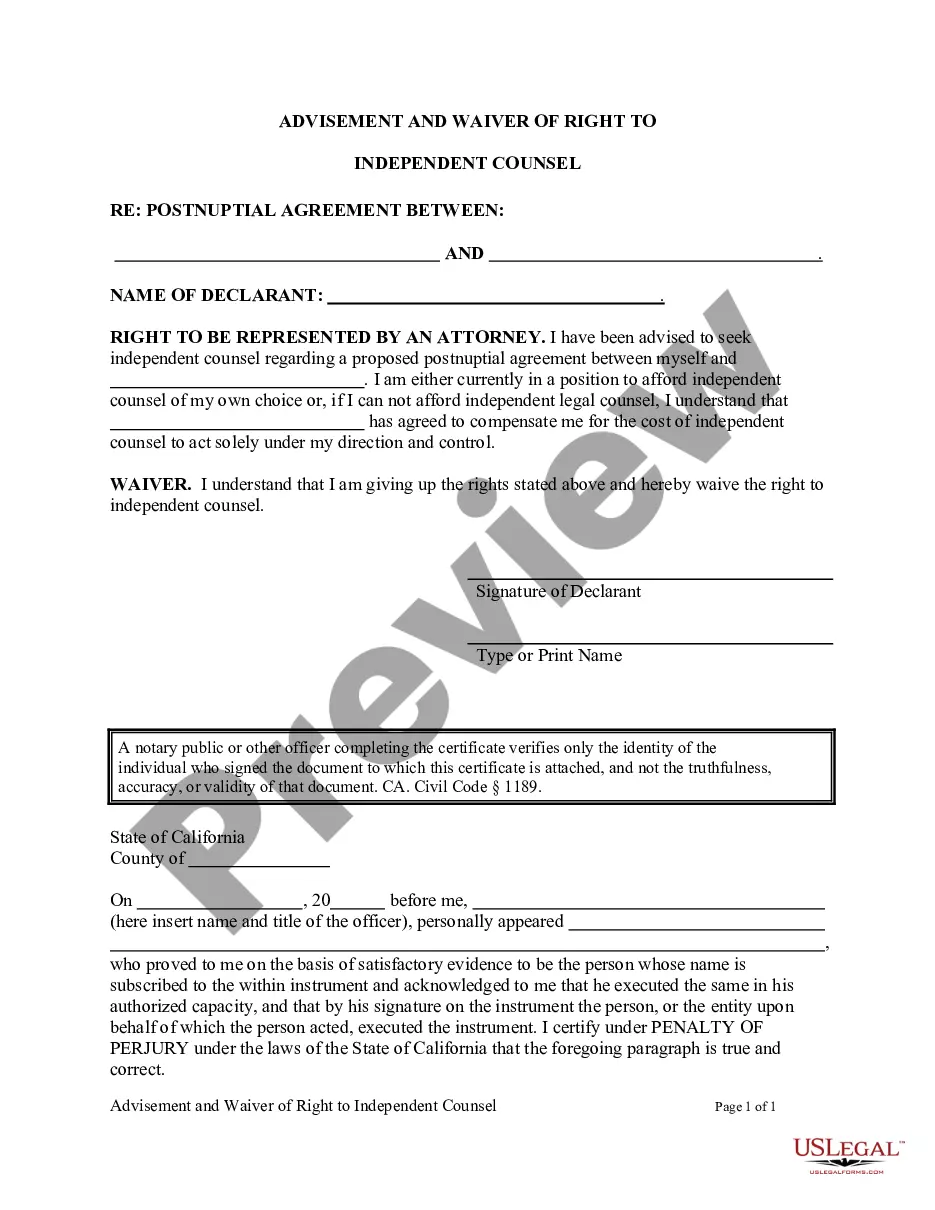
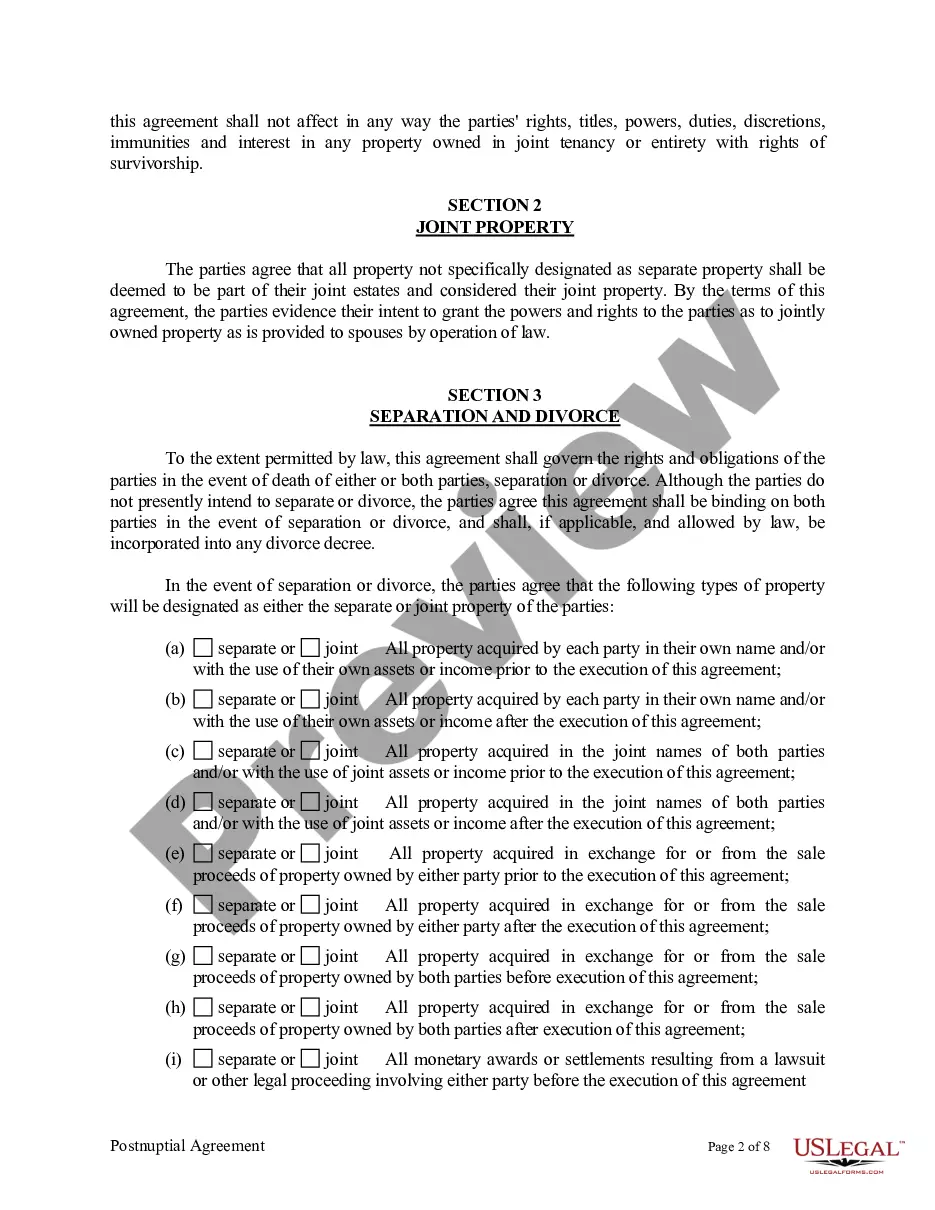
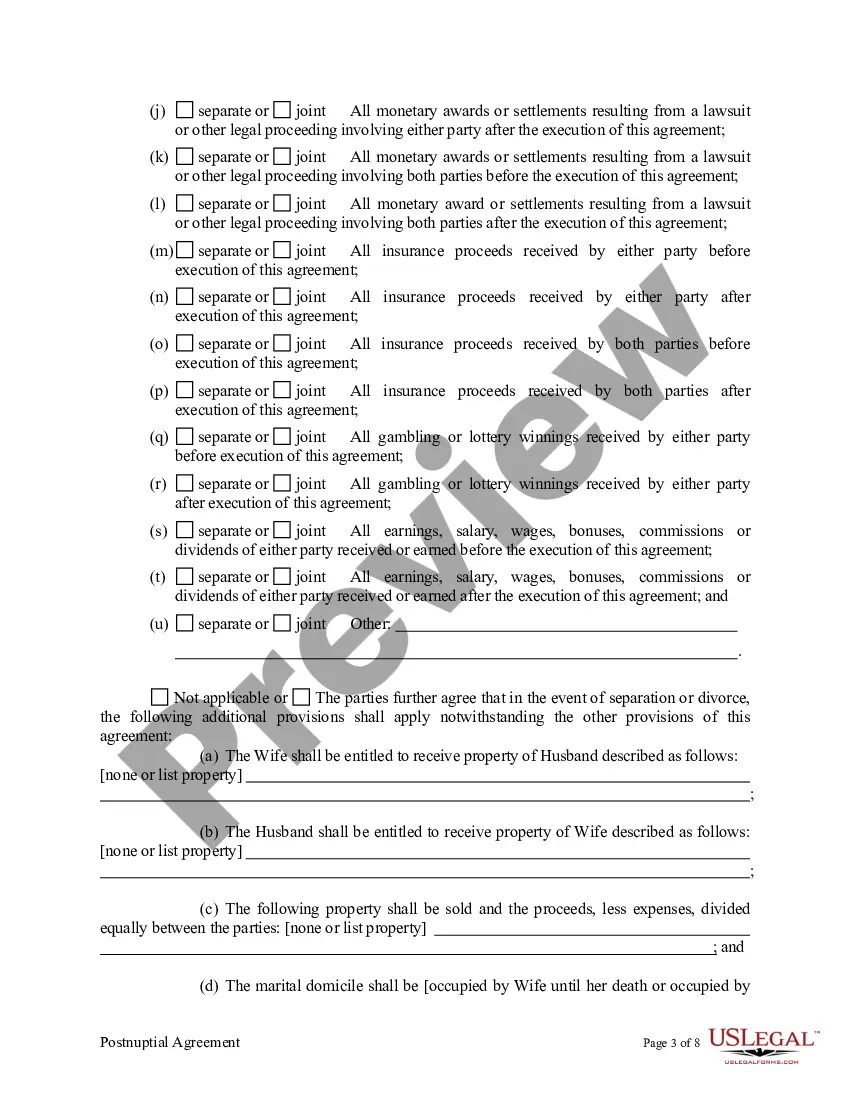

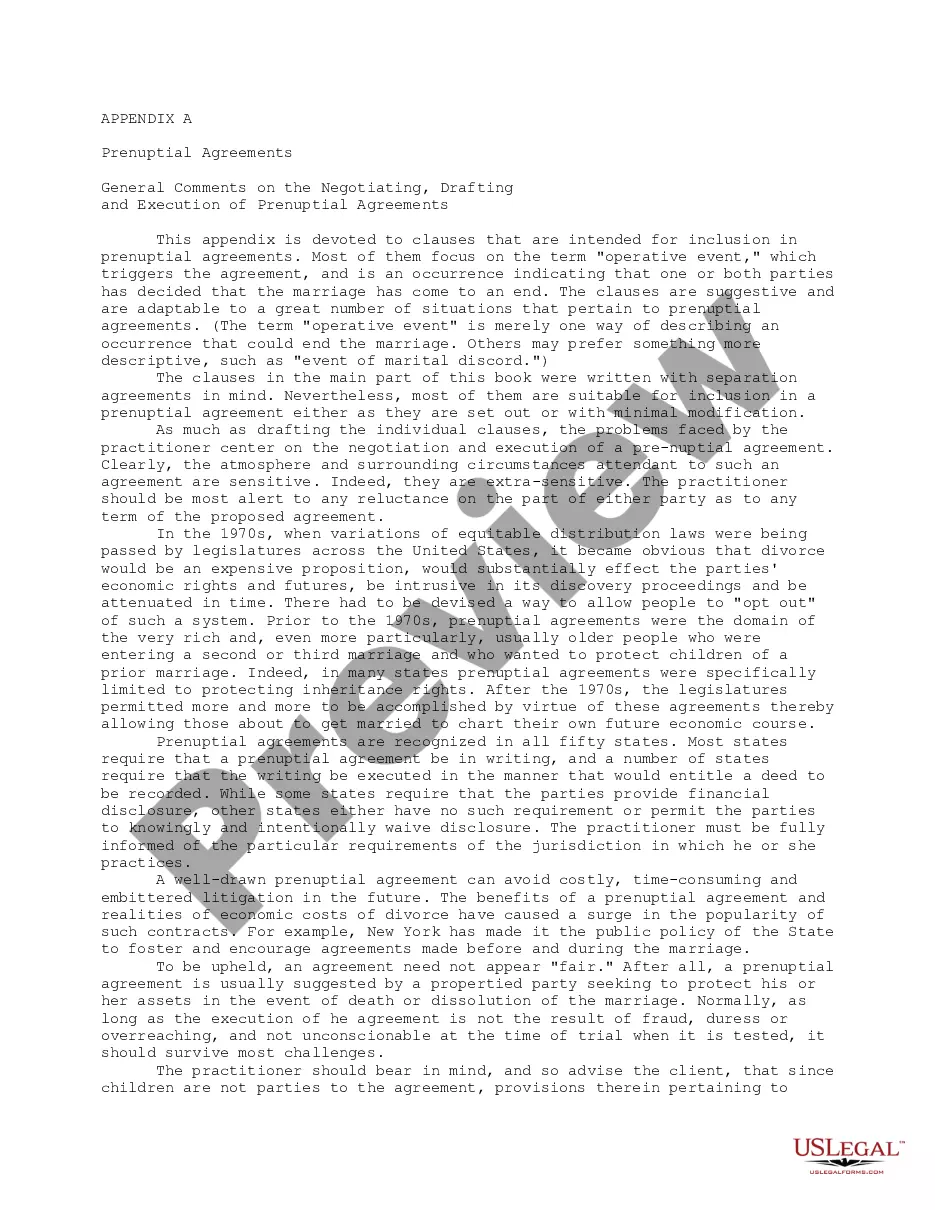
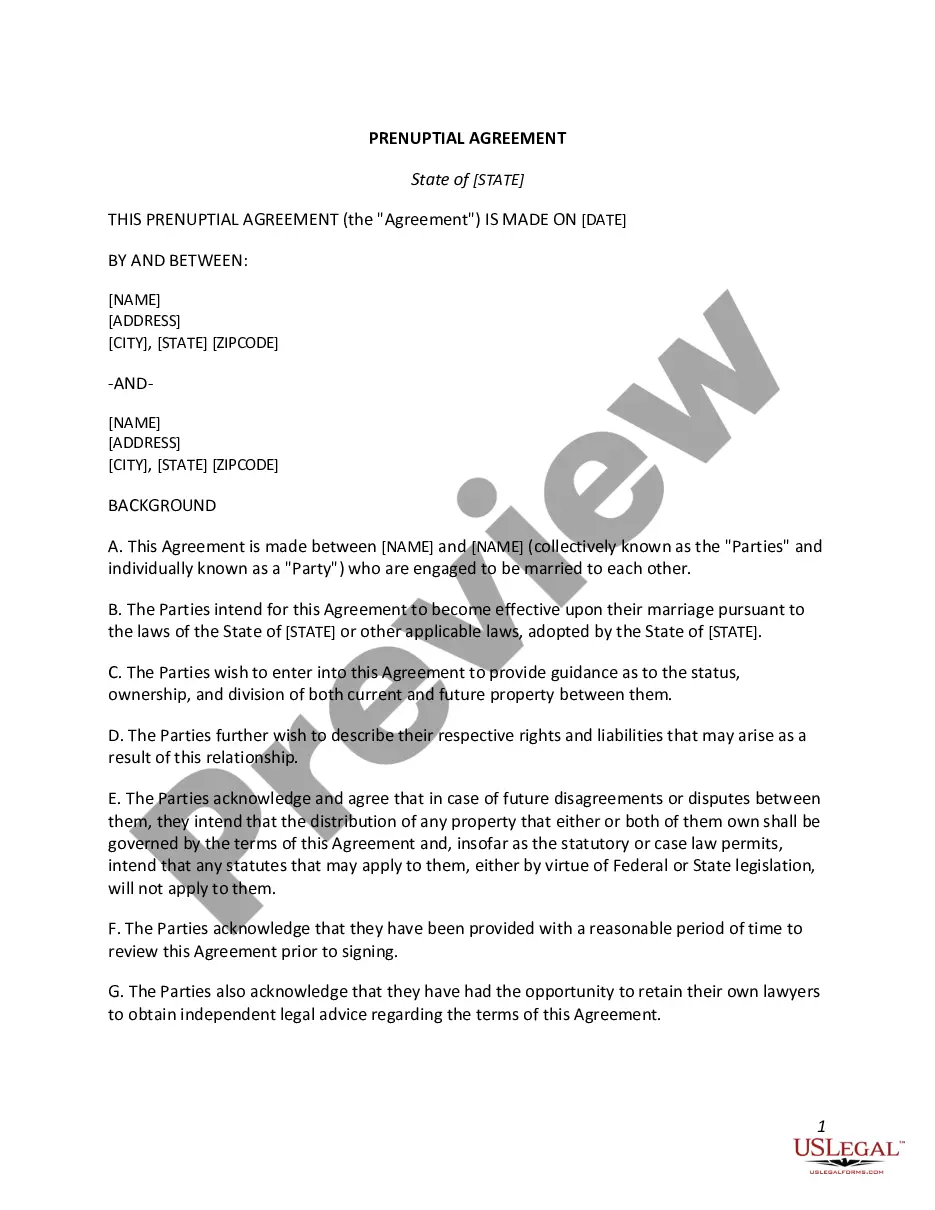
Get your form ready online
Our built-in tools help you complete, sign, share, and store your documents in one place.
Make edits, fill in missing information, and update formatting in US Legal Forms—just like you would in MS Word.
Download a copy, print it, send it by email, or mail it via USPS—whatever works best for your next step.
Sign and collect signatures with our SignNow integration. Send to multiple recipients, set reminders, and more. Go Premium to unlock E-Sign.
If this form requires notarization, complete it online through a secure video call—no need to meet a notary in person or wait for an appointment.
We protect your documents and personal data by following strict security and privacy standards.

Make edits, fill in missing information, and update formatting in US Legal Forms—just like you would in MS Word.

Download a copy, print it, send it by email, or mail it via USPS—whatever works best for your next step.

Sign and collect signatures with our SignNow integration. Send to multiple recipients, set reminders, and more. Go Premium to unlock E-Sign.

If this form requires notarization, complete it online through a secure video call—no need to meet a notary in person or wait for an appointment.

We protect your documents and personal data by following strict security and privacy standards.
Looking for another form?

How to fill out California Postnuptial Property Agreement?
Legal administration can be perplexing, even for the most seasoned professionals.
If you are seeking a Postnuptial Agreement Template India and lack the time to search for the right and recent version, the processes can be stressful.
Access state- or county-specific legal and organizational documents. US Legal Forms addresses all requirements you may have, from personal to business forms, in one centralized location.
Utilize modern tools to create and manage your Postnuptial Agreement Template India.
Below are the steps to follow after finding the form you need: Validate that it is the correct form by previewing it and reviewing its details. Ensure that the template is approved in your state or county. Click Buy Now when you are prepared. Choose a monthly subscription option. Select the format you need, and Download, fill out, sign, print, and send your document. Enjoy the US Legal Forms online library, backed by 25 years of expertise and trustworthiness. Transform your everyday document management into a simple and user-friendly process today.
- Tap into a resource library of articles, tutorials, handbooks, and materials related to your situation and requirements.
- Save time and effort searching for the documents you require, employing US Legal Forms’ advanced search and Preview feature to locate Postnuptial Agreement Template India and obtain it.
- If you hold a subscription, Log In to your US Legal Forms account, search for the form, and download it.
- Check your My documents section to access the documents you've previously stored and manage your folders as desired.
- Should this be your first experience with US Legal Forms, create an account and gain full access to all the platform's benefits.
- A comprehensive online form repository might revolutionize the way anyone deals with these issues efficiently.
- US Legal Forms stands at the forefront of online legal forms, offering over 85,000 state-specific legal templates accessible at any time.
- With US Legal Forms, you can.
Form popularity
FAQ
A prenup, or prenuptial agreement, is not formally recognized by Indian courts but can influence legal proceedings. Generally, these agreements are seen as documents that outline financial arrangements. However, if you want to create a valid postnuptial agreement format in India, it can provide clarity and potentially influence court rulings in case of divorce. Consulting resources like USLegalForms can help draft a comprehensive agreement.
Yes, postnuptial agreements are recognized in India, provided they adhere to the law. These agreements can specify terms related to property division and maintenance, thereby strengthening both parties' legal standings. However, it's advisable to ensure compliance with the Indian Contract Act of 1872. For guidance on the postnuptial agreement format in India, USLegalForms can assist you effectively.
India has no law on prenuptial or post nuptial agreements. Such agreements are not common in India and are contrary to Indian customs and views about marriage.
By including essential elements such as a comprehensive asset inventory, clear asset division, financial responsibilities, provisions for child custody and support (if applicable), and seeking professional legal advice, couples can create a robust and enforceable postnuptial agreement.
However, it is not legal in India. ?Pre-nuptial agreements have traditionally been perceived as being against public policy. While Indian culture continues to lay emphasis on the traditional nature of marriage, it is undeniable that the attitude towards marriage has been evolving.
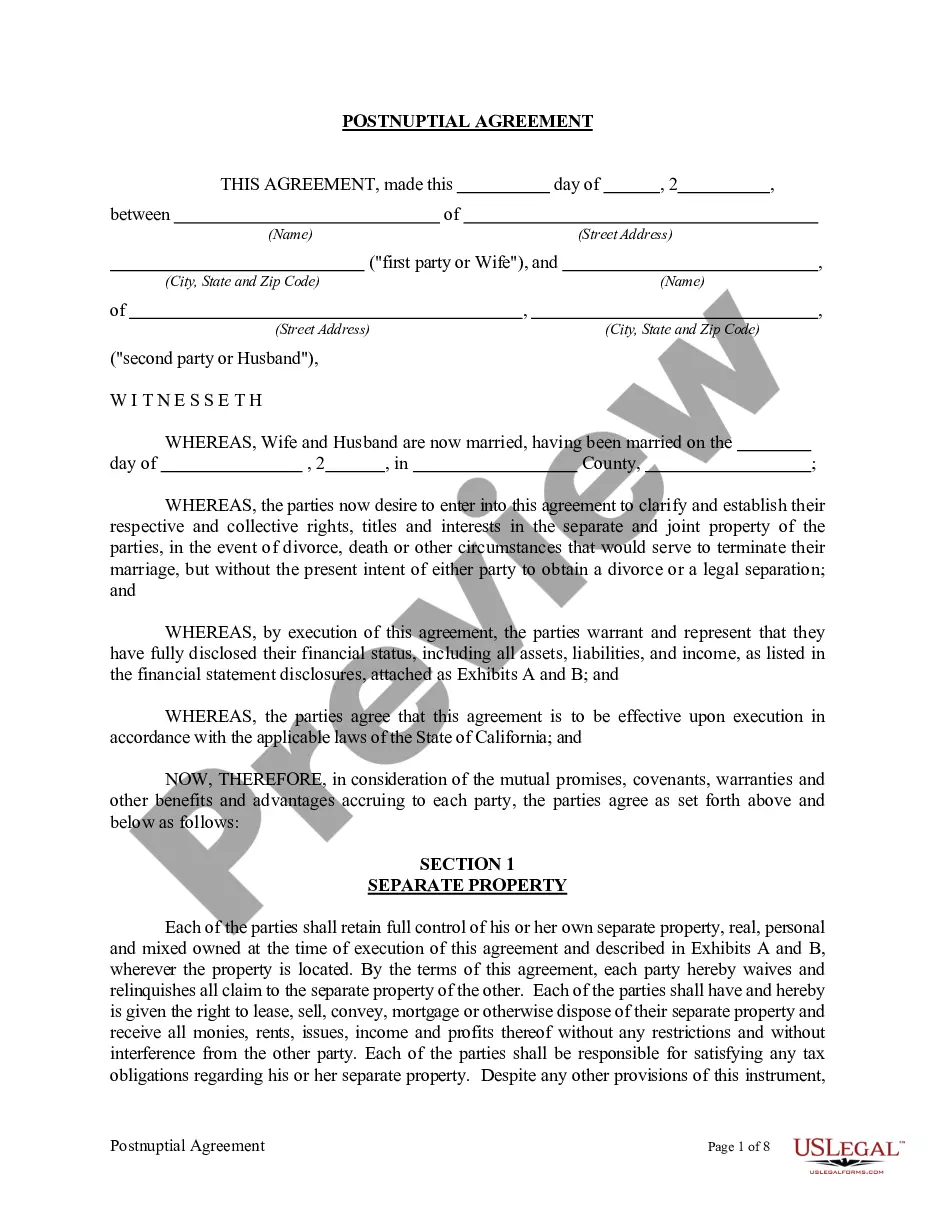
When writing a postnuptial agreement, you must provide the following information about both parties: The first party's name. The second party's name. Marriage date. The city and state where you were married. Your joint address. Information about existing children. ... Acknowledgment of full financial disclosure.
It is created after a couple is married to define the rights and obligations of both partners if they were to separate or divorce. While it is entirely possible to construct your own postnuptial agreement, it is not typically recommended.