Life Estate Deed With Full Powers
Description
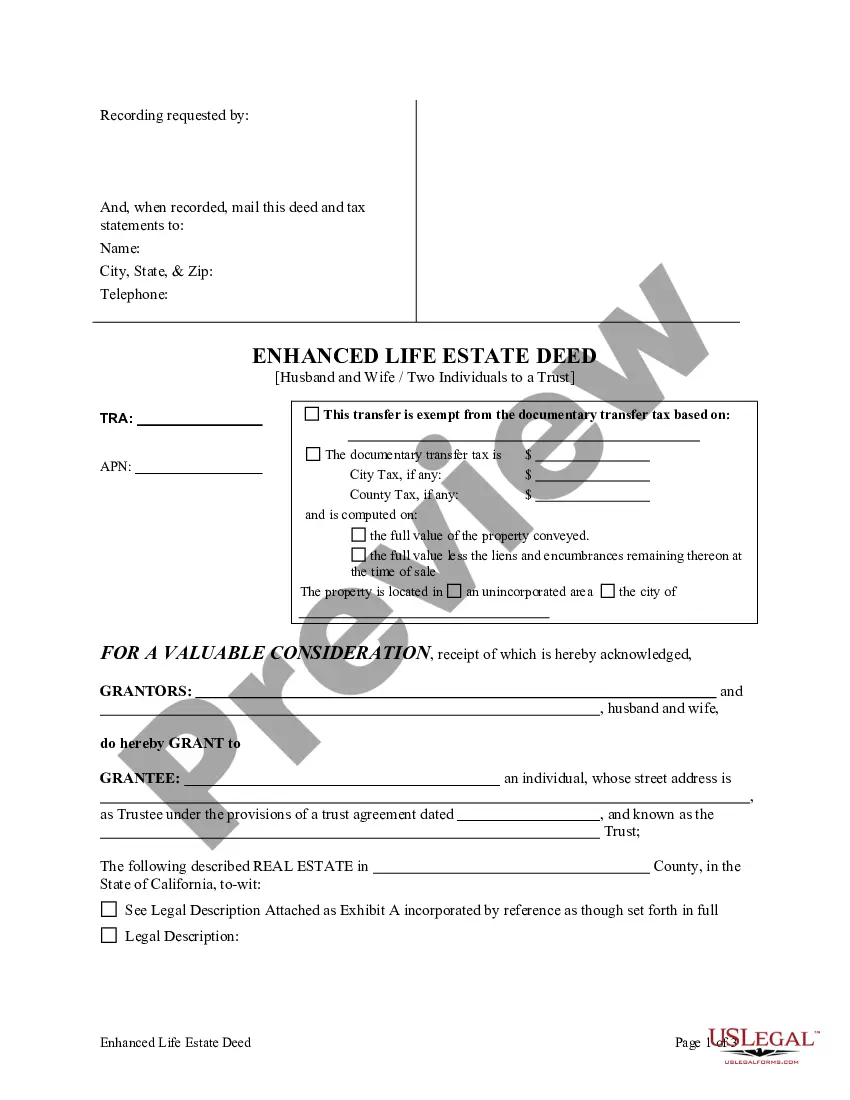
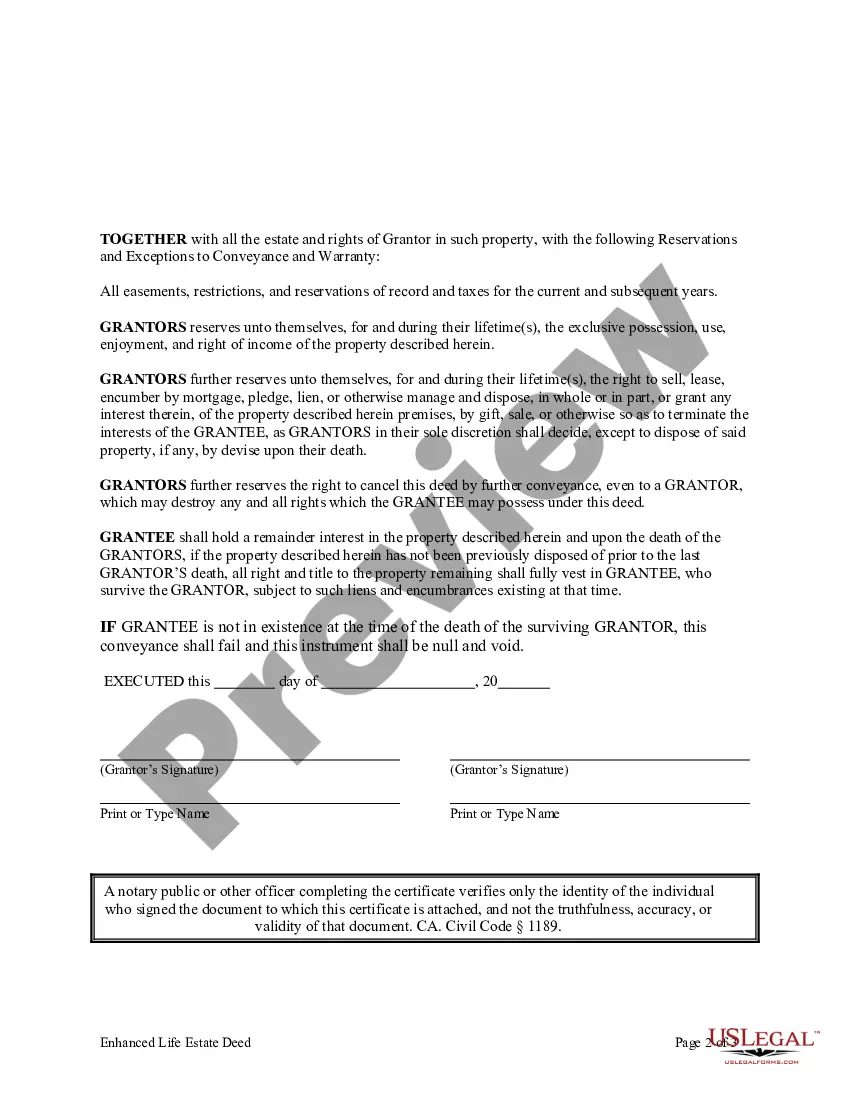
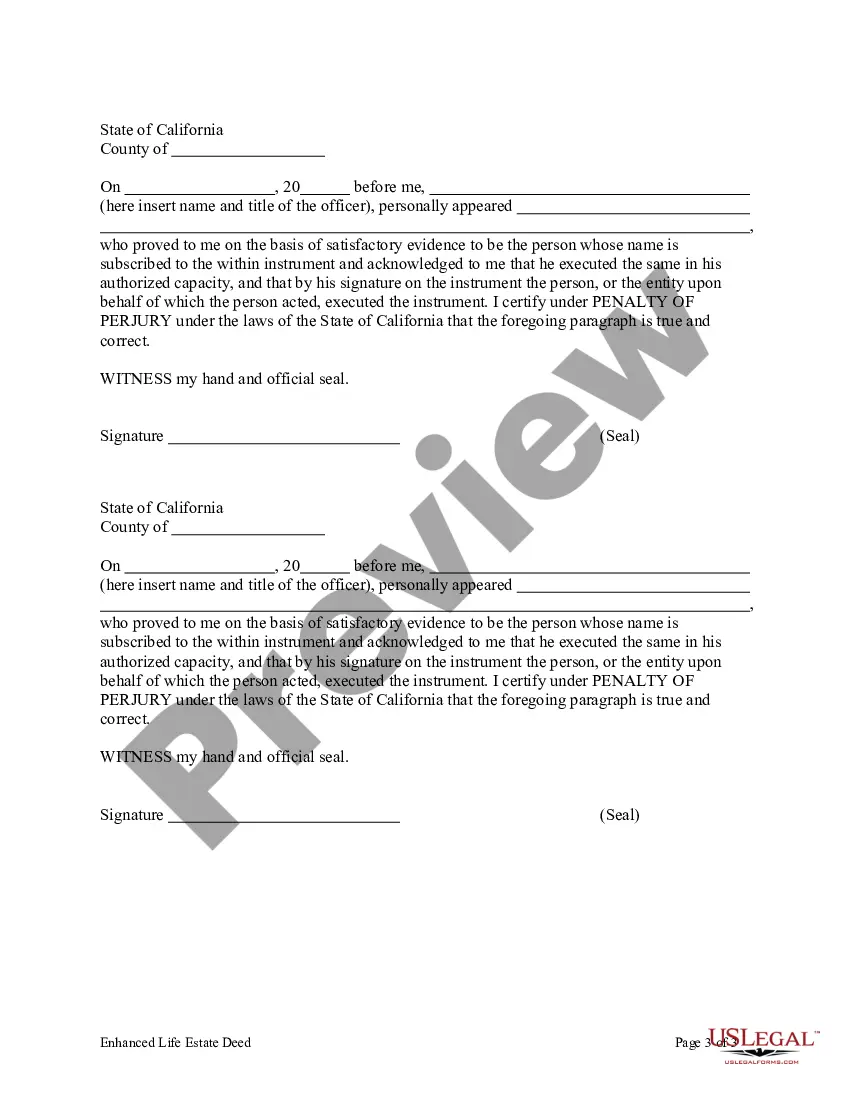
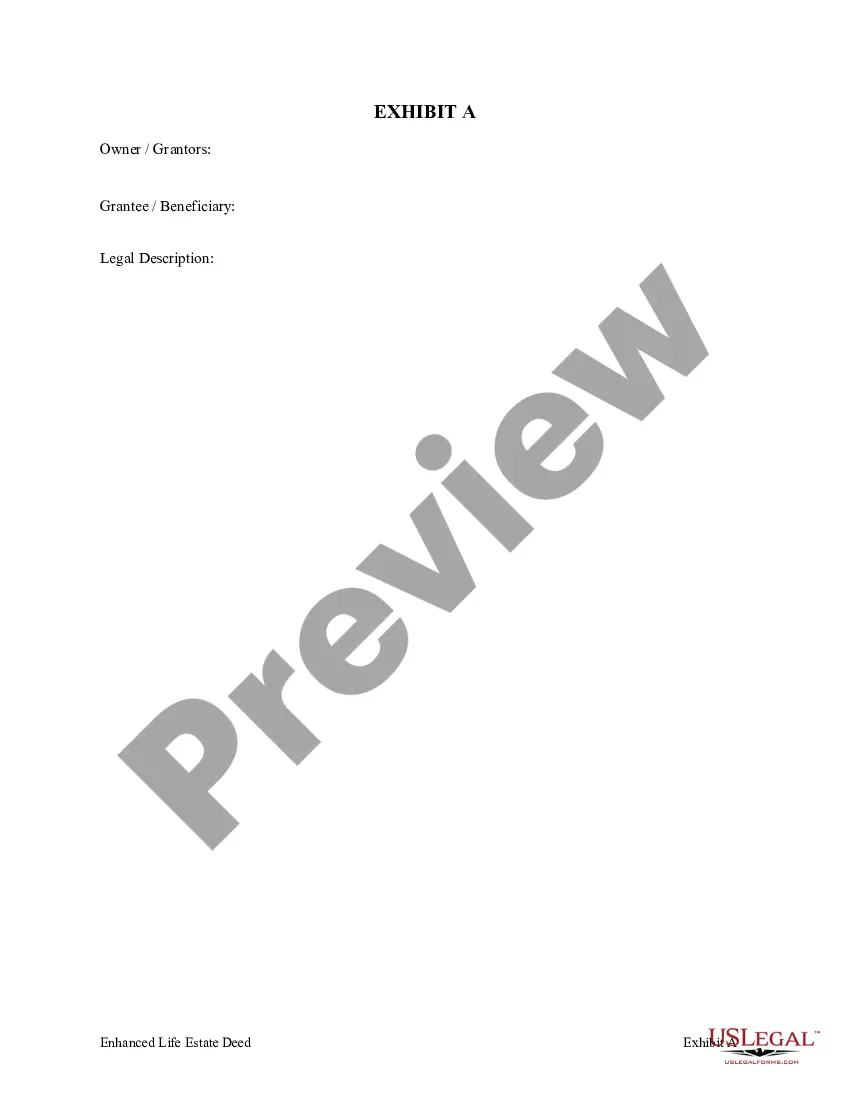

Get your form ready online
Our built-in tools help you complete, sign, share, and store your documents in one place.
Make edits, fill in missing information, and update formatting in US Legal Forms—just like you would in MS Word.
Download a copy, print it, send it by email, or mail it via USPS—whatever works best for your next step.
Sign and collect signatures with our SignNow integration. Send to multiple recipients, set reminders, and more. Go Premium to unlock E-Sign.
If this form requires notarization, complete it online through a secure video call—no need to meet a notary in person or wait for an appointment.
We protect your documents and personal data by following strict security and privacy standards.

Make edits, fill in missing information, and update formatting in US Legal Forms—just like you would in MS Word.

Download a copy, print it, send it by email, or mail it via USPS—whatever works best for your next step.

Sign and collect signatures with our SignNow integration. Send to multiple recipients, set reminders, and more. Go Premium to unlock E-Sign.

If this form requires notarization, complete it online through a secure video call—no need to meet a notary in person or wait for an appointment.

We protect your documents and personal data by following strict security and privacy standards.
Looking for another form?




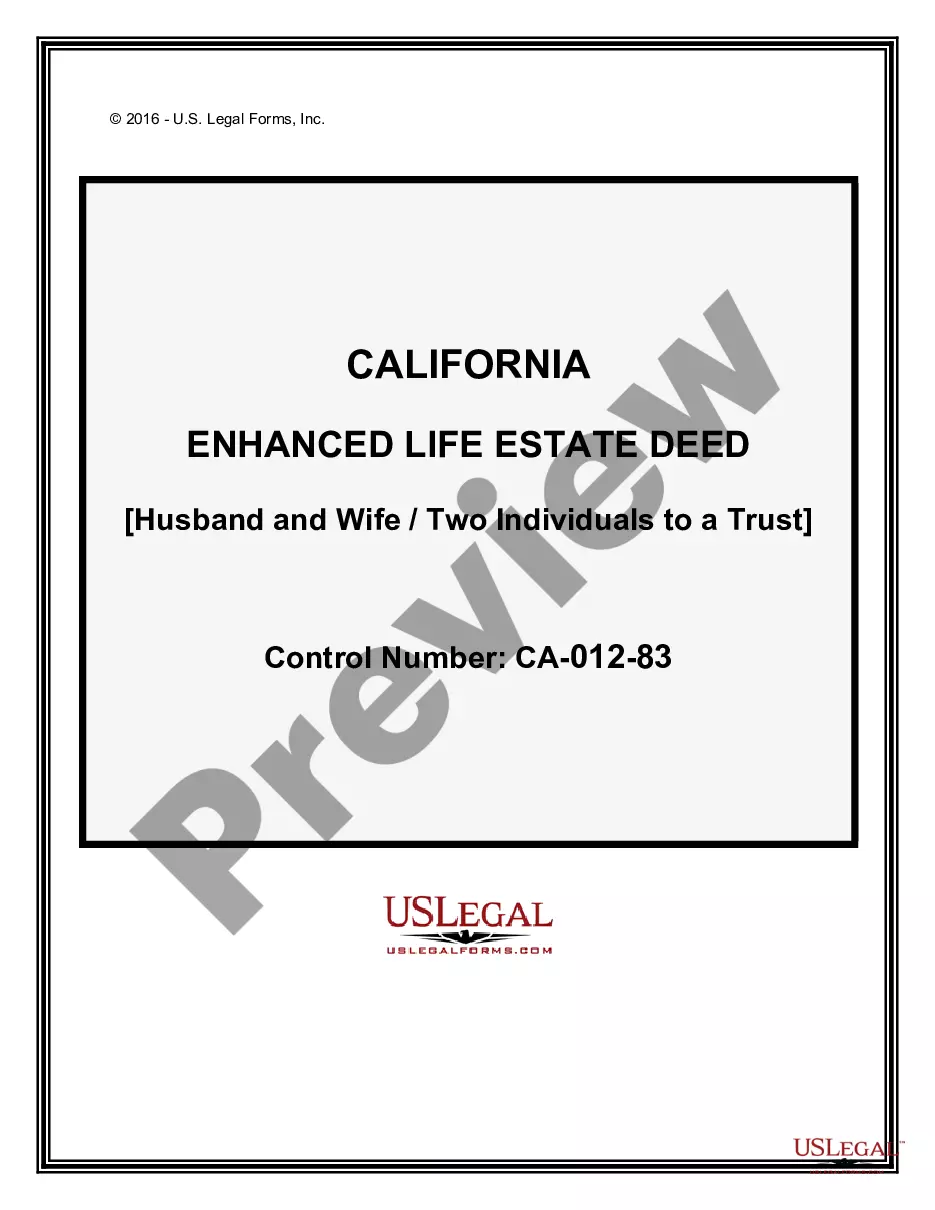
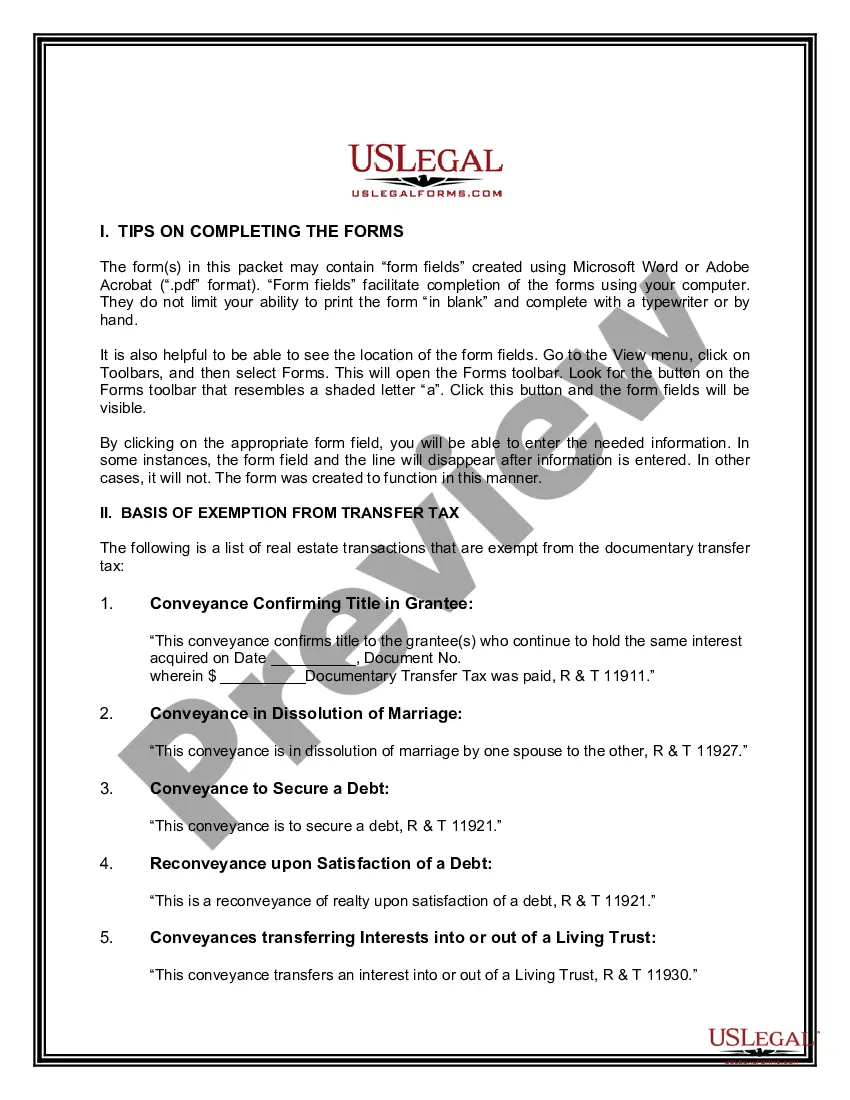
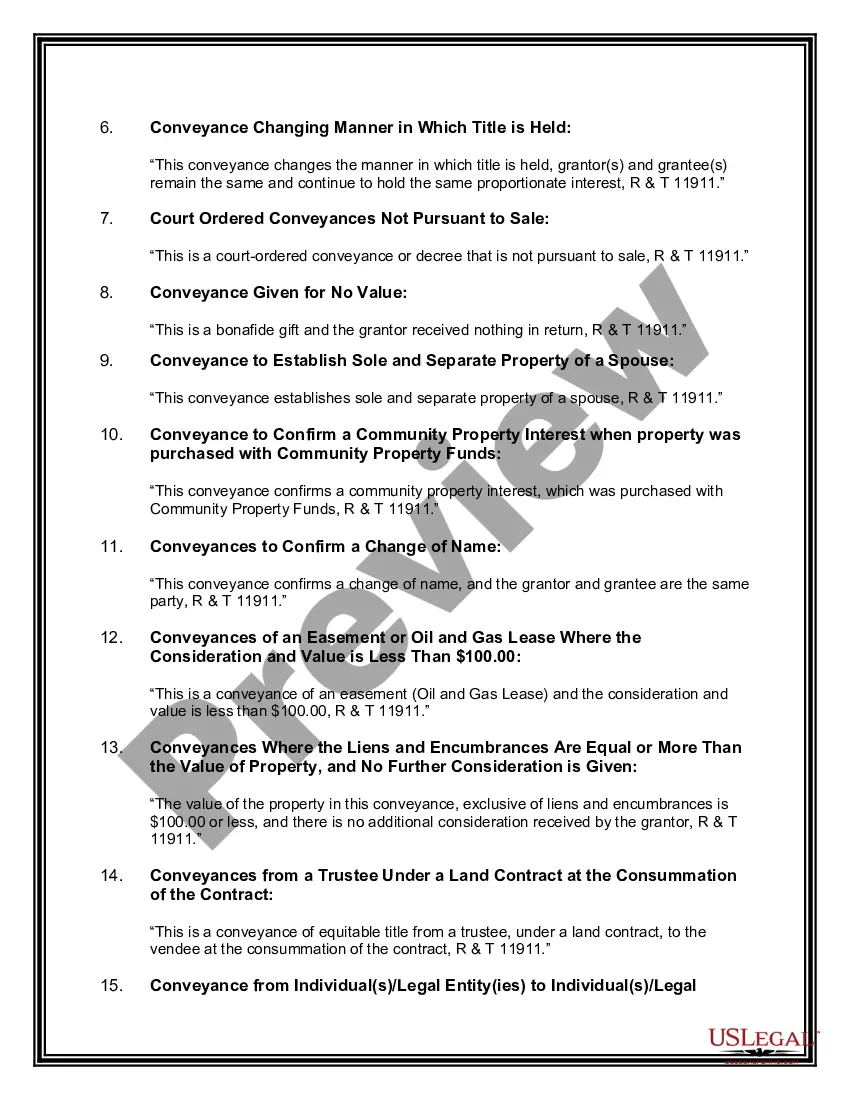
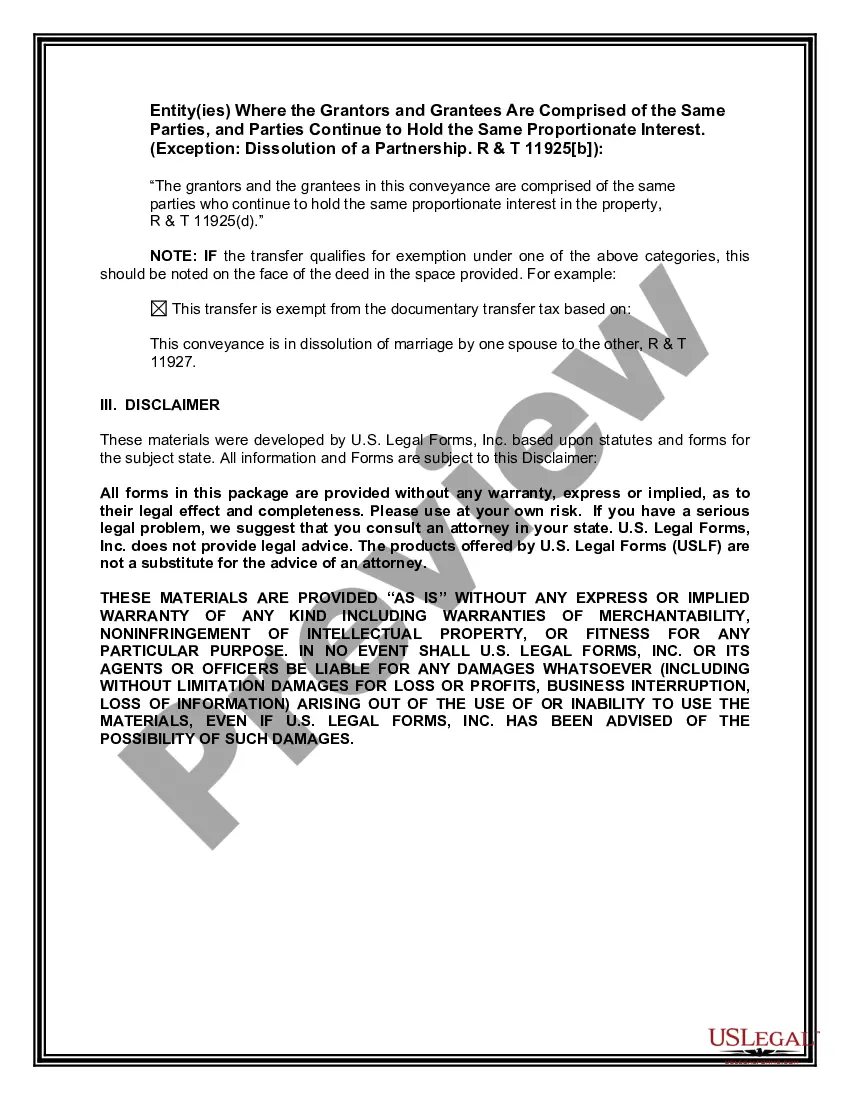
How to fill out California Enhanced Life Estate Deed From Husband And Wife, Or Two Individuals, To A Trust.?
- Log in to your US Legal Forms account, or create one if you're a new user.
- Browse the platform to find the life estate deed with full powers template. Utilize the Preview mode to review the document description and suitability for your needs.
- If you need a different form, use the Search function to locate the appropriate template that complies with your local regulations.
- Purchase the desired document by clicking on the Buy Now button and selecting your subscription plan. Account registration will be required for access.
- Complete your purchase using your credit card or PayPal.
- Download the completed document to your device. It will also be accessible anytime under the My Forms section of your account.
By following these steps, you can efficiently secure the legal document needed for your property planning. US Legal Forms not only offers a robust collection of templates but also expert assistance to ensure accuracy in your documents.
Start your journey now by visiting US Legal Forms to access a library that empowers you to handle your legal needs with confidence!
Form popularity
FAQ
There are several advantages to using a life estate deed with full powers. Firstly, this deed allows you to maintain control over the property while ensuring it passes directly to your beneficiaries without going through probate. Additionally, it can provide peace of mind, as it clarifies the distribution of your assets after your death. For anyone seeking a straightforward way to manage their property, a life estate deed can serve as a valuable option, and platforms like US Legal Forms can assist you in creating one.
A life estate deed with full powers can be a beneficial estate planning tool for many individuals. It allows you to retain rights to the property during your lifetime while designating the next owner upon your passing. This arrangement can help you avoid probate, simplifying the transfer process for your heirs. If you are looking for a way to ease the burden on your loved ones, a life estate deed may be worth considering.
In a life estate deed with full powers, the life tenant is typically responsible for paying property taxes. The life tenant enjoys the right to live in and use the property during their lifetime, and as part of this responsibility, covering property taxes falls on them. This obligation ensures that the property remains in compliance with local regulations. If you're considering a life estate, understanding tax implications can help you make informed decisions.
Yes, a life estate deed with full powers generally supersedes a will regarding the property subject to the deed. The rights granted through the life estate remain intact even after the testator's death. For peace of mind, consider consulting with a legal expert for a full understanding of your particular case.
You can sell a house under a life estate deed with full powers, but it requires agreements between the life tenant and the remainderman. Both parties typically must consent to the sale. Otherwise, it's essential to understand the legal steps involved to ensure compliance and avoid future disputes.
One drawback of a life estate deed with full powers involves the limitations it places on the life tenant's ability to sell or modify the property. Moreover, if the life tenant has debts, creditors may claim against the property. Always weigh these potential issues before proceeding.
In general, a will cannot override a life estate deed with full powers. The life estate takes precedence, meaning that the designated life tenant retains rights to the property during their lifetime. However, it's critical to consult a legal professional for personalized guidance on specific situations.
Yes, a life estate deed with full powers can be challenged under certain circumstances. For instance, if there are claims questioning the validity of the deed or allegations of fraud, interested parties may present their case. Legal representations can help ensure a thorough examination of all relevant details.
To break a life estate deed with full powers, you typically need to involve the current life tenant and the remainderman. Both parties can agree to terminate the deed through a legal document. However, if disputes arise, court intervention may be necessary to validate the break and settle any potential conflicts.
People choose to create a life estate deed with full powers for several reasons. This arrangement allows them to retain control over their property during their lifetime while ensuring a seamless transition to beneficiaries after death. Additionally, it can help avoid probate and provide peace of mind, knowing that loved ones will benefit from the property without significant delays.