Limited Lliability
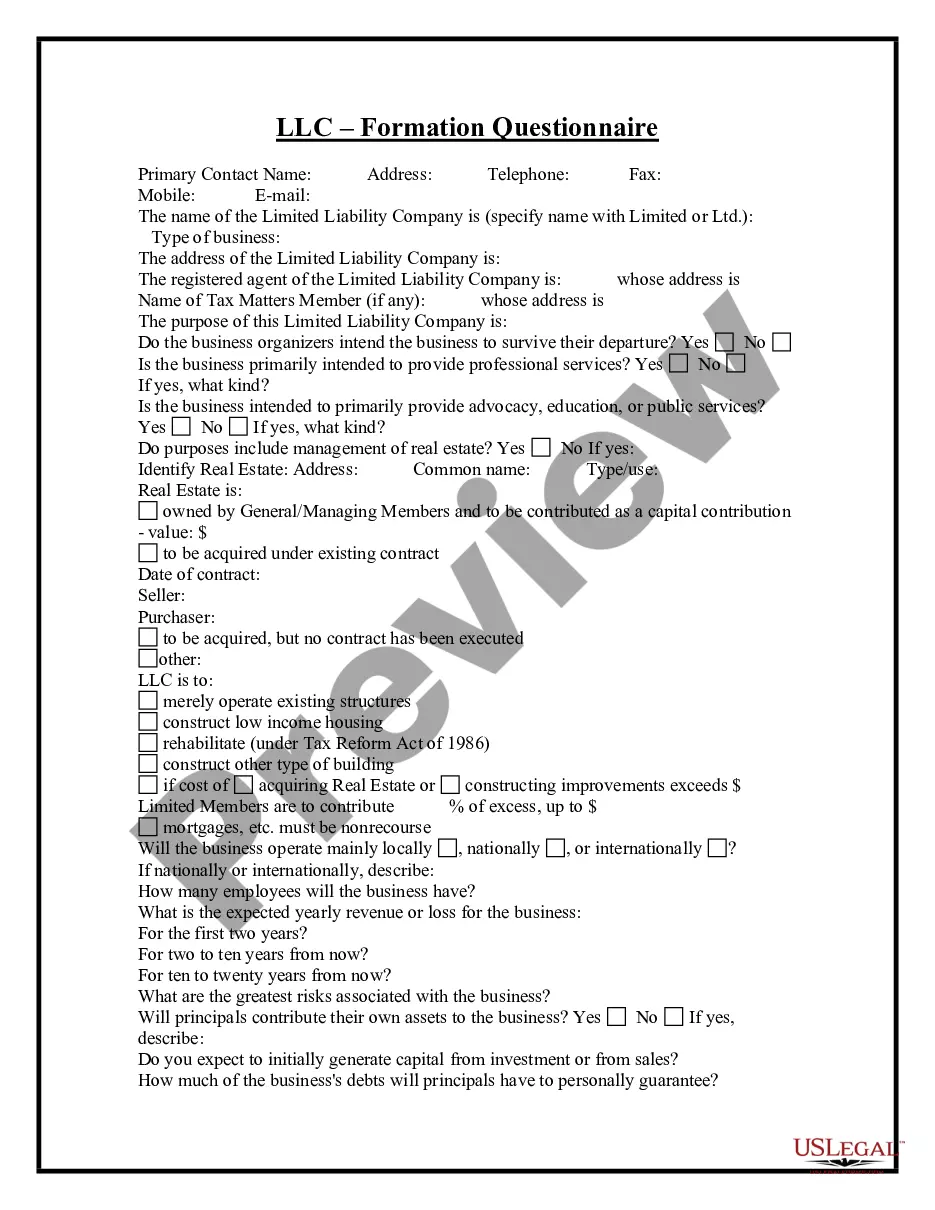
Description
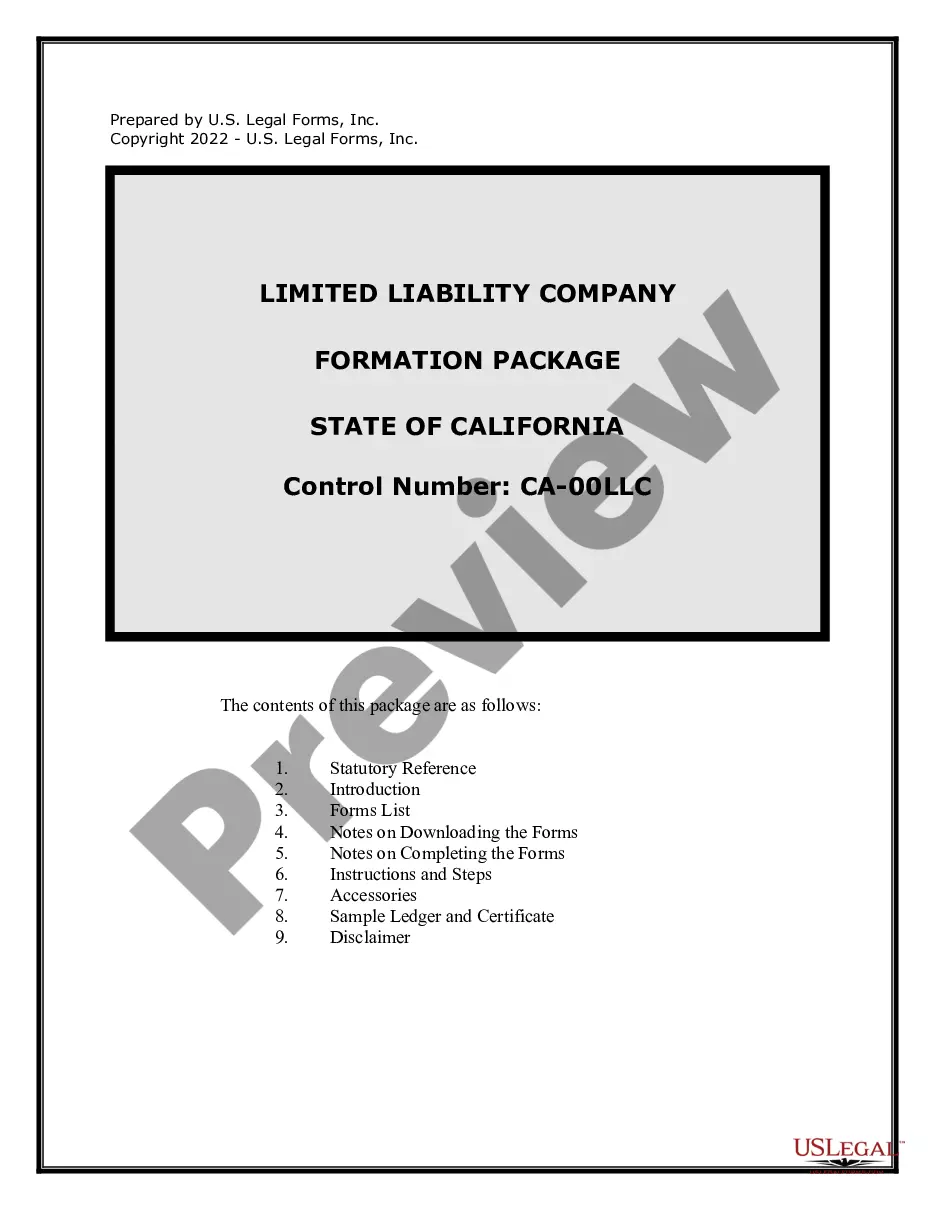
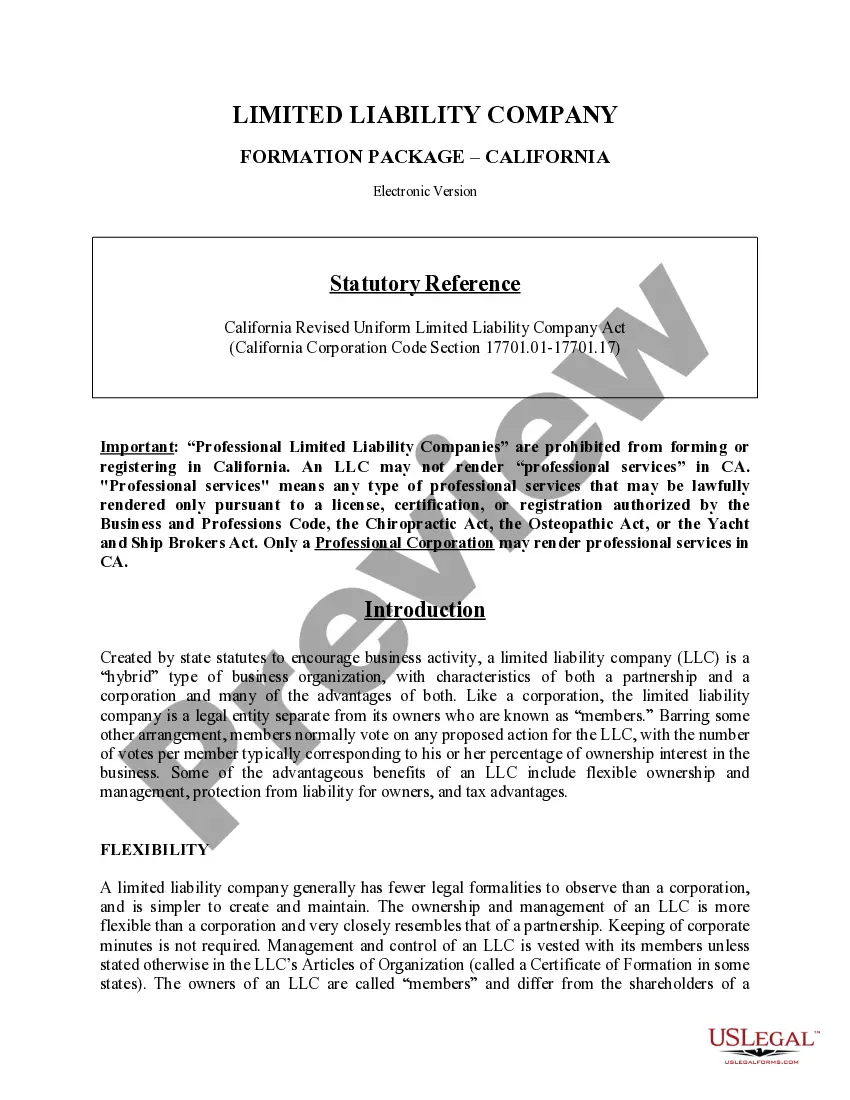
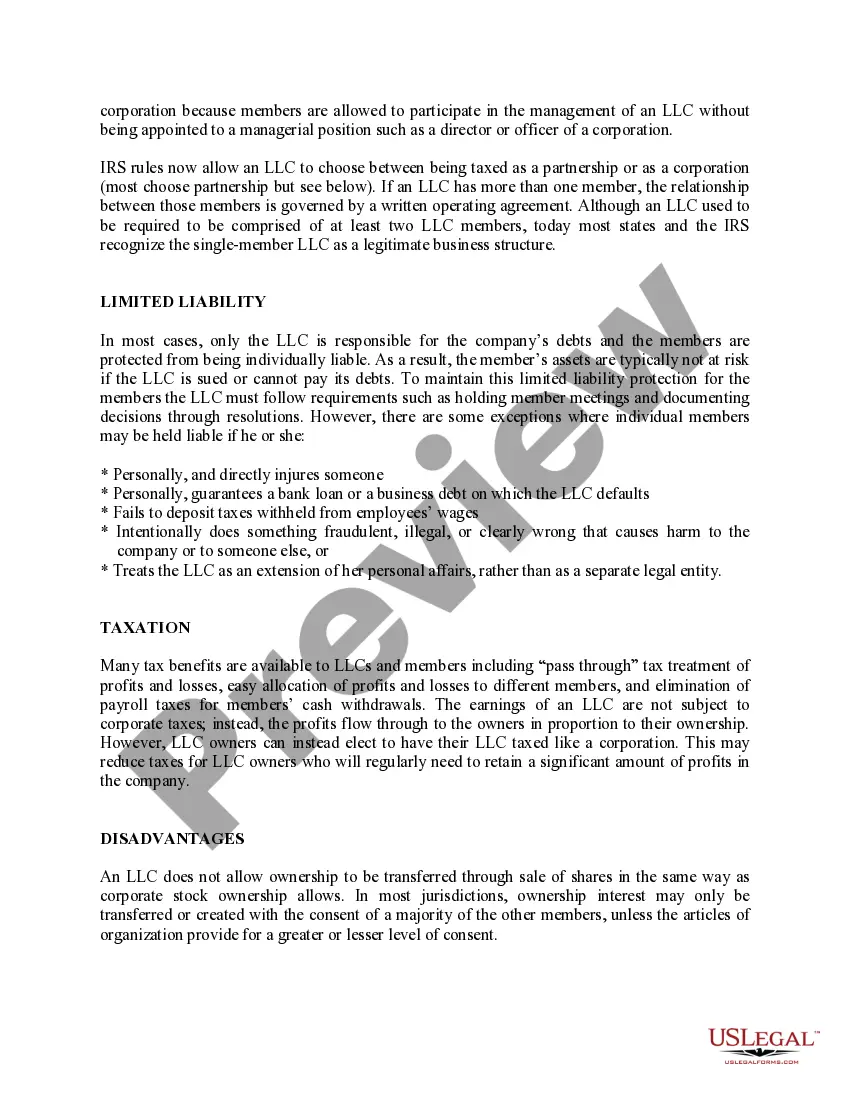
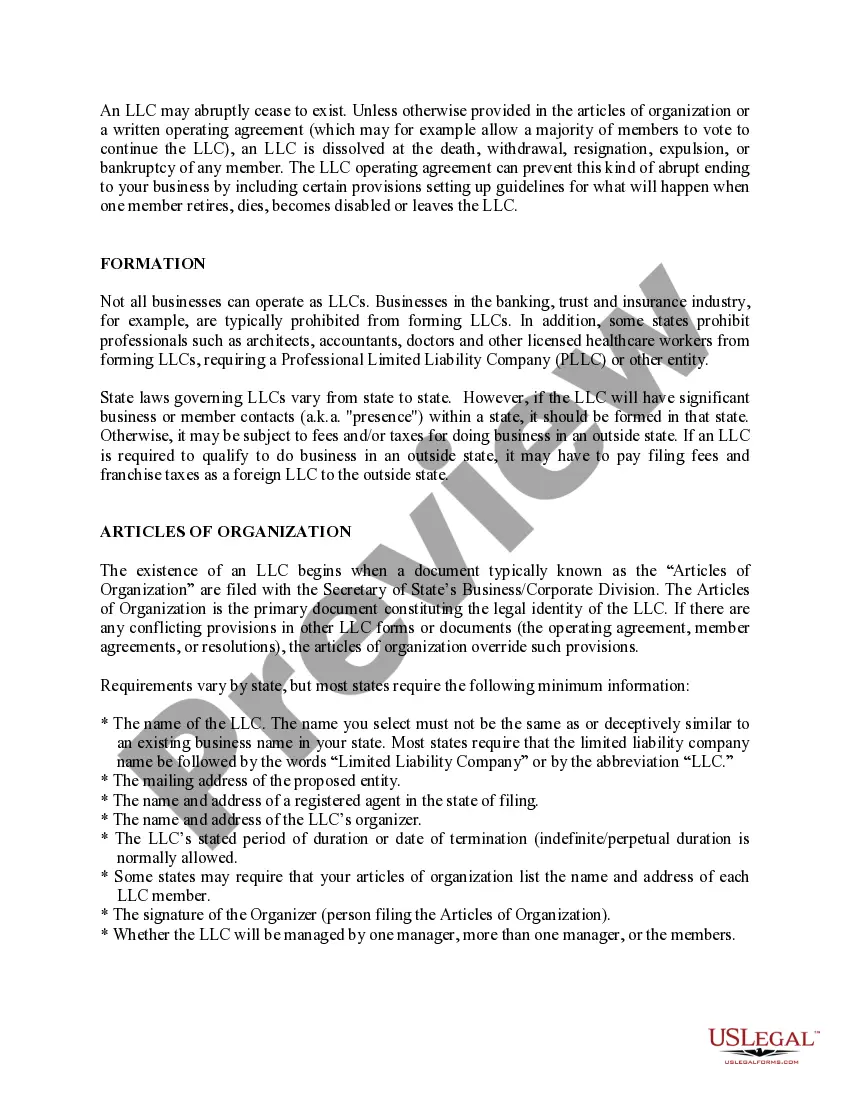

Get your form ready online
Our built-in tools help you complete, sign, share, and store your documents in one place.
Make edits, fill in missing information, and update formatting in US Legal Forms—just like you would in MS Word.
Download a copy, print it, send it by email, or mail it via USPS—whatever works best for your next step.
Sign and collect signatures with our SignNow integration. Send to multiple recipients, set reminders, and more. Go Premium to unlock E-Sign.
If this form requires notarization, complete it online through a secure video call—no need to meet a notary in person or wait for an appointment.
We protect your documents and personal data by following strict security and privacy standards.

Make edits, fill in missing information, and update formatting in US Legal Forms—just like you would in MS Word.

Download a copy, print it, send it by email, or mail it via USPS—whatever works best for your next step.

Sign and collect signatures with our SignNow integration. Send to multiple recipients, set reminders, and more. Go Premium to unlock E-Sign.

If this form requires notarization, complete it online through a secure video call—no need to meet a notary in person or wait for an appointment.

We protect your documents and personal data by following strict security and privacy standards.
Looking for another form?
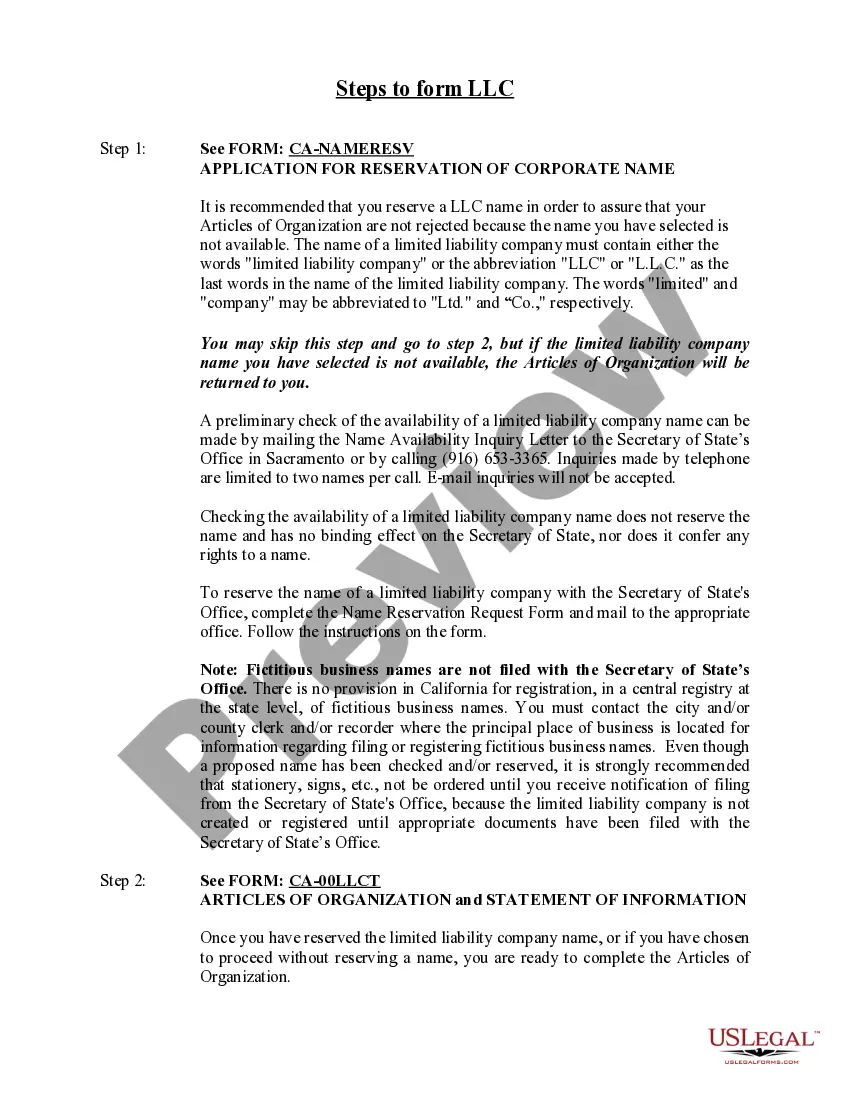
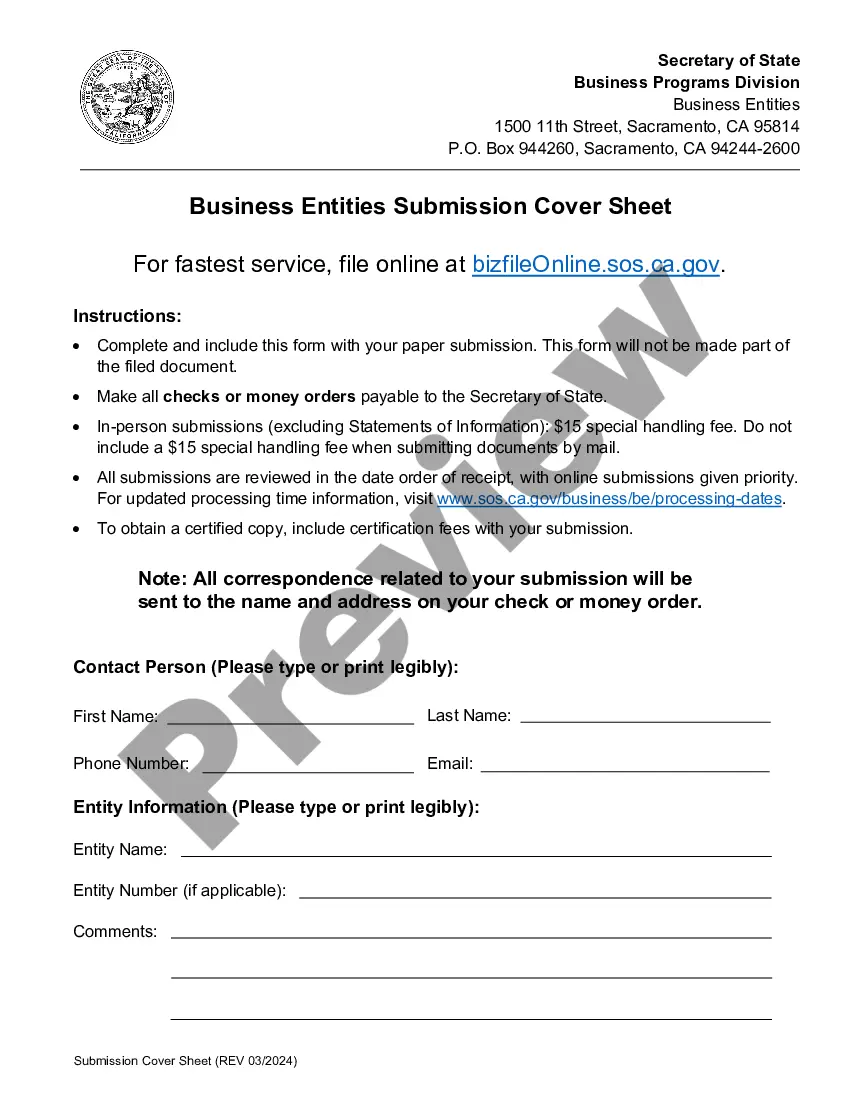
How to fill out California Limited Liability Company LLC Formation Package?
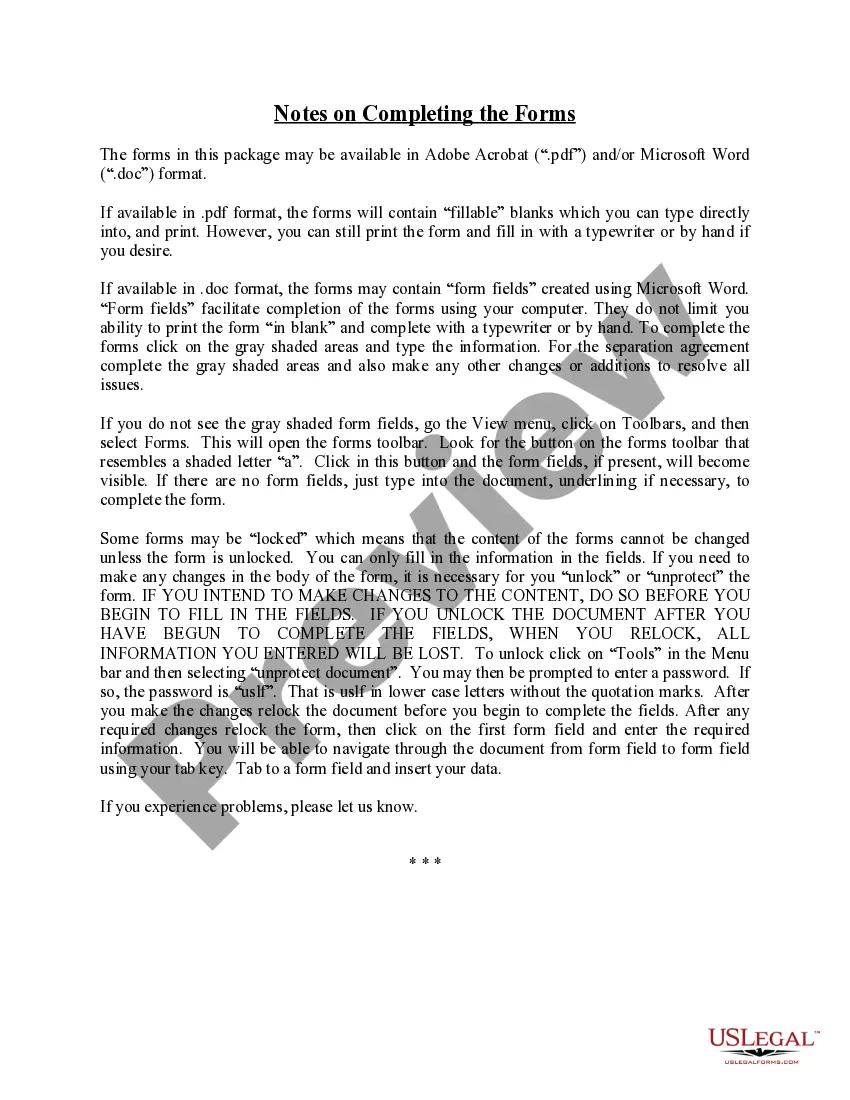
- Begin by visiting the US Legal Forms website and log in to your account if you're a returning user. If you're new, create an account to access the library.
- Search for the specific limited liability form you need. Utilize the Preview mode to review the form's description and ensure it meets your legal requirements before proceeding.
- If the desired form isn't available, use the Search feature to find alternatives that suit your needs. Verify that it complies with your jurisdiction's regulations.
- Select the form and click on the 'Buy Now' button. Choose a subscription plan that fits your situation, giving you access to a plethora of legal documents.
- Complete your transaction by entering your payment information—either via credit card or PayPal. Make sure your subscription is active to download any document.
- Once purchased, download the form to your device. You can always access it later in the 'My Forms' section of your profile for convenience.
US Legal Forms simplifies the often daunting process of acquiring legal documentation. With a vast collection of over 85,000 forms and expert help, you're empowered to handle your legal needs efficiently.
Start your journey to secure and compliant legal documentation today—explore US Legal Forms and ensure your limited liability needs are seamlessly met!
Form popularity
FAQ
Filing your LLC by itself is possible, especially if you are filing the necessary formation documents. Many online platforms, like USLegalForms, simplify this process, ensuring you complete all necessary steps correctly. This helps you establish your limited liability company efficiently and effectively, protecting your personal assets.
Yes, you can have an LLC and do nothing with it, but maintaining it requires some actions to keep it valid. Your state may require annual filings or fees, even if you are inactive. Therefore, it’s essential to stay on top of these requirements to maintain your limited liability status and protect your personal assets.
To write a limited liability company, start by choosing a unique name that complies with state regulations. Then, outline the purpose of your business and select a registered agent. Completing your state’s required formation documents establishes your limited liability entity, safeguarding your personal assets from business risks.
Filling out an LLC typically involves completing your state’s Articles of Organization and providing necessary information about your business structure. This includes your LLC name, address, and registered agent details. By carefully completing this form, you set up a solid foundation for limited liability, which protects your personal assets.
Yes, you can file your LLC as a separate entity, particularly if you choose to be taxed as a corporation. This separation allows you to maintain a distinct financial identity for your Limited Liability Company. It's a wise choice if your business structure supports it, ensuring you continue to benefit from personal asset protection.
owner LLC typically files taxes as a sole proprietorship, using Schedule C on their personal tax return. This means you report all profits and losses of the business on your individual tax return. By doing so, the limited liability continues to protect your personal assets from business liabilities.
A common example of limited liability is found in a Limited Liability Company structure where owners are only liable for the company's debts up to their investment. For instance, if your LLC incurs $50,000 in debt and you invested $10,000, your personal assets remain protected. This shield makes limited liability an appealing choice for business owners.
If you don't file taxes for your Limited Liability Company, the IRS may penalize you. You can face fines, and your business could lose its good standing. Additionally, failure to file can impact your Limited Liability protection, potentially exposing you to personal liability.
A limited liability company typically files Form 1065 if it has more than one member. If it is a single member LLC, you will report your business income on Schedule C of your personal tax return. This allows you to take advantage of pass-through taxation, which can be beneficial for you. To ensure you have the correct forms, you can trust US Legal Forms to provide the resources you need.
Yes, you generally file your LLC taxes together with your personal taxes if your LLC is a single member LLC. You’ll report your LLC income on your personal tax return, making it easier to manage your finances. However, if you have multiple members in your LLC, different rules may apply. Consider utilizing US Legal Forms to obtain the right guidance and forms tailored to your situation.