Limited Liability Company Form Of Ownership
Description
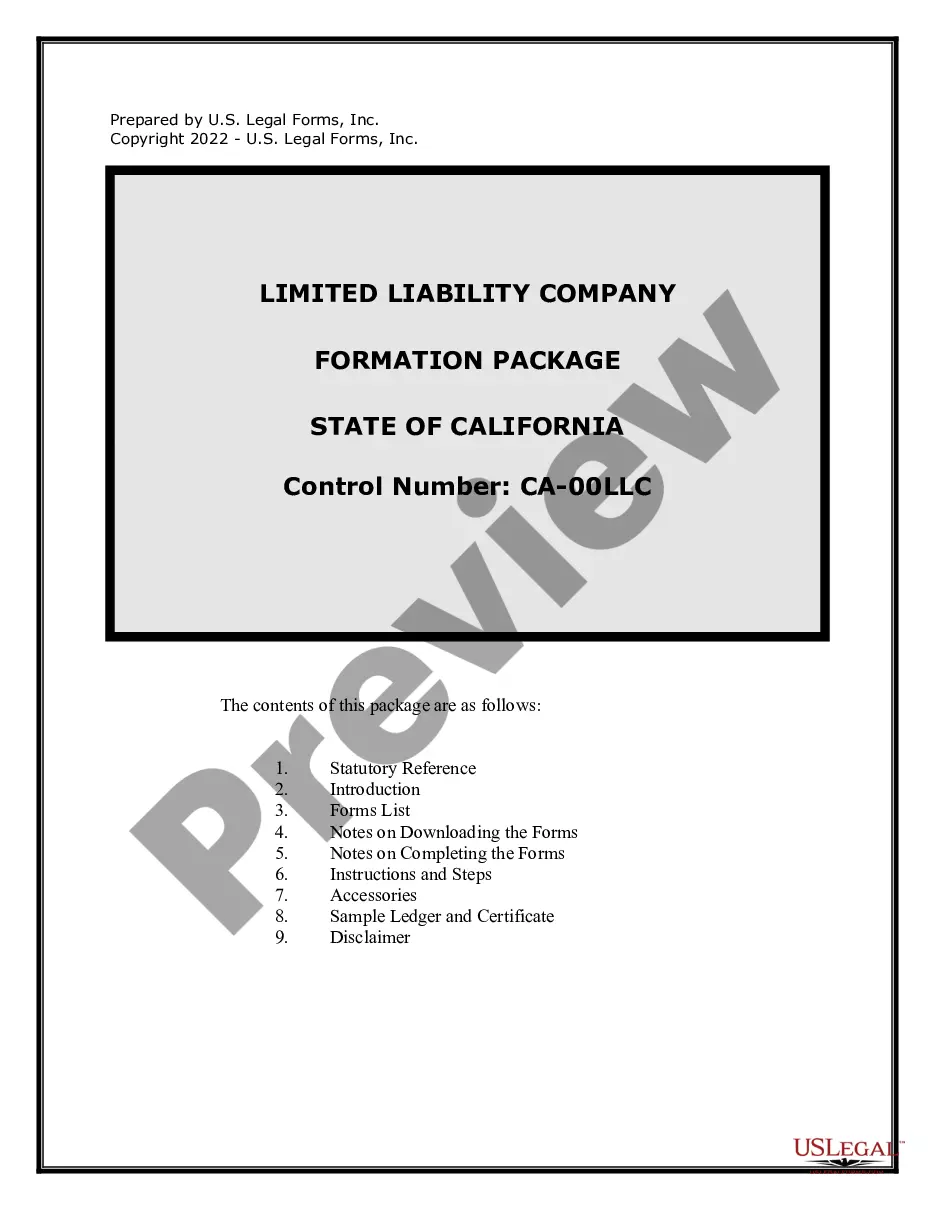
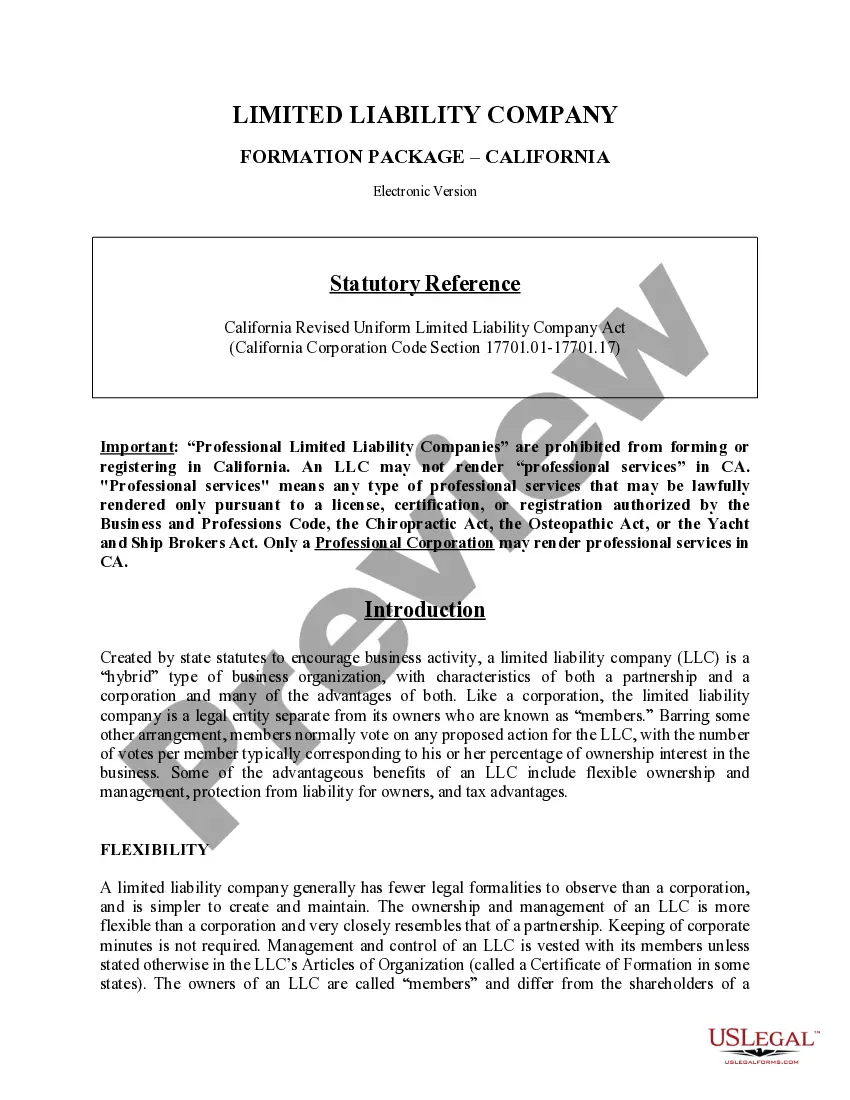
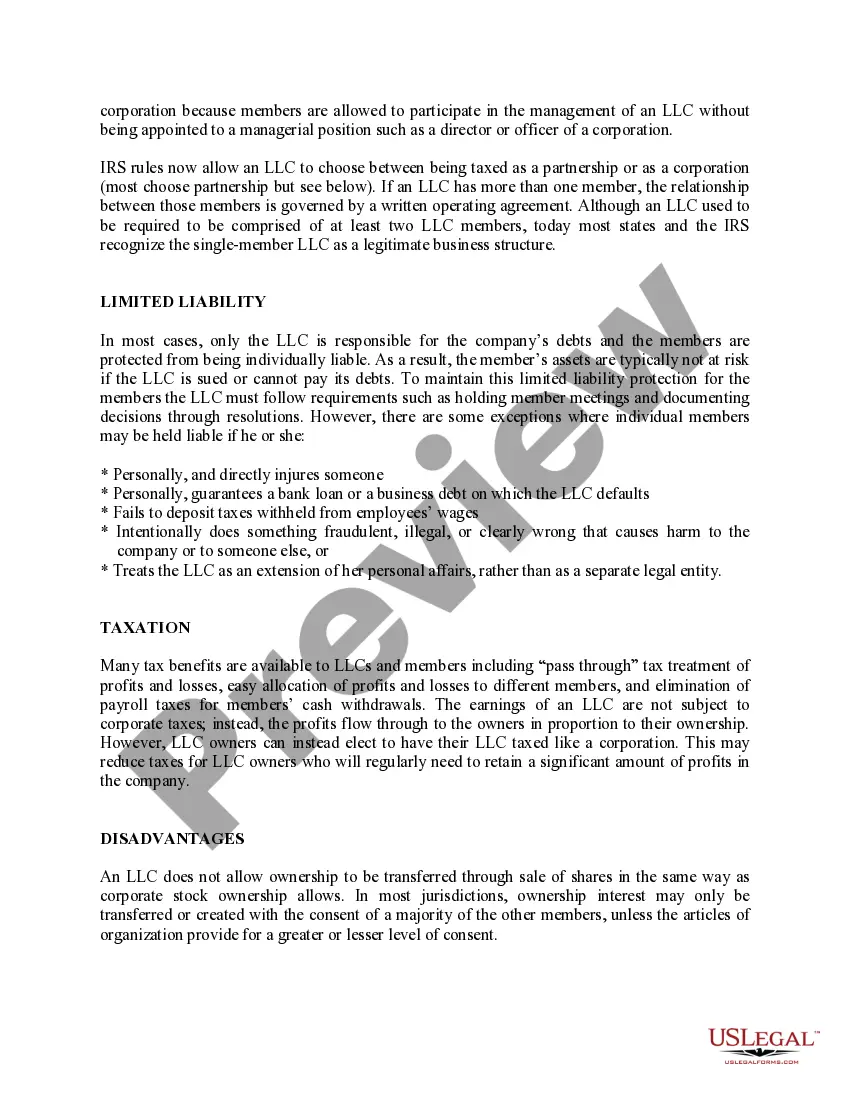
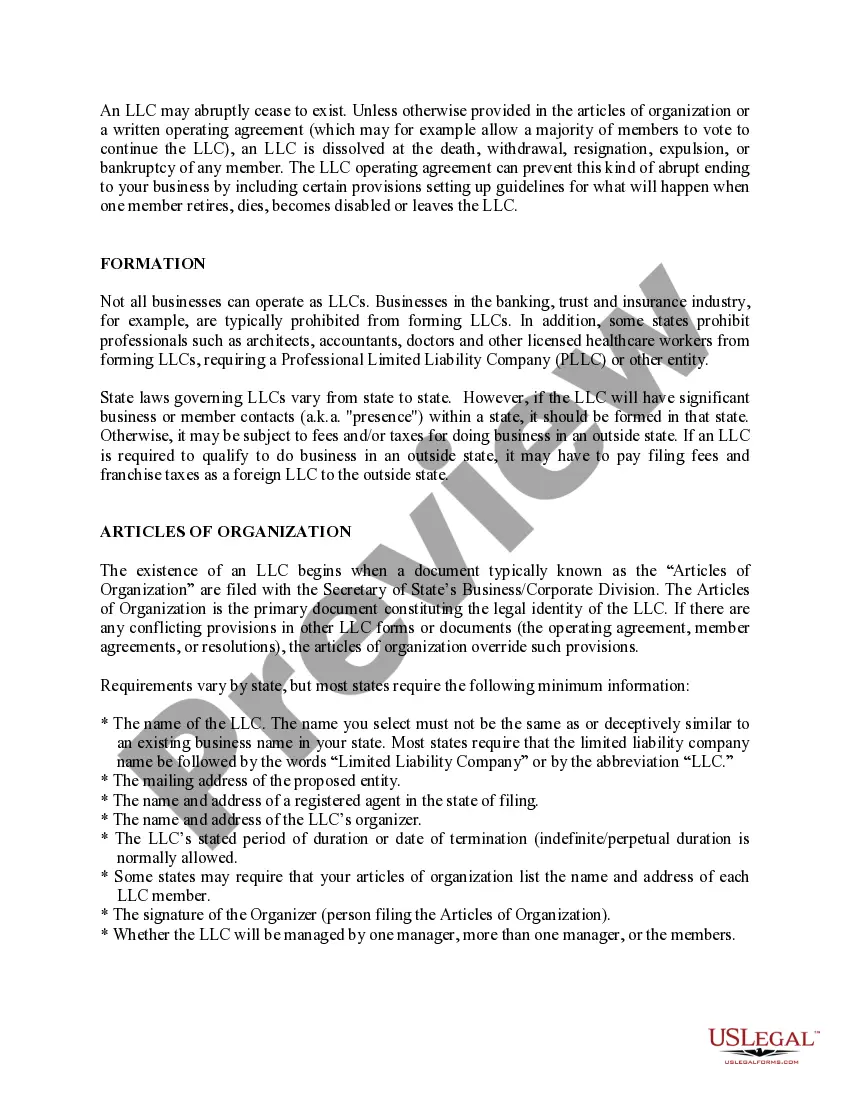
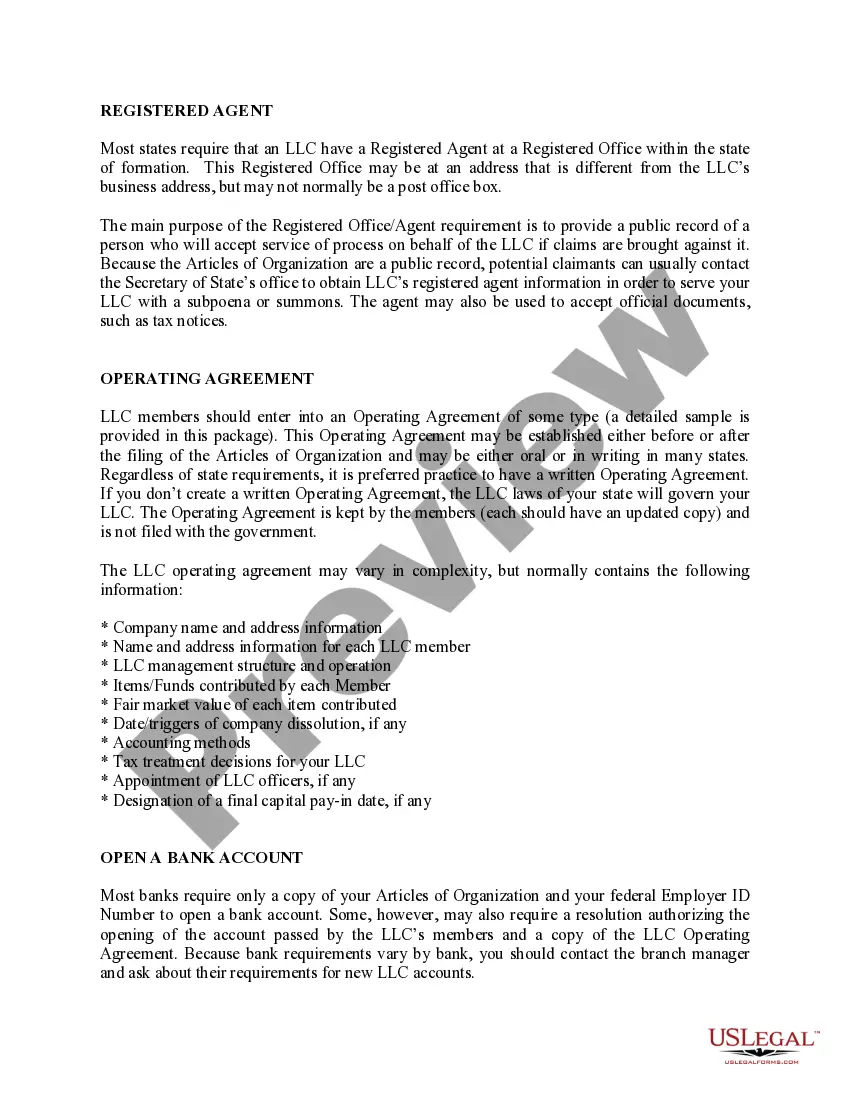
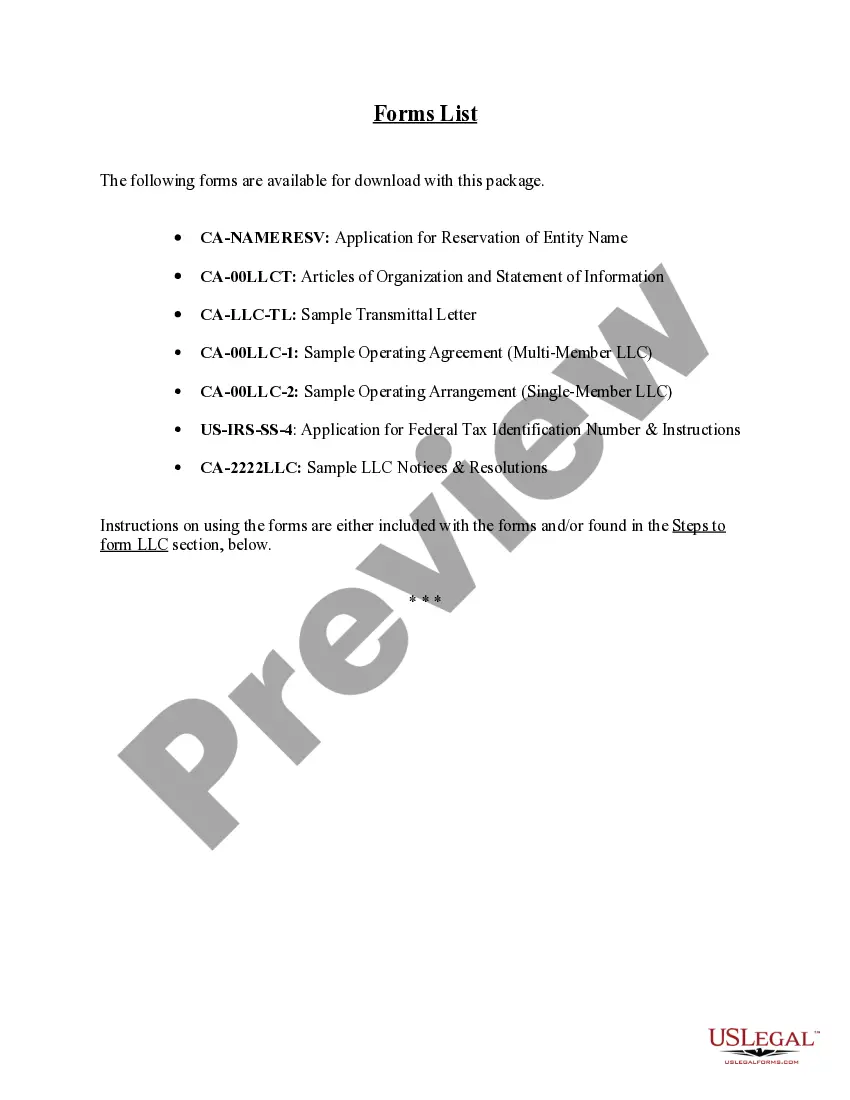
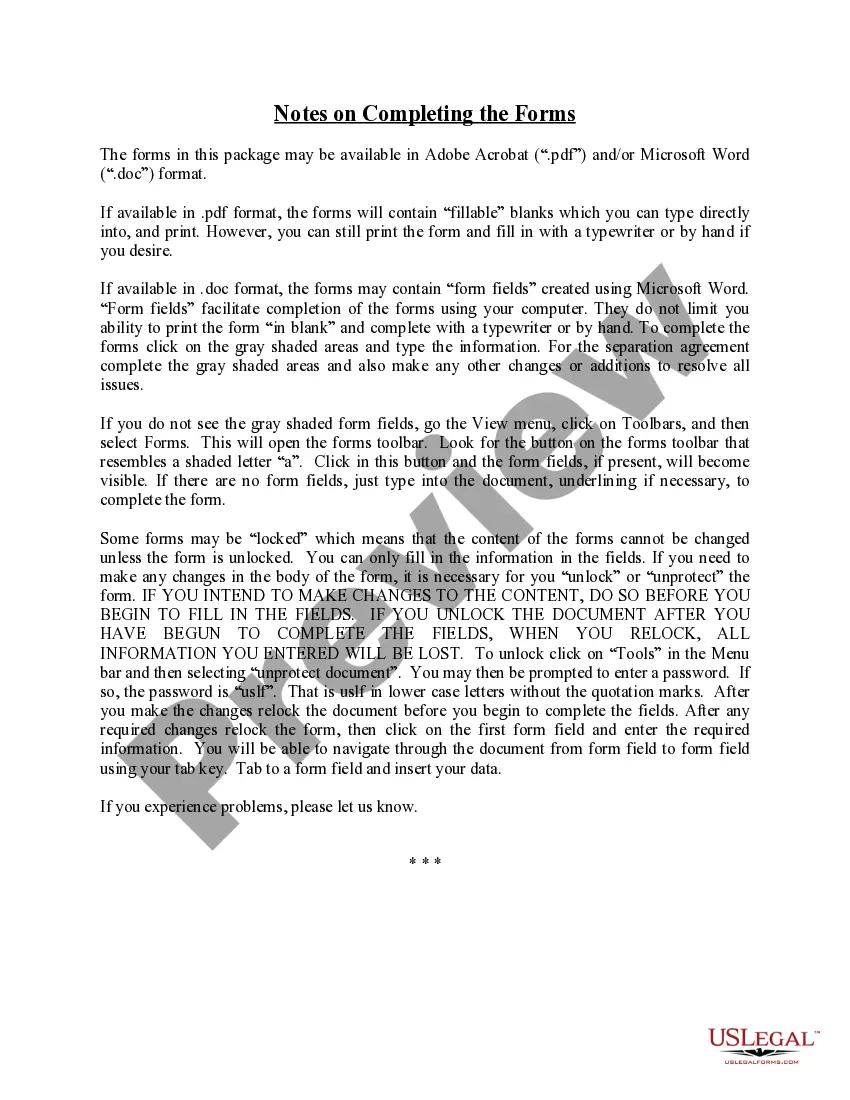
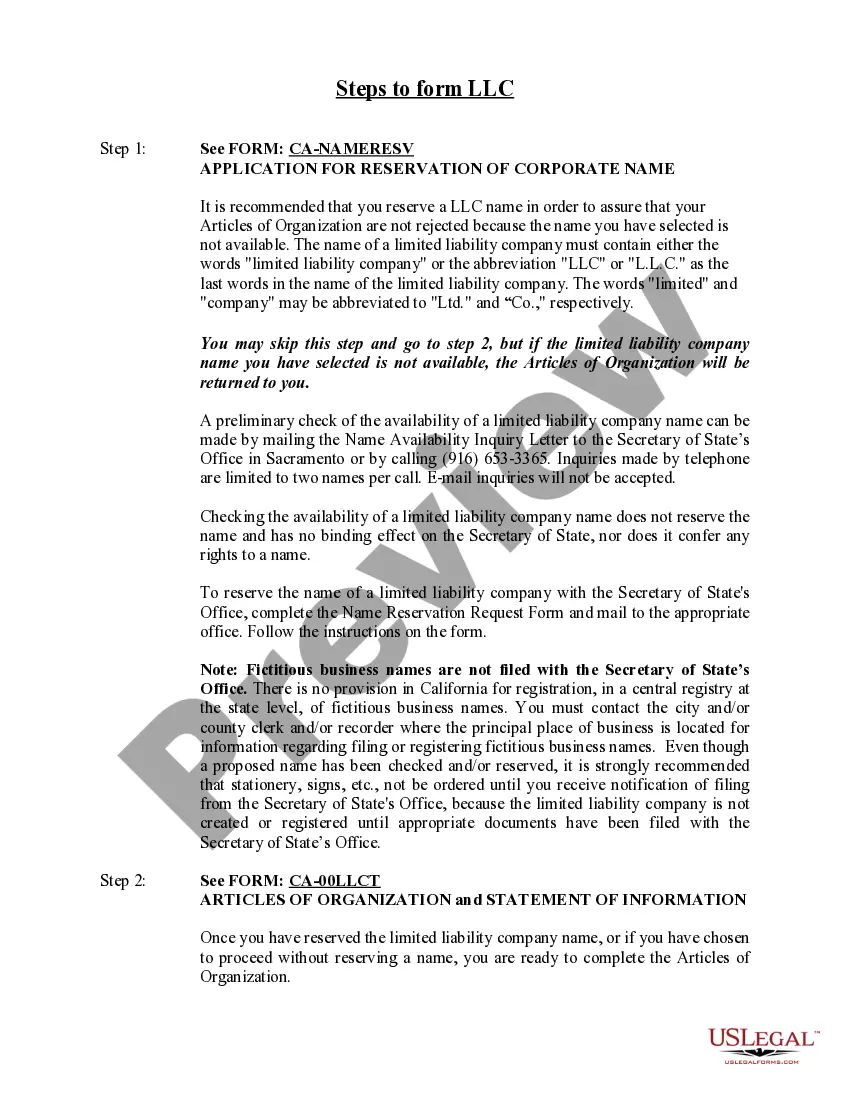

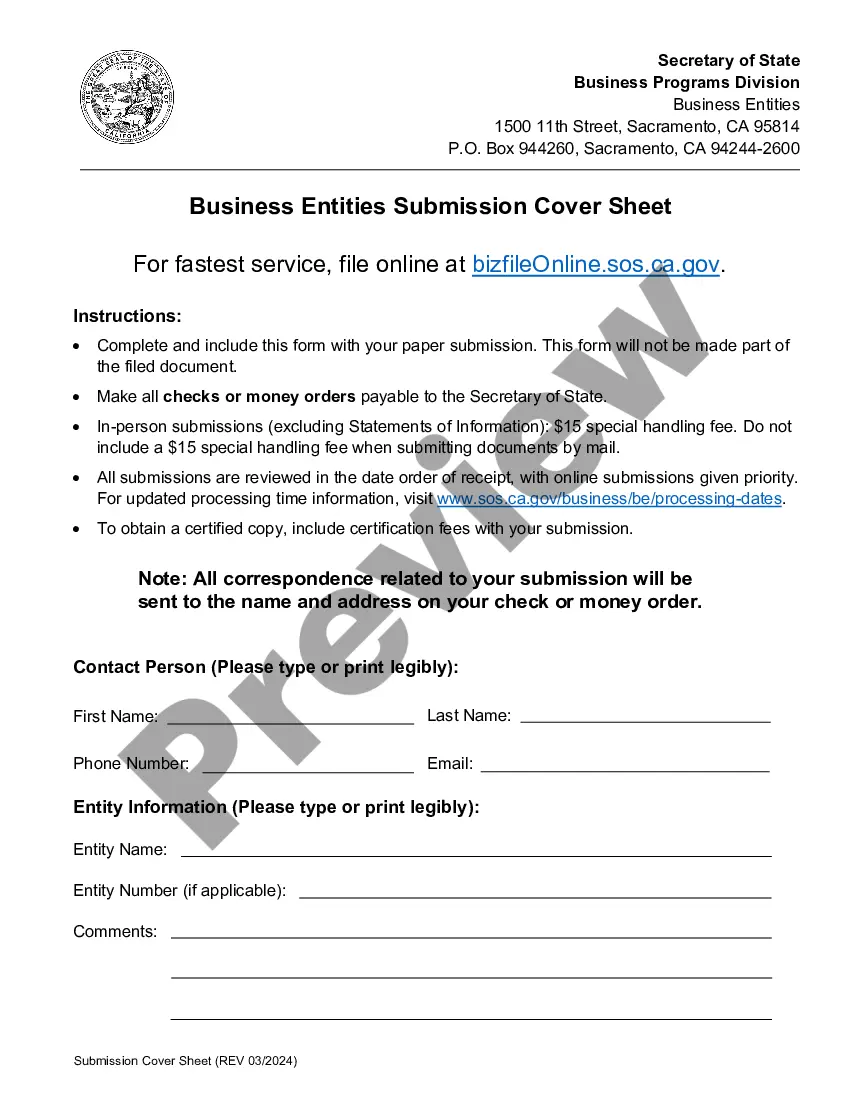
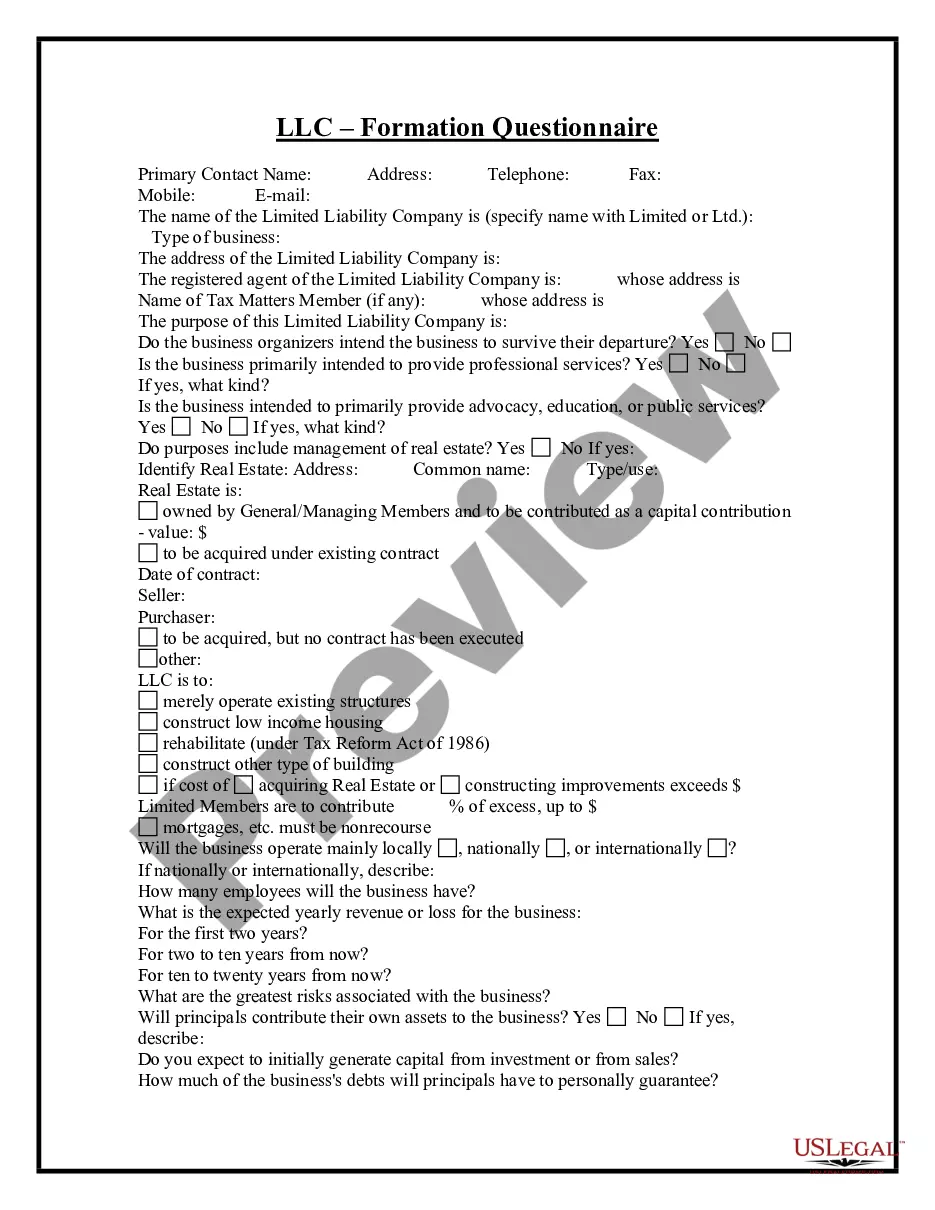


How to fill out California Limited Liability Company LLC Formation Package?
- Familiarize yourself with the form library and find your initial form. Use the Preview mode to check its relevance to your needs and ensure it meets state regulations.
- If the desired form is not suitable, utilize the search function to find more templates relevant to your specific situation.
- Purchase the selected form by clicking the Buy Now button and deciding on a suitable subscription plan. You’ll need to create an account to access full resources.
- Complete your transaction using either a credit card or your PayPal account for secure payment.
- Download the form to your device directly or access it later from the My Forms section in your profile.
By following these steps, you can harness the full potential of US Legal Forms, allowing for a hassle-free experience in managing your legal documentation.
Begin today to safeguard your business with the limited liability company form of ownership. Explore our services for streamlined legal solutions!
Form popularity
FAQ
You can prove ownership of an LLC by presenting key documents like the operating agreement and proof of membership interests. These documents outline each member's role and ownership stake in your Limited Liability Company. For seamless management and documentation, consider using platforms like uslegalforms to keep all relevant documents organized.
To prove you have a Limited Liability Company, provide the Articles of Organization filed with the state. This document confirms the official recognition of your LLC. Additionally, the operating agreement can support your claim by outlining the structure and members involved in the LLC.
To show ownership of a Limited Liability Company, you can present the operating agreement and any membership certificates issued. The operating agreement details the ownership distribution and provides a framework for management. State filing documents also play a critical role in establishing legal ownership.
Documents such as the operating agreement, membership certificates, and state formation paperwork serve as proof of ownership for a Limited Liability Company. These documents provide clarity on each member's stakes and rights within the LLC. Always keep these documents accessible to confirm ownership if needed.
To determine ownership of a Limited Liability Company (LLC), review the operating agreement and the member list. The operating agreement outlines the distribution of ownership interests among members. Additionally, state registration documents can confirm ownership shares filed with the relevant state authorities.
If you own a limited liability company, your title can vary based on your level of involvement. Common titles include member, managing member, or chief executive officer, depending on how you wish to represent your role. This flexibility allows you to choose a title that best reflects your responsibilities within the limited liability company form of ownership. For personalized guidance, consider exploring resources on the Uslegalforms platform to find the best title for your situation.
Yes, you can refer to yourself as the owner of an LLC, but it is more precise to use the term member. While legally you hold ownership, using 'member' aligns with the terminology of the limited liability company form of ownership. This distinction helps communicate your role within the structure to others. If you prefer to highlight your leadership, you can also use titles like managing member or principal.
The owners of a limited liability company form of ownership are typically called members. These members can be individuals, other LLCs, or corporations, which underscores the flexibility of the LLC structure. Unlike corporations, an LLC does not issue stock, so referring to yourself as a member helps clarify your role. This term acknowledges the collaborative nature of ownership in an LLC.
Yes, the limited liability company form of ownership is a popular choice for many entrepreneurs. This type of structure combines the flexibility of a partnership with the liability protection of a corporation. It allows business owners to separate their personal assets from business liabilities, which provides important safeguards. Overall, choosing an LLC can enhance your business's credibility while offering significant advantages.
The four types of business ownership include sole proprietorship, partnership, corporation, and Limited Liability Company (LLC). Each type varies in terms of ownership, liability, and tax implications. An LLC combines benefits of both partnerships and corporations, offering liability protection while allowing pass-through taxation. Understanding these types can help you select the best option for your business vision.