Tenancy Agreement For Rental Property
Description
Get your form ready online
Our built-in tools help you complete, sign, share, and store your documents in one place.
Make edits, fill in missing information, and update formatting in US Legal Forms—just like you would in MS Word.
Download a copy, print it, send it by email, or mail it via USPS—whatever works best for your next step.
Sign and collect signatures with our SignNow integration. Send to multiple recipients, set reminders, and more. Go Premium to unlock E-Sign.
If this form requires notarization, complete it online through a secure video call—no need to meet a notary in person or wait for an appointment.
We protect your documents and personal data by following strict security and privacy standards.

Make edits, fill in missing information, and update formatting in US Legal Forms—just like you would in MS Word.

Download a copy, print it, send it by email, or mail it via USPS—whatever works best for your next step.

Sign and collect signatures with our SignNow integration. Send to multiple recipients, set reminders, and more. Go Premium to unlock E-Sign.

If this form requires notarization, complete it online through a secure video call—no need to meet a notary in person or wait for an appointment.

We protect your documents and personal data by following strict security and privacy standards.
Looking for another form?








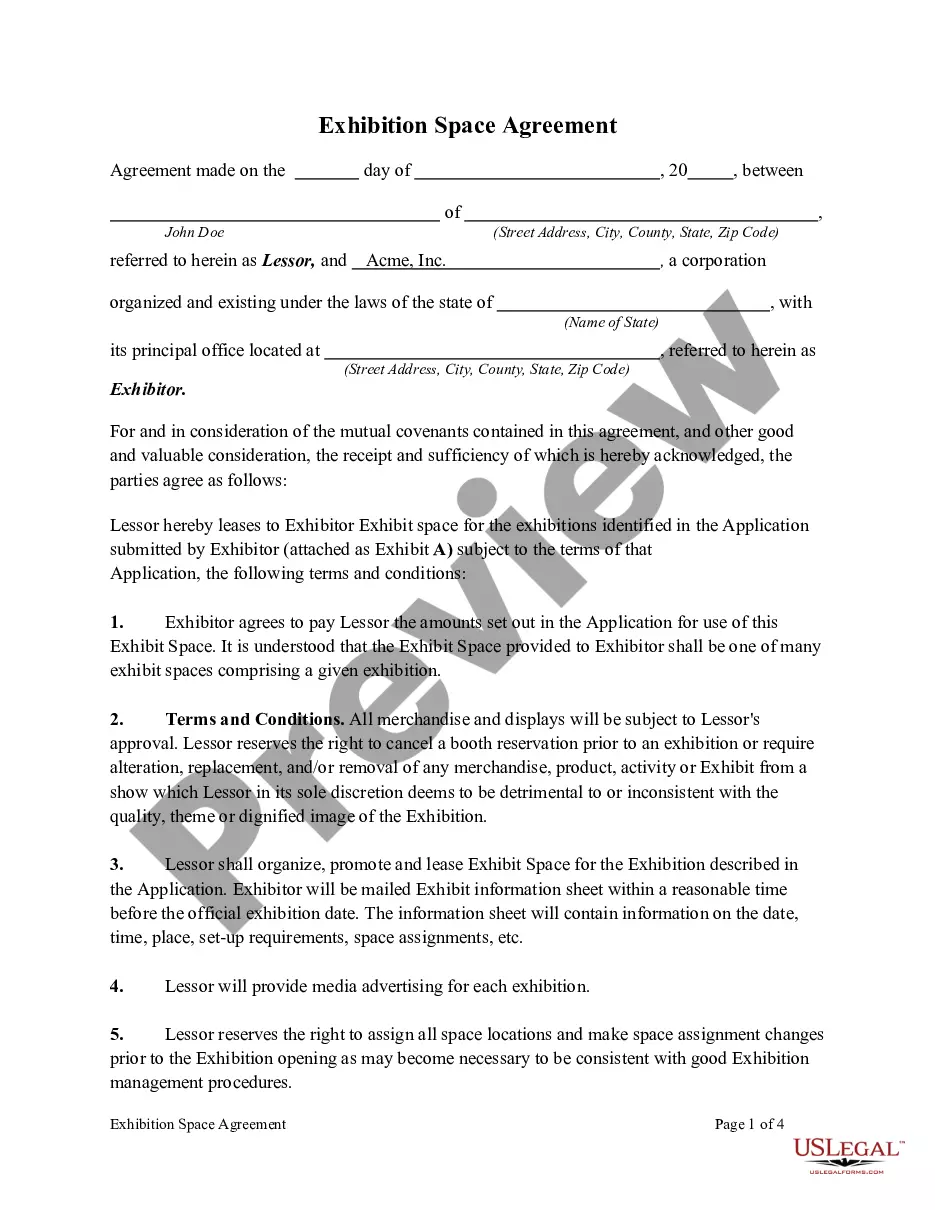

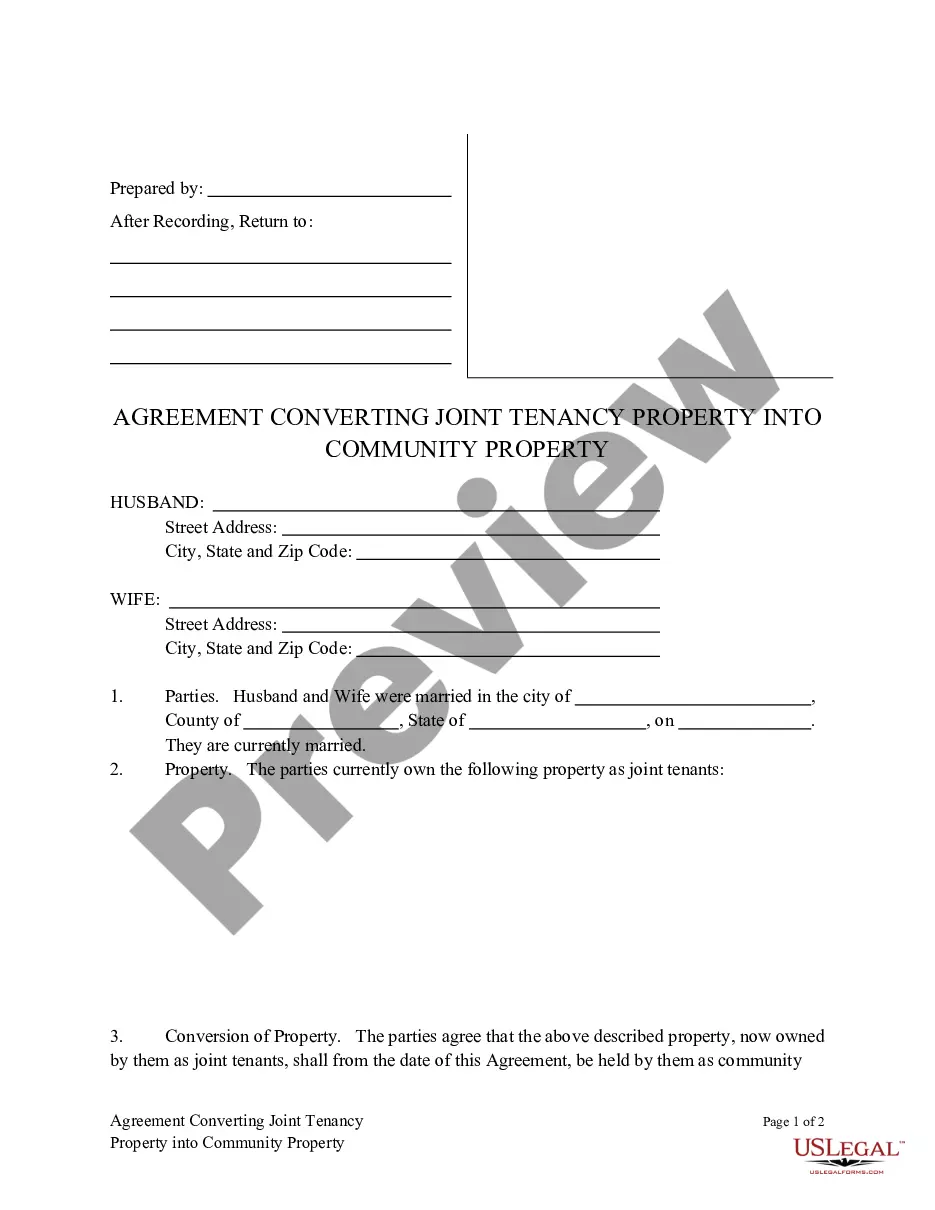
How to fill out Arizona Agreement Converting Joint Tenancy Property Into Community Property - Deed?
- Log in to your US Legal Forms account if you are an existing user. Ensure your subscription is active for uninterrupted access.
- For first-time users, start by checking the Preview mode and form description to find the correct tenancy agreement that suits your local jurisdiction.
- If the initial template doesn’t meet your requirements, utilize the Search tab to explore additional options until you find the right one.
- Once you’ve selected the appropriate form, click 'Buy Now' and choose a subscription plan that fits your needs. You will need to create an account to unlock the full range of resources.
- Complete your purchase by entering your payment information, either via credit card or PayPal.
- Finally, download your tenancy agreement template to your device. You can revisit it anytime through the 'My Forms' section in your account.
By following these steps, you can efficiently create a legally binding tenancy agreement tailored to your specific needs.
Start today and experience the convenience of US Legal Forms while ensuring your rental agreements are both accurate and legally sound!
Form popularity
FAQ
Hiring a lawyer to write a rental agreement is not mandatory, but it can be beneficial. If you feel uncertain about the legal requirements for a tenancy agreement for rental property, consulting with a lawyer can provide peace of mind. Alternatively, using user-friendly templates from platforms like US Legal Forms can help you create an effective agreement without the need for legal assistance.
A handwritten lease agreement can be legally binding if it contains the essential elements of a tenancy agreement for rental property, such as the terms, signatures, and agreement of both parties. However, it is advisable to draft a clear and detailed agreement to avoid misunderstandings. Using a professional template can enhance clarity and ensure that all necessary components are included.
Yes, rental agreement templates are available in Word format. These templates are convenient, allowing you to easily modify details to fit your specific situation. By using a well-structured tenancy agreement for rental property template, you can ensure that your agreement contains all the relevant information and meets legal requirements. Consider checking resources like US Legal Forms for reliable templates.
Yes, you can create your own rental agreement for your property. However, it is important to ensure that your tenancy agreement for rental property complies with local laws and includes all necessary terms. Using a template can provide guidance, making it easier to include essential clauses and protect both parties. Online platforms, such as US Legal Forms, offer customizable templates that help simplify the process.
The most common type of tenancy is tenancy at will. This agreement allows a tenant to occupy a property without a fixed end date, based on mutual consent between the landlord and tenant. It provides great flexibility, but both parties should understand it can be terminated at any time with proper notice. For those exploring this type of agreement, resources such as US Legal Forms can offer essential templates and guidance.
The most common tenancy in residential leasing is the periodic tenancy. This type of arrangement renews periodically, such as month-to-month or week-to-week, allowing flexibility for both the tenant and landlord. It enables tenants to move out with relatively short notice while giving landlords the ability to adjust rental terms more frequently. This flexibility is advantageous in today’s dynamic rental market.
The most common form of ownership in real estate is sole ownership. This means one individual holds the title and is fully responsible for the property, including the tenancy agreement for rental property. While this provides the owner with complete control, it also places all associated risks and responsibilities on them. Understanding ownership types can help potential investors make informed decisions.
The most common type of lease agreement is the fixed-term lease. This agreement typically lasts for a set period, often one year, which provides stability for both the landlord and tenant. During this time, rental terms are generally locked in, allowing both parties to manage their expectations and responsibilities. Knowing the conditions of a fixed-term lease is essential for a positive rental experience.
Red flags in a lease agreement for rental property include unclear terms, high fees, and restrictions that seem unreasonable. It's important to watch for clauses that allow the landlord excessive control over the tenant’s rights, such as the ability to enter without notice. Any vague language can lead to disputes later on. Always read the lease carefully and consider consulting experts to clarify any concerns.
The most common tenancy agreement for rental property is the lease agreement. This document typically outlines the terms and conditions that both the landlord and tenant must adhere to during the rental period. It specifies key details such as rent amount, duration of the lease, and responsibilities for maintenance. Understanding this agreement is crucial for both parties to ensure a smooth rental experience.