Rent Agreement
Description
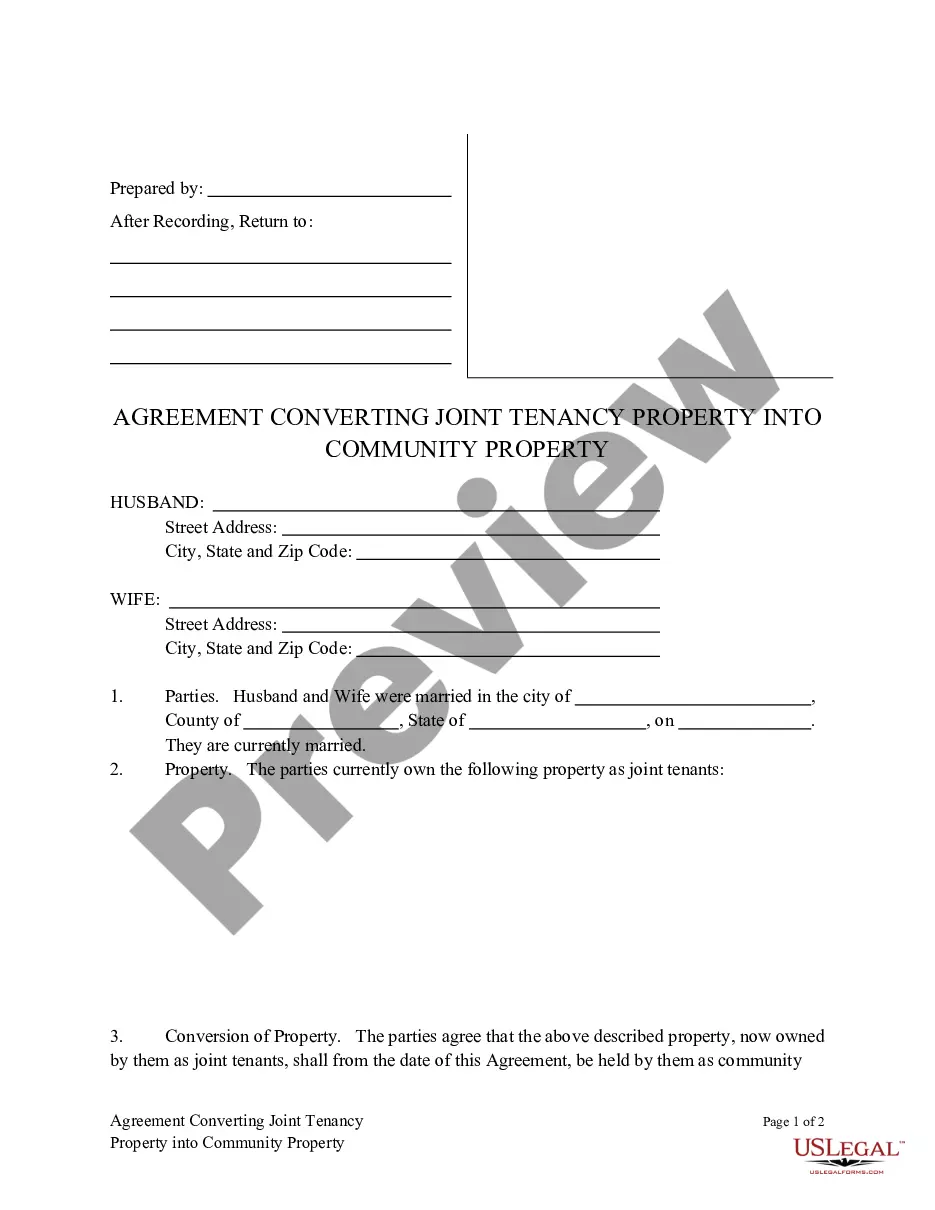
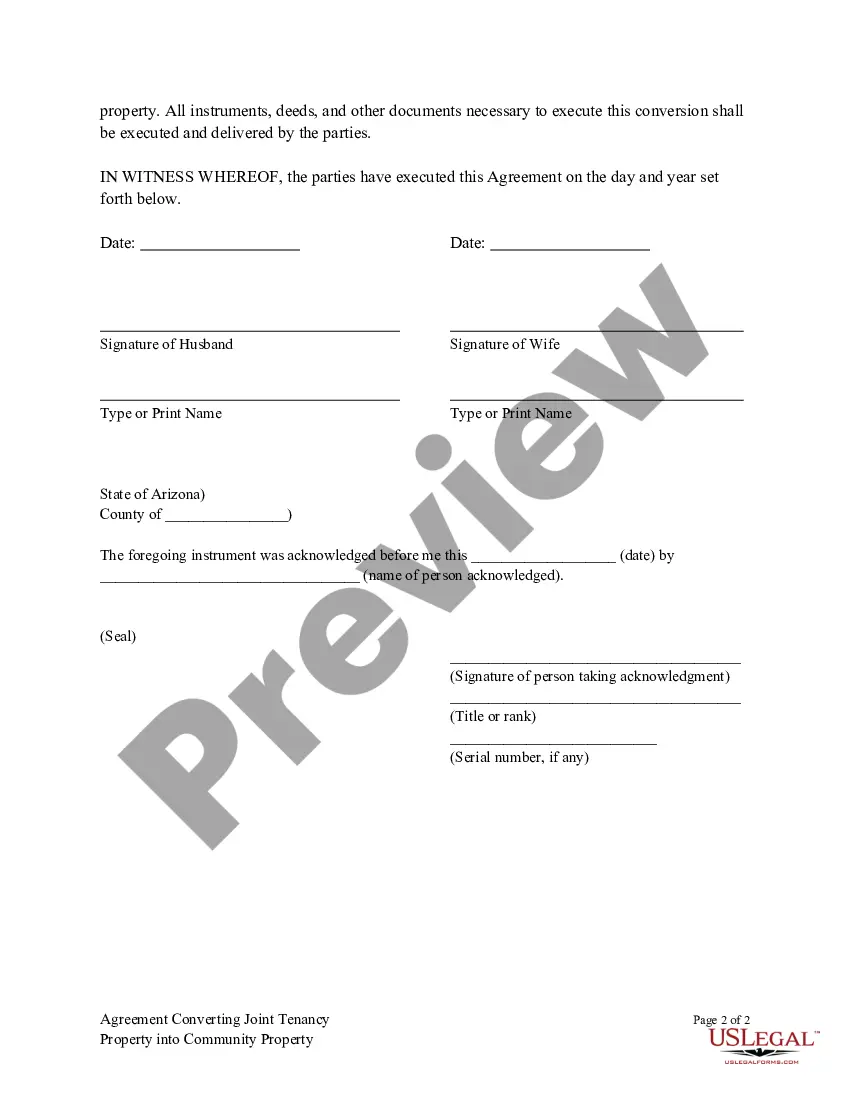
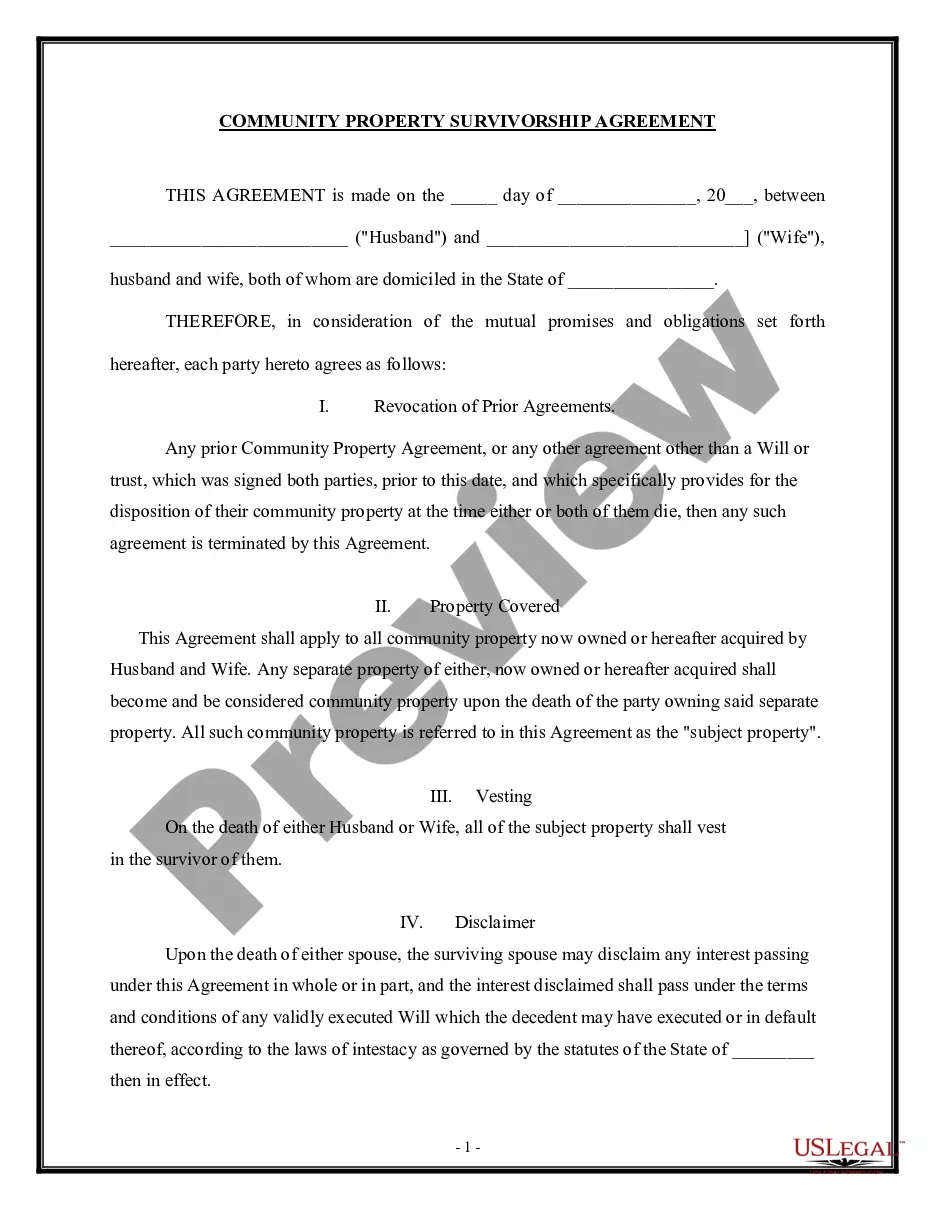
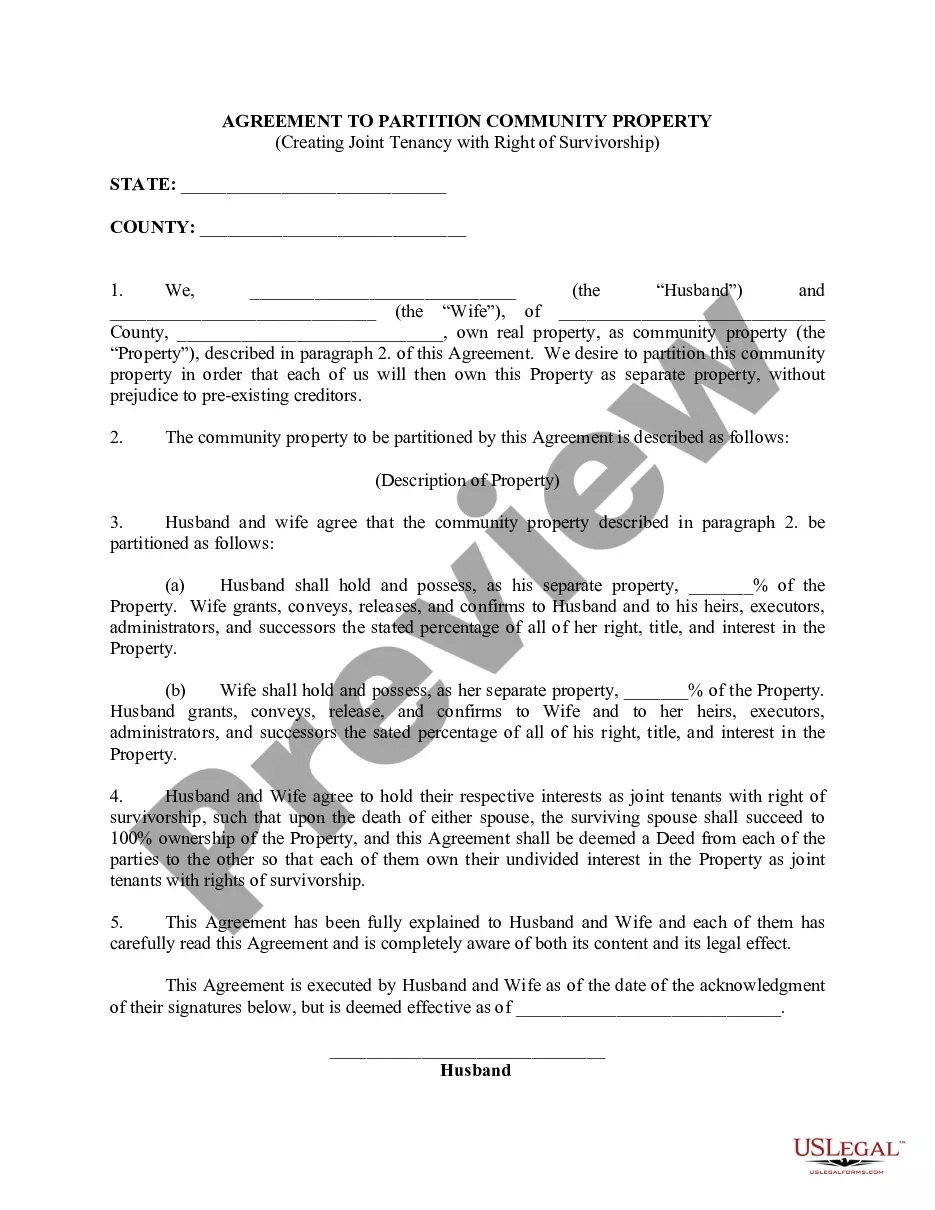
Get your form ready online
Our built-in tools help you complete, sign, share, and store your documents in one place.
Make edits, fill in missing information, and update formatting in US Legal Forms—just like you would in MS Word.
Download a copy, print it, send it by email, or mail it via USPS—whatever works best for your next step.
Sign and collect signatures with our SignNow integration. Send to multiple recipients, set reminders, and more. Go Premium to unlock E-Sign.
If this form requires notarization, complete it online through a secure video call—no need to meet a notary in person or wait for an appointment.
We protect your documents and personal data by following strict security and privacy standards.

Make edits, fill in missing information, and update formatting in US Legal Forms—just like you would in MS Word.

Download a copy, print it, send it by email, or mail it via USPS—whatever works best for your next step.

Sign and collect signatures with our SignNow integration. Send to multiple recipients, set reminders, and more. Go Premium to unlock E-Sign.

If this form requires notarization, complete it online through a secure video call—no need to meet a notary in person or wait for an appointment.

We protect your documents and personal data by following strict security and privacy standards.
Looking for another form?






How to fill out Arizona Agreement Converting Joint Tenancy Property Into Community Property - Deed?
- If you're a returning user, log in to your account. Ensure your subscription is active, and click the Download button to access the required form.
- For first-time users, start by browsing the preview mode and the description of the rent agreement to confirm it meets your needs and complies with local jurisdiction.
- If adjustments are necessary, use the search tab to find alternative templates that suit your requirements better.
- Proceed to purchase the document by clicking the Buy Now button, then select your preferred subscription plan and create an account for full access.
- Complete your payment using either your credit card or PayPal, and finalize your subscription.
- Download the rent agreement form to your device and save it for editing. You can always retrieve it later in the My Forms section of your profile.
In conclusion, US Legal Forms simplifies the process of creating legally binding documents like rent agreements. With its extensive library and expert support, you can ensure your forms are precise and compliant. Start your journey towards legal clarity by visiting US Legal Forms today!
Don't wait; empower yourself with the right legal documents now!
Form popularity
FAQ
While it is not mandatory to hire a lawyer for a rent-to-own contract, consulting one can be beneficial. A legal professional can help ensure the contract contains all necessary terms and complies with local laws. This extra layer of assurance minimizes potential disputes between you and your landlord. If you prefer a DIY approach, using templates from US Legal Forms can provide valuable guidance.
Yes, you can create your own rental agreement as long as it includes essential elements and complies with local laws. Be sure to address details like the number of occupants, payment terms, and maintenance responsibilities. However, utilizing a template from US Legal Forms can provide peace of mind, ensuring you don't overlook crucial legal requirements while also making the process easier for both you and your landlord.
A California rental agreement must include specific elements to be valid. It should clearly state the names of the landlord and tenant, the property address, rental amount, payment terms, security deposit, and duration of the lease. Additionally, it should outline the rights and responsibilities of both parties, including maintenance duties and any applicable rules. For a comprehensive approach, consider using US Legal Forms to access template agreements tailored to California's laws.
Article 5 of the North Carolina Landlord and Tenant law deals specifically with the rights and responsibilities related to rental property. This section provides guidelines regarding issues such as security deposits, maintenance obligations, and eviction procedures. Understanding this article can empower you as a tenant and help you respect the terms of your rent agreement. If you have specific questions, consulting resources like USLegalForms can offer clarity.
The North Carolina Rental Agreement Act governs the rental obligations and relationships between landlords and tenants in the state. This act outlines necessary provisions for rental agreements and ensures that both parties understand their rights and responsibilities. The legislation helps promote fair practices in rental situations. Familiarizing yourself with this act can make navigating your rent agreement much easier.
A landlord in North Carolina must provide tenants with a written notice before taking certain actions, such as terminating a rental agreement. Generally, a notice period of 30 days is required for month-to-month leases. It's important to refer to your specific rent agreement for any additional clauses that might apply. Understanding these notification requirements can help you plan and ensure your rights as a tenant are upheld.
Yes, you can create your own lease agreement in North Carolina, as long as it includes all the necessary legal elements. A well-structured rent agreement should cover rent amount, payment due dates, and the term of the lease. However, ensure that it complies with state laws to avoid issues. If you’re unsure, using a platform like USLegalForms can help you draft a comprehensive and legally sound agreement.
In North Carolina, there are no state laws regulating how much a landlord can raise the rent, giving them the ability to increase rent as they see fit. However, the landlord must adhere to the terms outlined in the rent agreement and provide adequate notice. Often, tenants have a right to a 30-day notice for changes. Familiarizing yourself with the details of your rent agreement is essential to understand your potential financial obligations.
Renters in North Carolina have several important rights protected under state law. You have the right to a habitable living environment, meaning the property should be safe and meet basic health standards. Additionally, you cannot be discriminated against based on race, color, religion, or other protected statuses when renting. Understanding your rights in the context of a rent agreement is crucial for maintaining a fair tenant-landlord relationship.
To propose a rent to own agreement, start by discussing your intentions with the property owner or landlord. Clearly outline your proposed terms, including payment amounts and duration, in a formal request. Using a well-structured rent agreement can help clarify responsibilities. Consider using resources from US Legal Forms to create a professional proposal that meets legal standards.